
11 Late Winter Garden Planning Tricks That Save Space and Time
Planning your garden in late winter is the perfect way to get ahead of the busy spring season. By preparing early, you can maximize limited space, save time, and set yourself up for a successful growing season. From starting seeds indoors to utilizing vertical space, these simple strategies will help streamline your gardening tasks and make spring planting much easier. Now is the time to get organized and ready so you can enjoy a more productive and enjoyable gardening experience.
This post may contain affiliate links, which helps keep this content free. Please read our disclosure for more info.
Start Seeds Indoors
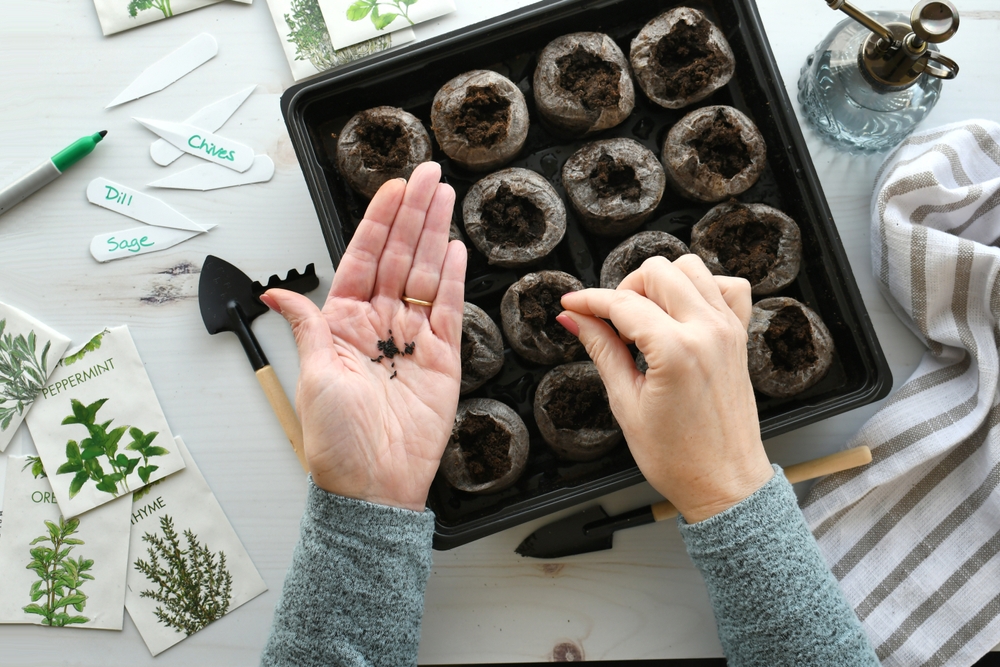
Late winter is an excellent time to begin growing seeds indoors, especially for plants that require a longer growing season. This early start allows seedlings to mature indoors under controlled conditions, giving them a strong start before being transplanted outside in spring. By starting seeds in late winter, you can take advantage of the warmer weather later in the season and avoid the rush of planting everything at once. This method also helps maximize space in your garden, as you will have seedlings ready to go once outdoor conditions are optimal. Moreover, starting seeds indoors can save time, as plants are more likely to thrive when they’ve been given a solid head start indoors.
In addition to giving your plants a head start, starting seeds indoors allows you to control the growing conditions better. You can adjust the temperature and lighting to ensure optimal growth. This also helps prevent the loss of valuable growing time due to unexpected weather events, such as late frosts. While there is an initial time investment in setting up indoor seed trays and monitoring the seedlings, the effort will pay off with healthier plants and a more organized garden in the spring.
Utilize Vertical Space
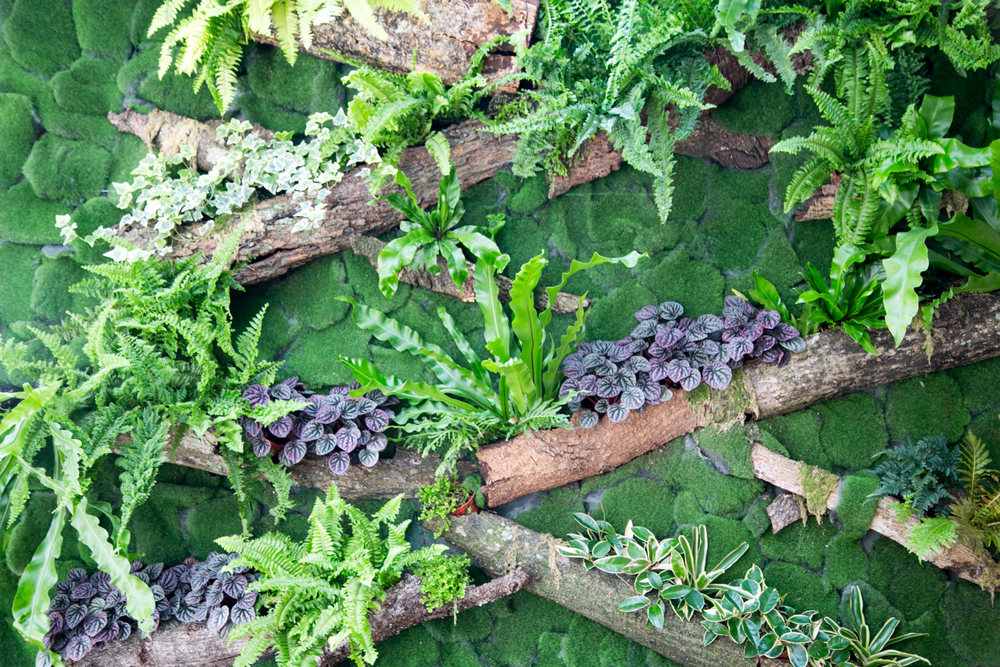
Maximizing vertical space in your garden can significantly increase your growing area without taking up more ground space. Late winter is the ideal time to plan for vertical gardening by considering structures such as trellises, racks, and fences. These elements allow you to grow plants like tomatoes, beans, and cucumbers upwards rather than sprawling on the ground. Vertical gardening is particularly useful for smaller gardens, as it gives you more space for other plants while still allowing for a diverse variety of crops. Planning ensures you have the right structures in place when the growing season begins.
Another benefit of vertical gardening is that it often results in healthier plants. By lifting plants off the ground, you reduce the risk of pests and diseases that can affect crops in contact with the soil. Additionally, vertical gardening promotes better air circulation, reducing the likelihood of fungal infections. This method saves time and effort during the spring and summer months, as it requires less weeding and maintenance compared to traditional ground-based gardening.
Perform Tool Maintenance
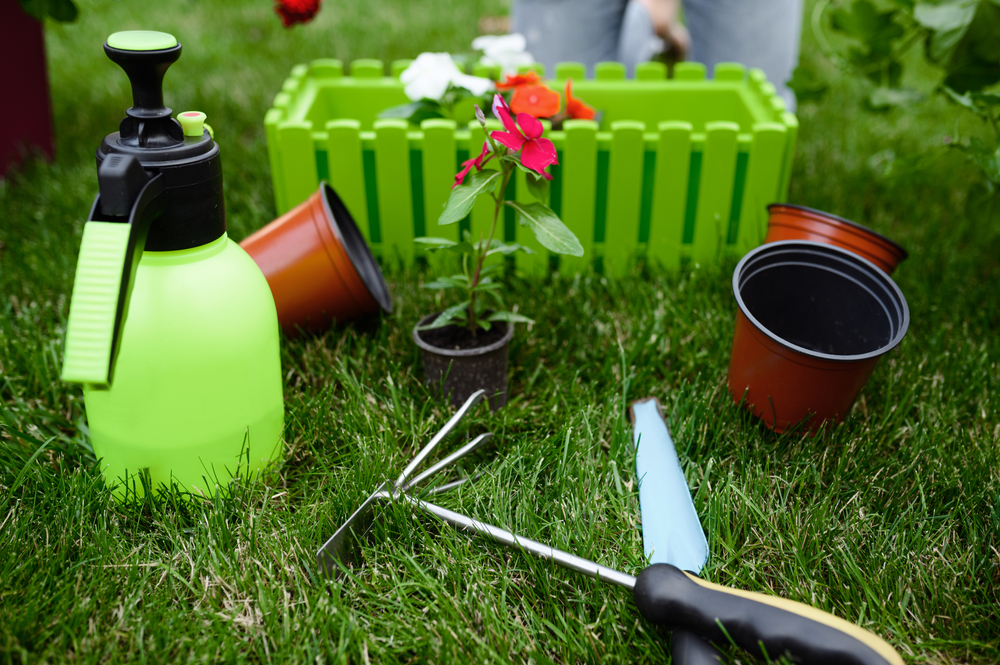
One of the best ways to save time and avoid unnecessary frustration in the spring is by performing tool maintenance during late winter. Ensure that all your gardening tools, such as shovels, pruners, and hoes, are clean, sharp, and in good working order. Late winter provides the perfect window to repair or replace worn-out tools so you are ready for the busy gardening season. Maintaining your tools ensures that they are efficient and effective when you need them most. This will also prevent delays or disruptions in your gardening activities later when you are in full planting mode.
Proper tool maintenance goes beyond just cleaning; it involves sharpening edges, lubricating moving parts, and checking for any damage. A well-maintained set of tools makes gardening tasks such as digging, pruning, and planting much easier and faster. It also extends the lifespan of your tools, ensuring that they remain functional for years. Taking the time to perform this maintenance now will pay off throughout the gardening season, allowing you to work more quickly and efficiently.
Plan Garden Layouts

Late winter is a great time to map out your garden’s layout for the upcoming season. By thoughtfully planning where each plant will go, you can maximize the space in your garden and make it easier to care for. This allows you to account for plant spacing, sunlight requirements, and companion planting, which helps improve plant growth and yields. You can also take note of any changes you want to make from the previous year, such as adding new garden beds or reorganizing plant groupings. Having a clear plan in place makes planting more efficient when spring arrives, saving you both time and effort.
Planning garden layouts also helps you visualize the types of plants you want to grow and where they will thrive best. Consider factors like soil types, water needs, and sunlight when positioning each plant. This forethought can prevent overcrowding and the need for replanting or transplanting once you begin planting. It also helps with crop rotation, which improves soil health and reduces the likelihood of pests.
Order Seeds and Supplies Early
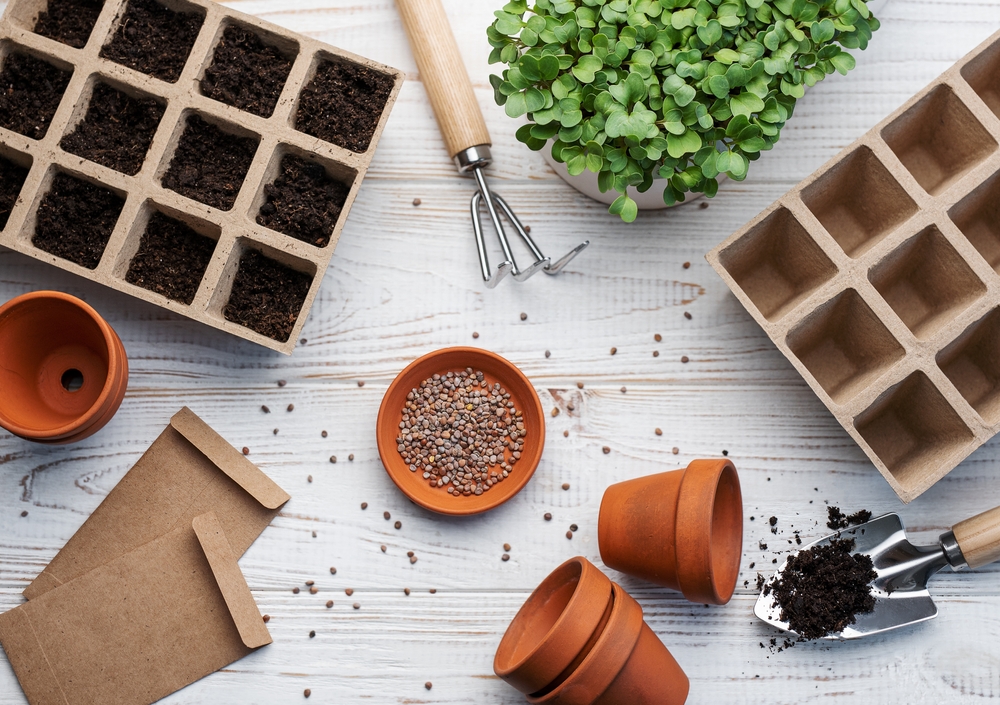
By ordering seeds and supplies in late winter, you avoid the spring rush when popular items can sell out quickly. Planning also ensures that you have all the necessary materials for your garden well in advance, which saves you time and hassle later. Take this opportunity to order seeds for plants you want to grow, as well as any fertilizers, soil amendments, and tools you may need. When you have everything ready before the season starts, you can dive into planting as soon as conditions are favorable.
Ordering early also allows you to research the best varieties for your region and growing conditions. You can take time to compare different seed companies, ensuring you get the highest quality products. This preparation ensures that your garden starts on the right foot, without delays caused by last-minute shopping trips.
Improve Soil Health
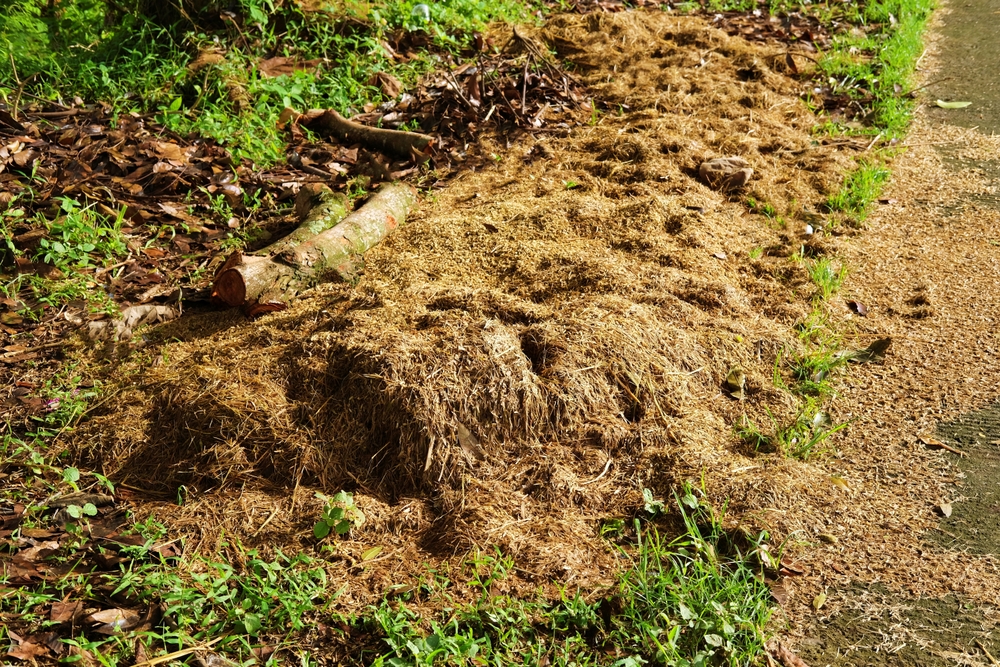
Improving the health of your soil in late winter allows it to be ready for planting when spring arrives. This is the ideal time to apply compost or other organic matter to enrich the soil, as it gives the materials time to break down and integrate into the soil structure. Healthy soil leads to healthier plants, which saves you time later in the season by reducing the need for additional fertilizer and pest control. Late winter soil improvements also give you a head start in preventing common spring problems like compacted soil and poor drainage.
In addition to compost, consider adding other soil amendments such as lime, depending on your soil’s pH level. Testing your soil in late winter provides the time to make necessary adjustments without rushing through the process. Amending the soil before planting ensures better root development and overall plant health. Healthy soil leads to stronger plants that need less attention throughout the growing season.
Create a Garden Journal

Starting a garden journal in late winter helps you stay organized and focused throughout the growing season. Record your goals, what you plan to grow, and any important notes about last year’s garden. By keeping track of planting dates, harvest times, and any challenges faced, you can improve your gardening strategies for the future. This resource will be invaluable when planning rotations, deciding what to plant next, or analyzing which plants performed best in your garden.
A garden journal can also be a helpful tool for tracking weather patterns and understanding your garden’s needs. You can document the best planting times, specific care requirements, and any pest control methods that worked well. With a garden journal, you will save time by not having to relearn gardening lessons year after year, helping you make informed decisions for future seasons.
Build Raised Garden Beds
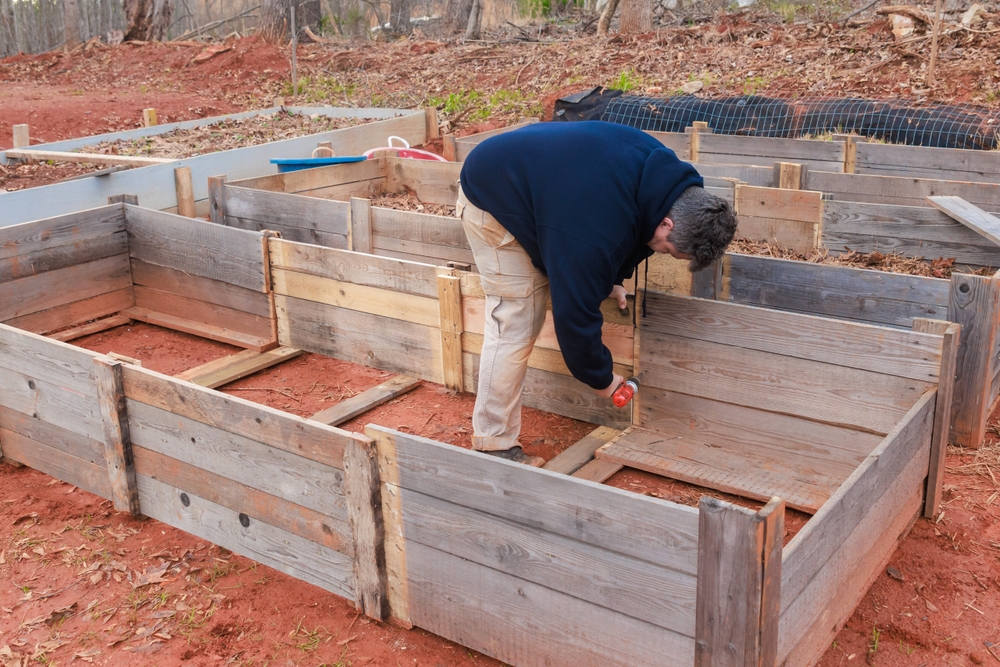
Building raised garden beds during the late winter months is an excellent strategy for getting ahead of the busy spring planting season. These beds not only create a more organized and visually appealing garden, but they also improve soil drainage and reduce weed growth. Raised beds are especially beneficial in areas with poor soil or compacted ground, providing plants with better growing conditions. By constructing these beds now, you avoid the need for lengthy preparation during the more hectic spring months.
Raised beds also make gardening more accessible, reducing the need for bending or kneeling. They are ideal for growing a variety of plants, from vegetables to herbs and flowers, and help conserve space by stacking plants vertically. Additionally, the soil in raised beds warms up faster in spring, allowing you to plant earlier and extend your growing season. All these advantages make raised beds a time-saving investment that improves gardening efficiency.
Make a Compost Plan
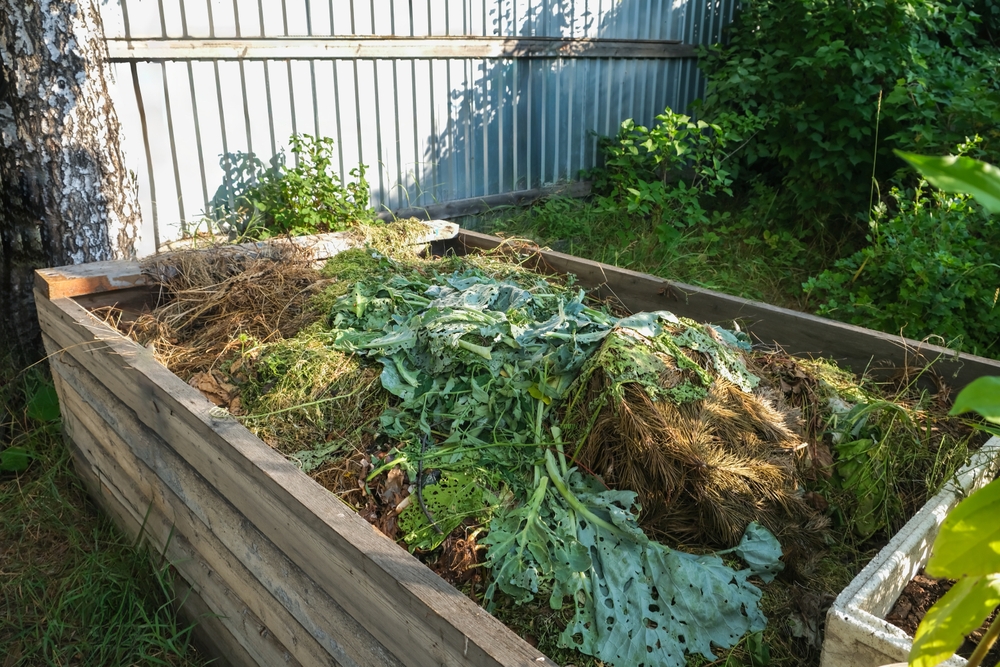
Late winter is the perfect time to plan your composting strategy for the upcoming season. Composting is a simple yet highly effective way to reduce waste and enrich your garden soil. By starting a compost pile or bin in winter, you can prepare nutrient-rich soil amendments for the growing season. Composting in winter may require a little extra effort, such as ensuring the pile stays warm enough to decompose, but the benefits during spring and summer will be well worth it.
Having a compost plan ready means you will not waste valuable time looking for materials or figuring out what to compost once gardening season begins. Set up a dedicated space for composting organic matter, and be mindful of balancing green and brown materials to encourage decomposition. By the time spring arrives, your compost pile will be ready for use, providing a steady supply of organic matter to improve your soil’s fertility and structure.
Plan for Companion Planting
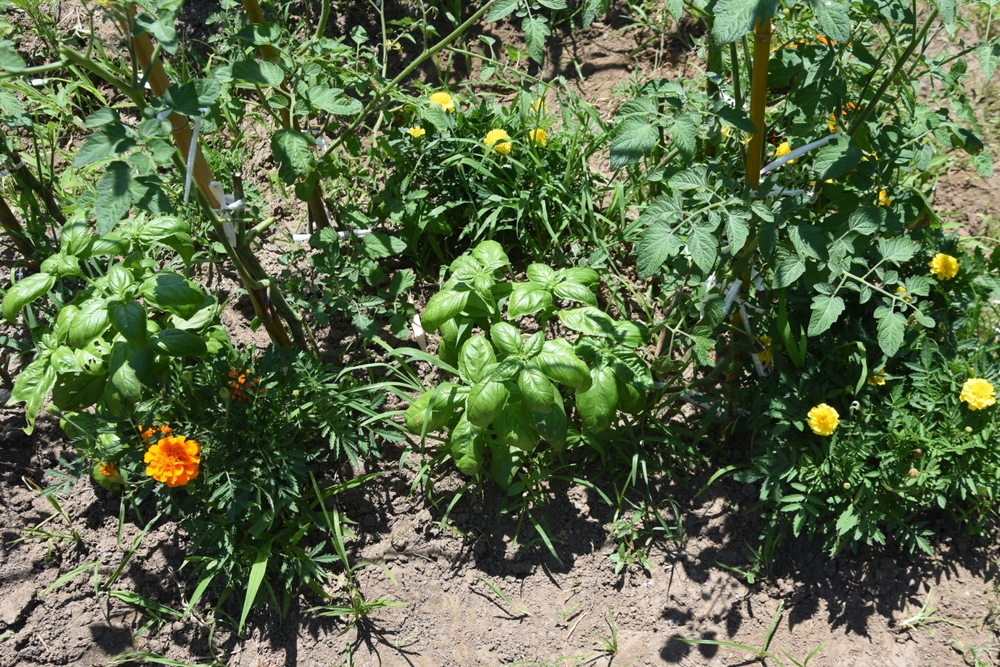
Companion planting is a gardening technique that involves grouping plants that benefit one another. By planning your companion planting strategy in late winter, you can maximize your space and help prevent pests naturally. Some plants, like basil and tomatoes, grow well together, while others, such as marigolds, help deter insects from your vegetables. Late winter planning allows you to carefully consider which plants will work best together, ensuring a more efficient and productive garden come spring.
In addition to reducing pests, companion planting can help improve pollination and encourage better growth. By placing compatible plants next to each other, you can create a more balanced garden that requires less intervention from pesticides and fertilizers. This strategy not only saves time but also enhances your garden’s overall health and yield.
Set Up Irrigation Systems
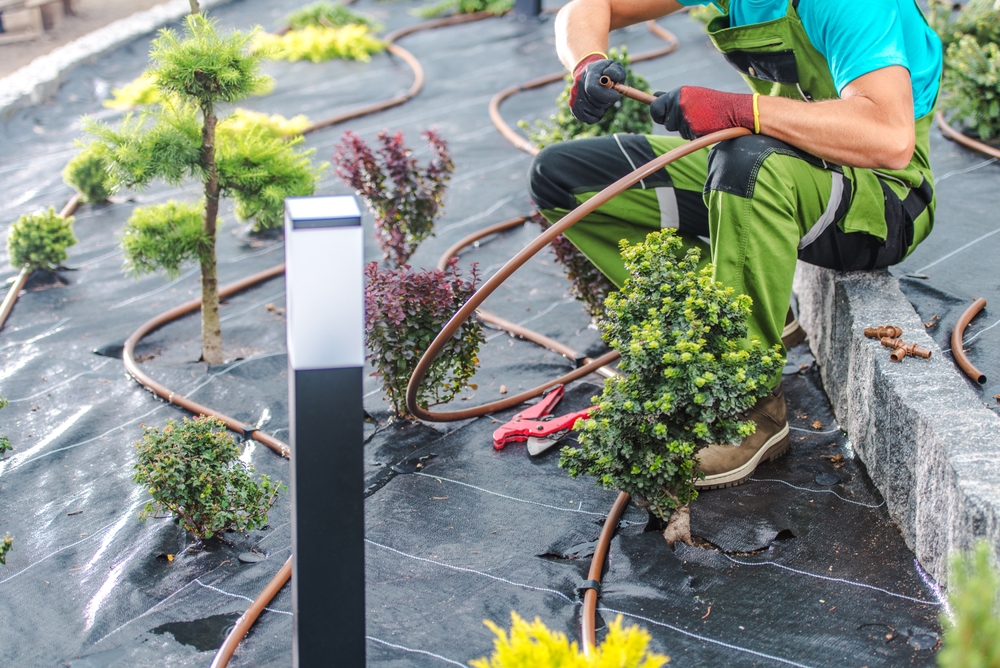
Late winter is an excellent time to plan for your garden’s irrigation system, especially if you want to save time on watering during the busy spring months. Installing a drip irrigation system or soaker hoses can ensure your plants receive consistent and efficient watering, reducing the need for hand watering. Setting this up before planting allows you to focus on other tasks when spring arrives, saving you valuable time later in the season.
An irrigation system also helps conserve water by targeting specific areas of the garden where it’s needed most. This reduces water waste and ensures that your plants receive adequate moisture, even during dry spells. Planning and installing this system in late winter ensures that everything is ready when the weather warms up, allowing you to focus on planting and maintaining your garden.
This article originally appeared on Avocadu.