
10 Indoor Seedling Problems That Show Up in Late Winter and How To Fix Them
Indoor seed starting feels calm until plants begin showing signs of stress. Late winter conditions inside the home can affect young plants more than expected. Issues often appear slowly, which makes them easy to miss at first. Once identified, most can be handled without much trouble.
This post may contain affiliate links, which helps keep this content free. Please read our disclosure for more info.
Leggy Seedlings From Low Light
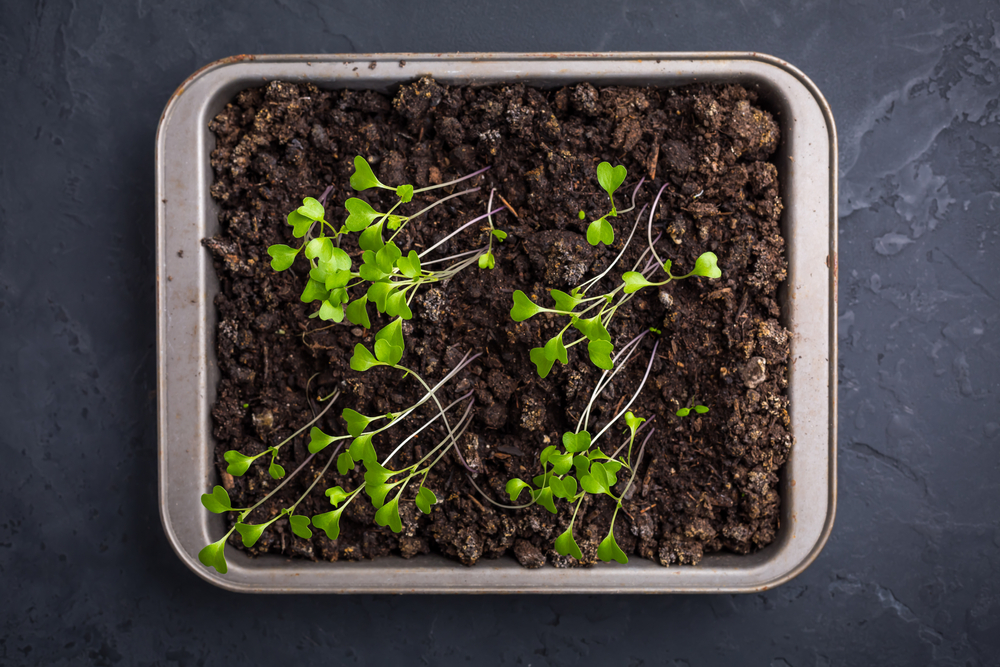
Late winter often brings weak sunlight, which causes seedlings to stretch toward the nearest window or lamp. Stems grow long and thin as plants search for enough light to support leaf growth. This makes seedlings fragile and more likely to fall over. The problem usually shows up a few weeks after sprouting.
The fix starts with stronger and closer lighting. Grow lights should sit just a few inches above the plants and be raised slowly as seedlings grow. Rotating trays helps keep growth even. Stronger stems usually develop within a week of better light exposure.
Yellowing Leaves Caused by Overwatering
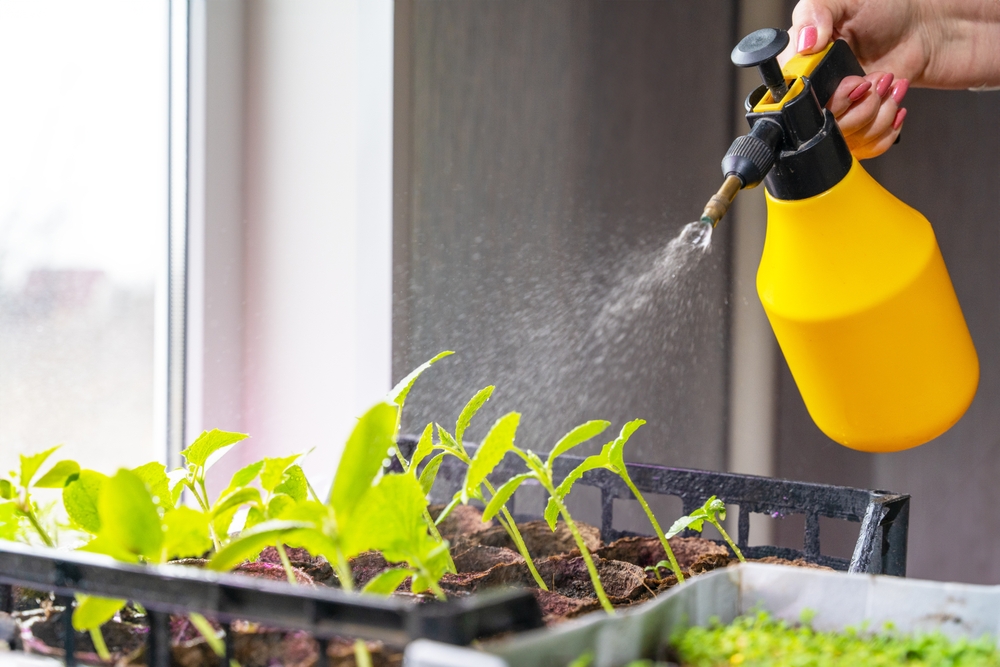
Yellow leaves are often one of the first warning signs seen indoors during late winter. Cold rooms slow water use, so soil stays wet longer than expected. Roots sitting in damp soil can struggle to take in oxygen. This stress shows up as pale or yellow leaves.
Allow soil to dry slightly between watering sessions. Containers should always have drainage holes to let excess water escape. Watering earlier in the day also helps soil dry at a steady pace. Leaf color often improves once roots regain normal function.
Wilting Despite Moist Soil
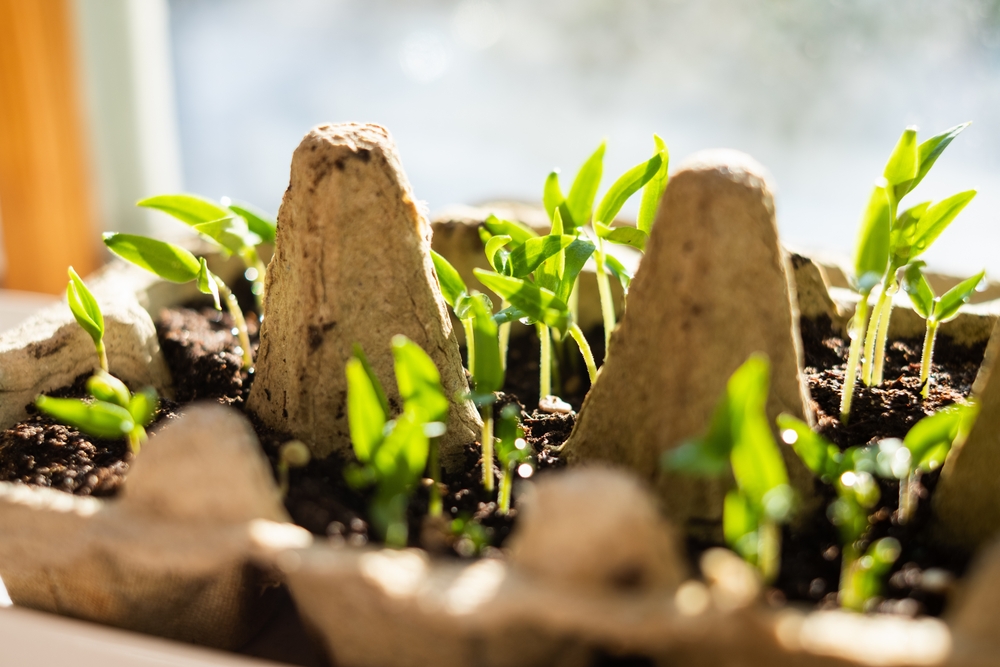
Seedlings that wilt even when soil feels wet can confuse many gardeners. This issue usually points to root stress rather than thirst. Cold temperatures and compacted soil can limit root activity. Over time, plants lose their ability to move water upward.
Improving airflow and warmth helps roots recover. Soil should be loose and well draining, not packed down. Bottom watering can encourage roots to grow deeper and stronger. Healthy roots often lead to firmer leaves within several days.
Mold Growth on Soil Surface
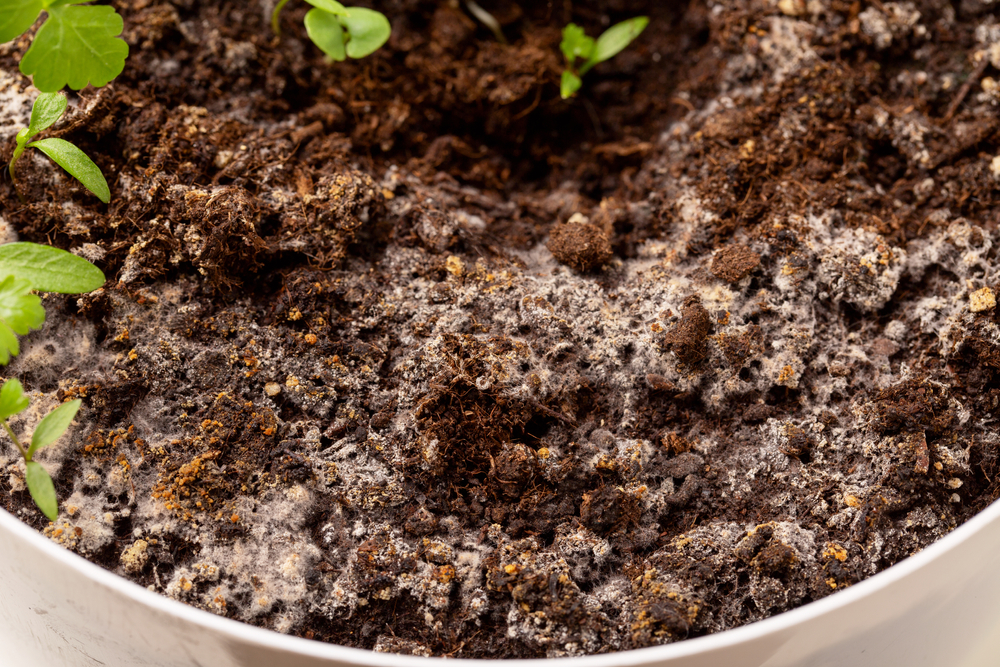
Late winter indoor air often lacks movement, which allows mold to form on damp soil. White or gray fuzzy patches may appear around stems or along the surface. While mold itself does not always harm plants, it signals excess moisture. Left alone, it can attract pests.
Reduce watering frequency and increase airflow around trays. A small fan set on low helps keep the soil surface dry. Removing visible mold with a spoon can slow its spread. Switching to a lighter soil mix also helps prevent repeat issues.
Slow or Stalled Growth
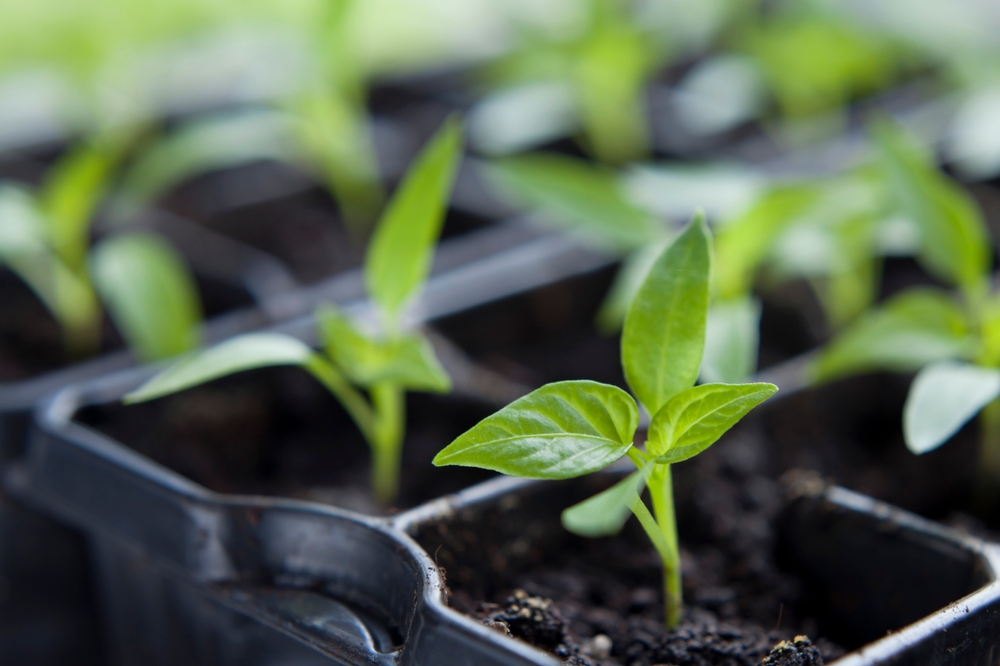
Some seedlings seem frozen in place during late winter. Leaves stay small and new growth takes much longer to appear. This usually links to low light, cool temperatures, or tired soil. Growth slows as plants conserve energy.
Raising temperatures slightly can help restart growth. Most seedlings prefer daytime warmth and cooler nights, not constant chill. A gentle feeding with diluted liquid fertilizer may help once true leaves appear. Steady growth often resumes when conditions improve.
Pale Leaves From Lack of Nutrients
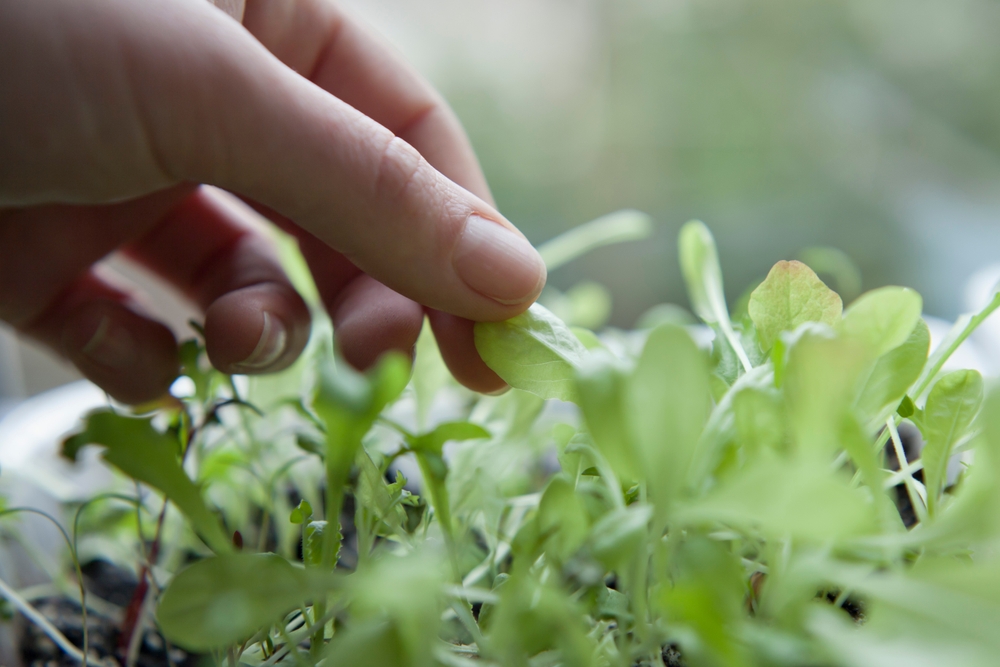
Seedlings rely on soil nutrients once seed reserves run out. Pale green leaves can signal that soil nutrients are depleted. This often happens several weeks after sprouting. Growth may continue, but it looks weak.
A gentle feeding helps restore color and strength. Use diluted liquid fertilizer rather than full strength. Feeding too early or too strongly can damage roots. A healthier color usually returns within a short time.
Brown Leaf Tips
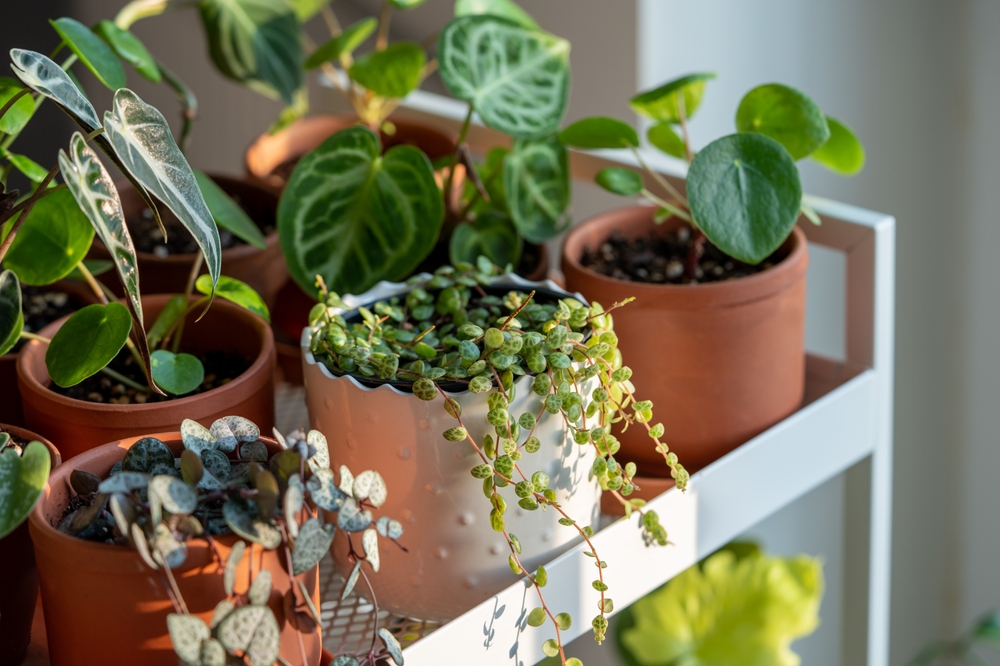
Leaf tips turning brown often point to salt buildup or uneven watering. Late winter conditions make moisture levels harder to manage indoors. Roots may receive water inconsistently. Tips dry out first as a result.
Water thoroughly so moisture reaches the entire root zone. Allow extra water to drain fully each time. Avoid frequent light watering that leaves dry pockets. New growth usually looks healthier once watering improves.
Crowded Seedlings Competing for Space
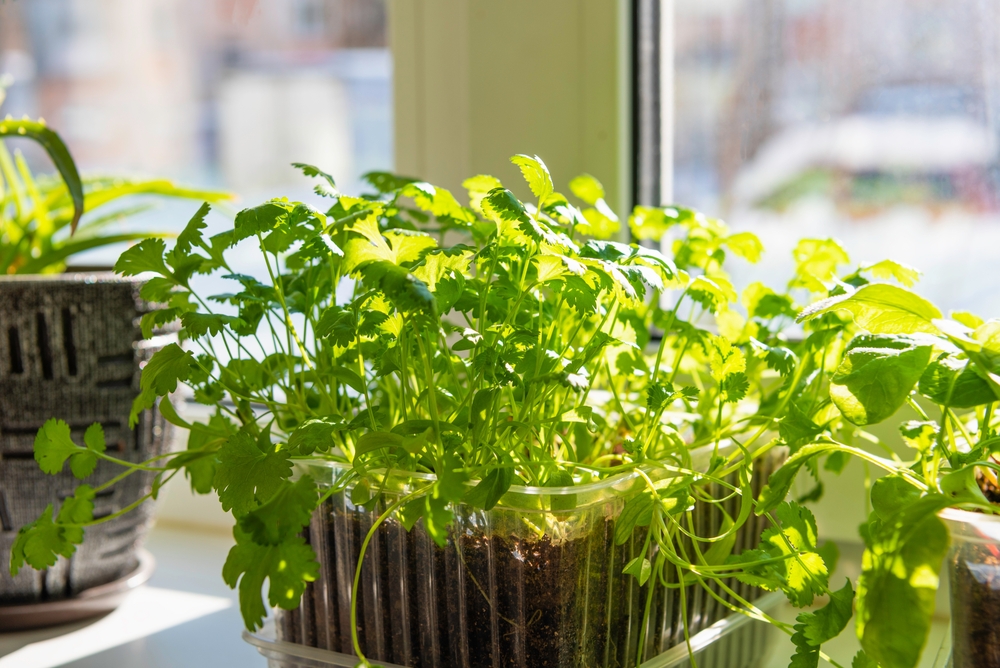
Seedlings grown too close together compete for light, water, and nutrients. Late winter sowing often leads to crowded trays as seeds germinate well indoors. Plants stretch and weaken under competition. Disease spreads more easily in tight spaces.
Thinning seedlings early gives each plant room to grow. Remove weaker sprouts rather than pulling them out to avoid root damage. Transplanting into individual containers also helps. Remaining plants usually grow stronger and sturdier.
Cold Shock From Drafts
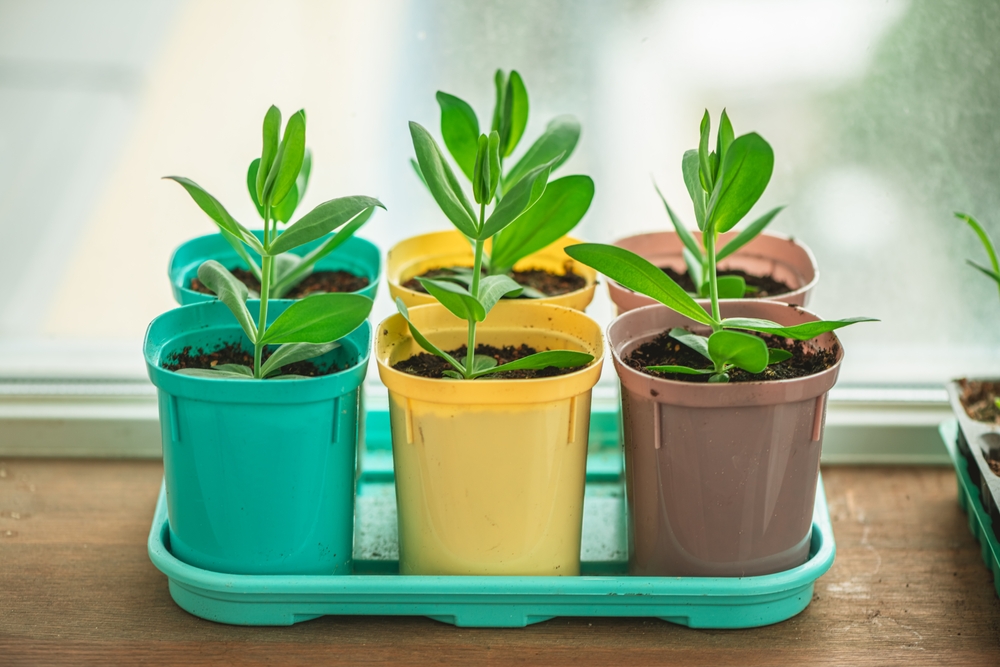
Late winter drafts from windows or doors can chill seedlings quickly. Leaves may droop or discolor after sudden temperature drops. Repeated cold exposure slows growth. Young plants are especially sensitive.
Move seedlings away from drafty areas. Nighttime protection near windows helps maintain warmth. Even small temperature adjustments make a difference. Plants often recover once temperatures stabilize.
Root Bound Seedlings
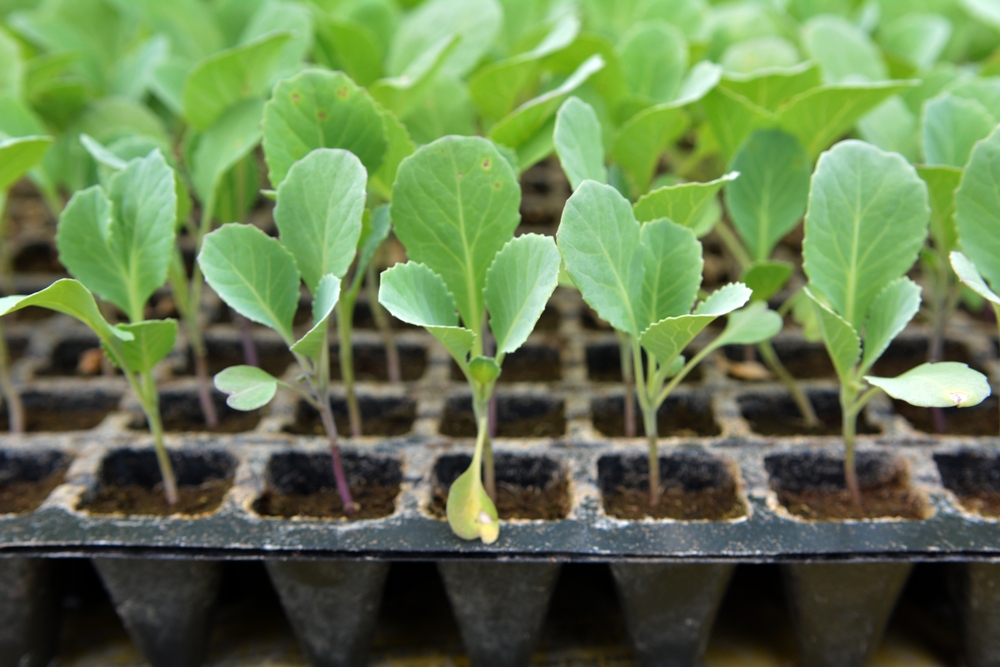
Roots can fill small containers faster than expected indoors. When roots circle tightly, growth slows, and leaves may yellow. Late winter delays transplanting, which makes this issue more common. Plants struggle to absorb water and nutrients.
Transplant seedlings once roots reach the container edges. Use containers that allow gradual root expansion. Water well after transplanting to settle the soil. Growth often picks up soon after roots gain space.
This article originally appeared on Avocadu.