
12 Cold Weather Pruning Mistakes People Still Make and How To Avoid Them
Cold weather pruning seems simple, yet many gardeners still make the same mistakes year after year. Timing, weather, and plant type all matter more than most people realize. When pruning goes wrong, plants can struggle once warmer days return. That is why it helps to know what to avoid before making the first cut.
This post may contain affiliate links, which helps keep this content free. Please read our disclosure for more info.
Pruning Too Early During Deep Cold
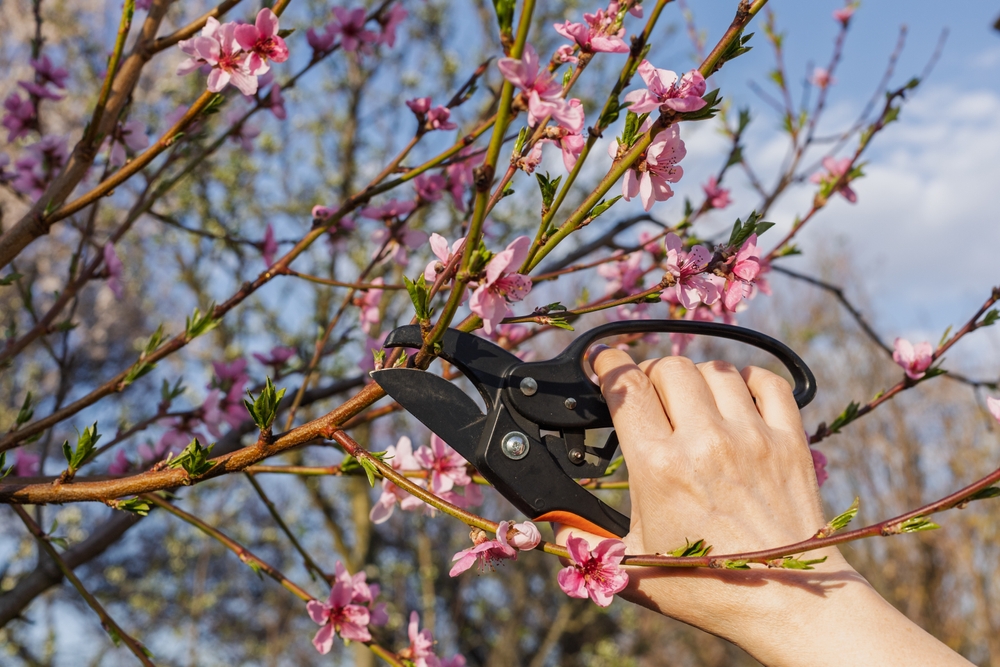
Many gardeners start pruning as soon as leaves drop, even when the cold has fully settled in. Cuts made during extreme cold can leave wood exposed to damage from freezing temperatures. Branches may crack or dry out before the plant has a chance to recover. Waiting until the harshest cold has passed helps reduce stress on the plant.
Late winter pruning gives plants time to rest while avoiding the worst weather. Watching local temperature patterns can guide better timing. Woody plants respond better when cuts are made closer to the end of dormancy. This approach supports healthier regrowth once warmer days arrive.
Cutting Back During Active Frost Periods
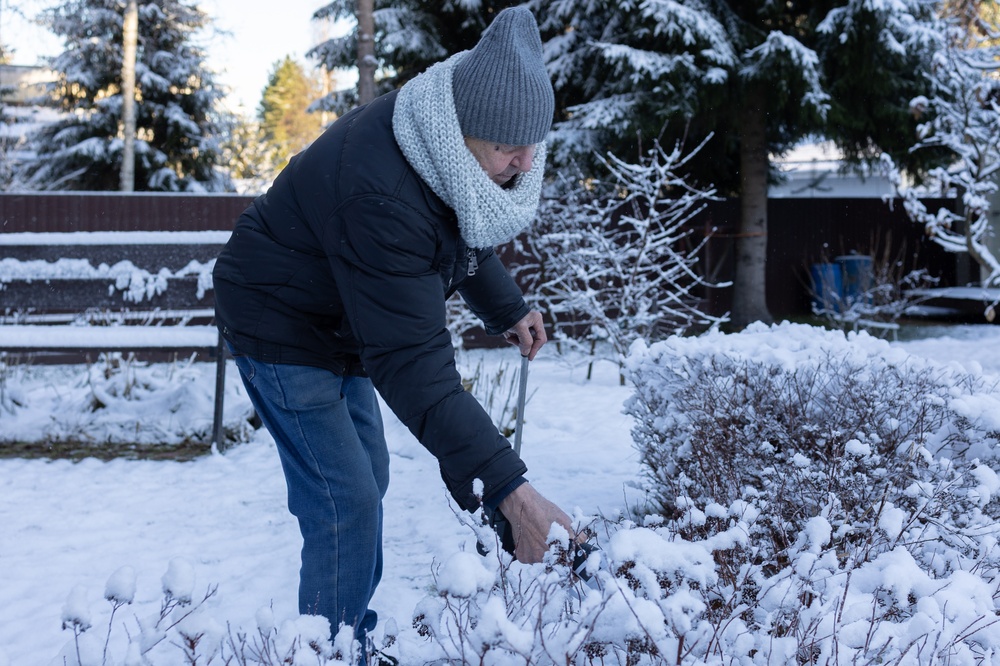
Pruning while frost is present can cause fresh cuts to freeze quickly. Frozen tissue struggles to heal and may die back farther than expected. This often leads to uneven growth or weak branch structure later. Frost damage can also open the door to disease once conditions change.
It is better to wait for a stretch of milder weather before pruning. Even a few frost free days can make a difference. Clean cuts heal more evenly when temperatures stay stable. Paying attention to short term forecasts helps avoid this mistake.
Removing Too Much Growth at Once
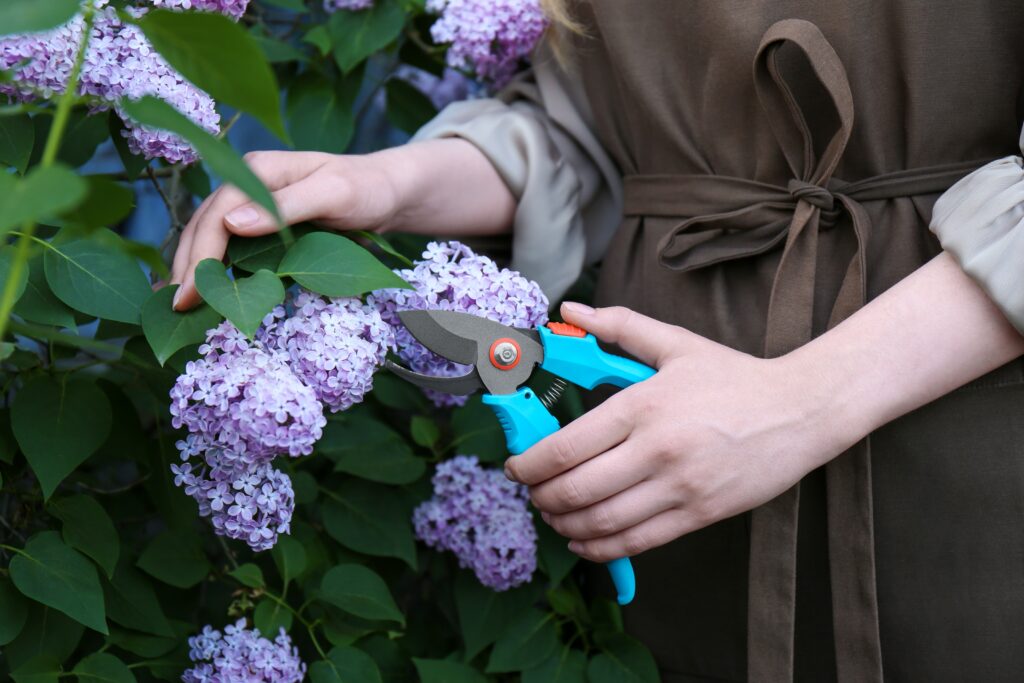
Heavy pruning during cold weather can shock plants that are already under stress. Removing large sections reduces stored energy needed for spring growth. This often results in delayed leafing or poor flowering. Plants may struggle to recover after winter ends.
Light and thoughtful pruning works better during cold months. Focus on damaged or crossing branches rather than major shaping. Gradual trimming spreads stress over time. This keeps plants stronger heading into the growing season.
Ignoring Plant Type and Growth Habits
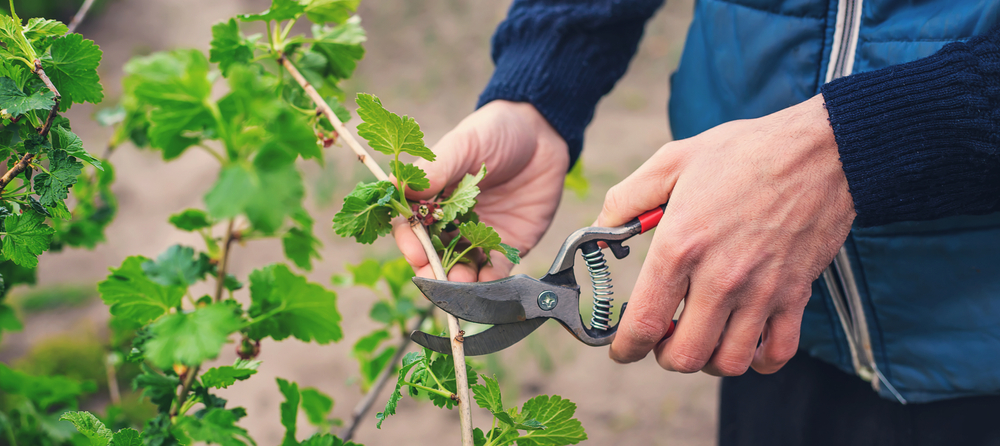
Not all plants respond the same way to cold weather pruning. Some bloom on old wood and lose flowers if cut at the wrong time. Others benefit from winter cuts but only under certain conditions. Treating all plants the same leads to disappointment.
Learning how each plant grows helps guide better choices. Shrubs, trees, and vines each have different needs. Checking bloom cycles prevents accidental loss of flowers. A little research before pruning saves time and effort later.
Using Dull or Dirty Tools
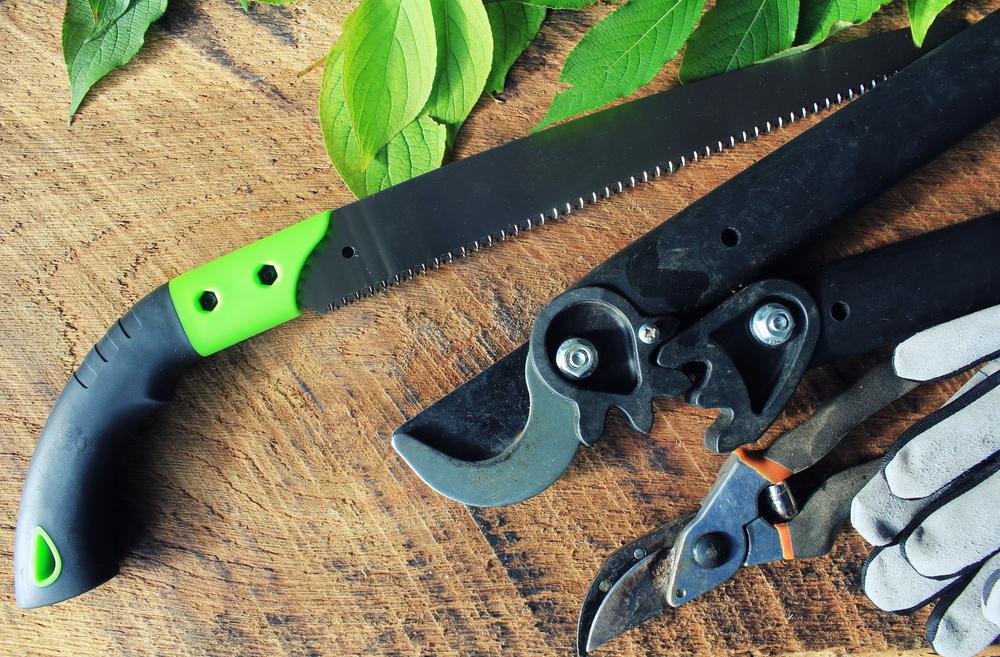
Cold weather already slows healing, and poor tools make it worse. Dull blades tear branches instead of cutting cleanly. Dirty tools can spread disease from one plant to another. This damage may not show until spring growth begins.
Sharp and clean tools make smooth cuts that heal faster. Wiping blades between plants reduces risk. Proper tool care is just as important in winter as any other season. Healthy cuts set plants up for better recovery.
Cutting Too Close to the Trunk
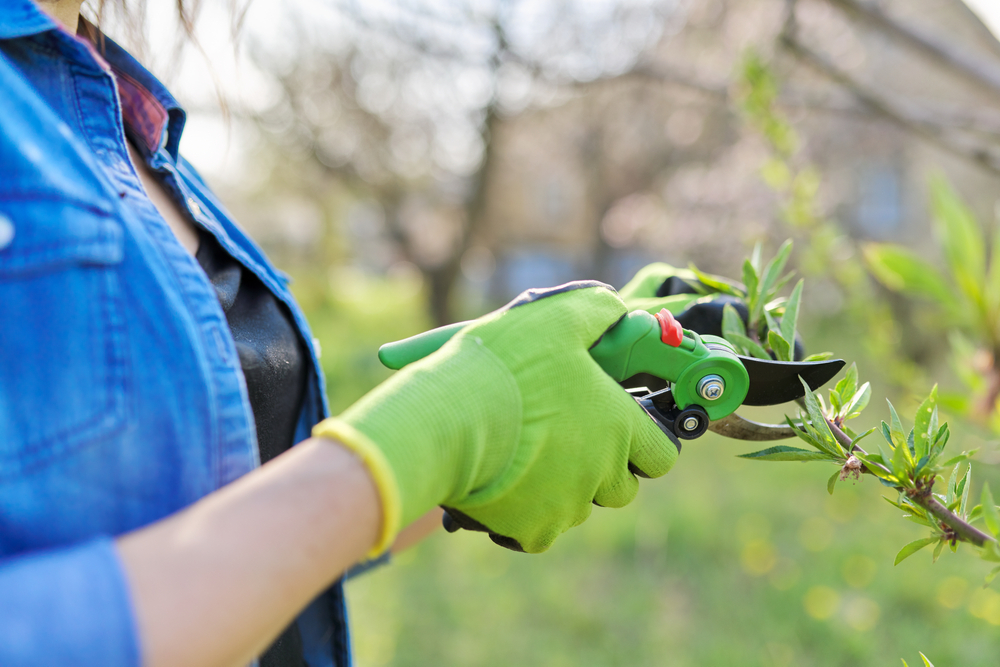
Some gardeners cut branches flush against the trunk to make plants look neat. This removes the natural collar that helps wounds close. Without it, healing slows and decay can set in. Cold conditions make this problem more severe.
Leaving a small collar protects the plant’s natural defenses. This area supports proper closure of the cut. Correct placement matters more than appearance. Careful cuts support long term plant health.
Leaving Long Stubs Behind
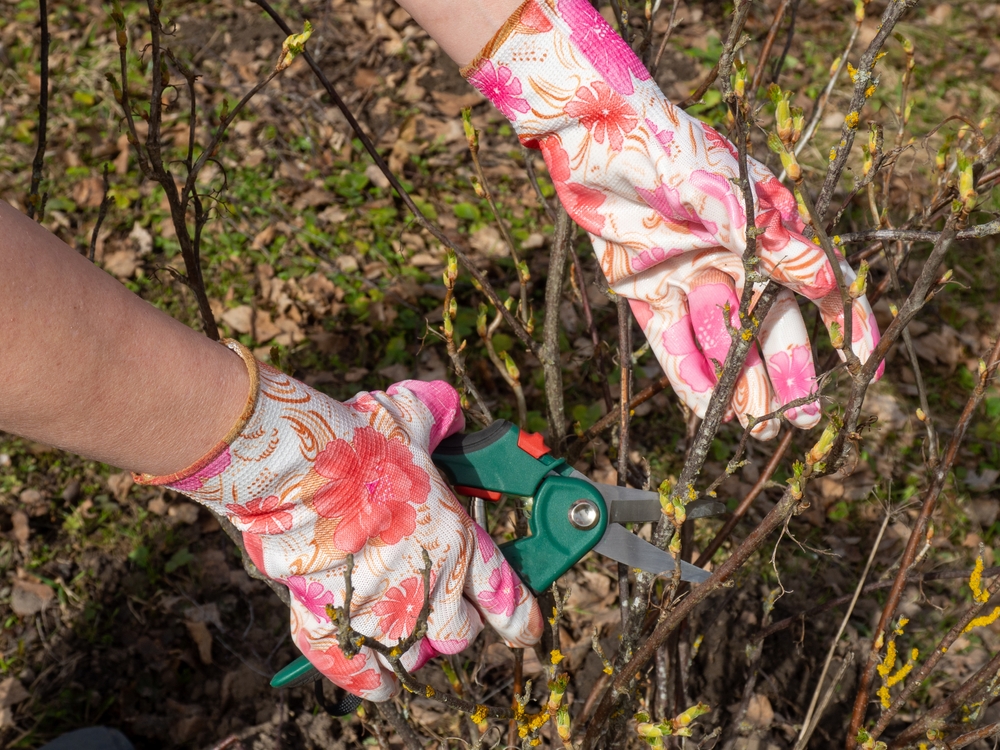
Long stubs are often left out of caution during winter pruning. These stubs rarely heal well and often die back. Dead wood attracts pests and disease once temperatures rise. It also leads to uneven growth.
Cutting just beyond a healthy bud or branch junction works better. This helps the plant direct energy where it is needed. Clean cuts reduce dieback. Thoughtful placement improves structure over time.
Skipping Dead or Diseased Wood
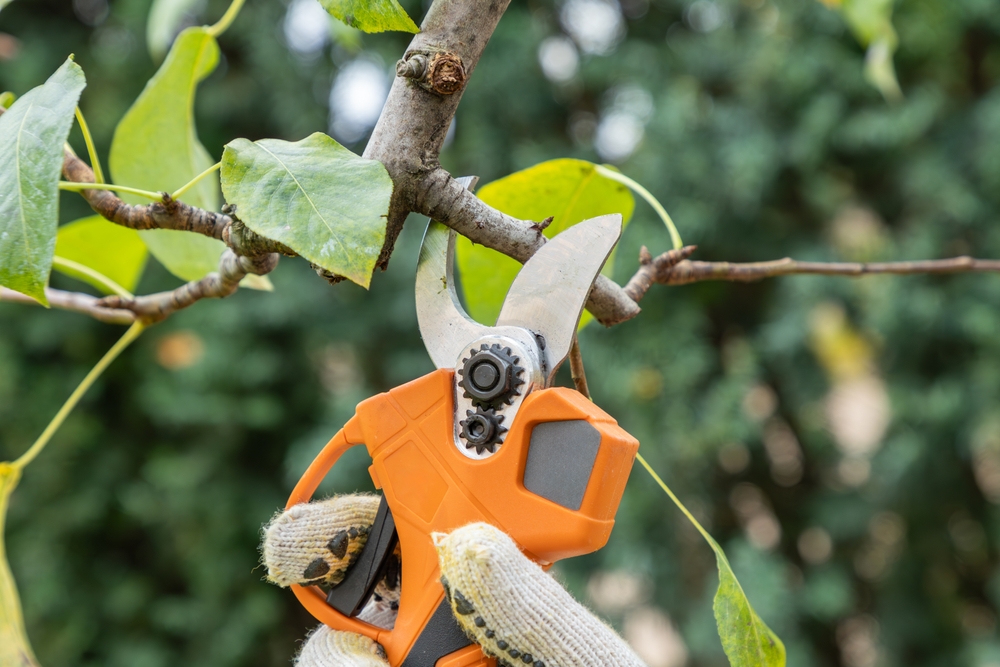
Some gardeners avoid removing problem branches during winter. Dead and diseased wood does not recover and can spread issues. Leaving it in place allows problems to worsen. Cold weather does not stop disease from spreading.
Winter is actually a good time to remove these branches. With leaves gone, damage is easier to see. Removing problem areas limits spread. This supports healthier growth later.
Pruning During Sudden Warm Spells
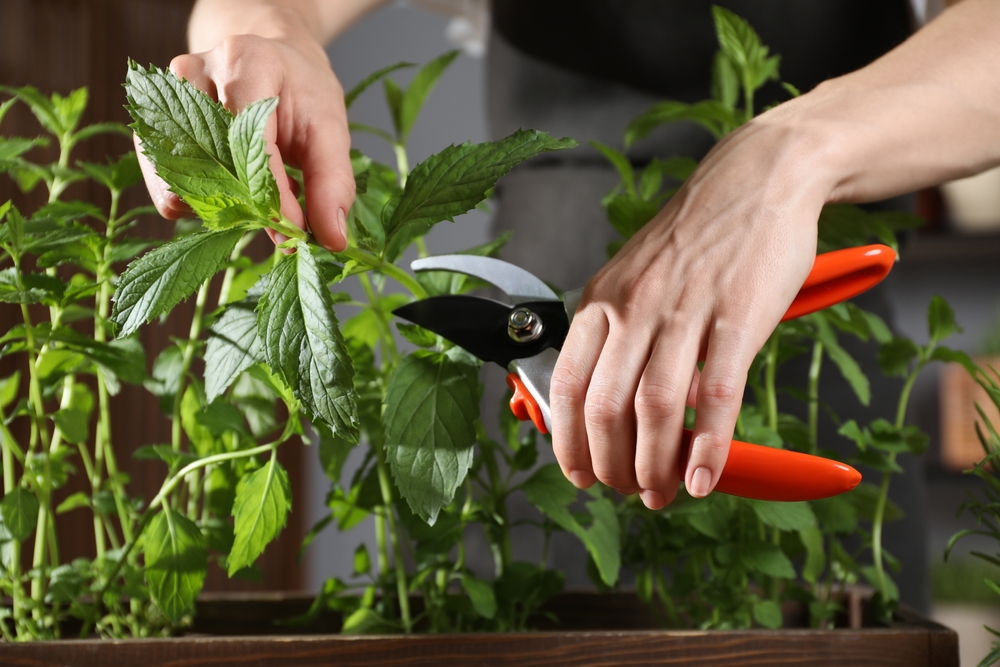
Warm days in winter can make pruning feel tempting. However, plants may briefly come out of dormancy. Cutting during this time can trigger growth that later freezes. This weakens the plant overall.
It is better to wait until seasonal patterns settle. Consistent timing matters more than short warm periods. Plants need stable cues to respond well. Careful timing avoids unnecessary stress.
Ignoring Branch Structure
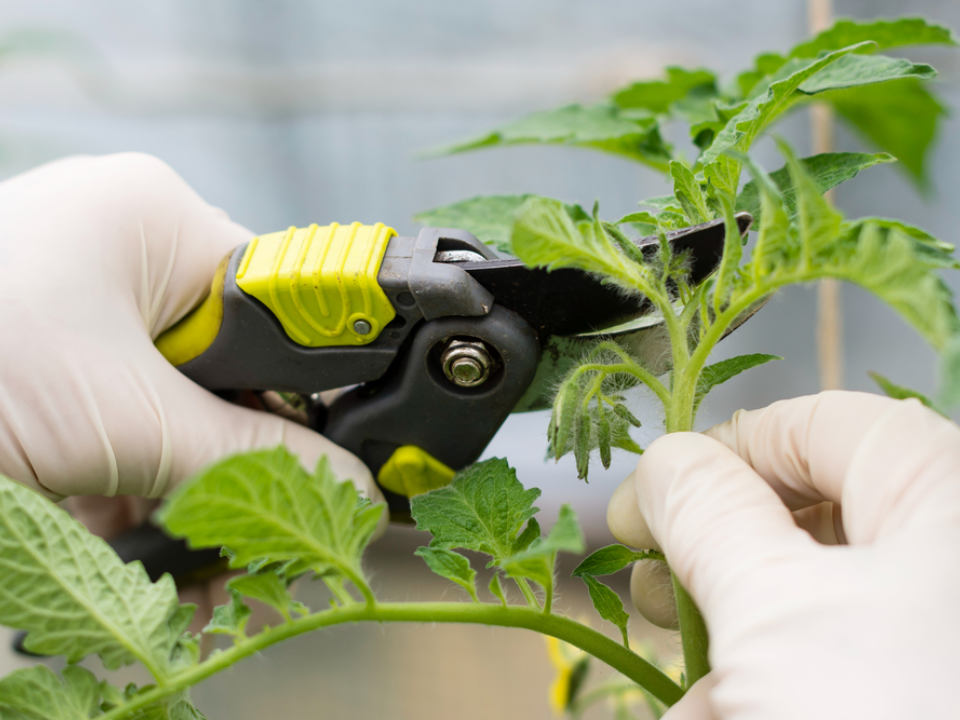
Focusing only on size or shape can cause structural issues. Poor cuts lead to weak branch angles and crowding. These problems often show up under snow or wind. Cold weather stress highlights weak structure.
Looking at how branches connect helps guide better pruning. Removing crossing or inward growing branches improves airflow. Strong structure supports long term health. Winter visibility makes this easier to assess.
Forgetting to Protect Large Cuts
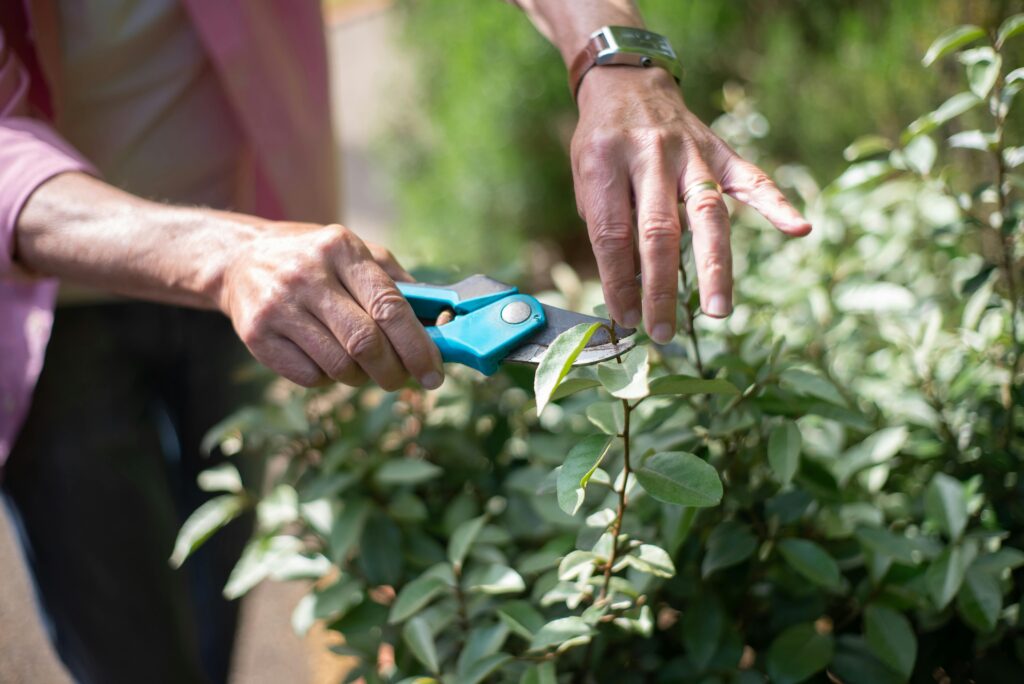
Large cuts leave plants vulnerable during cold months. Exposed wood can dry out or crack. This damage may not heal properly. Larger wounds need extra care.
Limiting the size of cuts helps reduce risk. When large cuts are needed, proper placement is key. Healthy surrounding tissue supports recovery. Careful planning reduces harm.
Pruning Young Plants Too Aggressively

Young plants are still developing strong root systems. Heavy winter pruning can slow their establishment. This often leads to weaker growth in spring. Young branches are more sensitive to cold.
Minimal pruning works best during early years. Focus on guiding shape rather than reducing size. Allow plants time to build strength. Gentle care supports steady growth.
This article originally appeared on Avocadu.