
13 Coin Grading Basics That Help You Avoid Overpaying
Buying coins can feel exciting, yet it is easy to spend too much without realizing it. Grading plays a major role in how coins are priced and why similar pieces can carry very different values. Many buyers rely on labels or seller descriptions without fully understanding what they mean. Learning basic grading ideas helps you judge condition with more confidence. It also helps you spot pricing that does not match the actual coin. With a little knowledge and patience, collecting becomes more enjoyable and less stressful.
This post may contain affiliate links, which helps keep this content free. Please read our disclosure for more info.
Understand the Coin Grading Scale
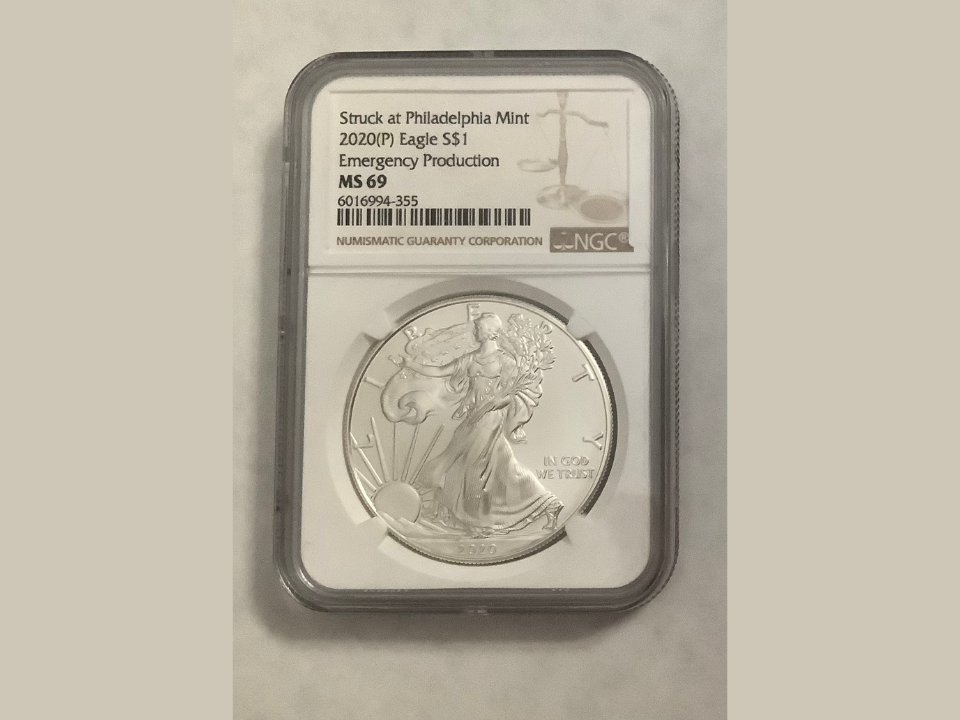
Understanding the coin grading scale helps buyers recognize how condition affects price. The scale usually runs from very worn examples to coins that show no wear at all. Each level reflects visible details, surface quality, and overall preservation. Even small differences between grades can result in major price gaps. Many beginners assume nearby grades are nearly the same, which is often incorrect. This misunderstanding causes buyers to pay more than necessary. Learning the scale builds a strong foundation for smarter buying.
Price guides are closely tied to grading numbers, especially for popular coins. A single grade difference can raise value far beyond expectations. Sellers often price coins based on the highest reasonable grade rather than a conservative one. Buyers who know the scale can question those assumptions. Careful study helps separate realistic pricing from hopeful pricing. Over time, familiarity with the scale reduces costly mistakes. Confidence grows as grading terms become familiar.
Learn the Difference Between Circulated and Uncirculated
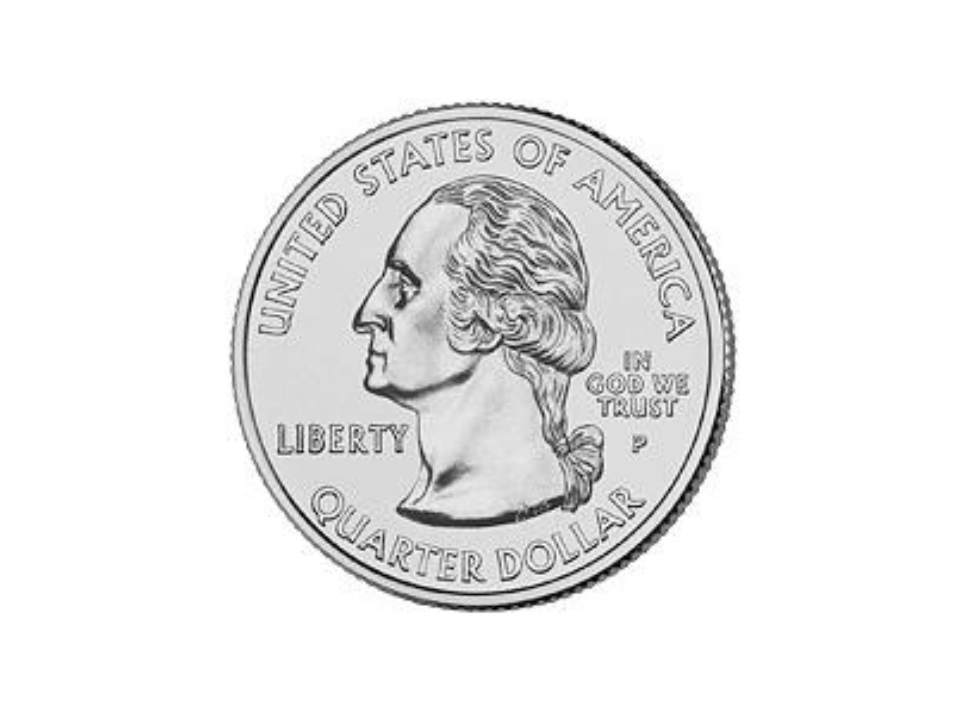
Circulated coins show wear from handling and use in commerce. High points often appear flat or smooth, and details may lose sharpness. Uncirculated coins lack this wear, though they may still show marks from the minting process. Many buyers confuse light wear with mint handling marks. This confusion often leads to paying uncirculated prices for circulated coins. Knowing the difference protects buyers from inflated claims. It also keeps expectations grounded.
Sellers sometimes describe lightly worn coins in generous ways. Terms like choice or premium can distract from actual condition. Careful inspection of raised details reveals true wear. Learning these visual cues takes time and repetition. Comparing circulated and uncirculated examples side by side helps greatly. Once recognized, the difference becomes easier to spot. This skill prevents repeated overpayment.
Know What Details Matter Most
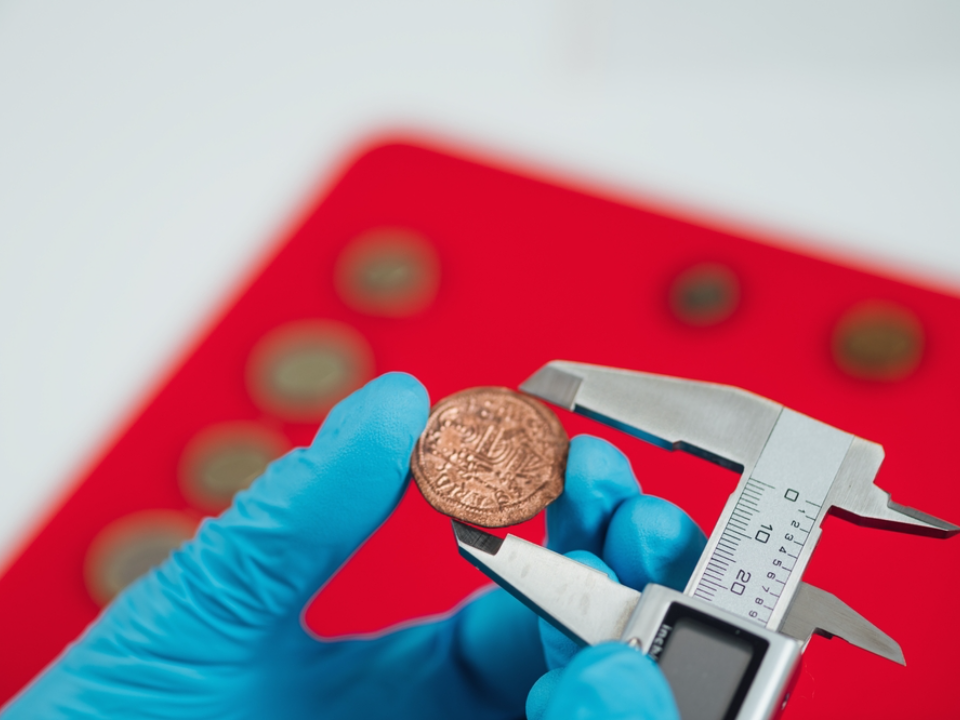
Not every part of a coin carries equal weight when grading. High points wear first and reveal circulation clearly. Areas-like hair, facial features, feathers, or shields deserve close attention. Flat background areas may hide issues more easily. Many buyers focus on shine and overlook worn details. This habit leads to incorrect assumptions about grade. Understanding focal points improves accuracy.
Surface marks also affect value even if wear is light. Rim damage, scratches, and marks reduce appeal and price. These issues may not stand out at first glance. Learning where to look helps identify them quickly. Experienced collectors train their eyes to scan key areas first. This approach saves time and money. It also reduces disappointment after purchase.
Watch for Cleaning and Surface Damage

Cleaned coins often appear bright and eye catching at first glance. Cleaning removes natural surfaces and leaves traces behind. Fine scratches or dull shine may appear under angled light. Many buyers mistake brightness for quality. Once identified, cleaned coins usually lose value quickly. Paying full price for one can be costly. Learning to spot cleaning is essential.
Some cleaning damage is subtle and easy to miss. Sellers may avoid clear photos or use flattering lighting. Even older cleanings affect grading outcomes. Professional graders usually label cleaned coins without a standard grade. Buyers should treat such coins cautiously. Knowing these risks helps avoid inflated pricing. Experience sharpens detection over time.
Use Magnification the Right Way
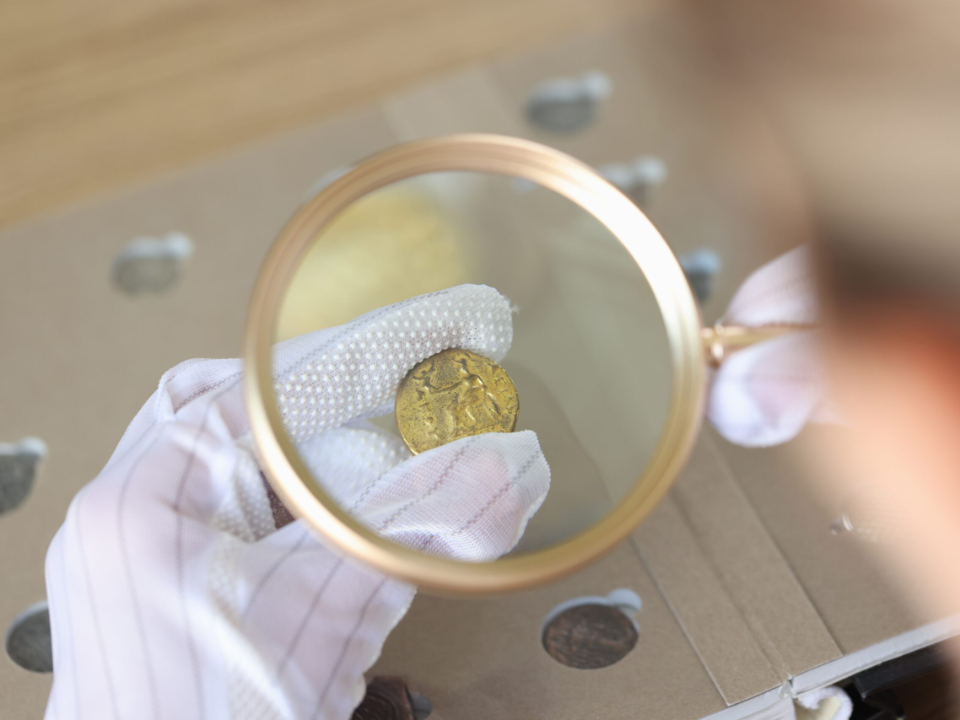
Magnification helps reveal details that affect grade and value. A simple loupe allows inspection of marks, wear, and surfaces. Light magnification works best for overall assessment. Very strong magnification can exaggerate tiny flaws. This may cause unnecessary worry or misjudgment. The goal is balance, not perfection. Proper use improves consistency.
Using magnification regularly builds familiarity with normal surfaces. Buyers learn which marks matter and which do not. This habit leads to better comparisons between coins. It also helps confirm seller descriptions. Over time, confidence grows with repeated inspection. Mistakes become less frequent. Smart use of magnification supports fair pricing decisions.
Learn the Importance of Eye Appeal
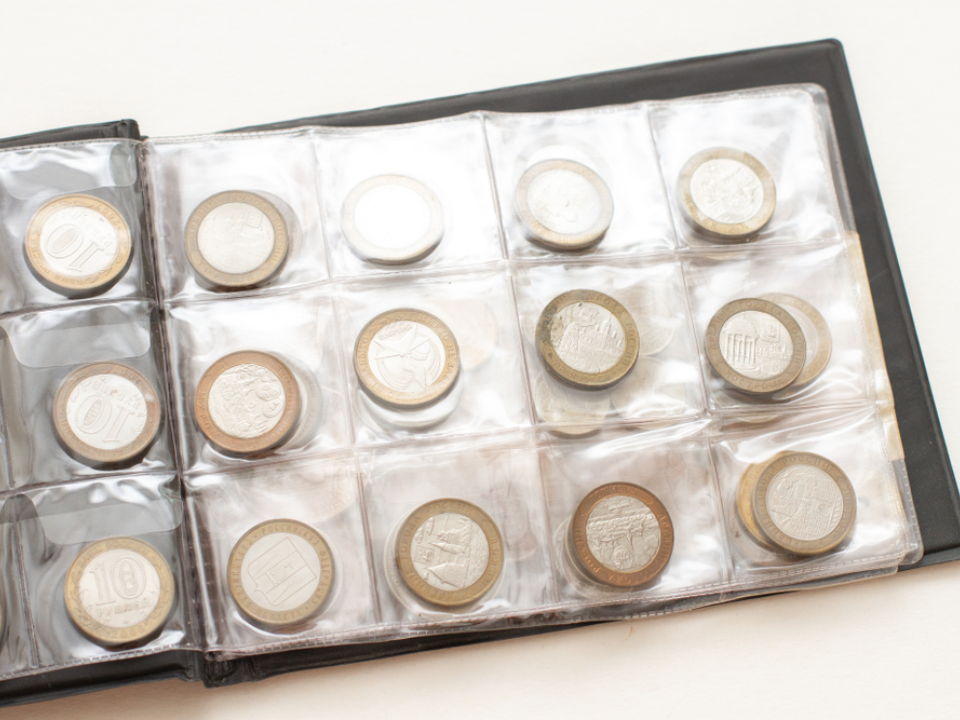
Eye appeal describes how pleasing a coin looks overall. Color, balance, and surface quality all play a role. Two coins with the same grade can look very different. Natural toning often attracts collectors, while dull surfaces reduce interest. Price guides rarely capture these differences. Buyers who ignore eye appeal may overpay. Visual comparison helps build judgment.
Market demand often favors coins with strong eye appeal. Such coins sell faster and hold interest longer. Coins with poor eye appeal may struggle despite proper grading. Learning this helps buyers understand price variation. Photographs can hide or exaggerate appeal. Seeing coins in person improves accuracy. Eye appeal adds real market value.
Understand Strike Quality
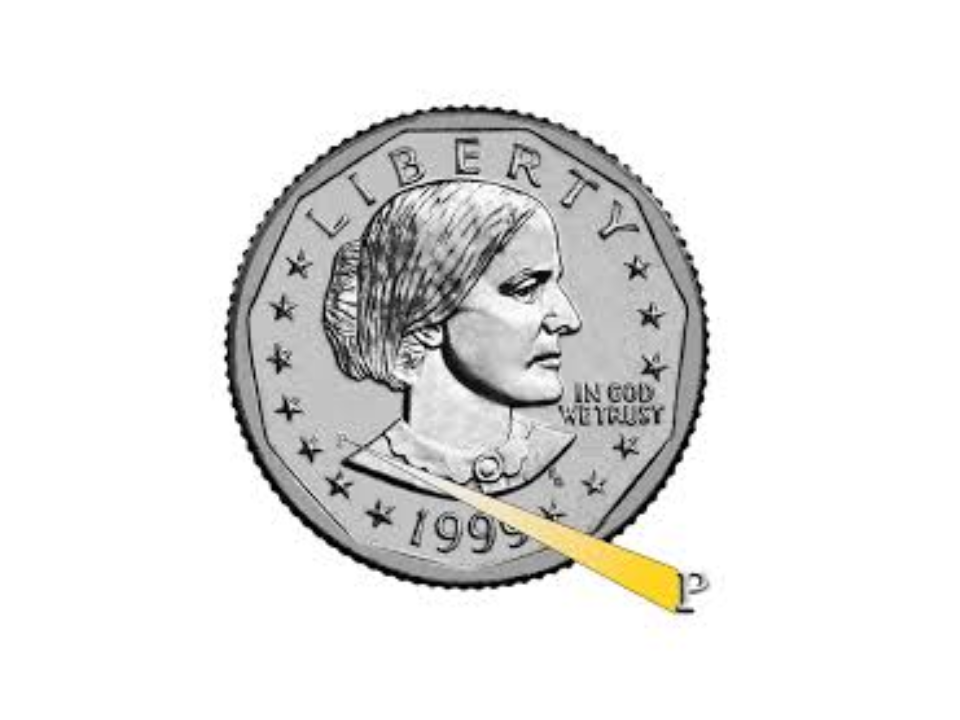
Strike quality refers to how fully details formed during minting. Weak strikes can cause soft details that resemble wear. This is common for certain dates or mints. Buyers unfamiliar with this may misjudge condition. Overpaying can occur when strike weakness is mistaken for rarity. Knowing common strike traits helps prevent errors. Research is key.
Some coins are known for consistently weak details. Comparing examples shows what is normal for that issue. This context prevents unfair expectations. Sellers may use strike weakness to justify higher grades. Informed buyers can evaluate such claims properly. Understanding strike quality improves grading accuracy. It protects buyers from misleading pricing.
Study Price Differences Between Grades
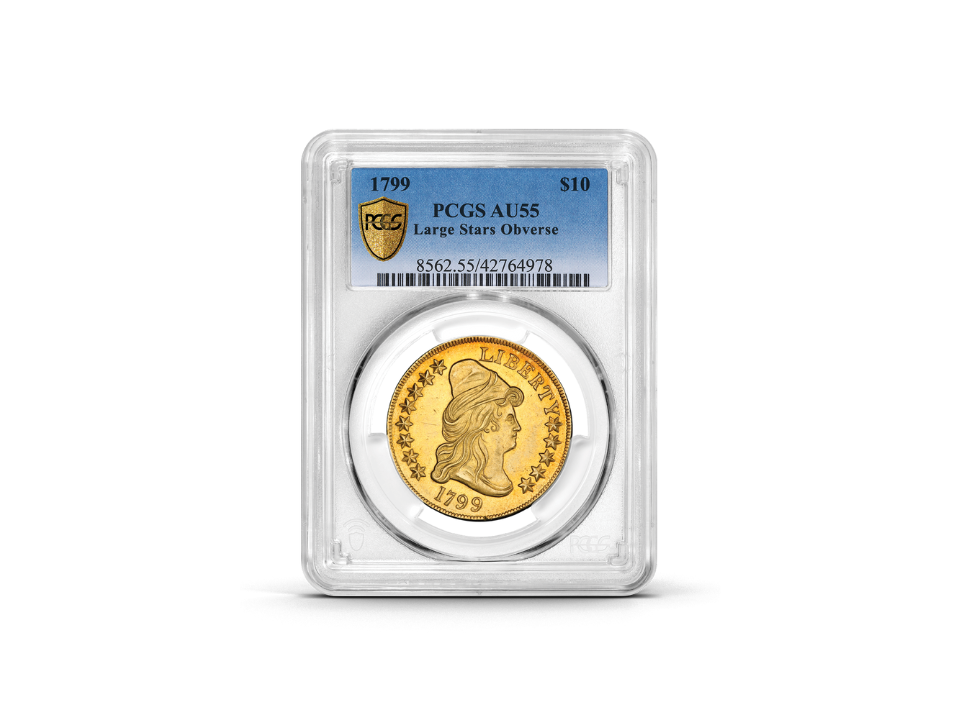
Price differences between grades are often dramatic. A single grade increase can multiply value quickly. Many buyers assume price rises evenly, which is incorrect. Certain grade thresholds cause sharp jumps. Reviewing price charts highlights these patterns. Awareness helps buyers spot overpriced coins. It also supports smarter negotiation.
Understanding these jumps prevents emotional buying. Sellers often price coins at the upper end of a grade range. Buyers who know true value ranges can resist pressure. Studying market data builds confidence. Over time, pricing patterns become familiar. This knowledge reduces costly mistakes. Patience leads to better deals.
Trust the Coin Not the Holder
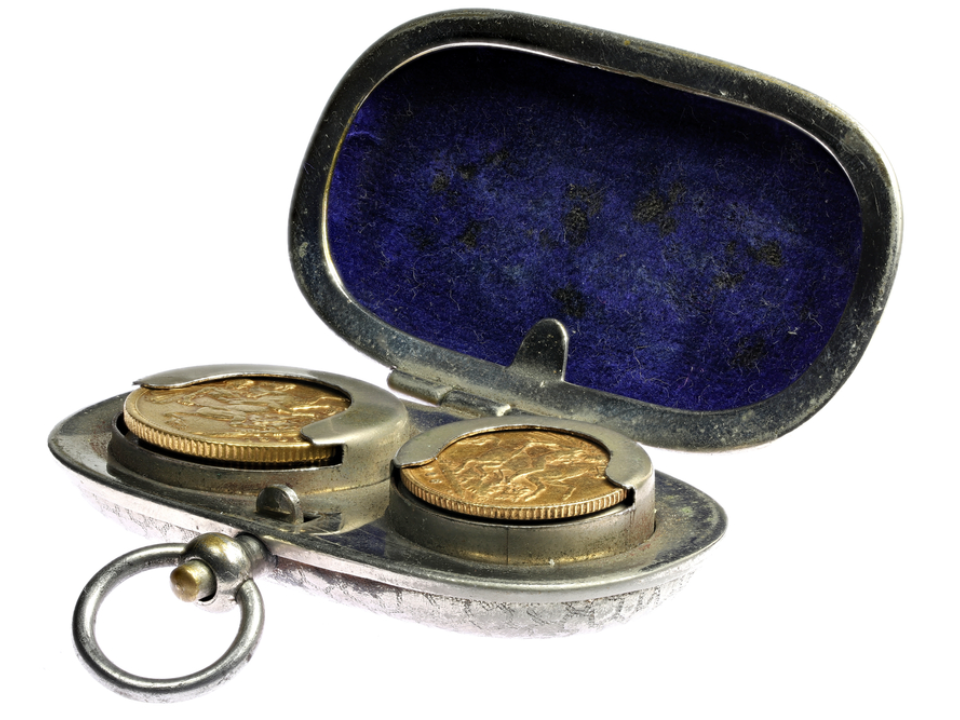
Coin holders provide guidance but are not perfect. Grading standards have changed over time. Older holders may reflect looser grading practices. Mistakes happen even with respected services. Blind trust in labels can lead to overpayment. Buyers should always inspect the coin itself. The holder should not replace judgment.
Looking closely at the coin confirms whether the grade feels fair. Wear, marks, and surfaces tell the true story. Comparing similar graded coins helps validate accuracy. Some sellers rely on the holder to justify price. Informed buyers rely on observation instead. This habit builds long term confidence. It prevents costly assumptions.
Compare Multiple Examples Before Buying
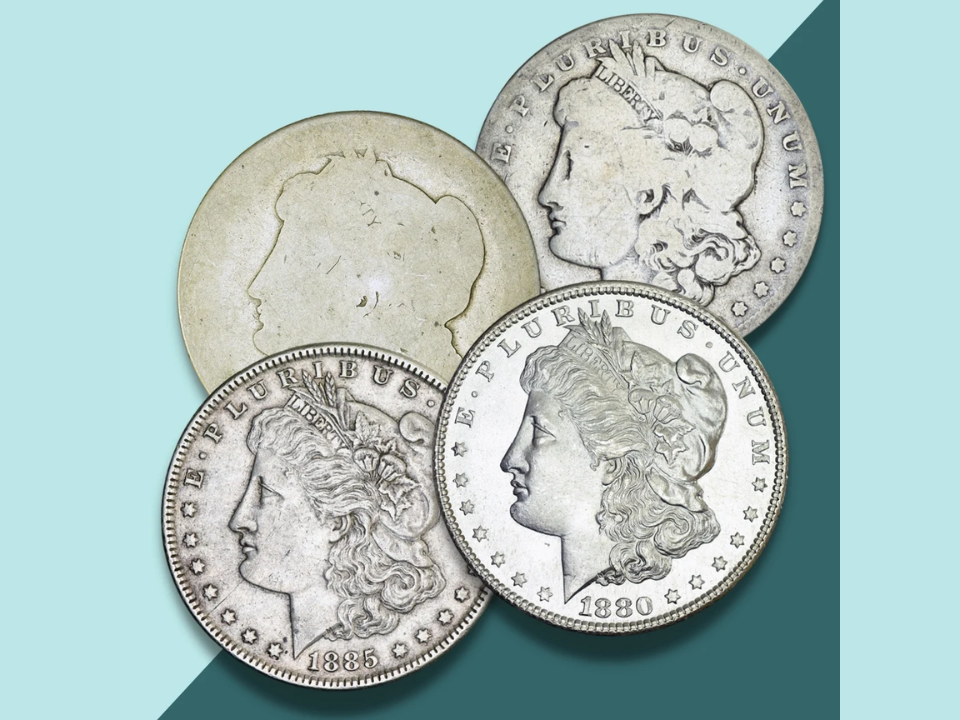
Viewing multiple examples sharpens grading skills. Comparing coins of the same type reveals normal wear patterns. Differences become easier to spot over time. This practice highlights overpriced listings quickly. Many overpayments happen from limited exposure. Comparison reduces impulse buying. It encourages thoughtful decisions.
Online images and in person viewing both help. Seeing several coins builds reference points. Buyers gain a clearer sense of fair value. This process takes time but pays off. Confidence grows with repeated comparison. Patience often leads to better choices. Smart buyers study before spending.
Know the Difference Between Wear and Weak Detail
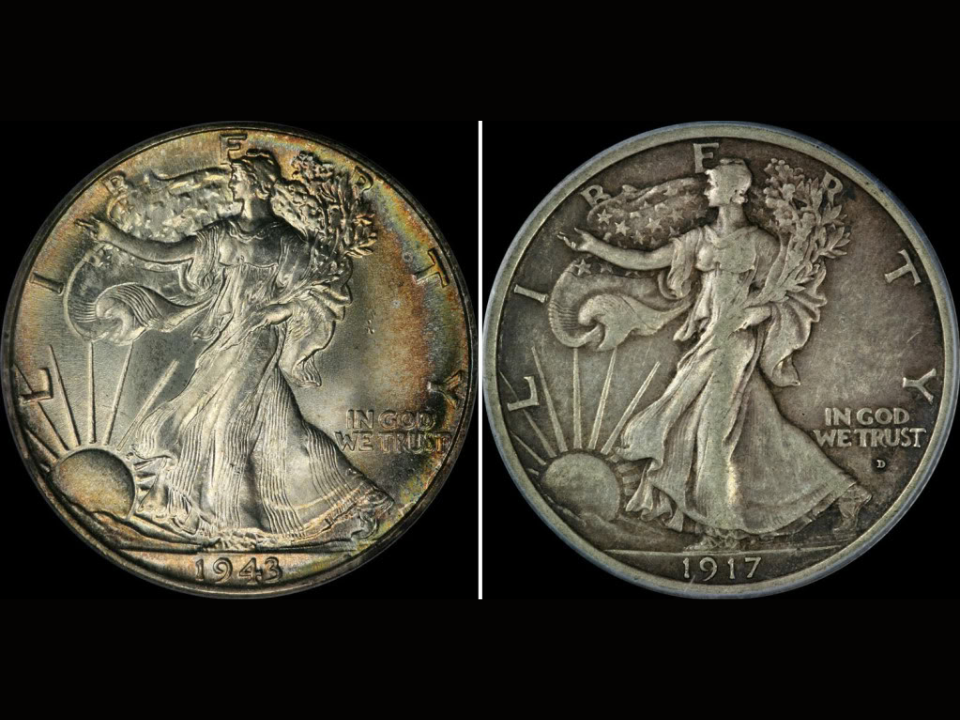
Wear removes metal through circulation, while weak detail comes from minting issues. These two can look similar to inexperienced buyers. Weak detail often appears flat but smooth. Wear usually shows softness with loss of texture. Confusing the two can result in paying too much. Certain coins are known for weak details from the start. Knowledge prevents misjudgment.
Researching the coin type helps clarify this difference. Reference images of properly graded examples are useful. Comparing multiple examples shows what normal detail looks like. Sellers may describe weak detail as high grade. Buyers who know better can question those claims. This awareness keeps prices grounded. Experience improves recognition quickly.
Understand the Impact of Rim Damage
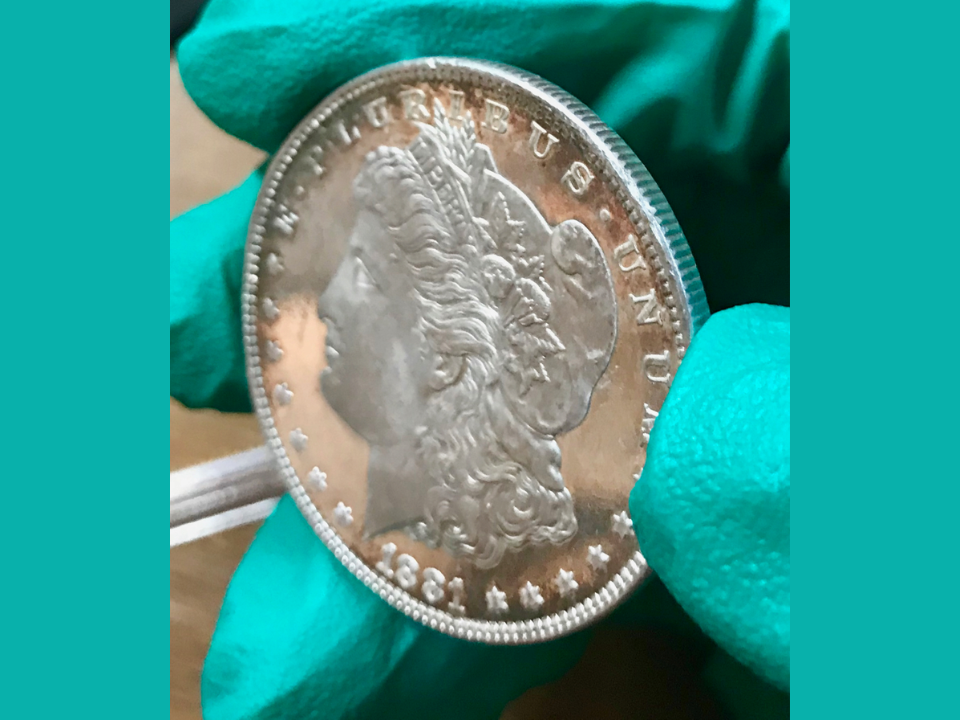
Rim damage often goes unnoticed by new collectors. Small nicks or dents can lower value significantly. These issues may not appear obvious in photos. The rim plays a role in overall grade perception. Damage there affects appearance and stability. Paying full price for rim damage leads to disappointment. Knowing where to look helps.
Rotating the coin slowly helps spot rim problems. Light reflection can reveal uneven edges. Even minor rim damage matters to many collectors. Sellers may downplay these issues. Buyers who inspect carefully avoid inflated pricing. This attention improves long term satisfaction. Small details often carry big consequences.
Know When a Coin Is Overgraded
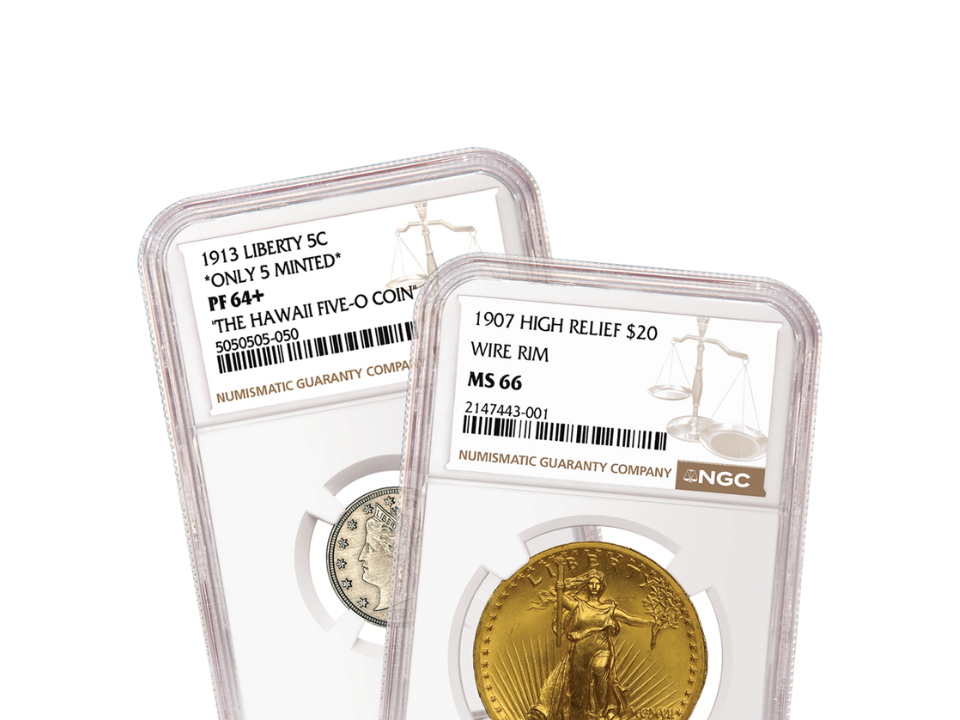
Overgraded coins appear better on paper than in hand. This happens when wear or marks exceed grade expectations. Buyers who trust grades blindly often overpay. Learning what a grade should look like helps spot issues. Comparing certified examples is helpful. Overgrading becomes easier to recognize with time. Awareness protects your budget.
Sellers may price coins at the high end of a grade range. Buyers should ask if the coin truly fits that level. Looking closely at key areas reveals truth. Confidence grows through repeated comparison. Accepting lower grades at fair prices is wiser. Patience pays off. Discipline reduces costly mistakes.
This article originally appeared on Avocadu.