
17 Heist Movies With a Last Minute Switch You Never See Coming
At their core, heist movies follow characters who believe they have thought of everything before making their move. The appeal comes from watching plans unfold while pressure builds with every step. Small details often matter more than expected, especially near the end. When the final stretch hits, nothing feels safe anymore.
This post may contain affiliate links, which helps keep this content free. Please read our disclosure for more info.
Inside Man
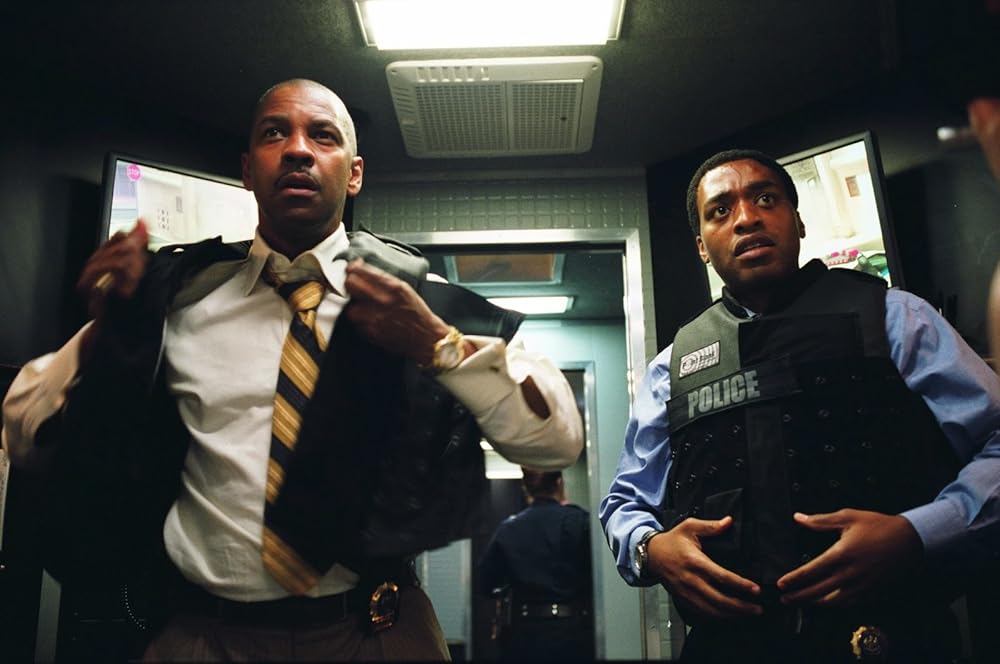
Released in 2006, this crime thriller stars Denzel Washington as a detective handling a tense bank robbery in New York City. Clive Owen plays the calm and calculated leader of the heist, while Jodie Foster appears as a powerful behind the scenes fixer. The robbery seems focused on money and control as negotiations stretch on. Every detail appears deliberate and tightly managed. The situation looks resolved before the final truth appears.
Near the end, the film quietly reveals that the real goal had nothing to do with cash. The plan shifts from a robbery into something far more personal and strategic. Earlier scenes take on new meaning once the reveal lands. The calm ending contrasts sharply with the hidden complexity. It changes how the entire story is understood.
The Italian Job
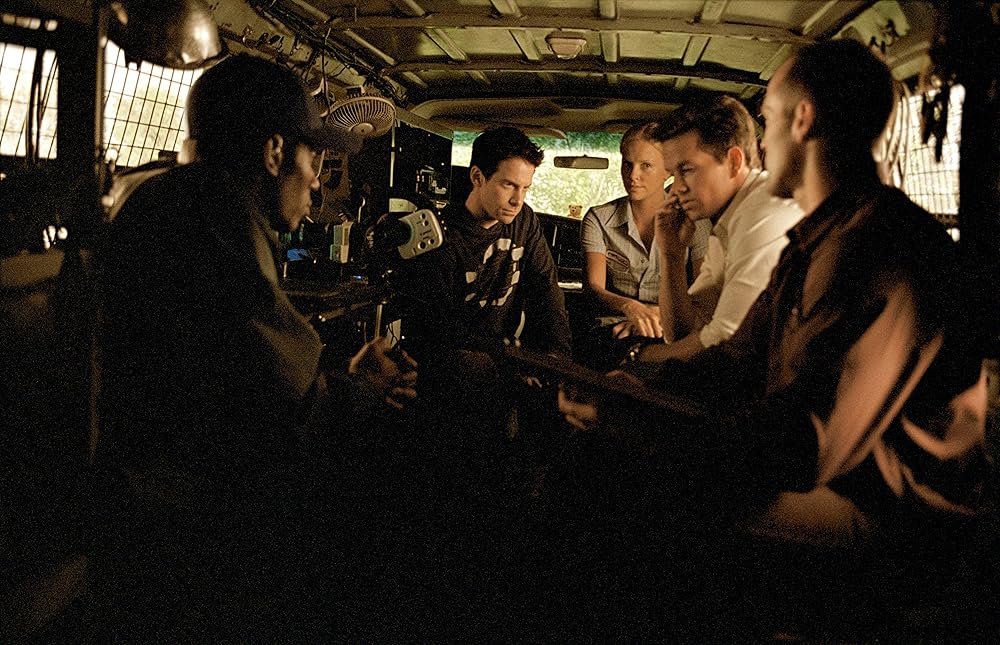
This 2003 film features Mark Wahlberg, Charlize Theron, and Edward Norton in a stylish gold heist story. The plot follows a team betrayed during a job and later reunited for revenge. Much of the film builds toward a smooth and controlled payoff. The audience expects a clean escape once the plan is set in motion. Everything seems locked in place.
In the final minutes, control shifts as personal motives come to the surface. The escape becomes less about gold and more about settling the score. Timing and teamwork matter more than muscle. The last move reframes the entire job. It ends with satisfaction rather than noise.
Heat
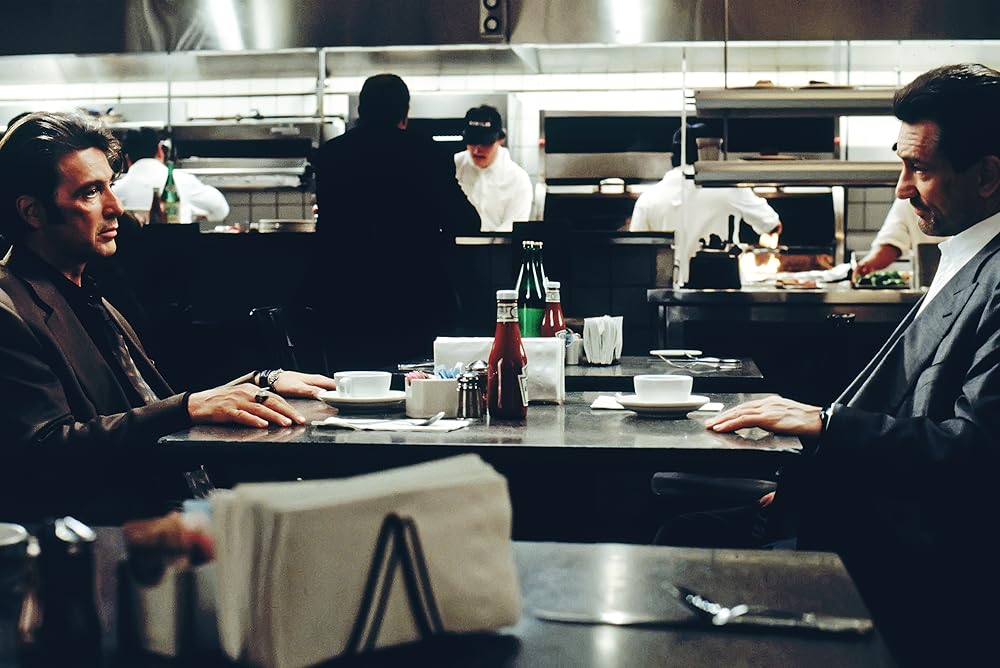
Michael Mann released this 1995 crime drama starring Al Pacino and Robert De Niro. The film tracks both sides of the law as professionals clash over a major robbery. The heist itself is intense and carefully executed. Attention slowly moves from planning to consequence. Tension builds toward an expected getaway.
Instead of a clean ending, the story narrows into a personal confrontation. Earlier decisions come back with weight and cost. The robbery fades as character choices take center stage. The final moments feel quiet but heavy. The shift turns action into reflection.
The Usual Suspects

Released in 1995, this film stars Kevin Spacey, Gabriel Byrne, and Benicio del Toro in a crime story framed through a police interrogation. The plot seems to explain how a group of criminals came together and then fell apart after a job went wrong. Each detail appears carefully placed as the story moves between past events and present questioning. The narrative feels complete and convincing as it unfolds. Nothing appears missing or unclear at first.
Only in the final moments does the truth quietly surface. Small background details suddenly take on new meaning. What felt like a clear explanation turns into something carefully constructed. The story reshapes itself in seconds without raising its voice. The ending rewards close attention and patience.
Ocean’s Eleven
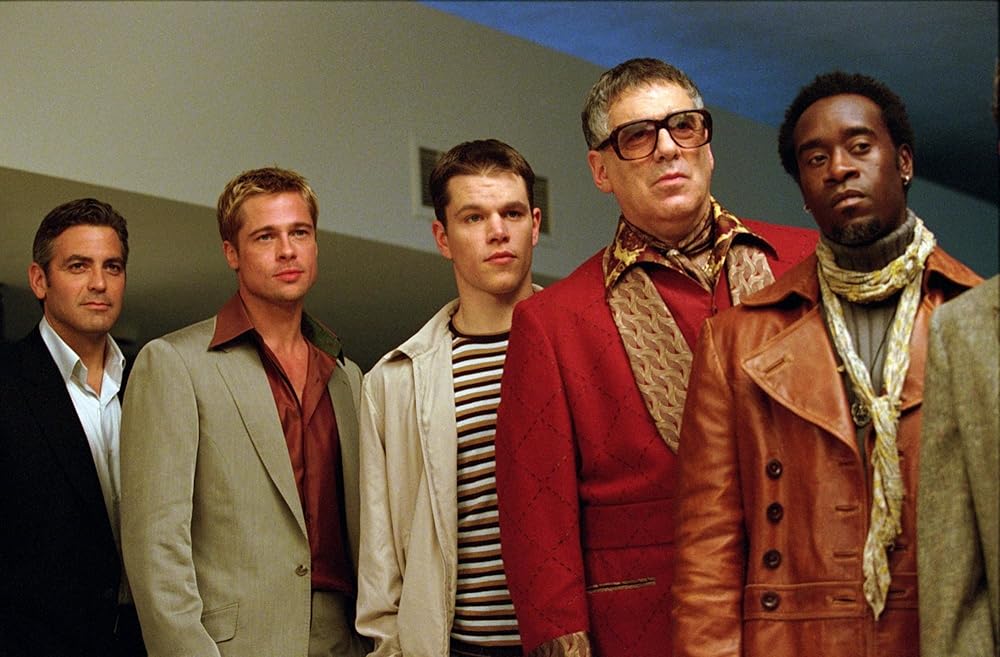
This 2001 heist film stars George Clooney, Brad Pitt, and Julia Roberts in a stylish casino robbery. The story focuses on timing, teamwork, and distraction as a group plans to steal from multiple locations at once. Viewers are shown what seems to be the entire plan early on. Complications arise that appear to threaten success. Tension builds as the job looks increasingly unstable.
Near the end, the film reveals that many setbacks were intentional. Hidden steps fall into place without heavy explanation. Earlier scenes suddenly feel different when viewed through this lens. The tone stays light and playful even during the reveal. The ending feels smooth and satisfying.
Rififi
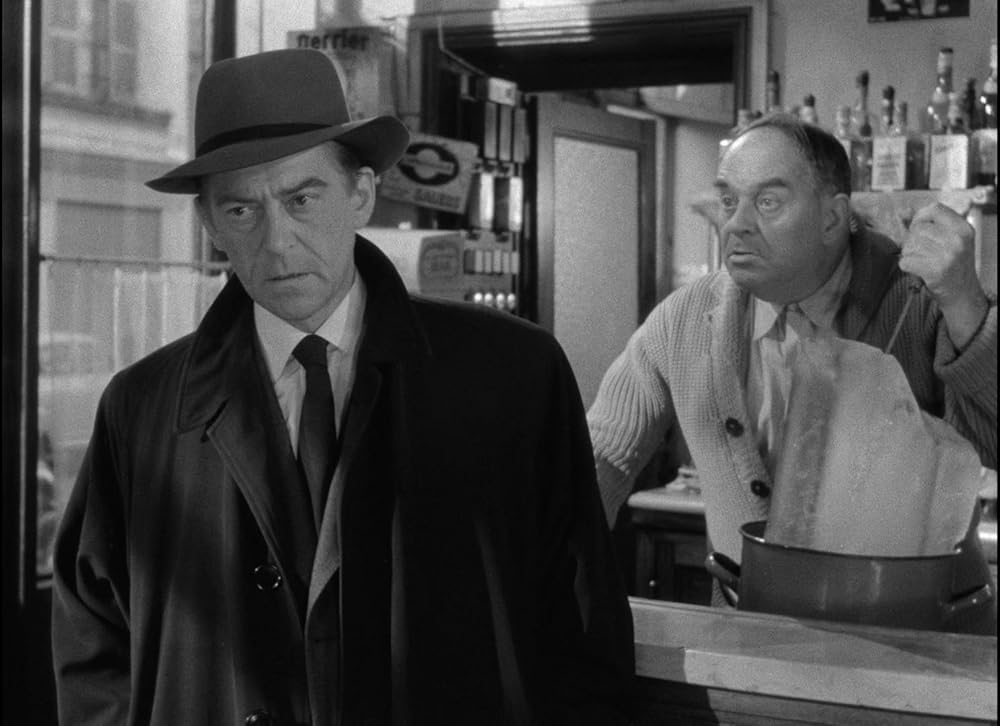
Premiering in 1955, this French crime film follows a seasoned thief played by Jean Servais. The story is known for its long and nearly silent burglary sequence. Every movement during the robbery feels deliberate and controlled. Skill and patience guide the job from start to finish. Success appears complete once the theft ends.
After the robbery, the story takes a grim turn. Consequences arrive quietly and without warning. The focus shifts away from planning and toward survival. Choices made earlier begin to matter more than expected. The ending leaves a heavy and realistic impression.
Dog Day Afternoon
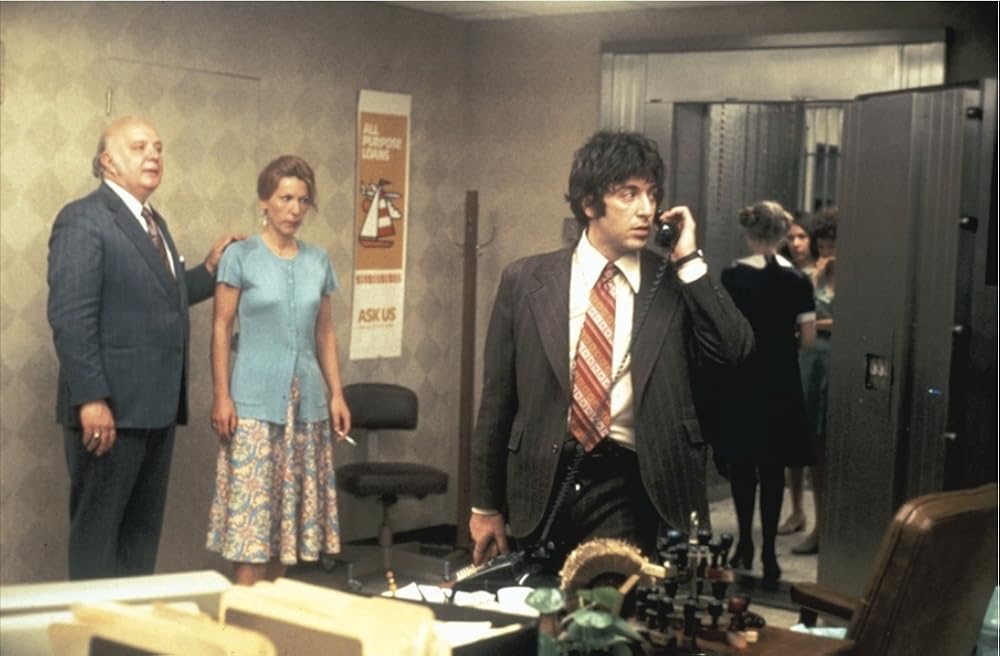
Released in 1975, this film stars Al Pacino as a man attempting a bank robbery in Brooklyn. What starts as a simple plan quickly becomes chaotic. Crowds gather and media attention grows. Police pressure increases with each passing hour. Control slips away almost immediately.
As the story reaches its final stretch, escape becomes impossible. Personal motives rise to the surface. The robbery loses importance compared to emotional stakes. One choice shapes everything that follows. The ending feels raw and deeply human.
The Sting
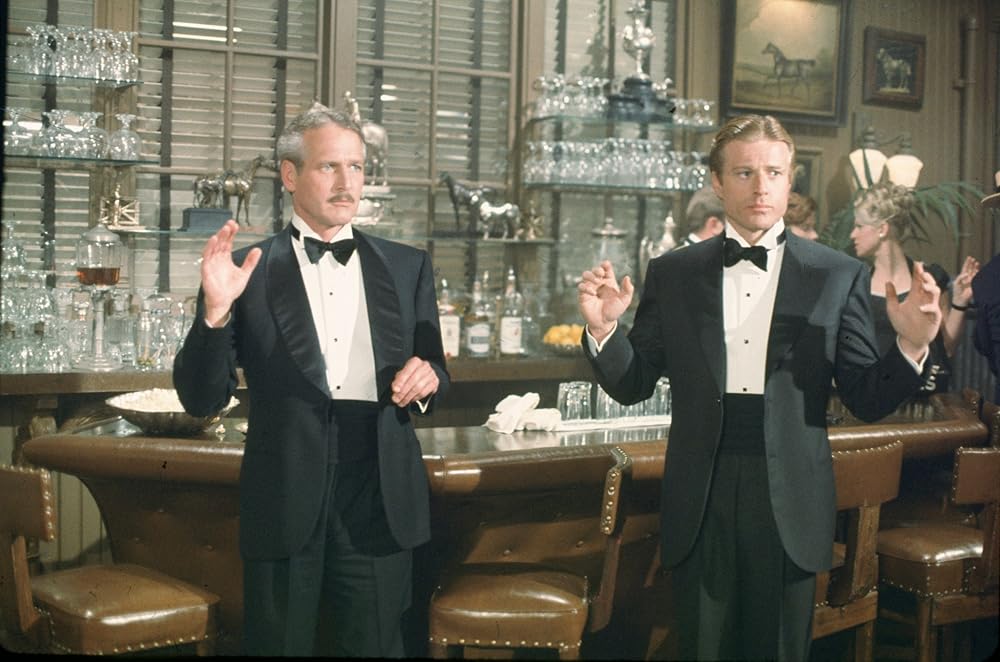
This 1973 classic stars Paul Newman and Robert Redford as con artists targeting a powerful figure. The story unfolds like a carefully staged performance. Each step appears planned and intentional. Viewers believe they are watching the entire scheme in action. Failure seems unavoidable near the end.
The final reveal uncovers a hidden layer beneath the story. What looked like defeat becomes a clever success. Timing plays a key role in how the truth lands. Earlier scenes suddenly feel playful rather than serious. The ending reframes the entire experience.
Logan Lucky
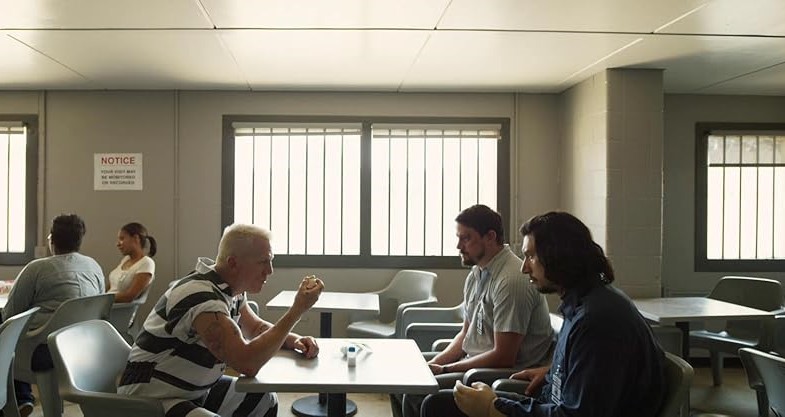
Released in 2017, this heist comedy stars Channing Tatum, Adam Driver, and Daniel Craig. The plot follows a robbery during a crowded NASCAR race. Events unfold in a way that feels messy and uncertain. Mistakes seem frequent and confidence feels low. Doubt hangs over the entire job.
Late in the film, it becomes clear that disorder was part of the plan. Small details quietly pay off. The real strategy stays hidden until the end. The shift feels calm rather than dramatic. The story closes with steady confidence.
Reservoir Dogs
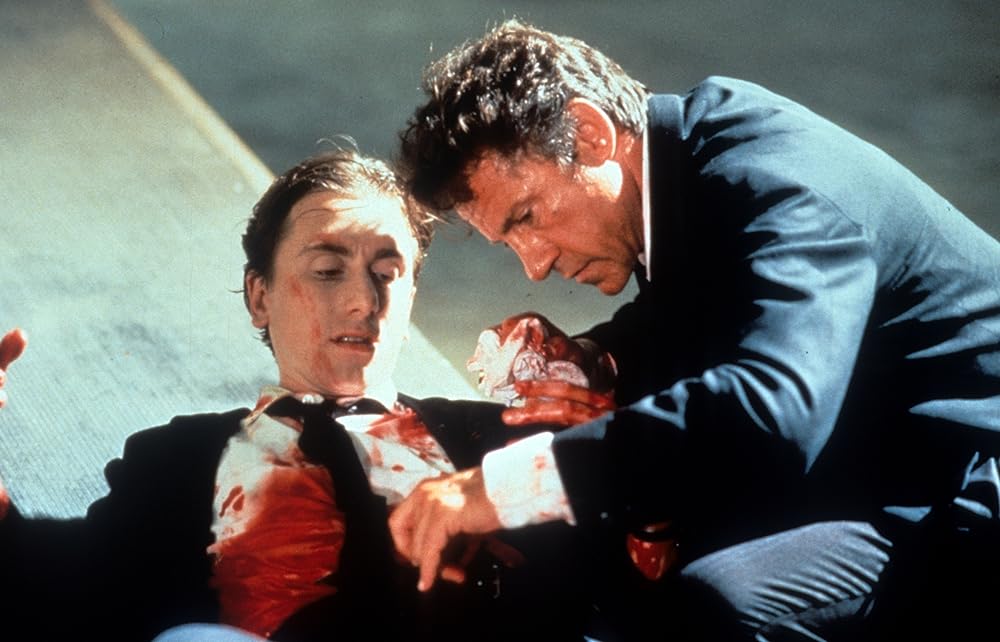
This 1992 crime film stars Harvey Keitel, Tim Roth, and Michael Madsen. The robbery itself is never shown on screen. Instead, the focus remains on the aftermath. Characters question each other’s loyalty. Suspicion grows with every conversation.
As secrets come out, trust disappears completely. The final moments reveal who never truly belonged. Alliances fall apart under pressure. The original plan is exposed as flawed. The ending arrives suddenly and without relief.
A Fish Called Wanda
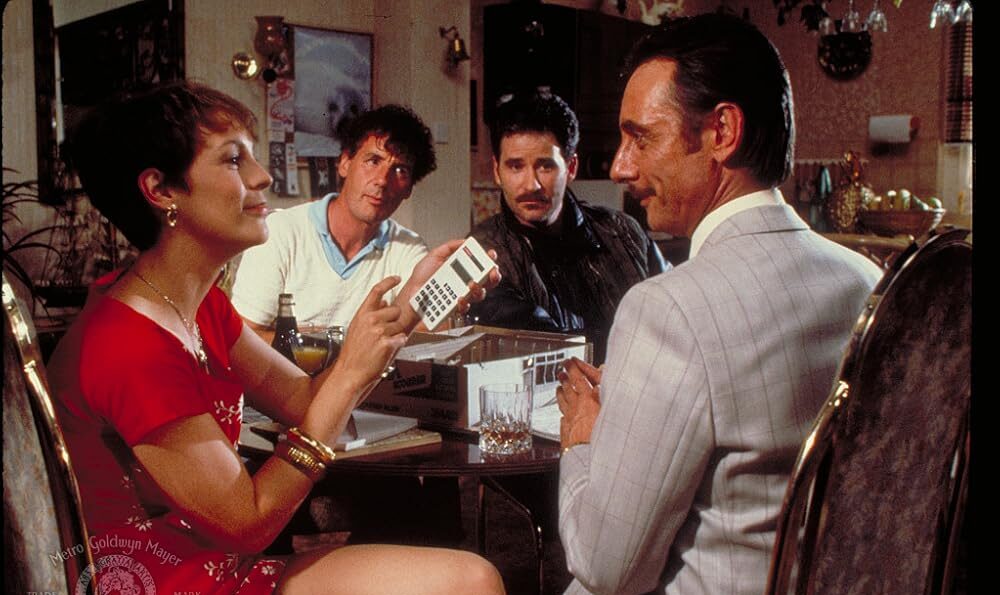
Released in 1988, this film stars Jamie Lee Curtis, John Cleese, and Kevin Kline. The story centers on stolen diamonds and competing agendas. Every character believes they are one step ahead. Greed drives each decision. Confusion grows as alliances shift.
Toward the end, control moves in unexpected directions. Characters once dismissed gain influence. Humor carries the change instead of tension. The plan reshapes itself through coincidence and timing. The ending brings everything together cleanly.
The Town

This 2010 crime drama stars Ben Affleck and Jeremy Renner as Boston bank robbers. The story follows men trying to leave their criminal lives behind. One final job appears to offer a way out. Personal relationships complicate every decision. Pressure builds steadily.
As the film closes, choices become harder to avoid. Success takes on a different meaning. Loyalty and loss change the direction of the plan. Escape is no longer the goal. The ending feels heavy and reflective.
Heist
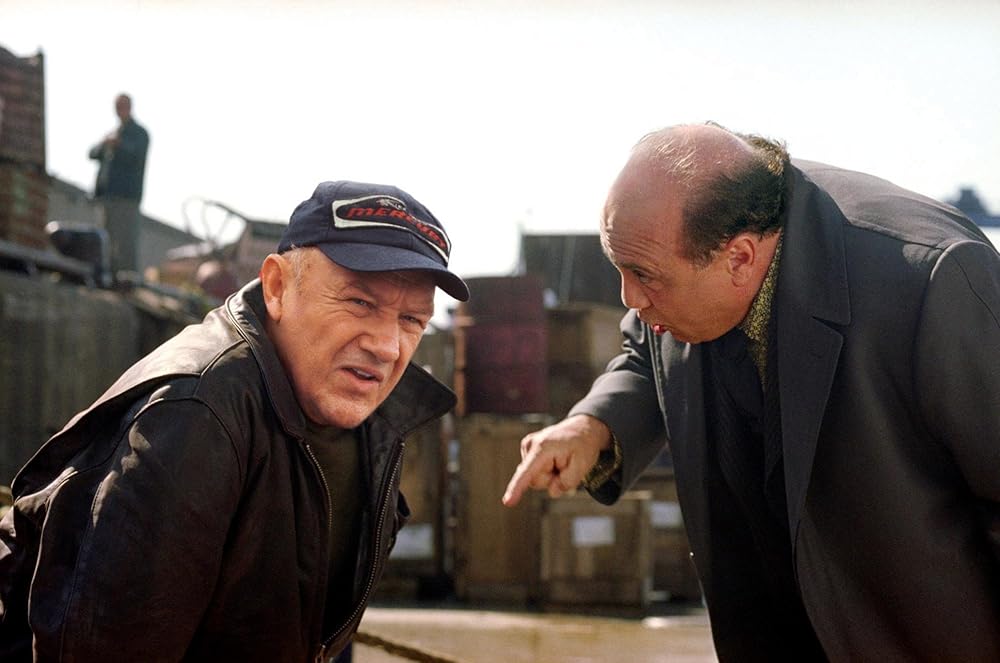
Released in 2001, this film stars Gene Hackman and Danny DeVito as aging criminals. The story revolves around one more job taken out of necessity. Early scenes suggest a clear and direct plan. Tension grows through sharp dialogue. Trust feels fragile from the start.
In the final minutes, true motives surface. Control shifts between characters through conversation rather than action. Words carry more weight than weapons. The plan changes hands quickly. The ending lands with dry humor.
Sexy Beast
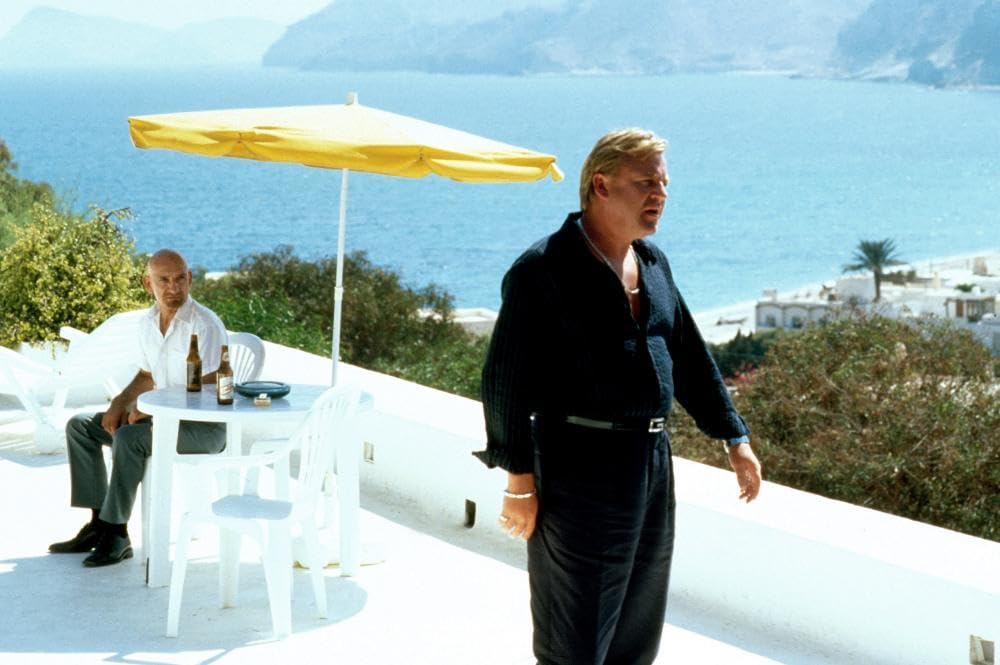
This 2000 crime film stars Ray Winstone and Ben Kingsley. The story follows a retired criminal pressured into joining a vault robbery. Fear and intimidation drive much of the tension. The robbery itself feels secondary. Conflict dominates the narrative.
Near the end, survival becomes the main concern. Power changes hands suddenly. The original plan fades under threat. The shift feels personal and intense. The closing scenes linger in the mind.
The Killing
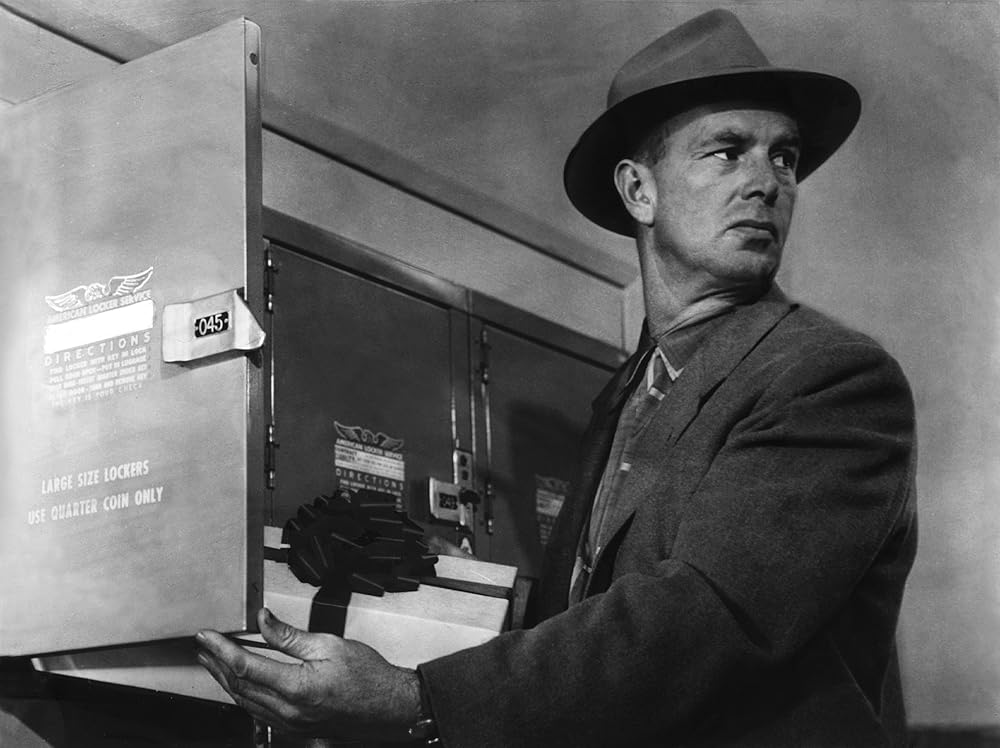
Released in 1956, this film stars Sterling Hayden in a racetrack robbery told from several viewpoints. Every role feels carefully placed. Timing appears perfect throughout the story. Confidence runs high among the group. Success feels within reach.
At the very end, a simple mistake ruins everything. The plan collapses without warning. Consequences arrive immediately. No one escapes responsibility. The film closes on a harsh note.
Now You See Me
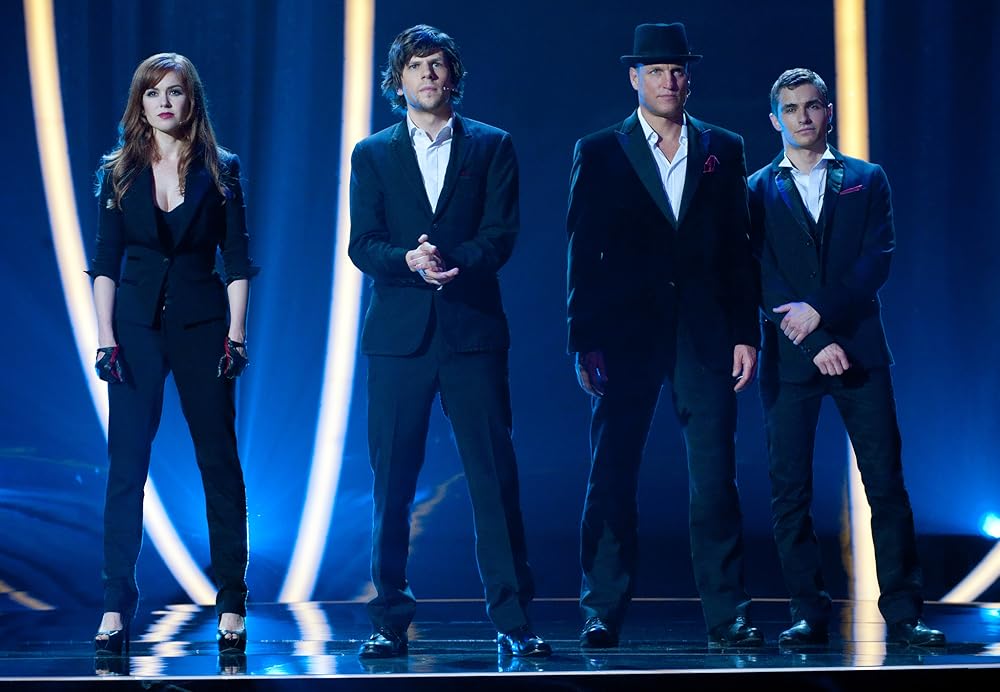
This 2013 film stars Jesse Eisenberg, Isla Fisher, and Morgan Freeman. The story blends public magic shows with hidden theft. Spectacle distracts both characters and viewers. Confidence grows as the tricks succeed. Everything seems explained.
The final reveal shifts perspective entirely. Earlier scenes gain new meaning. The audience learns who was truly being watched. Surprise drives the ending. Discussion often continues afterward.
Snatch
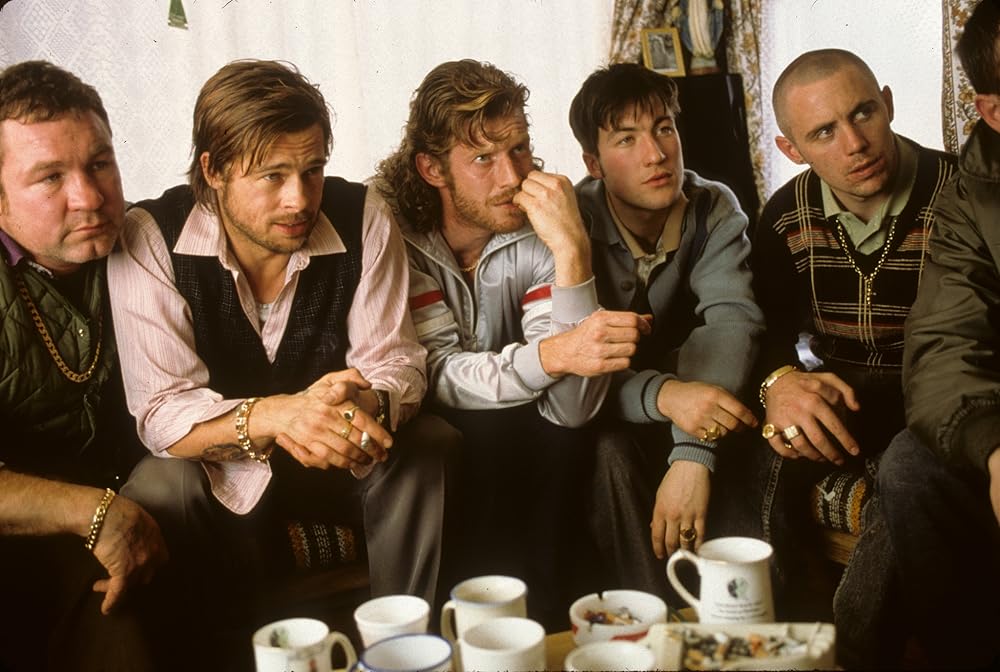
Released in 2000, this crime comedy stars Brad Pitt and Jason Statham. The story follows overlapping thefts and shifting deals. Plans unravel constantly. Chaos shapes the tone from start to finish. Nothing stays settled.
By the final scenes, survival matters more than success. Unexpected figures influence the outcome. The shift matches the disorder on screen. Humor softens the impact. The story closes with irony.
This article originally appeared on Avocadu.