
12 Rare Porcelain Dolls That Are Actually Worth Money
Many people grow up seeing porcelain dolls displayed on shelves without realizing their potential worth. Over time, specific dolls have gained attention for reasons that go beyond looks. Details such as original clothing and maker marks often influence their price. If you enjoy antiques or inherited older collectibles, this topic is worth exploring.
This post may contain affiliate links, which helps keep this content free. Please read our disclosure for more info.
1885 Bru Jne Bebe with Wardrobe Trunk
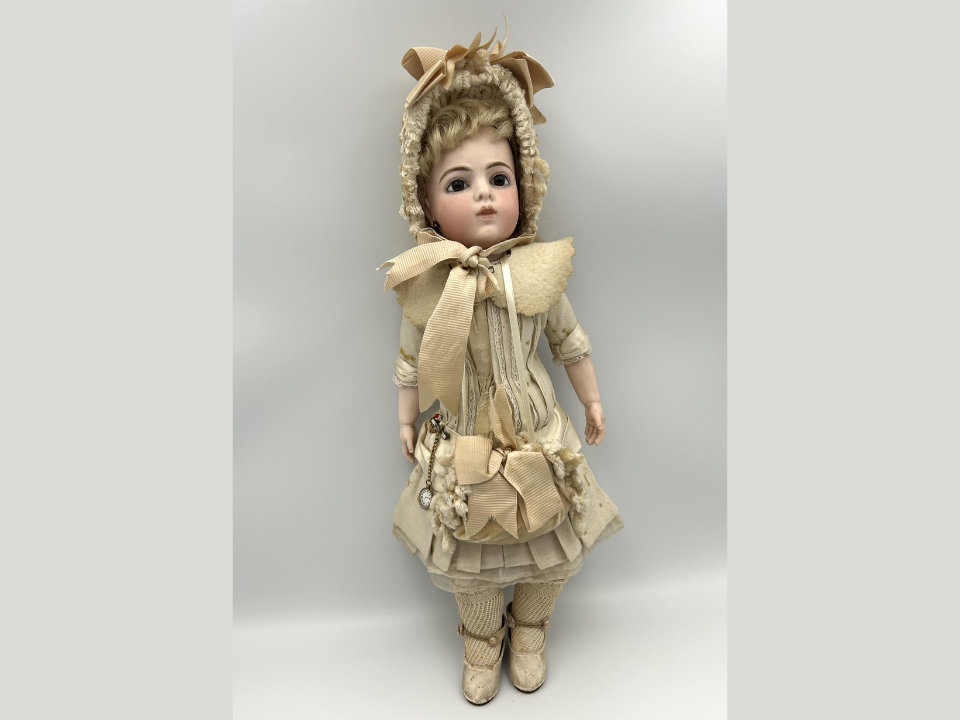
Few antique porcelain dolls attract serious collectors quite like this Bru Jne bebe from the mid 1880s. It was produced in France by Bru Jne and Cie, a firm known for refined bisque work and expressive facial painting. These dolls are rare because many lost their original bodies, wigs, or elaborate wardrobes over time. Surviving examples with complete trunks and period outfits are especially scarce. Current market value for a well-preserved example often falls between $20,000 and $45,000.
Condition plays a major role in pricing, since hairline cracks, replaced eyes, or repainted faces lower interest. Collectors strongly favor dolls that still have their original shoes, labeled garments, and accessories. Smaller cabinet-size dolls can still command high prices when untouched. Complete examples with documentation tend to sell toward the upper end of the range.
1878 First-Series Portrait Jumeau Bebe
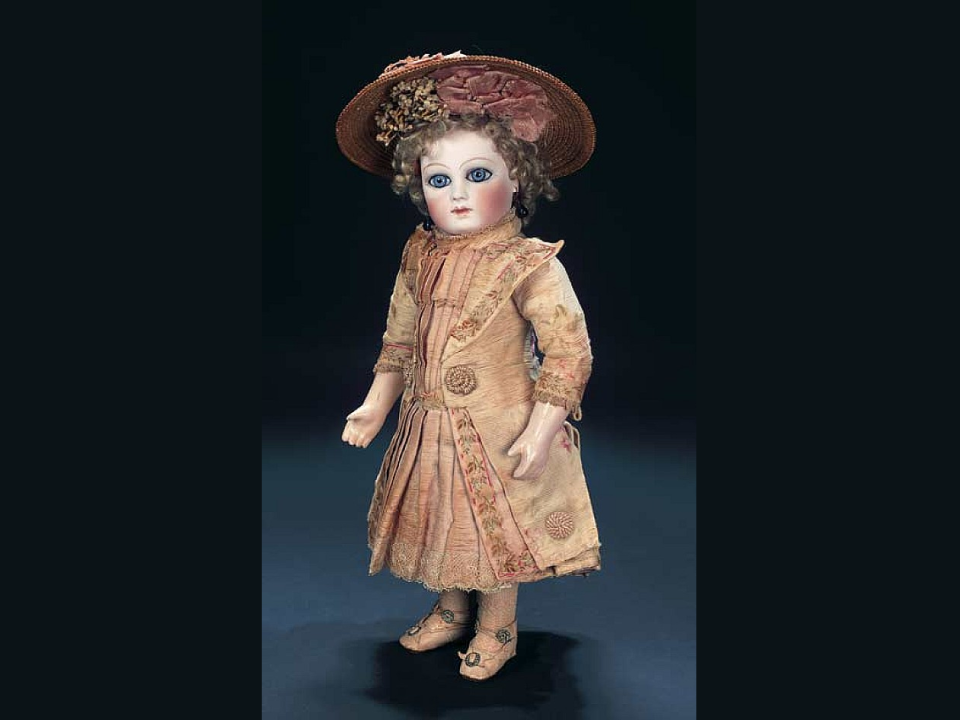
Early Jumeau portrait bebes from the late 1870s stand out for their more solemn facial expressions. These dolls were produced in France by Emile Jumeau before the softer, later styles became popular. Their rarity comes from heavy use during childhood and fragile early bisque that did not always survive intact. Examples with original bodies and clean faces are difficult to find. Market values often range from $12,000 to $35,000.
Larger sizes generally bring stronger prices, especially when paired with original clothing. Neck marks, eye quality, and unaltered paint are carefully checked by buyers. Even smaller dolls can sell well if everything matches correctly. Provenance from an old collection can help support a higher price.
1880s Schmitt et Fils Bebe Size 000
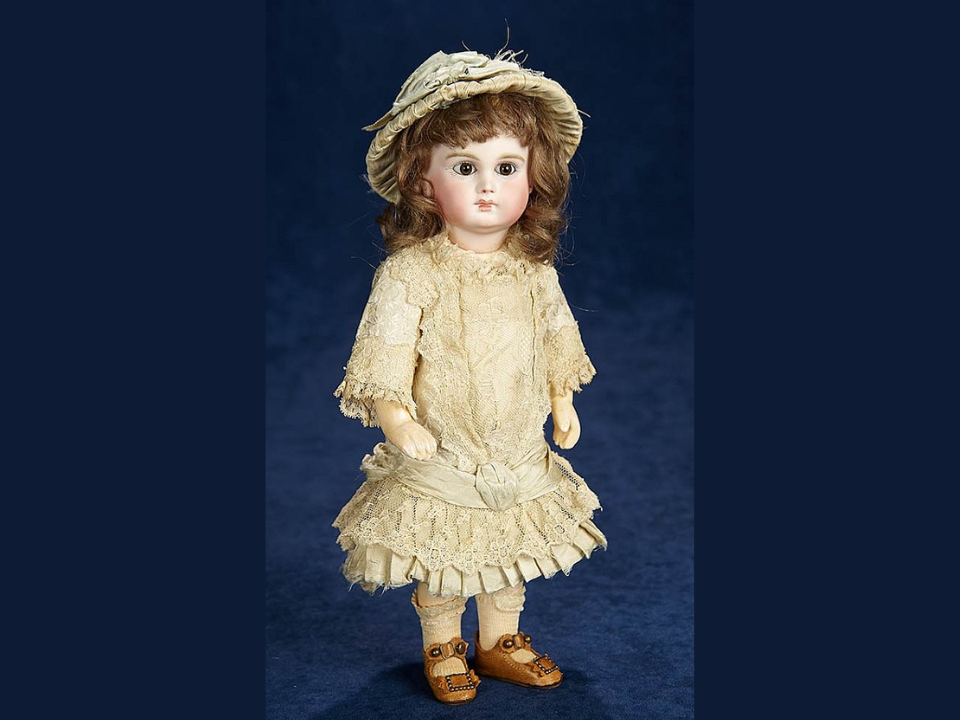
Small French bebes can be surprisingly valuable, and this Schmitt et Fils example is a good case. Produced in France during the 1880s, the size 000 marking points to a very limited production scale. These dolls are rare because their delicate size made them more likely to suffer damage. Clean bisque and intact bodies are uncommon today. Market estimates usually fall between $16,000 and $18,000.
Original clothing is a major factor, since many tiny outfits were lost or replaced. Collectors look closely at eye setting, facial paint, and correct body style. Repairs tend to reduce value sharply in this size category. A complete and untouched example often attracts strong bidding.
1917 Kammer and Reinhardt Model 117
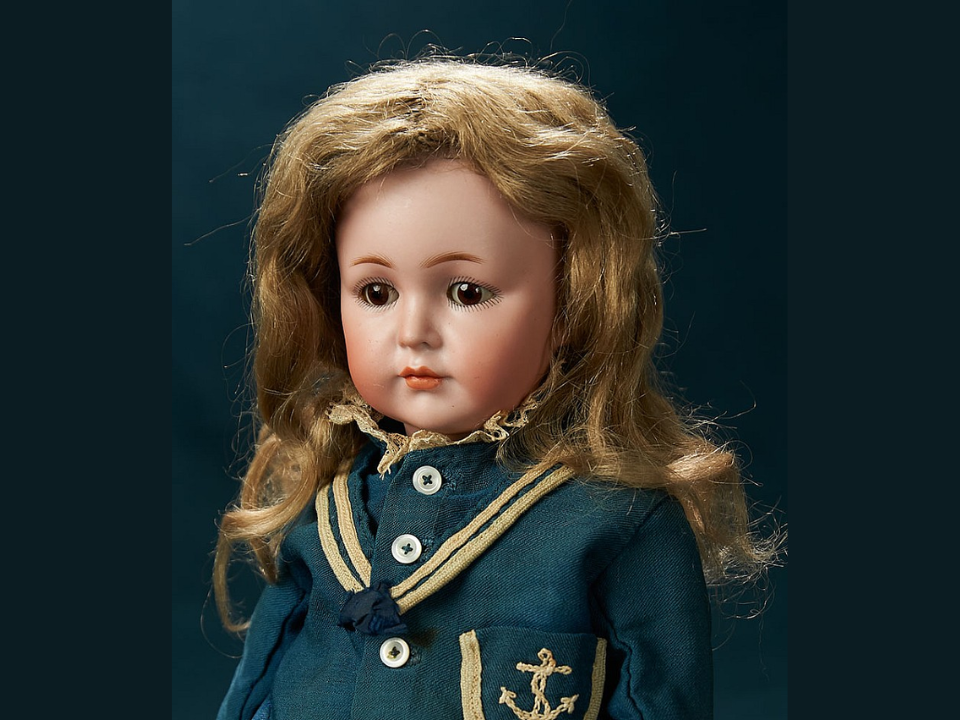
German character dolls gained popularity in the early twentieth century, and the Model 117 is one of the most recognizable. This doll was produced in Germany by Kammer and Reinhardt around 1917. Its closed-mouth expression gives it a realistic look that sets it apart from common bisque dolls. Fewer high-quality examples remain due to wear over time. Current values often range from $3,500 to $4,500.
Size plays a major role in pricing, with larger versions drawing stronger interest. Collectors examine hands, fingers, and wigs carefully for damage. Original clothing can help, but head condition is still the key factor. Clean examples tend to sell quickly.
Late 1800s Jules Steiner Bebe Figure A
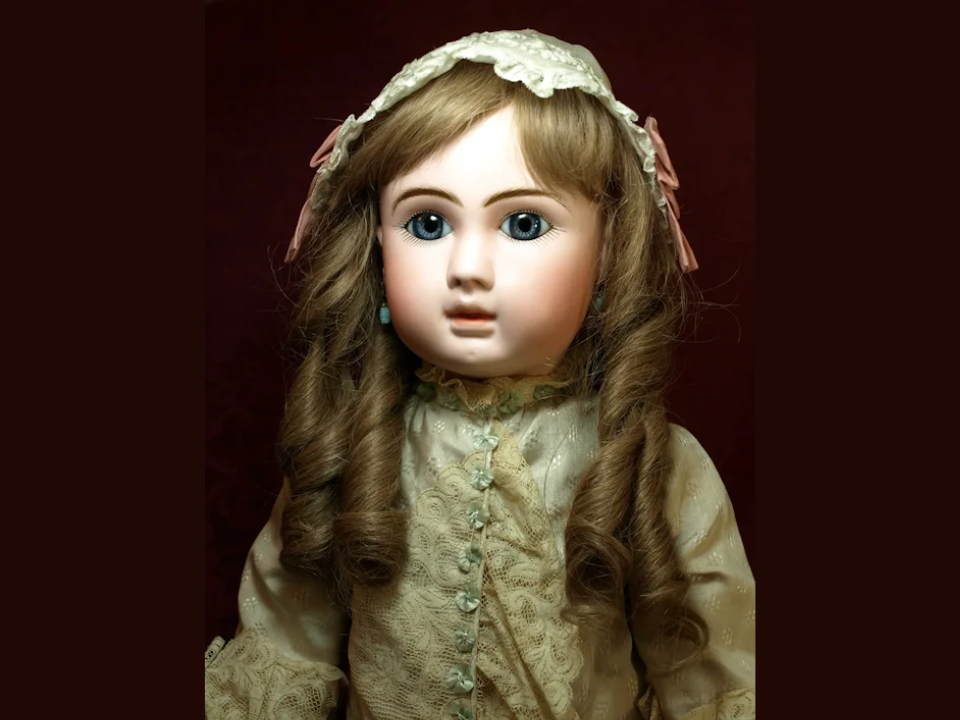
Steiner bebes from the late nineteenth century are known for their refined expressions. Produced in France by Jules Steiner, these dolls were made in smaller numbers than many competitors. Many surviving examples show wear, making clean specimens harder to locate. Original bodies and correct clothing add to their appeal. Market values generally range from $2,000 to $8,000.
Cabinet-size dolls can still bring strong prices when the face paint remains untouched. Replaced parts or heavy restoration usually reduce interest. Collectors often pay more for well-documented examples. Even modest sizes can surprise when condition is strong.
1880 Halopeau H Bebe
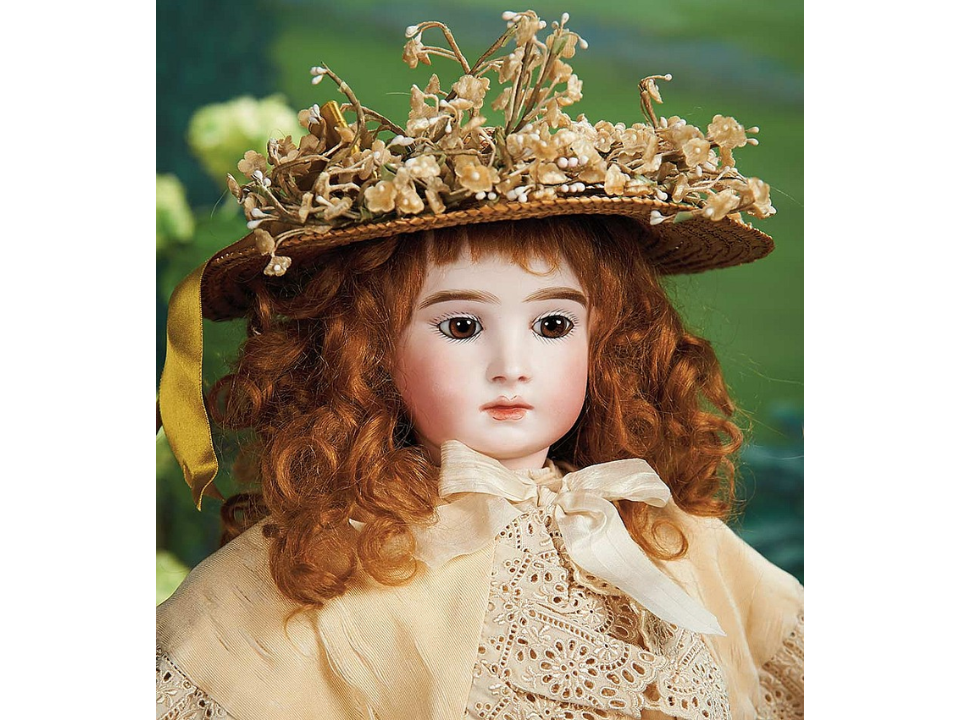
The Halopeau H bebe is one of the rarest French porcelain dolls collectors encounter. Made in France around 1880, it is identified by its distinctive head marking. Limited production and low survival rates contribute to its scarcity. Many examples did not withstand time due to fragile materials. Market values often fall between $30,000 and $120,000.
Period clothing can add significant value when it fits correctly. Collectors examine the body finish closely for originality. Any restoration is carefully scrutinized due to the high stakes. Well-preserved examples are rarely offered for sale.
1880 Circle Dot Bru Bebe
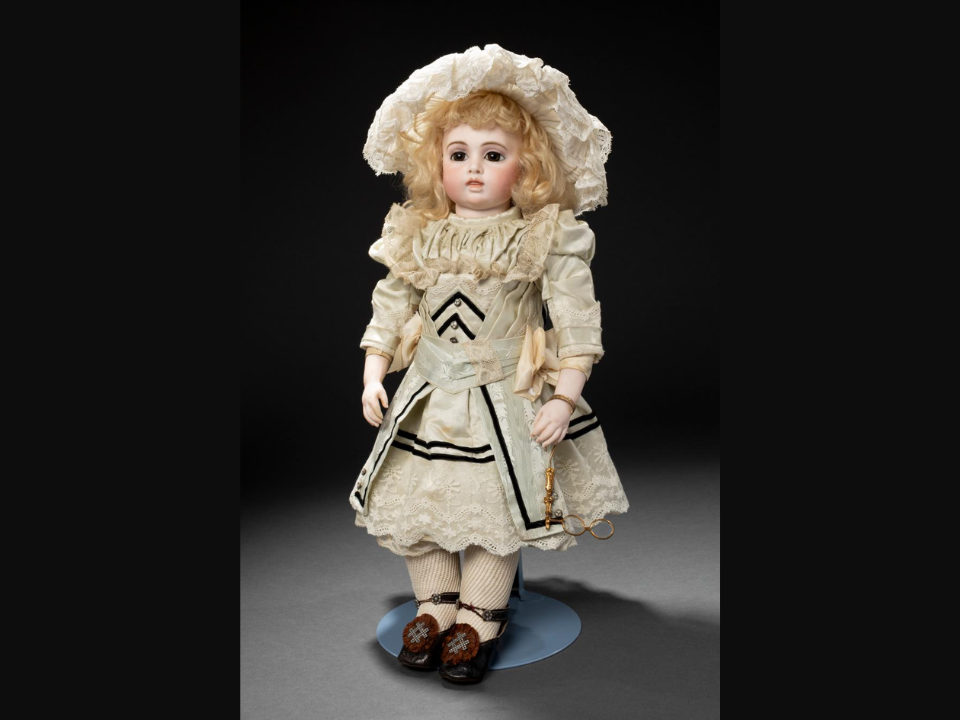
This Bru bebe from around 1880 is known for its distinctive circle dot marking. Produced in France, it represents a less common Bru variation. High-quality bisque and expressive painting make it desirable. Many examples suffered damage or alterations over time. Current market values often range from $10,000 to $35,000.
Facial condition is the main focus for collectors. Chips, cracks, or replaced eyes can greatly affect pricing. Original bodies and correct outfits strengthen value. Well-preserved examples tend to draw strong attention at auction.
1885 Tete Jumeau Bebe
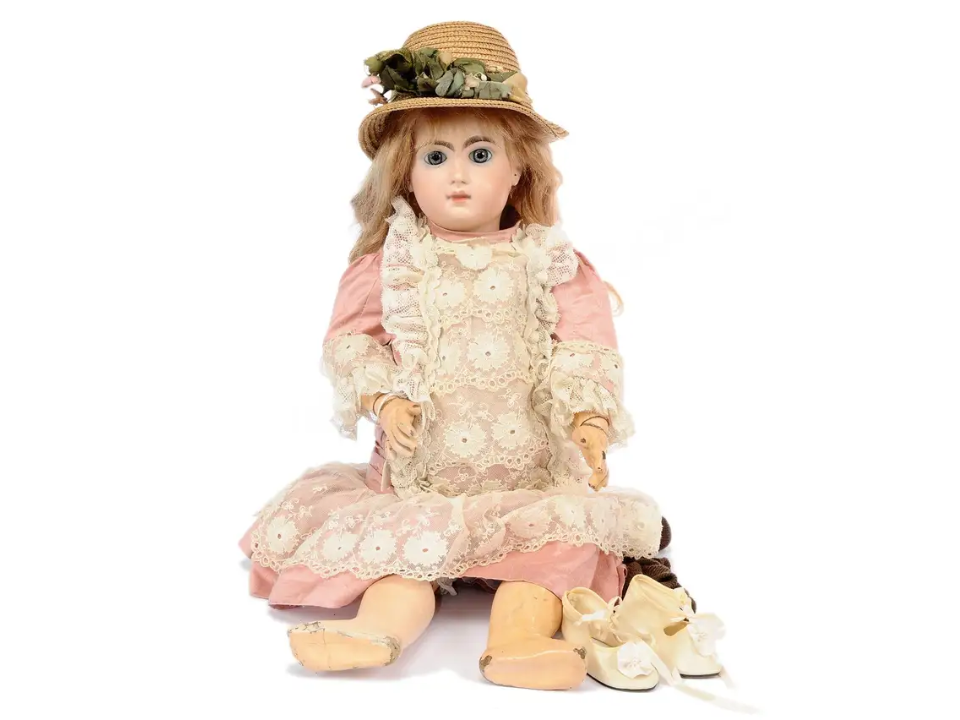
Tete Jumeau bebes from the mid 1880s showcase the brand’s refined craftsmanship. Produced in France by Jumeau, these dolls are valued for detailed facial painting. They are rare in complete condition due to age and use. Original couture pieces add meaningful appeal. Market estimates generally range from $8,000 to $20,000.
Smaller sizes can still bring solid prices when untouched. Collectors carefully inspect wigs, eyes, and body originality. Replaced bodies are common and affect value. Complete examples tend to sell toward the higher end.
1870s Francois Gaultier French Fashion Doll
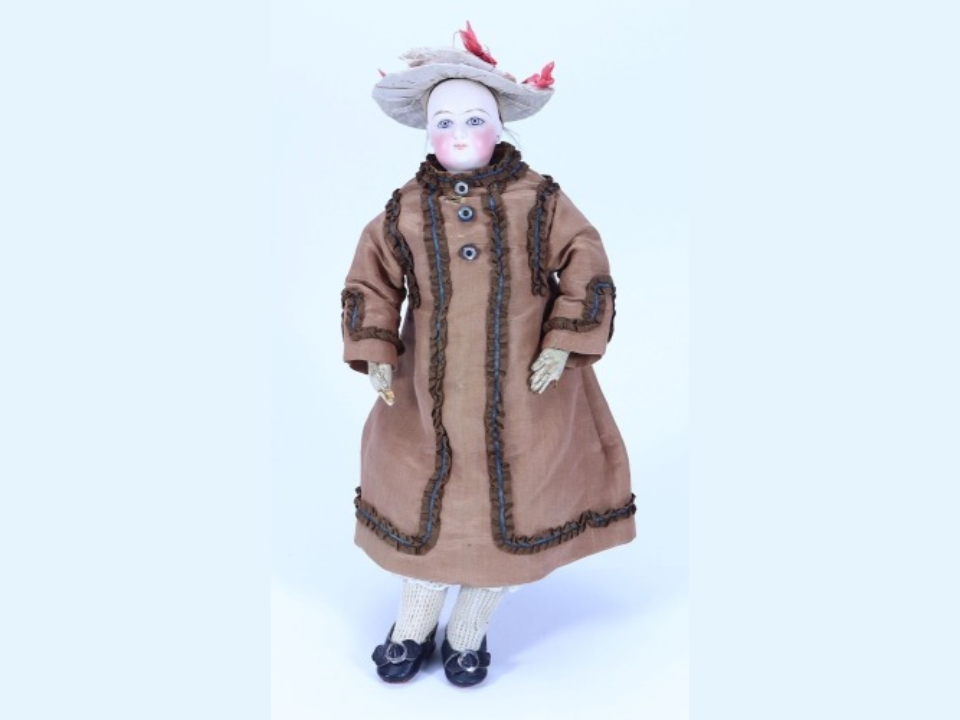
French fashion dolls from the 1800s can command serious interest, especially those by Francois Gaultier. These were produced in France and often dressed in elaborate period wardrobes. Their value comes from complete trousseaus and intact bisque. Many dolls lost accessories over time. Market values often range from $700 to $3,000.
Clothing condition can matter as much as the doll itself. Hairlines and replaced hands are common issues. Clean bisque and correct eyes support stronger pricing. Fully dressed examples tend to attract collectors faster.
Early 1900s Kestner Model 171 Daisy
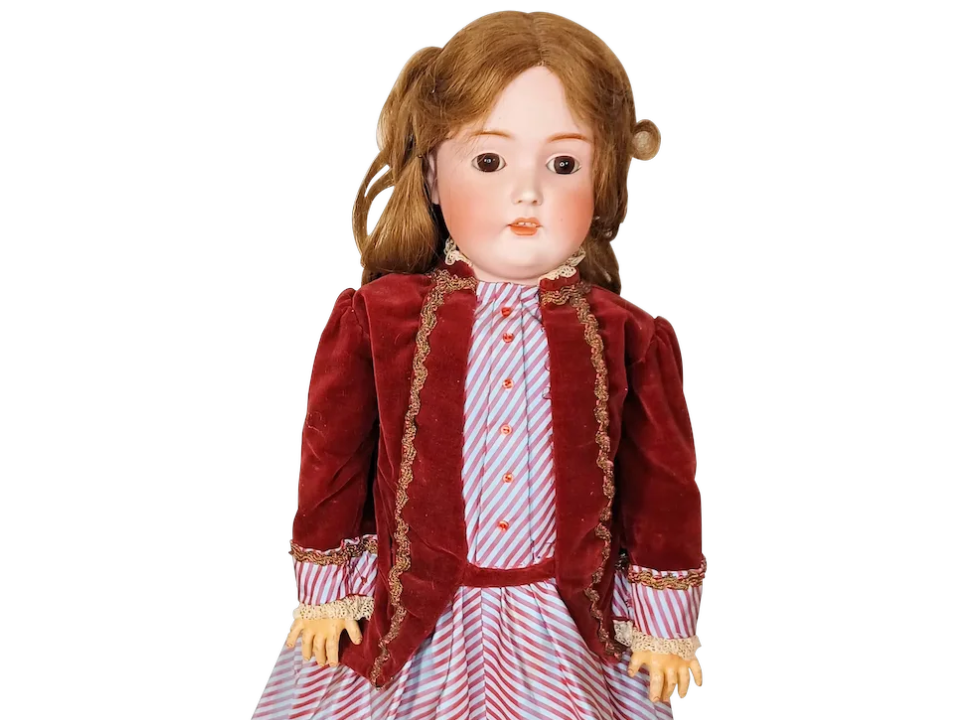
The Kestner 171 Daisy is a well-known German bisque doll from the early twentieth century. Produced by J D K Kestner, it is recognized for its gentle expression. Many examples were heavily played with, reducing survival quality. Larger dolls are less common and more valuable. Market values often fall between $800 and $3,500.
Size remains a major driver of interest. Collectors check bodies for repainting or replacements. Original clothing adds appeal but is not required. Clean head markings and correct eyes help support pricing.
1890s Simon and Halbig Model 1079
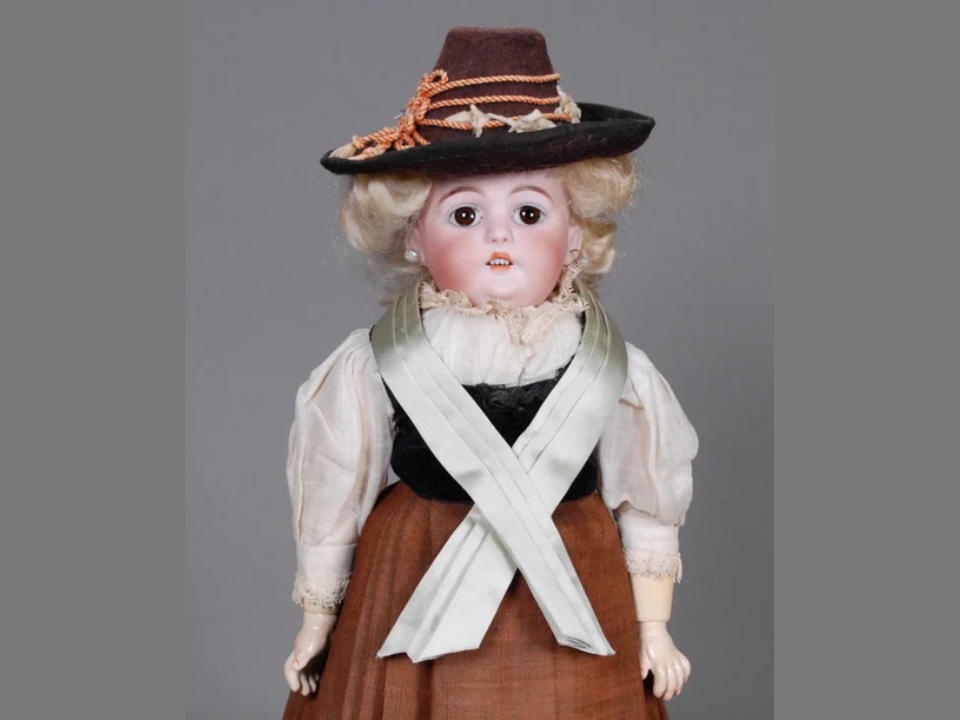
The Model 1079 is one of Simon and Halbig’s more collectible molds. Produced in Germany during the late 1800s and early 1900s, it features high-quality bisque. These dolls are valuable when large and free of repairs. Many examples show cracks due to age. Market estimates range from $900 to $4,000.
Original eyes and intact fingers are important details. Clothing can lift value when it fits the period. Misidentification is common, so markings matter. Well-preserved examples tend to reach higher prices.
1909 Kammer and Reinhardt Model 101 Marie
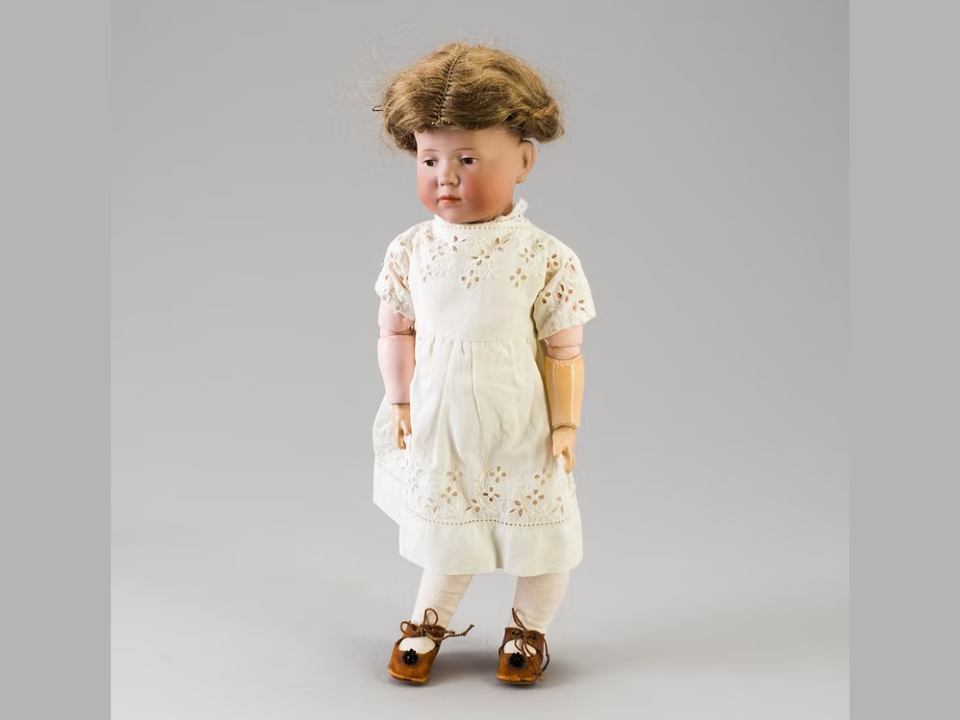
The Model 101 Marie is a well-known German character doll from around 1909. Produced by Kammer and Reinhardt, it features a distinctive expression. These dolls are less common than standard child dolls. Clean bisque and original bodies are key factors. Market values often range from $1,500 to $6,000.
Collectors inspect rim chips and eye paint closely. Original clothing helps but is not required. Repaired heads reduce interest. High-quality examples remain in demand.
This article originally appeared on Avocadu.