
11 Mini History Museums in the U.S. That Make Kids Actually Pay Attention
Looking for fun and educational ways to spark your child’s interest in history? Across the U.S., there are a variety of unique history museums designed to engage young minds through interactive exhibits, hands-on activities, and immersive experiences. These museums make history come to life in a way that kids can see, touch, and experience firsthand, ensuring they stay engaged while learning about the past. Whether exploring ancient civilizations, role-playing historical events, or discovering technological innovations, these museums offer a great opportunity for children to connect with history excitingly and memorable way.
This post may contain affiliate links, which helps keep this content free. Please read our disclosure for more info.
International Spy Museum
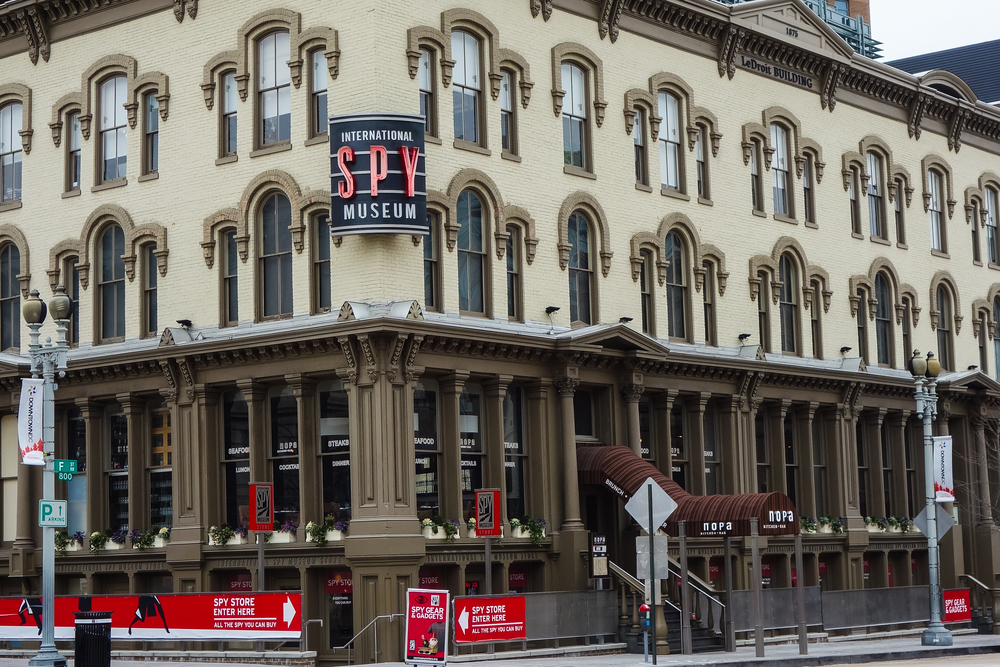
The International Spy Museum in Washington, DC, offers an extraordinary experience for young minds by immersing them in the exciting world of espionage. Children can engage with interactive exhibits like decoding secret messages, learning how to blend in with a crowd using disguise techniques, and handling spy gadgets. The museum offers kids the chance to become undercover agents themselves through interactive experiences that include mission-based challenges. These hands-on activities make the museum a thrilling experience, ensuring that children are not just passive observers but active participants in learning about the critical role of spies throughout history.
The museum’s storytelling is built around real-life spy missions from history, which come to life through exhibits that engage the senses. Kids can even create their own spy persona and take on various missions as they explore how espionage affected key historical events. The way the museum intertwines history with adventure helps children understand complex topics like global conflict, diplomacy, and secrecy in a fun and memorable way. The thrilling atmosphere combined with fascinating real-world stories encourages kids to learn by doing, making history feel relevant and exciting.
The Exploratorium
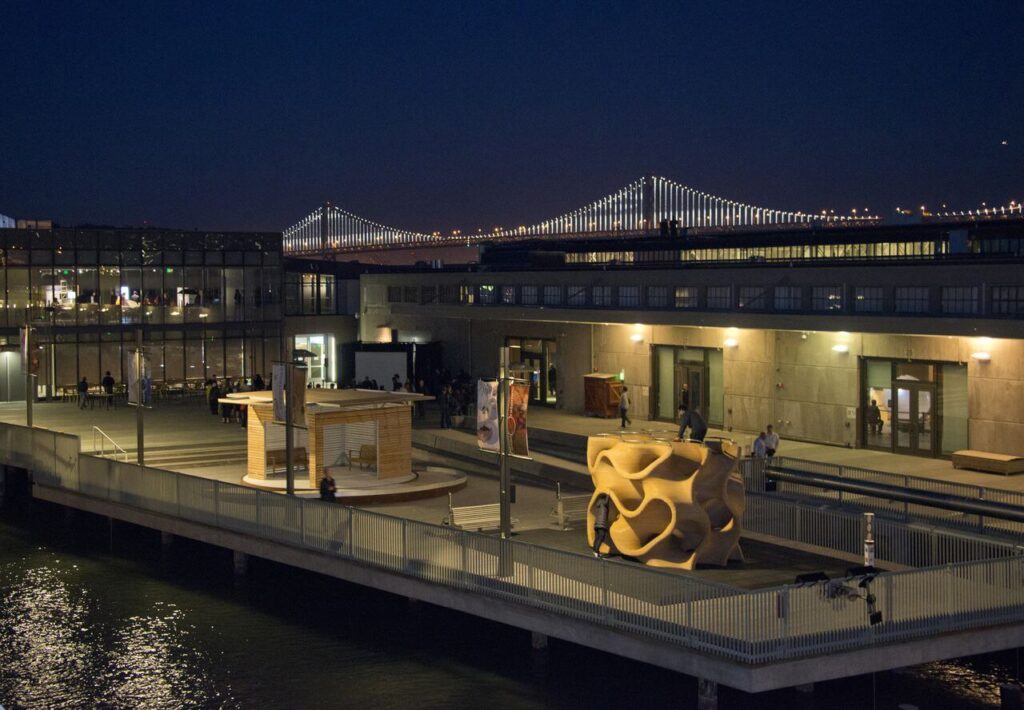
In San Francisco, the Exploratorium is a science museum with a strong emphasis on history and innovation. The museum provides children with a fun and interactive way to engage with the past through its “Tinkering” and “History of Innovation” exhibits. Kids can explore how early technologies, such as light bulbs and telegraphs, were invented and evolved through interactive displays that let them test out concepts themselves.
Children are encouraged to experiment and create, gaining a deeper understanding of the historical context of scientific and technological advances. The museum’s hands-on approach to history makes it easier for kids to grasp how innovation in the past shapes the world today. Whether building simple machines or experimenting with light and sound, kids are always learning by doing.
The Mob Museum
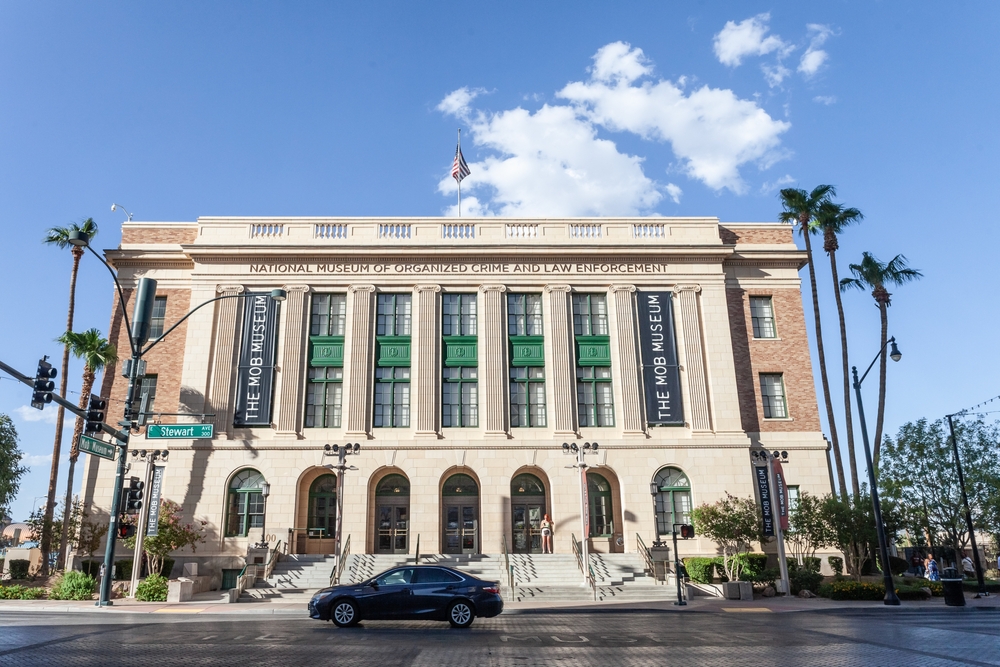
Located in Las Vegas, The Mob Museum brings the story of organized crime to life in a way that grabs the attention of young visitors. The museum features thrilling, interactive exhibits such as the opportunity to see (and sometimes try out) law enforcement equipment used in the battle against organized crime, as well as courtroom reenactments. The immersive exhibits, complete with sound effects, video projections, and dramatic displays, help explain the significant impact of mob activity on cities and the law. The museum’s hands-on activities are especially engaging for teenagers, who can relate to the intensity and drama of the exhibits.
The Mob Museum does more than showcase artifacts; it connects them to real historical figures and pivotal moments that shaped America. Kids can take on the role of law enforcement agents in simulated crime-solving exercises, learning about the complexities of crime and justice through engaging, interactive stations. For example, kids can attempt to track down criminals using clues and investigative techniques, transforming history into an interactive puzzle. This dynamic environment keeps kids engaged while offering valuable lessons on morality, the justice system, and the choices people made in critical historical moments.
Boston Tea Party Ships & Museum
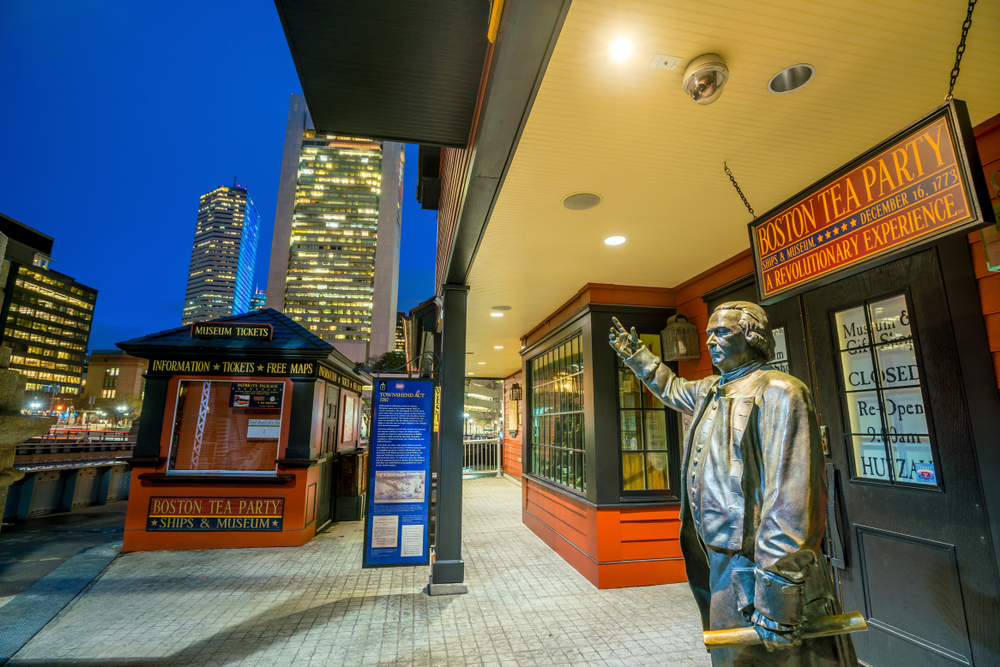
The Boston Tea Party Ships & Museum offers a hands-on, deeply engaging experience that allows children to actively participate in the reenactment of one of the most pivotal moments in American history. Children can board replica ships, interact with costumed actors portraying key figures, and even throw tea into Boston Harbor, as colonists did in 1773. The museum’s interactive features, like throwing “tea” overboard and participating in the event’s reenactment, captivate kids and help them connect emotionally to the history being taught. This is not just a museum where kids look at things; it is an experience that allows them to actively “become” a part of history.
The exhibits also include stories about the political and social context of the time, delivered through digital displays and interactive guides. These activities allow children to see how the Boston Tea Party was a form of protest against the British Crown and how it helped catalyze the American Revolution. By exploring the museum’s immersive exhibits, children gain a clearer understanding of colonial life, resistance, and the role of rebellion in shaping the United States. The combination of hands-on engagement and historical depth makes it a fun and educational experience that sticks with young visitors long after they leave.
The Children’s Museum of Indianapolis
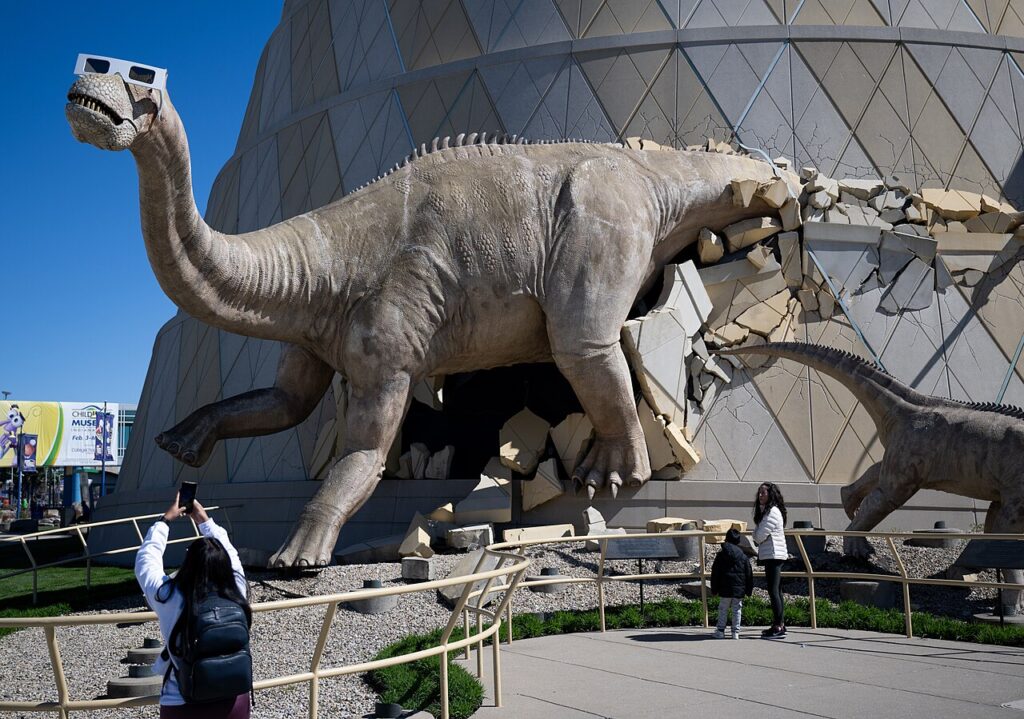
As one of the largest children’s museums in the world, The Children’s Museum of Indianapolis presents history in a way that’s engaging for kids of all ages. One of the museum’s most exciting features is the exhibit on ancient civilizations, where kids can explore replicas of ancient Egyptian tombs, visit a simulated Roman marketplace, or travel to China to learn about its ancient dynasties. The museum also uses interactive exhibits that involve children in the story, such as interactive timelines and artifacts they can touch and examine. These hands-on experiences make it easier for children to understand and appreciate the history of distant cultures.
The museum also has an incredible exhibit on early transportation, where kids can explore the evolution of travel from steam engines to space shuttles. The exhibits are designed so that children can interact with the objects, climb aboard replicas, and even try their hand at piloting an old-fashioned train. The museum cleverly combines historical facts with imaginative play, allowing kids to step into the past and experience what life was like during different historical periods. This dynamic approach makes history feel immediate and exciting, sparking curiosity and learning in a way that traditional museums may struggle to do.
Please Touch Museum
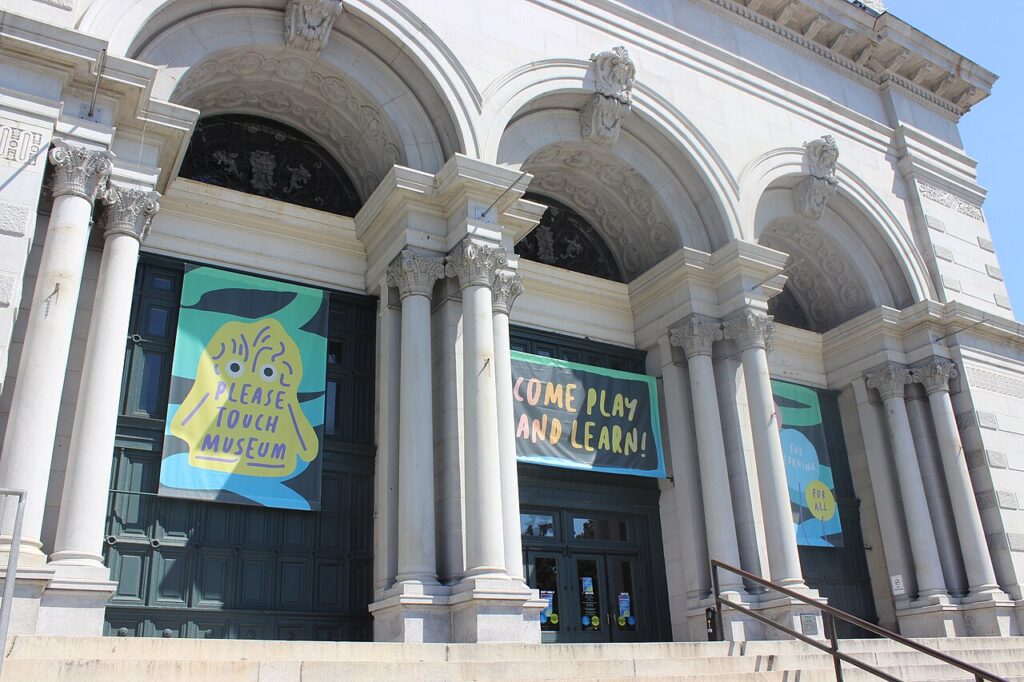
Located in Philadelphia, the Please Touch Museum is dedicated to making learning about history accessible and fun for younger children. The museum’s exhibits are designed specifically to be touched, played with, and explored, providing kids with the ability to engage with history in a multi-sensory way. For example, children can explore historical settings like a 19th-century trolley station or a turn-of-the-century city street, where they can interact with objects and play out scenarios from history. This museum encourages children to immerse themselves in a variety of historical experiences that stimulate both their creativity and their understanding of history.
At the Please Touch Museum, kids are not just looking at artifacts; they are touching, playing, and learning by doing. This hands-on approach helps them understand the past through direct interaction with exhibits that simulate historical environments. Children might pretend to work in a Victorian kitchen, board a vintage trolley, or “shop” in an old-timey market. Each exhibit provides a tangible way to connect with history, making it a powerful tool for helping kids engage with the world around them while learning about the people, places, and events that shaped their lives.
National WWII Museum
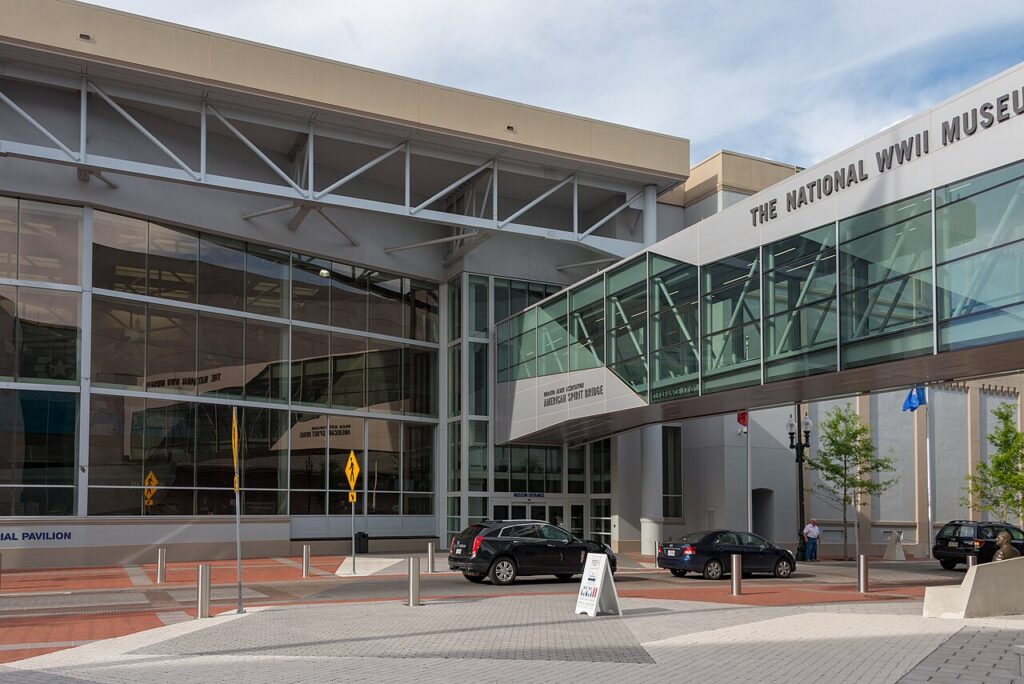
Located in New Orleans, the National WWII Museum provides a comprehensive and interactive experience of one of the most significant global conflicts in history. The museum uses cutting-edge multimedia, including interactive displays, oral histories, and immersive exhibits, to help children understand the global scale of World War II. Kids can step into a restored B-17 bomber, engage with the stories of soldiers through digital kiosks, or participate in a scavenger hunt designed to encourage them to learn more about the war’s impact on civilians and soldiers alike.
The museum’s “Campaigns of Courage” exhibit is designed to transport young visitors to the battlefronts of Europe and the Pacific, with interactive displays that simulate the conditions of wartime. This approach helps children understand the sacrifices made during the war and why it remains a pivotal moment in history. The mix of hands-on exploration and visual storytelling ensures that children are not just learning facts but also connecting emotionally with history in a way that traditional teaching methods can’t match.
The National Museum of American History
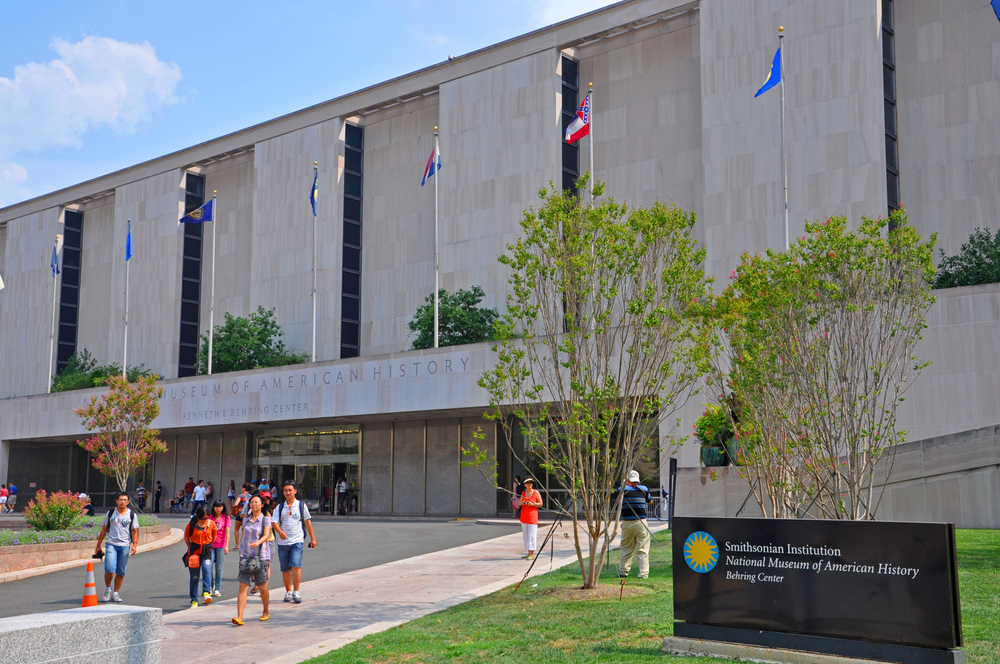
Part of the Smithsonian in Washington, D.C., the National Museum of American History offers a wealth of interactive exhibits that bring American history to life for young visitors. From the original Star-Spangled Banner to the history of the American Presidency, the museum encourages children to explore the artifacts that shaped the nation. Hands-on stations and interactive games, such as a virtual tour of presidential elections and exploring the history of civil rights, captivate kids by allowing them to engage directly with the material.
Children are encouraged to think critically about the historical moments they encounter. They can “become” key figures from U.S. history through interactive storytelling tools, allowing them to immerse themselves in the past. The museum does a fantastic job of connecting historical events with the people who lived them, showing kids how decisions made long ago still affect them today.
The Henry Ford Museum of American Innovation
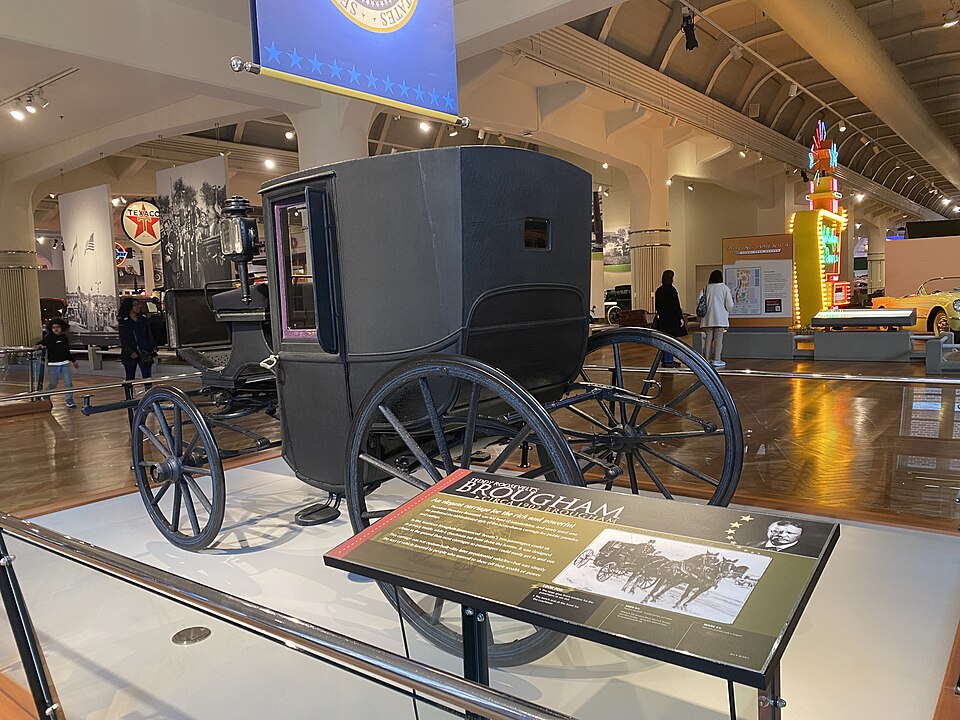
Located in Dearborn, Michigan, The Henry Ford Museum blends history with innovation, offering children an immersive experience into American history through the lens of invention and technological change. Exhibits range from the original Rosa Parks bus to historic automobiles and planes that helped shape American society. Kids can explore the history of innovation by trying out interactive exhibits that explain the evolution of machinery, technology, and industry.
The museum’s hands-on activities, such as designing and testing their own vehicles in a virtual environment, make learning about history feel dynamic and fun. Children can experience firsthand how innovations in transportation, industry, and technology shaped the world they live in. The museum does an excellent job of connecting the past with the future, showing young visitors how the innovation of yesterday still influences their lives today.
The National Museum of African American History and Culture
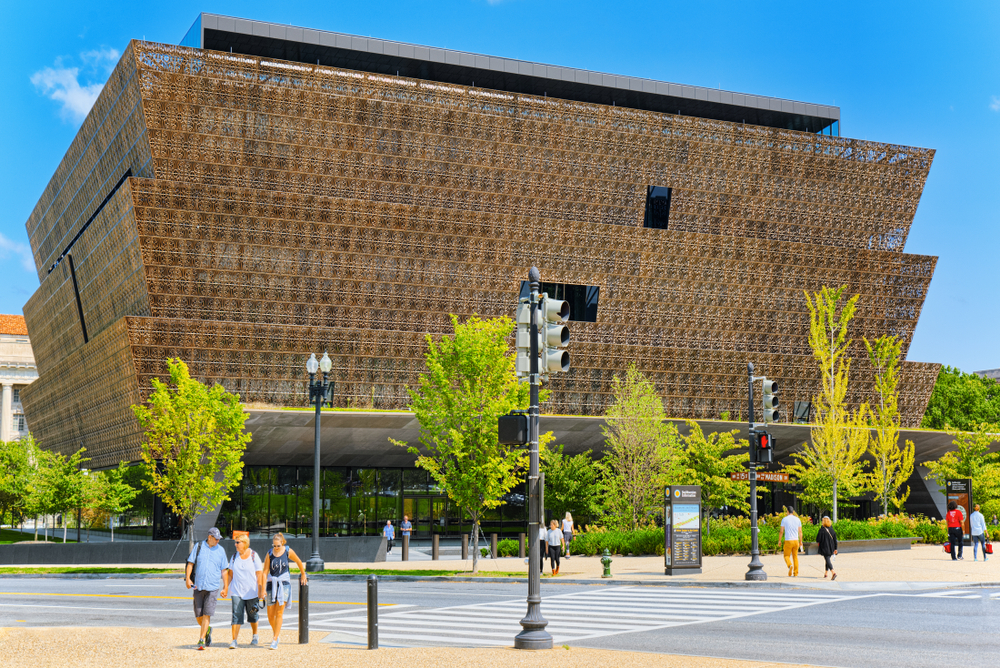
This Smithsonian museum in Washington, D.C., offers a comprehensive look at African American history and culture through a variety of engaging, hands-on exhibits. From the history of slavery to the Civil Rights Movement and beyond, the museum provides an interactive environment where children can engage with important moments in history. With exhibits that include films, oral histories, and interactive learning stations, children gain a deeper understanding of African American contributions to society.
The museum encourages young visitors to explore history through the lives and stories of individuals who made a significant impact on American culture. Interactive stations allow kids to explore the history of African American music, art, and civil rights activism, providing a multifaceted view of the contributions of African Americans throughout history. These activities ensure that children not only learn but are also motivated to connect emotionally with the subject matter.
The Children’s Museum of Manhattan
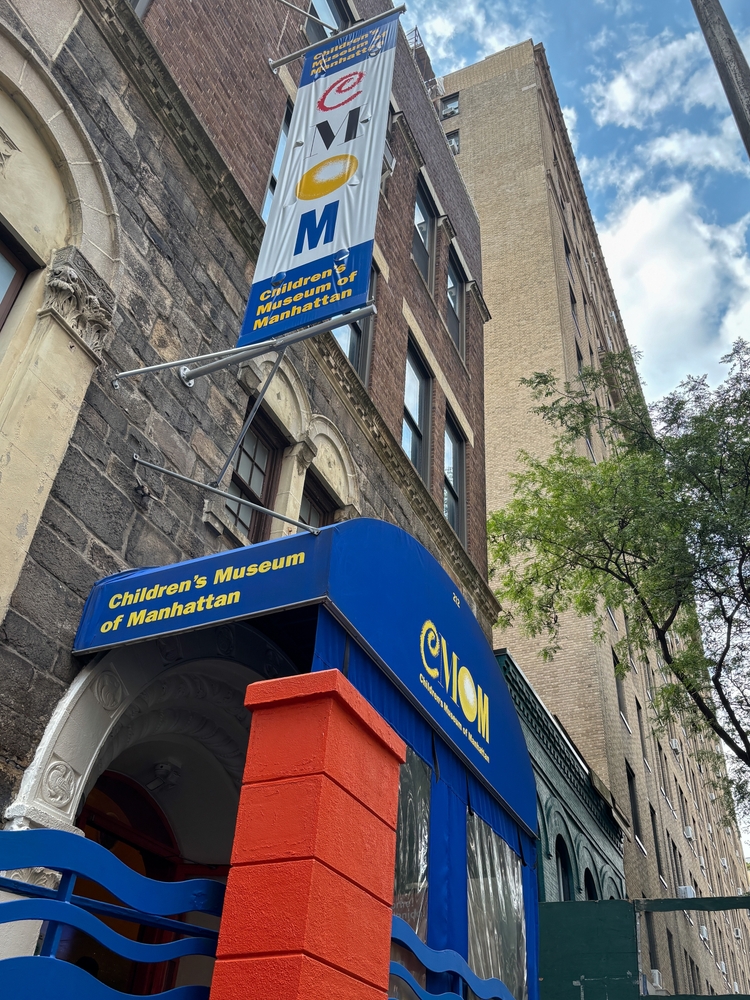
The Children’s Museum of Manhattan is a fantastic venue for exploring American history through interactive exhibits that speak to younger children’s curiosity. One of its standout features is the “America to Z” exhibit, which explores American history from A to Z. Children can interact with historical artifacts, explore the lives of significant historical figures, and take part in various activities designed to make history feel relevant to their everyday lives.
The museum also has interactive storytelling stations and role-playing games that engage children in learning about key moments in American history. Whether kids are learning about Native American culture, early American settlements, or the history of the U.S. presidency, the hands-on exhibits keep them engaged and excited about learning. The interactive environment and child-focused approach help turn history into an adventure, making it easy for kids to connect with past events.
This article originally appeared on Avocadu.