
15 Rare Plants Found Again After Being Labeled Extinct
Many plants were once thought to be gone forever, but recent discoveries have shown that they’re still out there, hiding in the wild. These rare finds remind us that nature holds secrets we have yet to uncover. With every rediscovery, there’s a spark of hope that we can protect what’s left. These plants are not only fascinating because of their rarity, but also for what they can teach us about survival.
This post may contain affiliate links, which helps keep this content free. Please read our disclosure for more info.
Franklin Tree (Franklinia alatamaha)
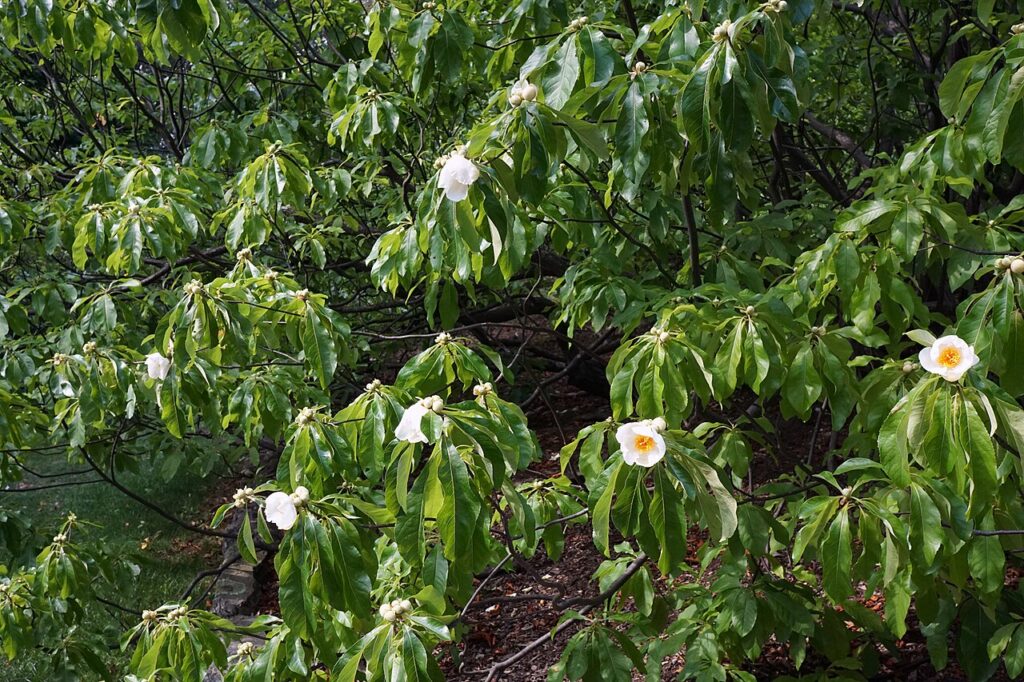
The Franklin Tree was discovered in Georgia, USA, in the 18th century, but after a few decades, it seemed to disappear entirely from the wild. It was believed to be extinct in its natural habitat by the mid-1800s, despite some cultivation efforts in gardens. The reason for its extinction in the wild is still debated, but climate change and habitat disruption are suspected. Today, it survives only in cultivated gardens and is cherished for its beautiful white flowers. It’s a reminder of nature’s delicate balance and how easily plants can vanish from the wild.
Despite being lost to the wild, the Franklin Tree still thrives in gardens across the world. Cultivated specimens continue to captivate horticulturists, with efforts to preserve it ongoing. Due to its rarity and beauty, this tree remains a symbol of both loss and hope for conservation. It is also known for its striking autumn foliage, making it a prized addition to any garden.
Silversword (Argyroxiphium sandwicense)
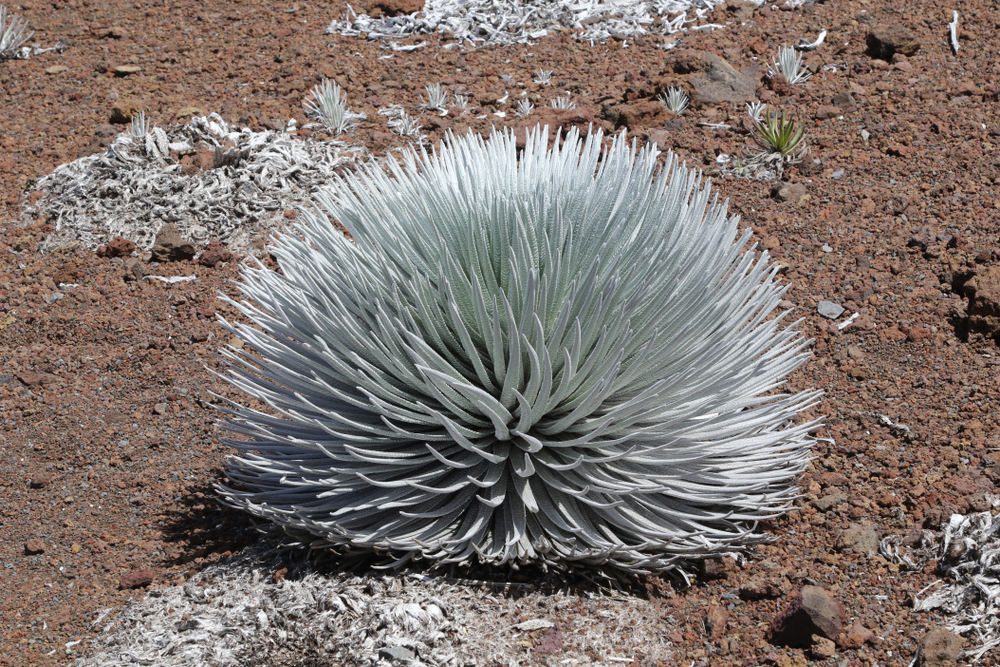
The Silversword, native to the Hawaiian Islands, was thought to have disappeared due to overharvesting and habitat loss. For years, it was considered extinct outside the highlands of Haleakalā Crater on Maui. With its dramatic silver foliage, this plant is adapted to survive harsh environments and is highly prized by collectors. Its rarity stems from its limited distribution and vulnerability to human activity. Today, conservation efforts have helped restore its numbers in the wild, though it remains a rare find.
Though once on the brink of extinction, the Silversword now holds a place in Hawaiian conservation efforts. It’s a symbol of resilience, showing how a species can be brought back from the edge of disappearance. The ongoing protection of this plant includes efforts to manage invasive species and preserve its native habitats. However, it still faces threats from climate change and environmental disturbances.
Wollemi Pine (Wollemia nobilis)
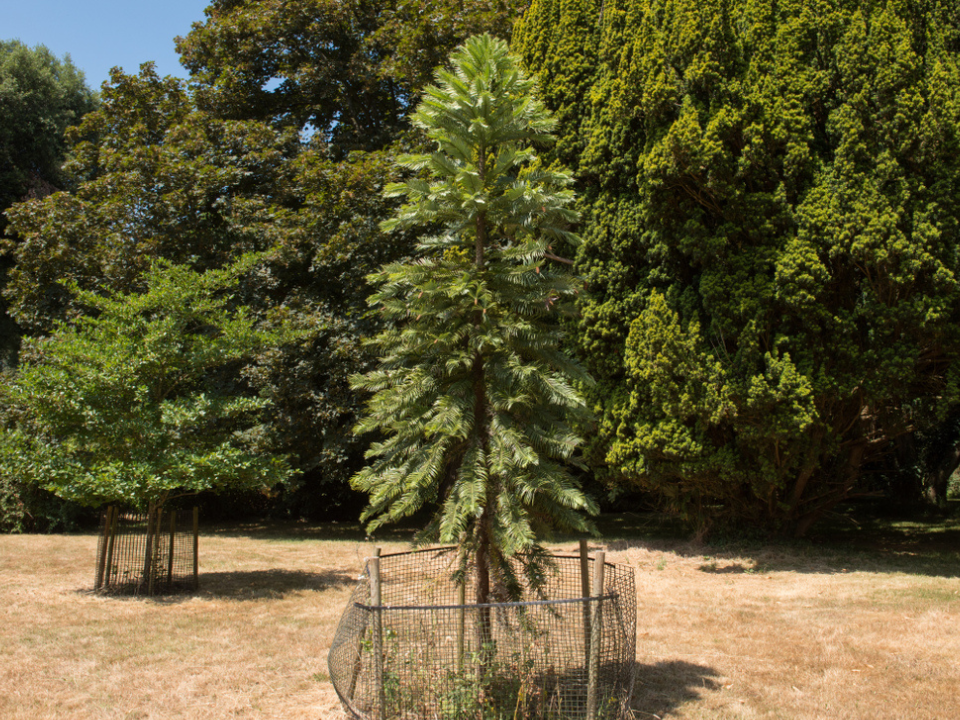
Once thought extinct, the Wollemi Pine was rediscovered in 1994 in a remote part of Australia’s Wollemi National Park. Prior to its rediscovery, it was believed to have vanished from the Earth about 2 million years ago. Its rarity stems from its limited range, with only a few dozen trees existing in the wild. The Wollemi Pine is an ancient species, often described as a living fossil, offering a glimpse into the distant past of plant evolution. Efforts to protect and propagate this tree have helped ensure its survival.
The rediscovery of the Wollemi Pine sparked excitement in both the scientific community and the public. Researchers are focused on conserving it through controlled propagation and seed banking. The plant is now a symbol of conservation success, though it remains vulnerable due to its small population. Conservationists continue to monitor its progress as a symbol of hope for other endangered species.
Victoria Amazonica (Giant Water Lily)
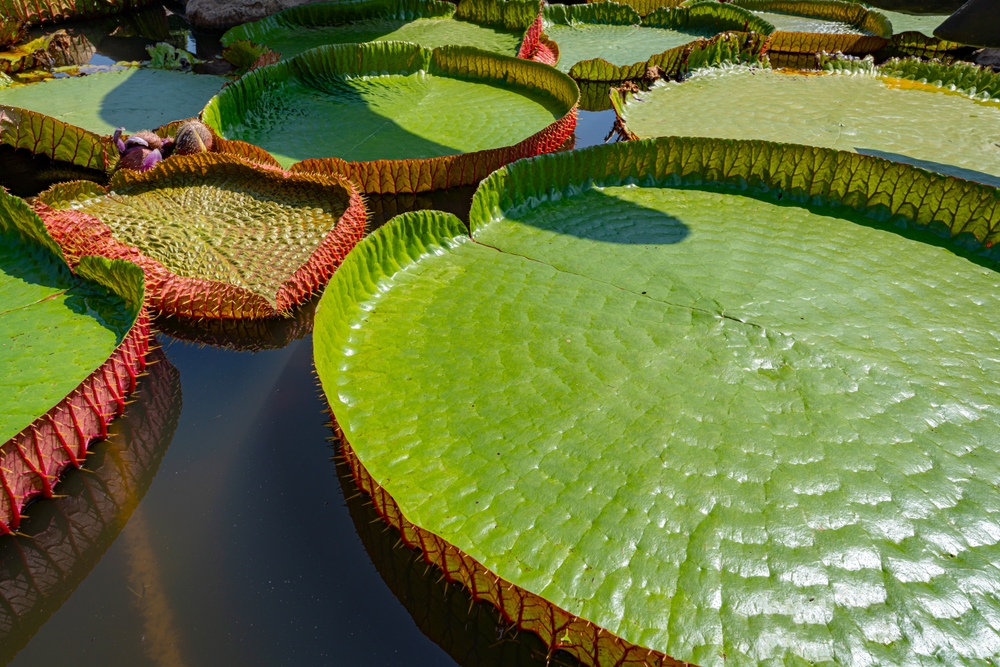
The Giant Water Lily, native to the Amazon Basin, was once thought extinct in certain regions due to habitat loss and climate changes. This massive aquatic plant can grow leaves up to 10 feet in diameter, which made it a subject of fascination. People believed it had disappeared from some of its historical ranges, with only a few scattered populations left in remote parts of the Amazon. Today, the species is still rare but found in select locations where conservation efforts are in place.
These water lilies are a striking sight in the wild, with their large, disc-shaped leaves supported by intricate root systems. Conservation work in the Amazon has helped protect them from the worst effects of habitat destruction. The plant remains one of the most celebrated aquatic species due to its sheer size and unique beauty. It’s also a symbol of the fragile ecosystems of the Amazon.
Chile Sand Verbena (Abronia umbellata)
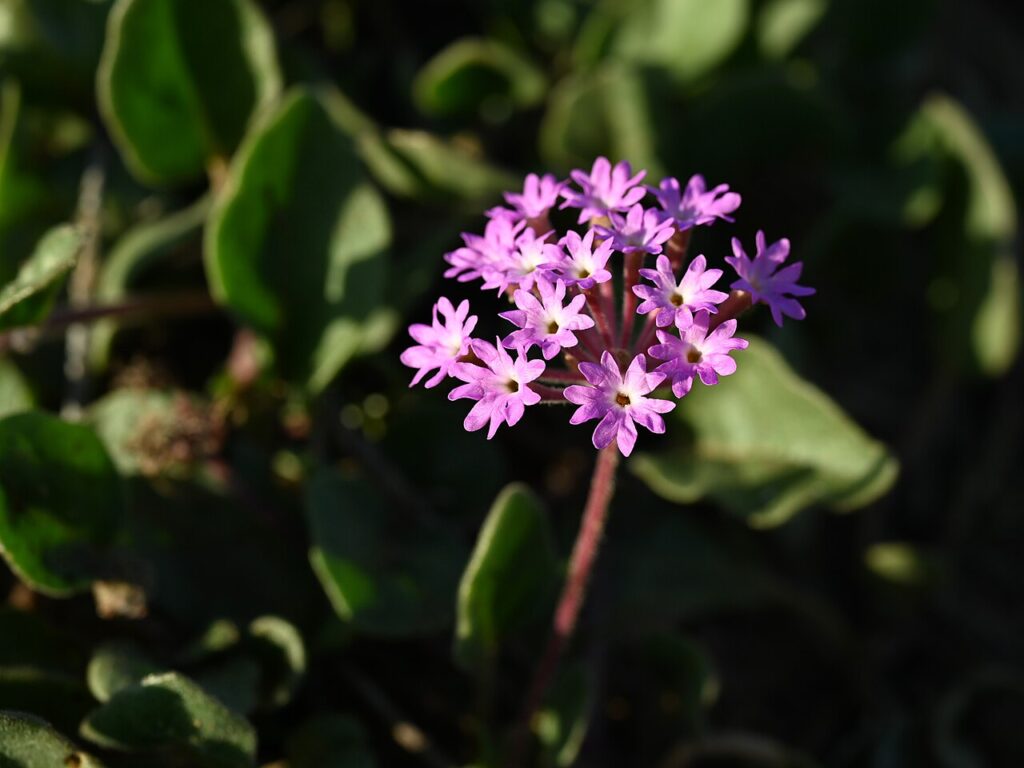
The Chile Sand Verbena, a beautiful flowering plant, was believed to be extinct in the wild after habitat destruction and competition from invasive species. Rediscovered in Chile in the 1990s, it has since become a rare but highly valued plant among conservationists. This species thrives in coastal sand dunes, making it vulnerable to habitat loss from development. Its vivid pink and purple blooms make it an attractive sight in any environment. Today, conservation efforts aim to protect its native habitat and help it thrive in the wild once more.
Once feared lost, the Chile Sand Verbena’s return has been a symbol of nature’s resilience. This flowering plant plays a vital role in stabilizing sand dunes and supporting local ecosystems. Active restoration programs are focused on preserving its critical coastal habitat. Its rediscovery is an example of how fragile ecosystems can be revived with proper care.
The Ghost Orchid (Dendrophylax lindenii)
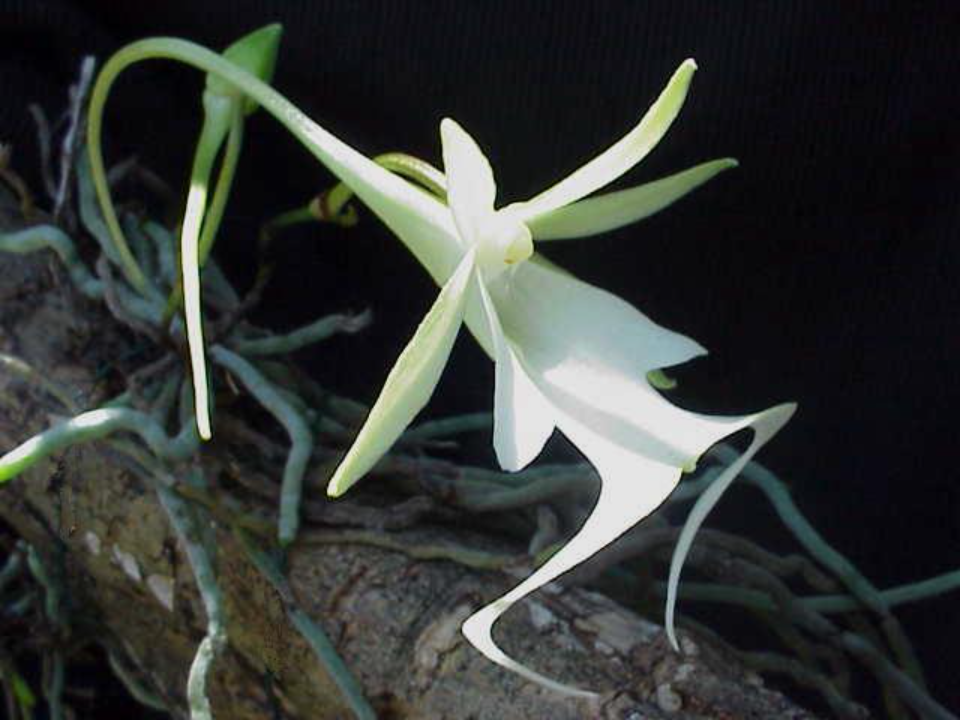
Known for its ethereal beauty, the Ghost Orchid was thought extinct for over a century due to overcollection and habitat destruction. Rediscovered in the 1990s in the swamps of Florida and the Caribbean, it is now protected under conservation programs. This orchid is rare because it requires very specific growing conditions, including humid, swampy environments. Its appearance is striking, with white, ghostly flowers that bloom briefly each year. It remains a sought-after plant among orchid enthusiasts and conservationists.
This unique orchid is difficult to cultivate outside its native habitat, making it even more valuable. Its return from extinction has sparked new efforts to protect its natural environment. The Ghost Orchid’s beauty and rarity continue to inspire botanical gardens and conservationists. It is a symbol of how even the most delicate species can survive with the right protections in place.
The Hawaiian Chaff Flower (Achyranthes mutica)

Endemic to the Hawaiian Islands, this plant was thought to have disappeared due to deforestation and the introduction of invasive species. Rediscovered in 1998, it has been the focus of restoration efforts in the wild. The Hawaiian Chaff Flower is rare due to its specialized habitat requirements, thriving only in moist, tropical environments. Its small, white flowers have made it a favorite among Hawaiian conservationists. Protection of its remaining habitat is essential for its continued survival.
This plant’s rediscovery marked a major step in the recovery of Hawaii’s native flora. Restoration programs have focused on removing invasive species and replanting native vegetation. The Hawaiian Chaff Flower’s future depends on continued efforts to protect its environment. It remains one of the island’s rare botanical treasures.
The Bluebell Creek Plant (Echinocereus reichenbachii)
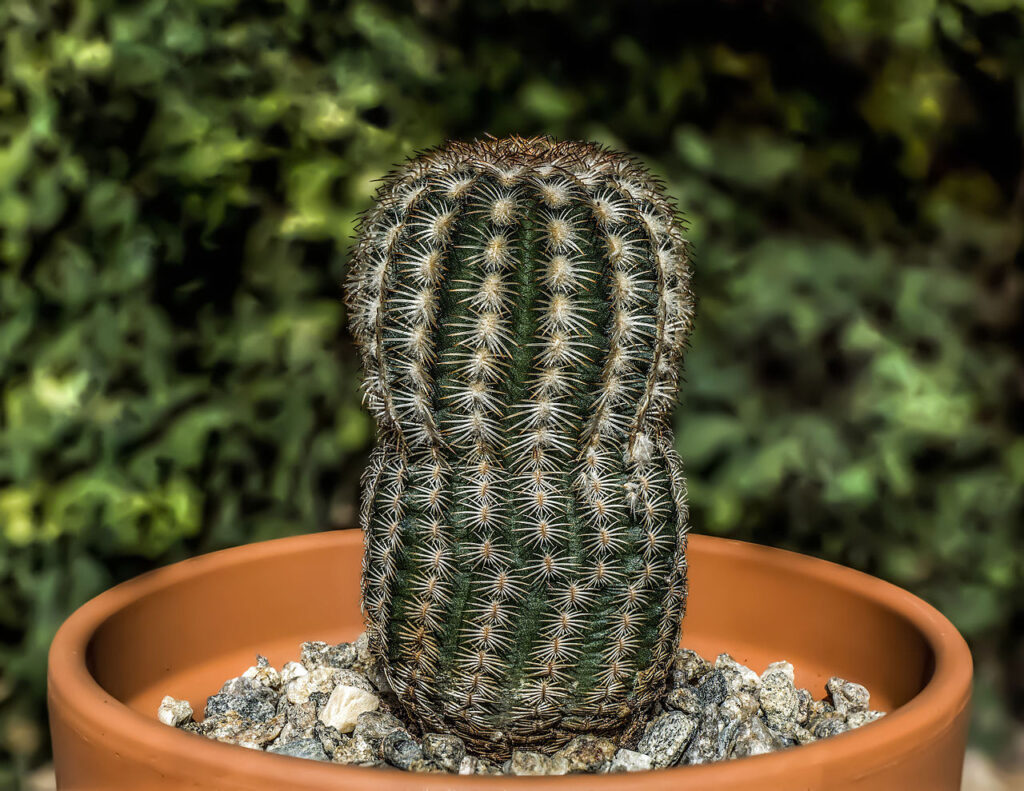
Found in the southwestern United States, this cactus was once believed extinct due to land development and overgrazing by livestock. Rediscovered in the 1990s, it remains a rare sight in the wild. The Bluebell Creek Plant is known for its vibrant flowers that bloom in shades of pink and purple. Its rarity is attributed to its specific habitat requirements, including rocky hillsides and shaded crevices. Protection of its habitat has become crucial to maintaining its small population.
Efforts to preserve the Bluebell Creek Plant focus on safeguarding its native environment, which includes regulating grazing and land development. The plant’s striking appearance makes it a favorite among desert plant collectors. Its rediscovery shows how even the rarest plants can sometimes persist in remote locations. Conservationists continue to work towards ensuring the plant’s long-term survival.
The Resurrection Plant (Selaginella lepidophylla)
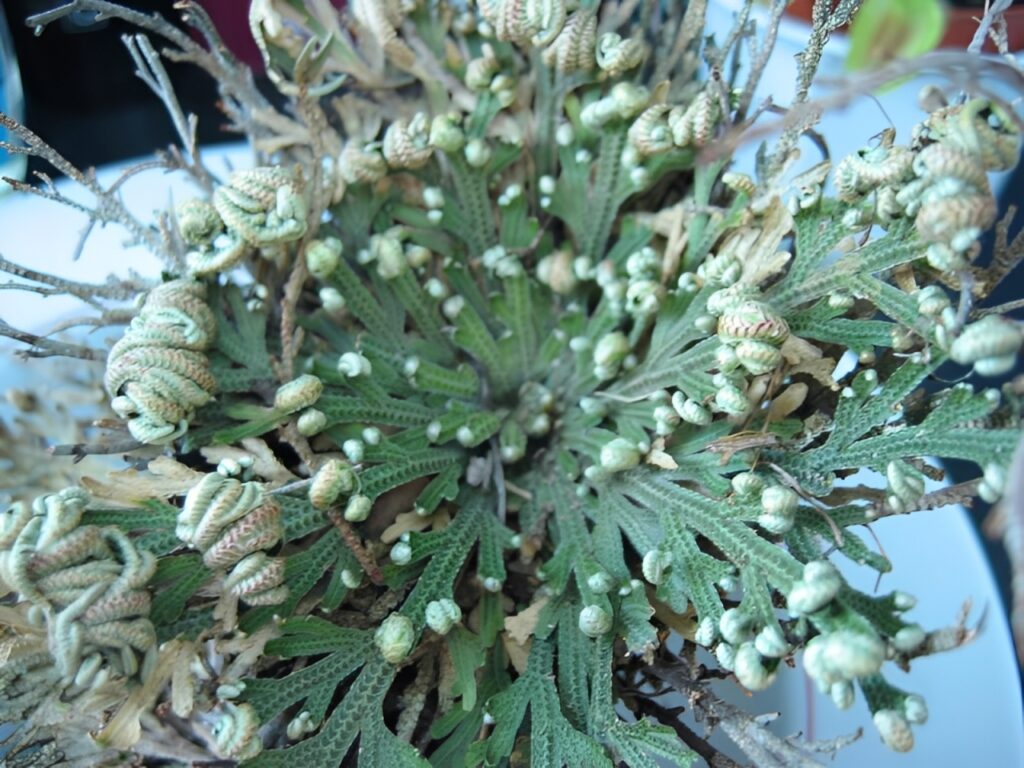
Native to the deserts of the southwestern United States, this plant was believed extinct due to long periods of drought and harsh conditions. Its remarkable ability to come back to life after being dried out led to its name, the Resurrection Plant. Rediscovered in the 1990s, it is now known to survive in desert rock crevices, where it curls up and becomes dormant during dry spells. When water returns, the plant unfurls and thrives again. This unique ability makes it a symbol of survival in extreme environments.
The Resurrection Plant is a favorite among gardeners and plant enthusiasts due to its resilience and unique qualities. It’s often found in terrariums, where its ability to revive after dehydration can be witnessed firsthand. Efforts to protect the plant focus on preserving its native desert habitat, which is increasingly threatened by climate change. The plant’s rediscovery continues to inspire people with its lesson of hope.
The St. Helena Olive Tree (Nesiota elliptica)
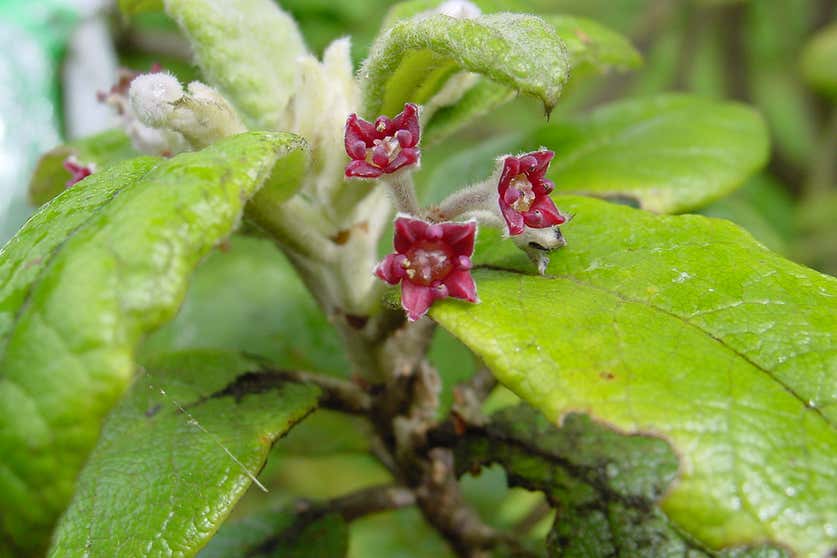
Native to the island of St. Helena, this olive tree was thought to be extinct after a long period of overharvesting and habitat destruction. Rediscovered in 2003, the tree is now the subject of a major conservation effort. It is extremely rare, with only a few remaining specimens found in a protected area on the island. Efforts to protect this tree have involved planting and propagation programs to increase its population. Its return from the brink of extinction has brought hope to conservationists and environmentalists alike.
The St. Helena Olive Tree is a unique symbol of both loss and recovery, illustrating how even the rarest species can be brought back. With careful attention and ongoing conservation efforts, it is hoped that more trees can be cultivated. The tree also plays a significant role in the ecosystem by providing habitat for various species. Its rediscovery has been a success story for island conservation.
The Brachychiton (Brachychiton acerifolius)
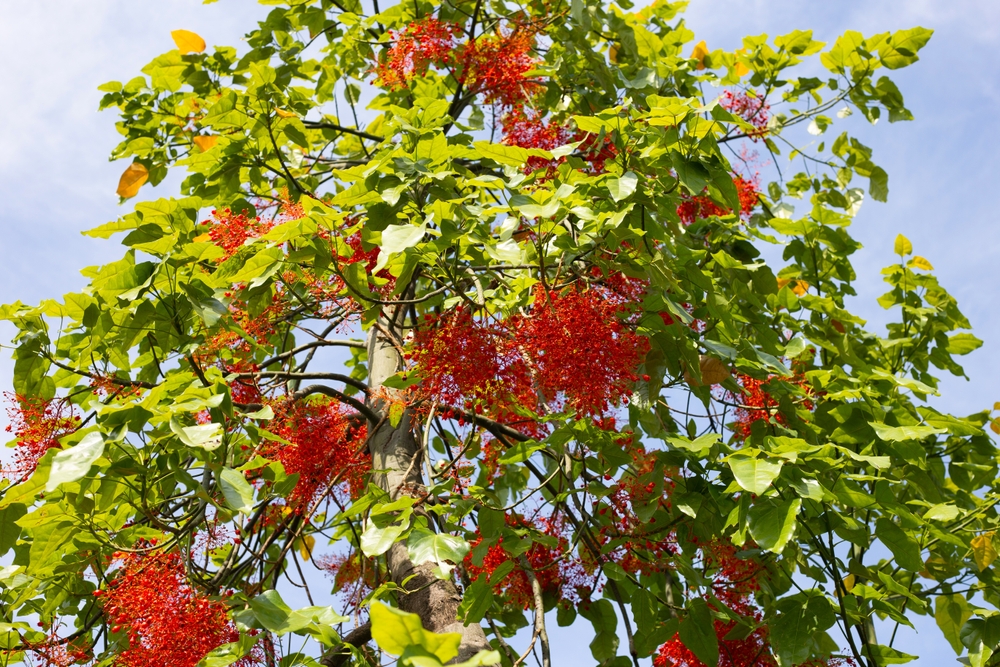
The Brachychiton, also known as the Illawarra Flame Tree, was believed to have disappeared in the wild due to habitat loss and the impacts of climate change. Rediscovered in Australia in the late 20th century, it is now known to grow in select areas of coastal New South Wales. This tree is rare due to its unique ability to withstand harsh environmental conditions, including long periods of drought. Its striking red flowers make it a popular choice for gardens, though it remains rare in its native habitat.
The Brachychiton’s rediscovery sparked renewed interest in its conservation. Though its population is still small, efforts to protect its habitat are ongoing. Its vibrant blossoms, appearing in clusters, make it a favorite among garden enthusiasts. The Illawarra Flame Tree’s return is a symbol of nature’s ability to bounce back when given the proper support.
The Yellow-eyed Grass (Xyris longisepala)
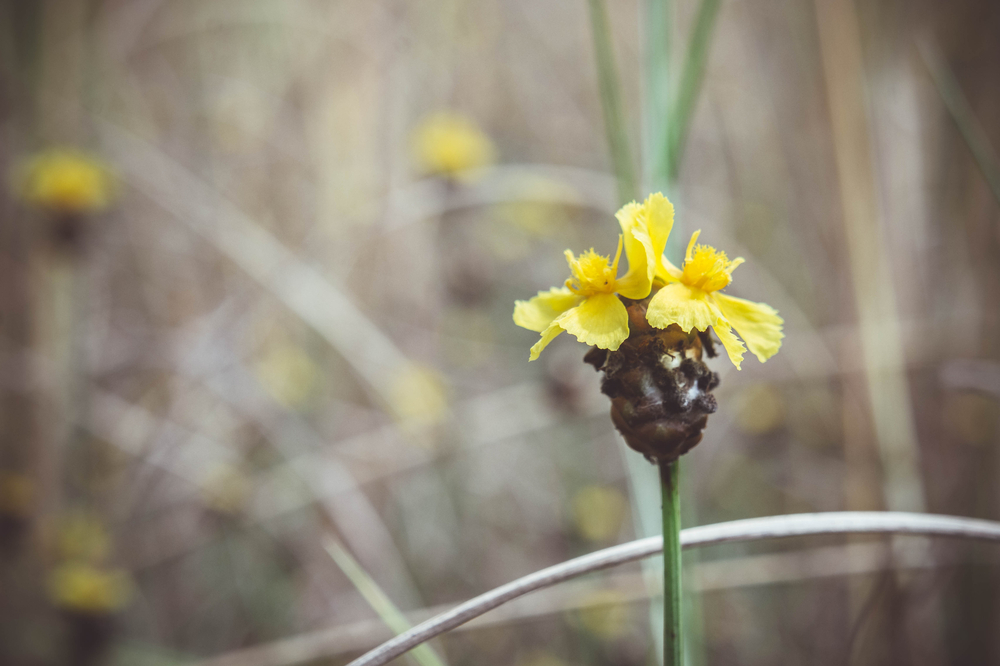
The Yellow-eyed Grass, a delicate perennial plant native to the southeastern United States, was thought to be extinct due to the destruction of its wetland habitat. Rediscovered in 2001 in the swampy regions of Alabama and Georgia, it is now considered a rare find. This plant is particularly sensitive to changes in water levels and soil composition, which makes it vulnerable to environmental degradation. Its bright yellow flowers and grass-like appearance make it a striking yet fragile species.
With only a few known populations in the wild, the Yellow-eyed Grass is actively monitored by conservationists. Protection of its wetland habitat is essential for ensuring the survival of this species. Its rediscovery highlights the importance of conserving wetlands, which are increasingly threatened by human activity. Efforts to protect its habitat also support other native plant and animal species that rely on the same ecosystem.
The Pink Lotus (Nymphaea rubra)
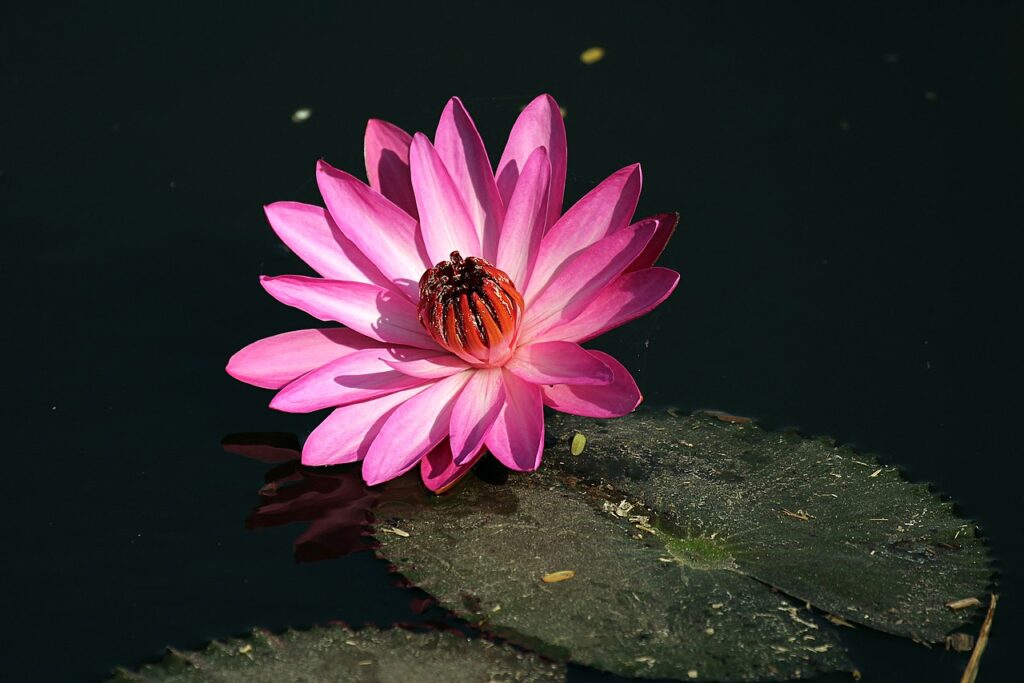
Once thought extinct in the wild, the Pink Lotus was rediscovered in India in 2009, growing in a small, protected pond. This beautiful aquatic plant, known for its large, pink flowers, was believed to have disappeared due to urbanization and water pollution. The species thrives in still, clean water, which makes it particularly vulnerable to changes in water quality and habitat destruction. Today, the Pink Lotus is a rare but cherished find in Indian wetlands, with efforts to protect its native habitat in place.
The rediscovery of the Pink Lotus sparked excitement in botanical circles, as it had been lost to science for over a century. Its stunning flowers have made it a symbol of resilience and beauty. Conservation efforts now focus on protecting the clean water habitats it needs to survive. The plant’s return offers hope for the protection of other endangered aquatic species.
The Tasmanian Blue Gum (Eucalyptus globulus)

The Tasmanian Blue Gum, a native tree species from Australia, was once believed to be extinct in the wild due to overharvesting and habitat loss. Rediscovered in the early 2000s in remote parts of Tasmania, it has since become a focus of conservation efforts. This tall evergreen tree is rare due to its limited distribution and the threats posed by deforestation. Its striking blue-green leaves and ability to grow rapidly make it a valuable resource, but it remains vulnerable to environmental pressures.
The rediscovery of the Tasmanian Blue Gum highlighted the importance of protecting Australia’s unique plant life. Efforts to preserve its population focus on replanting and maintaining healthy, sustainable forests. The tree plays an important role in local ecosystems, providing habitat for various species. Its return serves as a reminder of how easily species can be lost if conservation efforts are not prioritized.
This article originally appeared on Avocadu.