10 Signs a Coin Has Been Cleaned and Why That Hurts Value
Cleaning a coin may seem like a harmless way to restore its appearance, but it can actually do more harm than good. Many collectors and numismatists believe that cleaning a coin diminishes its value and appeal. The natural patina and fine details of a coin are essential for determining its worth, and once these are altered, they cannot be restored. Whether it is a simple rub with a cloth or the use of harsh chemicals, cleaning can leave behind marks, scratches, or discoloration that make the coin less desirable to collectors. For those who appreciate rare and valuable coins, the original condition is often far more valuable than a shiny, polished version. Understanding the signs of a cleaned coin is crucial for anyone looking to buy or sell in the world of numismatics.
This post may contain affiliate links, which helps keep this content free. Please read our disclosure for more info.
Abrasions and Scratches
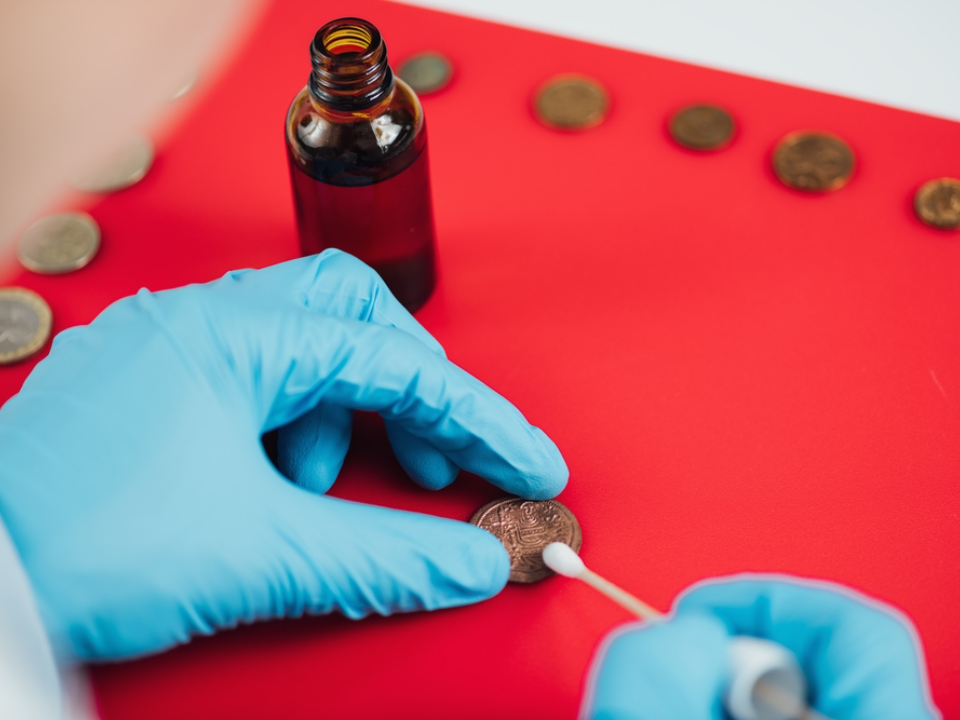
When a coin has been cleaned improperly, it often results in abrasions or scratches on its surface. These marks are caused by the friction between the cleaning tool or material and the metal of the coin. The scratches are usually shallow but can be noticeable, especially under a magnifying glass. These imperfections can reduce a coin’s aesthetic appeal, making it less attractive to collectors.
A coin with visible abrasions is generally considered damaged, lowering its market value significantly. In some cases, coins that have been polished or scrubbed with harsh materials can develop deep scratches. The more visible the abrasions, the greater the reduction in value. An uncleaned coin, by contrast, often holds higher value due to its original condition. The market value for such a coin could drop by as much as 30% or more, depending on the severity of the damage.
Dull or Lackluster Finish
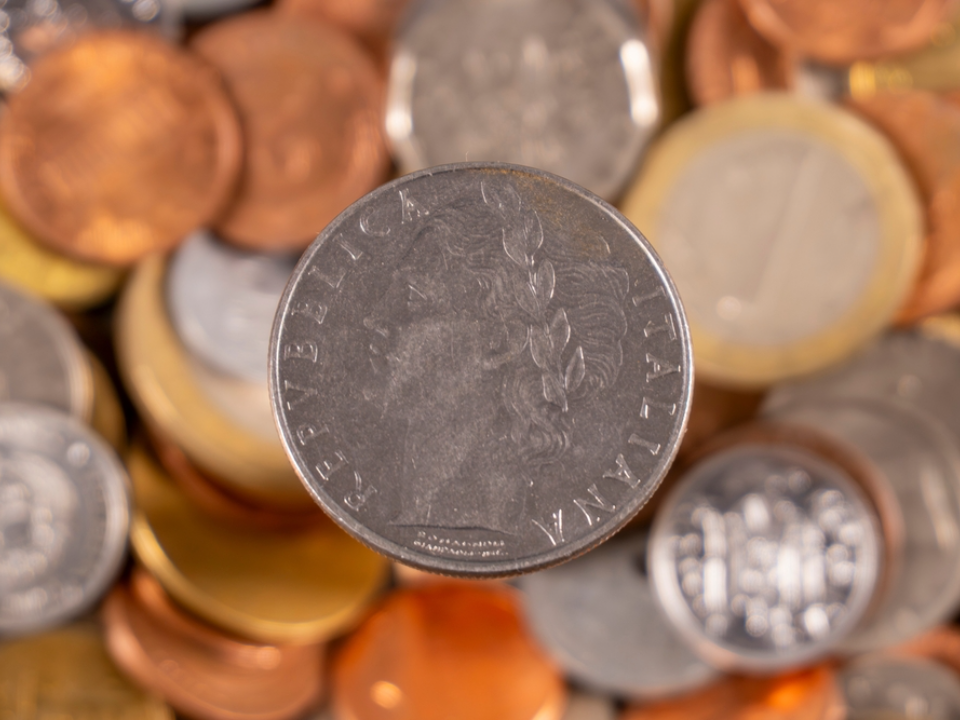
Coins that have been cleaned often appear dull or lack their original shine. The cleaning process, especially if harsh chemicals or abrasive methods were used, can strip away the coin’s natural luster. Many coins are valued for their brilliant finish, which is often one of the defining features for collectors. When a coin is stripped of its natural finish, it loses much of its eye-catching appeal, significantly reducing its desirability.
A dull coin simply does not attract collectors in the same way that a well-preserved coin does. This reduction in visual appeal translates directly to lower market value. Depending on the coin’s rarity and the cleaning method used, its value could drop by as much as 40%. Collectors place a high value on coins with original surfaces that maintain their shine, making uncleaned coins far more desirable.
Visible Cleaning Marks
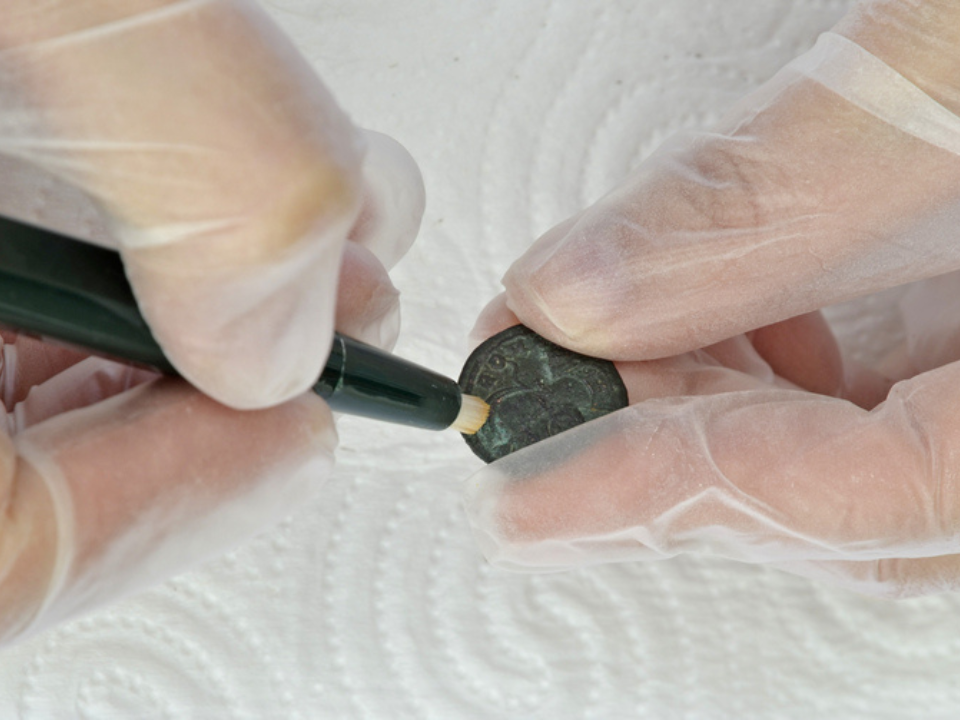
In some cases, cleaning a coin can leave behind visible marks from the cleaning process. These marks can include circular brushing marks, streaks, or irregular patches on the surface. Such cleaning marks are highly visible and can make a coin appear as though it has been tampered with, even if it has been cleaned professionally. Collectors tend to shy away from coins with these types of marks, as they suggest that the coin’s authenticity or condition has been altered.
The presence of these marks often signals a loss of originality, which is a major factor in a coin’s value. The market value of a coin with visible cleaning marks is typically much lower than that of an uncleaned, unaltered coin. A coin that looks like it has been “over-polished” or treated with chemicals could lose as much as 50% of its value.
Faded Details
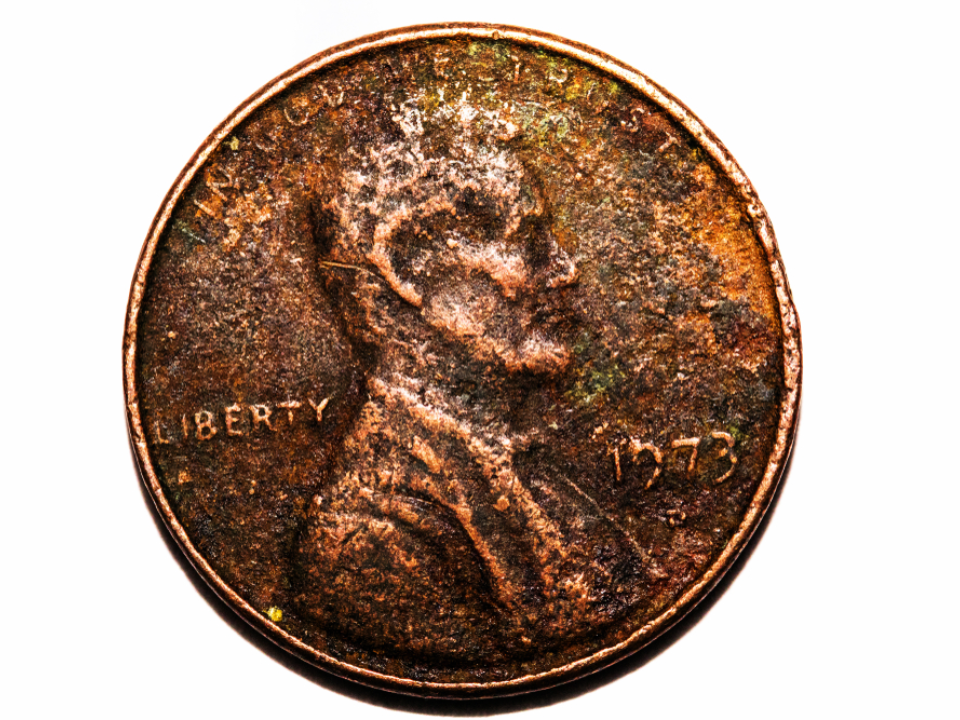
When coins are cleaned, the fine details that give a coin its distinct look can become worn or faded. Cleaning methods, especially those that involve abrasives, can wear down the small features of a coin, such as the edges of letters, numbers, or fine engravings. As a result, the coin may no longer display the intricate details that collectors find appealing. This loss of detail can severely decrease the coin’s aesthetic value.
Details such as mint marks, dates, and designs are important for determining a coin’s rarity and authenticity. When these features are damaged or faded, the coin loses much of its charm and value. In extreme cases, a coin could lose 60% or more of its value due to a significant reduction in visible details.
Discoloration or Staining
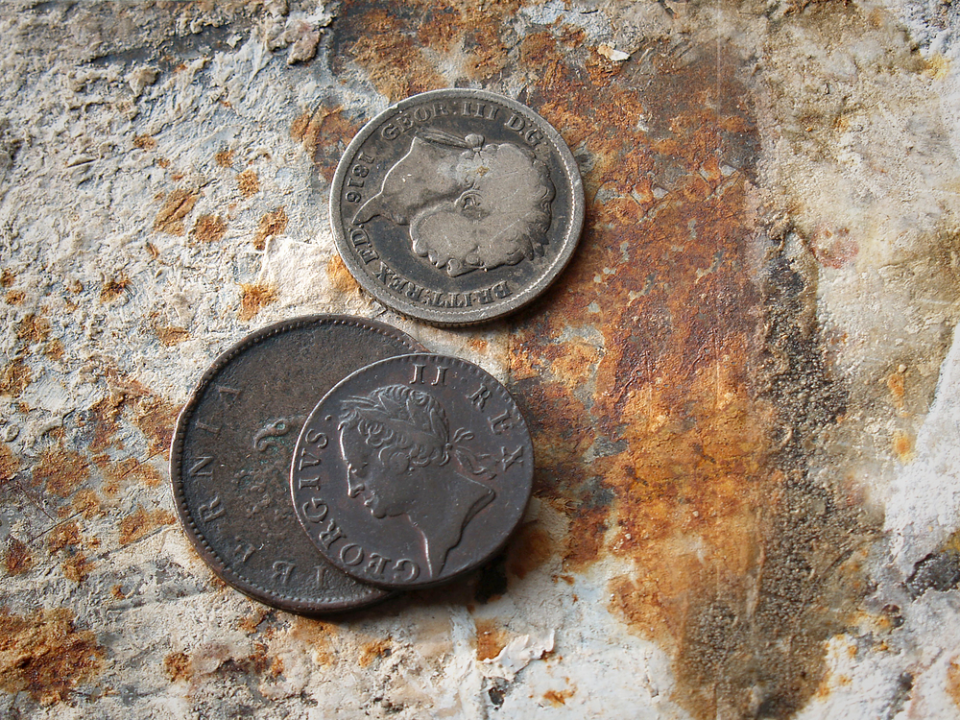
Discoloration or staining on a coin is another sign that it has been cleaned, especially if the cleaning process was improper. Harsh chemicals or abrasive materials can cause the coin’s surface to turn an unnatural color, such as a cloudy or uneven shade of gray. Discoloration often occurs when a cleaning solution is left on the coin for too long or when it reacts with the metal. Stains may also appear from the chemical residues left behind during cleaning.
These stains can be very difficult to remove and may permanently alter the appearance of the coin. Such coins are usually less attractive to collectors, who prefer coins with natural, untouched patinas. Coins with discoloration can see their market value reduced by as much as 40%, depending on the extent of the damage.
Loss of Original Patina
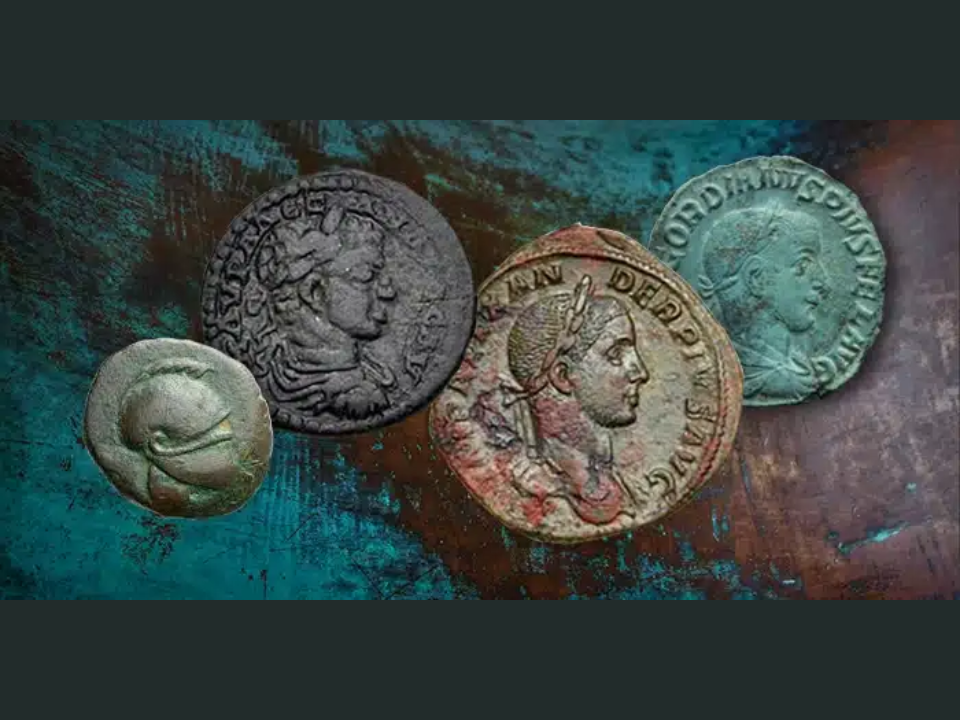
The patina of a coin is a thin layer of natural oxidation that forms over time. This patina gives the coin its character and can actually increase its value among collectors. However, when a coin is cleaned, this natural patina is often stripped away. The patina is not just a sign of age; it also helps to protect the coin’s surface from further damage. When removed, the coin may appear unnaturally bright or shiny, which detracts from its original charm.
Coins without their natural patina can be seen as less authentic or less valuable to collectors. The loss of patina can cause a coin to lose 30% to 50% of its market value, depending on the rarity of the coin and the importance of its natural appearance.
Over-Polished Surfaces
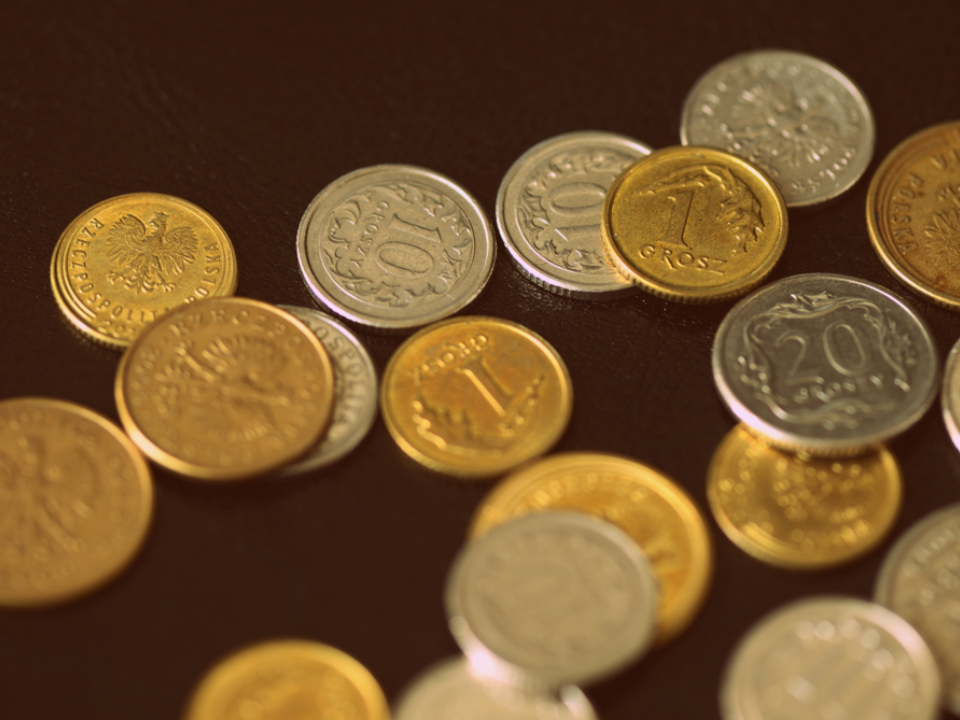
Coins that have been polished too much during the cleaning process often have surfaces that appear unnaturally smooth. Over-polishing can result in a coin that looks overly shiny, without the subtle textures that give it character. The polishing process can remove small bumps and ridges that are typical in coins, making them appear flat and lifeless.
Collectors are especially wary of over-polished coins, as they can lose much of their original texture. Such coins are often considered “damaged” or “improperly cleaned,” which leads to lower demand and market prices. In some cases, an over-polished coin can be worth 40% to 60% less than its uncleaned counterpart.
Altered Coin Shape
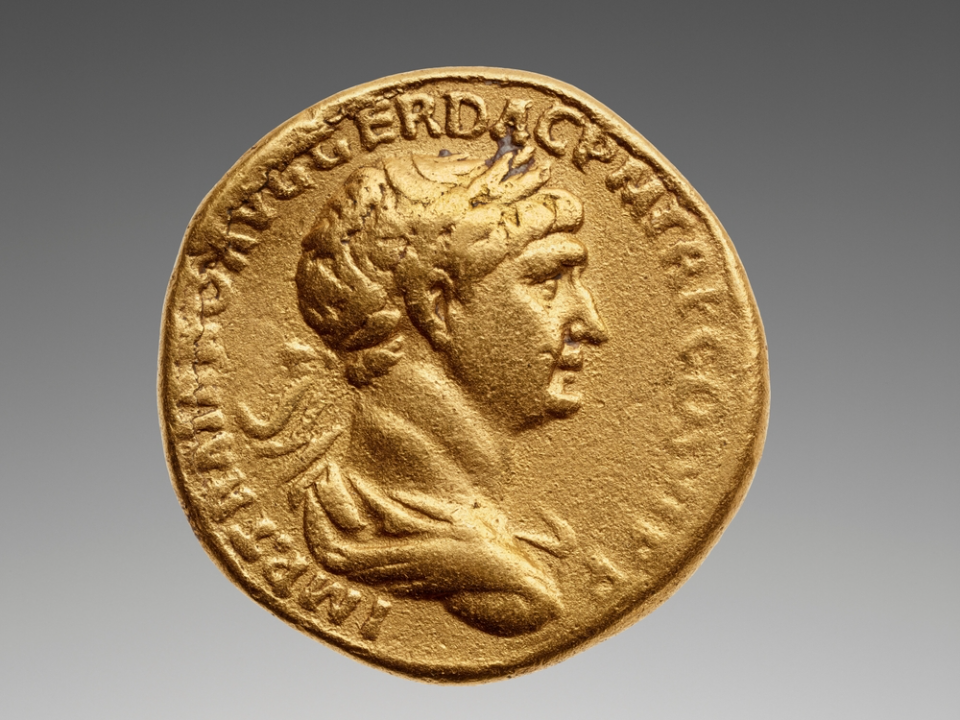
While this is not common in all cleaning processes, some coins that have been cleaned may also have altered shapes. If a coin has been rubbed or scrubbed excessively, it may lose its roundness or other distinct features. Cleaning with abrasive materials can cause unevenness in the coin’s surface, which makes it less perfect than when it was first minted.
These shape alterations are noticeable and can affect how the coin fits into a collection. A coin with altered shape often lacks the symmetry that collectors prefer in rare and valuable pieces. Such damage may reduce the value by as much as 50% or more, depending on the severity of the change.
Incorrect Cleaning Methods
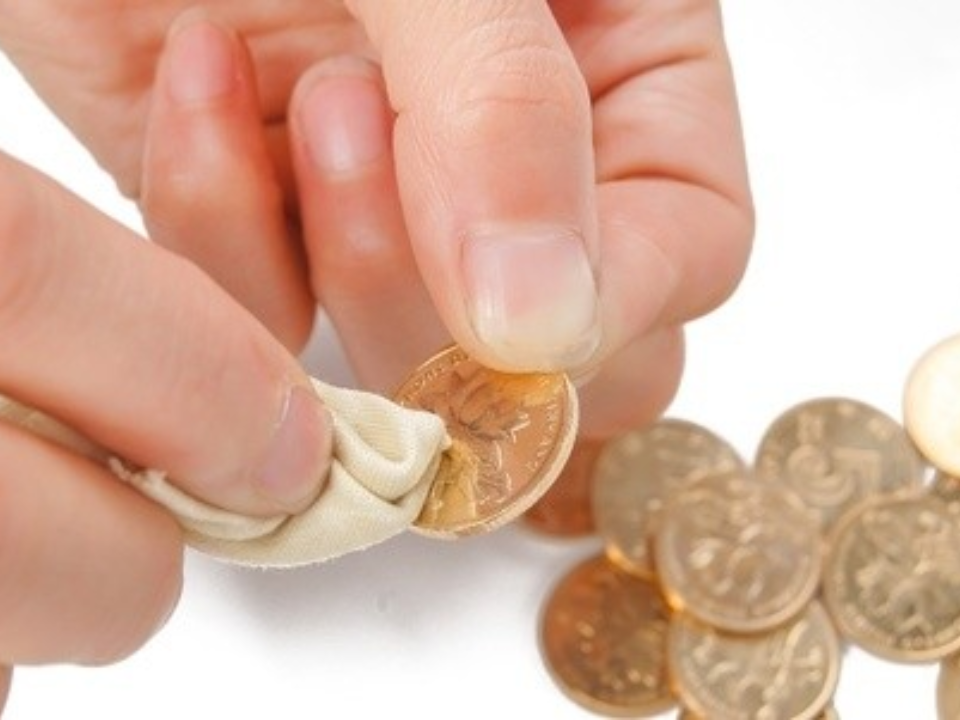
Some cleaning methods are simply too harsh for coins, and they can leave behind lasting damage. Coins should never be cleaned with abrasive tools like brushes, steel wool, or harsh chemicals, as these can scratch, stain, and dull the coin. Incorrect cleaning methods can not only damage the surface but also strip away valuable details, affecting the coin’s overall integrity. Even professional cleaners can sometimes use methods that are too aggressive, causing damage.
Coins that have been cleaned improperly often lose their appeal to serious collectors who prefer coins that have remained untouched and in their original state. Coins that have been incorrectly cleaned may see their value reduced by as much as 60%, depending on the method used and the resulting damage.
Reduced Collectability
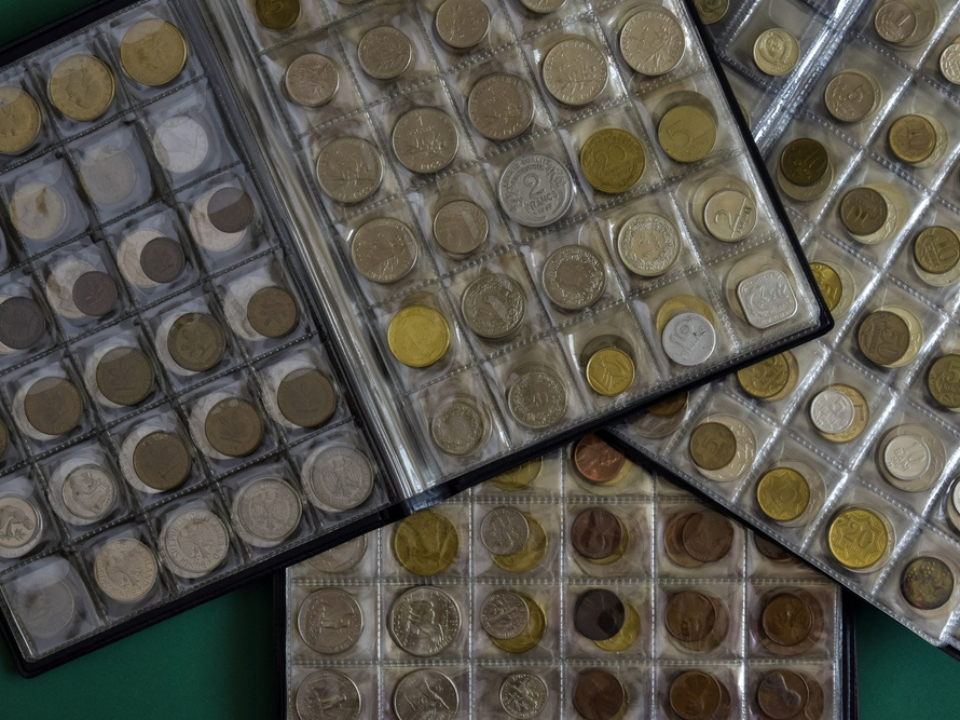
Ultimately, the most significant impact of cleaning a coin is the reduction in its collectability. Collectors often prefer coins in their original, untouched condition because they offer the most authentic representation of history. When a coin has been cleaned, it loses some of its historical integrity. The cleaning process can alter the coin’s surface, making it less appealing to collectors who seek out coins in their most original state.
Coins that have been cleaned often fail to reach the market price that an uncleaned, well-preserved coin would command. The loss of collectability can result in a substantial decline in value, with some cleaned coins losing up to 70% or more of their market worth, especially in the case of highly sought-after rare coins.
This article originally appeared on Avocadu.