
15 Common Rare Coin Counterfeits and How to Spot Them
Collecting rare coins can be an exciting and rewarding hobby, but it also comes with its risks. One of the biggest challenges collectors face is identifying counterfeit coins that may look convincing at first glance. As the market for rare coins grows, so does the number of fakes circulating among genuine pieces. Whether you’re new to collecting or an experienced numismatist, knowing how to spot the red flags of counterfeits is essential. Common signs of a fake coin include improper weight, unclear mint marks, and poor detail in the design. By familiarizing yourself with these warning signs, you can protect yourself from being deceived.
This post may contain affiliate links, which helps keep this content free. Please read our disclosure for more info.
1933 Saint-Gaudens Gold Double Eagle
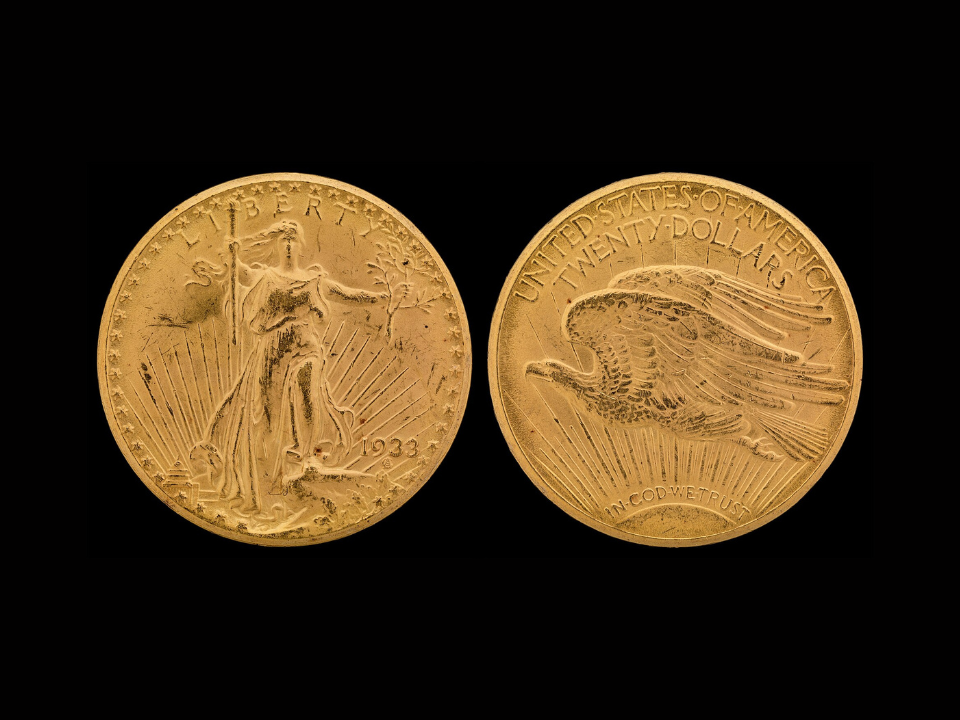
The 1933 Saint-Gaudens Gold Double Eagle is one of the most famous coins in the world. Minted in 1933 but never officially released, these coins were recalled and melted down due to changes in gold ownership laws. Despite this, a few survived, and some are now considered highly sought-after collector’s items. The coin features an iconic design of Lady Liberty holding a torch and an olive branch.
Reproductions of this coin have been made over the years, and many counterfeits are in circulation. Red flags include improper weight, poor detailing in the face of Liberty, and signs of incorrect minting techniques. A genuine 1933 Double Eagle can fetch over $7.5 million, but counterfeits are worth much less, with estimates around $20,000–$50,000.
1913 Liberty Head Nickel
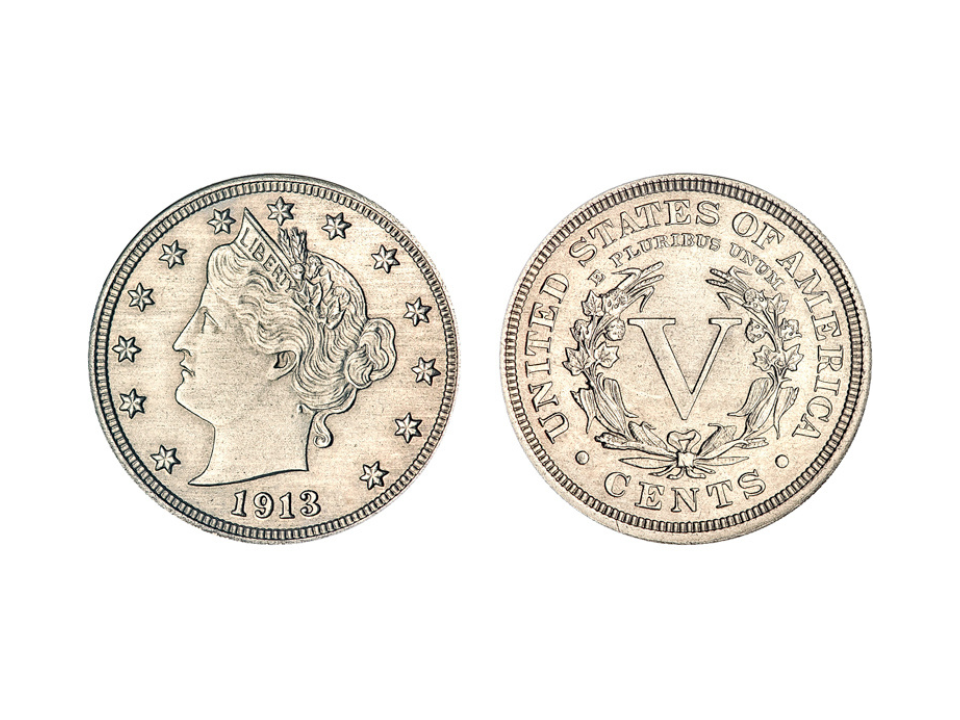
The 1913 Liberty Head Nickel was produced secretly by a few mint employees and is extremely rare. Only five known examples exist, making it one of the most coveted coins among collectors. Counterfeits can be tricky to spot, but they often feature a less detailed Liberty and improper metallic composition. Genuine examples exhibit specific marks that reflect their original production process.
These coins were never officially released to the public, and reproductions have been made in an attempt to deceive collectors. The current value of a genuine 1913 Liberty Head Nickel is estimated to be around $3 million. Counterfeits typically sell for $25,000 to $75,000 depending on their quality.
1873-CC Seated Liberty Dollar
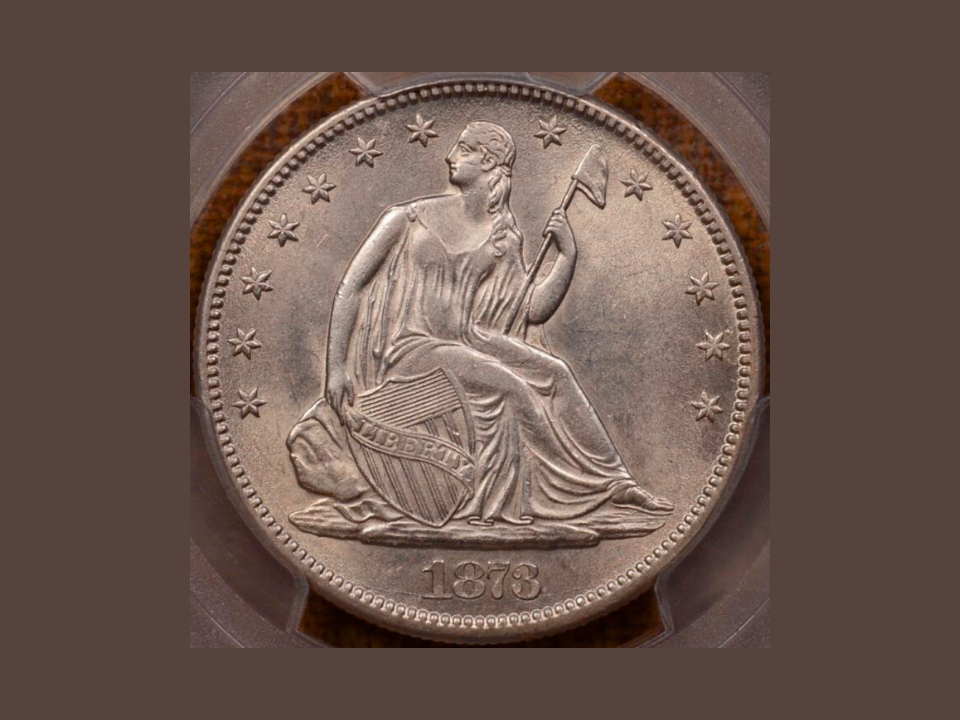
The 1873-CC Seated Liberty Dollar, minted in Carson City, is a highly desirable coin among collectors, especially those interested in the history of the American West. However, counterfeit versions of this coin are commonly found in the market. Look out for signs of misaligned details, particularly around the date and the mintmark. The weight should be 26.73 grams, and any discrepancies can indicate a fake.
Genuine versions of the coin are valued at around $40,000–$50,000, depending on condition. Counterfeit coins typically range from $500 to $2,500, though higher-quality fakes may demand more.
1927-D Saint-Gaudens Gold Double Eagle
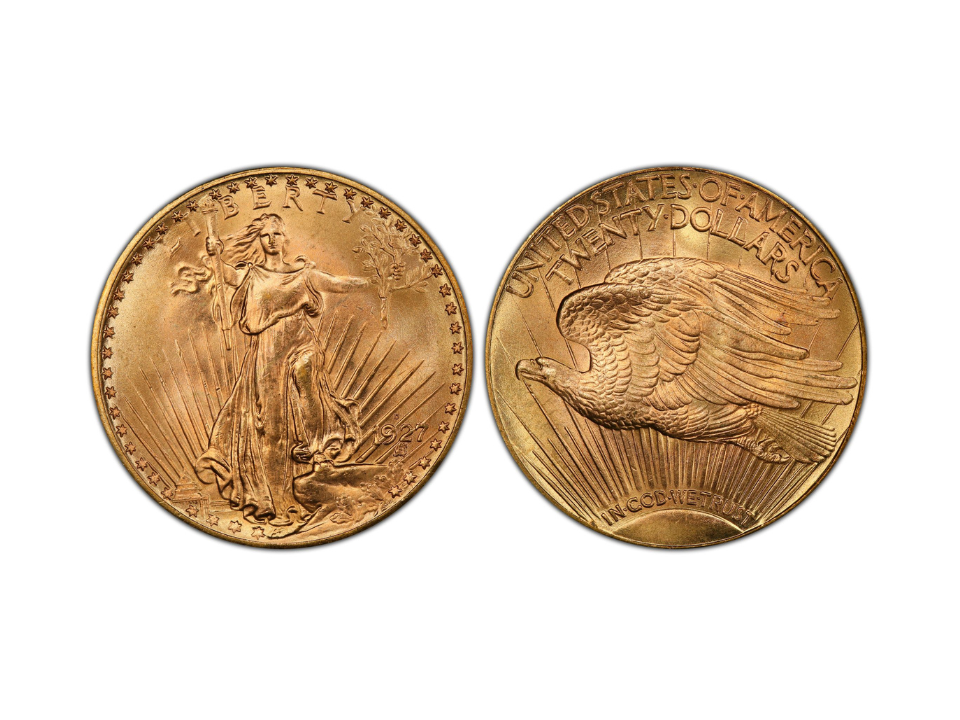
This version of the Saint-Gaudens Gold Double Eagle is particularly sought after due to its rarity, with the “D” mintmark indicating it was struck in Denver. Counterfeits of this coin often show signs of soft or blurred details on the face of Liberty, the eagle, and the mintmark itself. The weight should be approximately 33.44 grams of pure gold, and any deviation from this weight can suggest a fake.
The value of a genuine 1927-D Saint-Gaudens Gold Double Eagle is estimated to be around $1.5 million. Counterfeit versions can vary greatly in price, but high-quality fakes might be valued between $5,000 and $10,000.
1804 Draped Bust Dollar
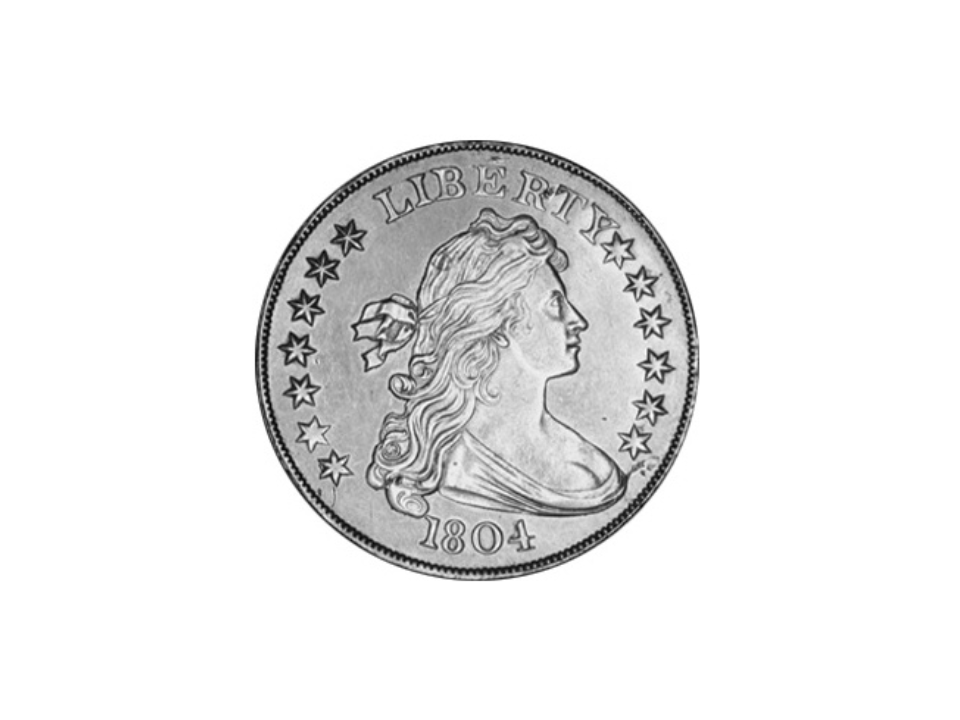
The 1804 Draped Bust Dollar is an iconic coin, with only a few known examples existing today. Known for its historical significance, this coin features a portrait of Liberty draped in a flowing gown. Counterfeits often show poor engravings, especially around the stars and the words “E Pluribus Unum” on the reverse.
Additionally, the color and weight of the coin should match the original silver content. Genuine Draped Bust Dollars can fetch upwards of $4 million at auction. Counterfeit versions are often sold for between $50,000 and $200,000, depending on quality.
1879-CC Morgan Silver Dollar
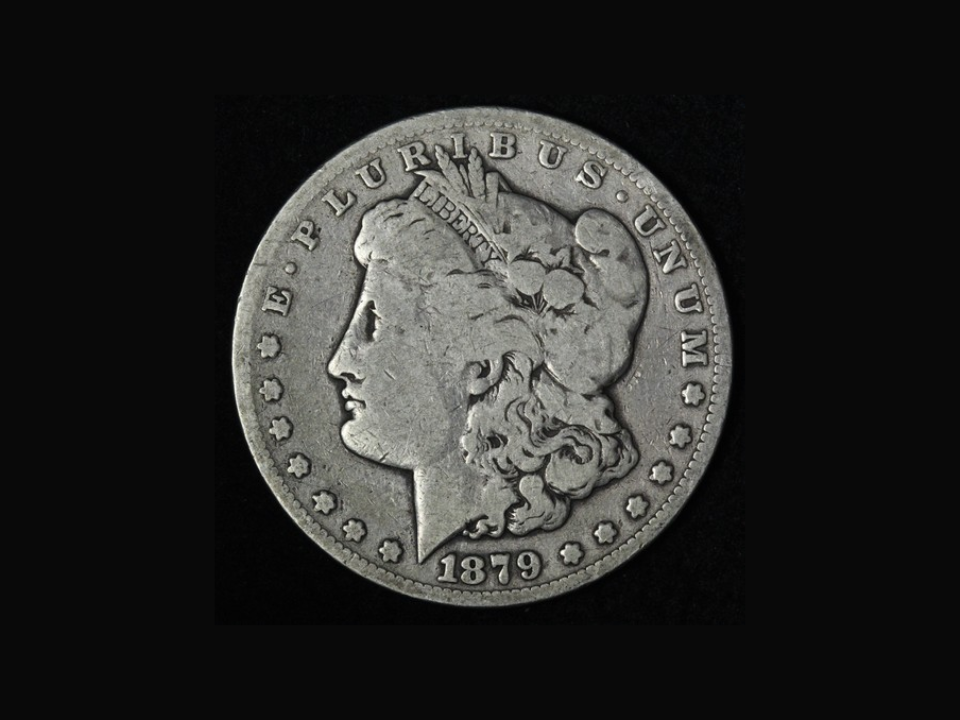
The 1879-CC Morgan Silver Dollar, minted in Carson City, is a must-have for serious collectors. This particular coin is prone to counterfeiting due to its popularity and relatively high demand.
Fake coins often exhibit a lack of sharpness in the hair details on Lady Liberty and the stars on the obverse. The mintmark “CC” should be clear and distinct, but counterfeits tend to feature poorly struck or incorrect mintmarks. The value of a genuine 1879-CC Morgan Silver Dollar is around $20,000, while counterfeits can range from $200 to $2,000.
1794 Flowing Hair Silver Dollar
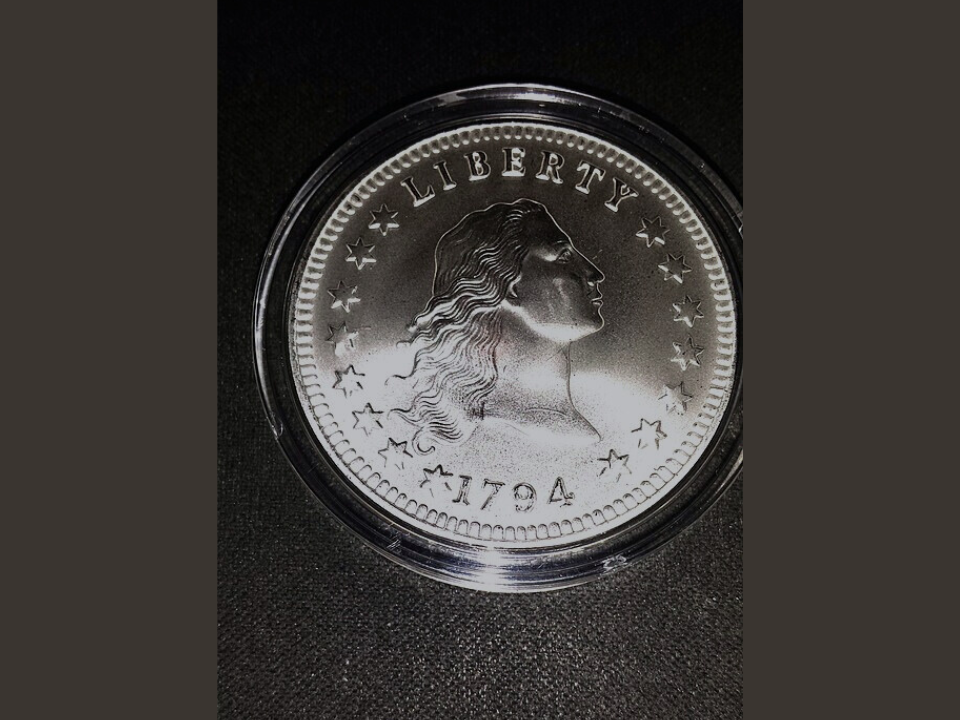
The 1794 Flowing Hair Silver Dollar is one of the earliest coins struck by the U.S. Mint and is highly prized among collectors. As one of the first coins to feature Liberty on the obverse, it has immense historical significance. Many counterfeit versions of this coin feature incorrect weight, poor detail in the hair, and the stars around the edge of the coin.
The authenticity of this coin is closely tied to its distinctive features, such as the slightly tilted lettering. A genuine 1794 Flowing Hair Silver Dollar is valued at around $10 million, but counterfeits are typically valued between $50,000 and $100,000.
1849 Double Eagle Gold Coin

The 1849 Double Eagle Gold Coin is a rare U.S. gold coin with a rich history. It was the first of its kind to feature the $20 denomination, and only a few surviving examples remain. Counterfeit versions of this coin often suffer from incorrect detailing around the eagle’s feathers and poor metal composition.
An authentic 1849 Double Eagle will have sharp features, and the mintmark will be clear and well-struck. This coin has a current value of around $8 million, with counterfeits priced significantly lower, between $30,000 and $75,000, depending on the quality of the reproduction.
1861 Confederate States of America Half Dollar
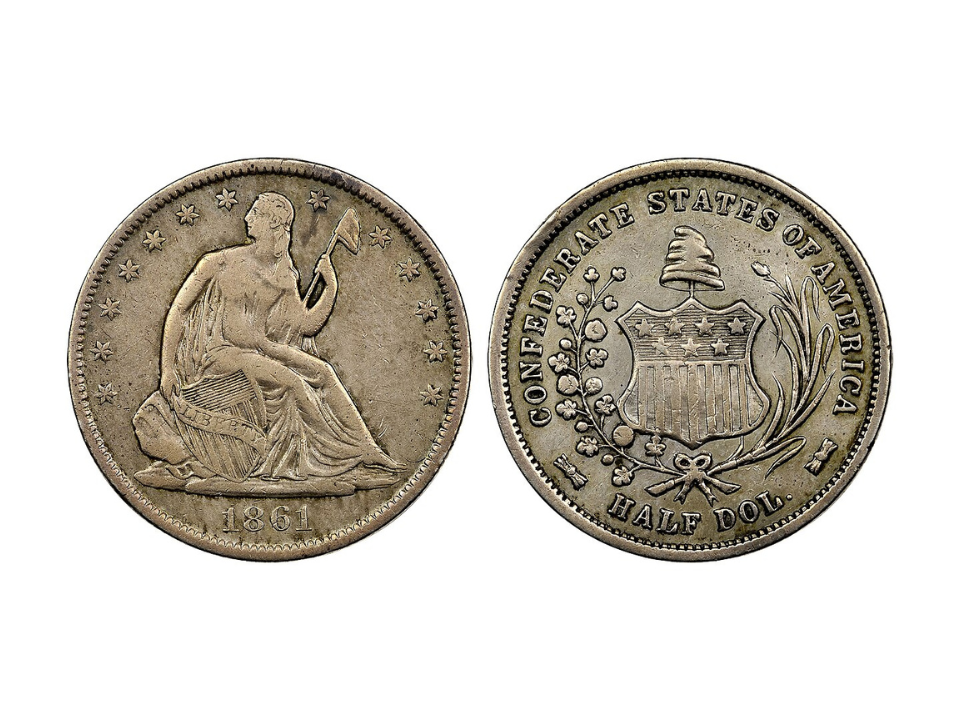
The 1861 Confederate Half Dollar is a historical coin that was issued by the Confederacy during the Civil War. These coins are highly collectible due to their unique design and connection to the Civil War. Counterfeits of this coin often suffer from improper metallic composition, making them appear too light or too heavy.
Genuine examples feature detailed engravings of the Confederate flag and a distinctive “C.S.A.” mintmark. The value of an authentic 1861 Confederate Half Dollar can range from $100,000 to $500,000, while counterfeits are typically worth between $1,000 and $10,000.
1895 Morgan Silver Dollar
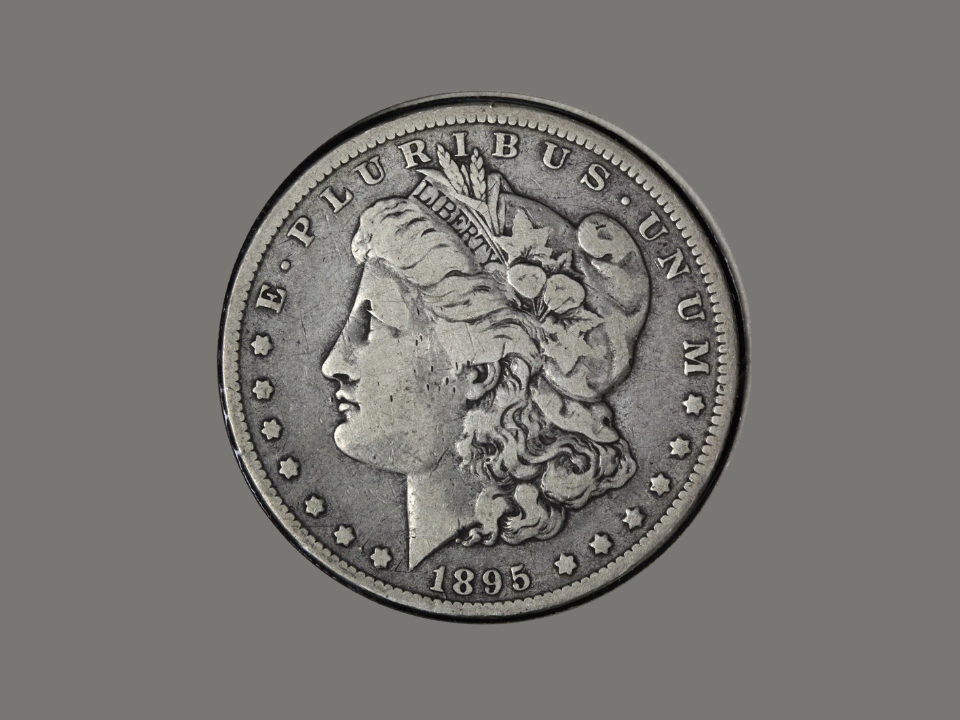
The 1895 Morgan Silver Dollar is one of the most coveted coins in the Morgan Silver Dollar series. Known for its rarity, the coin features a detailed portrait of Lady Liberty and an eagle on the reverse. Counterfeits of this coin often show signs of poor detailing, particularly on Lady Liberty’s hair and the eagle’s wings.
The weight should be 26.73 grams, and any deviations can be a strong indication of a fake. A genuine 1895 Morgan Silver Dollar can fetch up to $1 million, while counterfeits can sell for around $100 to $1,000, depending on the quality of the fake.
1916 Standing Liberty Quarter
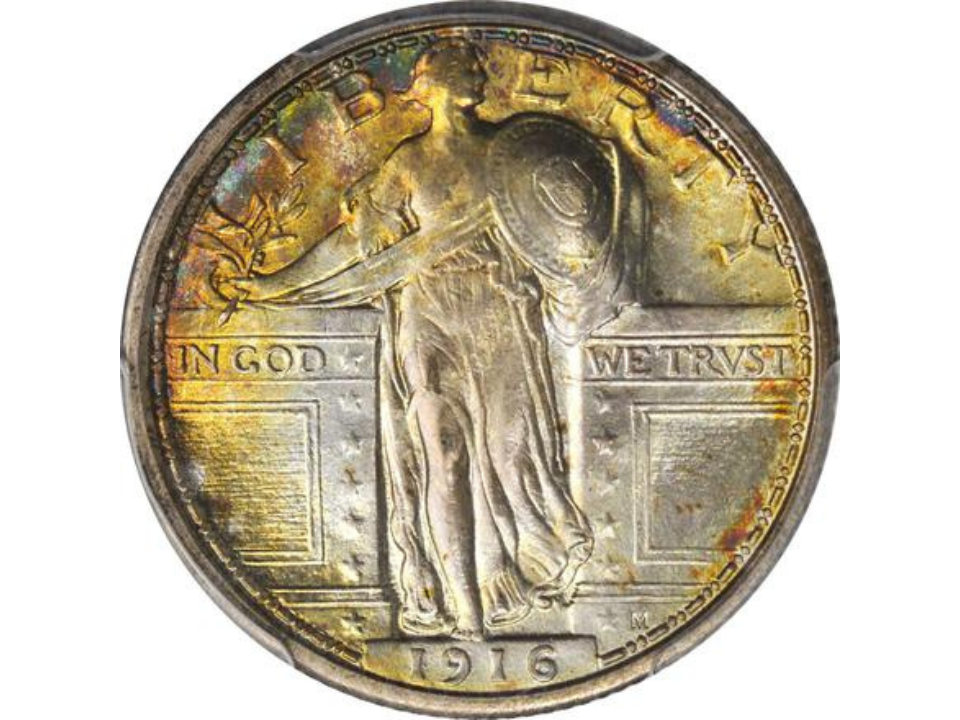
The 1916 Standing Liberty Quarter is a highly sought-after coin due to its beautiful design and limited mintage. The coin features a representation of Liberty holding a shield and olive branch, and the reverse depicts an eagle in flight.
Counterfeits are often found with softer details, especially in the feathers of the eagle and the lines of Liberty’s gown. The weight of the coin should be 6.25 grams, and counterfeits may weigh less or more. The value of an authentic 1916 Standing Liberty Quarter is around $500,000, while counterfeits typically range from $10,000 to $50,000.
1807 Capped Bust Half Dollar
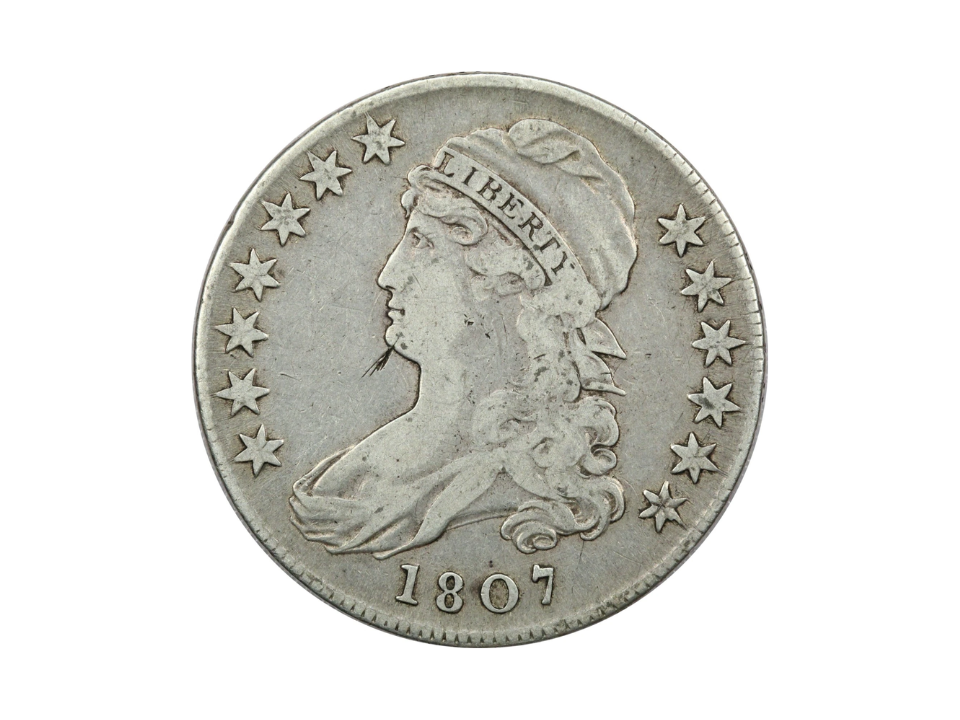
The 1807 Capped Bust Half Dollar is an iconic coin that is part of early U.S. coinage. Known for its distinctive design, the coin features Liberty wearing a draped bust with a cap, and the reverse depicts an eagle. Counterfeits of this coin often show weak detailing, especially in the stars and the eagle’s wings.
The genuine coin should have sharp engravings and a specific weight of 13.48 grams. The current value of a genuine 1807 Capped Bust Half Dollar is approximately $250,000. Counterfeit versions typically range from $5,000 to $15,000, depending on the quality of the fake.
1911 Indian Head Gold Eagle
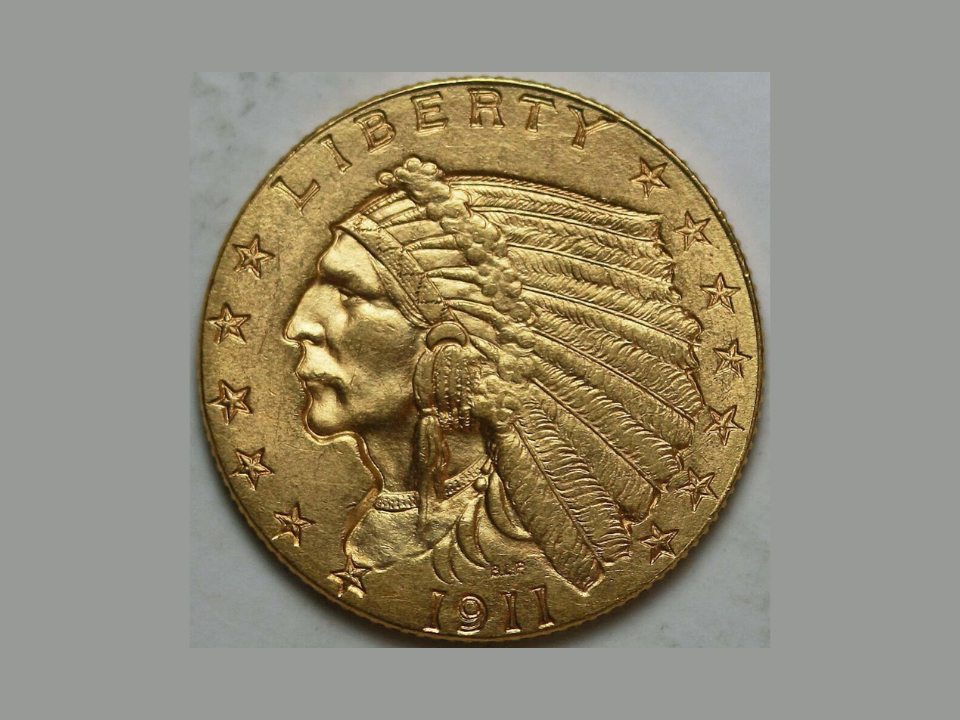
The 1911 Indian Head Gold Eagle is an important piece in American numismatics. Featuring a profile of an Indian chief wearing a feathered headdress, the reverse shows an eagle in flight. Counterfeits often display poor detailing, especially on the feathers of the headdress and the eagle’s wings.
The coin is made of 22-karat gold and should weigh around 33.44 grams. Genuine versions of the 1911 Indian Head Gold Eagle can be worth up to $1.5 million, with counterfeits generally priced between $20,000 and $75,000.
1893-S Morgan Silver Dollar
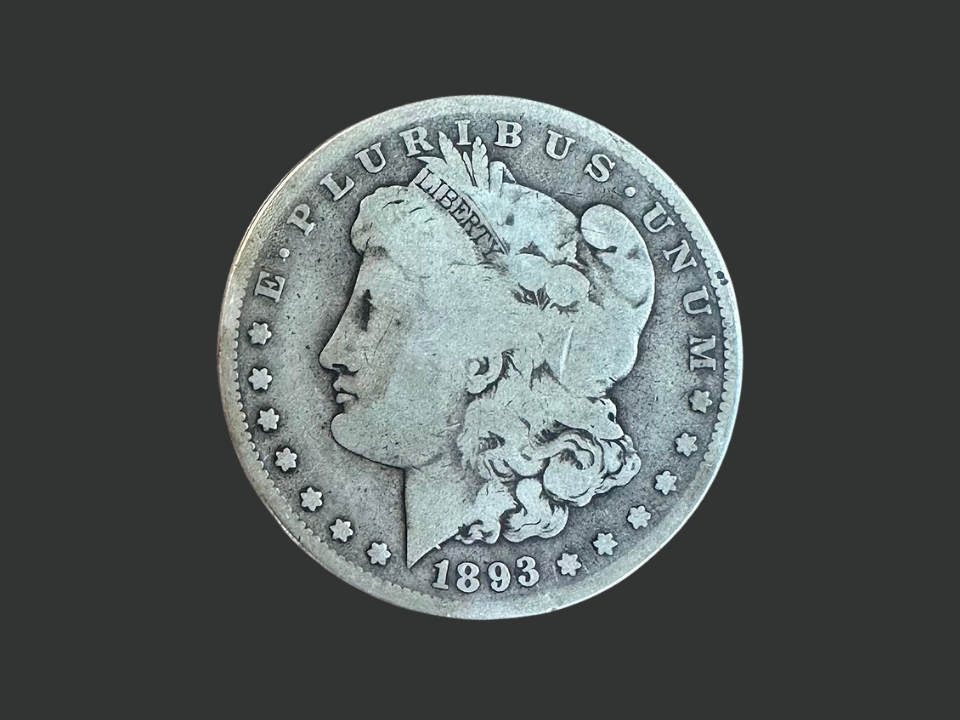
The 1893-S Morgan Silver Dollar is one of the rarest coins in the Morgan series, with a low mintage. Counterfeits of this coin are common due to its popularity, and they often lack fine detailing, especially on Lady Liberty’s face and the eagle’s wings. The mintmark “S” should be well-defined, and any signs of improper minting may indicate a fake.
The weight should be 26.73 grams, and deviations in weight are a red flag. A genuine 1893-S Morgan Silver Dollar can be valued at $2 million or more, while counterfeit versions may be priced between $10,000 and $50,000.
1877 Indian Head Cent
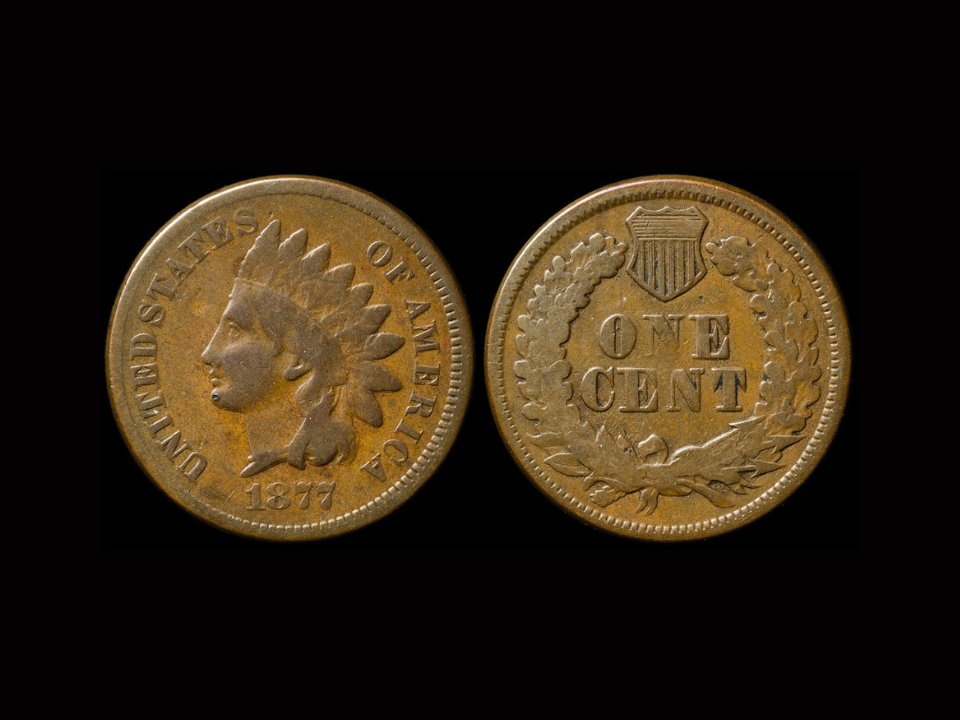
The 1877 Indian Head Cent is a highly sought-after coin due to its rarity and historical value. Counterfeits of this coin often exhibit poor detail, especially around the hair of the Indian and the mintmark. Genuine coins will have a specific weight of 3.11 grams and should be made of copper.
Red flags for fakes include improper metal composition and signs of wear that do not match the coin’s age. The value of an authentic 1877 Indian Head Cent is around $500,000, while counterfeit versions are typically valued between $10,000 and $30,000.
This article originally appeared on Avocadu.