
12 Rare Plants With Names That Sound Made Up
When you come across a plant with a peculiar name, it often leaves you wondering how it got that title. Some plants have names that seem as if they’ve been made up on the spot. These names often reflect the unique characteristics of the plants themselves. But what’s even more interesting is how these names have stuck over time.
This post may contain affiliate links, which helps keep this content free. Please read our disclosure for more info.
Ghost Orchid (Dendrophylax lindenii)
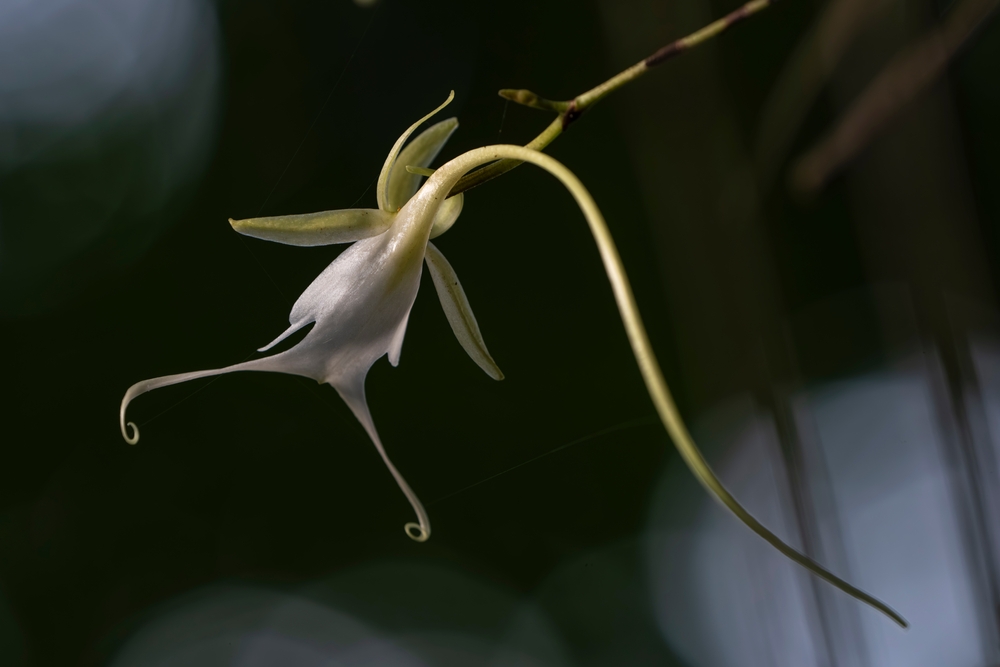
The Ghost Orchid is a rare and mesmerizing plant native to the swamps of Florida and parts of the Caribbean. Its name comes from the ethereal appearance of its white flowers, which seem to float in mid-air. This orchid is notoriously difficult to find, as it grows in very specific conditions, often in humid, shaded forests. Its rarity and unique look have made it a coveted specimen for botanists and collectors alike. Despite its beauty, the Ghost Orchid is difficult to cultivate outside its native habitat.
The Ghost Orchid blooms only a few times a year, which adds to its mystique. It relies on a specific type of moth for pollination, making its reproduction process complex and rare. As a result, spotting a Ghost Orchid in the wild is a rare and exciting experience for those lucky enough to encounter one. The plant’s unusual form and delicate nature make it one of the most famous orchids in the world. Due to its scarcity, conservation efforts are ongoing to protect its habitat.
Pink Earthstar (Geastrum pectinatum)
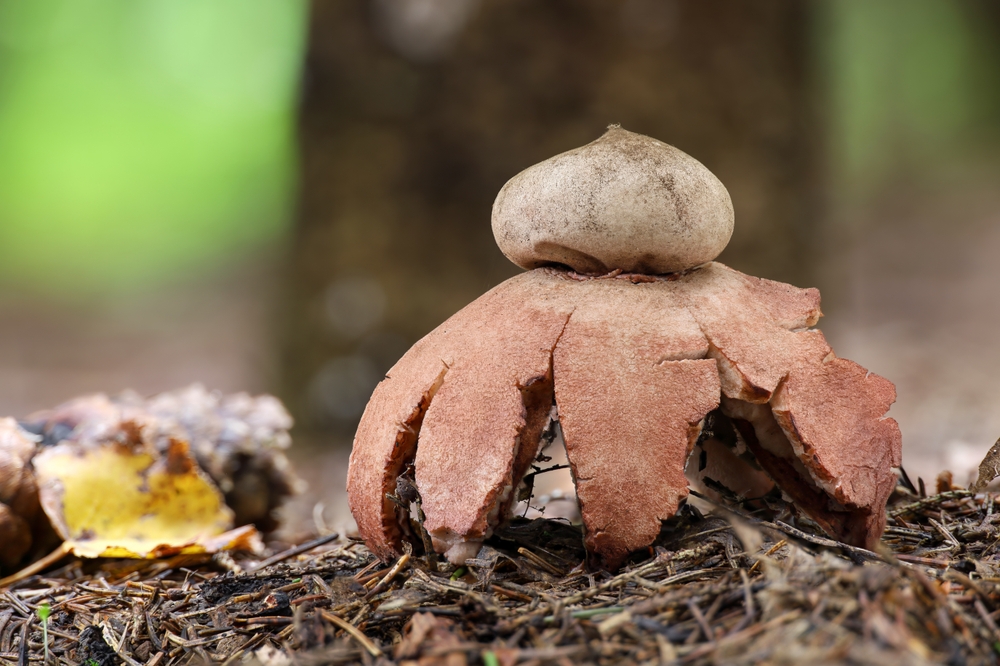
The Pink Earthstar is a rare, mushroom-like plant found in woodlands across Europe and North America. It gets its name from the way its fruiting body opens, resembling a star, and the vibrant pink color it displays. This species is rare because it only appears after specific weather conditions, such as rainfall and humidity, making it a seasonal find. It’s most commonly found in undisturbed woodlands, adding to its elusive nature.
Despite being rare, the Pink Earthstar plays an essential role in the ecosystem as a decomposer, breaking down organic matter. Its appearance is both striking and temporary, as it only lasts a short time before decaying. The plant is a favorite among mushroom enthusiasts, who seek it out for its unusual and attractive look. Though it is not commonly seen, when found, it offers a fascinating glimpse into the life of forest fungi.
Dracula Simia (Monkey Face Orchid)
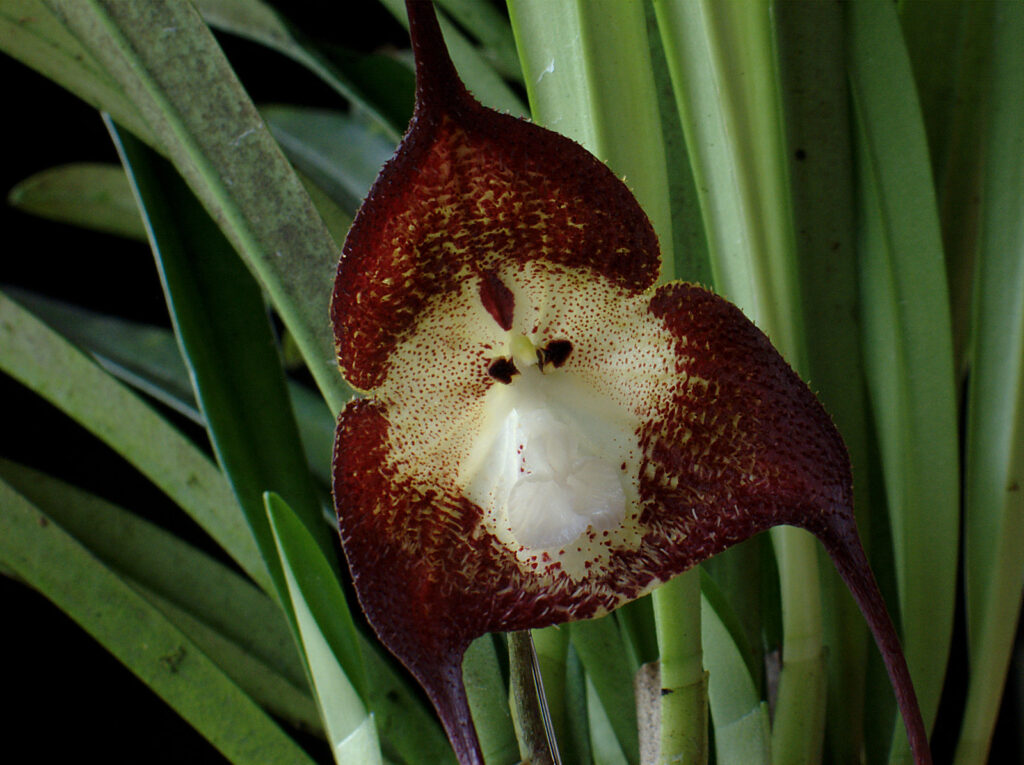
The Dracula Simia, also known as the Monkey Face Orchid, is a rare species found in the cloud forests of Ecuador and Peru. Its name comes from the unique shape of its flowers, which resemble the face of a monkey. This orchid thrives in high-altitude, cool forests, making it a challenging plant to cultivate outside its natural environment. Its rarity and captivating appearance have made it a sought-after specimen for collectors and plant enthusiasts.
This orchid blooms only under specific environmental conditions, requiring cool temperatures and high humidity to flourish. It is a low-light plant, which makes it difficult to grow indoors unless these conditions are replicated precisely. Despite its rarity and difficult cultivation, the Dracula Simia’s monkey-shaped flowers make it a highly admired plant. Its odd, yet charming appearance makes it a remarkable specimen in the orchid family.
Corpse Flower (Amorphophallus titanum)
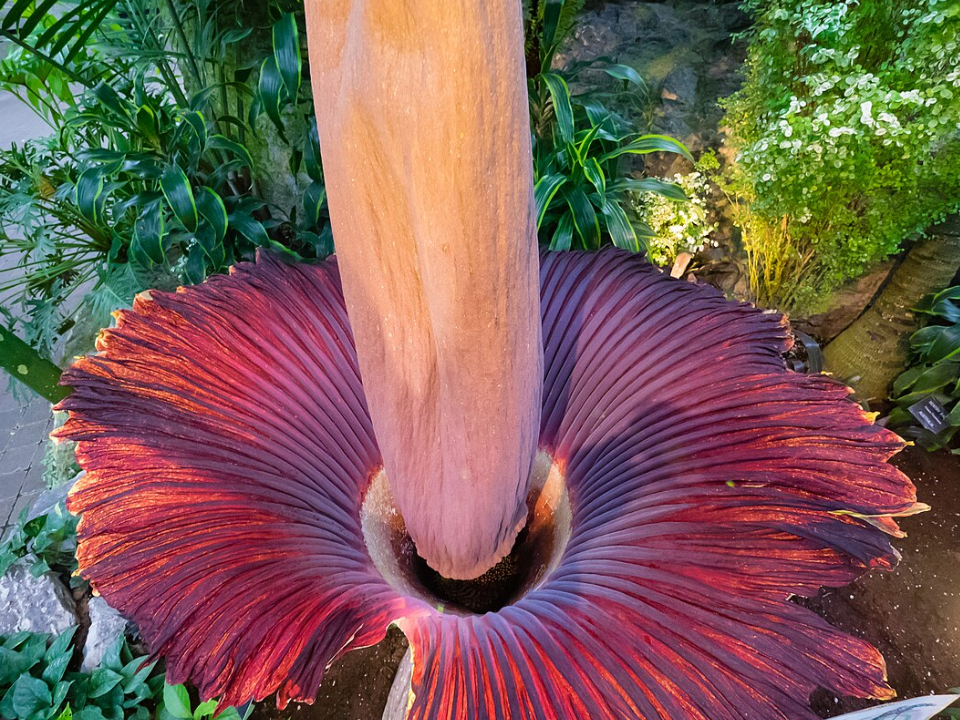
The Corpse Flower, known for its unpleasant smell, is one of the largest flowering plants in the world. Native to the rainforests of Sumatra, Indonesia, it produces a bloom that can grow over 10 feet tall. Its name comes from the overpowering odor it releases, which smells like rotting flesh and attracts pollinators like carrion beetles. This rare plant blooms infrequently, sometimes only once every few years, adding to its mystique.
While the Corpse Flower’s smell is unpleasant to humans, it is essential for attracting the right pollinators. The plant’s large, striking bloom and its potent odor make it a rare and fascinating spectacle for botanists and visitors alike. Its blooming cycle is so rare and unpredictable that many people travel long distances to witness it in full bloom. The Corpse Flower is a true marvel of the plant world, combining size, smell, and rarity in one extraordinary species.
Welwitschia mirabilis

Welwitschia mirabilis is a remarkable plant native to the arid deserts of Namibia and Angola. Often called a living fossil, this plant has survived for millions of years with only two long leaves that continue to grow throughout its life. It is rare because of its extremely limited geographic range and its ability to thrive in one of the harshest climates on Earth. Welwitschia is incredibly drought-resistant, making it a perfect example of plant resilience.
This ancient plant is capable of living for up to 1,000 years, slowly growing in size as it ages. The plant’s leaves are the only parts that grow throughout its life, making it easily recognizable. Welwitschia’s ability to survive in dry, desert-like conditions with minimal water intake makes it a fascinating example of evolutionary adaptation. Its rarity and ancient lineage make it a key specimen for studying the survival of plant species in extreme environments.
Jade Vine (Strongylodon macrobotrys)
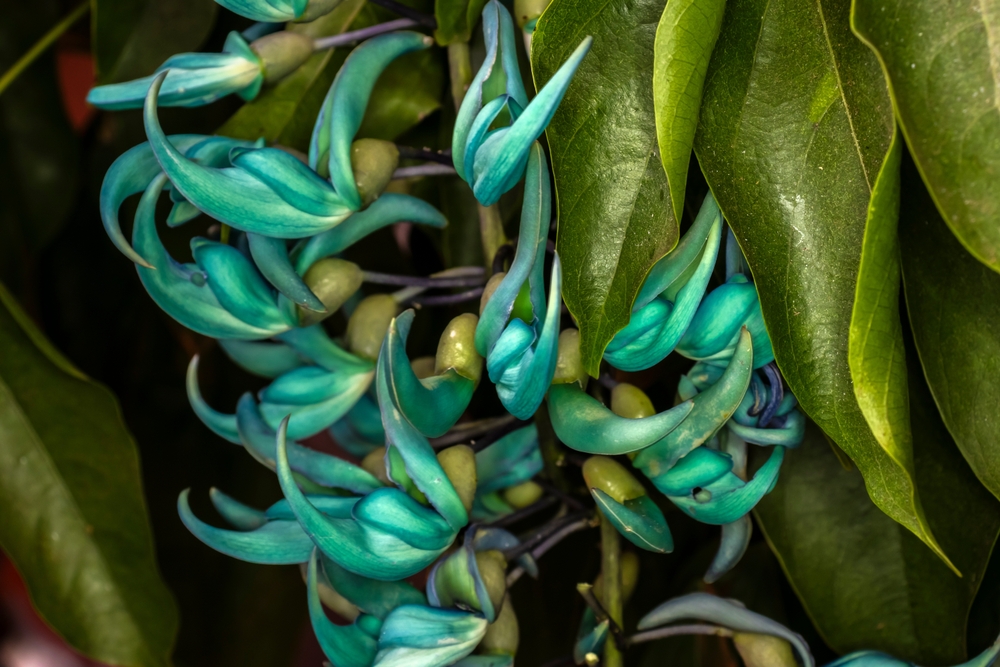
The Jade Vine is a stunning tropical plant native to the Philippines, known for its striking turquoise-colored flowers. It grows in clusters, creating a cascading effect that is both beautiful and eye-catching. This plant is rare because it is limited to specific regions within Southeast Asia and requires high humidity and consistent warmth to thrive. Due to its limited habitat, the Jade Vine is often difficult to cultivate outside of its native climate.
The plant’s unique color, which is a vibrant shade of blue-green, makes it a favorite among collectors and botanists. Despite its beauty, the Jade Vine is a challenging plant to grow in non-native areas, requiring specialized care. Its rarity, combined with its extraordinary appearance, makes it a prized plant for those lucky enough to see it in bloom. This plant is also a great example of how color and shape can evolve to attract specific pollinators.
Parrot’s Beak (Lotus berthelotii)
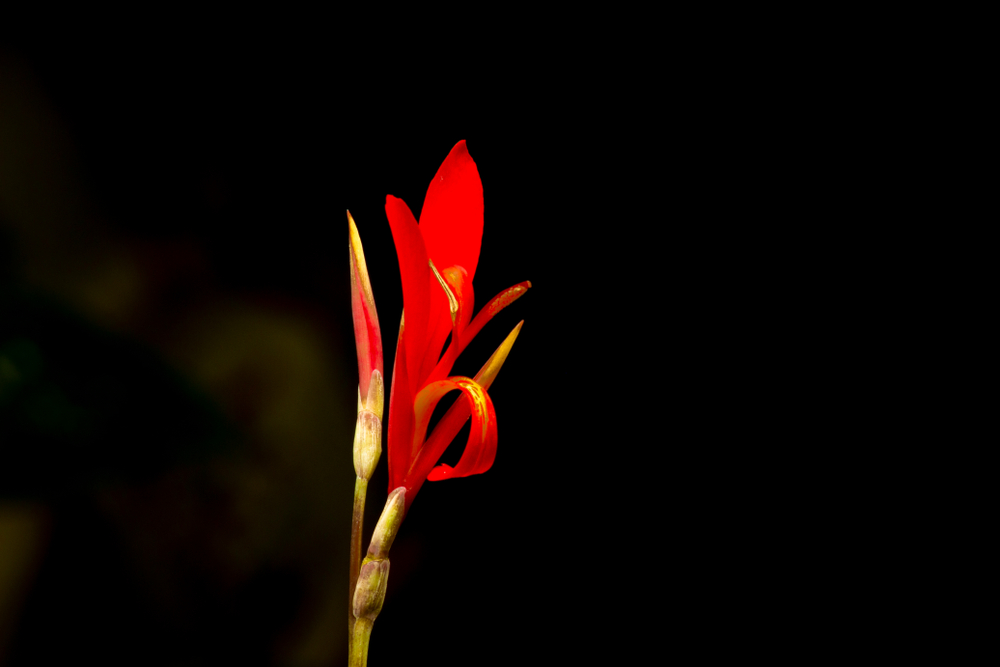
Parrot’s Beak is a rare plant native to the Canary Islands, known for its unusual flowers that resemble a parrot’s beak. These bright red and orange flowers are striking against the backdrop of its lush green foliage. The plant is rare because it grows only in specific areas with the right climate, and its natural habitat has been reduced due to human activity. Despite its rarity, it is often grown as an ornamental plant in gardens that can replicate its native environment.
This plant is admired for its distinctive shape and vibrant color, making it an attractive addition to any garden. Parrot’s Beak thrives in well-drained soil with plenty of sunlight, but it can be difficult to grow outside of its native habitat. It is also a fast-growing plant that requires regular care and attention to maintain its health. Its rarity and beauty make it a coveted plant for those looking to add something unique to their collection.
Vampire Flower (Hydnora triceps)
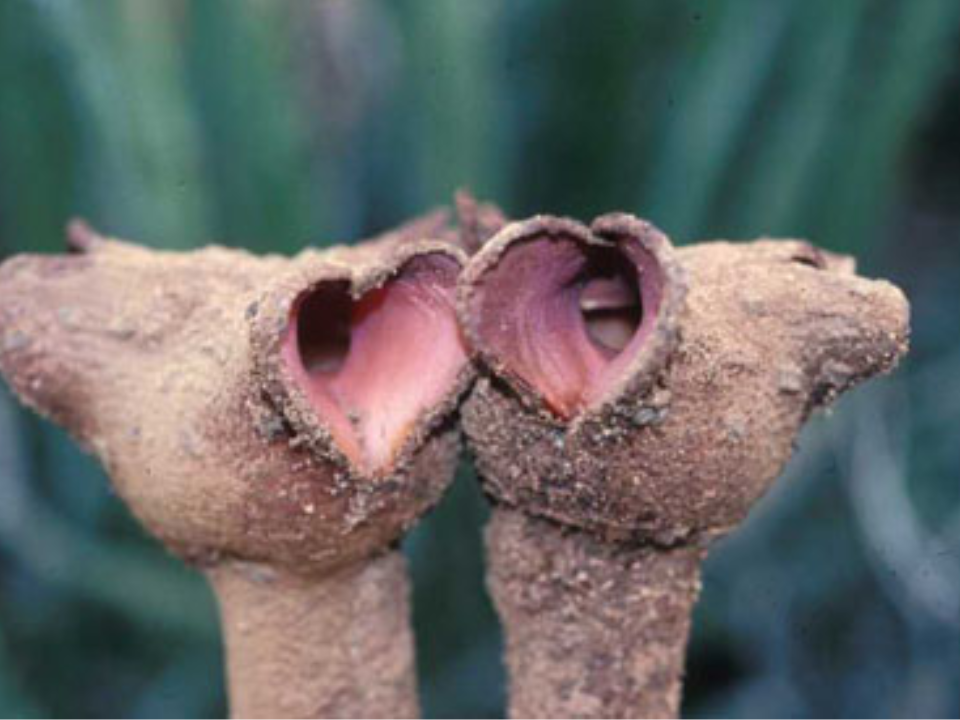
The Vampire Flower is a rare and parasitic plant native to South Africa, known for its dark, blood-red flowers. It grows underground and only emerges to bloom, releasing a strong odor of decaying flesh to attract its pollinators. This plant is rare due to its parasitic nature and its unusual growth cycle, which makes it difficult to find and observe. Its flowers, which can measure up to 5 inches in diameter, are a striking contrast to the plant’s otherwise hidden lifestyle.
Unlike most plants, the Vampire Flower does not rely on sunlight for growth. Instead, it parasitizes the roots of nearby plants, feeding off their nutrients. The plant’s rare and mysterious nature has fascinated botanists and plant enthusiasts for years. Though it is not commonly seen in the wild, its eerie appearance and smell make it a memorable specimen for those fortunate enough to encounter it.
Snowdrop (Galanthus nivalis)
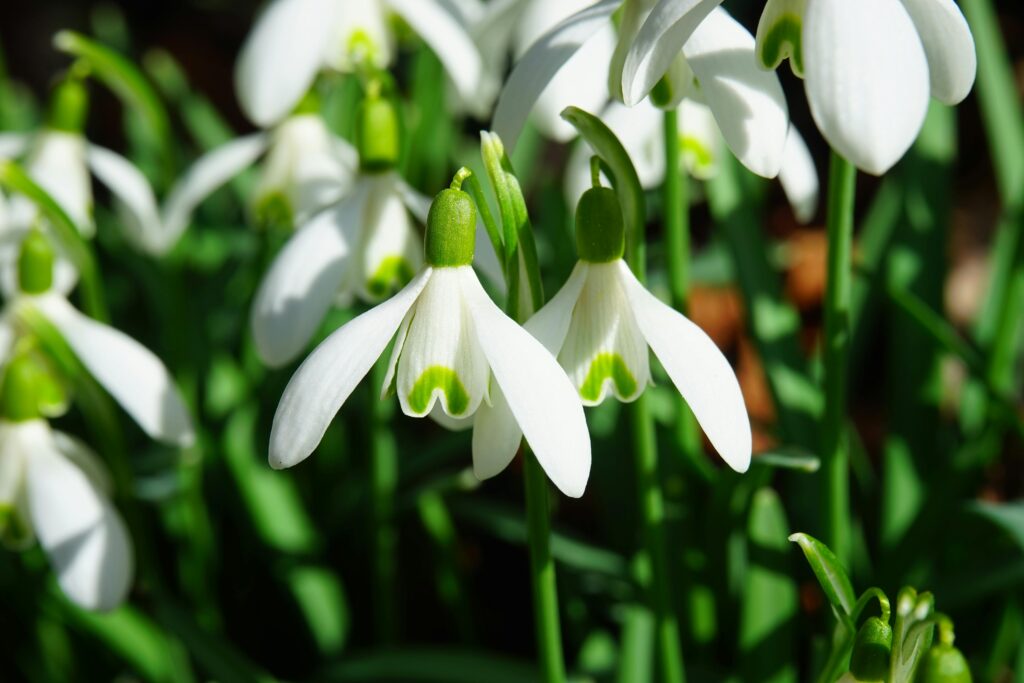
The Snowdrop is a delicate plant known for being one of the first flowers to bloom after winter. It is rare because it thrives only in specific temperate regions and requires a cold climate to grow. The plant’s white, bell-shaped flowers are a welcome sign of spring, often emerging through the snow to signal the end of winter. Despite its fragility, the Snowdrop is highly regarded for its beauty and symbolism as a harbinger of renewal.
This plant grows in clusters, carpeting forest floors with its tiny, white blooms. Snowdrops are sometimes used in traditional medicine, though they must be handled carefully due to their toxicity. The rarity of Snowdrops, combined with their delicate nature, makes them a protected species in some areas. They have a long history of being associated with new beginnings and the hope that comes with the arrival of spring.
Sensitive Plant (Mimosa pudica)
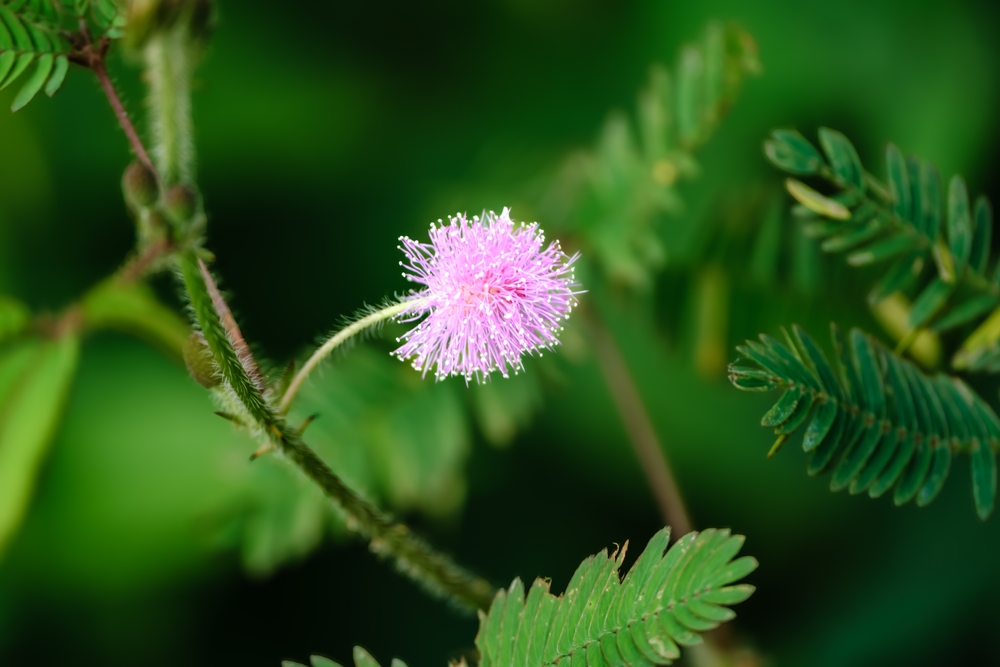
The Sensitive Plant is famous for its touch-sensitive leaves, which fold up when disturbed. Native to tropical regions, it’s rare in the wild due to its limited habitat range, preferring warm, sunny environments. When touched, its leaves rapidly fold, giving it its name. This fascinating plant is often grown as a curiosity in gardens, where it is both a conversation starter and a source of fascination.
Although it is easy to cultivate, the Sensitive Plant is rare in the wild due to its specific environmental needs. It thrives in well-drained, fertile soil with consistent sunlight, making it a great addition to gardens that can replicate its native conditions. The plant’s ability to respond to touch is an example of how plants can evolve to adapt to their surroundings. Its rarity and unique response to stimuli make it a fascinating specimen for anyone interested in plant behavior.
Lobster Claw (Heliconia rostrata)
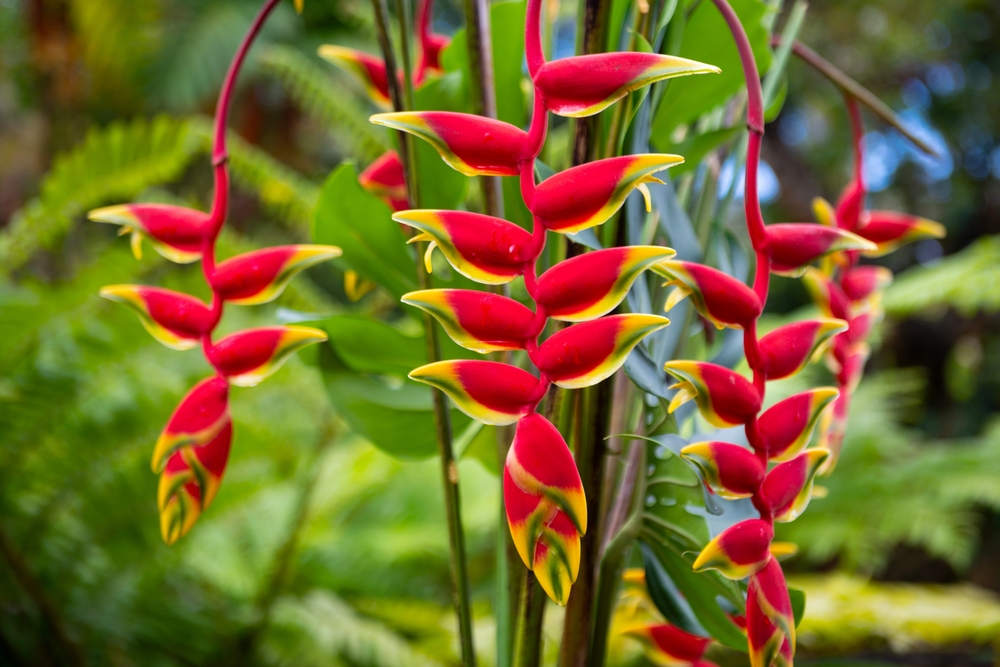
The Lobster Claw is a strikingly beautiful plant native to the rainforests of Central and South America. Its bright red and yellow flowers resemble a lobster’s claw, which is how it got its name. This plant is rare because it thrives in very specific tropical climates and requires high humidity to flourish. It is often found in remote rainforests, making it difficult to spot outside its natural environment.
Lobster Claws are slow-growing and require consistent care to thrive, especially in non-native climates. The plant’s unique appearance and bright colors make it a popular ornamental species, though it is not commonly seen in gardens outside tropical regions. It’s a fascinating plant due to its beautiful flowers and its reliance on specific environmental conditions. Despite its rarity, it is often admired for its aesthetic appeal and its striking resemblance to a lobster’s claw.
Devil’s Claw (Proboscidea louisianica)
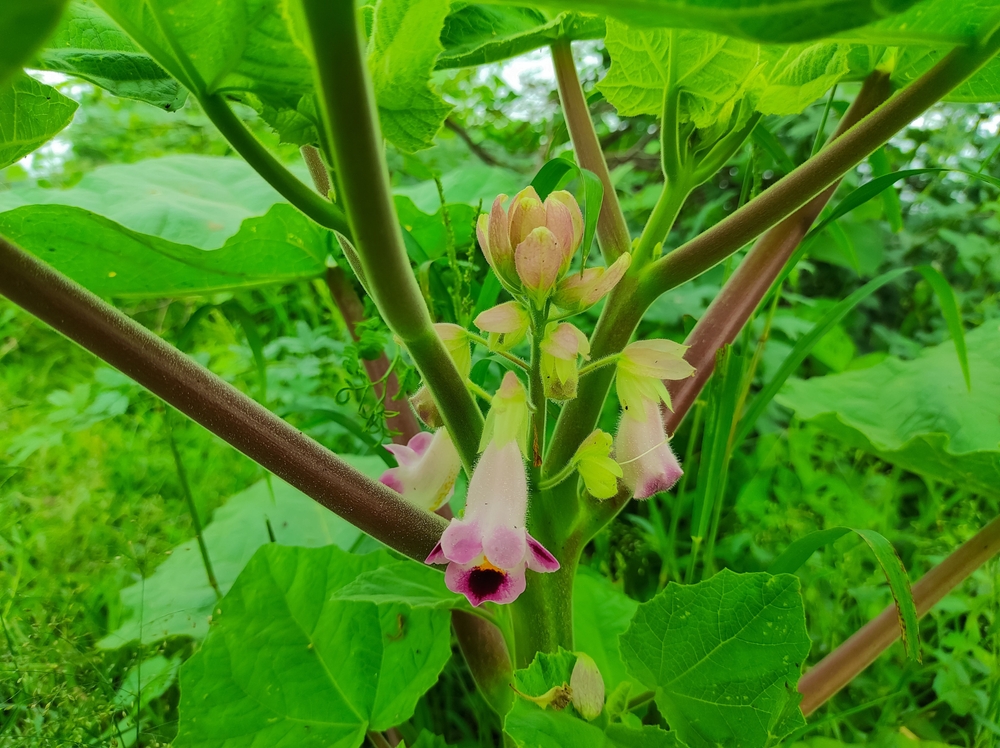
Devil’s Claw is a rare plant native to the dry, sandy soils of the southwestern United States. Its seed pods resemble sharp, hook-like claws, which is how it earned its name. This plant thrives in arid climates, where it can withstand extreme heat and drought conditions. It is rare due to its limited range and the fact that it is often overlooked due to its unassuming appearance until its unique seed pods are noticed.
The Devil’s Claw grows as a low shrub, with long, slender leaves and a modest flower. Its seed pods, however, are unmistakable, with a distinctive shape that makes them stand out in desert landscapes. While it is not commonly found outside of the southwestern U.S., it plays an important role in the desert ecosystem by dispersing its seeds. The plant’s rarity and unusual appearance have made it a favorite among collectors of desert flora.
This article originally appeared on Avocadu.