
14 Late Winter Garden Jobs That Actually Matter Before Spring Arrives
As the days get longer and the weather begins to change, late winter is a great time to check off important garden tasks. While it might feel like your garden is in hibernation, there are still things you can do now to set it up for a successful spring. These jobs are often overlooked, but they play a key role in ensuring your plants are ready to bloom. By tackling these tasks now, you will have a garden that flourishes when the warmer weather arrives.
This post may contain affiliate links, which helps keep this content free. Please read our disclosure for more info.
Clean Up Fallen Leaves and Debris
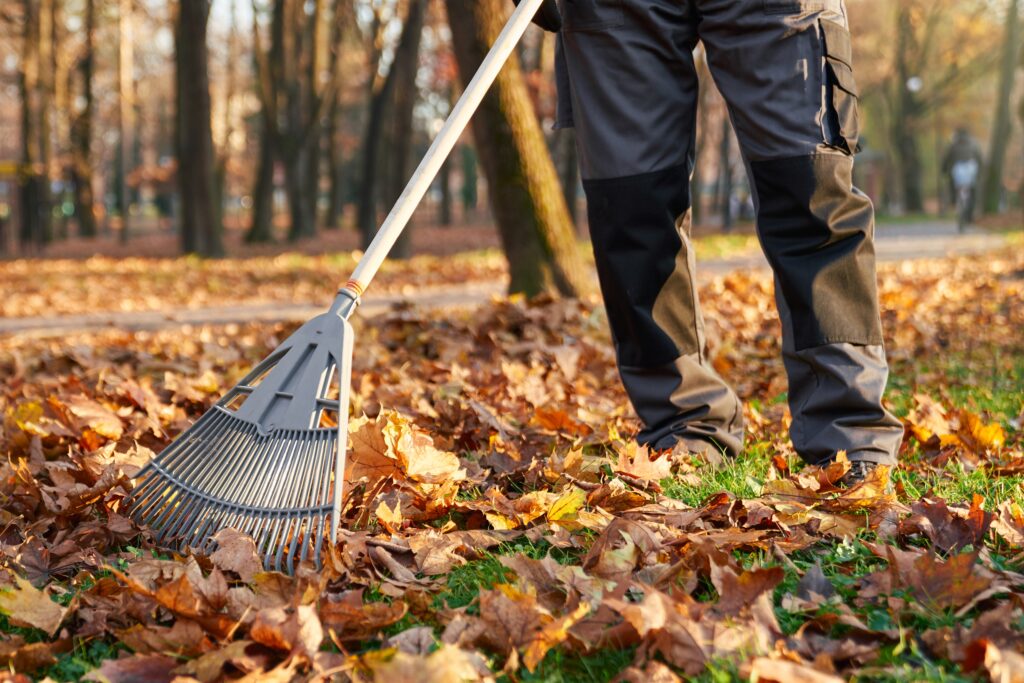
Late winter is a great time to remove fallen leaves, twigs, and other garden debris from your lawn and garden beds. Not only does this tidy up your garden, but it also prevents pests and diseases from overwintering in the dead plant matter. By clearing the debris, you allow the soil to breathe and prepare the space for new growth. This simple task can significantly improve your garden’s health as the season transitions.
Additionally, removing old leaves prevents mold and fungal growth that could harm emerging plants. If you compost, make sure to add leaves to your pile, as they break down into valuable organic matter. This cleaning job also gives you a chance to inspect your plants for any signs of disease or damage. Taking care of this job now ensures a clean start for your garden in spring.
Prune Dead or Damaged Branches
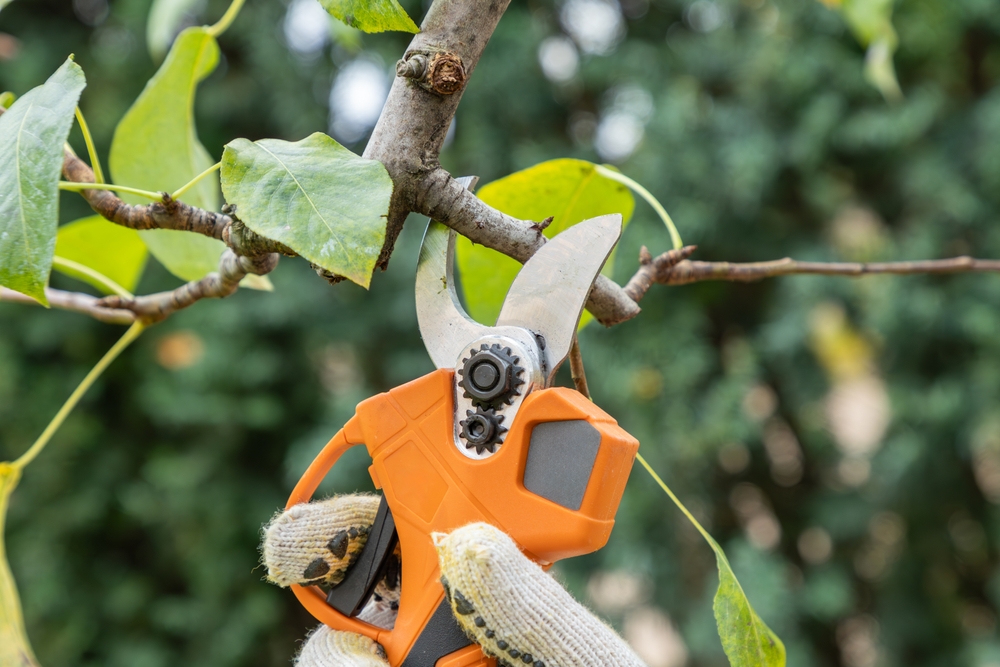
Pruning in late winter is essential for encouraging healthy growth in the spring. During this time, you can remove any dead, diseased, or damaged branches from trees and shrubs. Cutting back these branches improves airflow and light penetration, which is crucial for plant health as they start growing. This also helps prevent any breakage or damage from winter storms as your plants prepare for spring.
When pruning, make sure to use clean, sharp tools to make neat cuts. This reduces the risk of spreading disease and ensures the plant heals properly. Avoid cutting back too much, as some plants benefit from being left slightly untouched until warmer weather arrives. By taking care of this task now, you will help your plants focus their energy on new, healthy growth.
Test and Amend Soil
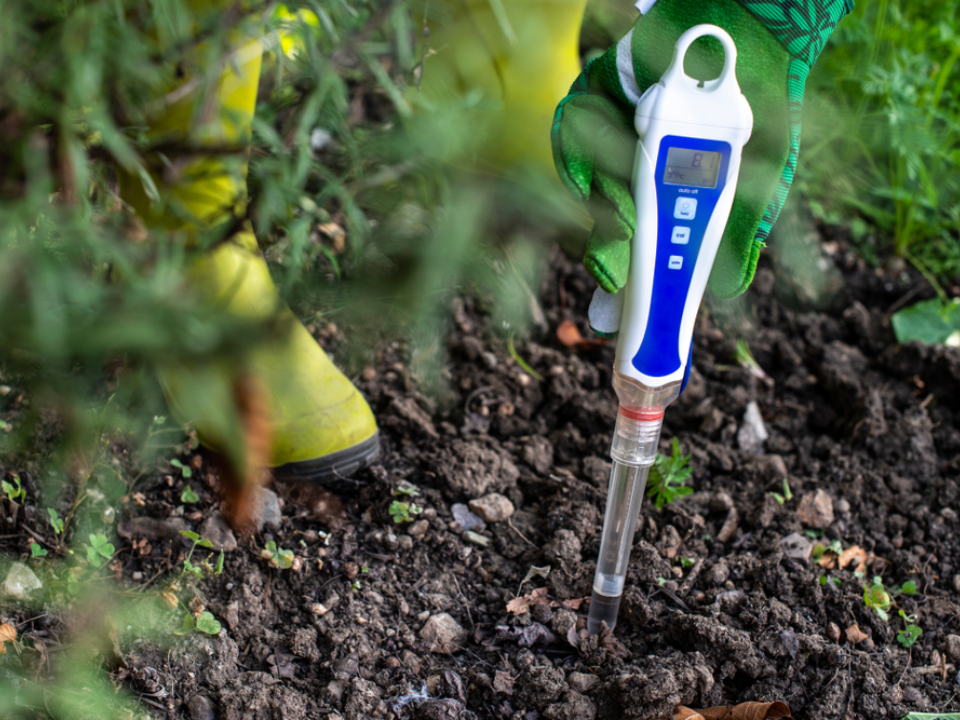
Before planting begins, it is important to test the soil in your garden to ensure it is ready for the new season. Late winter is an excellent time to check the pH levels and nutrient content of your soil. Based on the results, you can amend the soil by adding compost, organic matter, or soil conditioners. This step is vital for improving soil structure and ensuring plants have access to the nutrients they need.
If your soil test shows it is too acidic or alkaline, consider adding lime or sulfur to balance the pH. Enriching the soil now ensures that your plants will be able to grow strong and healthy in the coming months. It also helps with water retention, which is essential as the season shifts. By preparing the soil now, you set a strong foundation for the upcoming growing season.
Check and Repair Garden Tools
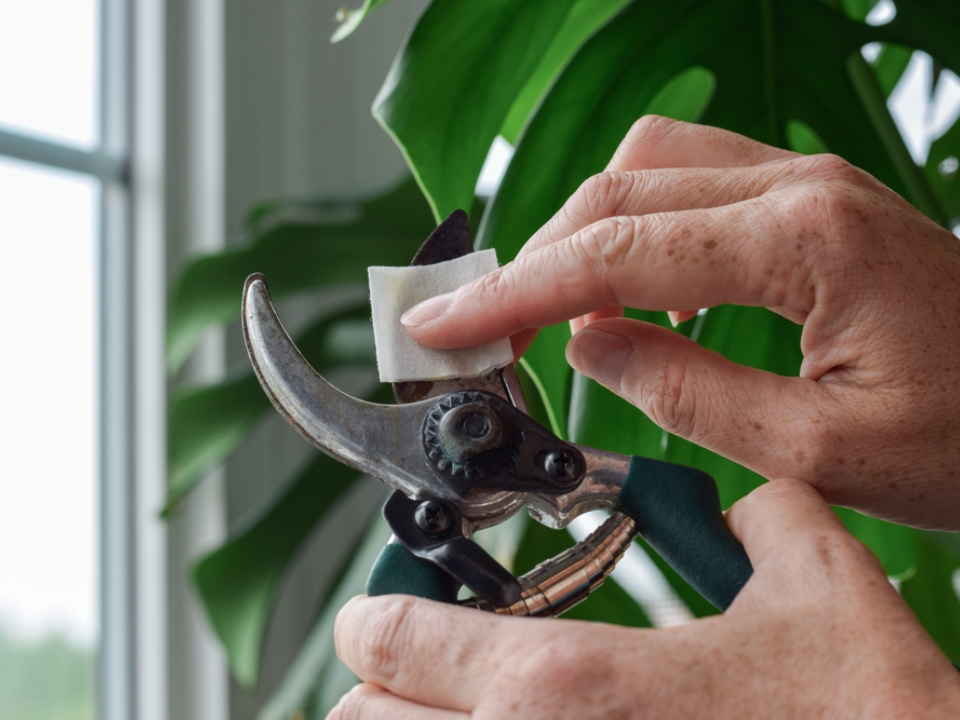
As the growing season approaches, it is the perfect time to check your garden tools and equipment. Late winter is a great time to clean, sharpen, and repair your tools before the busy gardening season begins. Look for any signs of wear, such as rust, broken handles, or dull blades, and fix them now to avoid delays later on. Well-maintained tools make gardening tasks easier and more efficient, saving you time and effort in the long run.
Start by cleaning off any dirt or plant residue from tools, then sharpen blades and lubricate moving parts to keep them in top condition. Check hoses and irrigation systems for leaks or damage to prevent issues when watering begins. Taking the time to care for your tools now will make gardening much smoother once spring arrives.
Mulch Garden Beds
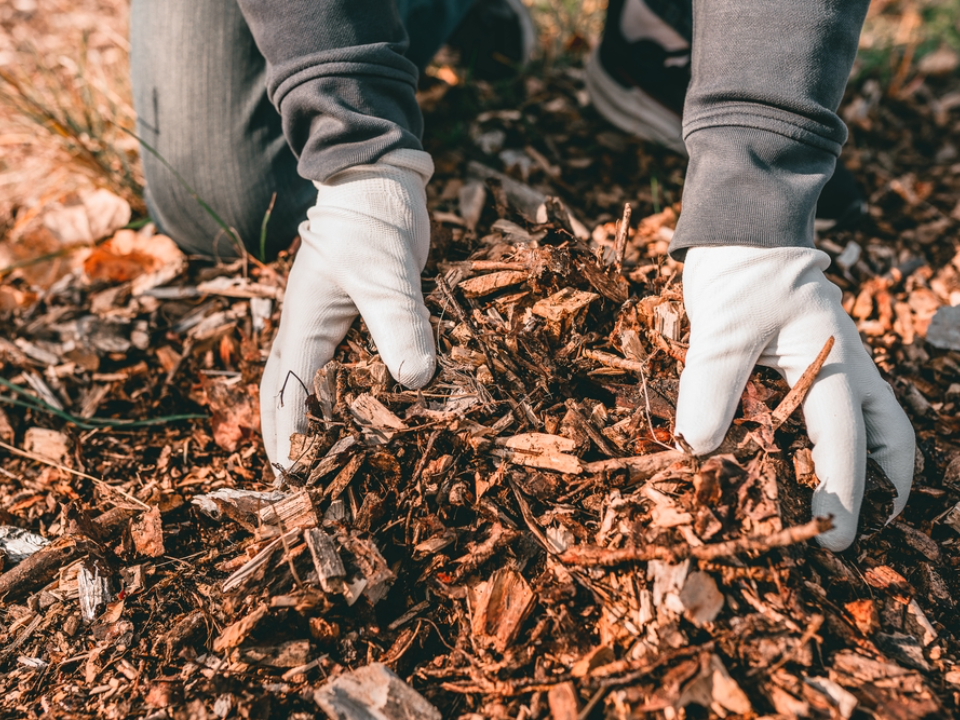
Adding a layer of mulch to your garden beds in late winter offers several benefits that prepare your plants for the warmer months ahead. Mulch acts as an insulating layer, helping to regulate soil temperature, which is especially useful in the fluctuating temperatures of late winter. It also helps retain moisture and suppresses the growth of weeds, giving your plants a head start when spring arrives. By applying mulch now, you are giving your garden an early advantage.
Choose organic mulch, such as wood chips, straw, or leaves, which will decompose over time, enriching the soil with valuable nutrients. Be sure to apply the mulch in a thick, even layer, but avoid piling it up around the base of your plants. This will help prevent fungal diseases and promote healthy root growth. Mulching now ensures your garden is ready for the warm weather ahead.
Prepare Garden Beds for Planting
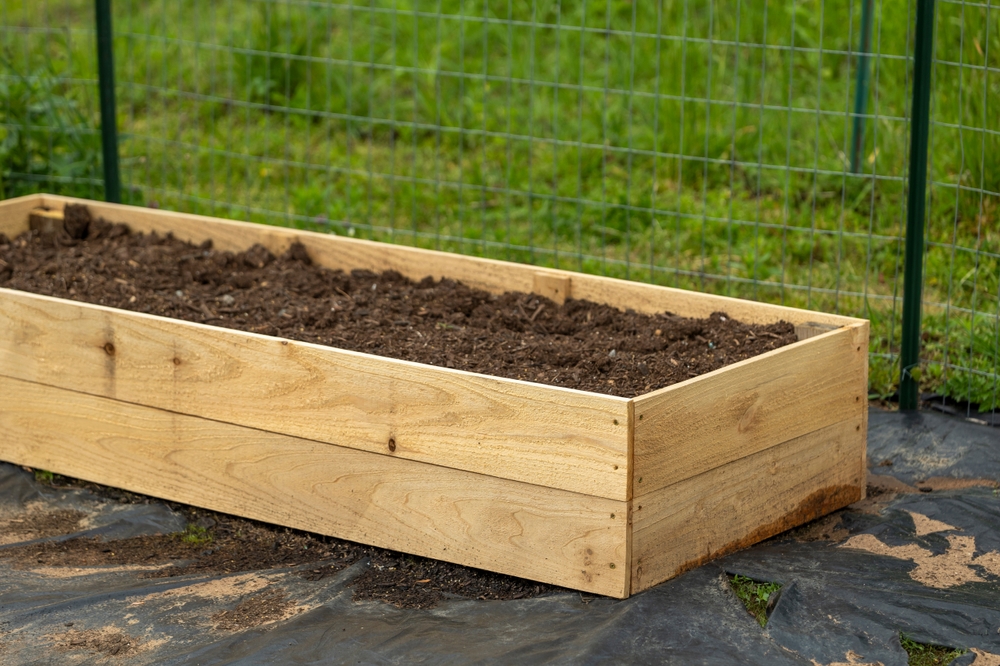
Late winter is the ideal time to prepare your garden beds for planting. Whether you plan to grow vegetables, flowers, or herbs, getting your beds ready now will set you up for success when it is time to plant. Start by loosening the soil with a rake or garden fork to break up any compacted areas. This allows for better root penetration once you begin planting.
Next, amend the soil with compost or organic matter to improve its structure and fertility. This will provide your plants with the nutrients they need to thrive. If your garden is in need of a design overhaul, now is the time to plan and organize the space. Taking the time to prepare your beds in late winter ensures a smooth transition into the growing season.
Protect Vulnerable Plants from Frost
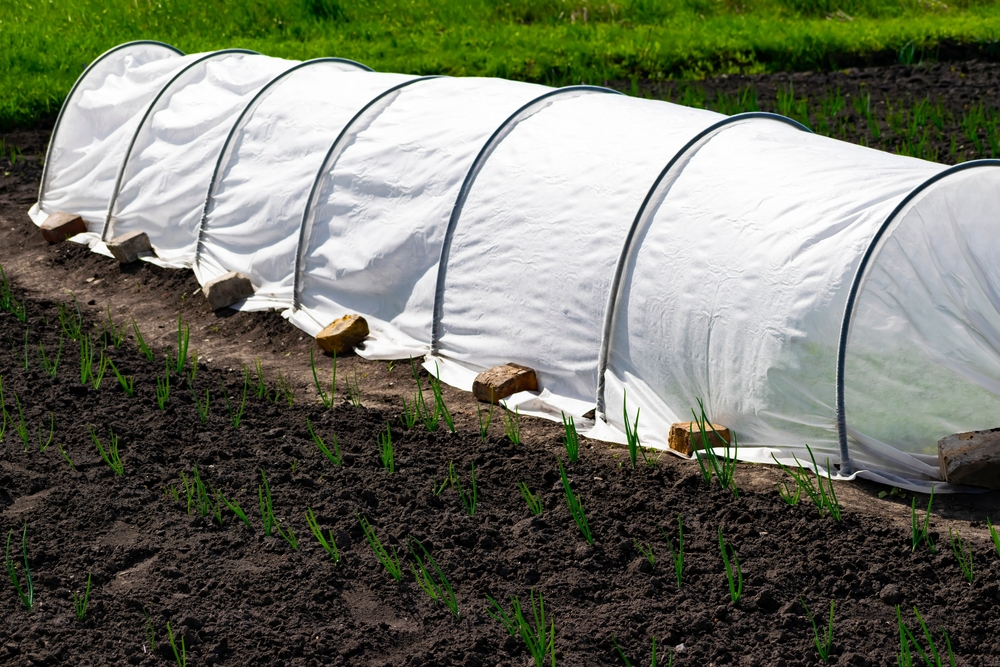
Although late winter can bring warmer days, frost is still a risk for many plants. It is important to protect vulnerable plants from the cold temperatures that can damage or kill them. Use frost blankets, old sheets, or row covers to shield plants from frost when temperatures drop. This added protection ensures that your plants remain safe during unpredictable late winter weather.
Make sure the covers are not in direct contact with the plants to allow for proper airflow. You can also mulch around the base of plants to help insulate the roots from freezing. Keep an eye on the weather forecast so you can act quickly when frost is expected. Taking these precautions helps safeguard your garden and ensures your plants will thrive as the season progresses.
Start Indoor Seed Starting
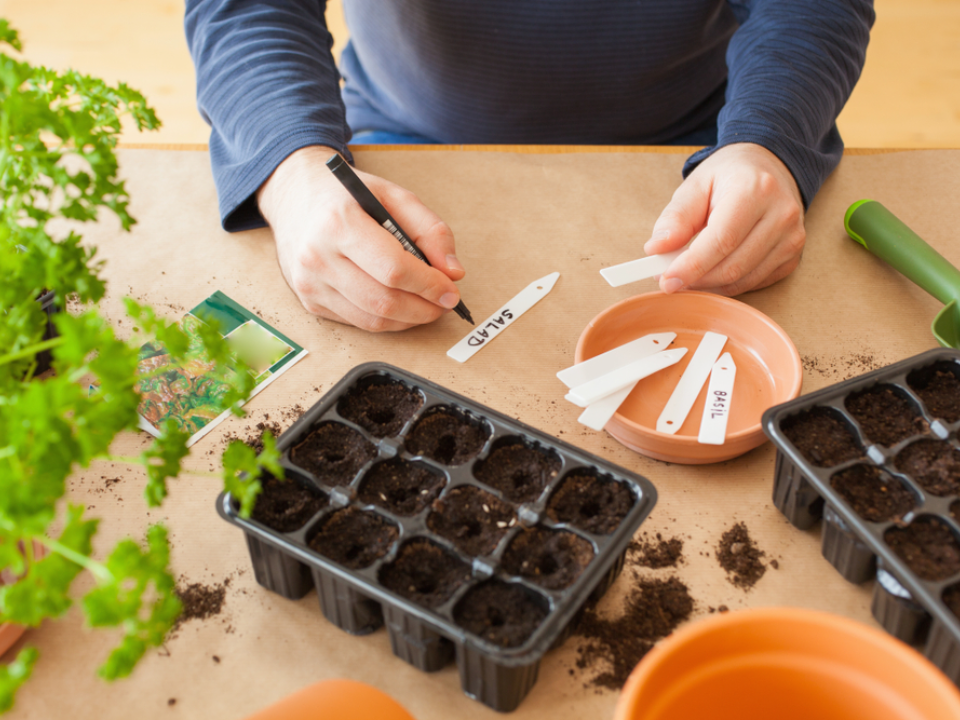
Starting seeds indoors in late winter gives you a head start on the growing season. Many plants, especially vegetables, require a long growing season and benefit from being started indoors. Begin by choosing seeds for plants that need a longer growing period, such as tomatoes, peppers, and herbs. Starting them indoors ensures that they will be ready for transplanting into the garden when the weather warms up.
Use seed trays or pots filled with a well-draining seed-starting mix. Be sure to provide adequate light, either from a sunny windowsill or grow lights. Starting seeds indoors also allows you to control the temperature and moisture levels, which gives your plants the best possible start. This job will have your garden ahead of the game once spring arrives.
Clean and Repair Greenhouses or Cold Frames
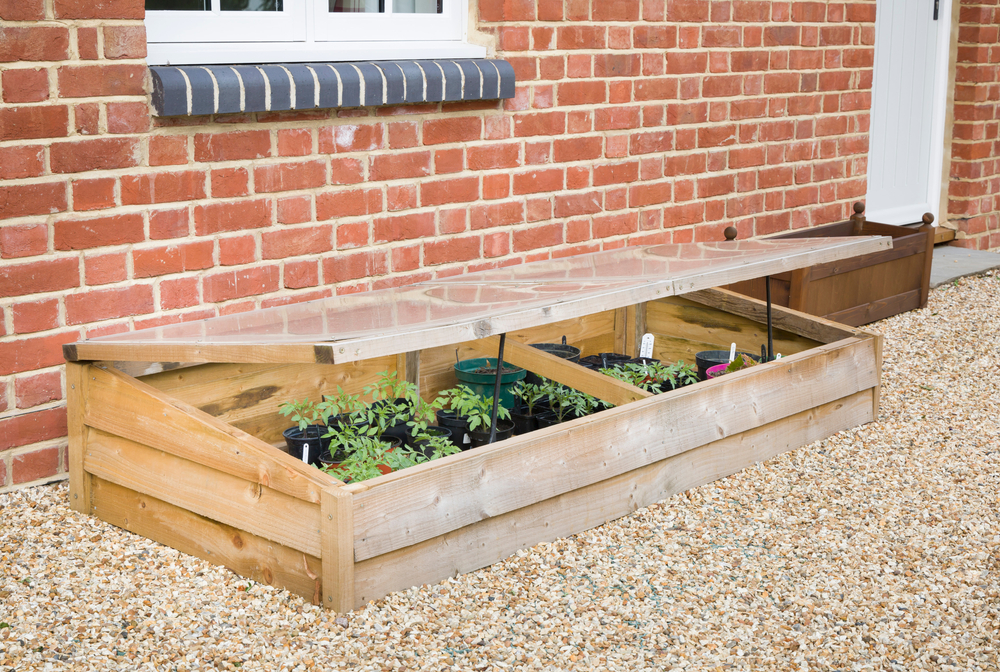
If you use a greenhouse or cold frame, now is the time to clean and repair them. Late winter is an ideal period to inspect your structures and ensure they are in good condition before the growing season begins. Clean the glass or plastic panels to allow maximum sunlight to reach your plants. This also helps remove any pests or mildew that may have accumulated over the winter months.
Check for any cracks or damage in the structure and make necessary repairs. Ensure that vents and doors open and close properly to allow for good airflow. This preparation ensures that your greenhouse or cold frame is ready to protect your plants as temperatures fluctuate during the transition to spring. A well-maintained structure will help create the ideal environment for your plants to thrive.
Plan for Pest Control
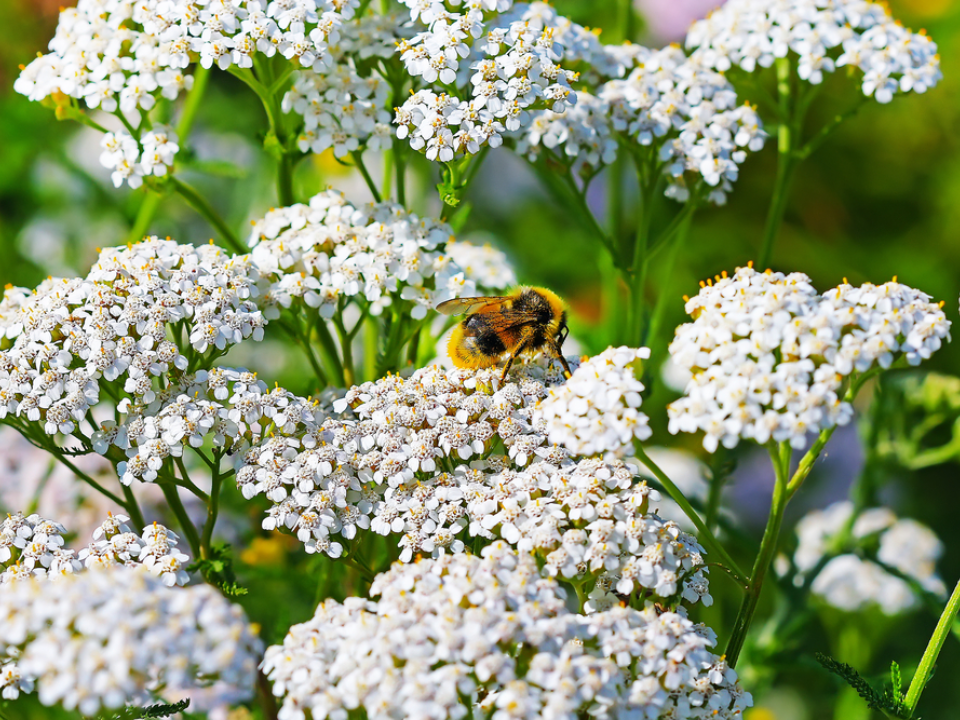
While your garden may seem dormant in late winter, it is the perfect time to start planning for pest control. Many pests overwinter in the soil, on plant stems, or under mulch, so it is important to take steps now to minimize their impact in the coming months. Consider using natural pest control methods, such as beneficial insects, or set traps to catch pests early on. You can also apply dormant oil or insecticidal soap to treat plants and prevent pests from awakening.
Take time to research the common pests in your area and their lifecycle so you can be prepared when they emerge. Early intervention can save you time and effort later in the season. By planning ahead, you will be able to protect your plants from common threats and ensure a healthy garden as the weather warms up.
Divide Overgrown Perennials
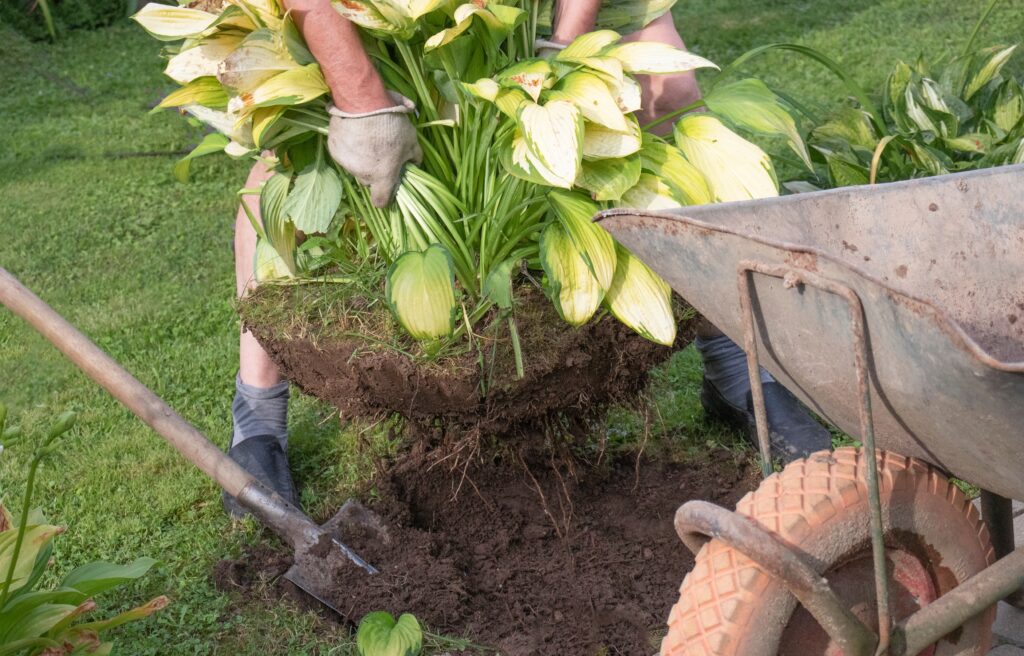
Late winter is the best time to divide overgrown perennials before they start growing again in the spring. Dividing these plants allows them to spread out and thrive, improving both their growth and appearance. Start by carefully digging up the plant and separating it into smaller sections, making sure each section has a healthy root system. Replant the divisions in the same or new locations to give them room to grow.
This process also helps rejuvenate the plant, allowing it to produce new growth more vigorously. Plants that have become too large for their space will benefit from being divided, as it gives them a fresh start. Dividing perennials now ensures that your garden will be full of vibrant, healthy plants come spring.
Fix Fences and Garden Structures

Check your garden fences and structures for any damage or wear and tear that may have occurred during the winter months. Late winter is a great time to make any necessary repairs or improvements before spring. Inspect for loose boards, rusted nails, or sagging sections that may need attention. Fixing these issues now prevents further damage during the busy gardening season.
You can also use this time to reinforce garden gates, trellises, or other structures that support climbing plants. If your fence needs painting or staining, now is the time to give it a fresh coat. Ensuring that these structures are sturdy and in good condition helps protect your plants and keeps your garden looking neat. These tasks are essential for maintaining a functional and attractive garden space.
Check for Tree and Shrub Health
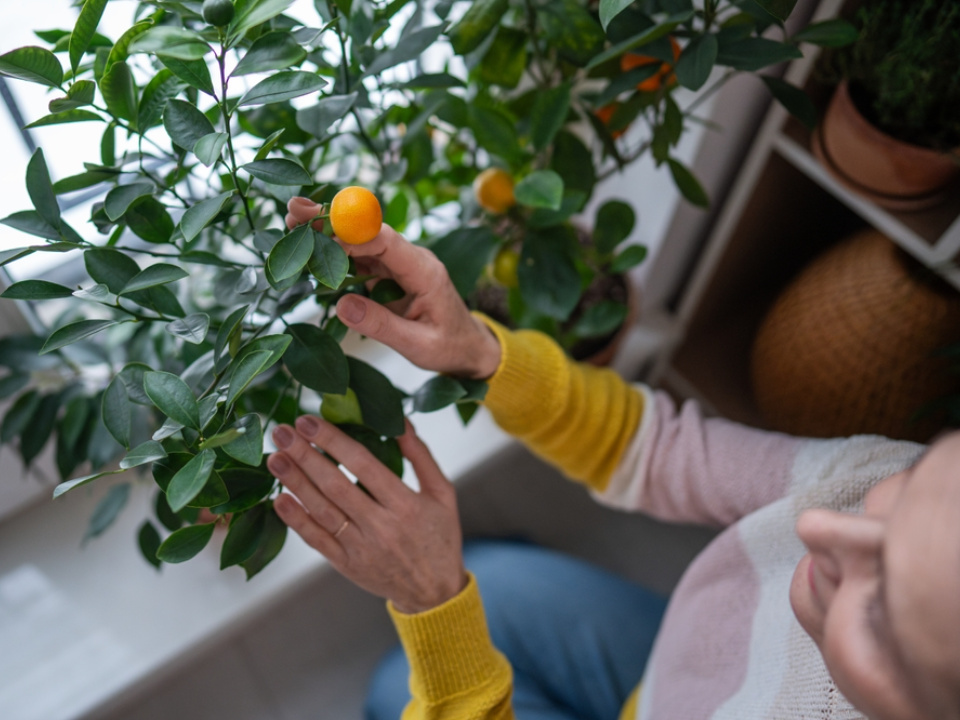
Late winter is an excellent time to inspect the health of trees and shrubs in your garden. Look for any signs of disease, pest damage, or winter injury, such as cracked bark or deformed growth. If you spot any issues, take action early to prevent further damage once the growing season begins. Early intervention can help your trees and shrubs recover and flourish as spring approaches.
If needed, apply treatments like tree sealant or pest control to address any concerns. Prune away dead or diseased wood to encourage healthy new growth. This proactive approach will ensure that your trees and shrubs are healthy and ready to thrive as warmer temperatures arrive.
Plan for Companion Planting
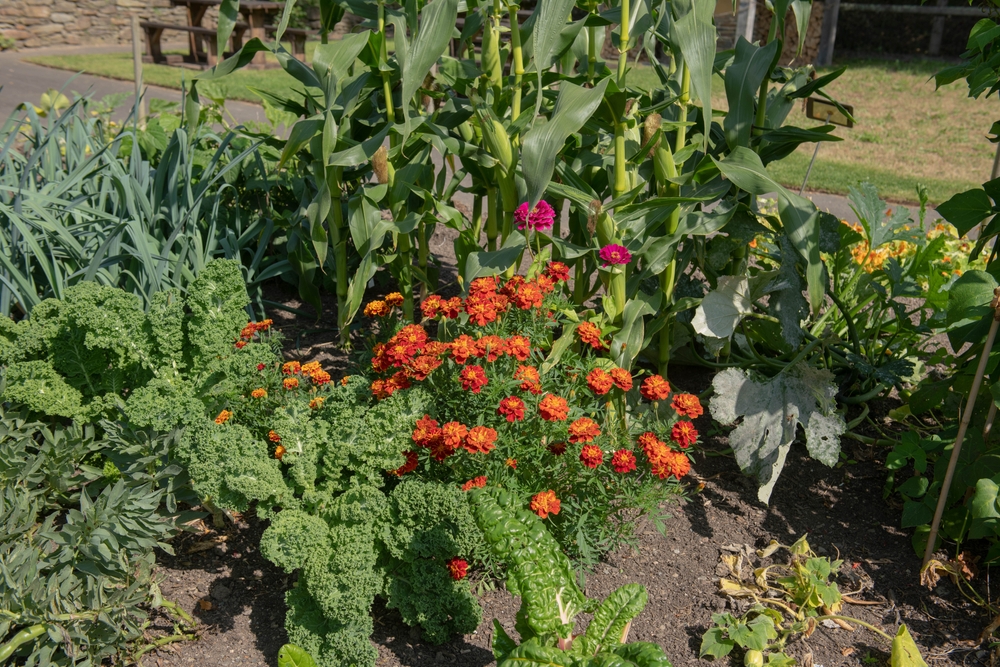
Late winter is the perfect time to plan your companion planting strategy for the upcoming season. Companion planting involves placing plants together that benefit each other in terms of growth, pest control, or soil enrichment. By planning ahead, you can maximize your garden’s productivity and health. Think about which plants grow well together and which ones should be kept apart to avoid competition.
Research which plants make the best companions, such as basil with tomatoes or beans with corn. This planning will ensure that your garden is more efficient and requires fewer interventions. By organizing your planting scheme now, you will set yourself up for a thriving, harmonious garden once spring arrives.
This article originally appeared on Avocadu.