
16 Plants With Protective Armor That Keeps Animals Away
Plants with protective armor have evolved unique adaptations to fend off animals that might damage or eat them. Unlike typical plants, these species have tough exterior features like spines, sharp edges, or toxic substances that act as deterrents. Their ability to defend themselves naturally sets them apart from other plants in the garden. This defensive nature helps them thrive in environments with higher levels of wildlife activity.
This post may contain affiliate links, which helps keep this content free. Please read our disclosure for more info.
Cactus (Various Species)
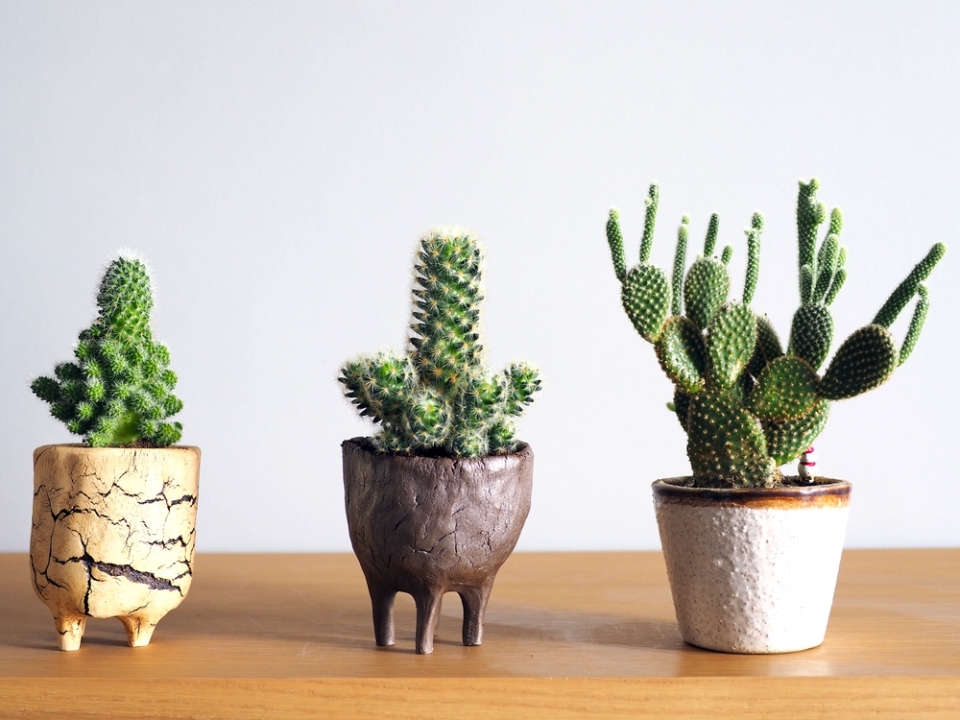
Cacti are well known for their sharp spines, which act as a formidable defense against herbivores. These spines prevent animals like deer, rabbits, and smaller mammals from getting too close or feeding on them. Most cacti thrive in dry, arid conditions, making them ideal for low-maintenance gardens or even houseplants. When caring for a cactus, ensure it receives plenty of sunlight and minimal water to mimic its native environment.
Despite their prickly nature, many species of cacti, such as the prickly pear or saguaro, can adapt well to being houseplants, provided they have adequate light. Overwatering should be avoided to prevent root rot. If kept outside, be cautious of pests like aphids or mealybugs, but the cactus’s armor generally keeps most animals away.
Holly (Ilex aquifolium)
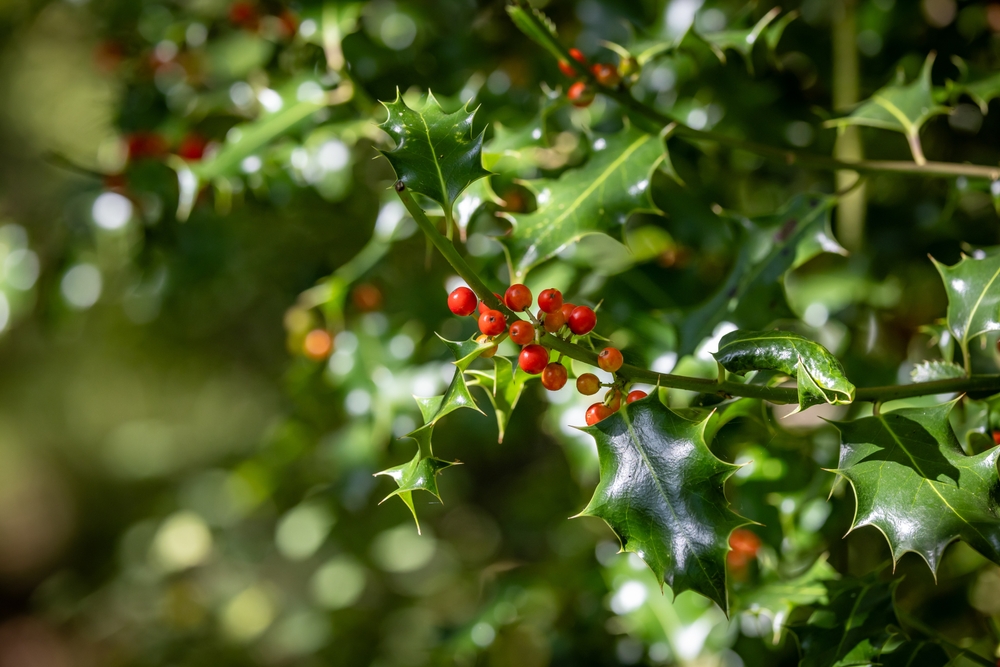
Holly plants are easily recognized by their glossy green leaves with sharp, spiky edges. These thorns discourage animals like rabbits, deer, and other herbivores from nibbling on them. Holly thrives in well-drained soil and is hardy in many climates, making it a versatile plant for your garden. Regular pruning is important to maintain its shape and encourage healthy growth.
Although holly plants are commonly grown outdoors, they can also make a good houseplant in colder climates, where they need protection from frost. Keep the plant in a spot with bright, indirect light and avoid placing it near drafty windows. Holly is also known for its seasonal red berries, adding a festive touch to gardens during the winter months.
Barberry (Berberis thunbergii)
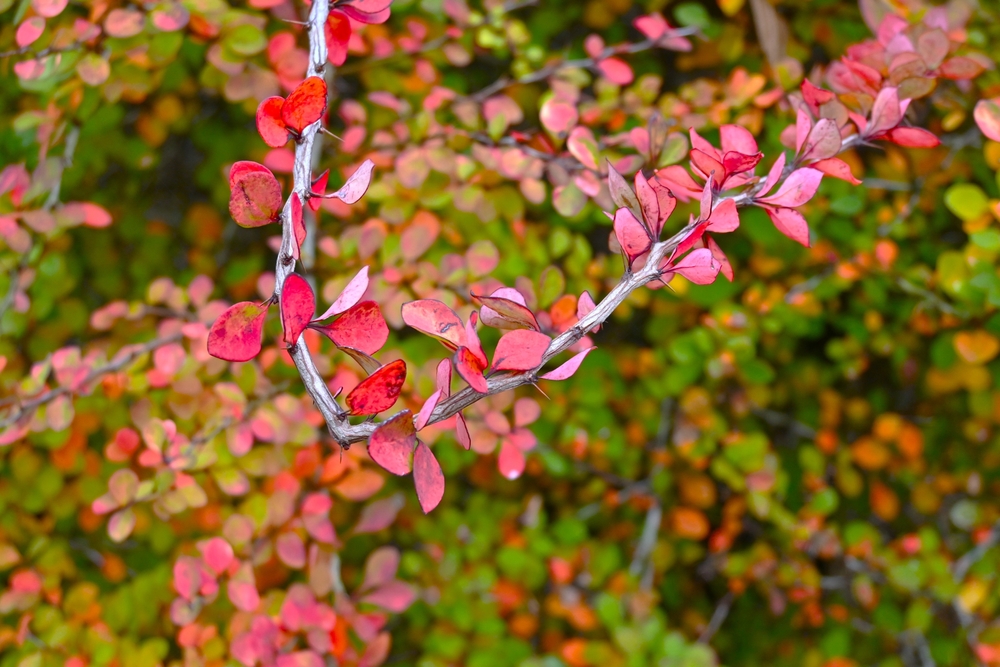
Barberry shrubs are known for their dense clusters of spiny branches, which act as a natural barrier to herbivores. These thorns make it difficult for animals like deer, rabbits, and squirrels to venture too close. Barberry plants are adaptable to many types of soil and can thrive in both sunny and partially shaded areas. They’re relatively low-maintenance, requiring only occasional pruning to maintain their shape.
While barberry can be used outdoors as a hedge or border plant, it can also be grown indoors if given enough light. These plants are hardy and drought-tolerant, making them an easy addition to gardens or patios. Keep them away from overly wet areas to prevent disease, and be cautious when handling them due to their sharp spines.
Thorny Devil’s Club (Oplopanax horridus)
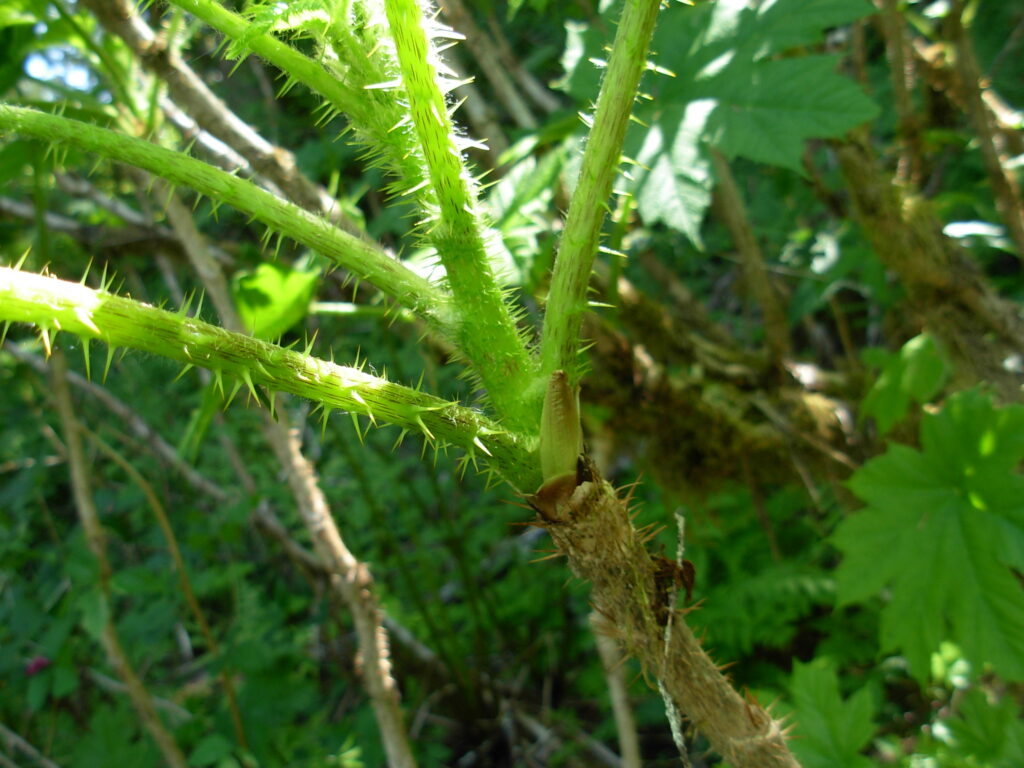
The Devil’s Club plant is easily identified by its thick, thorn-covered stems that make it a formidable deterrent for animals. These thorns protect it from larger animals such as bears and deer, who would otherwise graze on the plant. Devil’s Club prefers moist, shaded environments, often thriving in forested areas. It requires rich, well-drained soil and regular watering to stay healthy.
While it is primarily an outdoor plant, Devil’s Club is best suited for cold climates where it can remain dormant during the winter. This plant is not recommended for use as a houseplant due to its size and need for specific environmental conditions. Careful handling is required due to its sharp spines, which can cause injury if touched without protection.
Yew (Taxus baccata)
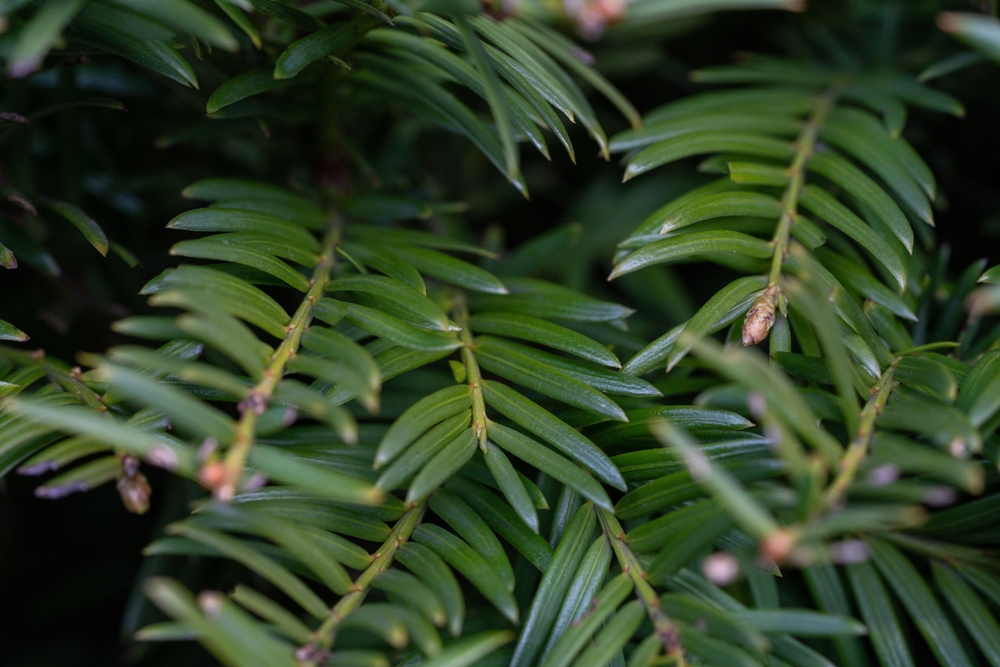
Yew plants have dense foliage with sharp needle-like leaves, making them a good natural deterrent for animals like deer and rabbits. These evergreen shrubs are often used in hedges and privacy screens due to their ability to maintain their shape and withstand pruning. Yew is tolerant of a variety of soil types but thrives best in slightly acidic, well-drained soil. It also prefers partial to full sunlight.
Though yews are typically outdoor plants, they can be grown indoors as long as they receive enough light and proper humidity. Regular pruning helps maintain their attractive shape. Be aware that parts of the yew plant are toxic to animals if ingested, so care should be taken if you have pets around the plant.
Agave (Various Species)
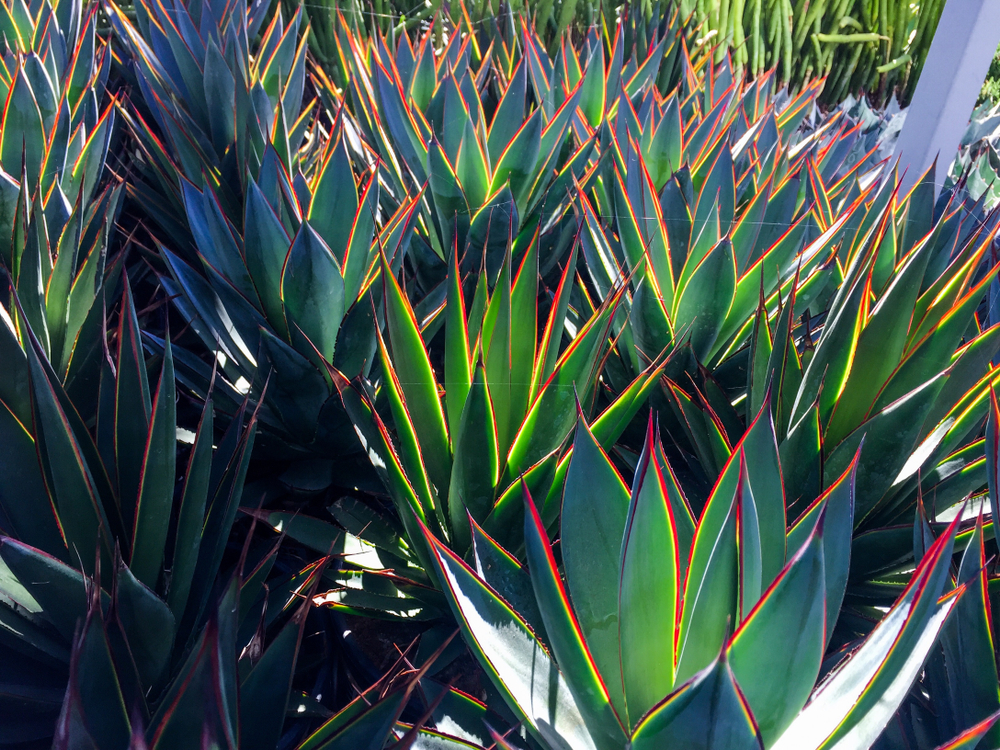
Agave plants are known for their long, sharp spines that protrude from the tips of their leaves. These spines are an effective deterrent for herbivores, such as goats and cattle, preventing them from munching on the plant. Agaves are native to dry, arid climates and are incredibly drought-tolerant, making them easy to care for in a garden setting. They require full sunlight and well-drained soil to thrive.
While agave is primarily an outdoor plant, it can be grown indoors in containers as long as it receives sufficient sunlight. Overwatering should be avoided, as it can lead to root rot. Agave plants are slow growers, so patience is needed as they mature, but their sharp armor keeps animals away.
Rose (Rosa spp.)

Roses are beloved for their beauty, but their thorny stems also serve as a defense mechanism to keep animals from damaging them. The sharp thorns on rose bushes help to keep out animals like deer, rabbits, and other small creatures. Roses thrive in well-drained soil and need plenty of sunlight to produce their vibrant flowers. Regular pruning is essential to keep the plant healthy and blooming throughout the growing season.
While roses are often grown outdoors, certain varieties can be grown indoors as houseplants, provided they have enough light. Be cautious when handling the plant to avoid injury from its thorns. Roses are also prone to pest issues like aphids, but their thorns generally keep larger animals at bay.
Pyracantha (Firethorn)
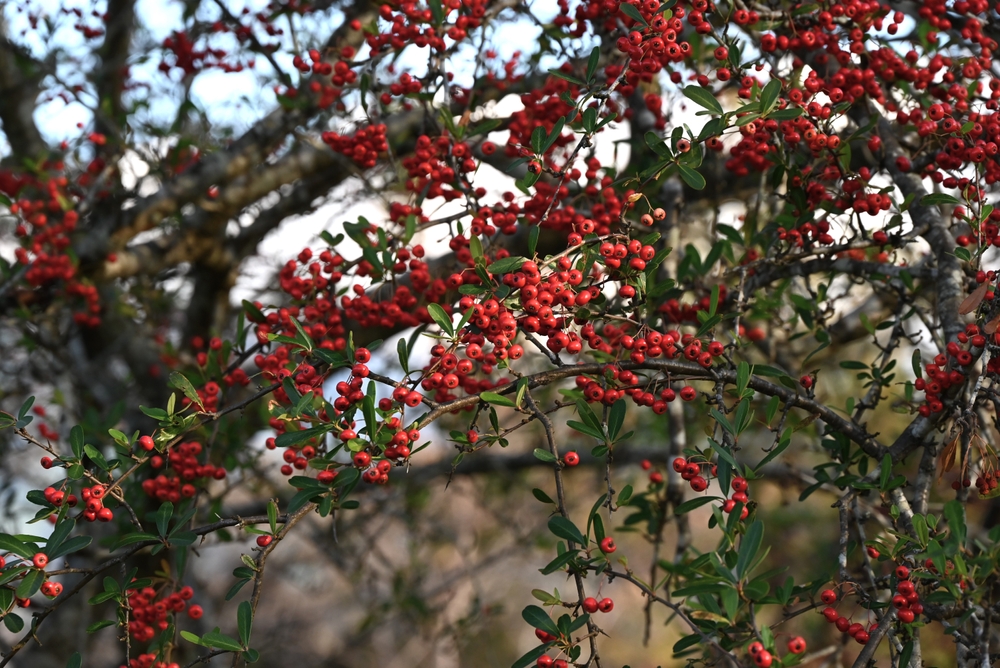
Pyracantha, or firethorn, is a thorny shrub often used for security hedges or ornamental landscaping. Its sharp, rigid thorns protect it from animals like deer and rabbits that might otherwise graze on the plant. Firethorn thrives in full sunlight and well-drained soil, making it an ideal choice for dry or coastal gardens. It can be pruned to maintain its shape and prevent it from becoming too unruly.
Though pyracantha is typically grown outdoors, it can also be used as a houseplant in containers with adequate light and care. The plant produces small white flowers in spring, followed by vibrant orange or red berries in the fall, adding beauty to its defensive nature. Care should be taken when handling the plant due to its thorny branches.
Burr Cucumber (Sicyos angulatus)
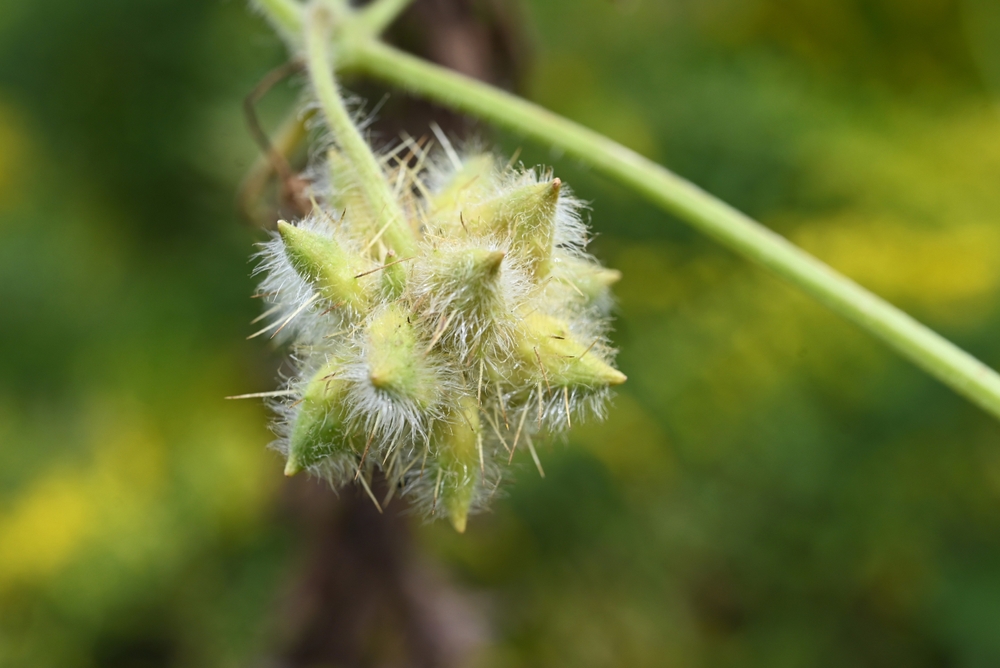
The burr cucumber is a fast-growing vine with small, prickly fruit that cling to animals, preventing them from feeding on the plant. This plant has tiny, spiky structures that help it spread rapidly, and animals like deer are often deterred from feeding on it due to the discomfort caused by the spines. Burr cucumber thrives in moist, well-drained soil and can quickly cover fences or trellises with its growth.
While the burr cucumber is typically used outdoors, it can be grown indoors if given adequate space to climb. It requires full sunlight to produce its fast-growing vines, and regular watering is essential. Because the plant spreads quickly, it’s important to monitor its growth to prevent it from overtaking other plants.
Hawthorn (Crataegus spp.)
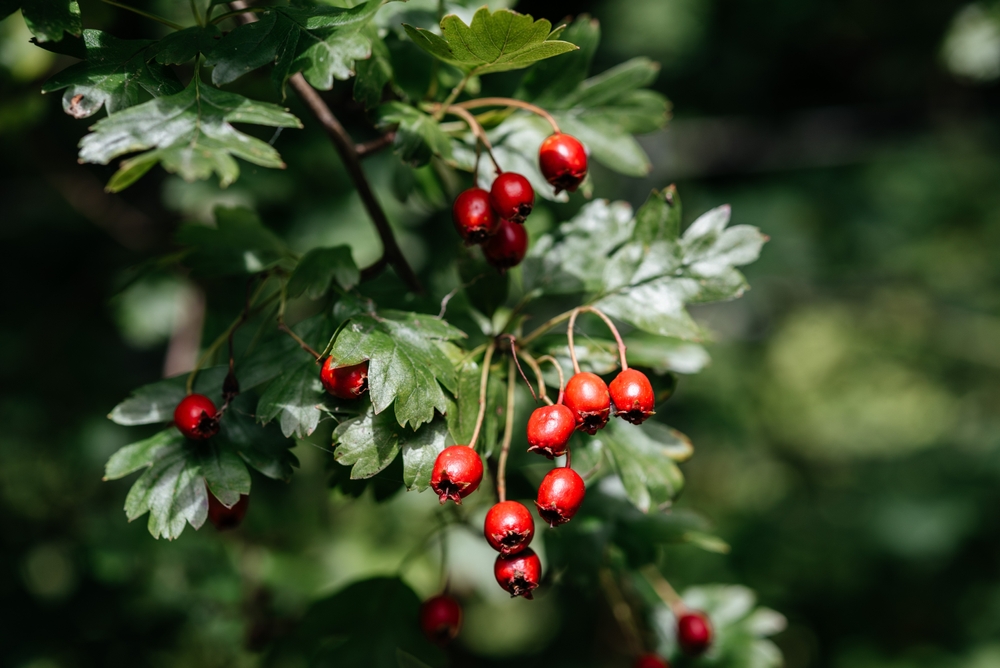
Hawthorn trees and shrubs have sharp, thick thorns that protect them from grazing animals like deer and rabbits. The branches are densely covered in spines, making them difficult for animals to penetrate. Hawthorns prefer well-drained soil and can grow in a variety of light conditions, from full sunlight to partial shade. They are hardy plants that are also able to withstand cold temperatures.
These plants can be grown as ornamental shrubs or small trees in gardens, and they also serve as effective barriers. Some varieties of hawthorn can be kept as houseplants in larger pots, but they need plenty of natural light and occasional pruning. The berries produced by hawthorn trees are enjoyed by birds but are not typically consumed by larger animals due to the thorns.
Blackberry Bush (Rubus fruticosus)
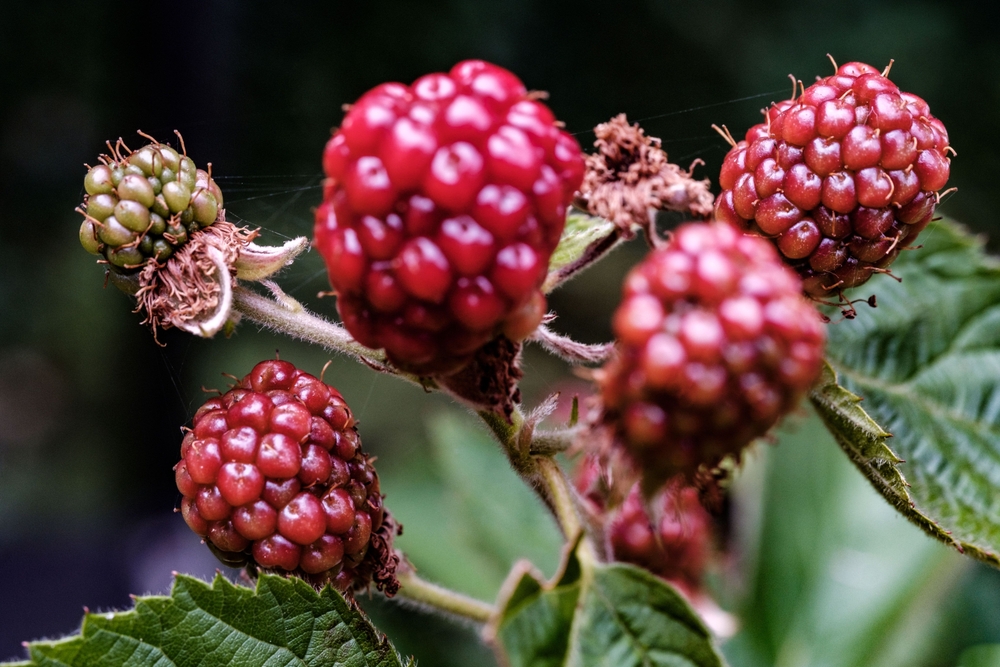
Blackberry bushes are not only known for their delicious fruit but also for their sharp thorns, which discourage herbivores from munching on them. These thorns help protect the plant from animals like deer, rabbits, and squirrels. Blackberry bushes thrive in well-drained soil with plenty of sunlight and require moderate watering to stay healthy. Pruning is important to prevent the bush from becoming too overgrown.
While blackberry bushes are usually grown outdoors, they can be cultivated indoors in pots if given enough light. They can be invasive, so regular maintenance is necessary to keep them in check. Blackberry bushes produce fruit in late summer, providing a tasty and natural addition to any garden.
Lavender (Lavandula spp.)
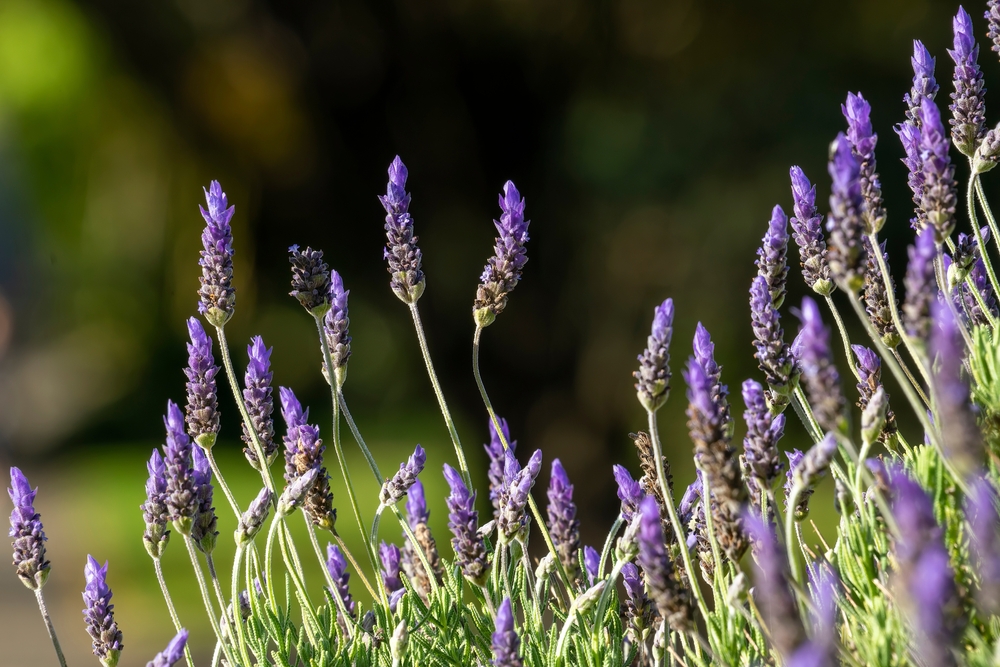
Lavender is a fragrant herb with a protective armor in the form of its tough, woody stems and fragrant oils that deter herbivores. Animals like deer and rabbits tend to avoid lavender due to its strong scent and the texture of its leaves. Lavender thrives in well-drained soil and prefers full sunlight to produce its aromatic flowers. It is drought-tolerant and needs minimal watering once established.
Lavender can be grown both indoors and outdoors, though it requires plenty of sunlight to thrive. As a houseplant, it can be placed near windows where it gets at least six hours of light daily. In addition to keeping pests away, lavender can also be used in cooking or as a fragrant addition to home décor.
Nasturtium (Tropaeolum majus)
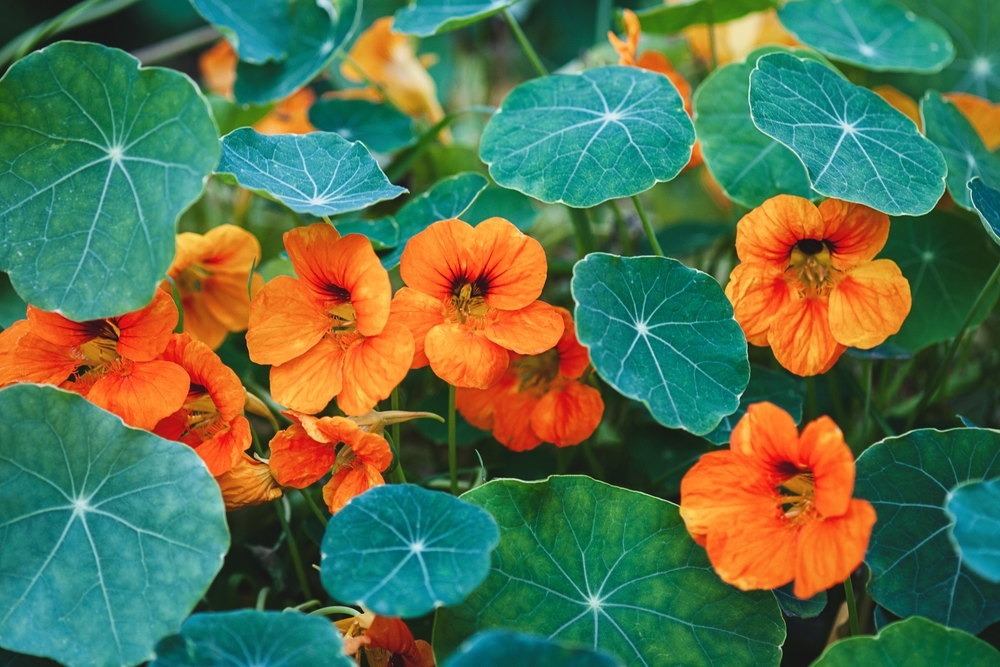
Nasturtiums are hardy annuals known for their bright flowers and peppery-tasting leaves. The plant’s peppery taste deters many animals, particularly deer and rabbits, from eating them. Nasturtiums thrive in well-drained soil with plenty of sunlight and are low-maintenance, requiring minimal care once established. The flowers and leaves are edible, adding a unique touch to gardens or meals.
While nasturtiums are typically grown outdoors, they can be grown indoors as houseplants in containers with proper sunlight. They are fast growers, so they will require some space to spread out. Regular watering is necessary, but overwatering should be avoided to prevent root rot.
Juniper (Juniperus spp.)

Junipers have dense, spiky foliage that makes them difficult for animals like deer and rabbits to approach. The tough, needle-like leaves and stiff branches create a barrier that many animals avoid. Junipers are well-suited to dry, well-drained soil and require minimal maintenance, making them an excellent choice for low-care gardens. These plants can tolerate a range of sunlight, from full sun to partial shade, and are drought-tolerant once established.
Junipers can be grown as ground covers or small shrubs, and larger varieties can become trees. They are hardy in cold climates and make an excellent choice for both ornamental gardens and hedging. Junipers can also be grown in containers as houseplants, provided they have enough sunlight. Pruning is essential to maintain their shape and remove any dead or diseased branches.
Artichoke (Cynara scolymus)
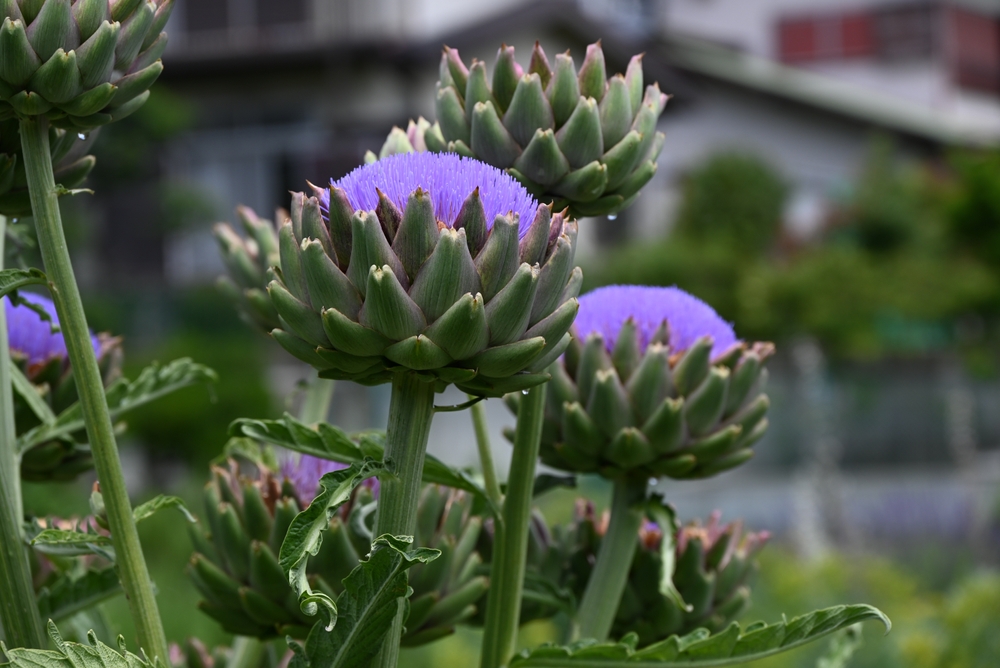
The artichoke plant features spiky, thorn-covered leaves that act as a natural deterrent to herbivores like deer and rabbits. These tough, jagged edges make it difficult for animals to feed on the plant. Artichokes thrive in well-drained soil with plenty of sunlight, and they require regular watering to grow strong. While they are usually grown as perennials, they can also be cultivated as annuals in cooler climates.
Artichokes can be grown in larger garden spaces, and they also make great edible plants, with the flowers forming edible buds. While the plant’s sharp leaves are a clear deterrent to pests, some care should be taken when harvesting the buds due to the spiny nature of the plant. Artichokes can also be grown indoors in containers, provided they receive enough sunlight and are watered regularly.
Sea Holly (Eryngium spp.)
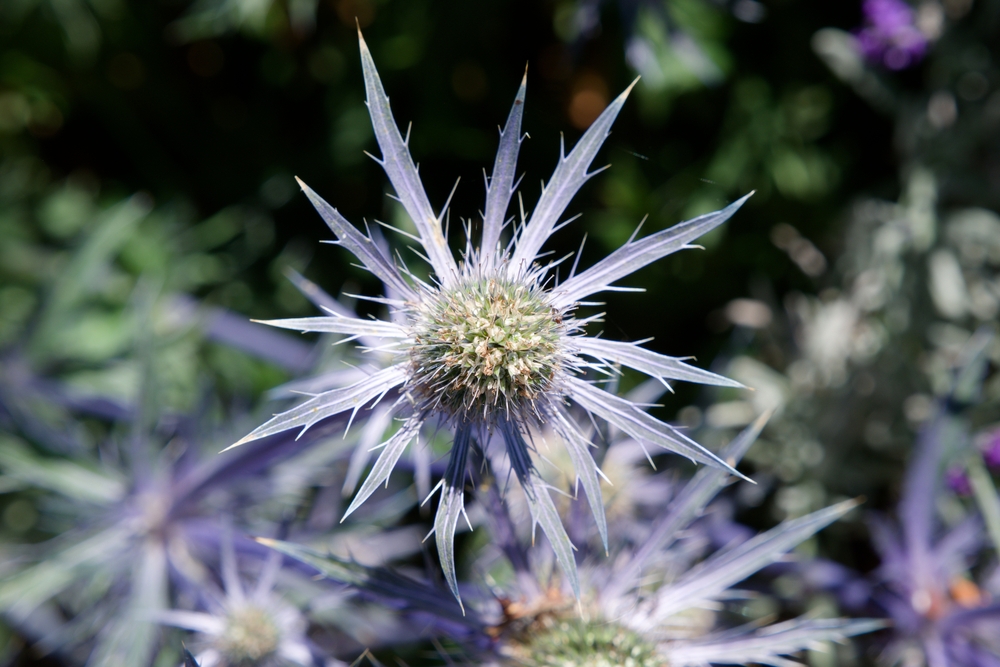
Sea holly is a striking plant known for its spiky blue flowers and thorny leaves. The sharp edges of the leaves and the stiff flowers make it unappealing to animals like deer and rabbits. Sea holly thrives in well-drained, sandy soil and prefers full sunlight to produce its vivid flowers. It is a hardy plant that tolerates drought and is easy to care for once established.
Often used as an ornamental plant, sea holly can be a fantastic addition to coastal gardens or flower beds. Its unique, spiky appearance adds texture and contrast to garden landscapes. Sea holly can also be grown indoors in pots as long as it has access to sufficient light. Although it is quite hardy, it benefits from occasional pruning to keep its shape and remove any dead blooms.
This article originally appeared on Avocadu.