
9 Rare Pieces of Paper Money From Short Lived Governments
Paper money from governments that didn’t stand the test of time has a certain charm that appeals to collectors. The short-lived nature of these governments often meant that only a small number of bills were ever printed, making them incredibly scarce. These notes not only have a unique design but also a fascinating story tied to a brief moment in history. Finding them can feel like uncovering a treasure, as they are some of the hardest to track down.
This post may contain affiliate links, which helps keep this content free. Please read our disclosure for more info.
1861 Confederate States of America $100 Bill
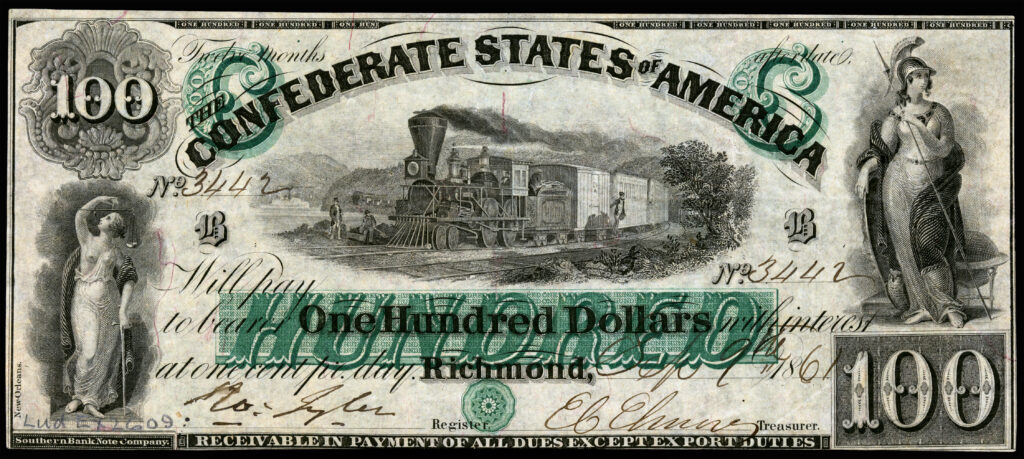
Issued during the Civil War by the Confederate States, this bill was part of an effort to create an independent currency. The Confederacy was short-lived, existing only from 1861 to 1865, and the paper money was largely worthless after the Union victory. Due to the short duration of the Confederacy and the eventual collapse of its economy, very few of these bills remain in good condition today. Depending on condition and rarity, the current market value can range from $1,000 to over $5,000 for high-grade examples.
Collectors value this bill for its historical significance and the rarity of surviving examples. The detailed engraving and the brief period during which it was used make it a prized find for numismatists. Finding this bill in excellent condition is a rare achievement, making it highly sought after in the collector’s market. Its connection to the American Civil War also adds to its appeal.
1839 Republic of Texas $50 Bill
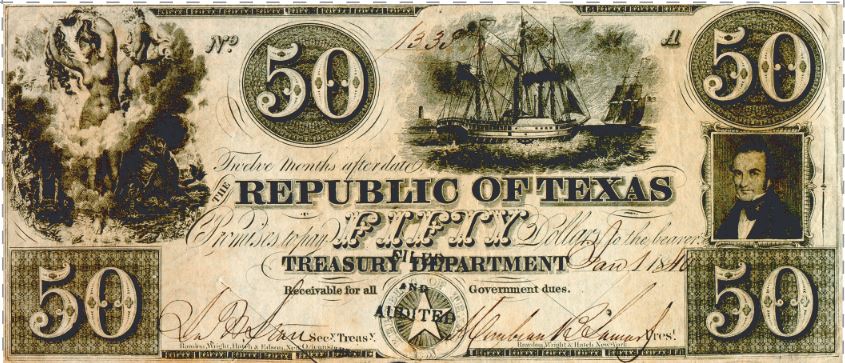
Issued by the Republic of Texas during its brief existence as an independent nation between 1836 and 1845, this $50 bill was part of an attempt to create a functioning economy. After Texas became a state in the United States, the currency quickly lost value and was largely replaced by U.S. dollars. Due to the short lifespan of the Republic, very few of these bills remain in circulation today. The value of a high-grade $50 bill from the Republic of Texas ranges from $3,000 to $10,000.
Collectors appreciate the historical significance of this bill, as it represents Texas’s brief time as an independent country. The intricate design of the bill, featuring symbols of the Republic, adds to its allure. Finding an intact example is difficult due to the limited number printed and the passage of time. The Republic of Texas paper money is especially prized by collectors of Texan and American historical artifacts.
1946 Republic of Indonesia 1 Rupiah
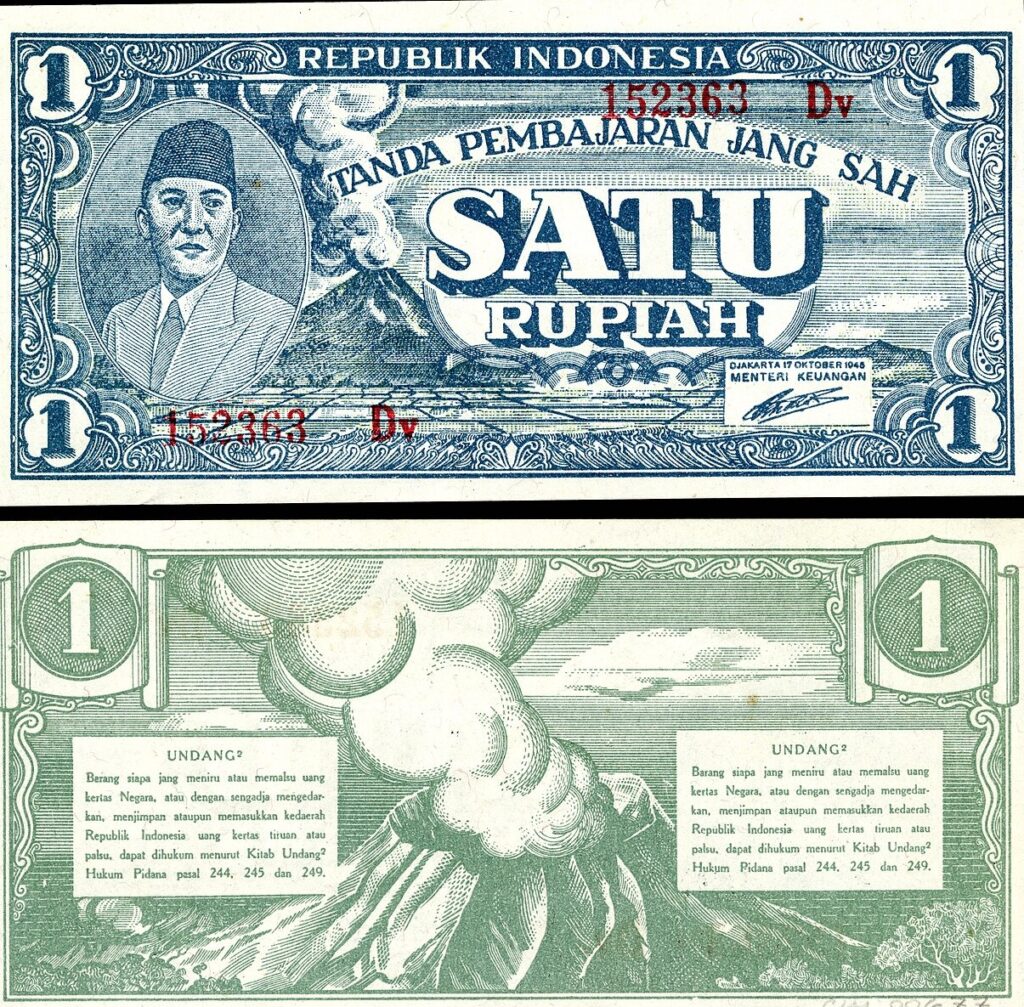
The Republic of Indonesia issued this 1 Rupiah note in 1949 during the turbulent years following the country’s independence from the Dutch. After the Republic was formally recognized, these early notes were replaced with new currency, making them rare. The market value for a well-preserved example of this note is generally between $500 and $2,000.
Collectors appreciate this note for its historical significance, representing a pivotal moment in Indonesia’s fight for independence. The design of the 1 Rupiah note is simple yet symbolic of the nation’s early days. The scarcity of these early issues makes them highly sought after, particularly by collectors of Southeast Asian currency. Finding one in excellent condition is a rare accomplishment for any numismatist.
1923 German Inflationary Currency 100,000,000 Mark
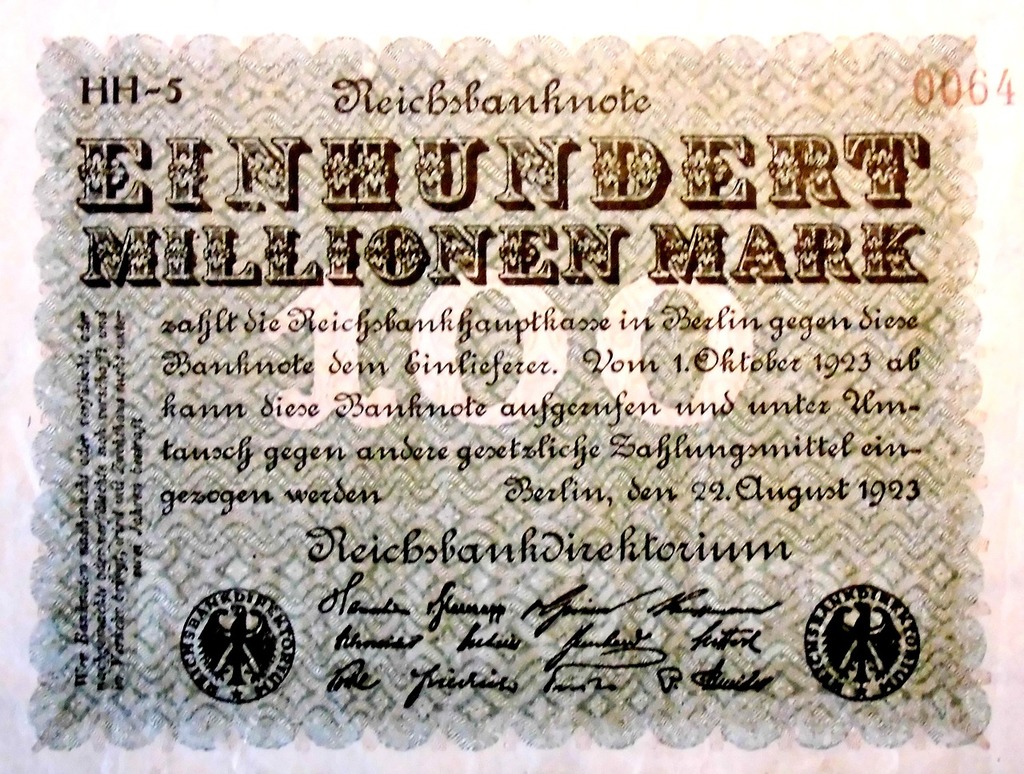
During the hyperinflation crisis in Germany in the early 1920s, the government issued massive denominations of paper money, including the 100,000,000 Mark note in 1923. This currency was used during the Weimar Republic’s economic collapse, which led to the devaluation of the German Mark. Due to the sheer amount of currency printed and the rapid inflation, very few of these bills remain in good condition today. They are currently valued between $400 and $1,500, depending on their condition.
The sheer size of the denomination and the historical context of Germany’s economic collapse make these notes fascinating for collectors. They serve as a reminder of one of the most significant hyperinflation periods in modern history. Many of these bills are worn and tattered, as they were often used in everyday transactions. However, those in mint condition or with original packaging are extremely valuable.
1917 Republic of China 1 Dollar
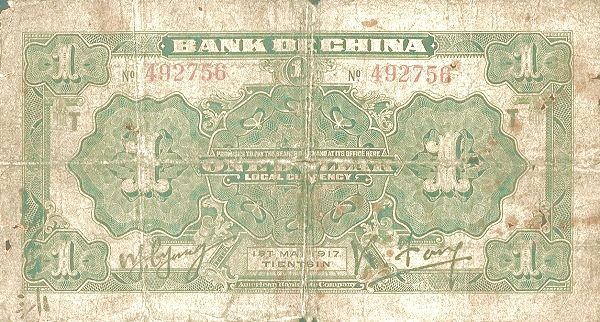
Issued just after the fall of the Qing Dynasty, this 1 Dollar note from the Republic of China in 1912 marks the beginning of a new era. The early Republic government quickly faced internal instability, and its currency became devalued as a result. This bill is hard to find in excellent condition, and it is estimated to be worth between $600 and $2,500 depending on its preservation.
The 1 Dollar note is valued for its connection to the brief but important early days of the Republic of China. The intricate designs and the symbolism behind the notes capture the transition from imperial rule to a republican government. Due to the short-lived nature of the early Republic, surviving examples are rare. Collectors are drawn to these notes for their historical value and artistic design.
1915 Mexican Revolution 10 Pesos
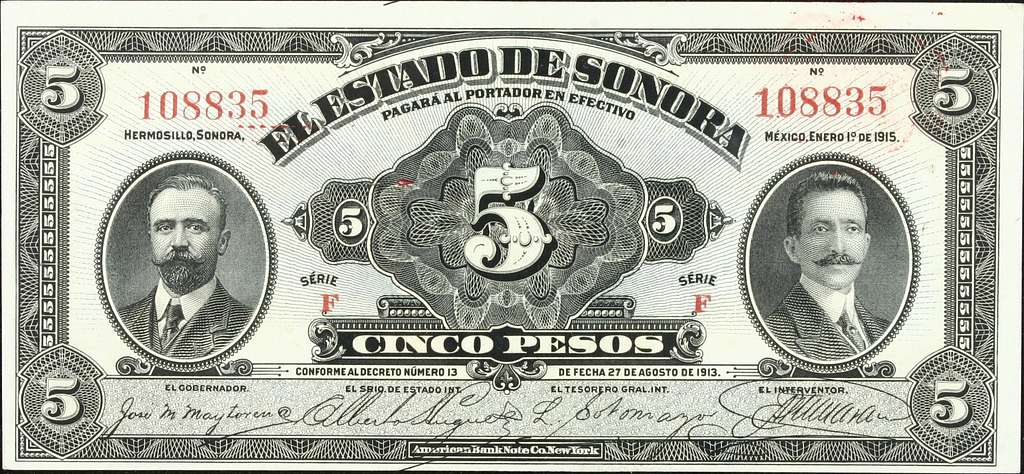
Issued during the Mexican Revolution, the 10 Pesos note from 1915 represents a time of great upheaval in Mexico’s history. The bill was part of a series printed by revolutionary factions that sought to replace the existing government currency. The note is valuable today, with an estimated market value ranging from $800 to $2,000.
The Mexican Revolution was a defining moment in the nation’s history, and this bill reflects the tumultuous political environment of the time. Collectors prize the 10 Pesos note for its historical significance and the limited run of currency issued during the revolution. The rarity of these notes, combined with their unique design, makes them highly sought after by numismatists. Those who find a well-preserved example often treasure it for its connection to Mexico’s fight for independence.
1947 Republic of Korea 5 Won
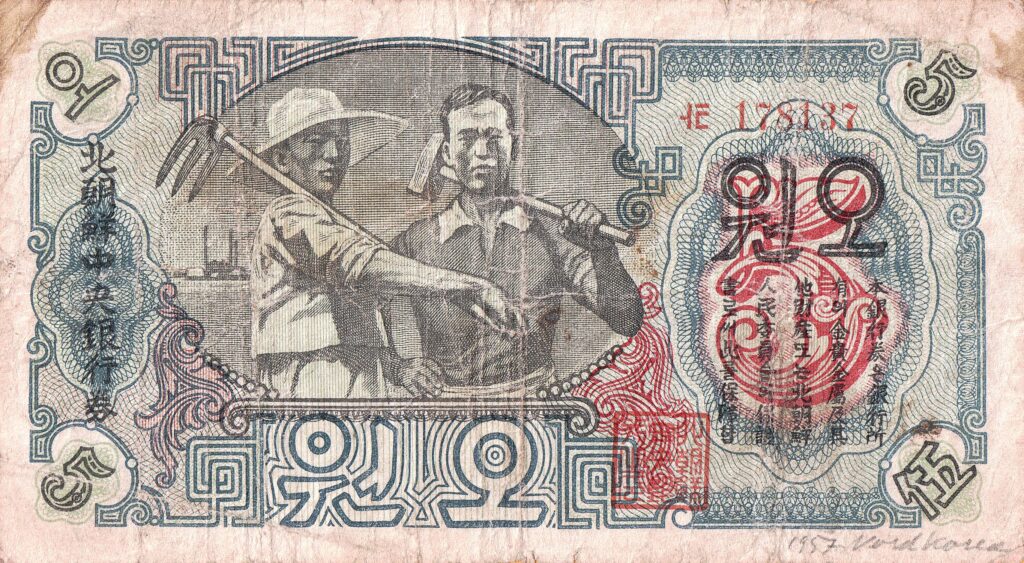
In the aftermath of World War II, the Republic of Korea issued the 5 Won note in 1947 as part of the currency reform following Japan’s occupation. The note is rare because the currency was quickly replaced with new denominations after the Korean War began. The current value of this note is estimated at $600 to $1,500, depending on the condition and completeness of the bill.
Collectors admire this bill for its connection to the early days of South Korea’s independence. The design is simple, featuring elements that reflect Korea’s culture and the transition to independence. Due to the brief use of this currency, finding one in good condition is a challenge. It is especially valuable to those interested in the history of the post-war period.
1943 Republic of the Philippines 10 Peso Bill
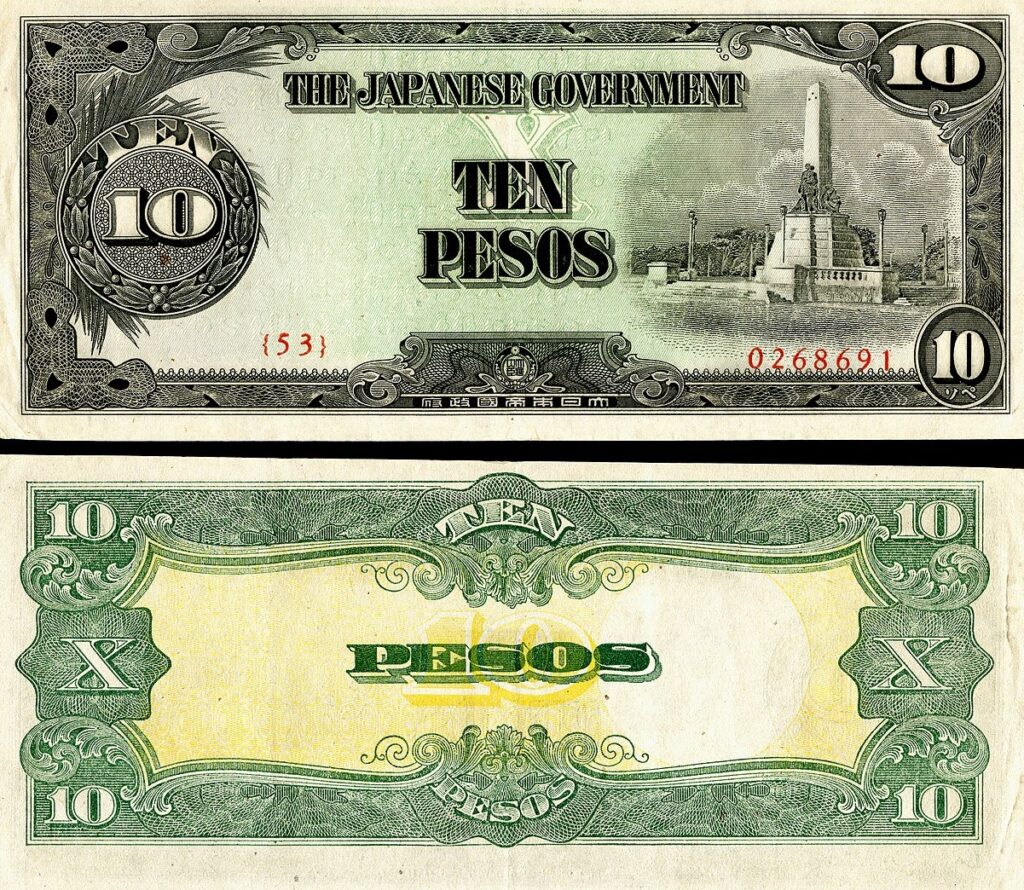
During the Japanese occupation of the Philippines in World War II, the Japanese issued a series of paper money, including the 10 Peso bill. The Philippines was under Japanese rule from 1942 to 1945, and the notes were quickly devalued after the country was liberated. Due to the short time frame in which these notes were in circulation, they are considered highly rare today. The market value for a high-quality example of this bill is between $500 and $2,000.
The 10 Peso bill is notable for its intricate design and the historical context of its use during the Japanese occupation. These notes were quickly rendered obsolete after the end of the war, making them hard to find in good condition today. The scarcity of these bills, coupled with their historical significance, makes them highly desirable to collectors. This currency is especially valuable to those interested in the history of the Philippines during World War II.
1929 Kingdom of Afghanistan 5 Afghani Note
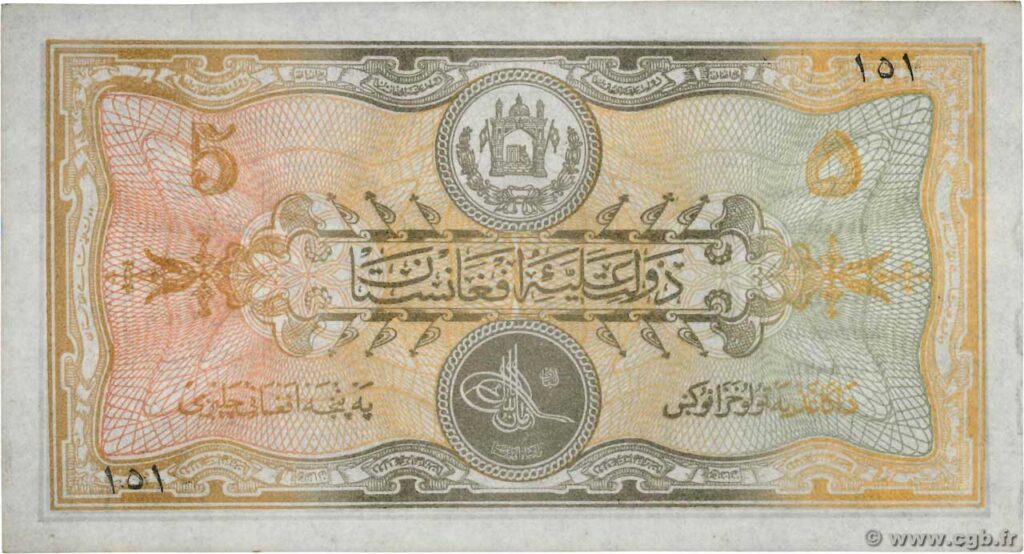
The Kingdom of Afghanistan briefly issued paper money during the reign of King Amanullah Khan in the late 1920s. The 5 Afghani note from 1929 is particularly rare, as the king was overthrown later that year, leading to the collapse of his reforms and the devaluation of the currency. These notes were quickly withdrawn from circulation and are difficult to find today, with a market value between $800 and $2,500 for well-preserved examples.
Collectors are drawn to the history behind this bill, as it represents a fleeting moment in Afghanistan’s modernization efforts. The 5 Afghani note features traditional Afghan designs and is a symbol of a short-lived experiment in currency reform. Because the bill was only in use for a short time before the government’s collapse, it remains one of the rarest examples of Afghan currency. High-grade examples in original condition are highly coveted by numismatists.
This article originally appeared on Avocadu.