
13 Old Growth Forest Species That Only Thrive in Untouched Habitats
Old-growth forests are some of the most remarkable ecosystems on the planet, housing species that have evolved over centuries in pristine, undisturbed environments. These forests are home to a variety of plants and trees that rely on the stability of untouched habitats to thrive. The deep roots of these species are intertwined with the unique conditions provided by mature forests, where the climate, soil, and other elements remain unaltered. Many of these species are not found anywhere else, as they need the protection of ancient trees and undisturbed landscapes to grow. Their presence signals a rare glimpse into a world that has remained largely unchanged for generations.
This post may contain affiliate links, which helps keep this content free. Please read our disclosure for more info.
Western Red Cedar (Thuja plicata)

The Western Red Cedar is a towering evergreen species found in the old-growth forests of the Pacific Northwest. Known for its large size and impressive longevity, these trees can live for over a thousand years, thriving in the moist, shaded environments of untouched forests. The bark of the Western Red Cedar is rich in tannins and has been historically used by Indigenous peoples for weaving, making clothing, and even creating canoes.
This species is deeply intertwined with the ecosystems of old-growth forests, providing shelter and food for various animals, including birds and mammals. The wood is aromatic and resistant to decay, making it valuable for building structures that endure. The presence of Western Red Cedars signals an environment that has remained largely undisturbed for centuries, as they struggle to grow in altered habitats. This tree is an indicator of forest health, thriving only in areas where the forest ecosystem has not been disrupted by human activity.
Mountain Ash (Eucalyptus regnans)
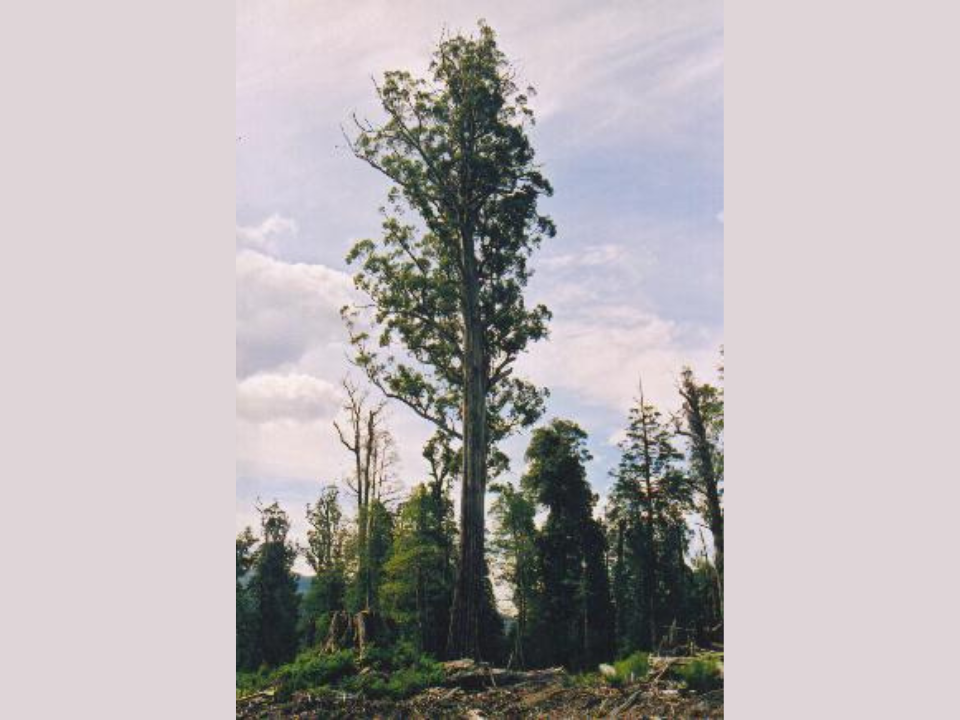
The Mountain Ash is one of the tallest flowering plants in the world, reaching impressive heights in the old-growth forests of Australia. These trees are known for their ability to grow to great heights due to the nutrient-rich soils and the humid, temperate climate of untouched forests. They form the canopy of the forests in which they reside, providing a vital habitat for many species of wildlife.
The Mountain Ash has adapted to survive in the cooler temperatures and constant rainfall of the regions where it is found. However, its sensitivity to disturbance means it does not thrive in areas that have been logged or heavily altered by human activity. The trees grow in clusters and are essential in maintaining the ecological balance of the forest by stabilizing the soil and promoting the growth of other plant species. Their seeds require the specific conditions found in old-growth environments to germinate successfully.
Pacific Yew (Taxus brevifolia)
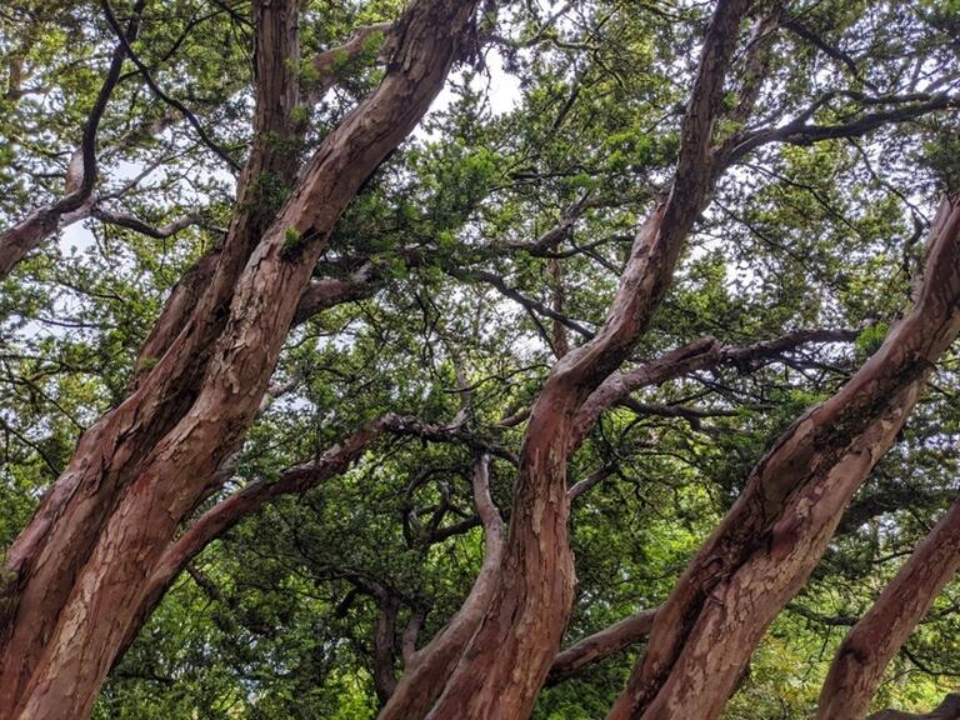
The Pacific Yew is a small to medium-sized evergreen tree that flourishes in the moist, shaded environments of North American old-growth forests. Known for its dense, dark green needles and reddish-brown bark, the Pacific Yew thrives in areas that have been largely untouched by human activity.
It has historically been valued for its wood, which is incredibly strong and durable, although its primary significance in modern times lies in its bark, which contains compounds used in cancer treatments. This tree is a slow grower, often found in the understory of older forests, where it enjoys the protection and humidity provided by mature trees. The Pacific Yew is not a species that can thrive in disturbed areas, making it an indicator of undisturbed ecosystems. It is often found in the shadow of larger trees like Douglas firs and Western Red Cedars, where it benefits from the protection and stability of the old-growth environment.
Douglas Fir (Pseudotsuga menziesii)
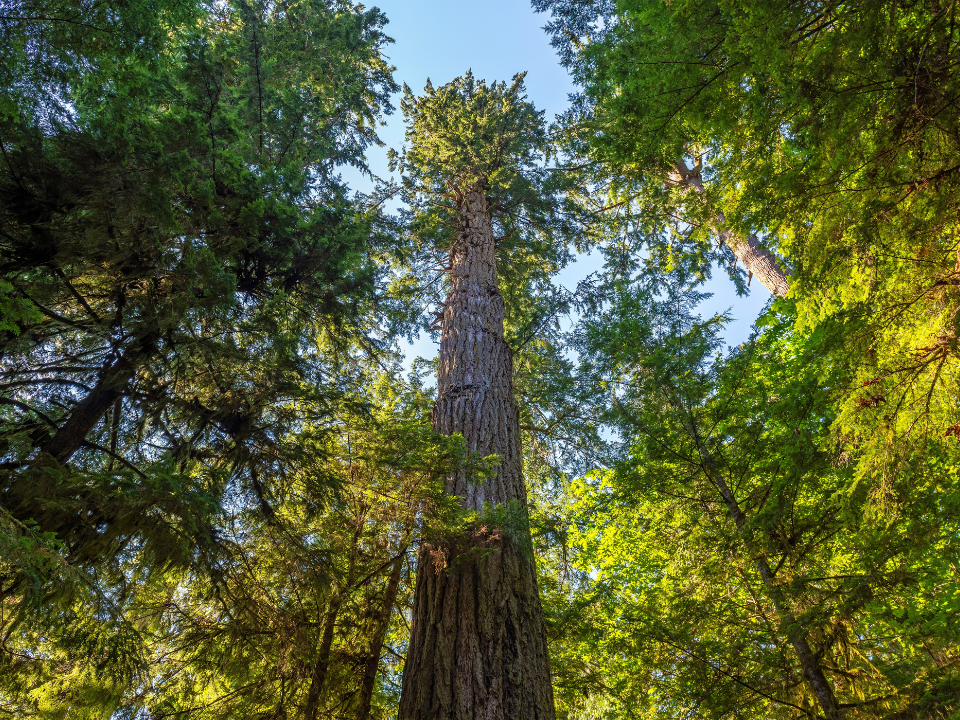
The Douglas Fir is a large coniferous tree found in the temperate rainforests of the Pacific Northwest, thriving in untouched habitats where the climate remains cool and moist. This species is vital to the structure of old-growth forests, forming large, dense canopies that house a diverse array of wildlife. Known for its tall, straight trunks and thick, spiny needles, the Douglas Fir plays an essential role in forest ecology by providing shelter for birds, insects, and mammals.
The wood is highly prized for its strength and versatility in construction, but it can only be sustainably harvested from forests that have grown back to their natural state after logging. In disturbed environments, the Douglas Fir’s ability to regenerate is hindered, making old-growth forests essential for its survival. Its presence indicates an ecosystem that has remained relatively stable for generations.
Redwoods (Sequoia sempervirens)

The Redwoods are perhaps the most iconic old-growth forest species, famous for their immense size and towering presence. These trees can reach over 300 feet in height and live for thousands of years. Found primarily in the coastal regions of California, the Redwoods thrive in fog-rich environments where moisture is abundant, and the forest floor remains cool and shaded.
The dense canopy they create supports a wide range of species, from birds and insects to mammals, all relying on the unique conditions of old-growth forests. Redwoods require the stability and undisturbed nature of ancient forests to reproduce successfully, as they are sensitive to disturbances. They play a critical role in carbon storage, helping to mitigate climate change by absorbing vast amounts of carbon dioxide over their long lives.
Sitka Spruce (Picea sitchensis)
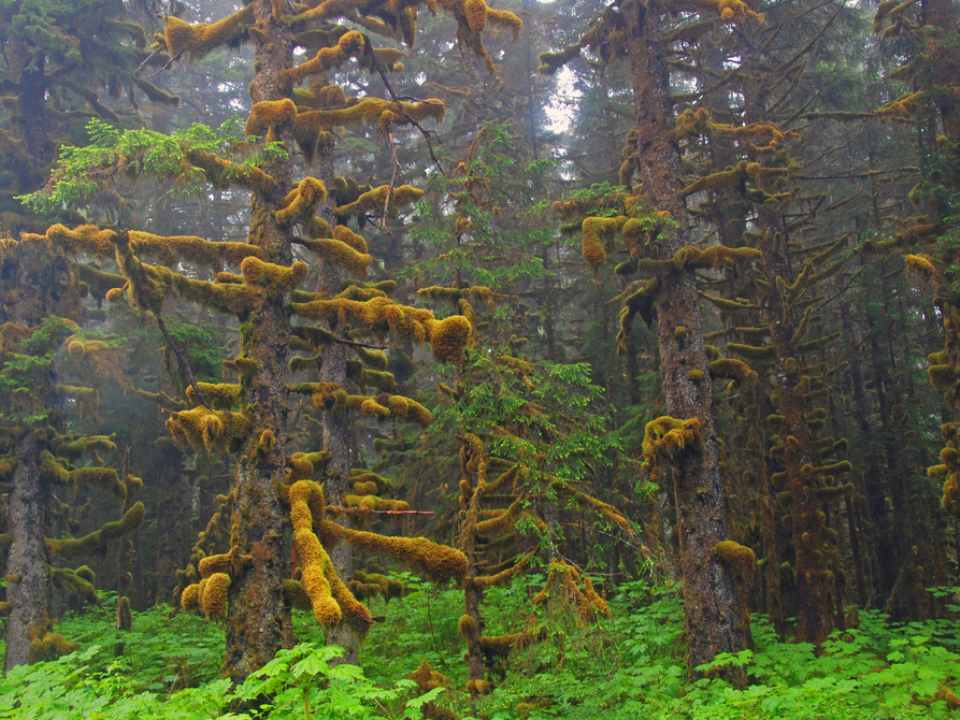
The Sitka Spruce is an iconic species found along the Pacific coast of North America, particularly in the coastal rainforests of Alaska and British Columbia. These trees are capable of growing to massive heights, reaching up to 200 feet, and they play an integral role in the structure of old-growth forests. The Sitka Spruce has a soft, flexible wood that is used in various industries, from construction to musical instrument making.
Its presence is a clear indicator of an untouched forest, as the tree is highly sensitive to environmental disturbances. Sitka Spruce trees rely on the stable conditions provided by old-growth forests, including the rich soil and consistent moisture levels. They also support a wide variety of wildlife, from small insects to large birds, that depend on the forest for food and shelter.
Bigleaf Maple (Acer macrophyllum)
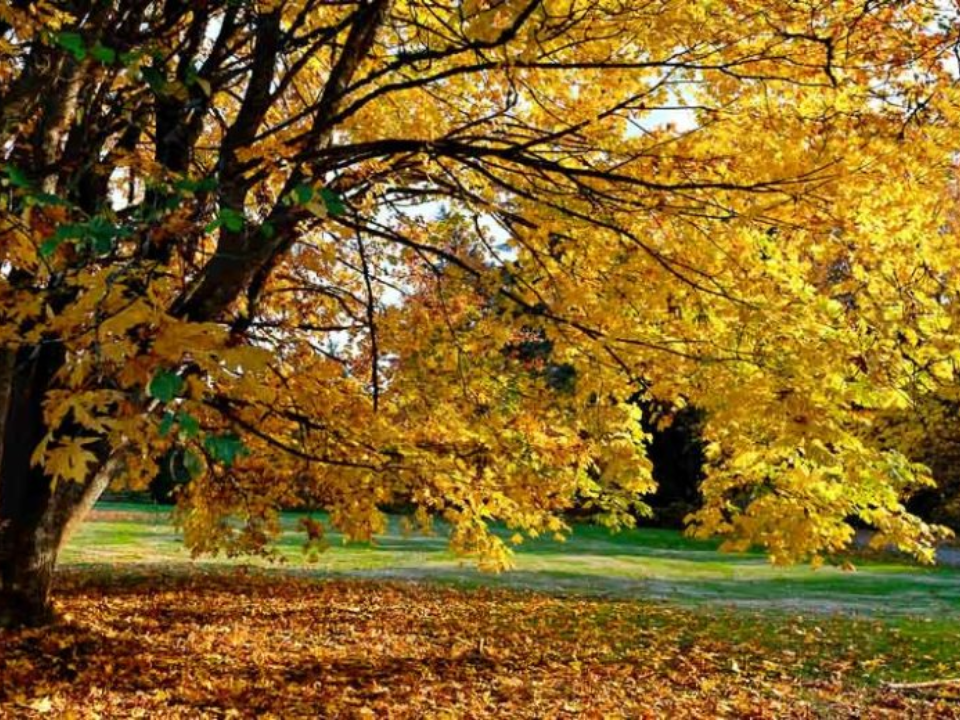
The Bigleaf Maple is a large deciduous tree found in the temperate rainforests of the Pacific Northwest. Known for its broad, distinctive leaves, this species thrives in the cool, wet conditions of untouched forests. It plays a vital role in forest ecology by providing food for wildlife, such as squirrels and birds, as well as offering habitat for mosses, ferns, and other plant species. The
Bigleaf Maple is an important component of the forest’s biodiversity, and its wood is highly valued for making furniture and musical instruments. However, this tree struggles to establish itself in disturbed habitats, making old-growth forests crucial for its survival. It is often found in the company of other tree species like Western Red Cedar and Douglas Fir, contributing to the diversity of the ecosystem.
Yellow Cedar (Cupressus nootkatensis)
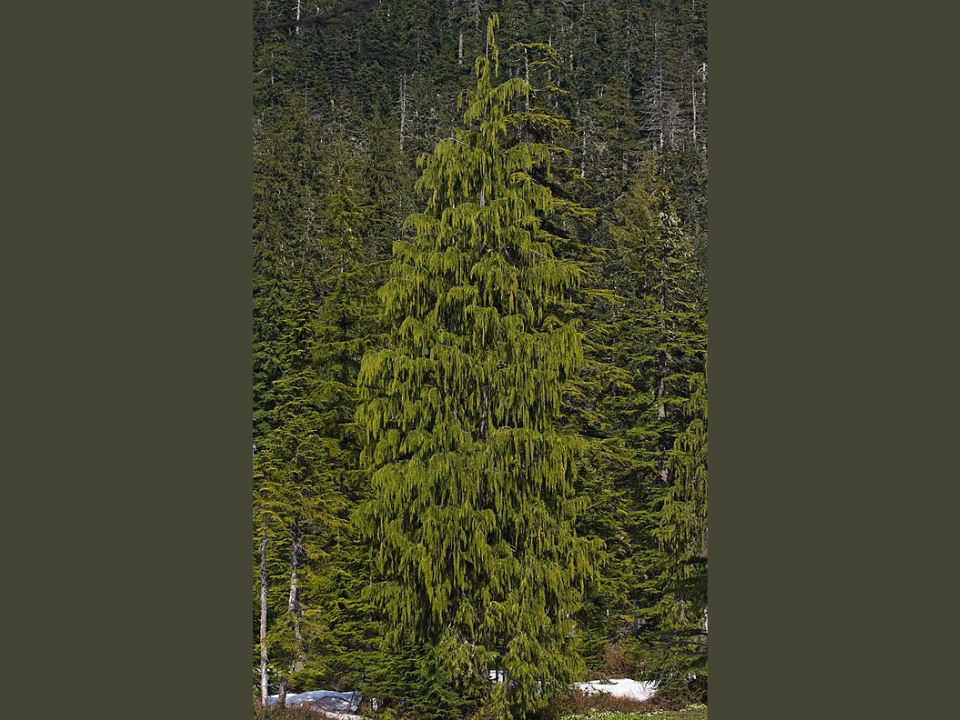
The Yellow Cedar is a slow-growing coniferous tree found in the high elevations and coastal regions of the Pacific Northwest. It is highly prized for its wood, which is exceptionally resistant to decay, making it valuable in construction, especially in maritime environments. The Yellow Cedar is highly sensitive to climate change and disturbances, and it thrives only in the protected, stable conditions of old-growth forests.
These trees can live for over a thousand years, with some individuals being found in ancient forests that have never been logged. Their slow growth and unique wood make them a valuable species in understanding the health of the forest ecosystem. In forests that have been disturbed, the Yellow Cedar’s ability to regenerate is severely compromised, which is why it is crucial to protect old-growth habitats.
Red Maple (Acer rubrum)
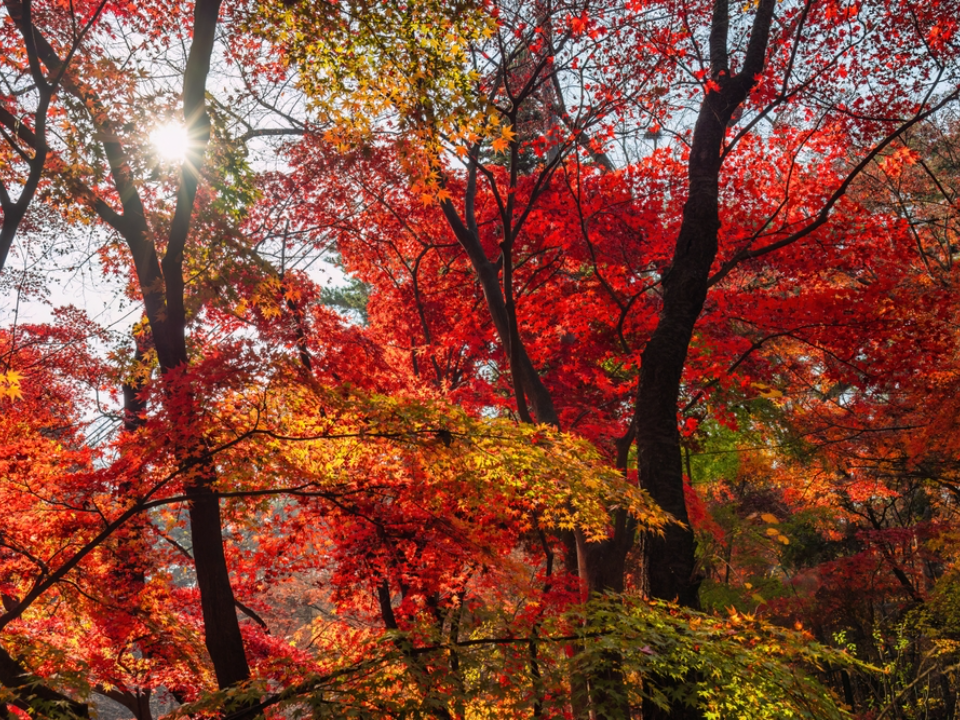
The Red Maple is a fast-growing deciduous tree native to North America, often found in the rich soils of old-growth forests. It is known for its stunning red foliage in the fall and for being highly adaptable to a variety of forest types. However, Red Maples thrive best in undisturbed habitats where the forest canopy provides the ideal mix of shade and sunlight.
These trees play a significant role in forest ecosystems by providing a source of food for various wildlife, including birds and squirrels, through their seeds and sap. The wood of the Red Maple is used in furniture making, but its natural habitat, free from human interference, is critical for the species to continue growing and reproducing. Red Maples are sensitive to changes in their environment and may struggle to establish themselves in areas that have been disturbed or logged.
Black Spruce (Picea mariana)
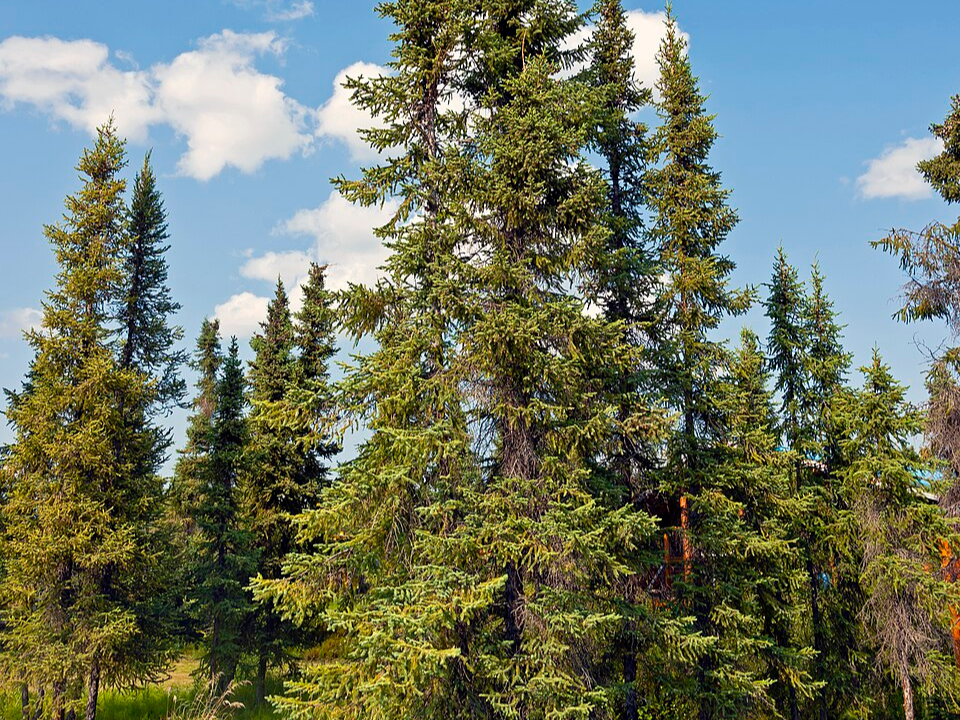
Black Spruce is a coniferous tree native to the northern regions of North America, often found in old-growth boreal forests. These trees are well-adapted to cold climates and thrive in the moist, nutrient-poor soils of ancient, untouched habitats. Black Spruce has a distinctive blue-green appearance and is an essential part of the ecosystem in these forests, providing habitat for a variety of wildlife, including moose and various bird species.
The tree’s wood is used for paper and construction materials, but it is the species’ role in maintaining the ecological balance of old-growth forests that is truly valuable. These trees have evolved to grow slowly and are highly sensitive to changes in their environment, making them reliant on the stability of undisturbed habitats for survival.
Eastern Hemlock (Tsuga canadensis)
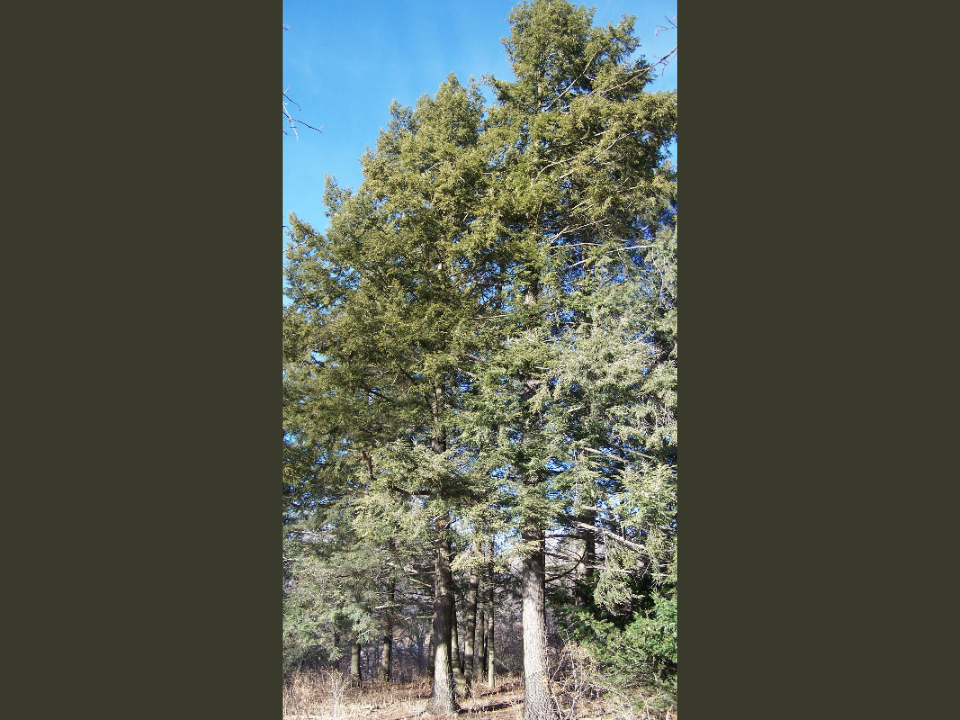
The Eastern Hemlock is a large coniferous tree native to the northeastern United States and eastern Canada, where it thrives in the shaded, moist conditions of old-growth forests. Known for its soft, evergreen needles and graceful appearance, the Eastern Hemlock is a vital part of forest ecosystems, offering shelter and food to various species.
The tree’s wood is highly valued for its durability, but the species is highly vulnerable to pests and diseases when not in its natural habitat. In disturbed forests, the Eastern Hemlock’s ability to regenerate is significantly hindered. These trees require the protection and stability of undisturbed forests to thrive, as they are highly sensitive to environmental changes and are slow to establish themselves in altered landscapes.
Paper Birch (Betula papyrifera)

The Paper Birch is a deciduous tree known for its striking white bark and the vibrant golden-yellow color of its leaves in the fall. It thrives in the cooler climates of old-growth forests, particularly in the northern regions of North America. This species is highly valued for its distinctive bark, which has been historically used by Indigenous peoples for making canoes, baskets, and even writing materials.
The Paper Birch is a pioneer species, often being one of the first to colonize disturbed lands, but it requires the stable conditions of old-growth forests to continue thriving. Its role in these ecosystems includes providing habitat for various species of birds and mammals. However, Paper Birch trees are sensitive to changes in the forest canopy and can struggle to grow in altered environments.
Shagbark Hickory (Carya ovata)
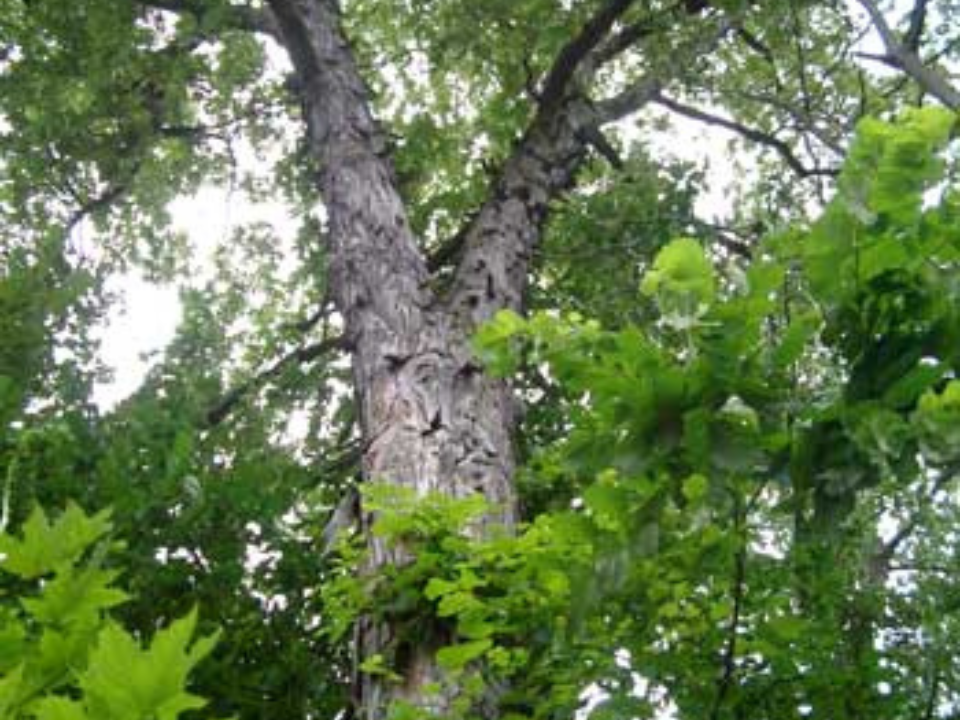
The Shagbark Hickory is a deciduous tree native to the forests of eastern North America. It is known for its unique bark, which peels off in long strips, revealing a smooth surface beneath. The Shagbark Hickory thrives in the rich, well-drained soils of old-growth forests, where the canopy provides the ideal mix of sunlight and shade.
This species produces edible nuts that are an important food source for wildlife, including squirrels, birds, and deer. The Shagbark Hickory’s slow growth and sensitivity to environmental changes make it particularly vulnerable in disturbed habitats. It is primarily found in mature, undisturbed forests, where it plays a key role in maintaining the biodiversity and stability of the ecosystem.
This article originally appeared on Avocadu.