
12 Rare Flowers with Origins That Go Back Millions of Years
Flowers have a remarkable way of connecting us to the past, and some of them have histories that stretch back millions of years. These ancient blooms have witnessed the rise and fall of entire ecosystems, surviving through shifting climates and geological changes. While many flowers have evolved over time, a select few have remained remarkably similar to their ancient ancestors. Their unique beauty and resilience make them a fascinating glimpse into Earth’s distant past. These flowers offer more than just stunning petals, they tell the story of survival, adaptation, and the ever-changing world around them.
This post may contain affiliate links, which helps keep this content free. Please read our disclosure for more info.
King Protea (Protea cynaroides)
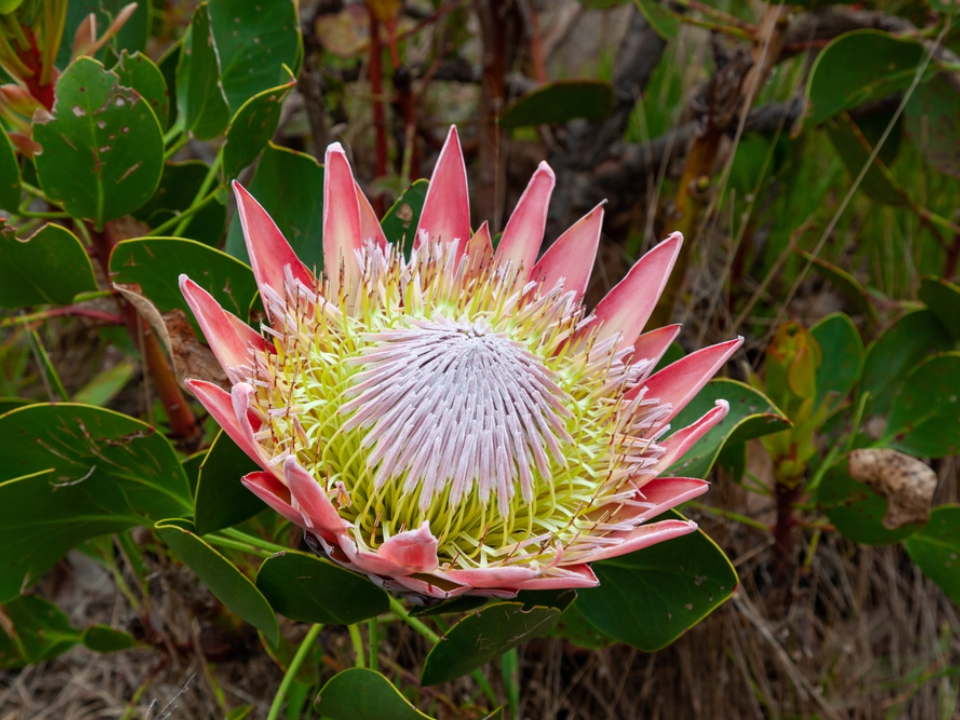
The King Protea, a striking flower native to South Africa, is one of the oldest flowering plants in the world. It has been around for over 300 million years, having evolved during the Gondwana supercontinent. Known for its large, spiky blooms resembling a crown, the King Protea is the national flower of South Africa.
It thrives in fynbos ecosystems, an area rich in biodiversity but vulnerable to human activity. The flower has adapted to survive in nutrient-poor soils by developing specialized root systems that help it absorb essential nutrients. The King Protea’s beauty and historical significance have made it a favorite in ornamental gardening and floral arrangements. Its ability to endure harsh climates and diverse conditions speaks to its ancient and enduring lineage.
Sago Palm (Cycas revoluta)
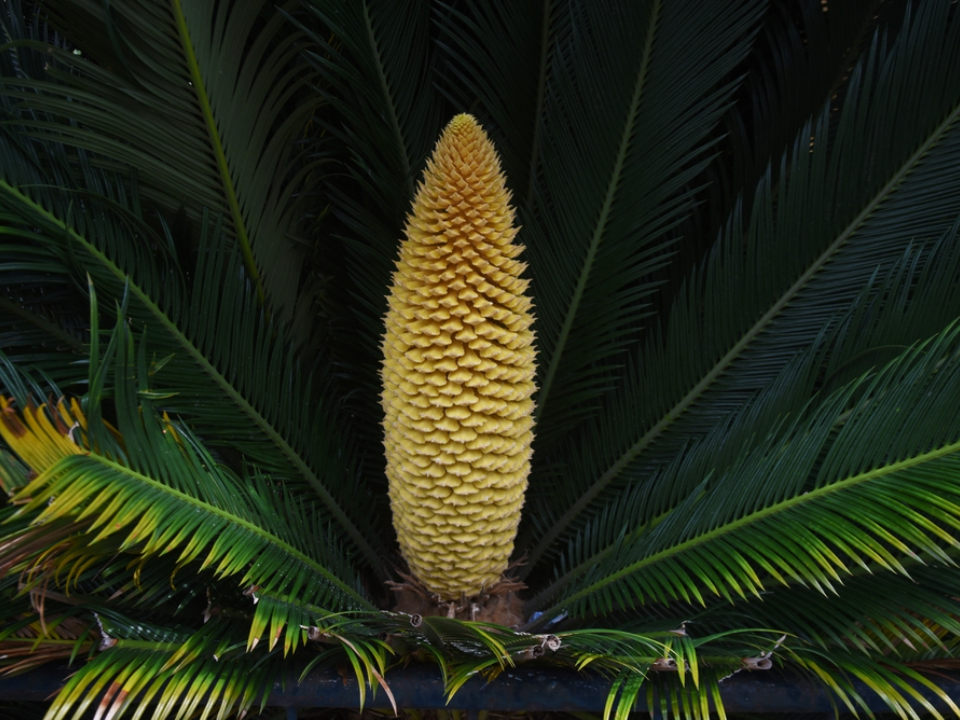
The Sago Palm is not a true palm but a cycad, a plant group that dates back to the age of the dinosaurs. This ancient species has been around for approximately 250 million years. Despite its palm-like appearance, the Sago Palm is more closely related to conifers and ginkgoes. Native to Japan and the Far East, it thrives in subtropical climates and is often cultivated as a decorative plant.
The plant’s large, feathery leaves and stout trunk make it an attractive addition to gardens and landscapes. However, the Sago Palm is highly toxic if consumed, a defense mechanism it developed over millennia to deter herbivores. The Sago Palm’s survival across different eras shows its adaptability and resilience in the face of changing environmental conditions.
Baobab (Adansonia)
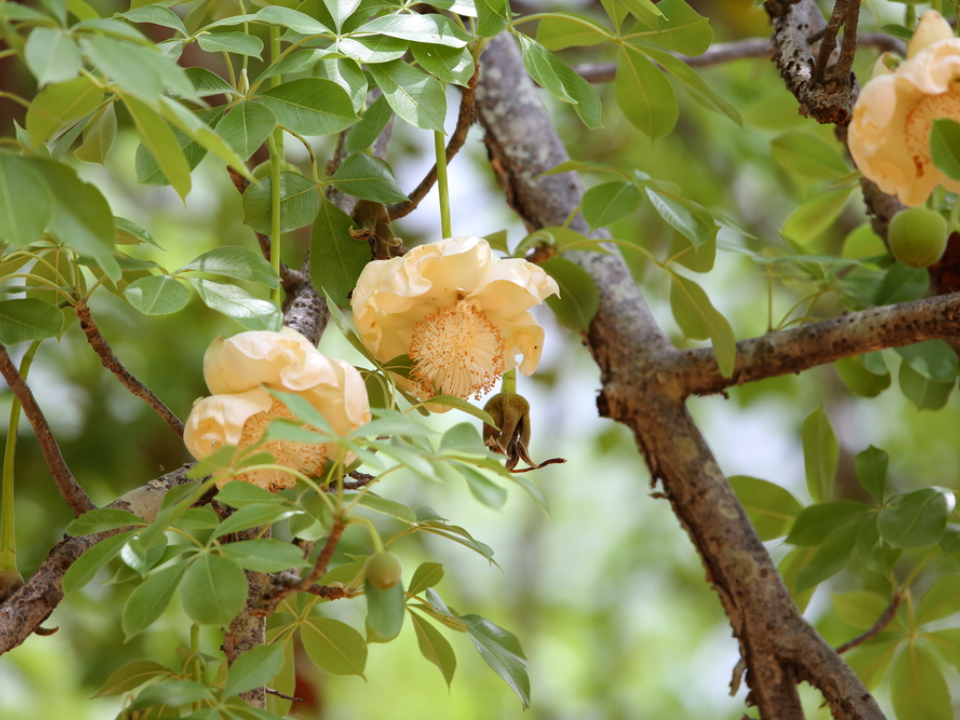
The Baobab tree, known for its massive trunk and wide canopy, is one of the oldest and most iconic tree species in the world. With a history that spans over 13 million years, Baobabs have long been a staple in African culture, often referred to as the “tree of life.” These trees are found primarily in Madagascar, mainland Africa, and Australia, and they can live for over 1,000 years. The Baobab’s ability to store large amounts of water in its trunk allows it to survive in arid conditions.
Its large fruit is rich in vitamin C and has been used by indigenous people for centuries. Baobabs also play a vital role in the local ecosystem, providing shelter and sustenance to a variety of animals. Their long-standing presence on Earth and their unique characteristics make them a living link to ancient plant life.
Shenzhen Nongke Orchid (Shenzhen Nongke)
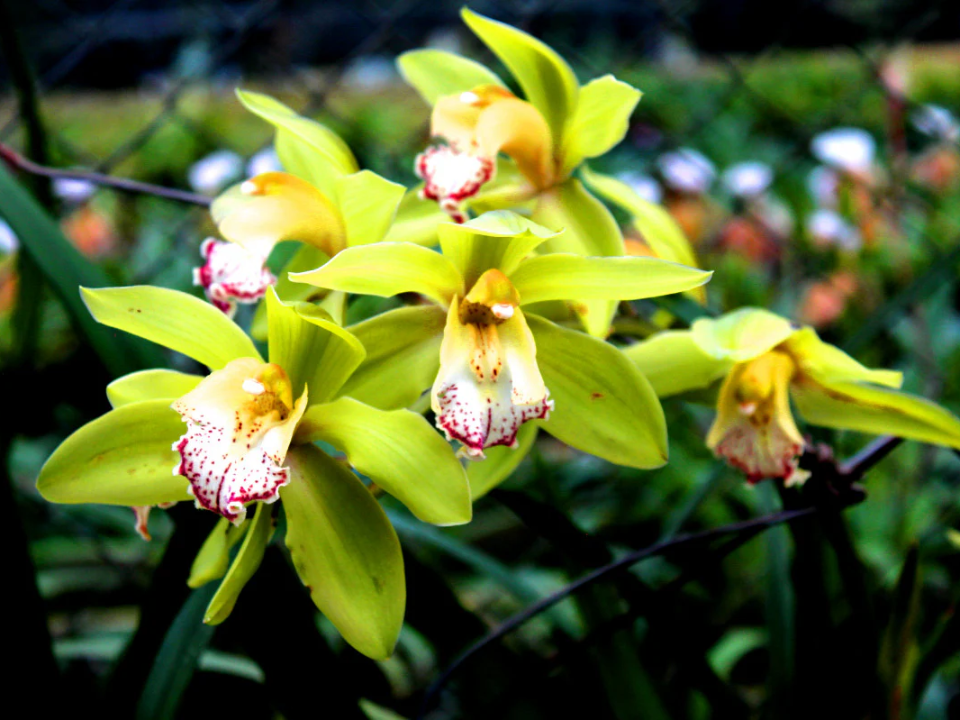
The Shenzhen Nongke Orchid is a rare and highly prized flower with origins dating back to the early 21st century, but its development is deeply tied to a rich history of cultivation. It was bred in China by agricultural researchers, and its creation is a mix of modern scientific advancements and ancient agricultural practices. This orchid is distinct for its stunning appearance and the years it took to cultivate, with some claiming it took up to 8 years to develop the first flower.
The Shenzhen Nongke Orchid has been sold for astronomical amounts at auctions due to its rarity and the effort behind its creation. Its unique blend of colors and intricate petal structure make it a symbol of luxury and exclusivity. While the flower’s roots are modern, its cultivation methods echo practices that date back thousands of years in Chinese horticulture. It represents the intersection of ancient techniques and modern innovation in the world of rare plants.
Titan Arum (Amorphophallus titanum)
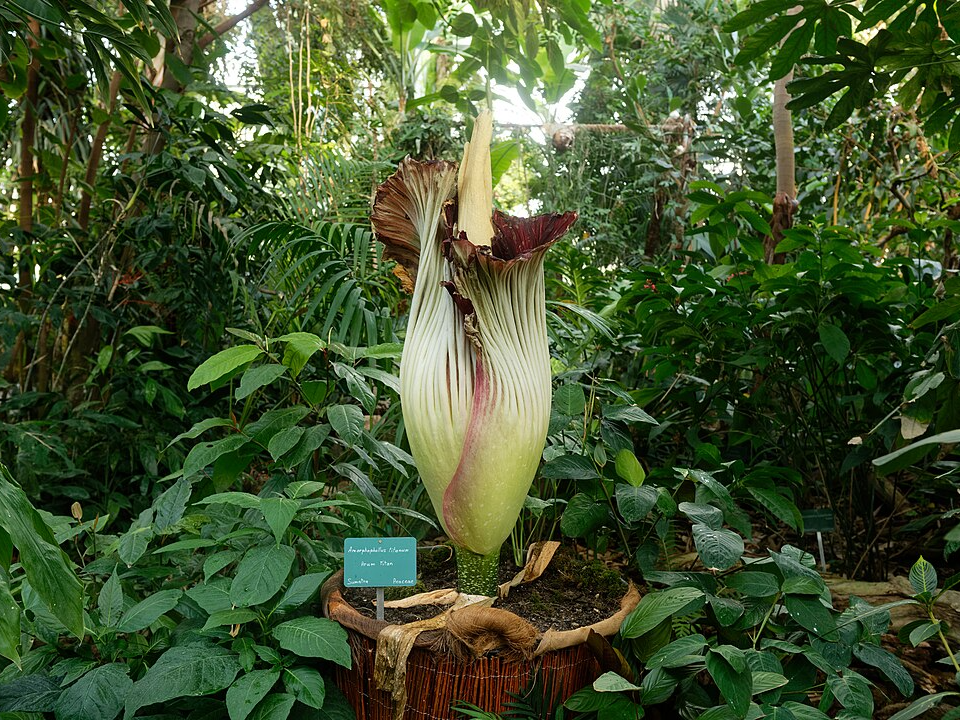
The Titan Arum, often called the “corpse flower,” is famous for its immense size and foul odor, which resembles that of rotting flesh. Native to the rainforests of Sumatra, Indonesia, this flower has one of the largest single flowers in the plant kingdom. The Titan Arum can grow up to 10 feet tall, with a spadix (the central column) that expands dramatically before it blooms. Despite its recent popularity, the Titan Arum has ancient origins, dating back to over 80 million years ago.
It blooms only once every few years and its flowering is unpredictable, making it an elusive and rare spectacle. The plant’s scent, which attracts carrion-feeding beetles and flies, plays a crucial role in its pollination. The Titan Arum’s survival through millennia and its continued existence in the modern world highlight the persistence of ancient plant life.
Rafflesia arnoldii (Corpse Flower)
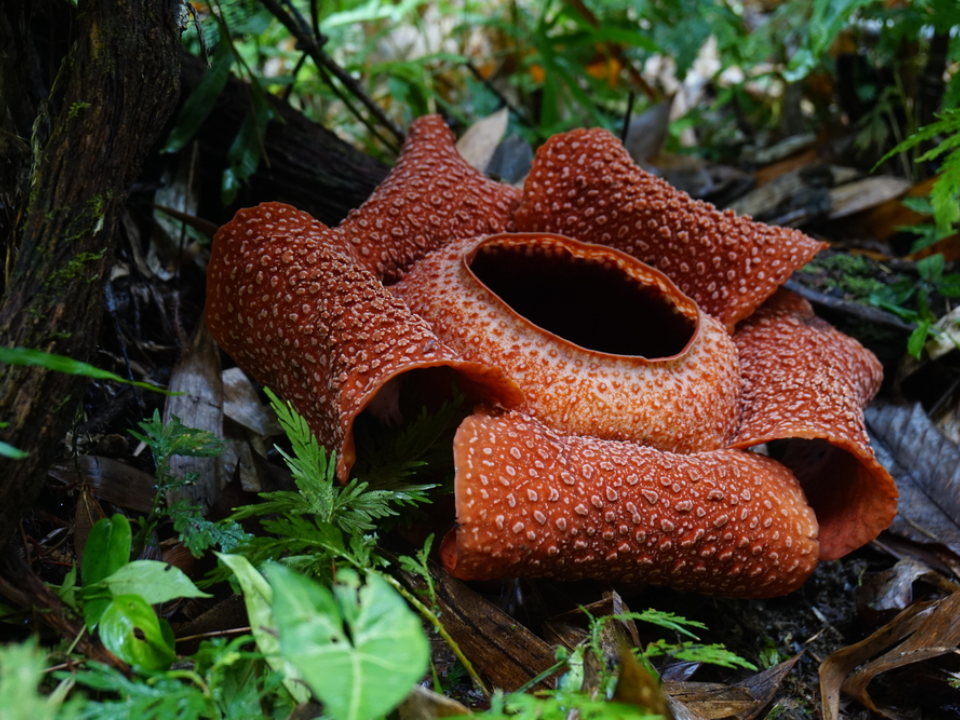
Rafflesia arnoldii, known for producing the largest individual flower in the world, is another rare flower with origins that stretch back millions of years. This parasitic plant is found in the rainforests of Southeast Asia, particularly in Indonesia and Malaysia. The flower, which can measure up to 3 feet in diameter, is infamous for its pungent odor, which has earned it the nickname “corpse flower.”
Despite its unpleasant scent, the Rafflesia plays a vital role in the ecosystem, attracting insects that help pollinate it. The flower blooms infrequently, making it a highly anticipated and rare event for botanists and nature enthusiasts alike. The plant has no stems, leaves, or roots of its own and relies on a host plant for nutrients. Rafflesia’s ancient lineage and its ability to survive in modern rainforests make it an extraordinary living fossil.
Pitcher Plant (Nepenthes)

Pitcher plants are carnivorous plants that have evolved over millions of years to catch and digest insects. These fascinating plants have specialized leaves that form into deep, tubular pitchers filled with digestive fluids. The earliest evidence of pitcher plants dates back to around 100 million years ago during the Cretaceous period. Found mostly in tropical and subtropical regions of Southeast Asia, Australia, and Madagascar, pitcher plants are adapted to thrive in nutrient-poor soils by obtaining nutrients from insects.
The plants’ vibrant colors and unique structure make them both an ecological marvel and a gardener’s delight. They rely on a combination of scent, nectar, and colorful patterns to lure insects into their traps. Their survival over millions of years showcases the extraordinary adaptability of these ancient plants.
Monkey Puzzle Tree (Araucaria araucana)

Native to Chile and Argentina, the Monkey Puzzle Tree is an evergreen that has existed for more than 200 million years. It belongs to an ancient genus of trees that were once widespread across the Southern Hemisphere during the Mesozoic era. With its spiny, triangular leaves and a tall, symmetrical trunk, the tree’s unusual appearance is a defining characteristic.
The tree can live for up to 1,000 years, and its unique foliage has helped it survive through centuries of environmental changes. The Monkey Puzzle Tree is so named because its branches are said to be so spiky that a monkey would have trouble climbing them. While its survival is a testament to ancient plant life, it is now considered endangered due to deforestation and climate change. This tree’s rarity and longevity make it a symbol of resilience in the face of adversity.
Lotus (Nelumbo nucifera)
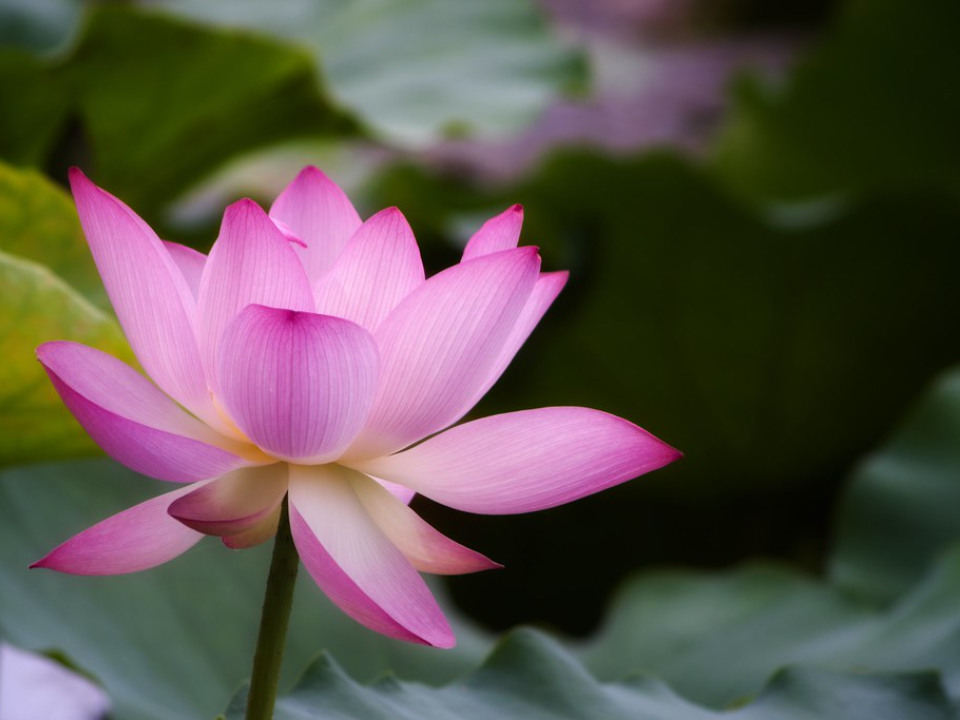
The Lotus flower, known for its beauty and spiritual significance, is one of the oldest flowers on Earth, with fossils dating back over 100 million years. Native to Asia, the Lotus has been a symbol of purity, enlightenment, and rebirth in various cultures, particularly in Hinduism and Buddhism. The flower thrives in shallow ponds, growing from the mud while its petals float elegantly on the surface.
Lotus flowers are known for their ability to bloom even in the most challenging conditions, a trait that has been cultivated and revered for centuries. The plant’s roots, stems, and seeds are used in traditional medicine, further cementing its cultural and historical importance. Despite its ancient origins, the Lotus remains a symbol of resilience and beauty in modern gardens and spiritual practices around the world.
Silk Tree (Albizia julibrissin)
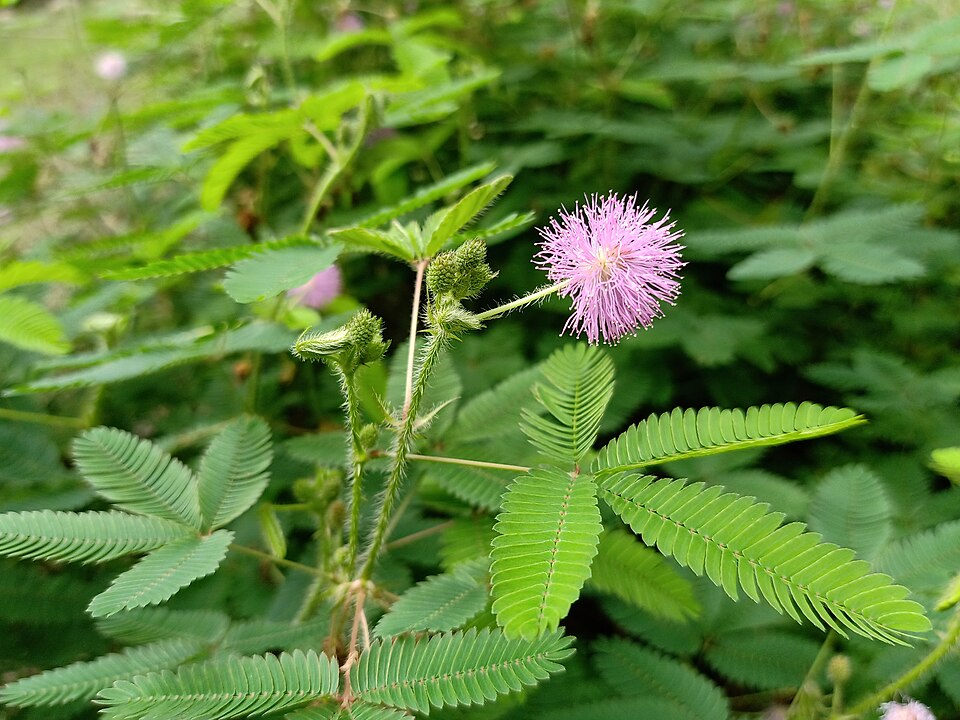
The Silk Tree, also known as Mimosa, is a flowering plant native to Asia, with origins tracing back to over 70 million years ago. Known for its pink, fluffy flowers that resemble silk, the Silk Tree is both striking and functional. It thrives in warm, temperate regions, and its roots help to enrich the soil by fixing nitrogen, benefiting surrounding plants.
While its history dates back millions of years, the Silk Tree has become a common ornamental tree in many parts of the world. Its flowers, leaves, and seeds have been used in traditional medicine for centuries. Despite its ancient roots, the Silk Tree’s rapid growth and vibrant appearance make it a popular choice for landscaping. Its ancient origins and the role it plays in ecosystems highlight the connection between nature’s past and present.
Jade Vine (Strongylodon macrobotrys)

The Jade Vine, native to the Philippines, is a rare and beautiful flowering plant that has been around for over 60 million years. Known for its stunning turquoise flowers, the Jade Vine blooms in clusters that resemble hanging beads. This plant grows primarily in tropical rainforests and is an important part of the ecosystem.
The Jade Vine’s flowers attract pollinators like bats, which play a crucial role in its reproduction. While it was once more widespread, the Jade Vine’s rarity today makes it a highly sought-after plant for horticulturists and collectors. The plant’s unique color and striking appearance, along with its ancient origins, make it a truly special species. Its place in the natural world links modern biodiversity to Earth’s distant past.
Cyclamen (Cyclamen persicum)
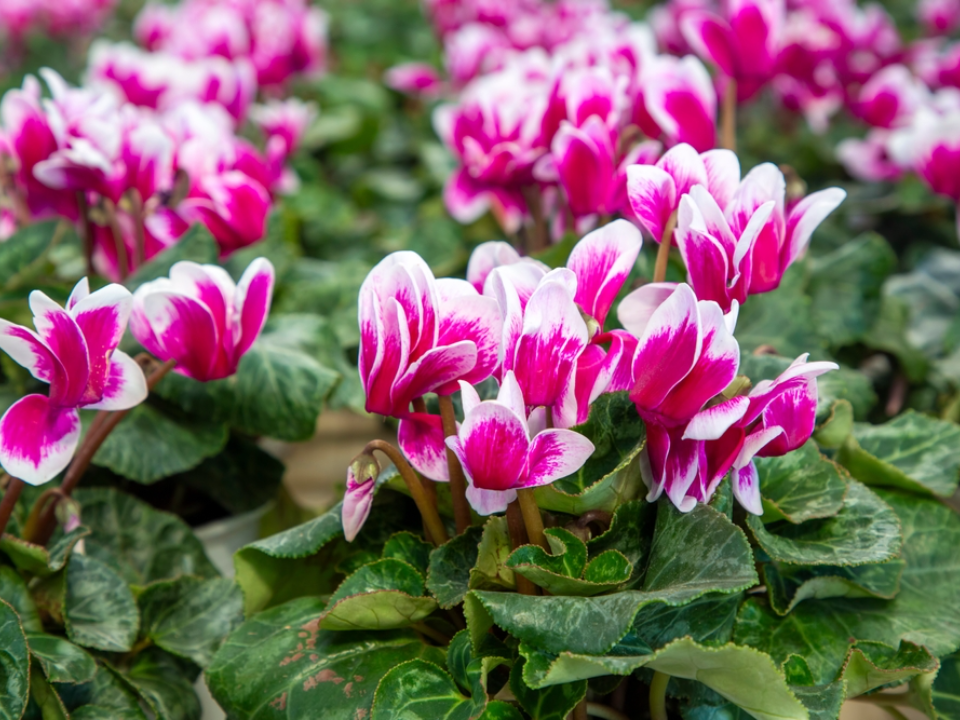
Cyclamen flowers have been around for over 100 million years, making them a fascinating example of plant evolution. Native to the Mediterranean region, these flowers bloom in the winter, offering a splash of color during the colder months. Their heart-shaped leaves and vibrant, upward-facing flowers have made them popular in gardens and homes alike.
Cyclamens are known for their resilience, able to withstand frost and survive in dry conditions by going dormant in the summer. The plant’s unique ability to regenerate from its tuber each year speaks to its evolutionary strength. Cyclamens have been cultivated for centuries and are featured in a variety of cultural practices. Their ancient lineage and long-standing presence in human history make them a symbol of enduring beauty.
This article originally appeared on Avocadu.