
12 Unique Plants That Look Completely Different As They Grow
Have you ever planted a seed and been amazed to watch it grow into something that looks nothing like its original form? Some plants undergo such dramatic transformations that they almost appear to be two different species. These fascinating changes can make gardening even more interesting. The process of growth in these plants shows how adaptable nature can be.
This post may contain affiliate links, which helps keep this content free. Please read our disclosure for more info.
Cottonwood Tree (Populus deltoides)
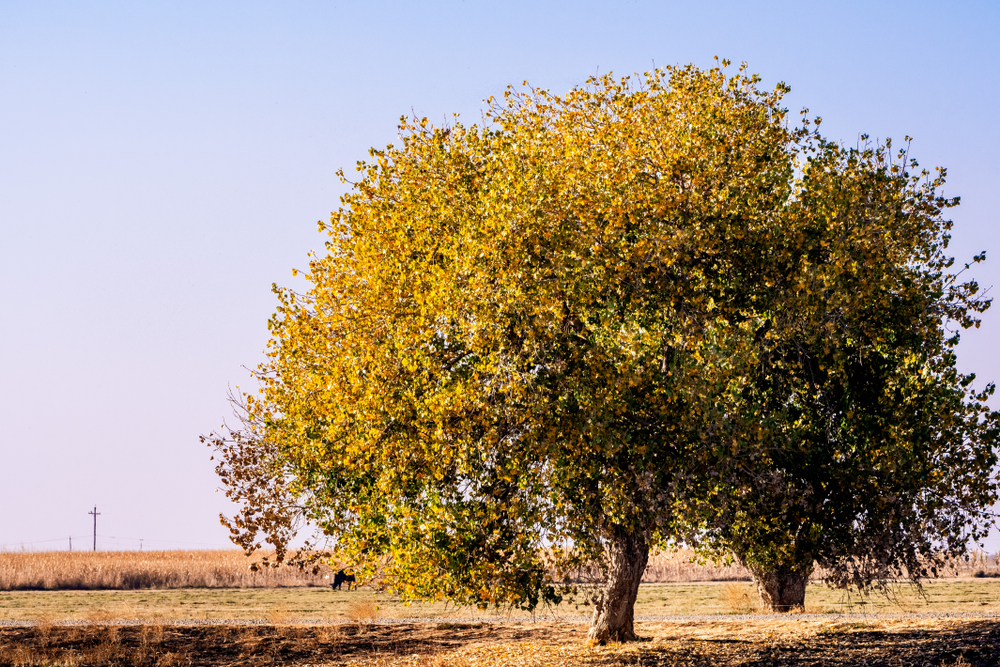
Cottonwood trees start their life as small saplings with thin, elongated leaves. As they mature, their leaves become broader, and the tree develops a strong, tall trunk with expansive branches. The change from a thin, flexible sapling to a towering tree is essential for the plant’s ability to withstand strong winds and grow tall. The cottonwood’s broad leaves help it capture more sunlight, which is necessary for sustaining its large size as it continues to grow.
This shift in form allows the cottonwood to thrive in various environments, particularly near water where it can spread its seeds. Over time, the tree’s bark changes from smooth to deeply furrowed, which provides further protection. The rapid growth and transformation of cottonwoods make them an excellent example of plants that adapt to their surroundings as they mature.
Bamboo (Bambusoideae)
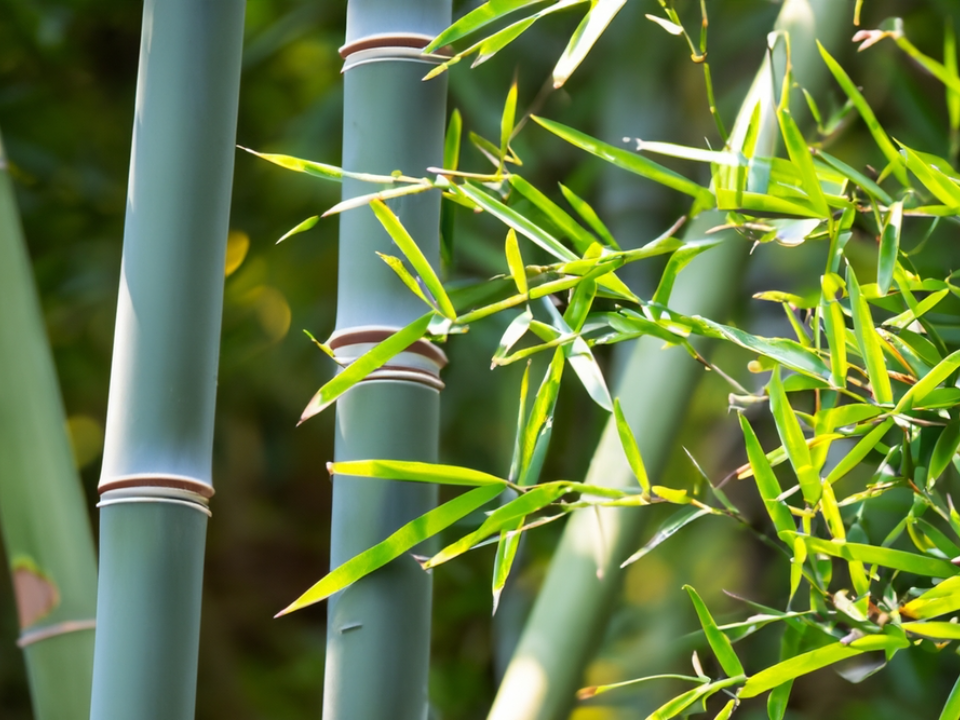
Bamboo plants begin as small, grass-like shoots, but as they mature, they transform into tall, rigid stalks. The plant’s structure shifts dramatically, from flexible grass to a woody, strong cane that can grow to impressive heights within weeks. The young shoots start out green and soft, but as the bamboo matures, the stalks turn hard and woody, providing support for the growing plant. This rapid change in structure allows bamboo to thrive in a wide variety of environments.
Bamboo’s ability to change shape quickly helps it spread and grow tall, making it a popular plant for both landscaping and practical uses like construction. The plant’s strength comes from its ability to grow straight and tall, which is achieved by its structural transformation as it matures. The variety in species, along with its fast growth rate, makes bamboo a fascinating plant to watch evolve.
Sunflower (Helianthus annuus)
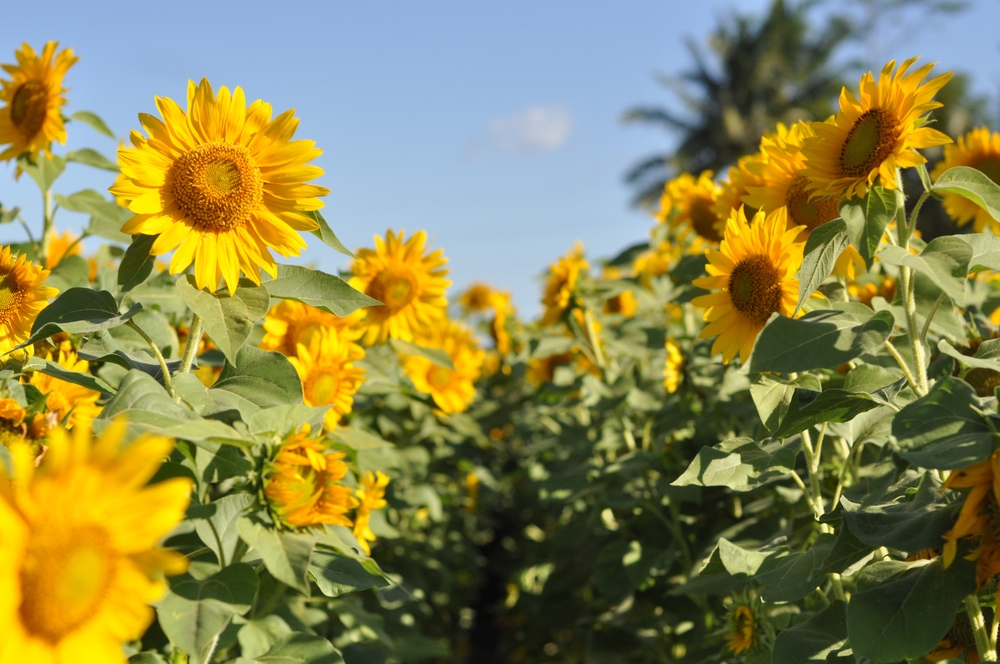
Sunflowers begin as small, rounded plants with simple leaves, but as they mature, they grow into tall, sturdy stems with a large, vibrant flower head. Initially, the plant’s leaves are broad and flat, but as it grows, they become more defined and supportive. The flower head grows larger, with a golden appearance that attracts pollinators. As the sunflower matures, it’s capable of towering over other plants, creating a strong visual presence in gardens.
The transformation from a small seedling to a tall flower reflects the sunflower’s growth strategy, which involves capturing as much sunlight as possible. The change allows the plant to reach towards the sun, helping it grow stronger and produce more seeds. This structural change ensures that sunflowers can thrive in fields and gardens, often standing out in any landscape.
Morning Glory (Ipomoea purpurea)

Morning Glory vines begin with delicate, heart-shaped leaves and grow into long, twisting vines as they mature. In their early stages, the plant appears compact and low to the ground, but as it grows, the vine extends and climbs, often using nearby structures for support. The leaves become more elongated, and the plant focuses on producing beautiful, trumpet-shaped flowers. As the morning glory matures, it transforms into a sprawling vine that can cover large areas.
This change in shape allows the morning glory to spread and produce a greater number of flowers, ensuring successful pollination. The transformation from a small, contained plant to a sprawling vine is crucial for its reproduction strategy, allowing it to cover fences, trellises, and other structures. The plant’s growth habit allows it to thrive in both garden settings and as an ornamental plant in various landscapes.
Willow Tree (Salix spp.)
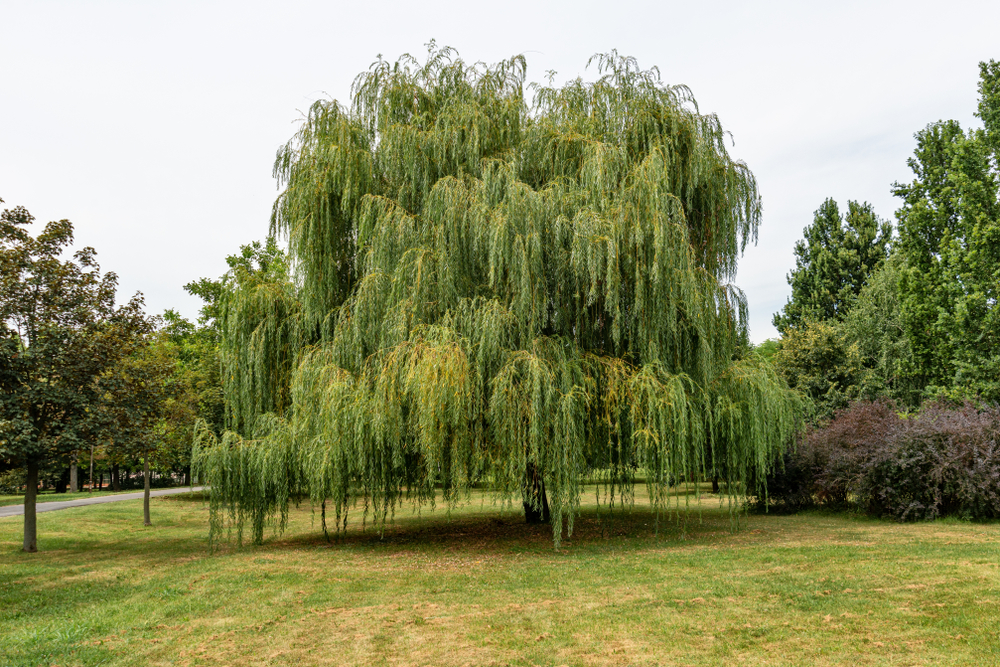
Willow trees start as small, flexible saplings with thin, elongated leaves that are easy to bend in the wind. As they mature, their branches grow stronger and their leaves become more slender, contributing to the tree’s ability to thrive in wet conditions. The transition from a soft, flexible sapling to a larger, more durable tree allows the willow to withstand strong winds and flooding. The tree’s flexibility early on is a survival tactic, helping it bend without breaking in harsh weather conditions.
As the willow matures, its trunk thickens and the tree becomes more resilient. The leaves shift from a broad, soft form to a more tapered, finely textured shape that helps the tree conserve water. This structural transformation allows willows to live in a variety of environments, particularly near water, where their roots can spread and stabilize the soil.
Mimosa Tree (Mimosa pudica)
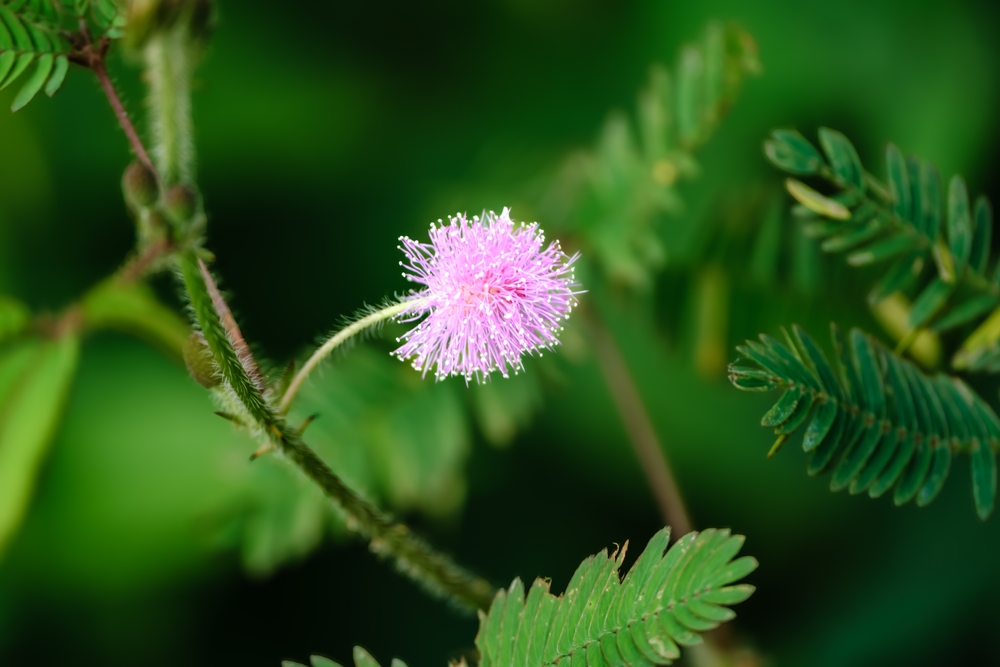
Mimosa trees, particularly in their early stages, begin with soft, feathery leaves that are delicate and small. As the plant matures, the leaves become larger and more pronounced, and the tree develops a thicker trunk with sprawling branches. This transformation helps the tree gain strength as it grows taller and begins to flower. The tree’s distinct, compound leaves change in form as the plant adapts to its growing environment.
As the mimosa grows, its branches become more robust and capable of supporting the weight of its flowers and leaves. The plant’s ability to transition from small, delicate leaves to larger, stronger ones is a crucial part of its adaptation process. The shape change ensures that the tree can continue to grow taller and more productive, making it an attractive addition to gardens.
Creeping Jenny (Lysimachia nummularia)
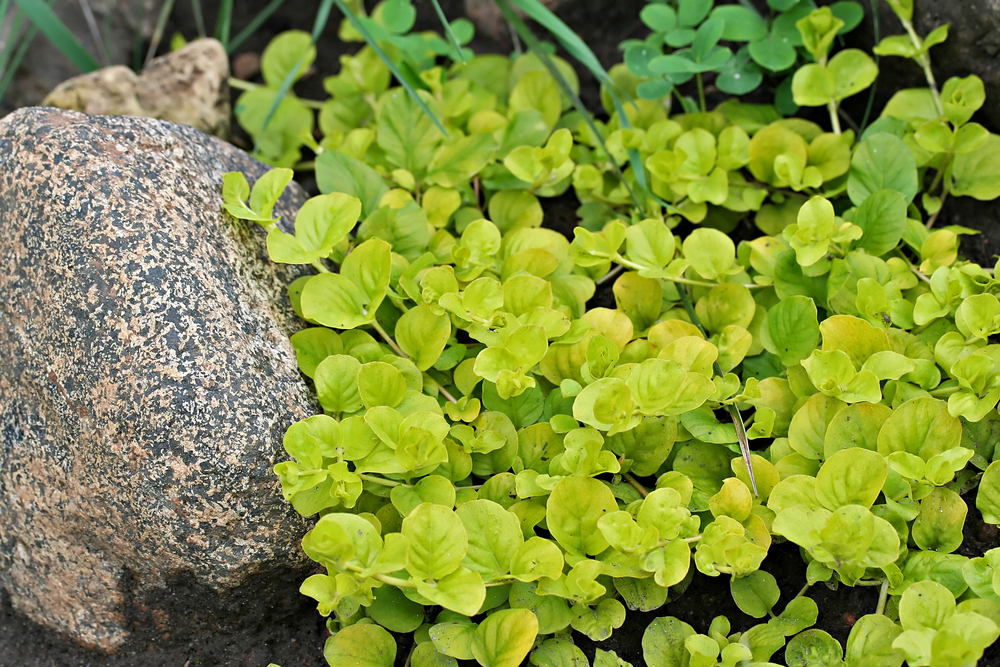
Creeping Jenny begins its growth as small, low-lying plants with round, smooth leaves. Over time, the plant transforms into a sprawling ground cover with longer stems and a greater spread. As the plant matures, its leaves become more defined, and it begins to form small, yellow flowers. The change from a compact ground cover to a broader spreading plant allows Creeping Jenny to cover large areas quickly.
The transition in shape helps the plant spread effectively in various environments, making it an excellent choice for ground cover in shady spots. As the plant matures, it produces more stems and flowers, ensuring that it can continue to grow and reproduce. Creeping Jenny’s ability to adapt and change shape helps it thrive in a variety of garden settings.
Hosta (Hosta spp.)
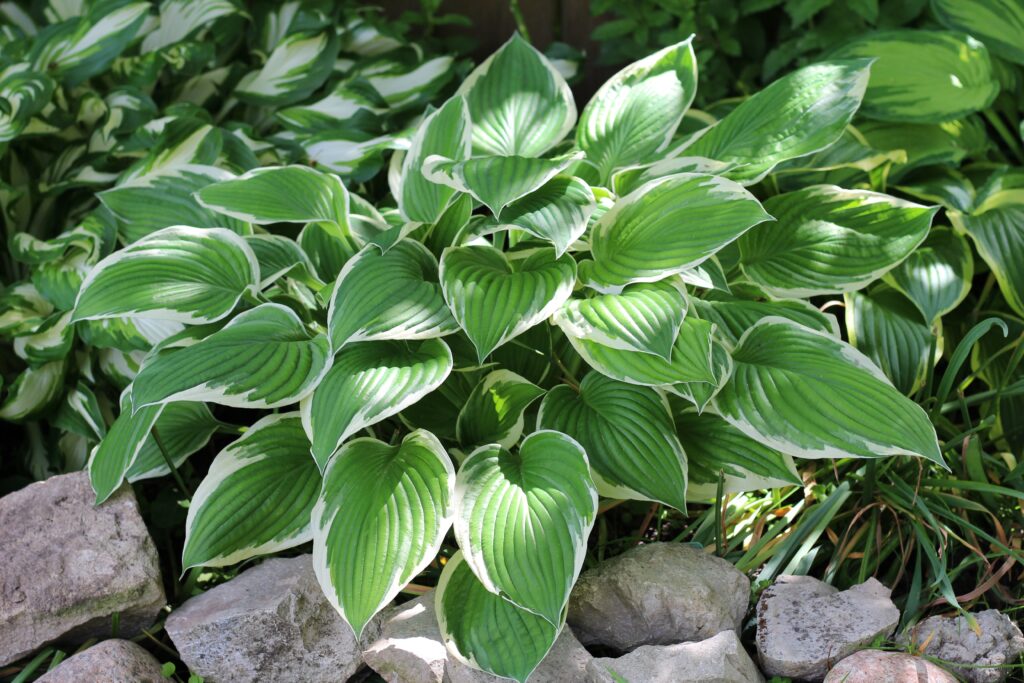
Hostas begin as small, delicate plants with rounded, smooth leaves that gradually increase in size as the plant matures. Early on, the leaves are typically soft and flexible, but they become larger, more rigid, and more defined as the plant matures. This change in shape allows the plant to support its growth and fill in areas in shaded gardens. Hostas’ ability to grow quickly and develop larger, more structured leaves is essential for their survival in shaded environments.
As the plant matures, the leaves grow in clusters, becoming more vibrant and attractive. The change in shape from small, simple leaves to large, hearty ones allows the plant to thrive in areas where other plants may struggle. The structural shift helps the hosta capture more light, which is crucial for its growth and development.
Japanese Maple (Acer palmatum)

Japanese maples start as small trees with delicate, thin branches and soft, simple leaves. As they mature, the branches become thicker and stronger, while the leaves shift to a more intricate, deeply lobed form. The change from a delicate sapling to a tree with strong, defined features allows the Japanese maple to support its growth and thrive in various garden settings. The plant’s transition ensures it can withstand harsher weather conditions as it matures.
The Japanese maple’s transformation from a delicate, small tree to a larger, more durable one is crucial for its ability to grow in diverse climates. As it matures, the plant becomes an iconic part of gardens, thanks to its stunning foliage and graceful form. The leaves’ transition from simple to complex shapes helps the tree maintain its beauty and adapt to its environment.
Creeping Thyme (Thymus serpyllum)
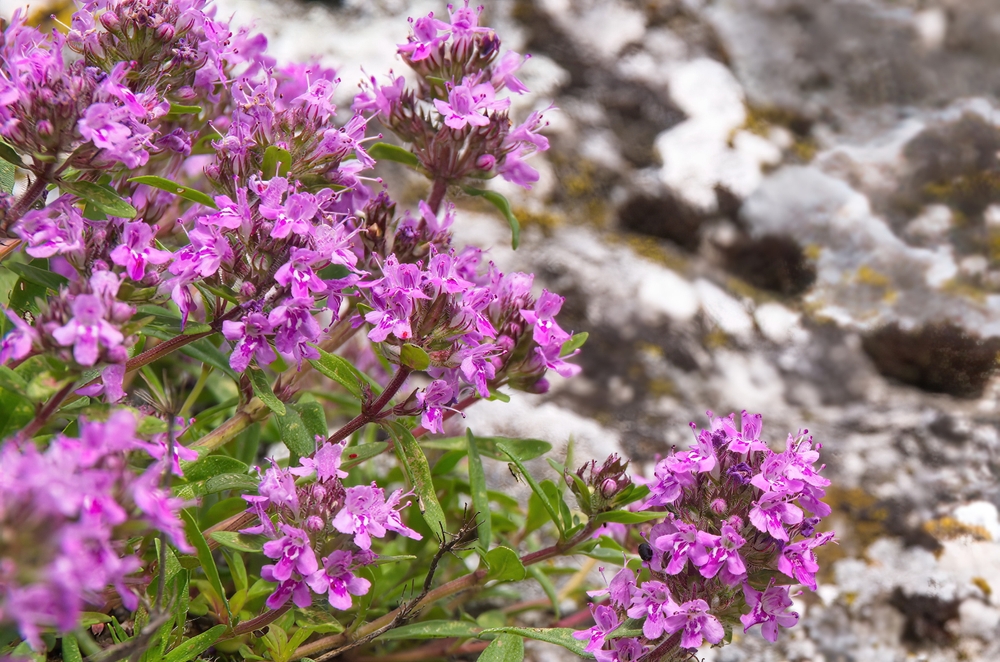
Creeping thyme begins as a low-growing herb with small, rounded leaves. As the plant matures, it spreads out and forms dense mats of foliage, with its tiny leaves becoming more compact and numerous. This transformation allows creeping thyme to cover larger areas while maintaining its hardy, resilient nature. As the plant matures, it also begins to produce small purple or pink flowers, adding to its appeal.
The ability to change shape as it grows helps creeping thyme survive in dry, rocky environments where other plants may not thrive. As the plant matures, its ability to spread and fill in empty spaces makes it an excellent ground cover. The transformation from a small herb to a dense mat with flowers is part of the plant’s strategy for survival and reproduction.
Lamb’s Ear (Stachys byzantina)
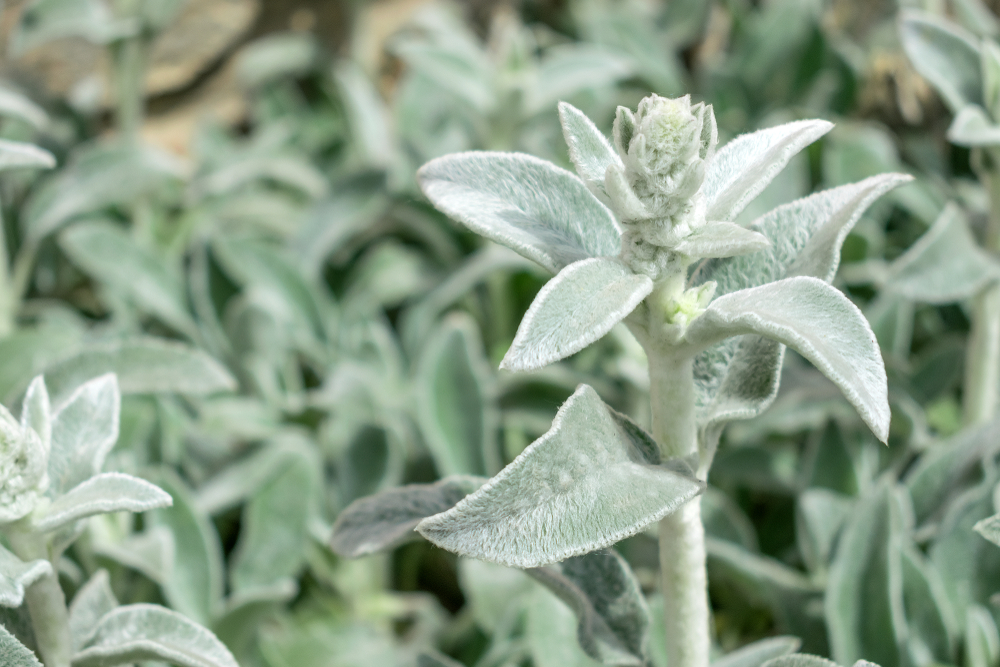
Lamb’s ear starts as small, fuzzy plants with rounded leaves that are soft to the touch. As the plant matures, its leaves grow larger and more silvery, forming dense clumps that make it an attractive ground cover. The soft, velvety texture of the leaves remains as the plant grows, but the plant becomes more robust, allowing it to spread easily across gardens. This change from small, individual plants to dense clusters helps lamb’s ear cover larger areas.
The plant’s transformation allows it to thrive in dry, well-drained soil, where it can form a soft, silvery carpet of foliage. As the plant matures, it becomes more capable of withstanding heat and drought. The change in shape from small leaves to larger, denser foliage ensures that lamb’s ear can grow effectively and provide an attractive addition to any garden.
Spider Plant (Chlorophytum comosum)
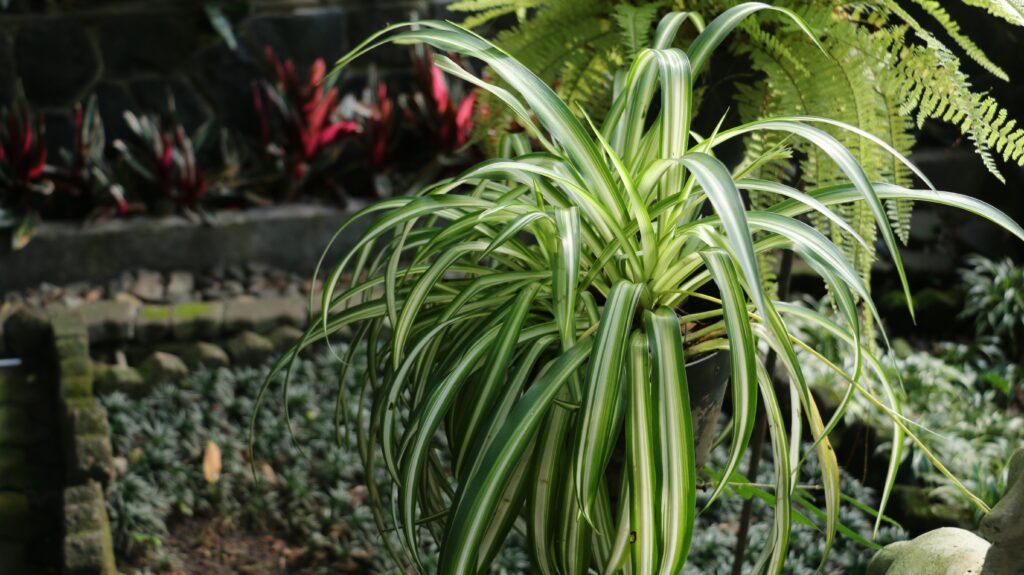
Spider plants start as small, green leaves that grow in rosettes, but as they mature, they send out long, arching stems that form new plantlets. The plant’s transformation from a simple, small rosette to a sprawling plant with multiple offshoots is an incredible process. As it matures, the spider plant produces small white flowers and new plantlets, creating a cascading effect. The shift in shape allows the plant to reproduce easily by sending out new growth.
The transformation from a small, compact plant to one with trailing stems helps the spider plant spread and thrive in various environments. The plantlets, which grow at the end of long stems, allow the plant to reproduce without needing additional space. This ability to change shape and form new growth ensures the spider plant’s continued success in both indoor and outdoor environments.
This article originally appeared on Avocadu.