
10 Beautiful Plants That Bloom at Night and Only for a Few Hours
Imagine stepping into your garden as the sun sets, only to be greeted by a soft, sweet fragrance in the cool evening air. Some plants bloom only at night, offering a beautiful and fleeting display that adds a touch of magic to the hours after dark. These blooms are often short-lived, lasting just a few hours before closing with the arrival of morning light. Their unique timing makes them a perfect addition to any garden designed to shine after sunset. Whether you’re looking to attract night pollinators or simply enjoy the beauty of nature’s nocturnal wonders, these plants offer something special. With their captivating aromas and delicate blooms, they transform your garden into a serene, nighttime oasis.
This post may contain affiliate links, which helps keep this content free. Please read our disclosure for more info.
Night-Blooming Jasmine (Cestrum nocturnum)
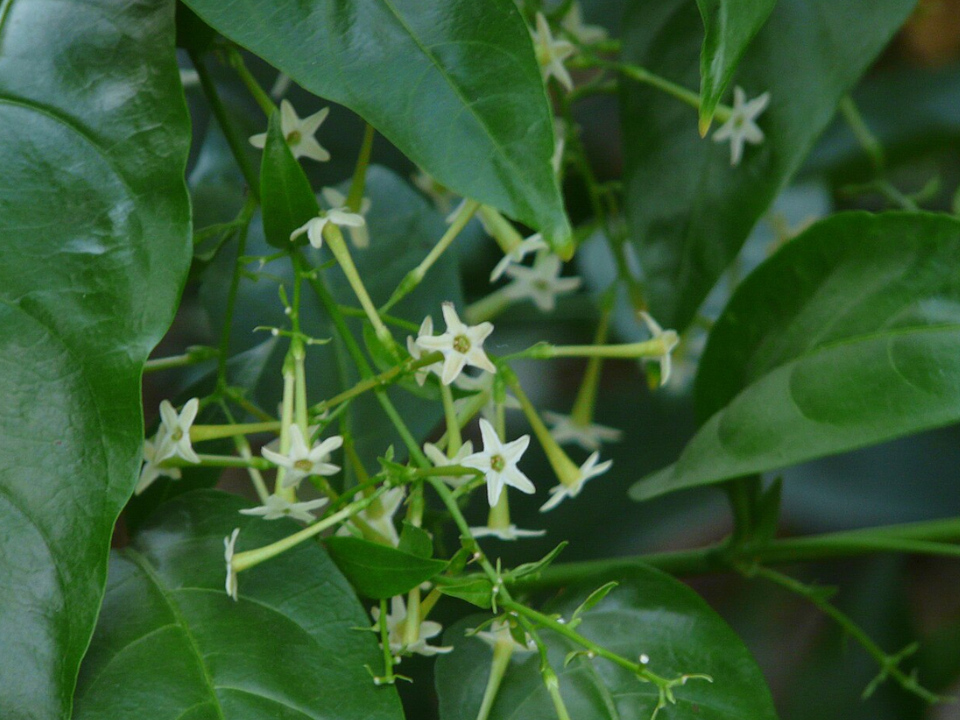
Night-blooming jasmine is a fragrant plant that opens its white or pale green flowers in the evening. The blooms typically begin to unfurl around dusk, filling the air with a sweet, intoxicating scent. This plant is native to the Caribbean and parts of Central America, though it has spread to various parts of the world.
It prefers warm climates and can grow both as a shrub or a small tree. Though the flowers only last for a few hours, the fragrance remains strong throughout the night. This plant is often grown near windows or patios to make the most of its delightful aroma. Its nocturnal blooms are a favorite for gardeners who seek to add evening interest to their landscapes.
Evening Primrose (Oenothera biennis)
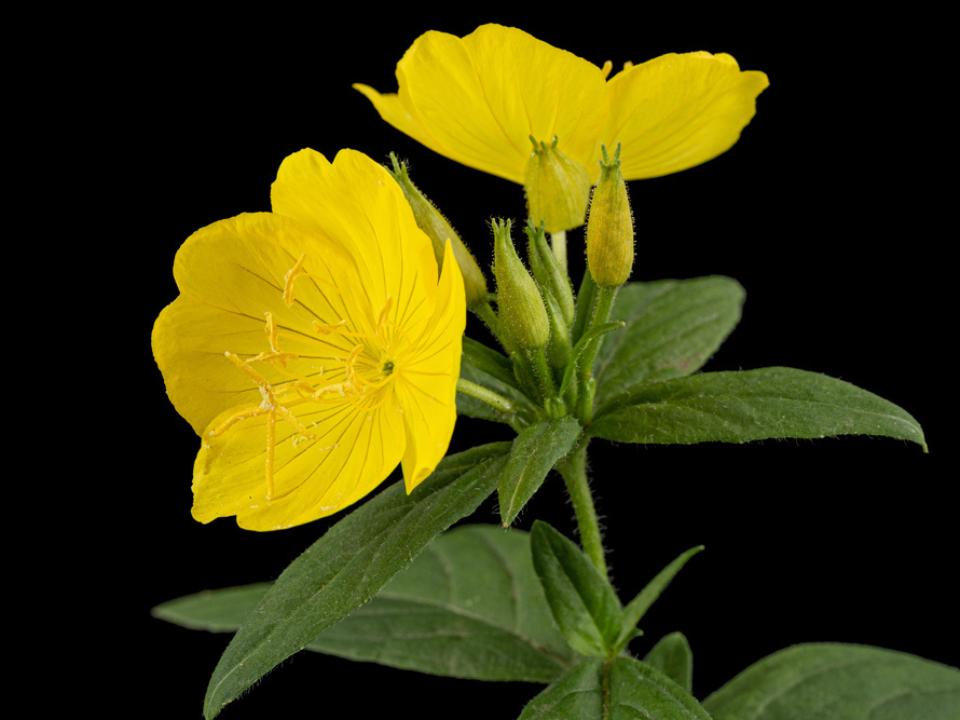
Evening primrose is a biennial plant that blooms in the late afternoon or evening. The bright yellow flowers open only at night, and they have a subtle but lovely fragrance. Known for their quick, dramatic blooming process, the flowers close by morning. This plant is common in North America and grows easily in full sun and well-drained soil.
Evening primrose is a low-maintenance plant that attracts pollinators like moths, which are drawn to its nighttime blooms. It’s an excellent choice for adding color to a night garden. The plant’s seeds are also used to make evening primrose oil, which is often used in skin care and wellness products.
Moonflower (Ipomoea alba)
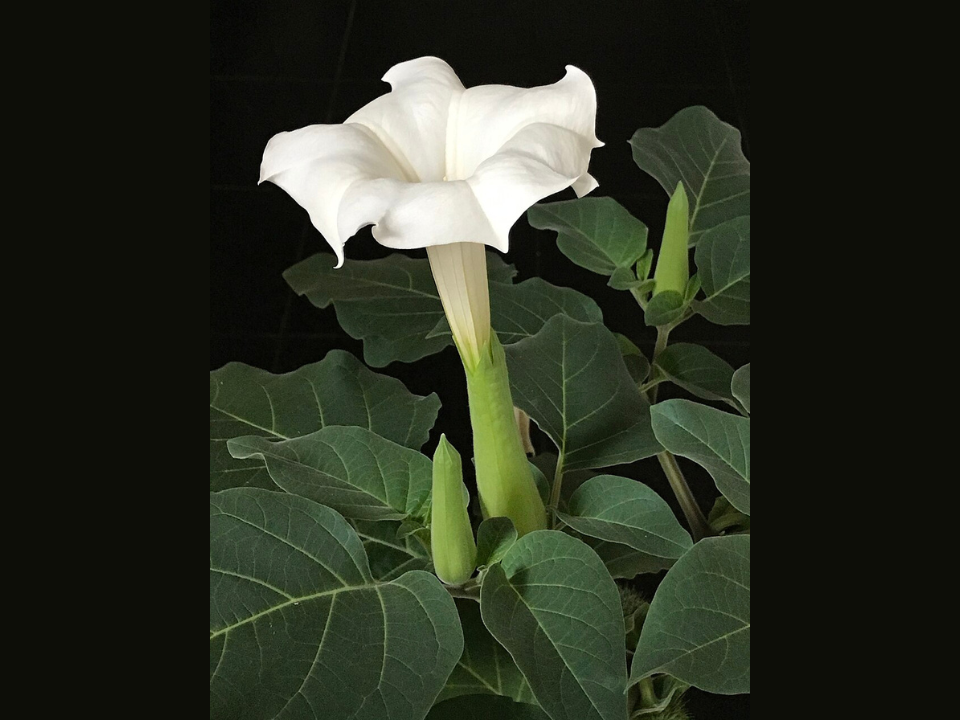
Moonflower is a striking, white-flowered vine that blooms only at night. Its large, trumpet-shaped flowers open in the evening, usually around sunset, and close by the next morning. Known for its sweet fragrance, moonflower is a magnet for night-flying insects, particularly moths.
It is a fast-growing plant that thrives in full sun and well-drained soil, making it perfect for trellises and fences. The blooms are short-lived but are captivating while they last. Gardeners often plant moonflowers near porches or patios to enjoy their beauty during the warm evening hours. This plant is also known to be quite hardy in warmer climates.
Night-Blooming Cereus (Selenicereus grandiflorus)
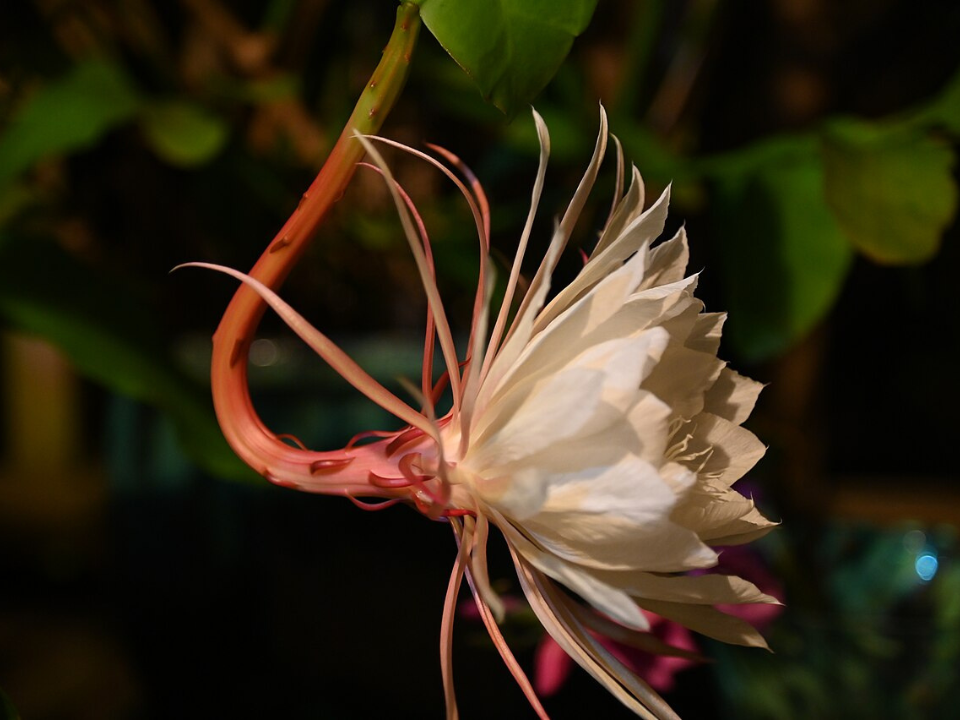
Night-blooming cereus is a unique cactus that blooms for only a few hours during the night. Its large, white flowers bloom just after sunset, and they typically last until dawn. The flowers are fragrant and can fill an entire room with their scent. This plant is often referred to as the “queen of the night” due to its dramatic, fleeting blooms.
Night-blooming cereus is native to the deserts of Mexico and Central America. It prefers well-drained soil and requires little water, making it ideal for arid climates. The plant is grown in many parts of the world, particularly in regions where the nights are warm and dry.
Datura (Datura spp.)
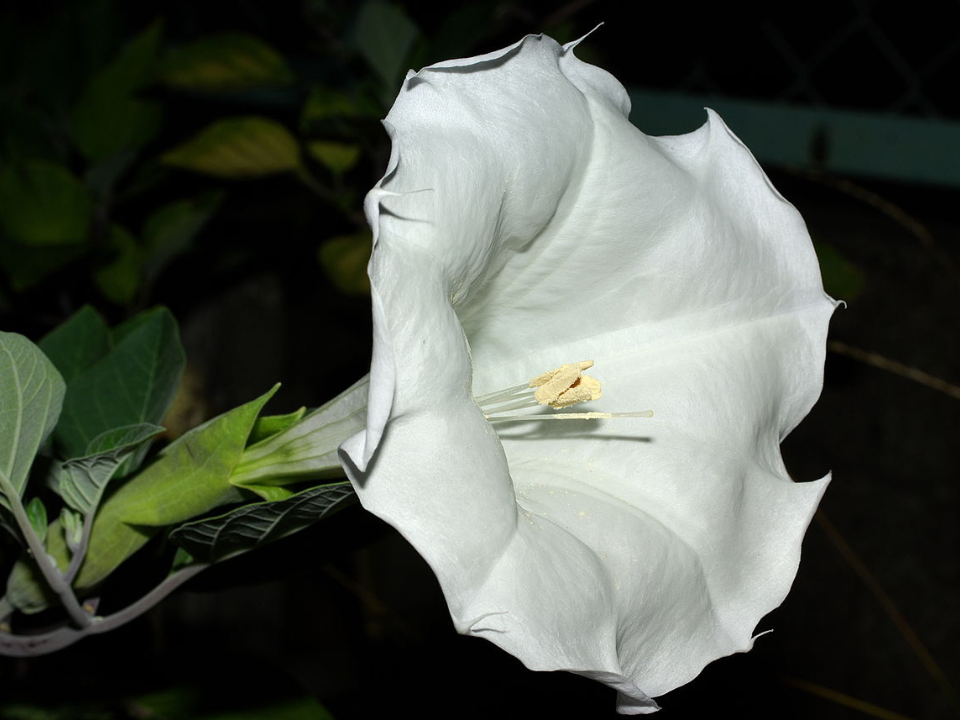
Datura is a genus of flowering plants known for its large, trumpet-shaped flowers that open at night. The flowers are typically white, purple, or yellow, and they emit a strong, sweet fragrance. Datura blooms only for a few hours during the evening and night, often closing at dawn. These plants thrive in warm, sunny environments and are often found in tropical and subtropical climates.
Datura is commonly used in gardens for its striking appearance and aromatic flowers. However, it’s important to note that all parts of the plant are toxic, so caution is needed when handling it. Despite this, it remains a popular plant for night gardens due to its beauty and fragrance.
Epiphyllum (Epiphyllum spp.)
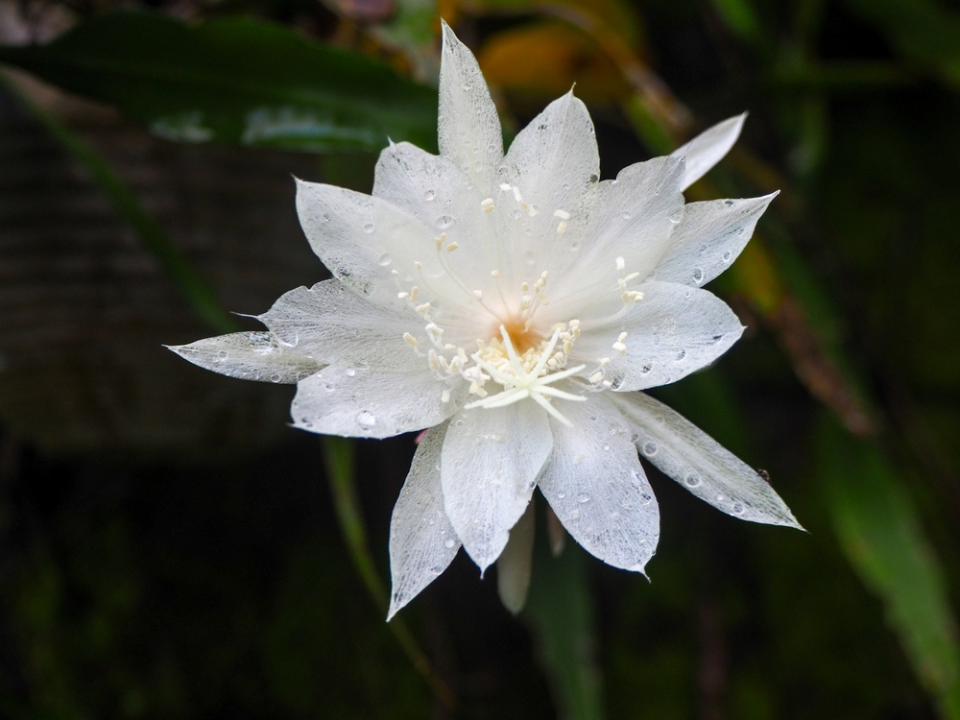
Epiphyllum, also known as the orchid cactus, is a beautiful flowering plant that blooms at night. The flowers are large, often pink or white, and their scent is sweet and exotic. The blooms open just as the sun sets and last until dawn, making them a perfect addition to gardens that focus on nighttime beauty. These plants are epiphytic, meaning they grow on trees or other plants in their native habitats, typically in tropical regions of Central America.
Epiphyllums thrive in humid, warm environments and prefer bright but indirect light. They are often grown in hanging baskets or containers, making them suitable for small spaces or patio gardens. While the flowers only last a short time, their dramatic appearance and sweet fragrance make them highly valued in night gardens.
Tuberose (Polianthes tuberosa)

Tuberose is a fragrant flowering plant that blooms during the evening hours. The plant produces clusters of white flowers that open at night, releasing a rich, intoxicating fragrance. These blooms last only for a few hours, typically from evening until dawn. Native to Mexico, tuberose prefers warm climates and well-drained soil.
It is commonly used in perfumes and can be found in gardens and flower arrangements. Tuberose plants are tall, with long spikes of flowers that add a dramatic effect to any garden. Gardeners often grow tuberose near patios or walkways to enjoy the scent as they pass by in the evening.
Queen of the Night Cactus (Selenicereus spp.)
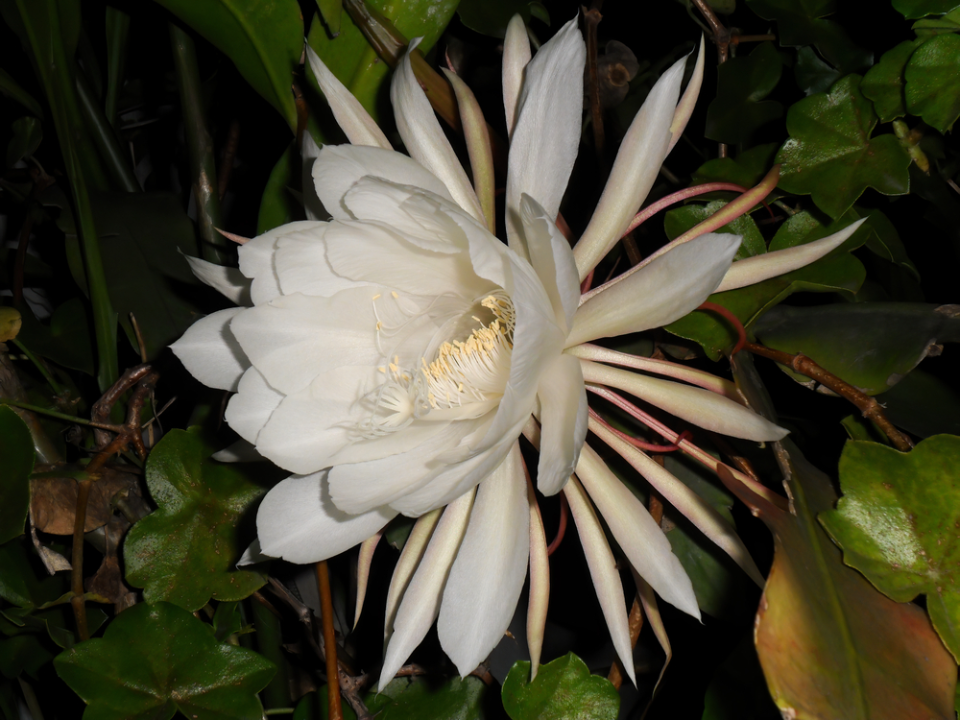
The Queen of the Night cactus is famous for its stunning, large white flowers that bloom only at night. The blooms are short-lived, typically lasting only a few hours before they fade by morning. The plant’s flowers are highly fragrant, often described as sweet and floral. This cactus is native to tropical regions of Central America and thrives in warm, dry conditions.
The Queen of the Night cactus is often grown in gardens or as a houseplant in areas with warm, arid climates. It is best planted in well-drained soil and enjoys full sun during the day. The flowers’ fleeting beauty and strong fragrance make this plant a favorite for night-time garden enthusiasts.
Night-Blooming Water Lily (Nymphaea spp.)
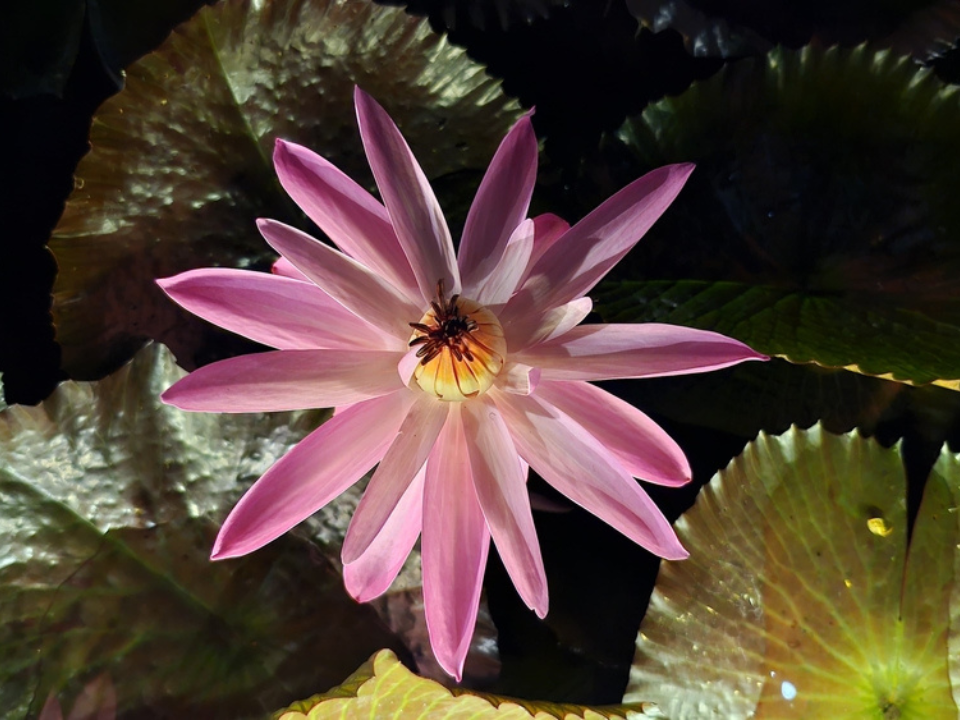
Night-blooming water lilies are aquatic plants known for their beautiful blooms that open after sunset. These lilies are often white or pale pink, and they have a sweet, delicate fragrance. The flowers bloom only for a few hours during the night, typically closing by morning. Night-blooming water lilies are most commonly grown in garden ponds, where their striking blooms can be appreciated in the evening.
They prefer warm water and thrive in full sun. These plants are great for creating a peaceful, serene atmosphere in evening gardens or water features. Their beauty and fragrance make them especially popular for nighttime garden displays.
Night-Blooming Foxglove (Digitalis spp.)
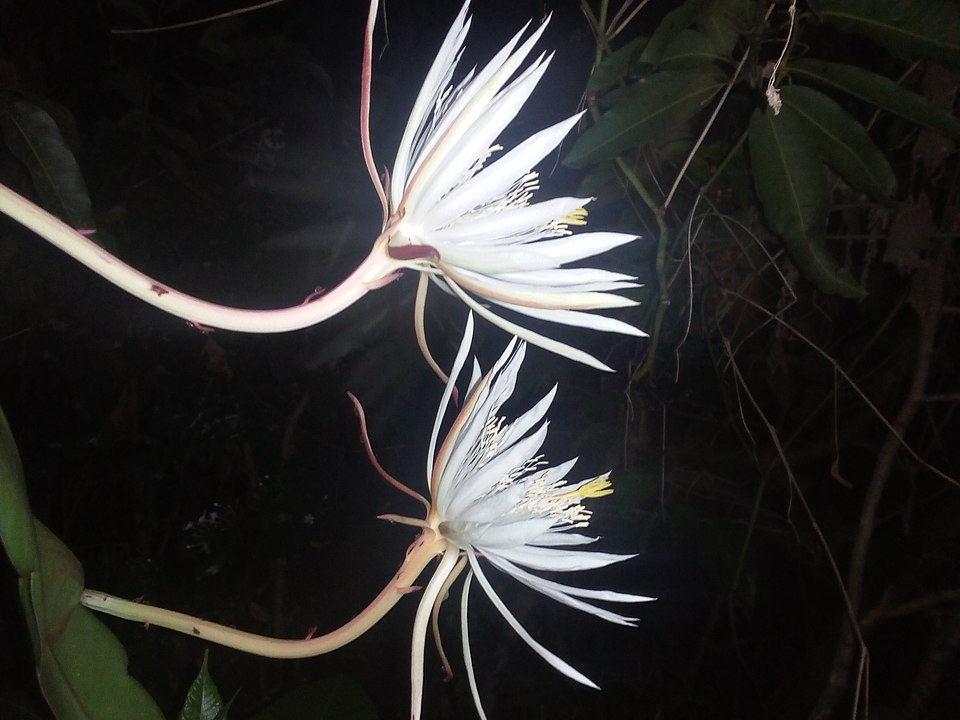
Night-blooming foxglove is a variety of the common foxglove plant that opens its tubular flowers at night. The flowers are typically pink or purple and have a soft, sweet fragrance. These plants bloom only at night, and the flowers last for a few hours before closing by morning.
Night-blooming foxglove thrives in full sun to partial shade and prefers well-drained, moist soil. The plant is attractive to bees and other pollinators, which are drawn to the flowers during the evening. Night-blooming foxglove can be a stunning addition to a garden, providing a burst of color and fragrance for the nighttime garden enthusiast.
This article originally appeared on Avocadu.