
12 Frost Proof Herbs You Can Grow Near the Kitchen Door
If you are looking to grow herbs that will stand up to the cold, frost-resistant varieties are your best bet. These herbs can withstand chilly temperatures and still provide fresh, flavorful leaves. Planting them near the kitchen door makes them easy to reach whenever you need them. Even in the colder months, your garden can stay productive with these hardy herbs.
This post may contain affiliate links, which helps keep this content free. Please read our disclosure for more info.
Thyme
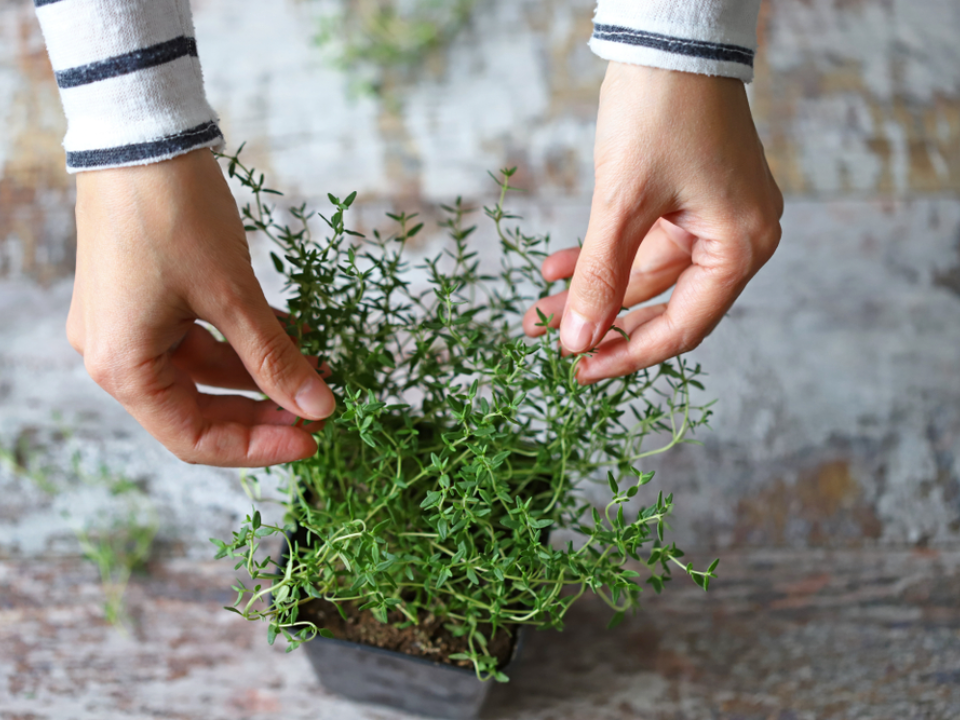
Thyme is a small, hardy herb that thrives even in cooler temperatures. It has a robust flavor and is often used in Mediterranean cooking, making it a great addition to your winter meals. Thyme can survive frost and continues to grow even when temperatures dip below freezing. Its low-maintenance nature makes it ideal for growing near the kitchen door, where you can easily snip fresh leaves whenever needed.
Planting thyme in well-drained soil with plenty of sunlight will help it flourish through the winter months. This herb is a perennial, meaning it will return year after year, giving you a steady supply. Whether you use it in soups, stews, or roasted dishes, thyme brings a warm, earthy flavor. Consider adding thyme to your herb garden as it is an excellent choice for cold weather.
Rosemary
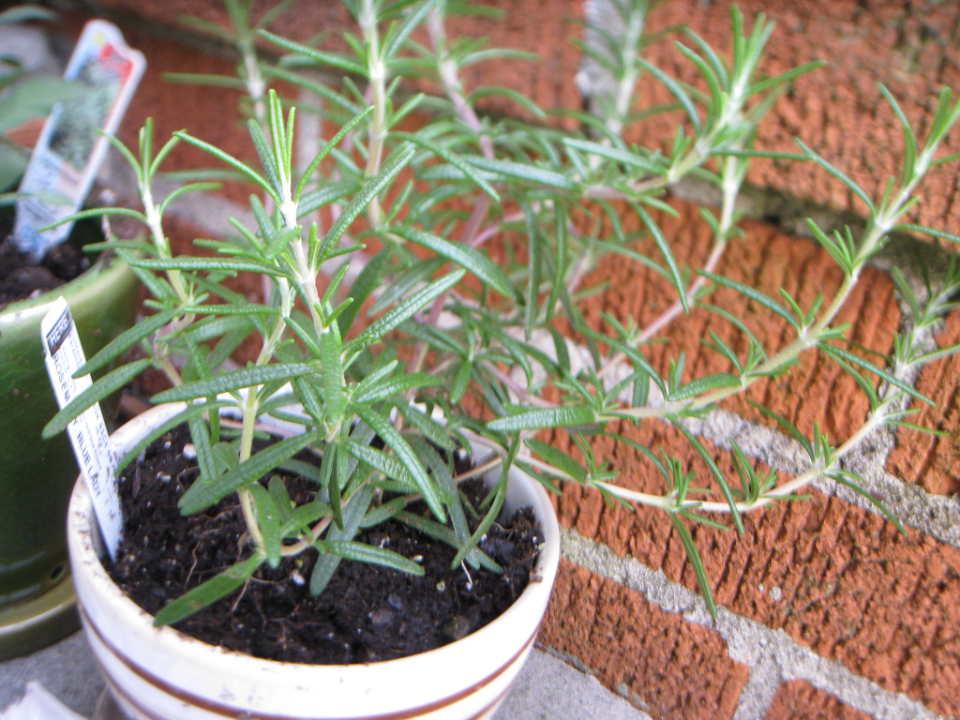
Rosemary is another hardy herb that can withstand frost and colder temperatures. It grows as a woody shrub and retains its flavor even during winter. Rosemary’s pine-like aroma adds a unique twist to meats, potatoes, and roasted vegetables. When planted near the kitchen door, it remains easily accessible for cooking, making it a practical and flavorful addition to any winter garden.
This herb requires full sunlight and well-drained soil to thrive, but it is remarkably frost-resistant. Rosemary can handle short periods of freezing temperatures and bounces back once the weather warms up. With its strong, piney fragrance, it is also a great herb for holiday dishes. If you enjoy hearty flavors, rosemary should be a part of your garden.
Sage
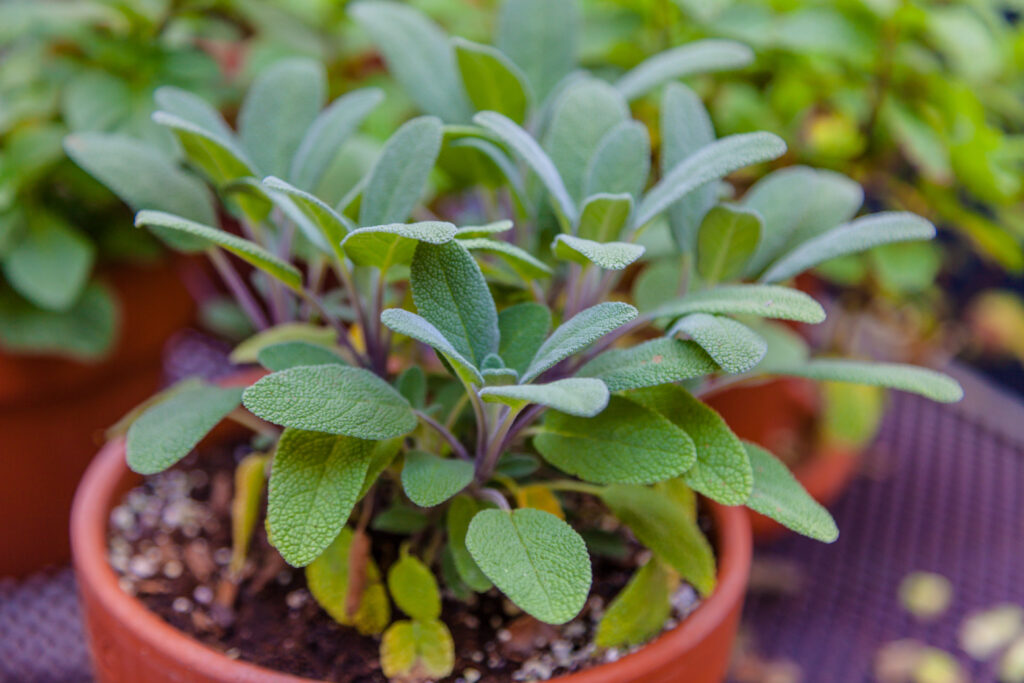
Sage is an aromatic herb that can tolerate colder temperatures and even frost. It is often used in savory dishes like stuffing, sausages, and roasted meats. Sage’s earthy, slightly peppery taste makes it a popular choice in fall and winter cooking. Planting sage near the kitchen door allows for quick access to its fragrant leaves, perfect for hearty meals during colder months.
Sage is a perennial herb, meaning it will return year after year. It thrives in well-drained soil and full sun but can withstand frost without much damage. In winter, its leaves can be used fresh or dried, offering versatility for year-round use. Add sage to your garden for a reliable herb that provides flavor and durability during the colder seasons.
Parsley
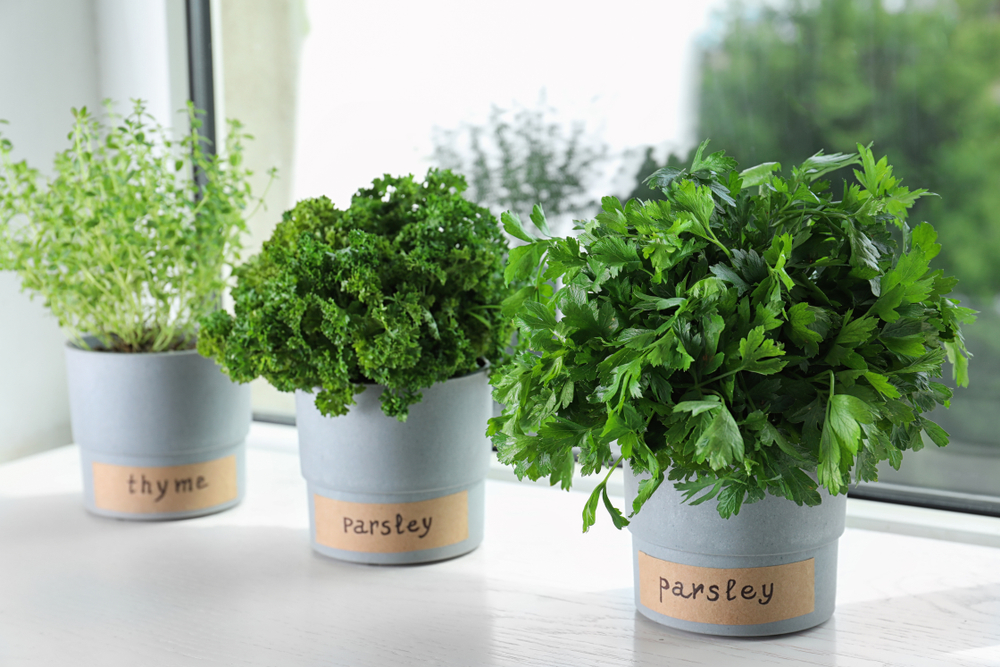
Parsley is a hardy herb that can tolerate light frost and colder weather. It is one of the most commonly used herbs in cooking, known for its fresh, vibrant flavor. Parsley’s high resistance to frost makes it a great choice for winter gardens. Whether used as a garnish or in sauces and salads, fresh parsley can be picked even in chilly temperatures.
This herb grows well in rich, moist soil and prefers a bit of shade. While it thrives in the warmer months, parsley’s frost resistance makes it perfect for colder weather. You can harvest parsley throughout the winter months, keeping it on hand for a variety of dishes. Its mild flavor and bright green leaves will keep your kitchen meals fresh and aromatic.
Oregano
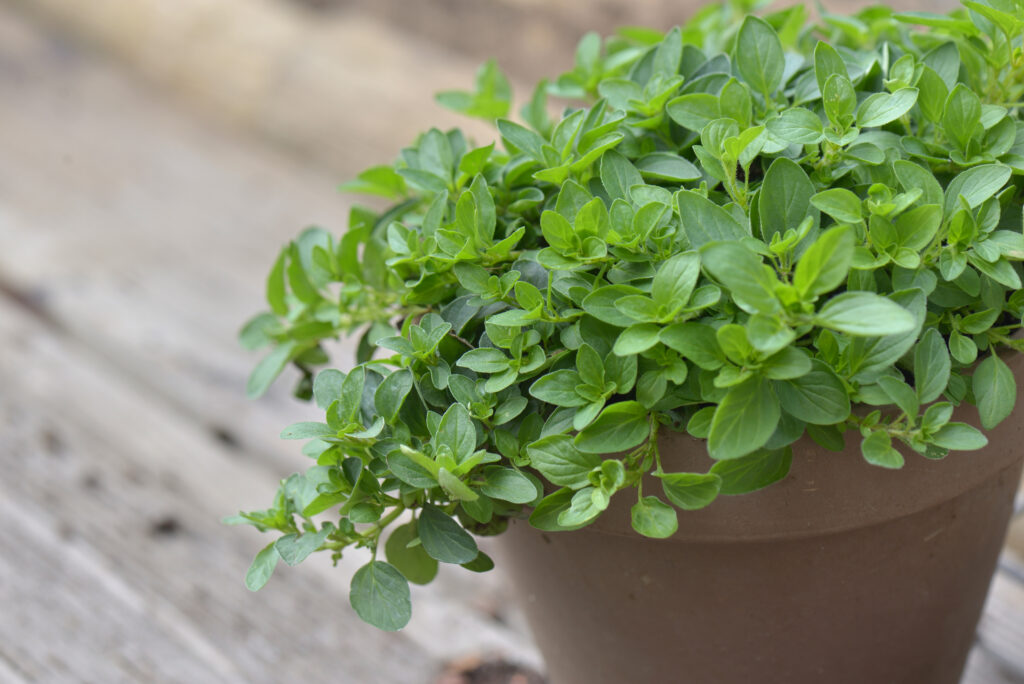
Oregano is a strong, aromatic herb that can survive frost and cold temperatures. Often used in Mediterranean and Italian cooking, its pungent, peppery flavor enhances everything from pizza to pasta sauces. Oregano’s resilience in cooler weather makes it a great herb to grow near the kitchen door for easy access during the winter months.
This perennial herb grows best in full sun and well-drained soil. Oregano thrives even when temperatures drop, making it perfect for colder climates. The leaves hold up well in freezing temperatures and can be harvested throughout the winter. With its bold, sharp taste, oregano is an excellent addition to any frost-proof herb garden.
Chives
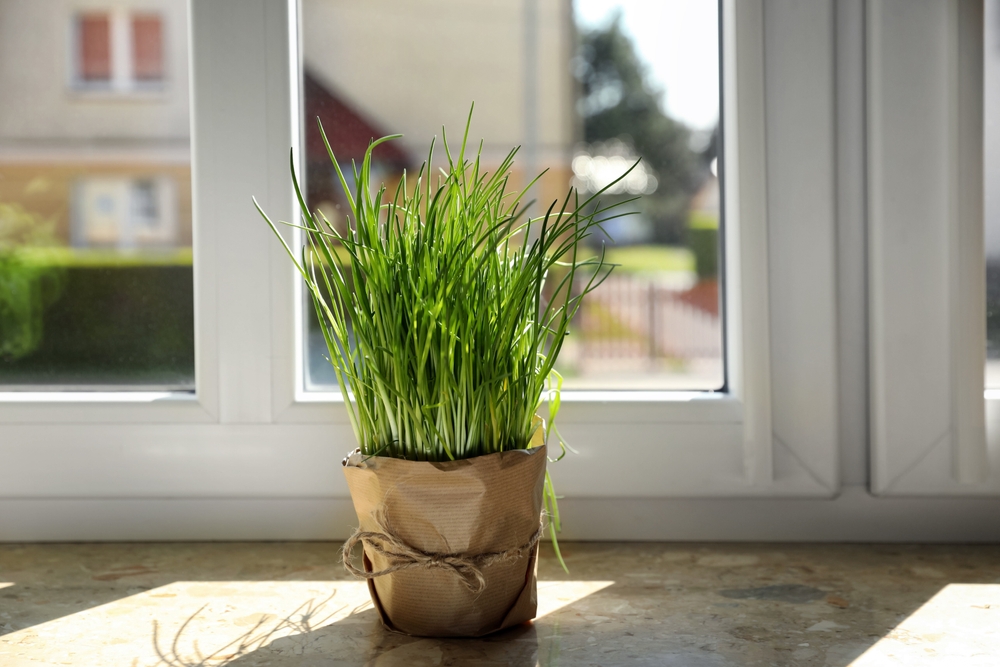
Chives are a frost-resistant herb that can survive through winter with little care. Their mild onion flavor makes them a great garnish for soups, salads, and baked potatoes. Chives are easy to grow and can tolerate frost without losing their vibrant green color. When planted near the kitchen door, you will always have fresh chives available for your meals, even in the colder months.
Chives are a perennial herb that grows well in both sunny and partly shaded areas. They are particularly suited to colder climates and can withstand light frost, making them an ideal herb for winter gardens. Chives are also one of the first herbs to sprout in early spring, giving you an early taste of fresh flavor. Their mild taste and ease of growth make them a staple in any herb collection.
Mint
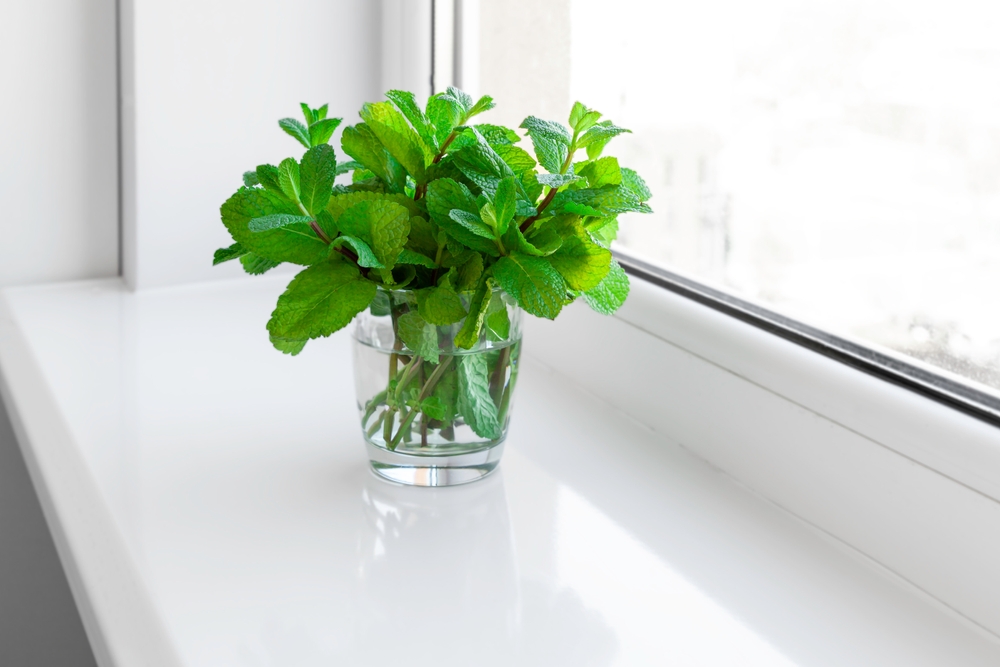
Mint is a versatile herb that grows well in cooler temperatures, even surviving frost. It is a refreshing addition to a variety of dishes, including teas, salads, and desserts. Mint’s hardiness makes it a great herb to grow near the kitchen door, where it remains accessible for use throughout the colder months. Whether fresh or dried, mint adds a burst of flavor to any meal.
This herb thrives in moist, well-drained soil and partial sunlight, making it ideal for shaded spots near your kitchen door. Mint has a strong growth habit and can spread quickly, so it is best to keep it contained. Its vibrant leaves hold up well against frost, and the flavor remains intact throughout the winter. If you enjoy fresh mint in your cooking, consider adding it to your frost-resistant herb garden.
Lavender
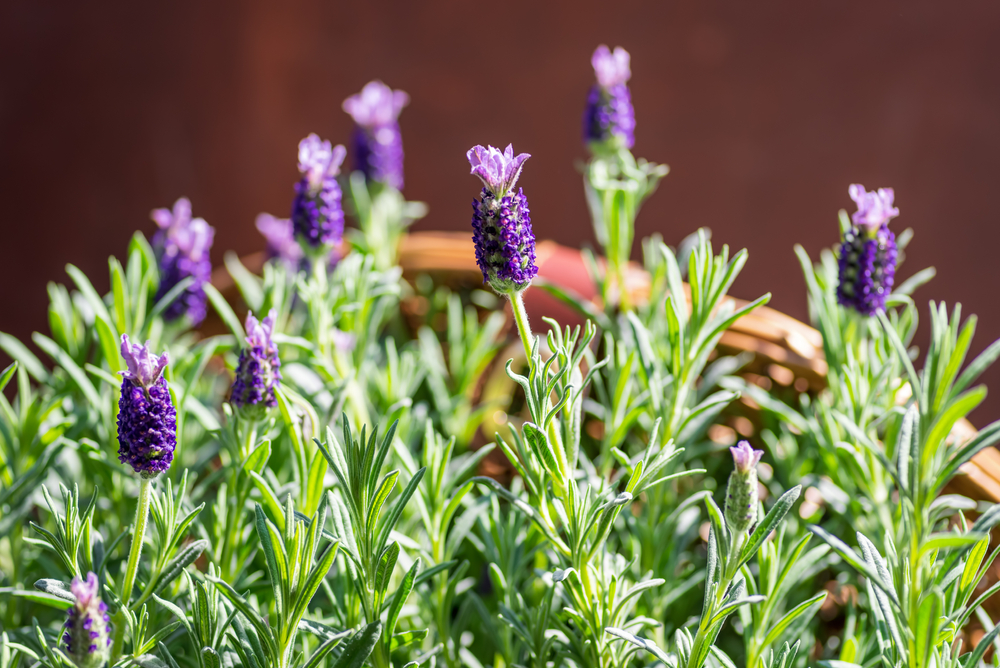
Lavender is a hardy herb that can withstand frost and colder temperatures. Known for its calming fragrance and versatile use in cooking, lavender thrives in cooler climates, making it ideal for winter gardens. The flowers and leaves can be used in teas, baked goods, or as a fragrant addition to savory dishes. Lavender’s resilience makes it a reliable herb to plant near the kitchen door.
This herb requires well-drained soil and full sunlight to grow properly. Lavender is drought-tolerant and can survive through cold winters with little care. Its unique floral flavor enhances both sweet and savory dishes, adding a touch of elegance to your meals. With its long-lasting fragrance, lavender is an excellent choice for winter gardens.
Winter Savory
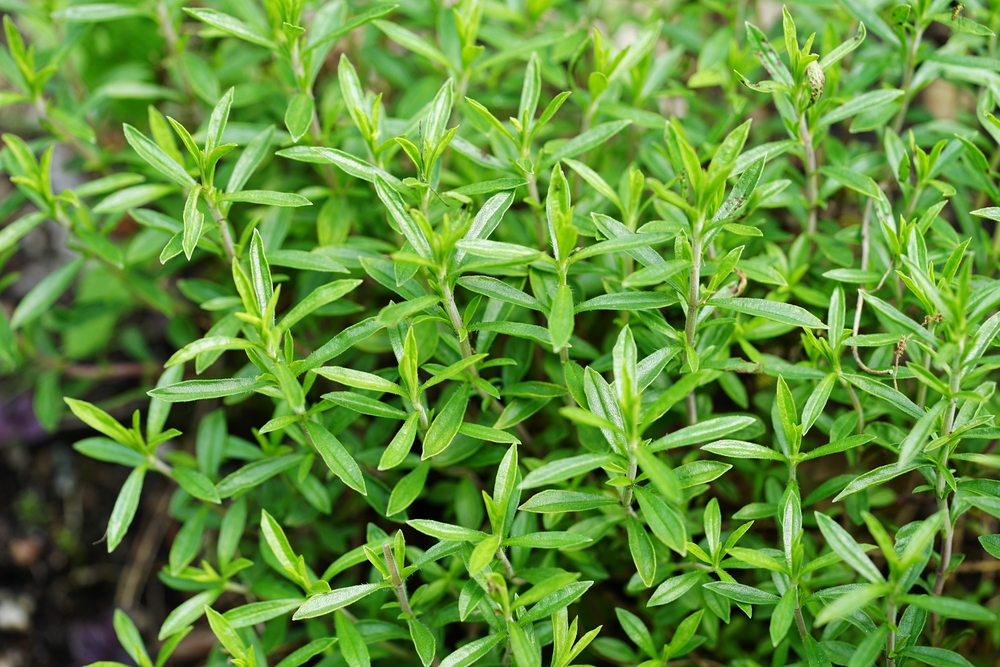
Winter savory is a cold-tolerant herb that adds a peppery, thyme-like flavor to dishes. It is well-suited for growing in winter gardens, as it can handle frost without significant damage. Winter savory pairs well with meats, beans, and vegetables, making it a great herb for hearty winter meals. Its hardiness and distinctive flavor make it a valuable addition to any kitchen garden.
This herb thrives in well-drained, slightly acidic soil and requires full sun to grow properly. Winter savory is a perennial, meaning it will return each year, providing a fresh supply of flavor. It holds up well in colder weather and can be harvested well into the winter months. For those who enjoy robust flavors, winter savory is a must-have herb for your frost-proof garden.
Sorrel
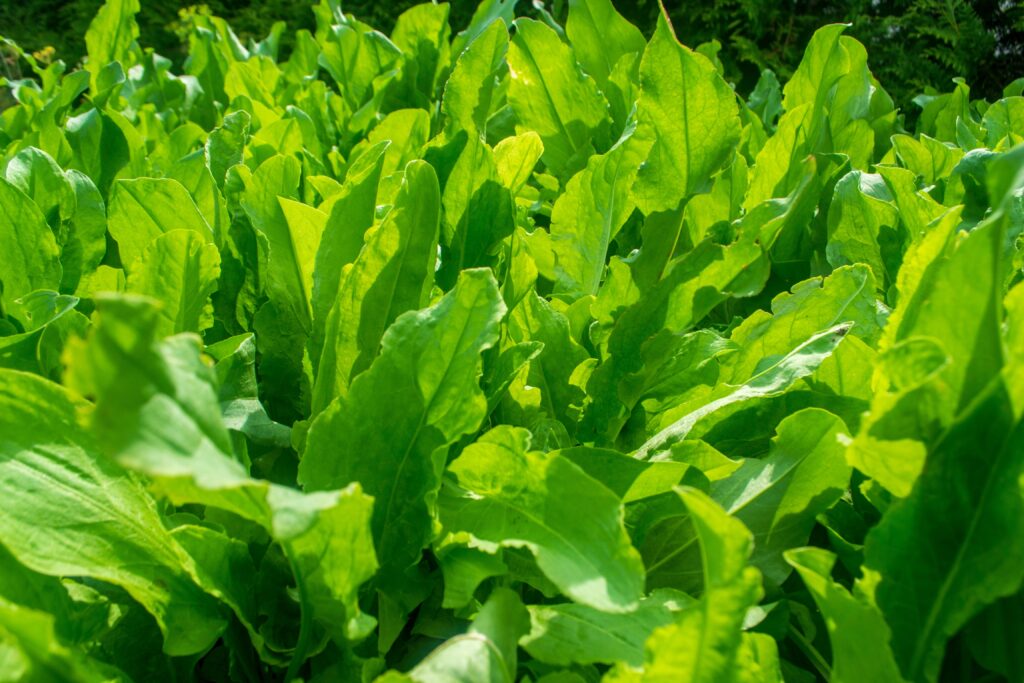
Sorrel is a hardy herb that can survive through the colder months, even surviving light frost. Known for its tangy, lemony flavor, sorrel adds a refreshing zest to soups, salads, and sauces. It can be grown near the kitchen door for easy access during the winter season. Sorrel’s frost resistance makes it a perfect choice for a winter herb garden.
This herb prefers cool temperatures and well-drained soil. Sorrel is a perennial herb that returns each year, making it a reliable addition to your garden. Its distinct flavor remains strong even in the cold, making it perfect for brightening up winter meals. If you enjoy fresh, citrusy herbs, sorrel should be part of your frost-resistant herb collection.
Tarragon
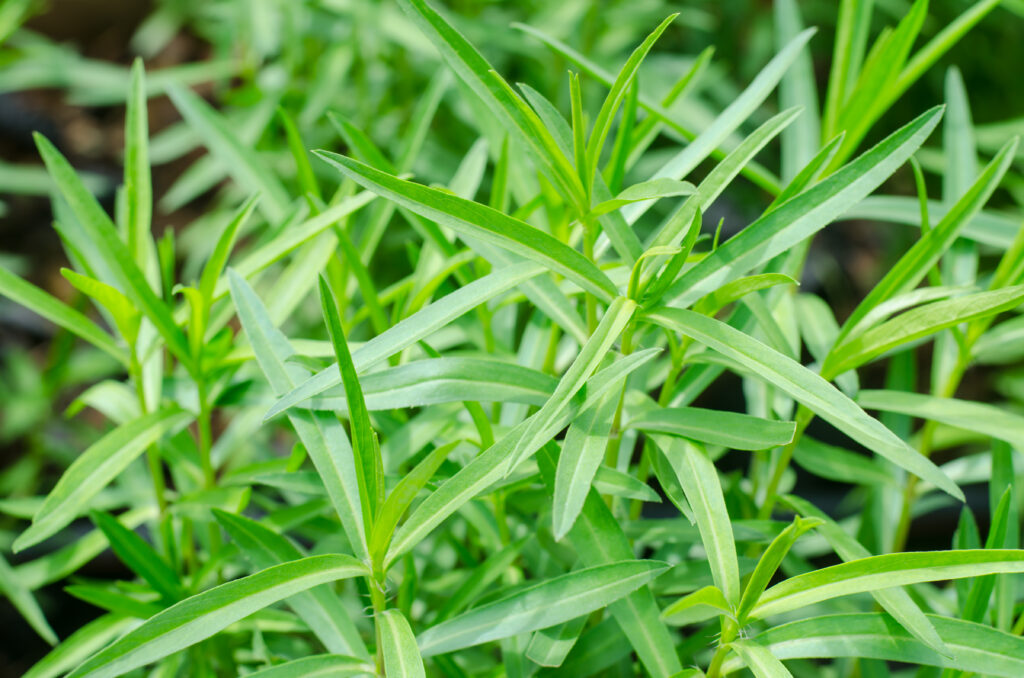
Tarragon is a frost-resistant herb that thrives in colder temperatures. With its anise-like flavor, it is often used in French cuisine to add a unique taste to sauces, meats, and salads. Tarragon is easy to grow and requires minimal care, making it perfect for planting near the kitchen door. Its ability to survive frost makes it a great choice for winter herb gardens.
This herb prefers well-drained, slightly acidic soil and full sun. Tarragon is a perennial, meaning it will return each year, offering a reliable source of flavor. Its resilience against frost ensures that you can enjoy fresh leaves throughout the colder months. For those who enjoy French-inspired dishes, tarragon is an essential herb to have on hand.
Chervil
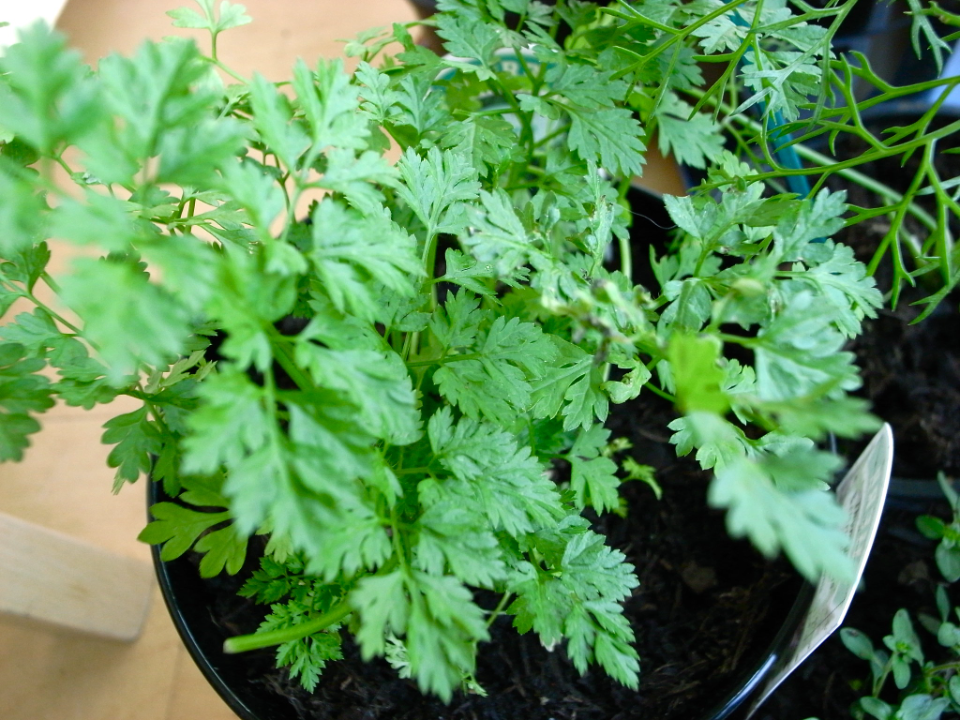
Chervil is a cold-hardy herb that thrives in cooler temperatures. It has a mild, delicate flavor similar to parsley, making it ideal for garnishing soups, salads, and fish dishes. Chervil can survive light frost and continue growing during the winter months. Growing it near the kitchen door ensures that you have fresh herbs available whenever needed.
Chervil prefers cool, moist conditions and does well in partially shaded areas. It grows quickly in the spring and fall, and while it is sensitive to heat, it does well in colder weather. Its mild flavor adds a fresh, herbaceous note to dishes, making it a valuable addition to any garden. For those who appreciate mild herbs, chervil is a great choice for winter gardens.
This article originally appeared on Avocadu.