
10 Late Winter Watering Rules for Outdoor Pots and Raised Beds
As winter transitions into spring, outdoor pots and raised beds still need attention to ensure plants stay healthy. Proper watering during the late winter months is crucial to prevent root damage, promote moisture retention, and protect your plants from harsh weather conditions. By following a few simple watering guidelines, you can keep your garden thriving through the colder days while setting the stage for a successful growing season.
This post may contain affiliate links, which helps keep this content free. Please read our disclosure for more info.
Water on Warm, Above-Freezing Days (Above 40°F/4°C)

In late winter, it’s important to avoid watering your outdoor pots and raised beds during cold, freezing days, as the water can freeze in the soil and harm your plants. Watering only on warm days with temperatures above 40°F/4°C ensures that the moisture can penetrate the soil effectively without causing damage. On these warmer days, dormant plants are still in need of moisture from dry air and wind, so watering at the right time helps maintain healthy soil conditions. Keeping the soil slightly moist helps the plants remain hydrated, as they are not actively growing but still require water to survive the harsh winter elements.
The soil will also have a better chance of absorbing water when it’s warmer, which helps prevent root damage. When temperatures are above freezing, the water will move downward, benefiting the plant roots that may still be somewhat active during the winter months. In contrast, watering when it’s too cold could result in water sitting on top of frozen soil, which does not help the plants and can even contribute to freezing root systems. As a general rule, always check the weather forecast to make sure you’re watering during an above-freezing period, ideally mid-day when the soil has warmed up a bit.
Water During the Mid-Day Hours
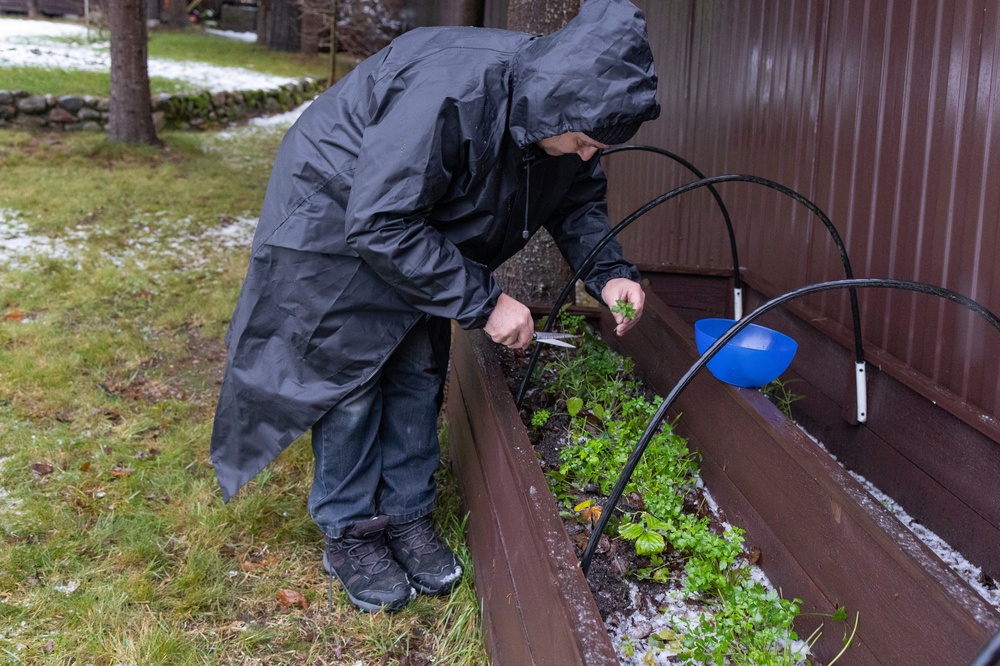
Watering in the mid-day hours of late winter is essential for the well-being of your outdoor plants. During the day, temperatures are typically warmer, which allows water to absorb into the soil before the temperature drops again. This timing is particularly important because watering late in the day or in the evening could result in the water freezing overnight, especially if the temperatures drop quickly after sunset. Mid-day watering ensures that the plants are getting the moisture they need while avoiding the risk of frost or root damage that can occur when water freezes in the soil.
Moreover, watering during the day, when the sun is higher in the sky, can also help the water to penetrate more deeply into the soil. This deep watering is vital during late winter when plants are still dormant but need to keep their roots hydrated. Plants can be stressed from both the cold and the lack of moisture, and watering mid-day allows for efficient water absorption that will keep the plants in better shape going into the spring. It also minimizes the chances of water pooling on top of the soil where it can freeze, ensuring that the moisture is available for the plant roots.
Avoid Watering If the Ground Is Frozen
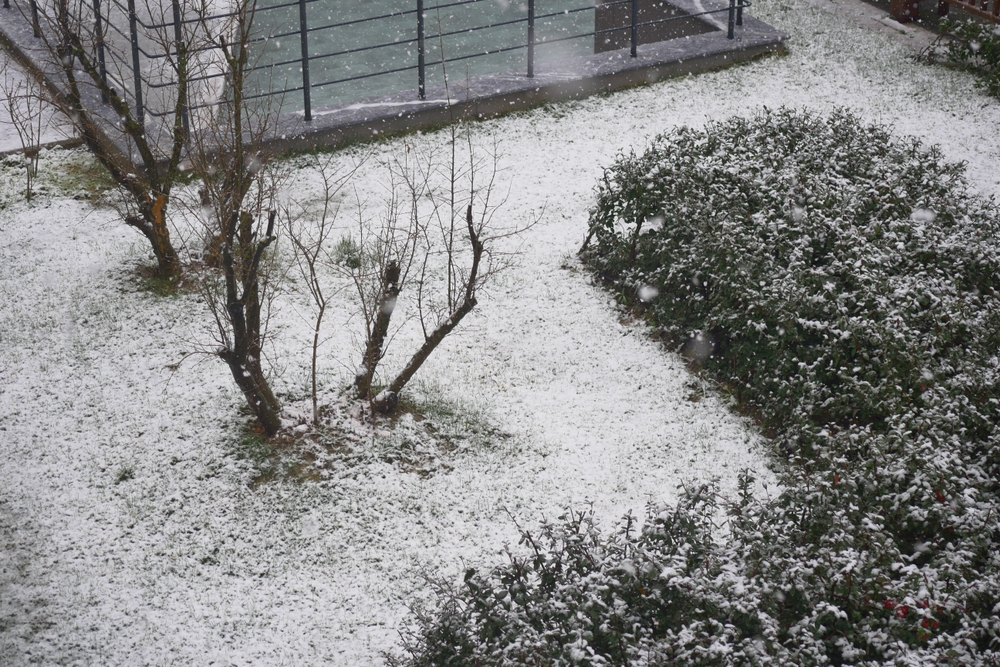
One of the most important rules for late winter watering is to avoid watering if the ground is frozen. Frozen soil cannot absorb water effectively, which means that watering when the ground is frozen is essentially wasted. Water will sit on top of the frozen ground, which could cause the water to freeze overnight and damage your plants’ roots. Root systems that are exposed to frozen conditions are particularly vulnerable, and even a small amount of water sitting on the surface could result in root rot or other complications when the soil thaws.
It is essential to wait until the temperature has warmed up enough for the soil to thaw before watering your plants. Checking the soil’s temperature and texture is a simple way to ensure it is ready to absorb water. You can test by pushing a small tool like a garden fork into the soil; if it easily sinks in, the ground is thawed enough for watering. By waiting for the thaw, you ensure that the moisture reaches the roots without risk of freezing, and your plants can make the most of the water you’re providing.
Check Soil Moisture Before Watering

Before watering your outdoor pots or raised beds, always check the soil moisture to ensure that it actually needs water. This step is crucial, as overwatering can be as harmful as underwatering. Soil that is already moist from recent weather or previous watering will not need additional water. It is important to feel the top couple of inches of the soil with your fingers to assess its moisture level. If it feels dry, it is time to water; if it feels moist, wait a few more days before adding more water.
Checking the soil moisture first helps prevent root rot, which occurs when plants are overwatered, and the soil becomes saturated. In late winter, the soil tends to dry out quickly from wind and cold temperatures, but it can also retain moisture if there has been enough rain or snow. By testing the soil’s moisture before watering, you avoid disrupting the soil structure and ensure that the plants receive the right amount of water. This practice encourages a balanced approach to watering, providing hydration when needed while preventing excess moisture that can harm your plants.
Water Deeply but Infrequently
Watering deeply and infrequently is key to maintaining healthy outdoor pots and raised beds during late winter. Shallow watering can lead to surface-level hydration, which does not encourage roots to grow deeper into the soil. Deep watering allows the water to reach the root zone, where it is most beneficial for the plants. This is especially important in late winter when the plants are not actively growing, and their roots are slower to absorb water. Deep watering ensures that the moisture seeps deeply into the soil, where it will be available for the plants when temperatures rise, and they start to wake up for the spring.
In late winter, the soil can dry out quickly, especially in raised beds or containers that are more exposed to the elements. However, it is important to water only when necessary, which typically means once a month if the soil feels dry. Watering too frequently can cause the soil to stay too moist, potentially leading to issues like root rot. By spacing out your waterings and watering deeply, you give the plants the best chance to thrive, while also protecting them from excess moisture that could lead to problems.
Avoid Watering If the Soil Is Saturated
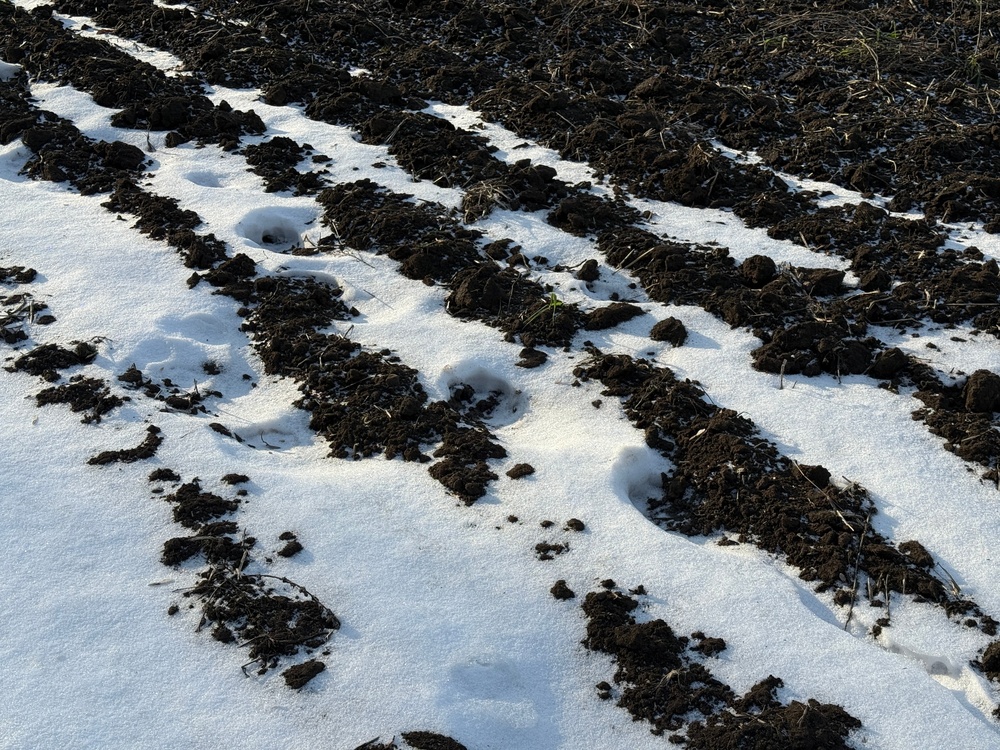
In addition to checking for frozen soil, it is equally important to avoid watering if the soil is already saturated. Saturated soil occurs when the soil is waterlogged, either from previous watering or from snowmelt and rain. Over-saturated soil will not allow the plant roots to breathe, leading to a lack of oxygen in the soil. This condition can quickly result in root rot, as the roots are unable to absorb the nutrients they need, and the plant may begin to suffer or die.
Checking the drainage and the moisture levels in your soil is essential in this case. If you notice that the soil is waterlogged, refrain from adding more water and wait until it has dried out enough to allow proper absorption. Ensuring that your outdoor pots or raised beds have good drainage will help prevent the soil from staying saturated for too long, which is a common issue in the winter months when temperatures fluctuate. Keeping an eye on moisture levels and drainage helps prevent long-term damage to the plants.
Ensure Good Drainage in Pots
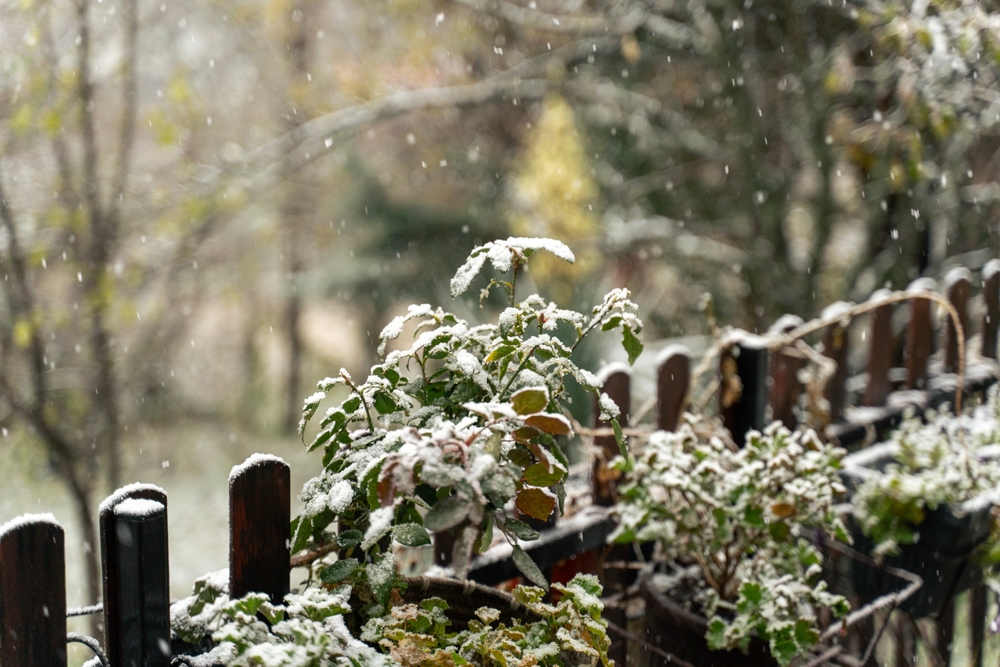
Proper drainage in outdoor pots is vital, particularly during the late winter months when temperature fluctuations are common. Potted plants are more vulnerable to damage because the soil in containers can freeze and thaw more quickly than in-ground soil. Without proper drainage, water can accumulate at the bottom of the pot, leading to root rot. Even if the surface of the soil appears to be dry, water can become trapped in the base of the pot, which can cause the roots to suffocate.
To prevent this, ensure that your pots have drainage holes to allow excess water to escape. If you are using porous pots like terracotta, they can absorb and retain moisture, so it is especially important to keep an eye on drainage. Terracotta pots can also crack if the water inside freezes, so it is a good idea to avoid over-watering in the winter months. Keeping your pots elevated with a tray underneath can also help prevent standing water, allowing the moisture to escape and preventing damage to both the plants and the pot itself.
Use Mulch to Retain Moisture
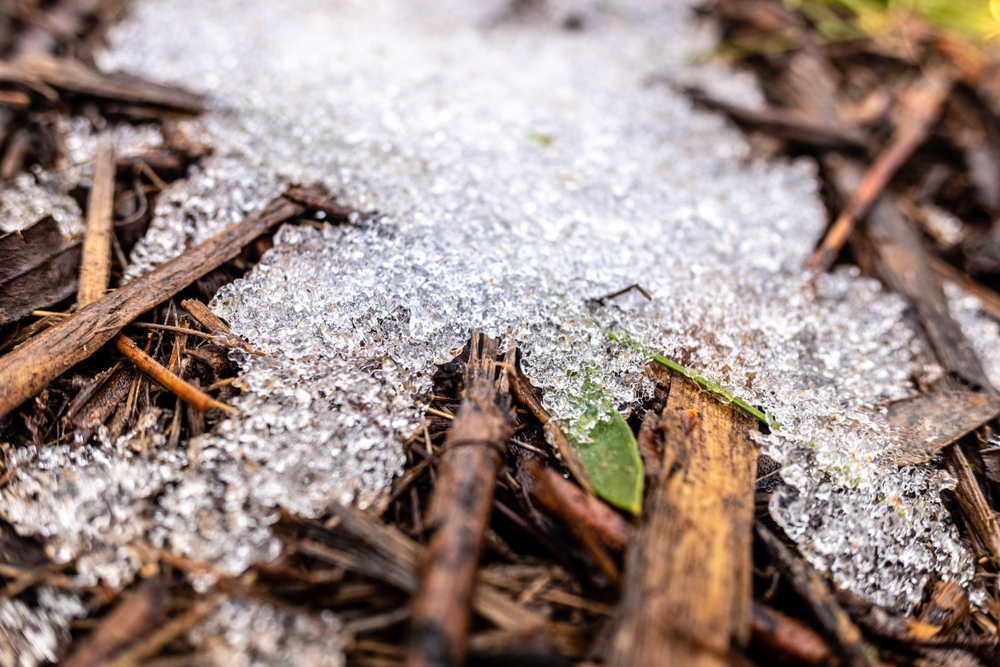
Applying a layer of mulch around your outdoor pots and raised beds can help retain moisture during late winter. Mulch acts as an insulator, keeping the soil temperature more stable and preventing excessive drying caused by wind and fluctuating temperatures. A good layer of mulch will help conserve moisture, reducing the need for frequent watering and protecting your plants from the harsh winter conditions. It also helps in maintaining the soil’s structure by preventing it from compacting, which could impede the plants’ root growth when they wake up in the spring.
Mulching also offers protection against extreme cold temperatures, as it acts as a barrier, keeping the soil from freezing too quickly. During late winter, plants still need moisture, but they also need to be protected from cold winds that can dry out the soil. Using mulch can significantly reduce the need to water as frequently and ensure that the moisture is available when the plants begin to emerge in the spring. Be sure to use organic mulch, such as wood chips or straw, as it will break down over time and improve the soil’s overall health.
Check for Root Rot Regularly
Even during late winter, it is important to check your plants regularly for signs of root rot. Root rot can develop when the soil remains too wet for an extended period, especially in raised beds or pots that lack proper drainage. When checking your plants, gently remove them from their pots to inspect the roots. Healthy roots should be firm and white, while rotting roots will appear brown or black and may have a foul odor. If you detect root rot, remove the affected roots and repot the plant in fresh, well-draining soil.
Regularly checking for root rot is especially important in the winter months when the soil may be more likely to stay wet for longer periods due to rain or snowmelt. If root rot is not addressed, it can kill the plant and spread to other plants in the same container or bed. Proper drainage, along with checking the moisture level of the soil, can prevent these issues from occurring. Be proactive in monitoring the health of your plants by inspecting the roots every few weeks.
Use Watering Tools for Precision
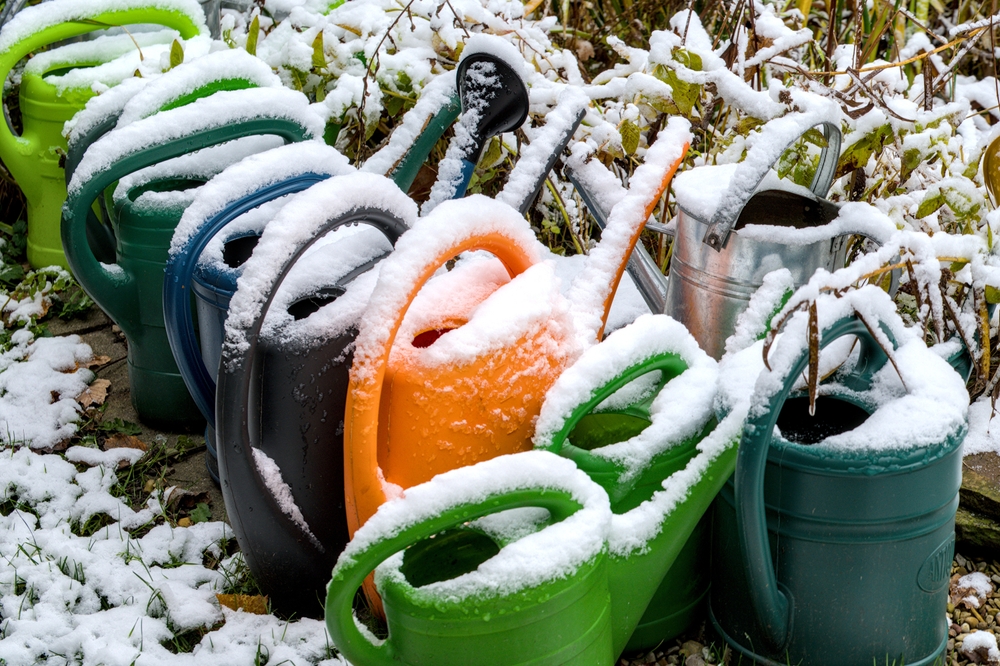
When watering outdoor pots and raised beds in late winter, using watering tools like a soaker hose or watering can with a long spout can help you water more precisely. These tools help direct water to the base of the plants where it is most needed, ensuring that the water reaches the roots instead of soaking the foliage. This is especially important in the winter when cold weather can cause water to freeze quickly on the leaves and stems, leading to damage. A soaker hose is particularly useful for raised beds, as it delivers water slowly and evenly, preventing runoff and ensuring deep watering.
By using watering tools with precision, you also minimize the risk of over-watering, which can be harmful in the winter months. Over-watering can saturate the soil, leading to waterlogged conditions that may encourage root rot. With the right tools, you can apply just the right amount of moisture, helping your plants stay hydrated without putting them at risk. Soaker hoses, in particular, are an efficient way to ensure that water is evenly distributed throughout the soil, preventing the soil from becoming too wet in certain areas while remaining dry in others.
This article originally appeared on Avocadu.