
11 Winter Waterfall Towns in the U.S. With Big Views and Fewer People
Winter offers a unique opportunity to experience the beauty of waterfalls in a quieter, more serene setting. As the cold weather transforms water flows into stunning icy landscapes, these waterfalls become dramatic, breathtaking sights. With fewer crowds in the off-season, you can enjoy these natural wonders in peace, surrounded by snow-covered cliffs and frozen beauty.
This post may contain affiliate links, which helps keep this content free. Please read our disclosure for more info.
Yosemite Falls – Yosemite National Park, California
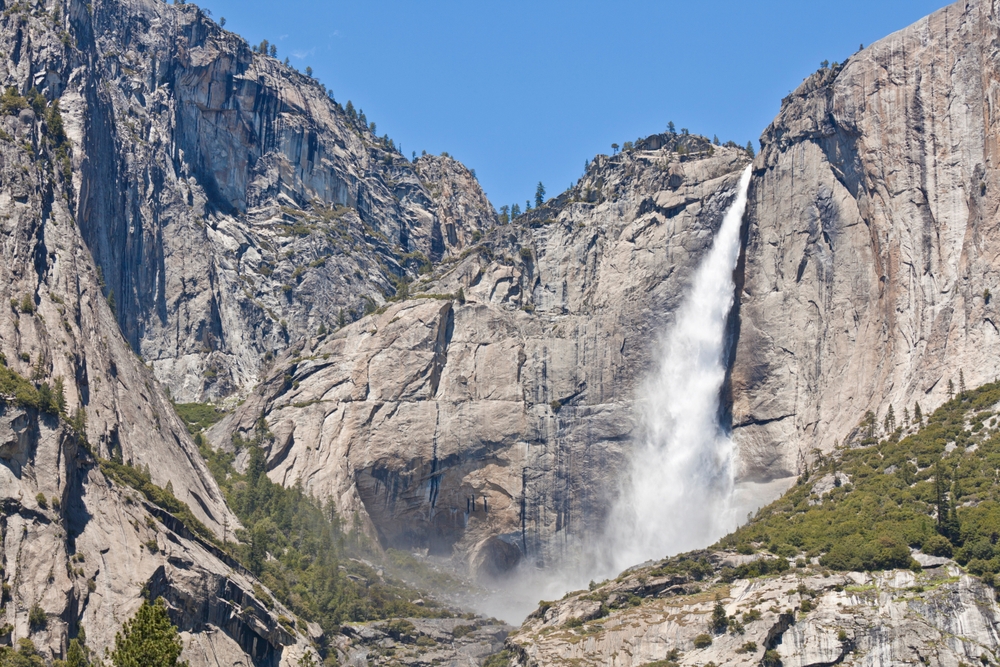
Yosemite Falls in winter offers a dramatic and serene atmosphere, transforming into a frozen beauty far from the usual summer crowds. The massive granite walls surrounding the falls often catch snow and ice, creating a stunning contrast between the frosty elements and the rushing water. The colder temperatures of winter allow for unique photo opportunities with ice and snow sculpting the surrounding landscape, offering a picturesque view of nature’s artistry. The falls are not as powerful in winter, but the quiet and stillness make it feel even more majestic.
Winter is also a perfect time to experience Yosemite’s beauty without the throngs of tourists that flood the park in spring and summer. The trails leading to Yosemite Falls are less crowded, and the winter months allow for a more intimate experience with nature. The park’s overall serenity is heightened by the snow-covered trees and the sound of water cascading from the frozen cliffs, creating a magical atmosphere. This quieter time allows visitors to truly immerse themselves in the stillness and majesty of one of the park’s most iconic waterfalls.
Multnomah Falls – Cascade Locks, Oregon
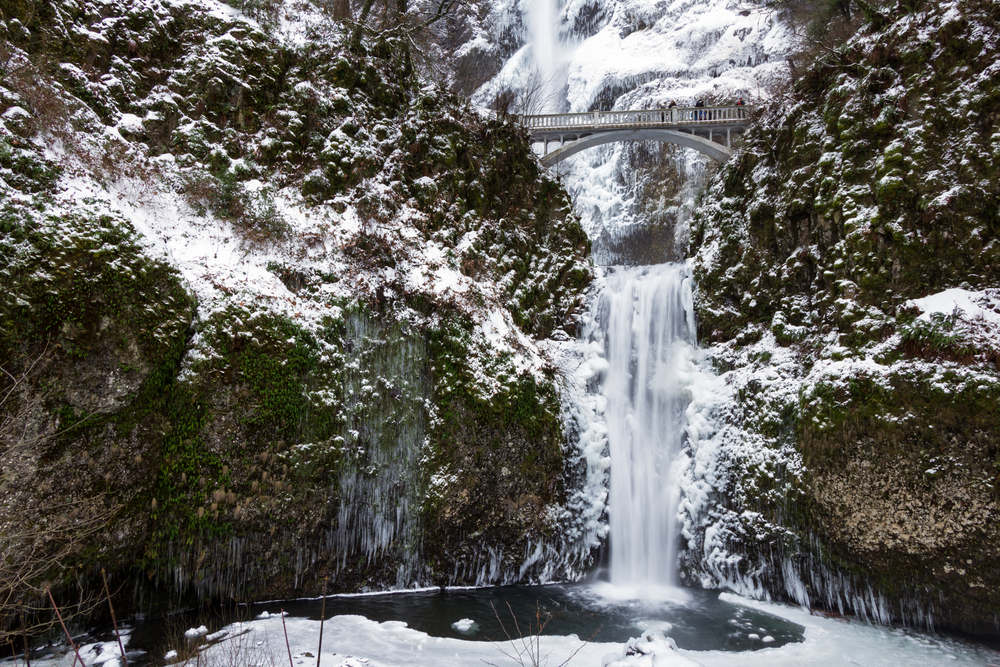
Multnomah Falls, located in the Columbia River Gorge, is stunning year-round, but winter brings a unique frozen elegance to the falls. The mist rising from the water often freezes on nearby trees and rocks, creating a spectacular ice display that contrasts with the deep green forests. The waterfalls freeze at the edges, turning into a frosty wonderland where the water continues to cascade down, flowing through the ice. The dramatic scenery of the falls, with the surrounding snow and ice, transforms the landscape into a surreal, ethereal beauty that feels otherworldly.
Winter is also a quieter time to visit Multnomah Falls, as the usual crowds thin out during the colder months. The drop in visitors means fewer people on the iconic bridge that overlooks the falls, allowing for uninterrupted views of the icy elegance. While the trail to the falls is still accessible, the snow-covered surroundings provide a calm and peaceful setting, perfect for those looking to escape the busier tourist seasons. Standing on the bridge in the midst of winter’s stillness offers a rare chance to appreciate the falls’ natural beauty without the noise of large crowds.
Snoqualmie Falls – Snoqualmie, Washington
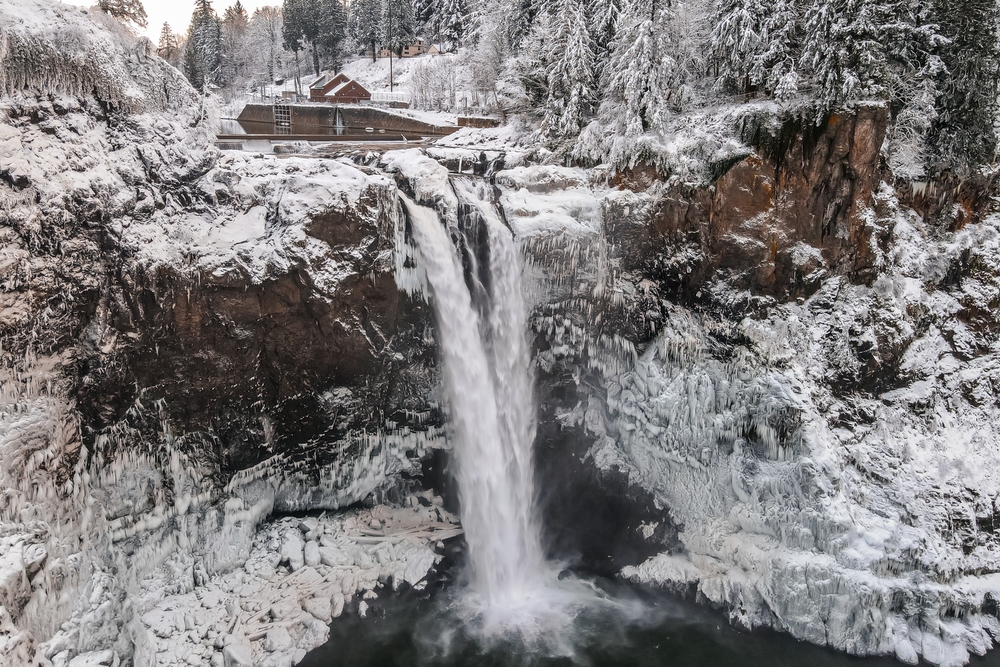
Snoqualmie Falls in winter presents a powerful sight, with snow and ice framing the waterfall’s 270-foot drop. The surrounding cliffs become adorned with frosty layers that contrast beautifully against the dark basalt rock, creating a striking visual spectacle. The mist from the falls freezes on nearby branches and trees, creating delicate ice crystals that shimmer in the winter light. Even as the waterfall continues to flow beneath the icy surface, the view remains dramatic, offering a captivating sight that is unmatched in other seasons.
Winter is a peaceful time to visit Snoqualmie Falls as fewer tourists come to the area, allowing visitors to experience the falls in a more private and tranquil setting. Early mornings offer a quiet atmosphere with the sounds of rushing water and the crisp winter air. The soft winter light adds a magical glow to the already breathtaking landscape, making it a perfect spot for photographers and nature lovers. With fewer crowds, visitors can enjoy the majesty of the falls without the usual hustle and bustle, creating a more intimate connection with the natural beauty of the area.
Tahquamenon Falls – Tahquamenon Falls State Park, Michigan
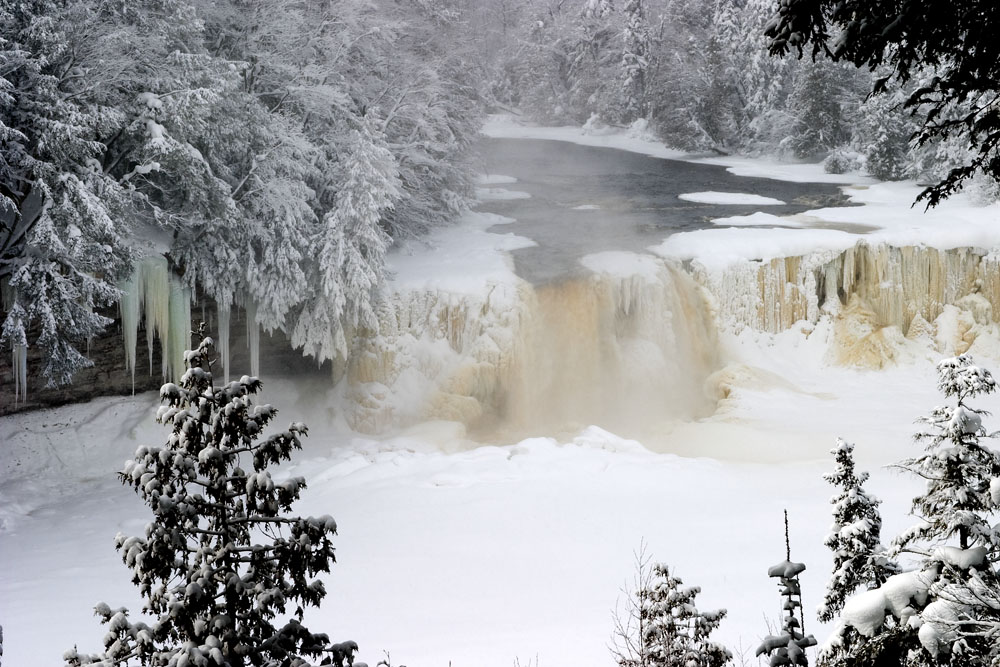
Tahquamenon Falls, located in Michigan’s Upper Peninsula, becomes even more dramatic in winter when the snow and ice create a breathtaking contrast with the flowing water. The falls, known for their rich, brown-colored water due to the tannins in the river, create a striking visual when combined with the surrounding snow-covered trees and frozen edges. Parts of the waterfall freeze into sculpted ice formations, adding to the beauty of the landscape. The powerful flow of the water stands out even more against the icy, snow-laden surroundings, creating a mesmerizing winter scene.
Winter at Tahquamenon Falls offers a serene experience, as fewer visitors come to the park during the colder months. The trails are quieter, and the surrounding trees are blanketed with snow, giving the entire area a peaceful atmosphere. The muted sounds of the snow and ice, mixed with the rush of the falls, create a calm, meditative experience for those who visit. The absence of summer crowds allows for a more personal encounter with this stunning natural feature, making it an ideal winter destination for those seeking solitude and beauty in the midst of a frozen wonderland.
Shoshone Falls – Twin Falls, Idaho
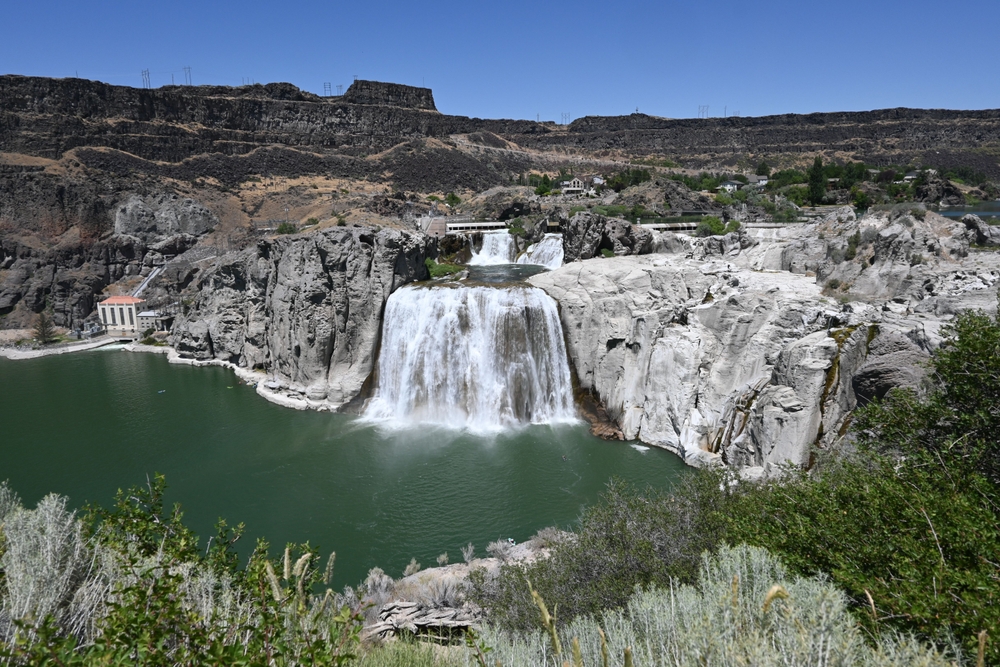
Shoshone Falls, often referred to as the “Niagara of the West,” presents an awe-inspiring scene in winter when ice and snow transform the falls into a frozen wonderland. The wide, powerful waterfall is not as frozen as some others but has a mesmerizing edge where the water meets ice, creating a beautiful contrast of fluidity and solidification. The surrounding cliffs, covered in snow and ice, enhance the grandeur of the falls, giving the entire area a majestic, wintery feel. On cold days, the mist rising from the falls freezes on nearby trees, creating sparkling ice formations that further elevate the scene.
Winter brings a calmness to Shoshone Falls, with fewer visitors coming to the area compared to the warmer months. The surrounding park is often quiet, with snow blanketing the ground and the only sounds being the rushing water and the crunch of snow underfoot. This tranquil atmosphere makes winter the ideal time to visit for those looking to experience the beauty of Shoshone Falls in a peaceful setting. The contrast of frozen beauty with the waterfall’s continued flow creates a serene, magical landscape, far removed from the busy crowds of summer.
Bridalveil Fall – Yosemite National Park, California
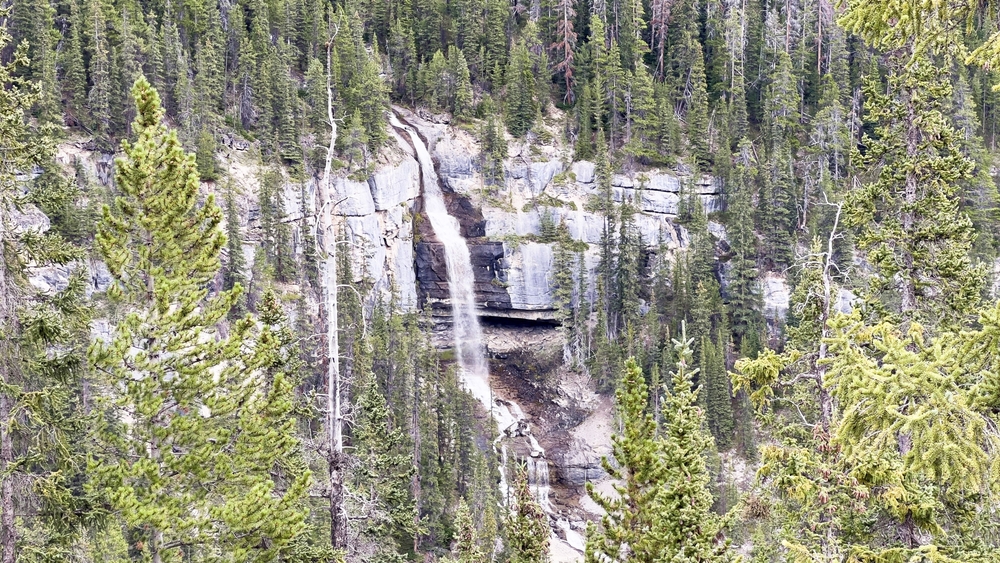
Bridalveil Fall is a captivating sight in winter, where the cold temperatures create stunning icy features along its 620-foot drop. The waterfall, known for its delicate mist that blows sideways in the wind, freezes in places, creating beautiful ice formations along the rocks. The surrounding landscape, covered in snow, adds a layer of tranquility to the scene, with the ice and snow transforming the fall into a mystical winter wonderland. This waterfall’s unique shape and the way the water drifts in the air make it even more impressive against the snowy backdrop.
Winter in Yosemite brings much-needed peace to the area, as fewer people visit the park during the colder months. The usually crowded Bridalveil Fall viewing area is much less frequented, allowing visitors to take in the beauty without the usual distractions. The soft winter light glistens on the ice and snow around the waterfall, creating stunning reflections that are perfect for photography. The lack of crowds combined with the stillness of winter makes it an ideal time to visit, offering a serene and dramatic view of one of Yosemite’s most iconic falls.
Wailua Falls – Kauai, Hawaii
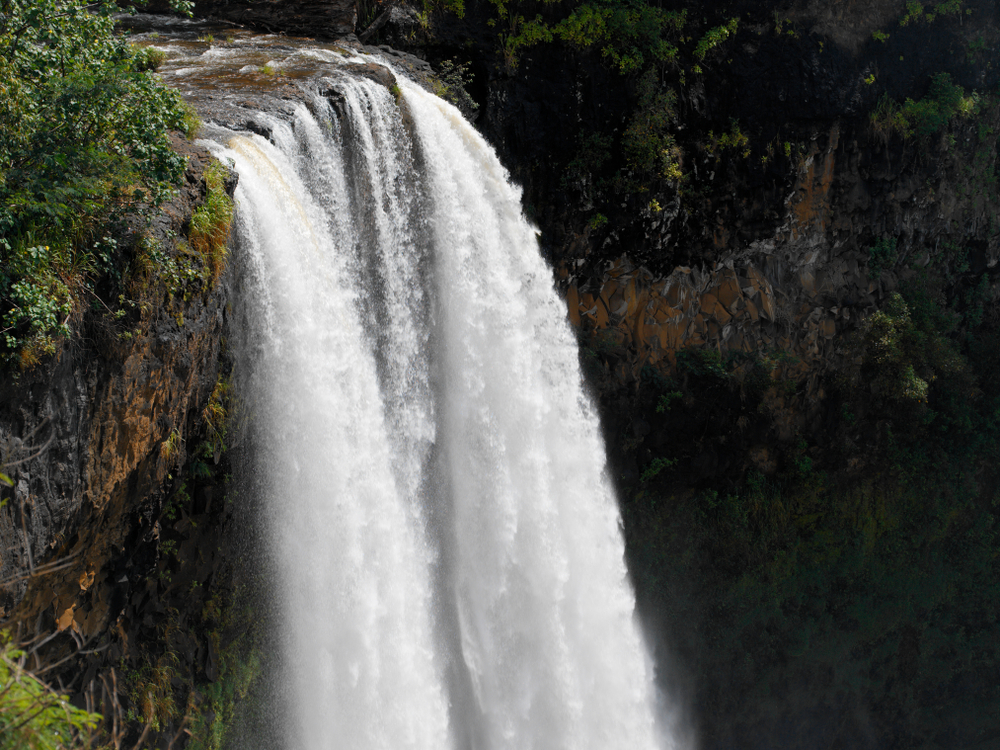
Wailua Falls, located on the island of Kauai, offers a dramatic winter scene that contrasts with the lush, green landscape of Hawaii. During the rainy season, which typically peaks in winter, the falls swell and flow with incredible force, creating a striking sight against the often clouded skies. The mist rises from the base of the falls, especially in the cooler months, and can form delicate ice crystals around the surrounding foliage. The warm tropical environment in winter, combined with the powerful flow of the falls, provides a captivating winter experience that is distinct from the usual icy waterfalls found in colder regions.
Winter is a quieter time to visit Wailua Falls, as fewer tourists come to Kauai during this season. The cooler temperatures and frequent rains can deter many visitors, which means those who do visit can enjoy the falls without the usual crowds. The falls are especially impressive during the winter months, as the rain feeds the stream, making the waterfall appear more dynamic and powerful. The lush jungle around the falls provides a beautiful contrast to the strong winter flow, and the overall atmosphere is both tranquil and awe-inspiring.
Rogue River Falls – Prospect, Oregon
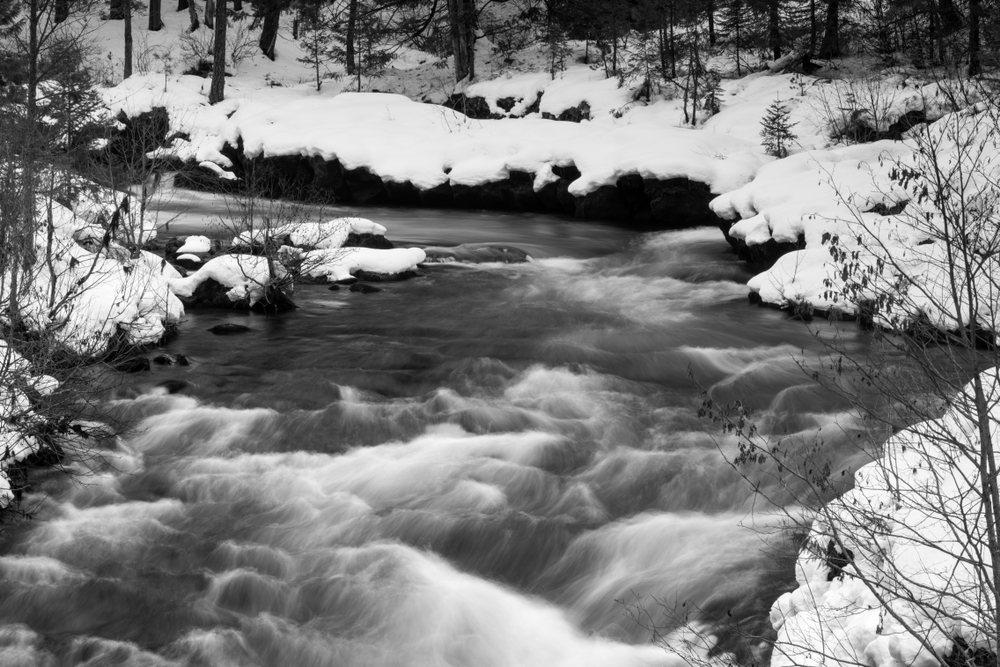
Rogue River Falls is a hidden gem in southern Oregon, where winter creates a magical landscape that is often untouched by crowds. The falls, which cascade over a series of rocky ledges, can freeze at the edges during cold weather, turning them into a breathtaking scene of ice and water. The surrounding forest, dusted with snow, enhances the beauty of the falls, offering a peaceful winter escape. The sight of water tumbling over frozen ledges is both dramatic and serene, with the snow-covered surroundings adding a sense of calm to the scene.
Winter brings fewer visitors to this remote area, making it an ideal time to experience the falls in solitude. The paths to the falls are often quieter, and the area’s isolation from larger tourist crowds gives it a sense of peace that is hard to find in busier seasons. The combination of rushing water, frozen formations, and the crisp winter air creates an atmosphere that is both refreshing and awe-inspiring. This winter haven is perfect for those seeking a less-explored waterfall experience.
Havasu Falls – Grand Canyon, Arizona
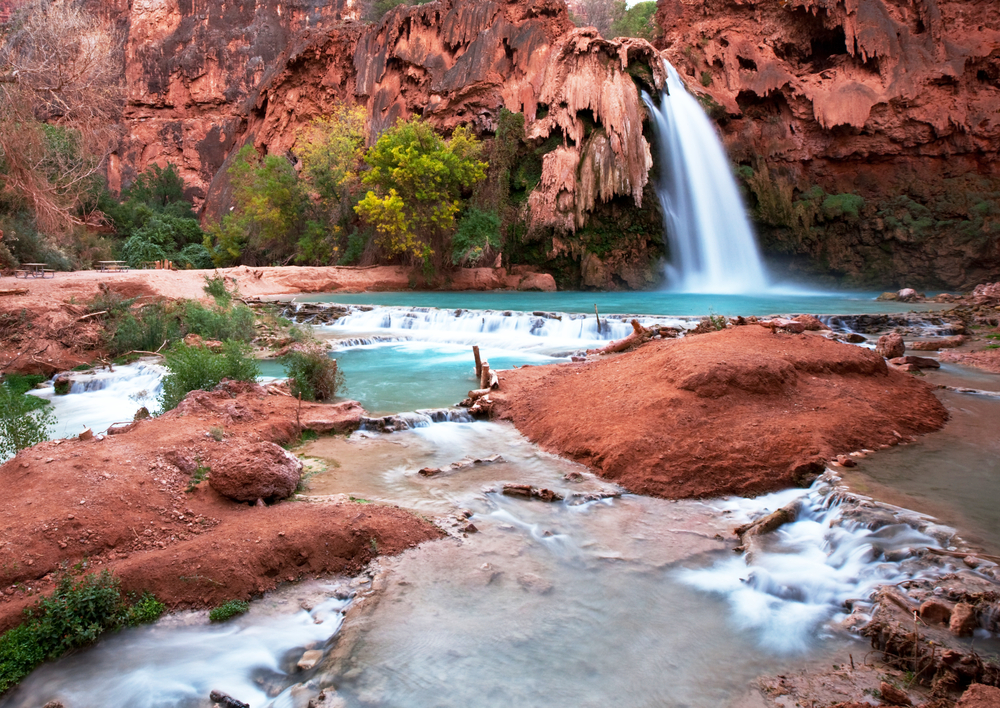
Havasu Falls, tucked away in the Grand Canyon, transforms into a mesmerizing winter wonderland when temperatures drop. The iconic turquoise waters of the falls stand out against the backdrop of snow-covered cliffs, creating a striking contrast. The flow of water continues year-round, but in winter, the surrounding vegetation and rock formations become coated in ice, adding a frosty touch to the already vibrant scenery. The falls, surrounded by snow and ice, appear even more dramatic during the winter months, offering a truly unique experience compared to the warmer seasons.
With fewer people visiting the falls in winter, you can experience Havasu Falls in a more serene and peaceful setting. The usual summer crowds are absent, leaving behind a tranquil atmosphere that allows you to appreciate the falls in all their frozen glory. The quiet of winter enhances the natural beauty of the Grand Canyon, and the chilly air makes for an invigorating hike to the falls. With its stunning contrast of warm water and icy surroundings, Havasu Falls provides an unforgettable winter adventure for those willing to brave the cooler temperatures.
Horsetail Falls – Columbia River Gorge, Oregon
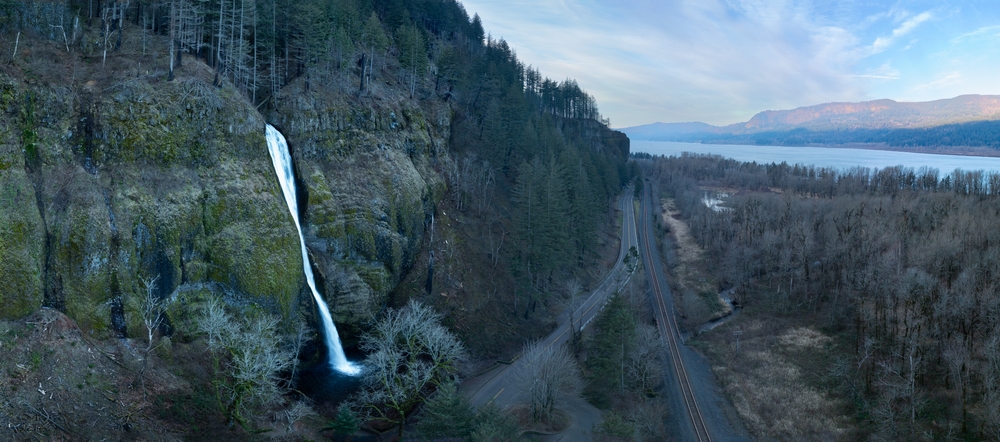
Horsetail Falls in the Columbia River Gorge is another breathtaking waterfall that takes on a new life in winter. As the water cascades over the rock face, it often freezes around the edges, forming icicles that add an ethereal quality to the falls. The surrounding cliffs, dusted with snow, give the falls a frosty appearance that contrasts with the movement of the water below. The mist rising from the base of the falls often freezes into delicate ice crystals, making it feel like a frozen fairyland in the middle of the gorge.
In winter, Horsetail Falls sees fewer visitors, as many people tend to avoid the area due to the cold and the potential for icy conditions. However, those who do visit are rewarded with a quiet, magical experience. The snow-covered trees and frozen waterfall offer a peaceful escape from the usual crowds that flock to the gorge in warmer months. The crisp winter air, combined with the beauty of the falls, creates a serene and dramatic winter landscape that is well worth the trip.
Amicalola Falls – Dawsonville, Georgia
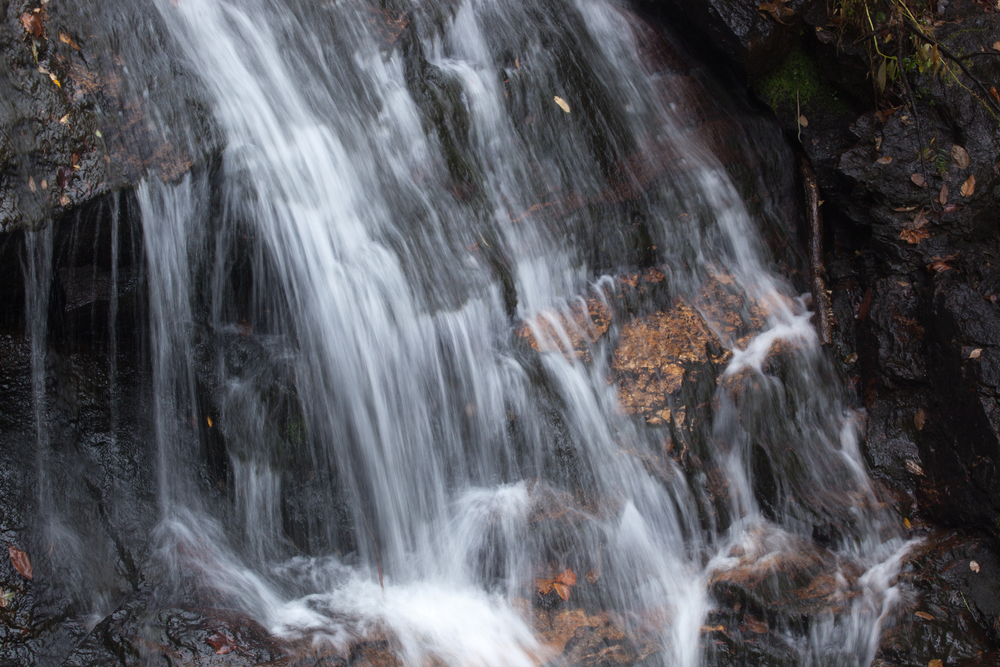
Amicalola Falls in winter presents a beautiful scene as the water cascades down the 729-foot drop, often freezing at the edges to create stunning icicles. The surrounding forest, covered in snow, enhances the beauty of the falls, turning the area into a winter wonderland. The falls’ dramatic drop looks even more striking when surrounded by the soft white snow, making it a perfect winter destination. The mist rising from the falls can freeze on nearby trees and rocks, adding an extra layer of frost to the already beautiful landscape.
Winter brings fewer visitors to Amicalola Falls, as the cold weather can deter many hikers. This makes it an ideal time to visit for those seeking a quiet, peaceful experience. The beauty of the falls, combined with the tranquility of the winter landscape, creates a serene and magical atmosphere. The stillness of the area, combined with the dramatic sight of the falls in winter, makes it an unforgettable winter destination.
This article originally appeared on Avocadu.