
14 Stage Plays with Big Reveals That Still Feel Fresh
Stage plays have a unique way of captivating audiences with their unexpected twists and surprising revelations. From thrilling mysteries to heart-wrenching dramas, these performances keep us on the edge of our seats, never quite sure where the story will lead. What makes these plays stand out is how the big reveals challenge our assumptions and offer new perspectives, even after years of being staged. They remind us that great storytelling is timeless, and a well-executed twist can still leave us in awe. The beauty of these plays lies in their ability to surprise, even when we think we know what’s coming.
This post may contain affiliate links, which helps keep this content free. Please read our disclosure for more info.
The Mousetrap by Agatha Christie
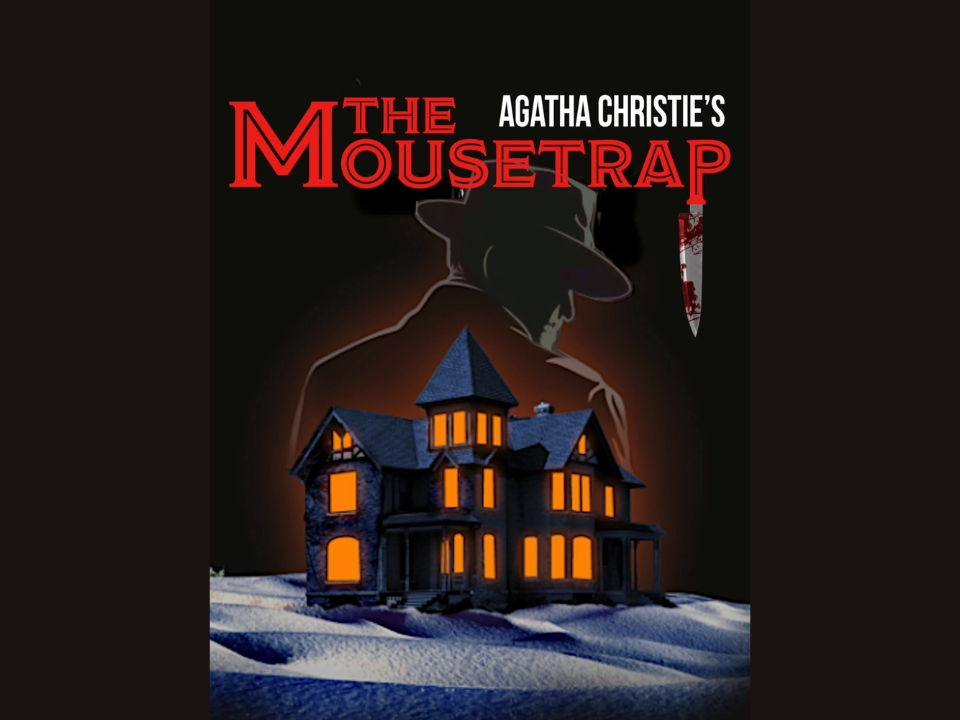
The Mousetrap is a classic murder mystery that has kept audiences captivated for decades. The play revolves around a group of strangers stranded in a remote guesthouse during a snowstorm, with one of them being a murderer. As the plot unravels, the unexpected twist leaves the audience questioning everything they thought they knew about the characters. What sets the reveal apart is how seamlessly it fits within the narrative, offering a surprising yet satisfying conclusion.
Its clever use of red herrings and intricate character development ensures that the mystery remains engaging even after all these years. The revelation at the end challenges the audience to rethink the clues they were given throughout the play. This masterpiece remains one of the longest-running plays in history due to its enduring ability to surprise and intrigue.
The Woman in Black by Stephen Mallatratt
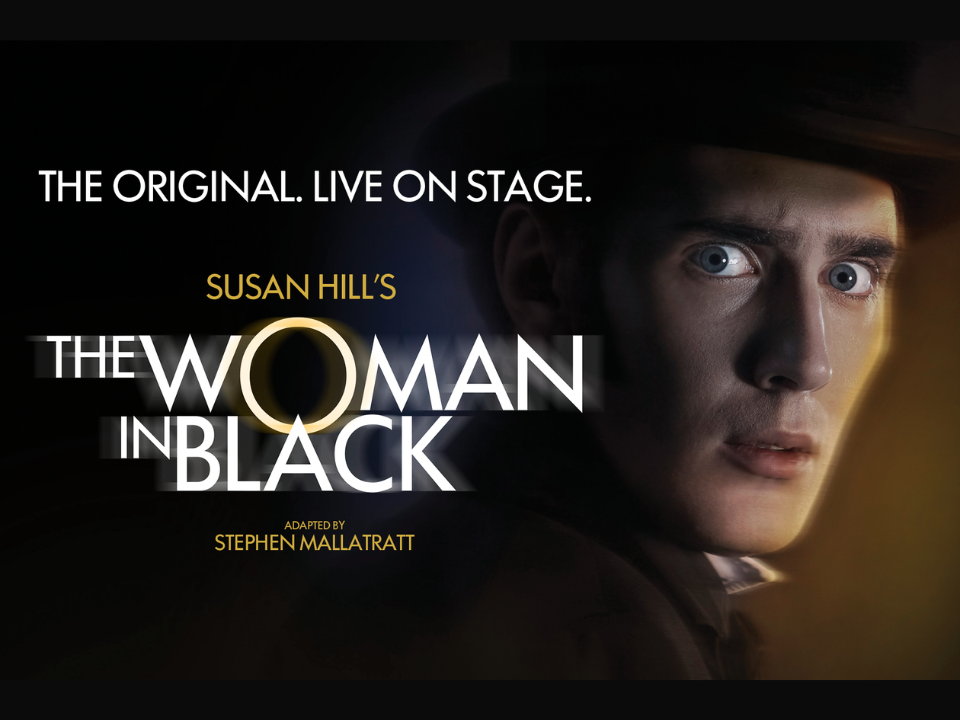
Based on Susan Hill’s novel, The Woman in Black is a ghost story that has haunted the stage for years. It tells the story of a man trying to uncover the truth behind the mysterious events at a secluded house. The tension builds throughout the play, with the ultimate revelation about the woman in black being a chilling moment of shock.
The play’s simplicity, with only two actors and minimal sets, enhances the impact of the twist. The reveal not only shocks but also leaves a lingering sense of dread. As the play progresses, the audience becomes more invested in the mystery, making the final twist all the more rewarding. The play’s ability to keep the audience on the edge of their seats while maintaining an eerie atmosphere speaks to its timeless appeal.
Deathtrap by Ira Levin
Deathtrap is a thrilling play that centers on a famous playwright who plans to kill his protégé to steal his script. What makes this play so compelling is its constant shifting of expectations. Just when the audience thinks they know where the plot is heading, new twists and turns keep them guessing.
The final reveal is clever, as it changes the entire premise of the play and leaves the audience astounded. The unpredictable nature of Deathtrap is what makes it so enduring. Even after years of performances, the play continues to captivate and surprise audiences with its surprising and dark humor. Its ability to blend suspense and comedy keeps it fresh and relevant, even after all these years.
The Crucible by Arthur Miller
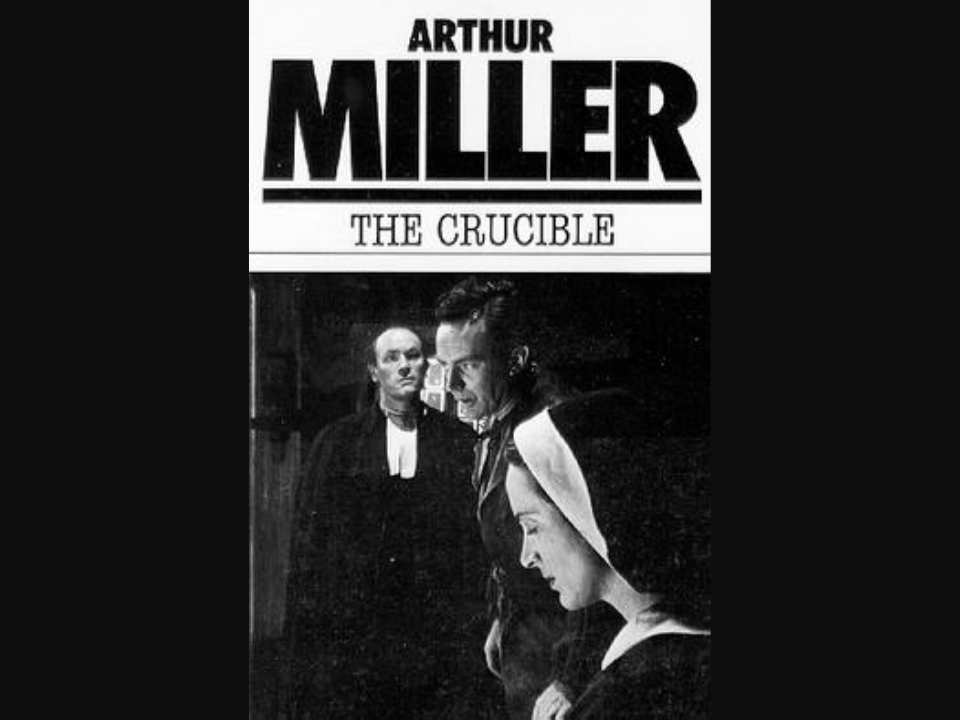
Arthur Miller’s The Crucible is not only a profound commentary on mass hysteria but also a play that keeps revealing more layers of its characters with every act. Set during the Salem witch trials, the play exposes the dangers of mob mentality and the personal vendettas that fuel it. The revelation of Abigail Williams’ manipulative nature and her role in the trials’ chaos is both shocking and deeply unsettling.
This big reveal highlights the power dynamics in the community, making the audience reflect on the broader societal implications. The play’s exploration of truth and justice continues to resonate today, with its ending still provoking intense emotions and reflection. Even though The Crucible is well-known, its ability to unearth new meanings with each performance ensures that it remains impactful.
The Hound of the Baskervilles by Sir Arthur Conan Doyle (Stage Adaptation)
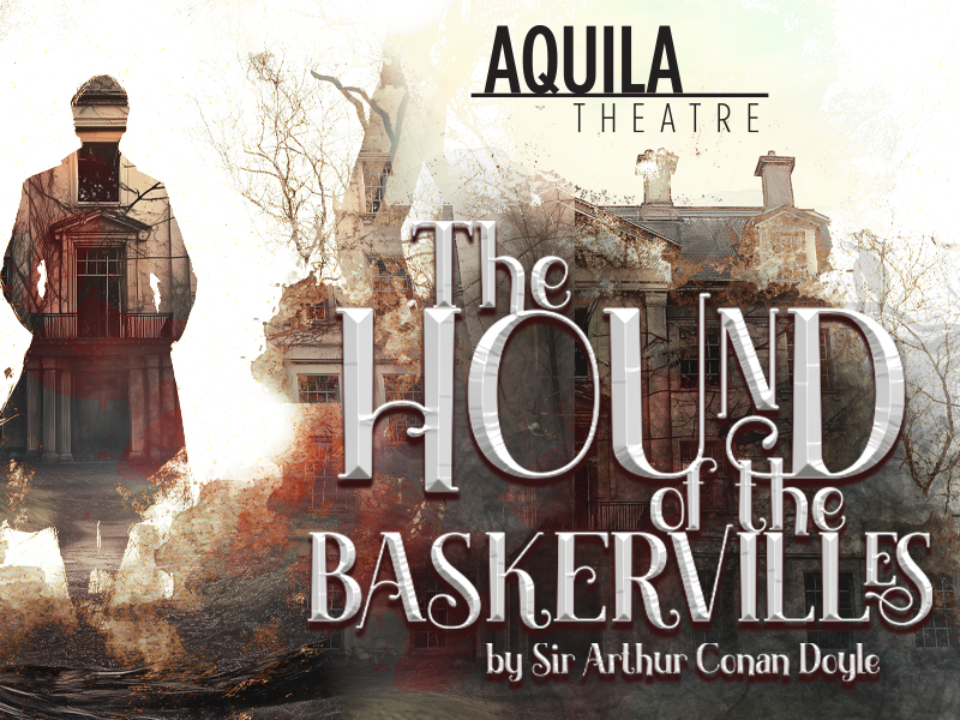
The stage adaptation of The Hound of the Baskervilles takes Sherlock Holmes’ famous investigation to new heights, with clever staging and dramatic reveals. The mystery surrounding the legendary hound that haunts the Baskerville family is one of the most iconic in literary history. As Holmes and Watson uncover clues, the audience is drawn into the mystery.
The big reveal comes when the true nature of the beast is uncovered, and the complex web of deception is laid bare. The use of light and shadow on stage helps to build suspense, making the final twist even more effective. The play is a perfect blend of classic detective work and unexpected drama, keeping the audience on the edge of their seats.
The Pillowman by Martin McDonagh
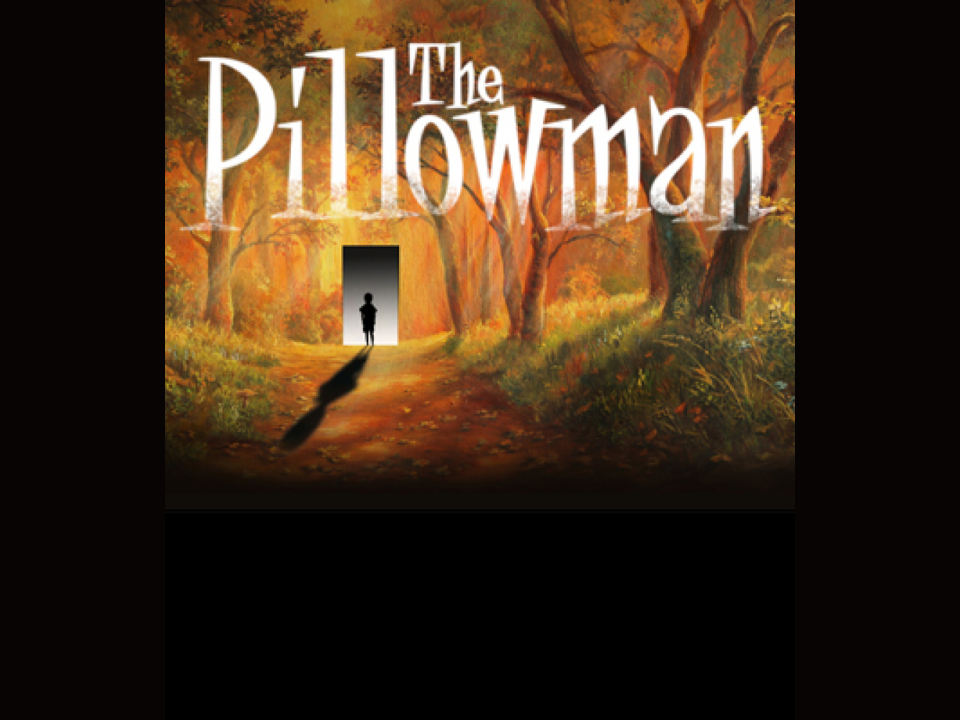
Martin McDonagh’s The Pillowman is a dark, thought-provoking play that explores the boundaries of storytelling and morality. The play centers on a writer being interrogated by the police after a series of gruesome murders seem to mirror his stories. As the plot unfolds, the audience is left questioning what is real and what is fabricated. The final reveal about the writer’s connection to the crimes is shocking and forces the audience to reconsider the entire narrative.
McDonagh’s skillful blending of horror and dark humor adds layers of complexity to the reveal, making it all the more unsettling. The emotional impact of the ending lingers, ensuring that The Pillowman remains a powerful and fresh stage experience.
A View from the Bridge by Arthur Miller
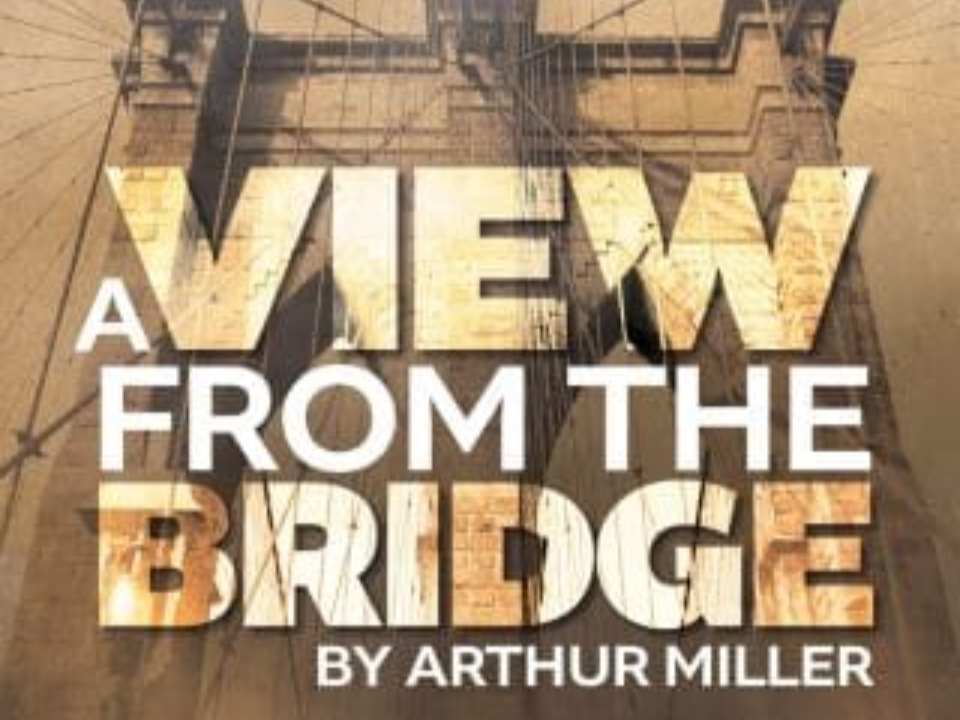
In A View from the Bridge, Arthur Miller explores themes of jealousy, justice, and loyalty within an Italian-American community. The play focuses on Eddie Carbone, a longshoreman whose protective instincts toward his niece lead him down a tragic path. The big reveal comes when Eddie’s actions and motivations are fully revealed, showing how his obsession and possessiveness have led to his downfall.
The tension between Eddie and the other characters builds throughout the play, with the final reveal forcing the audience to confront the consequences of his actions. The themes of betrayal and moral ambiguity remain as relevant today as when the play was first staged, ensuring its lasting impact. The raw emotional power of the play, combined with its timeless themes, keeps A View from the Bridge fresh.
The Night of the Iguana by Tennessee Williams

Tennessee Williams’ The Night of the Iguana is a masterful exploration of human desires, isolation, and emotional conflict. The play centers on a group of characters staying at a rundown hotel in Mexico, each struggling with their personal demons. As the characters’ secrets are revealed, the play builds to a poignant moment of self-realization and understanding. The big reveal comes when the truth about the central character’s troubled past is uncovered, shedding light on his actions throughout the play.
The emotional depth and complexity of the characters make this a play that continues to resonate. The twists in the narrative keep the audience engaged and invested in the fate of each character, ensuring the play’s enduring appeal.
Who’s Afraid of Virginia Woolf? by Edward Albee

Who’s Afraid of Virginia Woolf? is an intense exploration of marriage, illusion, and the harsh truths we hide from others. The play follows a married couple, George and Martha, who invite a younger couple to their home for a night of drinking and psychological games. The big reveal occurs when the illusion the couple has been maintaining throughout the evening unravels, exposing their deep insecurities and disappointments.
The emotional rawness of the characters and their interactions keeps the play fresh, even as the themes of disillusionment and bitterness resonate with modern audiences. The final revelation strips away the facade, offering a painful but poignant truth. The strength of Albee’s writing and the tension between the characters ensure that this play continues to feel relevant.
The Glass Menagerie by Tennessee Williams
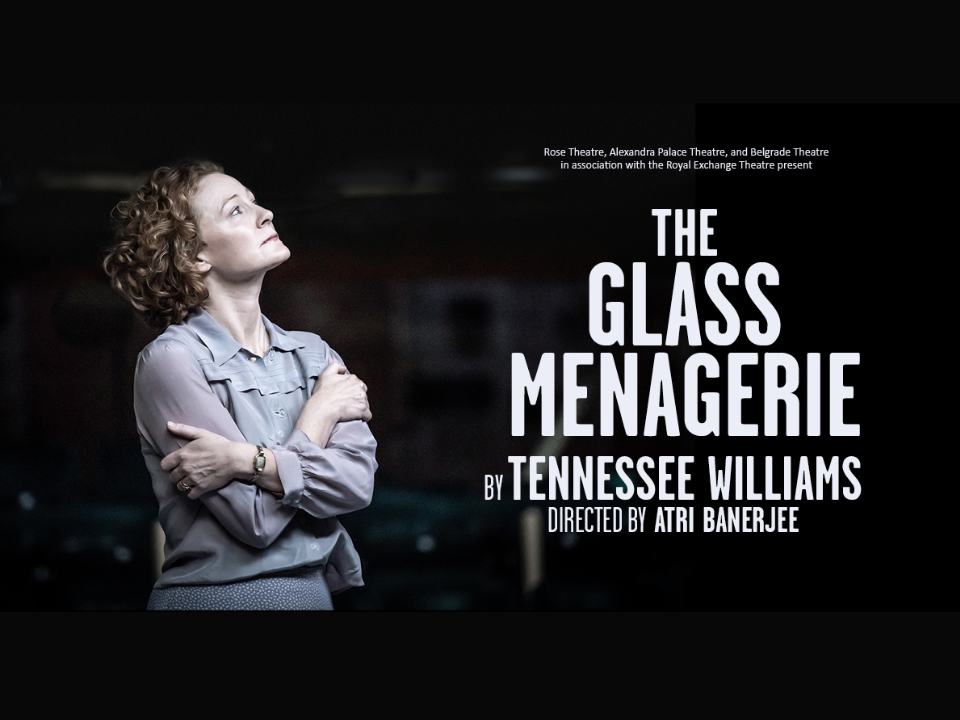
Tennessee Williams’ The Glass Menagerie is a powerful exploration of memory, family dynamics, and personal yearning. The play follows Tom Wingfield, who reflects on his life with his overbearing mother, Amanda, and his fragile sister, Laura. The big reveal comes when Tom reveals the truth about his departure and his inability to meet his family’s expectations.
The way Williams uses memory as a lens for storytelling adds depth to the narrative, as the audience learns more about the characters through Tom’s selective recollections. The emotional weight of the reveal is magnified by the fragile and vulnerable nature of Laura, making the play’s conclusion even more tragic. The timeless themes of longing, escape, and the burdens of family make it a play that remains fresh and impactful.
Long Day’s Journey into Night by Eugene O’Neill
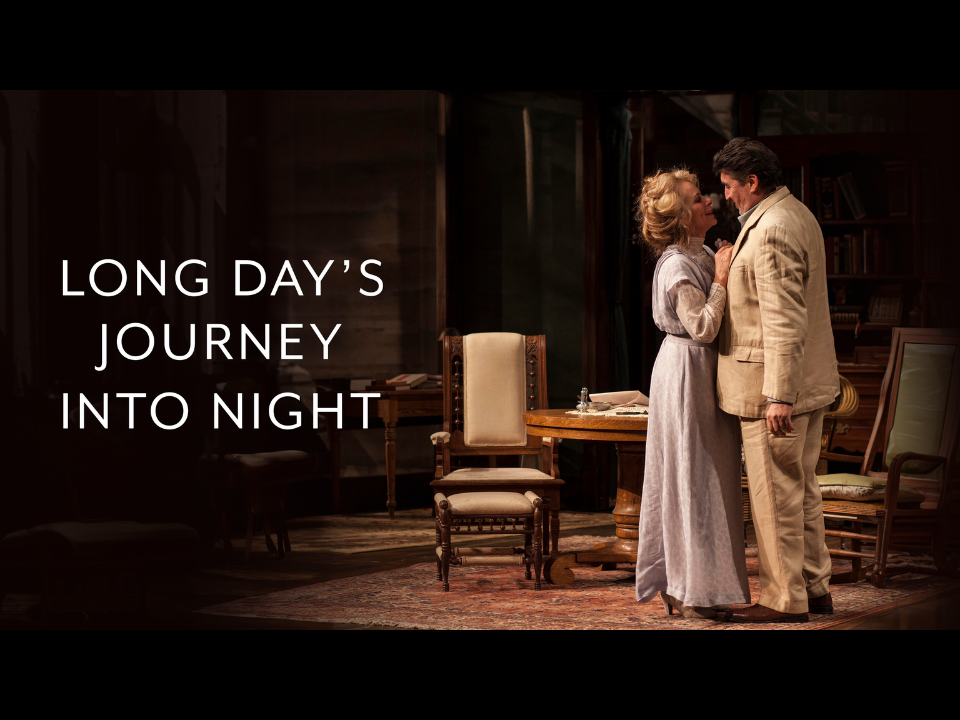
Long Day’s Journey into Night is a deeply personal and emotionally charged play that explores the complexities of family life. Set in a single day, the play follows the Tyrone family as they reveal painful truths about their past. The big reveal centers on the family’s history of addiction, illness, and emotional scars, particularly the devastating impact on the mother, Mary. O’Neill’s portrayal of the Tyrone family’s dysfunction resonates with audiences, as it highlights the cyclical nature of pain and denial.
The gradual unraveling of the family’s secrets creates a deep sense of tragedy, with the final revelation showing just how much they are all trapped by their pasts. The emotional honesty and complexity of the characters ensure that this play remains as poignant and fresh today as when it was first performed.
The Importance of Being Earnest by Oscar Wilde
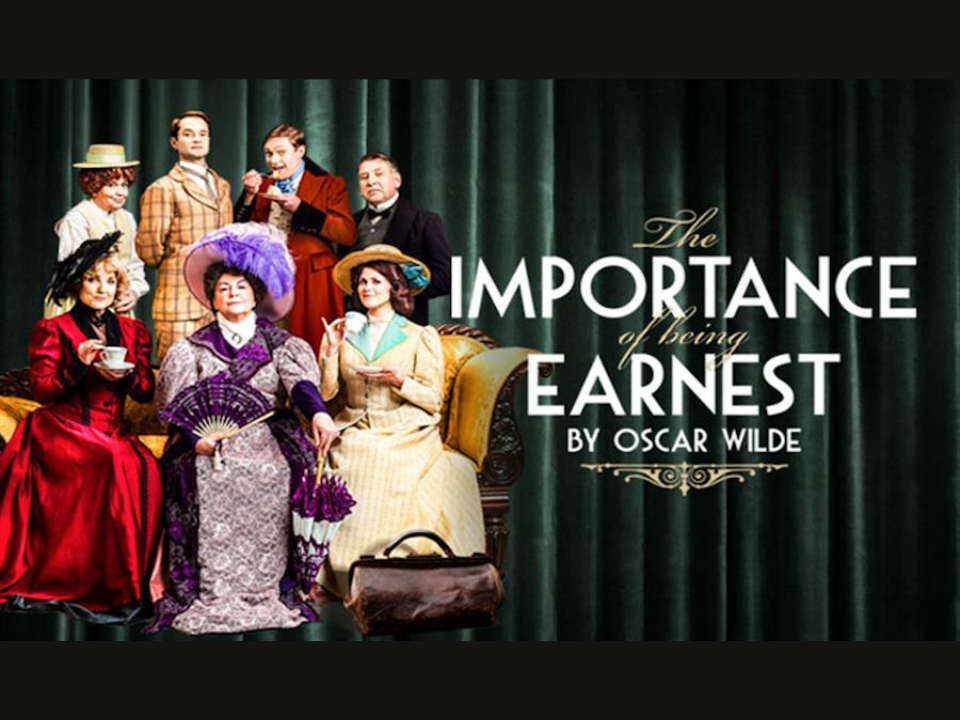
Oscar Wilde’s The Importance of Being Earnest is a delightful comedy that still surprises audiences with its twists. The play centers on two men, Jack and Algernon, who create fictitious identities to escape their responsibilities. The big reveal comes when it is discovered that both men are actually connected through family ties, leading to a series of humorous and absurd situations.
Wilde’s use of mistaken identities and social commentary on Victorian society ensures that the play remains relevant. The sharp wit, along with the hilarious misunderstandings, continues to delight audiences, even as the play’s final twist remains just as surprising as ever. The Importance of Being Earnest is a timeless classic with a twist that always feels fresh.
The Cocktail Hour by A.R. Gurney
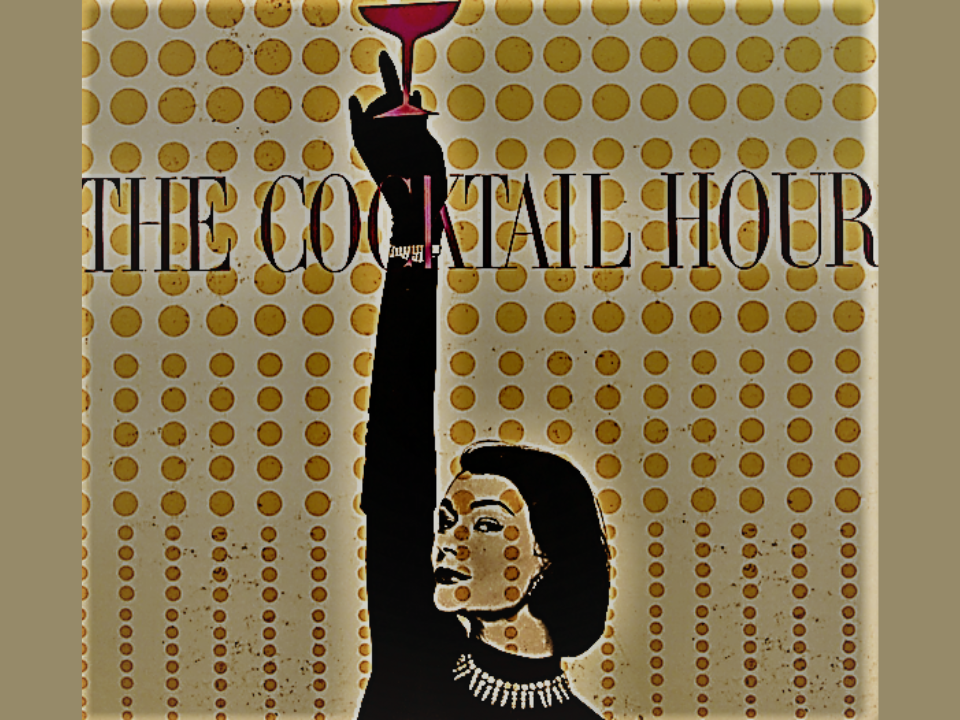
In The Cocktail Hour, A.R. Gurney offers a humorous and poignant look at a family gathering. The play centers on a family’s complicated dynamics as they come together for drinks and conversation. The big reveal occurs as long-hidden secrets about the family’s relationships and personal lives come to light.
The charm of The Cocktail Hour lies in how Gurney masterfully uses humor to mask deeper emotional struggles, revealing much more than the characters initially let on. The play’s final moments bring clarity to the characters’ motivations and frustrations, offering a satisfying, if bittersweet, conclusion. Even after several decades, the play’s exploration of family dynamics feels fresh and insightful.
The Shadow Box by Michael Cristofer

The Shadow Box is a moving drama that delves into the human experience of dealing with terminal illness. The play takes place in a hospice, where three individuals confront their own mortality in different ways. The big reveal occurs when the true nature of the characters’ relationships and struggles is unveiled.
Cristofer’s writing examines the delicate balance between life and death, offering poignant moments of clarity and emotion. The final revelation about the characters’ inner lives and how they face their end resonates with audiences, leaving them with a sense of both sorrow and peace. The play’s raw emotion and the depth of its characters make it an enduring piece of theater.
This article originally appeared on Avocadu.