
16 Strange Desert Plants That Have Survived Harsh Climates for Ages
Deserts are home to some of the most resilient plants on Earth, capable of surviving extreme heat, dryness, and harsh conditions for centuries. These plants have developed unique features that allow them to thrive in environments where many others would perish. From cacti that store water for long periods to shrubs that can withstand intense sun exposure, desert plants have evolved remarkable ways to adapt. Despite the challenges of living in such a tough environment, these plants continue to thrive, offering both beauty and practicality to the ecosystems they inhabit.
This post may contain affiliate links, which helps keep this content free. Please read our disclosure for more info.
Saguaro Cactus
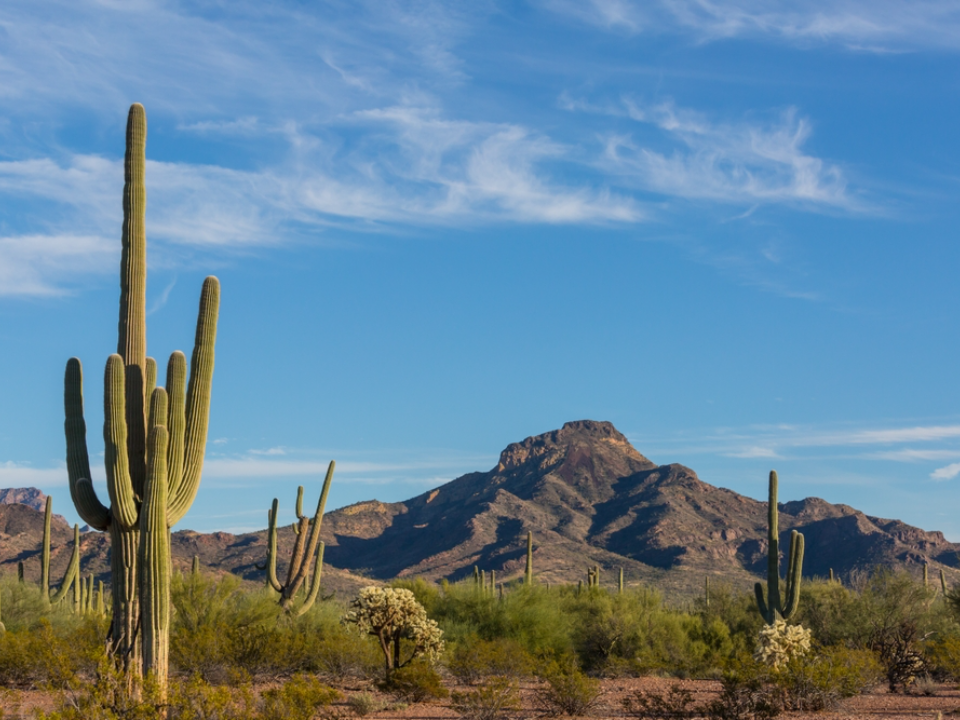
The Saguaro cactus is one of the most iconic desert plants, often symbolizing the American Southwest. This plant can live for over 150 years, thriving in the harsh, dry climates of Arizona. What makes the Saguaro so unique is its ability to store vast amounts of water in its thick, ribbed body, allowing it to survive long periods without rainfall.
During the summer, it produces beautiful white flowers that bloom at night, attracting nocturnal pollinators like bats. As it matures, the Saguaro can grow up to 40 feet tall, with arms that branch out after around 75 years. These cacti are crucial to desert ecosystems, providing homes for a variety of birds and mammals. Despite its slow growth, the Saguaro remains a symbol of resilience and endurance in desert environments.
Joshua Tree
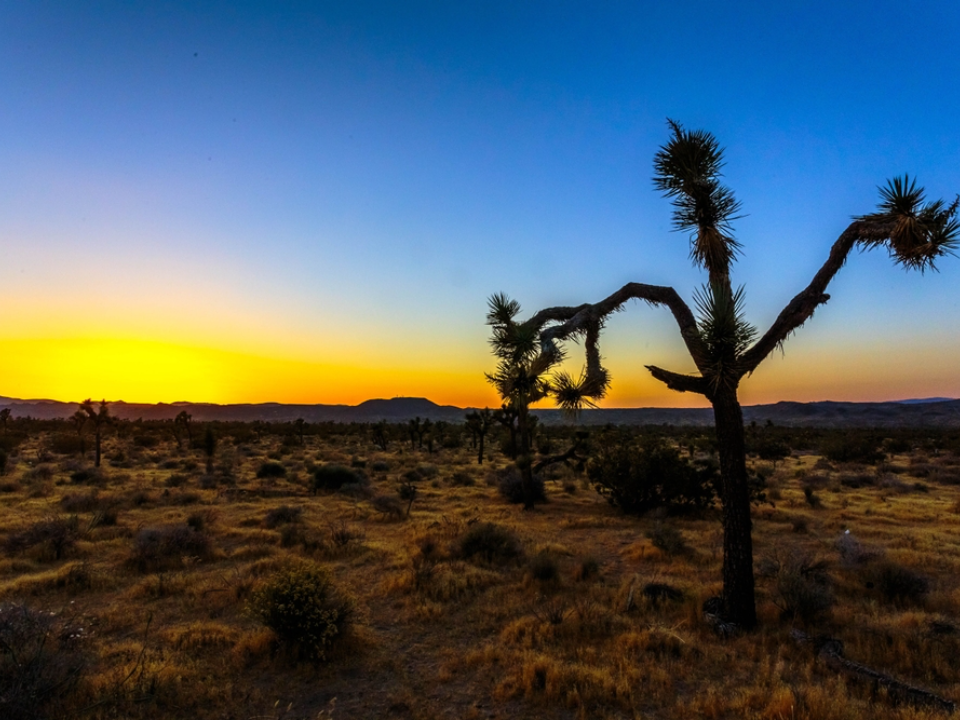
Joshua trees are an unusual sight in the Mojave Desert, standing tall with spiky, green leaves. They thrive in arid conditions and are capable of surviving extreme temperatures, ranging from freezing nights to scorching hot days. What sets Joshua trees apart is their ability to store water in their fibrous roots, which helps them withstand drought. Their twisted, spiky branches and bright white flowers give them a distinctive, otherworldly appearance.
Joshua trees can grow slowly, sometimes only adding an inch to their height each year. They have adapted to the desert’s tough conditions by developing a strong, deep root system that can find water even in dry soil. While they are not true trees, their survival in the Mojave Desert makes them a symbol of desert life.
Creosote Bush
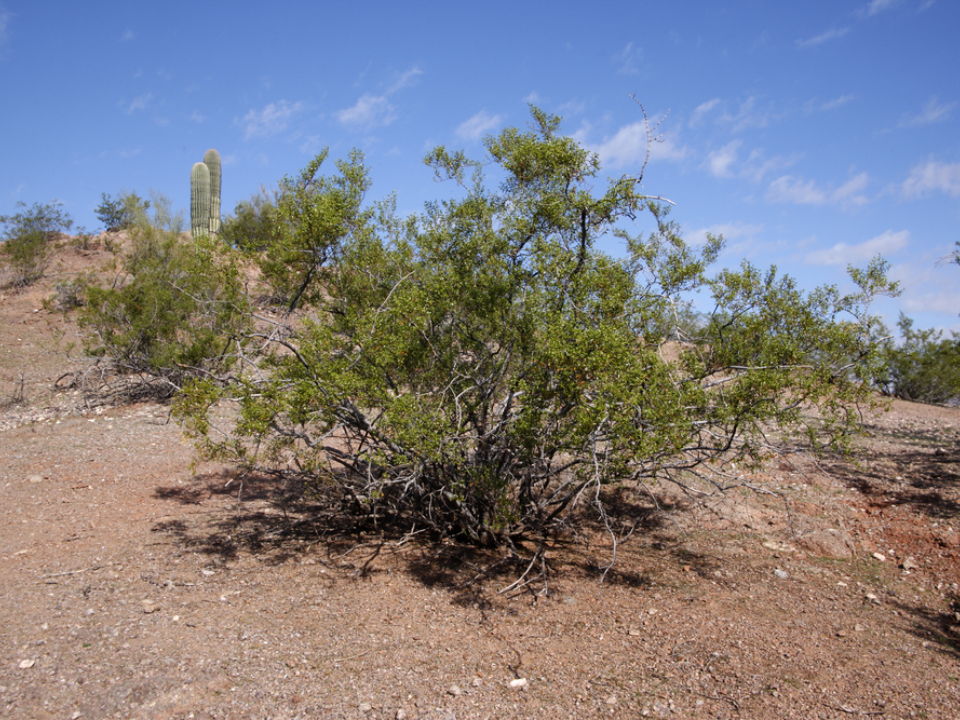
The Creosote bush is one of the oldest living plants in the world, with some individuals estimated to be over 11,000 years old. Known for its distinctive smell after a rain, this bush is a key survivor of the harsh desert climates. Its small, waxy leaves help conserve moisture, making it drought-tolerant. The plant’s deep taproots can extend more than 30 feet underground, reaching water sources that are far out of reach for other plants.
In the spring, Creosote bushes bloom with small yellow flowers, which are pollinated by insects. Despite its ability to withstand extreme heat and minimal rainfall, the Creosote bush is also highly resistant to disease. Its resilience has allowed it to spread across the deserts of the southwestern United States and Northern Mexico.
Agave
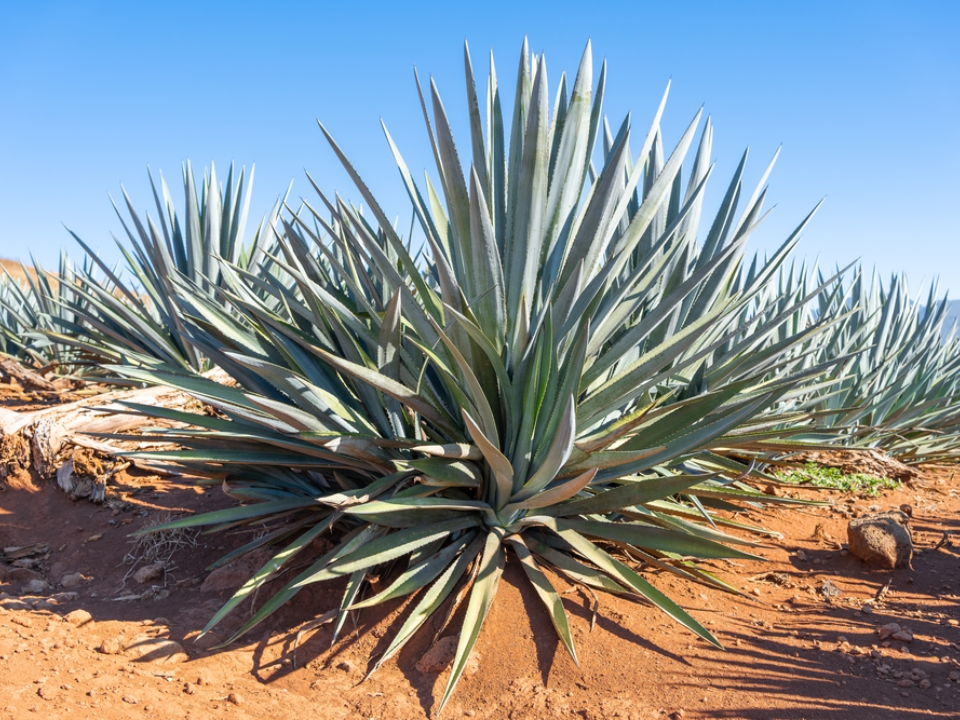
Agave plants are well-known for their sharp, fleshy leaves that store water. These plants are native to arid regions of North America and have adapted to the desert environment by developing thick leaves coated in a waxy layer to reduce water loss. Agave species like the Agave americana can live for years, with their growth rate slowing considerably in times of drought. When the plant reaches maturity, it produces a large flower stalk that can reach up to 30 feet tall, attracting pollinators like hummingbirds and bees.
After flowering, the plant typically dies, having produced numerous offshoots to continue its legacy. Agave is also known for being the primary source of tequila and other alcoholic beverages, showcasing its importance beyond survival. The plant’s deep roots allow it to access moisture far below the surface, making it well-suited to desert conditions.
Prickly Pear Cactus
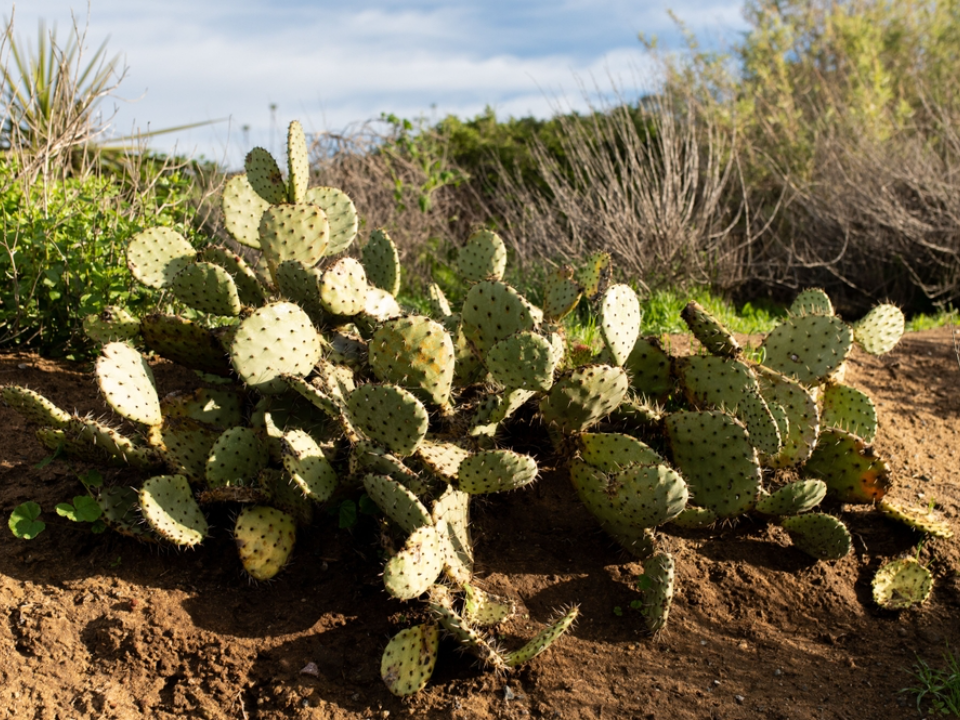
The Prickly Pear cactus is a hardy plant that can be found in deserts across the Americas. With its broad, flat pads and vibrant flowers, this cactus is adapted to the extreme heat and dry conditions of the desert. Its pads serve as both water storage and a surface for photosynthesis, allowing it to thrive in the harsh environment.
Prickly Pears are also known for their ability to regenerate after being damaged, growing new pads from the base. Some species of Prickly Pear produce edible fruits, known as “tunas,” which are rich in antioxidants and vitamins. This cactus is a crucial part of the desert ecosystem, providing food and shelter for various animals, including birds, insects, and small mammals. Its resilience and ability to adapt to extreme conditions make it a true survivor of the desert.
Barrel Cactus
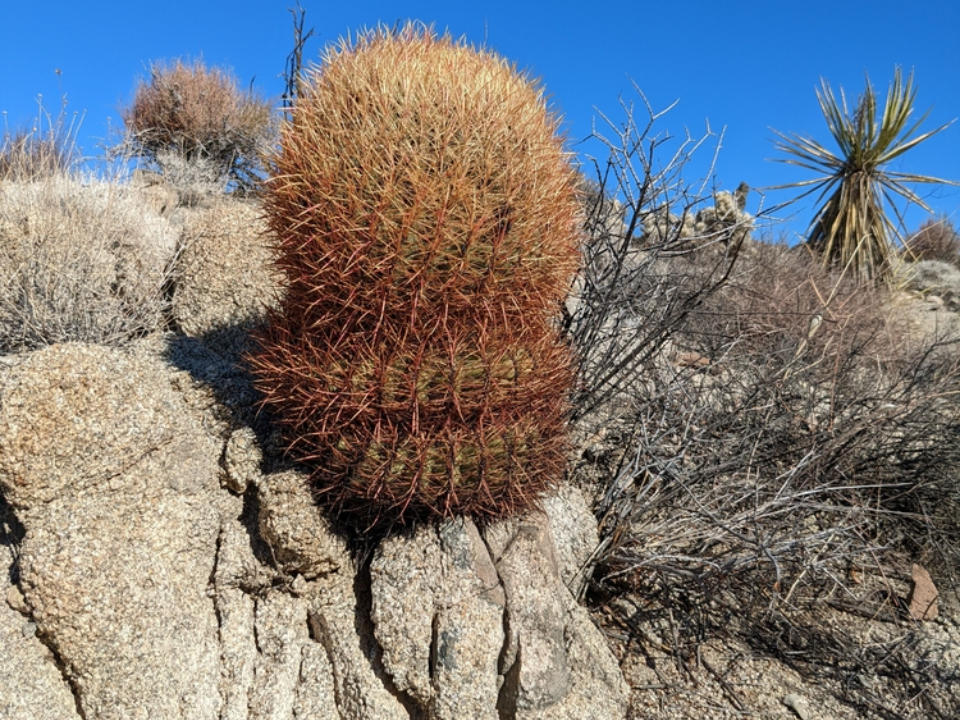
The Barrel cactus is a spiny, round cactus that stores water in its thick, ribbed body. Found throughout the deserts of North America, this cactus is known for its ability to survive long periods without rainfall. The Barrel cactus has developed specialized roots that can quickly absorb any moisture that does reach the soil, allowing it to survive in some of the driest regions.
The cactus also has a waxy coating that reduces water loss through evaporation. As the plant grows, it produces yellow or red flowers that bloom in the summer. Despite its tough exterior, the Barrel cactus provides a valuable resource for desert animals, offering both shelter and water during times of drought. This cactus can live for decades, slowly growing taller as it stores more water in its body.
Ocotillo
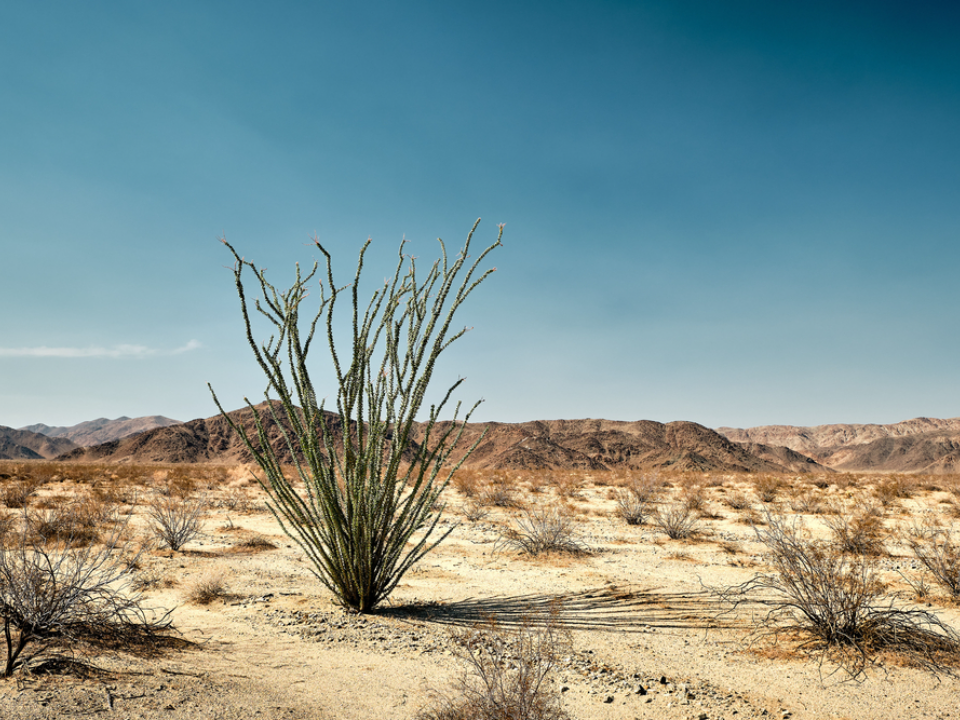
The Ocotillo is a striking desert plant with tall, thin stems that resemble a collection of spindly sticks. This plant is known for its ability to bloom after rain, with vibrant red flowers appearing along its branches. Although the Ocotillo looks dry and dead during long periods without rain, it is capable of rapidly coming to life when moisture is available. Its deep, fibrous roots can reach underground water sources, making it a resilient survivor in arid regions.
The Ocotillo has small, waxy leaves that help it conserve moisture during the hottest months. It is often found in the Sonoran Desert and has adapted to the fluctuating desert conditions by staying dormant during dry spells and thriving when rain falls. The plant’s remarkable survival skills make it a standout in the harsh desert landscape.
Desert Lavender
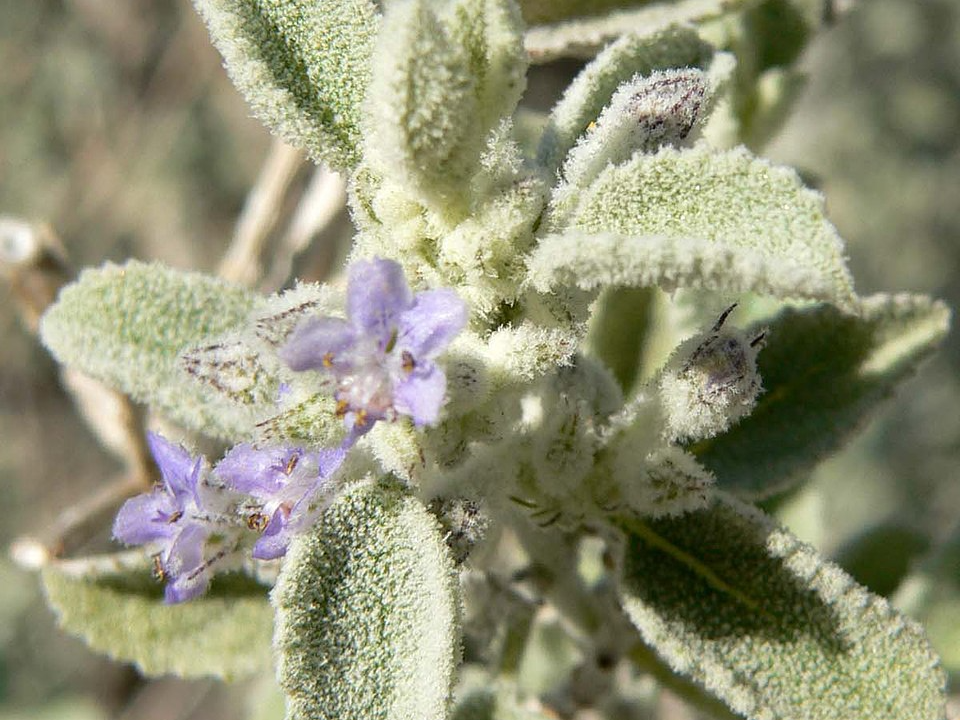
Desert Lavender is a fragrant shrub that thrives in the harsh climates of the American Southwest. Known for its silvery leaves and purple flowers, it is well-suited to desert life due to its drought resistance. The plant’s deep root system allows it to access underground water sources that are unavailable to many other desert plants. Its leaves have a thick, waxy coating that helps reduce moisture loss, and it has a high tolerance for extreme temperatures.
Desert Lavender is often used in traditional medicine and aromatherapy due to its calming scent. The plant is an important part of the desert ecosystem, providing nectar for bees and other pollinators. Despite the challenging conditions, Desert Lavender remains a resilient survivor in the desert.
Yucca
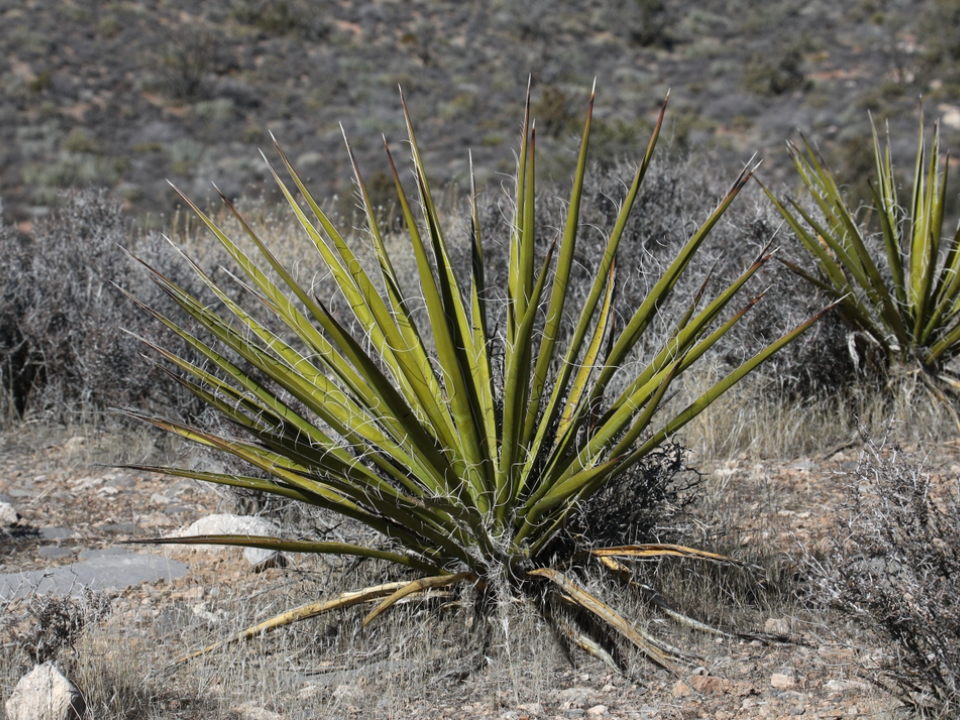
Yucca plants are common in desert environments, with tall, spiky leaves that make them easily recognizable. These plants have adapted to arid conditions by developing long taproots that can reach deep underground water sources. Yuccas also have a unique method of reproduction, with some species relying on specific moths for pollination.
The plant’s thick, fibrous leaves help prevent water loss, and its flowers, which bloom in clusters, are often white or creamy in color. Yuccas are able to withstand high temperatures and drought, making them a crucial part of desert ecosystems. Some species of Yucca also have edible parts, with the roots being used in cooking and for medicinal purposes. The plant’s resilience and versatility make it a key survivor in desert landscapes.
Pencil Cholla
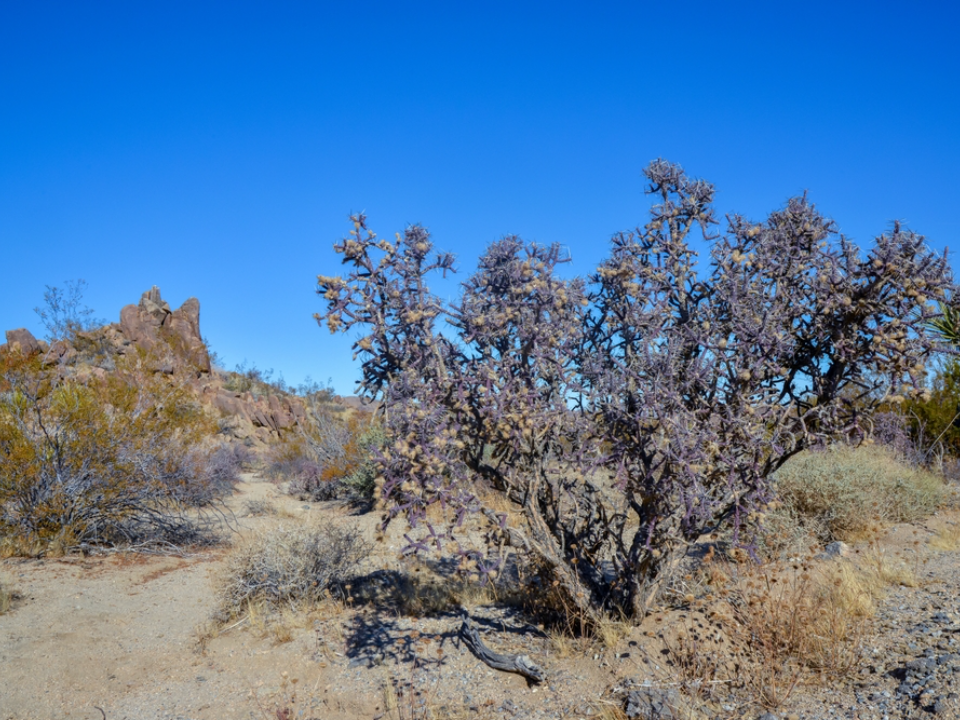
Pencil Cholla, also called the “Cylindropuntia,” is a type of cactus that thrives in the Sonoran Desert. Its name comes from its long, slender, cylindrical stems that resemble pencils. This cactus is covered in spines that can detach easily, helping it spread in the desert environment. Pencil Cholla plants are highly adapted to desert life, with their roots extending deep into the ground to find water.
They also have a unique ability to store moisture in their segmented stems, which helps them survive through long periods without rainfall. Despite its spiny exterior, the Pencil Cholla is an important part of the desert ecosystem, providing shelter and food for various animals. The plant produces beautiful yellow flowers in the spring, which attract bees and other pollinators.
Elephant Tree
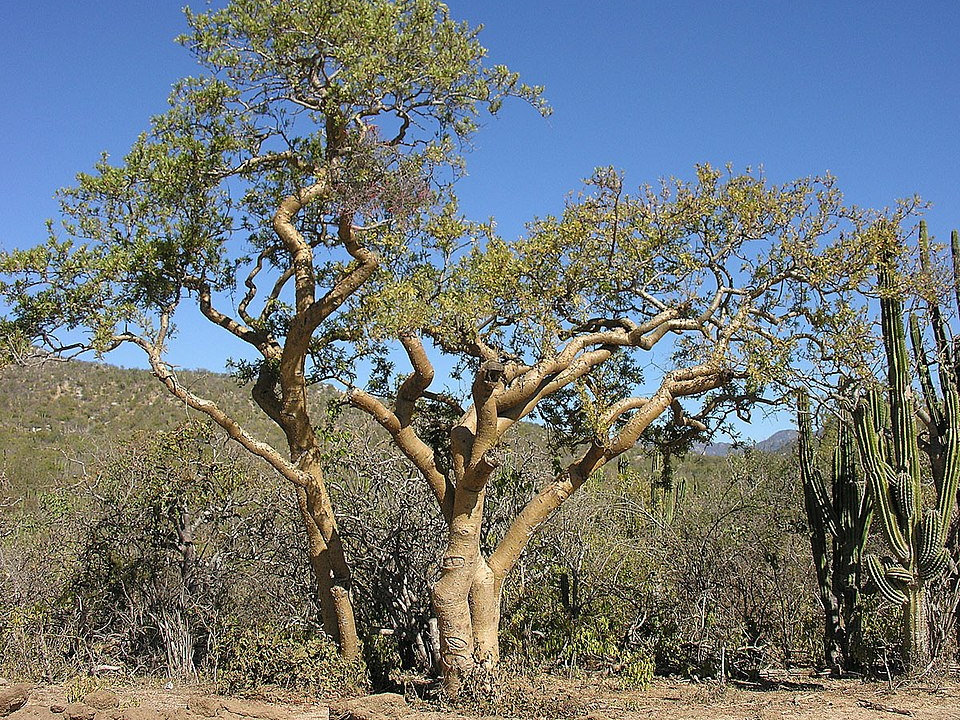
The Elephant Tree, or Bursera microphylla, is a unique desert plant that can be found in the Baja California desert. It gets its name from the thick, swollen trunk that resembles an elephant’s leg. This plant is well-adapted to the desert climate, storing water in its trunk to survive periods of drought.
Elephant Trees are known for their resilience to extreme heat, with their gray bark reflecting sunlight and reducing water loss. Despite their slow growth, these trees can live for hundreds of years, enduring the harsh conditions of the desert. The tree also produces small, fragrant flowers in the spring that attract pollinators. Its ability to conserve water and withstand dry conditions makes it a remarkable survivor in the desert environment.
Fishhook Barrel Cactus
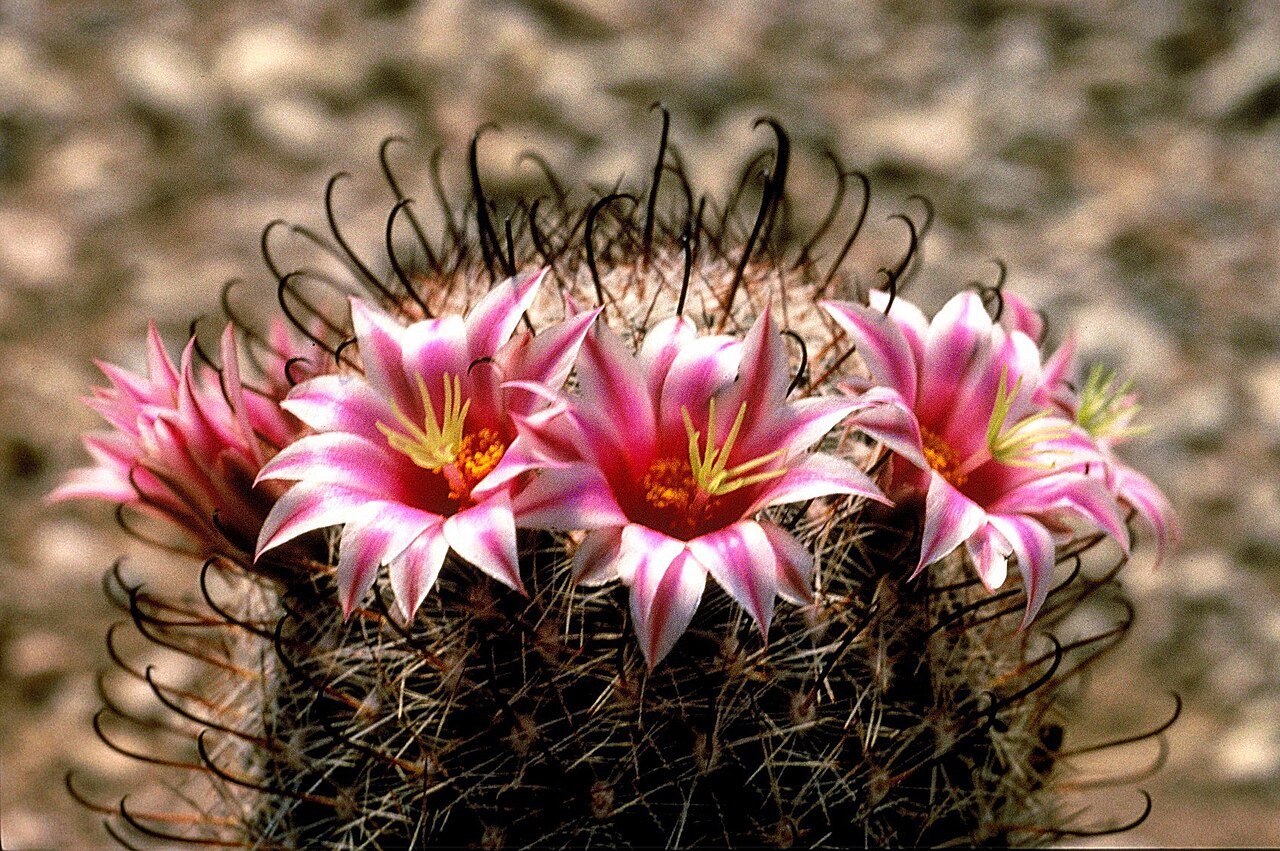
The Fishhook Barrel Cactus is a round, spiny cactus that is found in the deserts of North America. Its name comes from the curved, fishhook-shaped spines that cover the cactus and help protect it from predators. The Fishhook Barrel is highly drought-tolerant, with the ability to store large amounts of water in its thick, cylindrical body.
This cactus can survive in temperatures that reach over 100°F, using its deep taproot to reach underground water sources. In the spring, it produces bright yellow or red flowers that attract pollinators like bees and hummingbirds. The plant’s round shape helps minimize water loss, making it well-suited for life in the desert. Its spiny defense and water-storing capabilities make it an enduring survivor in harsh desert climates.
Palo Verde Tree
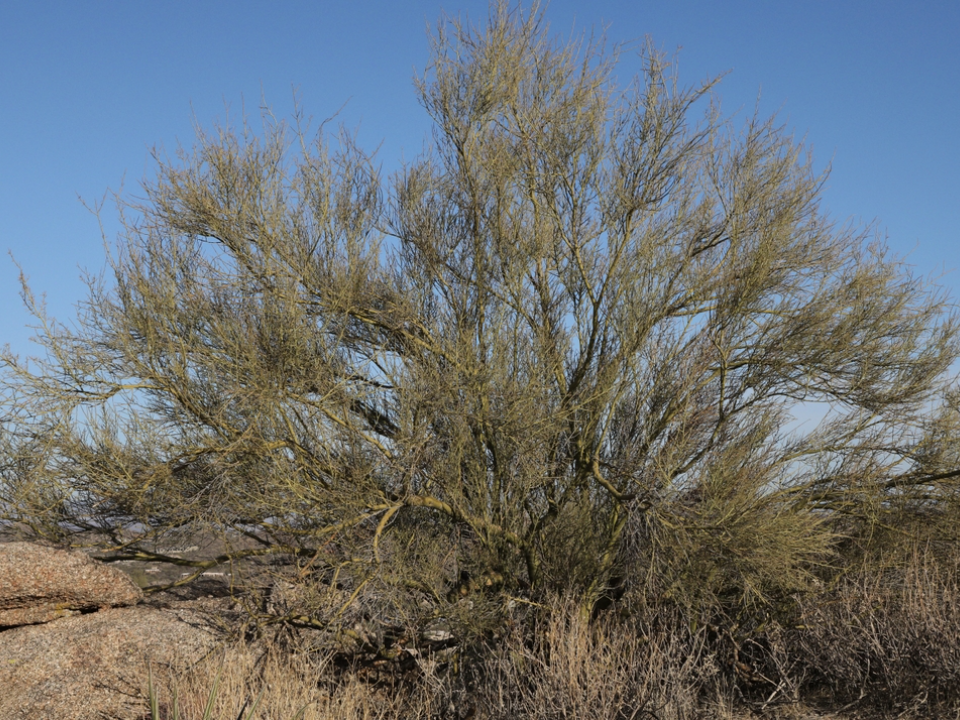
The Palo Verde tree is the state tree of Arizona, known for its vibrant green bark and striking yellow flowers. This tree is uniquely adapted to desert environments by having a photosynthetic bark that allows it to produce food even during dry periods. The Palo Verde can survive extreme heat and drought by shedding its leaves during the hottest months, conserving water.
Its deep roots help it access water even in times of severe drought. In the spring, the Palo Verde bursts into bright yellow flowers, creating a beautiful contrast with the desert landscape. This tree plays a crucial role in desert ecosystems by providing shelter and food for wildlife. Despite its delicate appearance, the Palo Verde is a tough survivor in the harsh desert environment.
Cholla Cactus
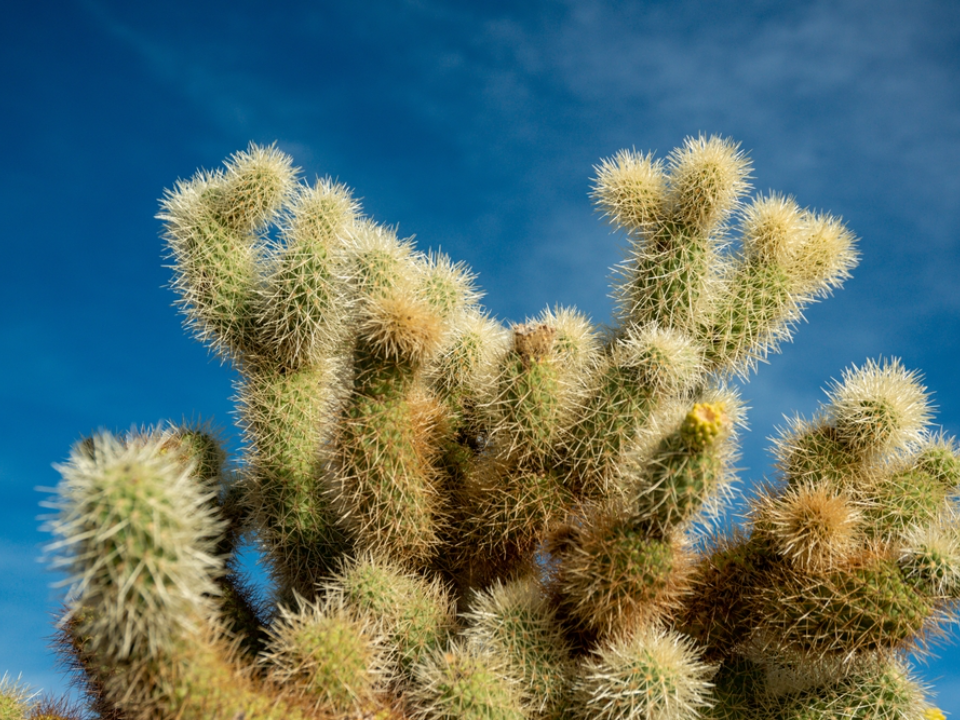
The Cholla cactus is a group of cacti known for their distinctive, segmented stems and sharp spines. Found throughout the deserts of the southwestern United States, Chollas are well-adapted to dry conditions, with their stems storing water to help them survive droughts. The plant’s spines are designed to deter herbivores from eating it, and some species even have spines that can detach easily, allowing the plant to spread.
Chollas produce vibrant flowers in the spring, ranging from pink to orange, attracting pollinators like bees and birds. Despite their spiny defense, Chollas provide important habitat for desert wildlife, including birds and small mammals. Their ability to thrive in extreme desert conditions makes them a symbol of resilience and survival.
Saltbush
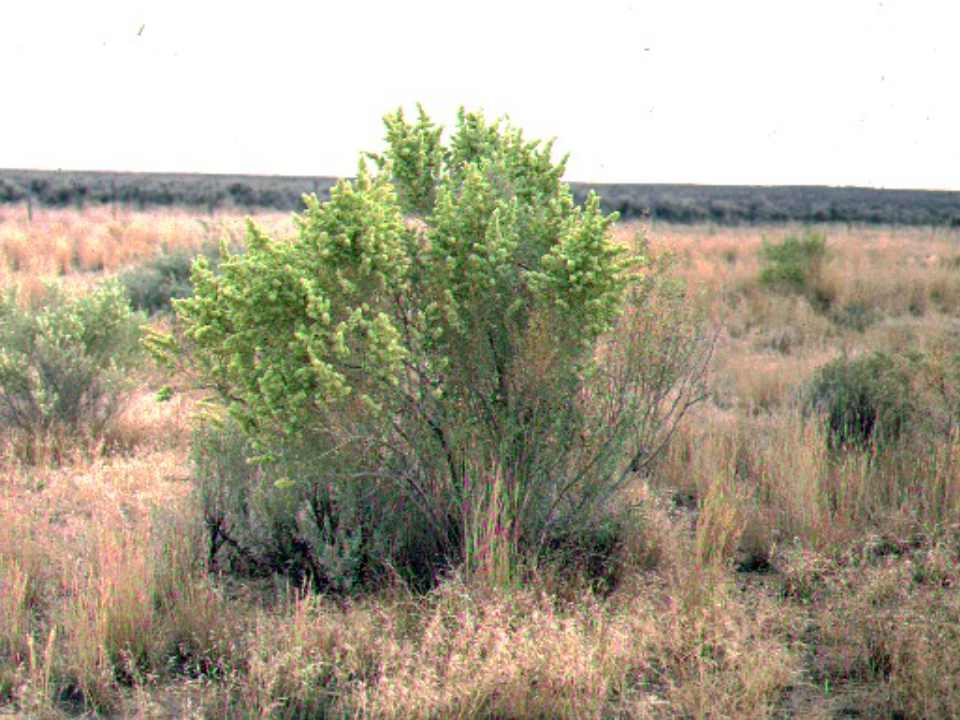
Saltbush is a hardy shrub found in the deserts of North America. Known for its silvery leaves and ability to tolerate saline soil, Saltbush thrives in environments that are too harsh for most plants. This plant has specialized adaptations that allow it to absorb and store water efficiently, making it well-suited for dry conditions.
Saltbush plays an important role in desert ecosystems, providing food and shelter for wildlife, particularly during dry seasons. In addition to its resilience to drought, Saltbush also has the ability to resist the effects of salt in the soil, which would harm many other plants. Its role in stabilizing desert soils and providing habitat makes it an essential component of desert landscapes.
Desert Trumpet
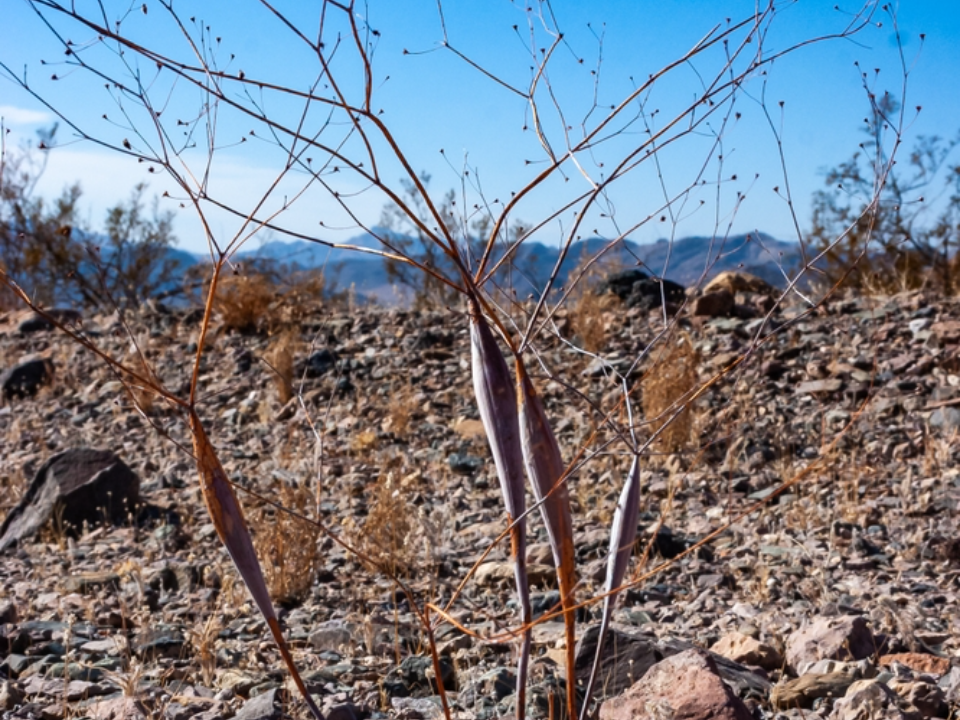
The Desert Trumpet is a striking desert plant with tall, narrow stems and trumpet-shaped flowers. Found in the deserts of the southwestern United States, this plant is well-adapted to extreme heat and drought. Its long taproots allow it to reach deep underground water sources, while its leaves are coated in a waxy layer to reduce moisture loss.
The Desert Trumpet blooms in late spring and summer, with vibrant white or yellow flowers that attract pollinators like bees and butterflies. Despite the harsh desert conditions, the Desert Trumpet can survive for many years, adding color and beauty to the arid landscape. Its ability to thrive in dry conditions makes it a valuable plant in desert ecosystems.
This article originally appeared on Avocadu.