
15 Plants with Seeds That Travel in Surprising Ways
Plants have developed some truly fascinating ways to spread their seeds far and wide, ensuring their survival in new and diverse environments. From seeds that float on water to those that hitch a ride on animals, nature has crafted ingenious methods for dispersal. Some plants rely on the wind to carry their seeds over great distances, while others use explosive mechanisms to launch them into the air. Even more surprising are the plants that make use of animals, using them as unknowing vehicles to transport their seeds.
This post may contain affiliate links, which helps keep this content free. Please read our disclosure for more info.
Dandelion (Taraxacum officinale)
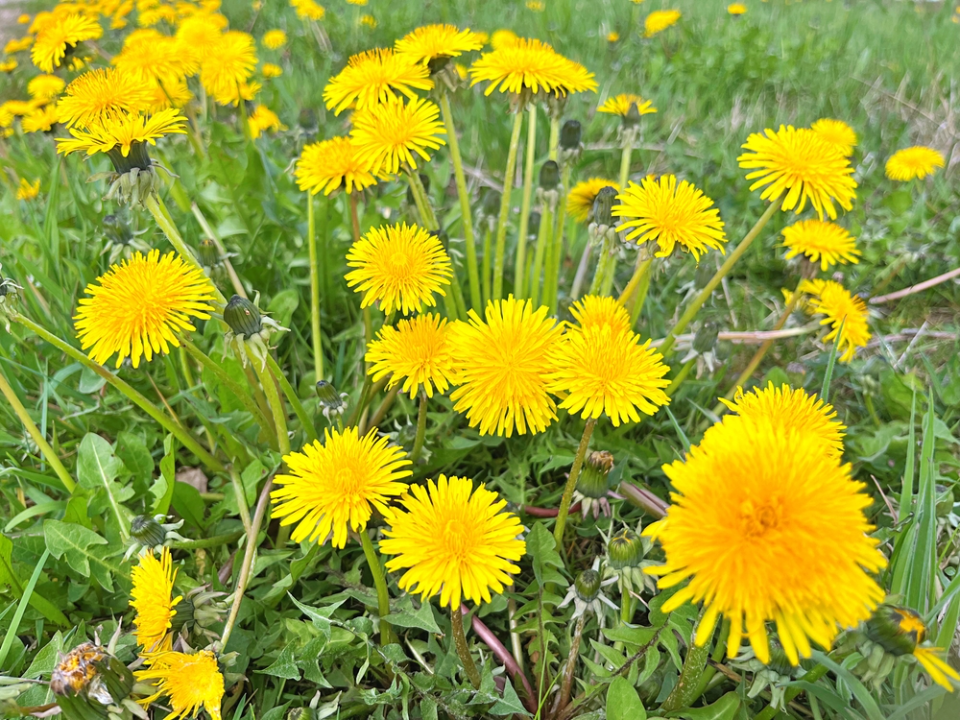
Dandelions are famous for their delicate seed heads, which are often described as “puffs.” These puffs are made of numerous tiny seeds attached to fine, silken filaments, allowing them to be carried by the wind. When the wind picks up, it can carry these seeds for miles. The lightweight structure and aerodynamic design of the seeds make them perfect for wind dispersal.
Dandelions are often found growing in a variety of environments, from urban areas to meadows, thanks to their windborne travel. This form of seed dispersal is highly efficient in spreading dandelions over a wide area. Despite their ubiquity, dandelions are hardy plants that can thrive in poor soil, making them well-suited to travel far and wide.
Maple Tree (Acer spp.)
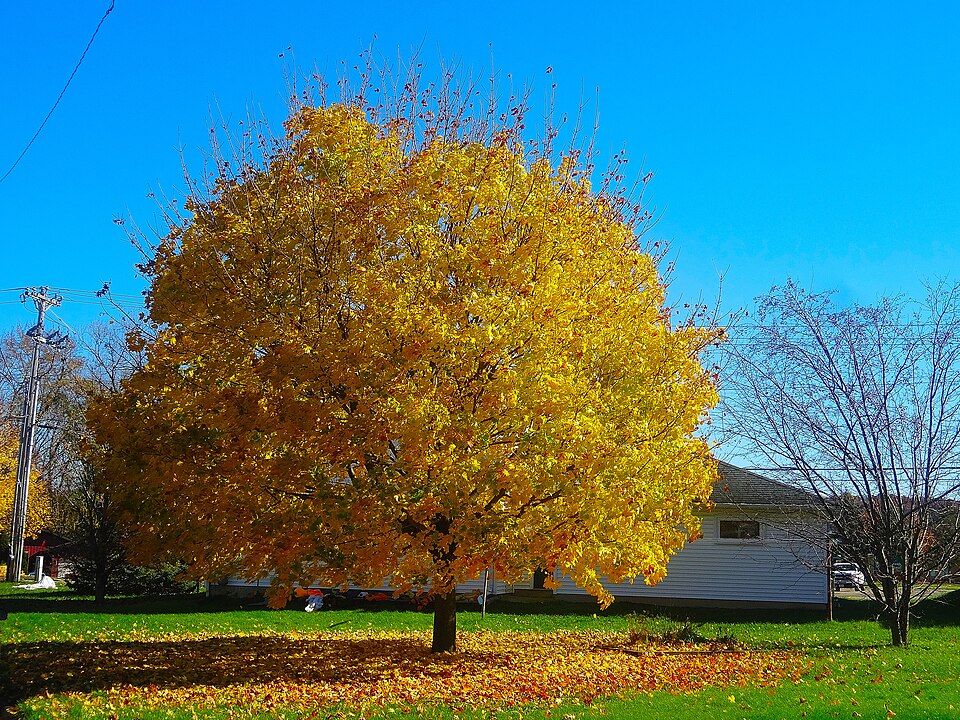
Maple trees rely on their distinctive “helicopter” seeds, known as samaras, for dispersal. These seeds have wings that spin in the air like a helicopter blade, allowing them to travel great distances from the parent tree. When released from the tree, the seeds flutter and spiral, giving them an extended flight time that can carry them several hundred feet away.
This form of seed dispersal is particularly effective in areas with open spaces, where the seeds can be carried further by wind currents. Samaras are also known for their ability to spread across forested areas, ensuring that maple trees can grow in a variety of conditions. The spinning motion of the seeds reduces the chance of them falling too close to the parent tree, helping to minimize competition for resources. This efficient method of dispersal has helped maples thrive across many different regions.
Clever Burr (Xanthium strumarium)
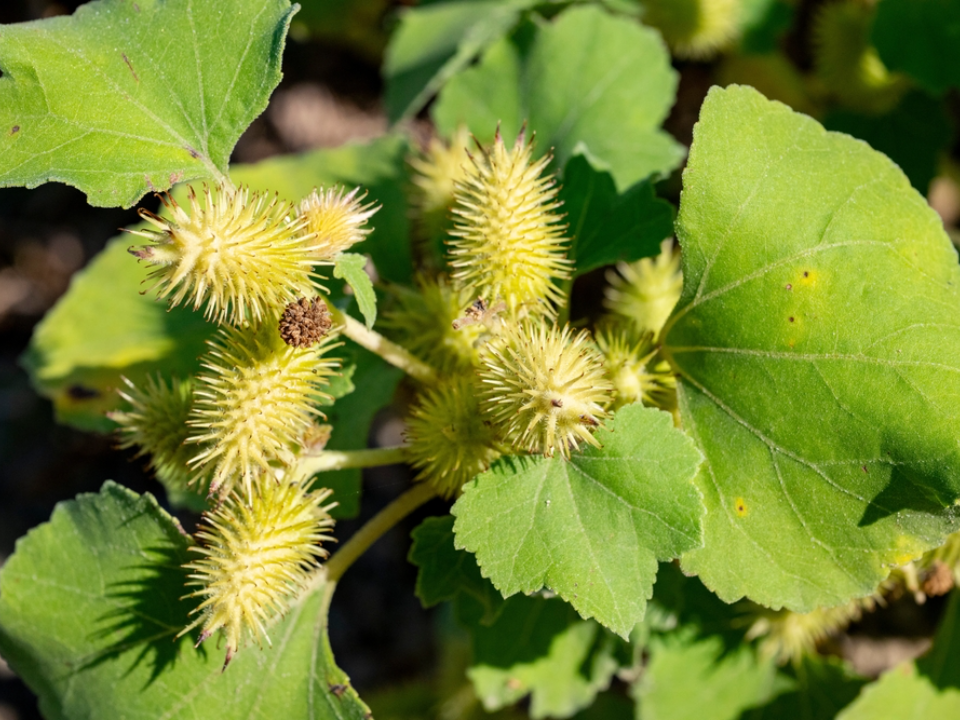
The burrs of the clever burr plant are notorious for their ability to attach to anything they come into contact with. Their seeds are enclosed in a prickly outer shell, which easily latches onto the fur of animals or the clothing of humans. Once attached, the seeds travel far from the original plant. This mode of seed dispersal is highly effective, as the plant relies on animals for transportation to new areas.
When the burrs eventually detach, the seeds are left behind in a new location where they can germinate and grow. The burrs’ structure is so effective that they inspired the invention of Velcro. This clever form of seed dispersal ensures that the clever burr plant can spread across a wide area without relying on wind or water.
Milkweed (Asclepias spp.)
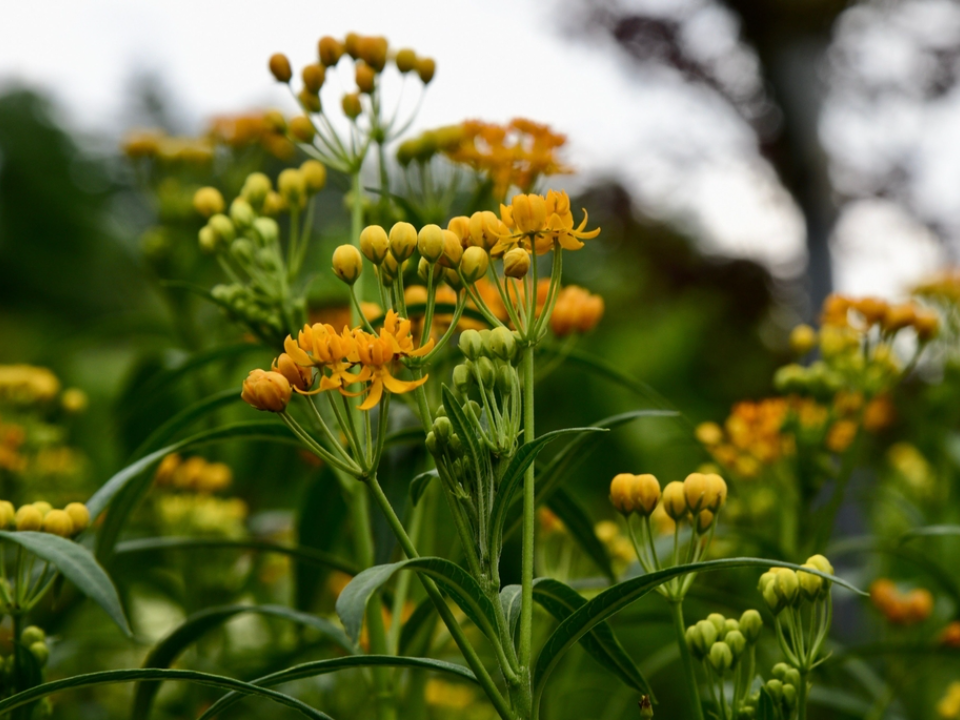
Milkweed produces seeds that are carried by a silky fluff. The fluffy structures, known as coma, help the seeds float through the air like tiny parachutes. This wind dispersal method is particularly effective during the late summer and fall months when the seeds are ripe and ready to be carried away. As they float in the breeze, milkweed seeds can travel miles from the parent plant.
The silky fluff provides buoyancy, which allows the seeds to stay aloft for long periods. Milkweed is a crucial plant for monarch butterflies, as it serves as the primary food source for their larvae. The dispersal of milkweed seeds ensures that this valuable plant can spread across vast distances, ensuring the survival of its species.
Cedar Tree (Cedrus spp.)
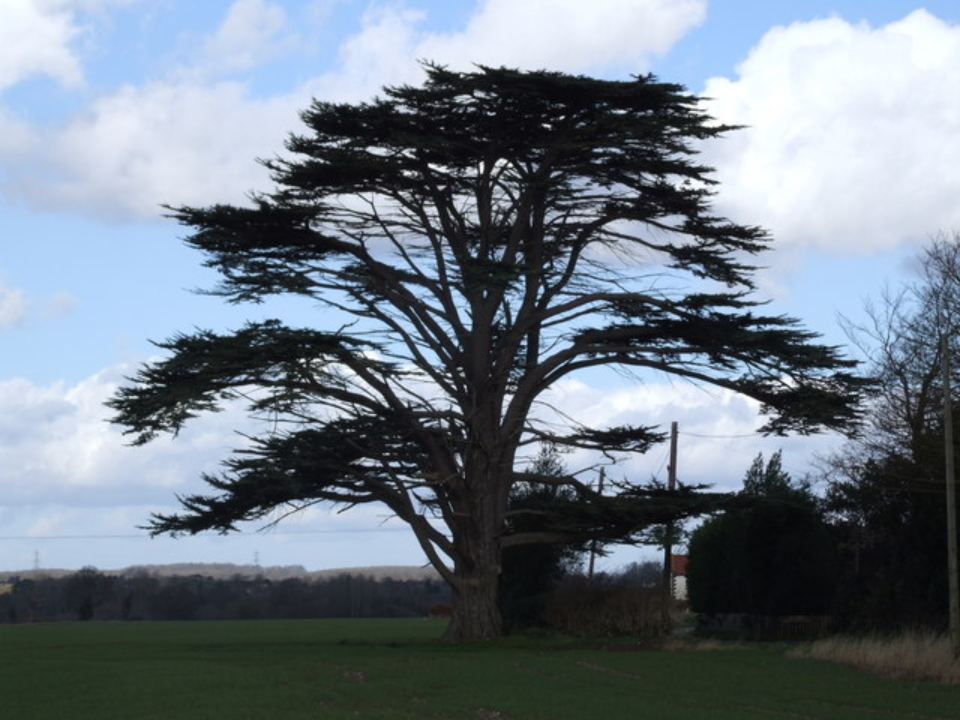
The seeds of cedar trees are dispersed by wind, but their travel is unique because the seeds are encased in cones. These cones are designed to open in response to environmental conditions, particularly after fires, which are common in the regions where cedars grow. When the cones open, they release the seeds into the air, allowing them to be carried by the wind to new locations.
The cones have a hard outer shell that protects the seeds from the elements, ensuring that they are not easily damaged. This fire-dependent mechanism for seed dispersal helps cedar trees repopulate areas that have been cleared by fire. The seeds are lightweight and aerodynamic, ensuring that they can travel for long distances before landing in a suitable spot. This natural system of dispersal is vital for the spread of cedar trees across mountainous and arid regions.
Cress (Lepidium sativum)
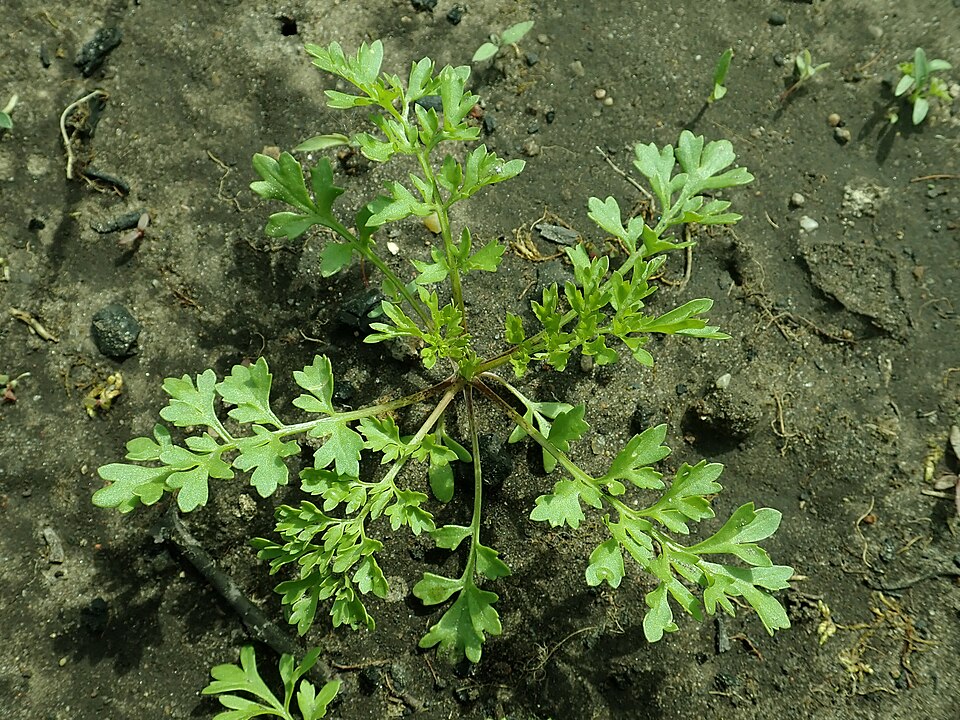
Cress is a small plant with seeds that travel in an interesting way. The seeds are tiny and have a smooth, round shape, which makes them highly mobile. When the plant flowers, it releases the seeds into the surrounding environment. These seeds are often spread by water or by being carried on the fur of animals.
However, one of the most intriguing ways cress seeds travel is through the activity of ants. Ants are attracted to the seeds, which have a small fatty structure, and carry them back to their nests, where they can sometimes germinate. This mutualistic relationship between ants and cress is a fascinating example of how plants rely on animals to help them spread.
Sand Verbena (Abronia spp.)
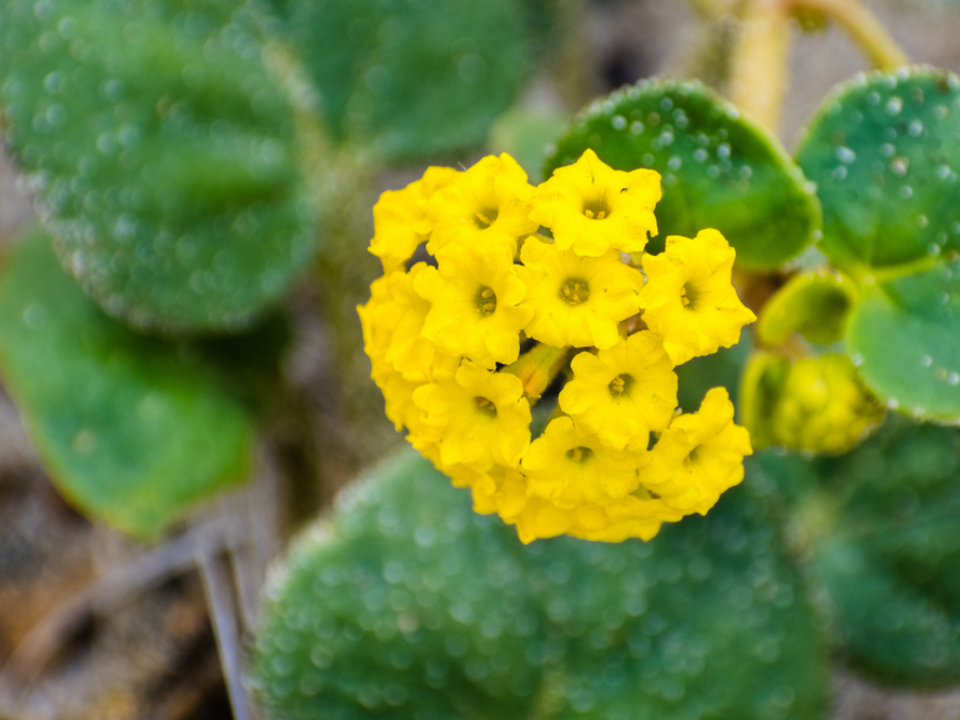
The sand verbena is a colorful desert plant with a remarkable seed dispersal system. The seeds of this plant are equipped with a special mechanism that allows them to be propelled from the plant with a burst of energy. This sudden release helps the seeds travel through the air and find a new location where they can take root.
Sand verbena seeds are often carried by strong desert winds, which allow them to cover large distances. This ability to travel across dry and barren land ensures that sand verbena can survive and thrive in harsh desert environments. The plant’s flowers also attract pollinators, further aiding in the plant’s survival. This dispersal mechanism is crucial for maintaining biodiversity in arid regions.
Mimosa (Mimosa pudica)
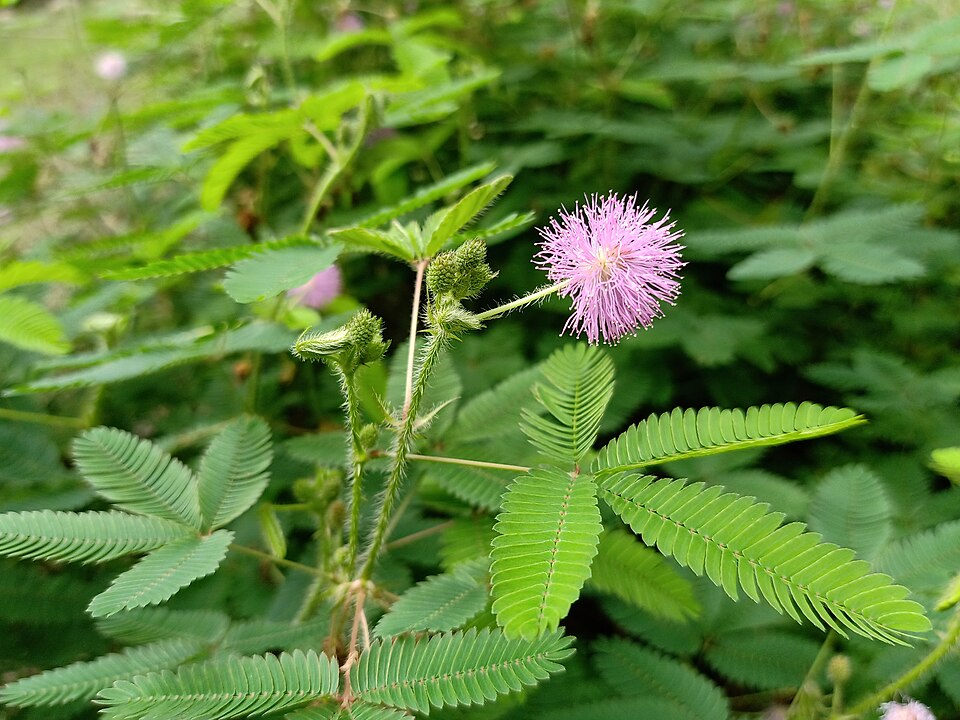
The mimosa, also known as the sensitive plant, has a unique way of dispersing its seeds. The plant produces seed pods that explode when they are ripe, sending seeds flying in all directions. This explosion is caused by a build-up of pressure inside the seed pod, which forces the seeds out at high velocity.
The force behind this explosion ensures that the seeds travel far from the parent plant, increasing their chances of germinating in new soil. This form of seed dispersal is highly effective in areas where space is limited, and it helps mimosa trees spread quickly in disturbed environments. The seeds are small and lightweight, making them perfect for this explosive dispersal method. This unique form of travel helps ensure the survival of the mimosa tree in competitive ecosystems.
Pine Tree (Pinus spp.)
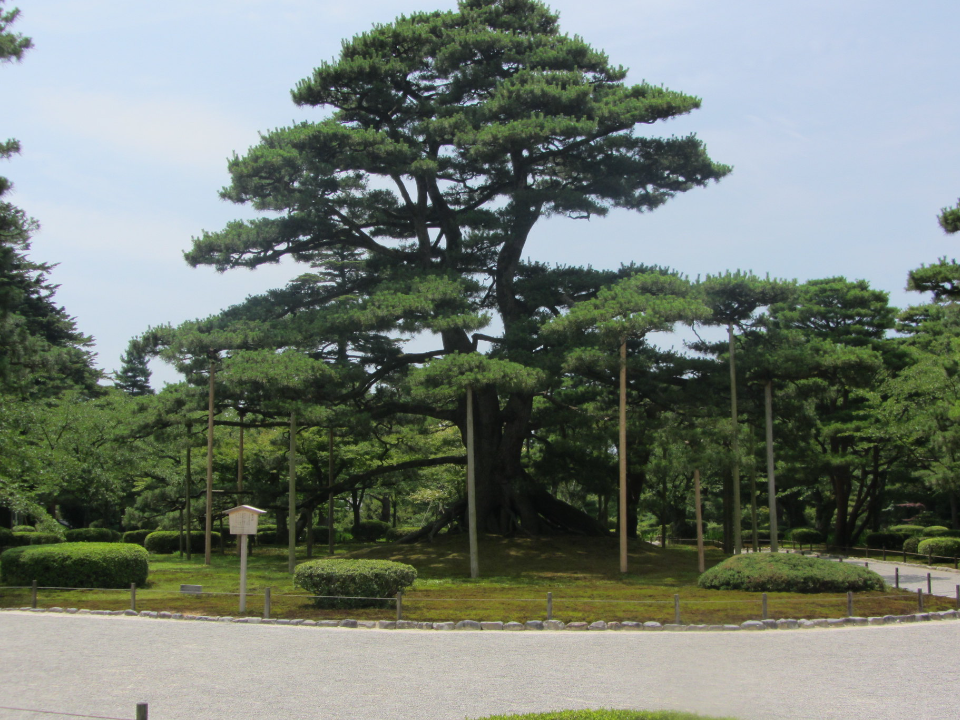
Pine trees rely on wind to disperse their seeds, which are housed in cones. The seeds are small and winged, allowing them to be carried long distances by the wind. The cones open in dry conditions, releasing the seeds into the air. Pine tree seeds can travel several miles before landing in a new area.
These seeds are well-suited for dispersal in forested areas where the trees can spread over a wide region. Once the seeds land in suitable soil, they can quickly germinate and grow into new trees. This wind-dispersal method has allowed pines to populate a variety of ecosystems, from mountain ranges to coastal forests.
Watermelon (Citrullus lanatus)
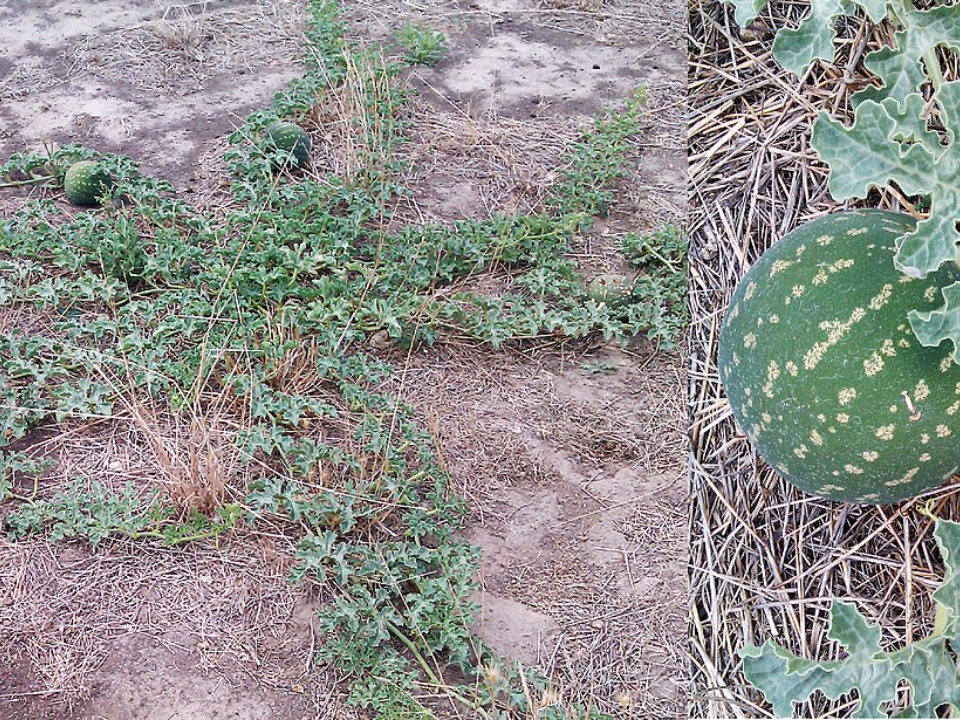
Watermelon seeds are dispersed in an interesting way, mainly by animals and water. The seeds are large and hard, making them difficult to disperse by wind. However, when animals consume watermelon, they often swallow the seeds and then travel long distances before excreting them.
The seeds are deposited in fertile soil, where they can germinate and grow into new watermelon plants. In addition, watermelons can be carried by water currents, allowing the seeds to travel to different areas, particularly in regions where floods are common. This waterborne dispersal mechanism helps watermelons reach new environments and continue to thrive. The combination of animal and water dispersal ensures that watermelon seeds are widely distributed.
Tomato (Solanum lycopersicum)
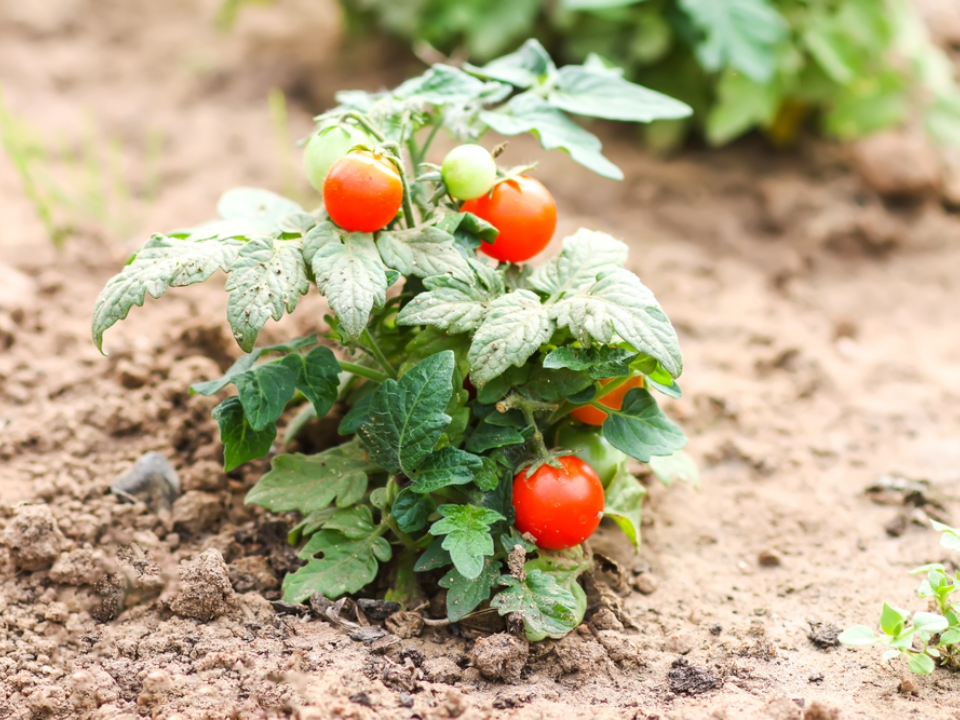
Tomatoes produce seeds that are dispersed by a combination of animals and water. Birds and mammals often consume tomatoes, ingesting the seeds, which are then carried away and later excreted. This method of dispersal allows tomatoes to travel far from the parent plant. The seeds can also be carried by water, allowing the tomato plant to spread to new areas, especially in flood-prone regions.
Tomatoes are hardy and adaptable, able to grow in a variety of climates once their seeds are dispersed. The fleshy fruit is attractive to many animals, and the seeds benefit from being eaten, as they are often deposited in nutrient-rich soil, making them ready to sprout. This dispersal method is key to the tomato’s spread across diverse ecosystems.
Pumpkin (Cucurbita spp.)
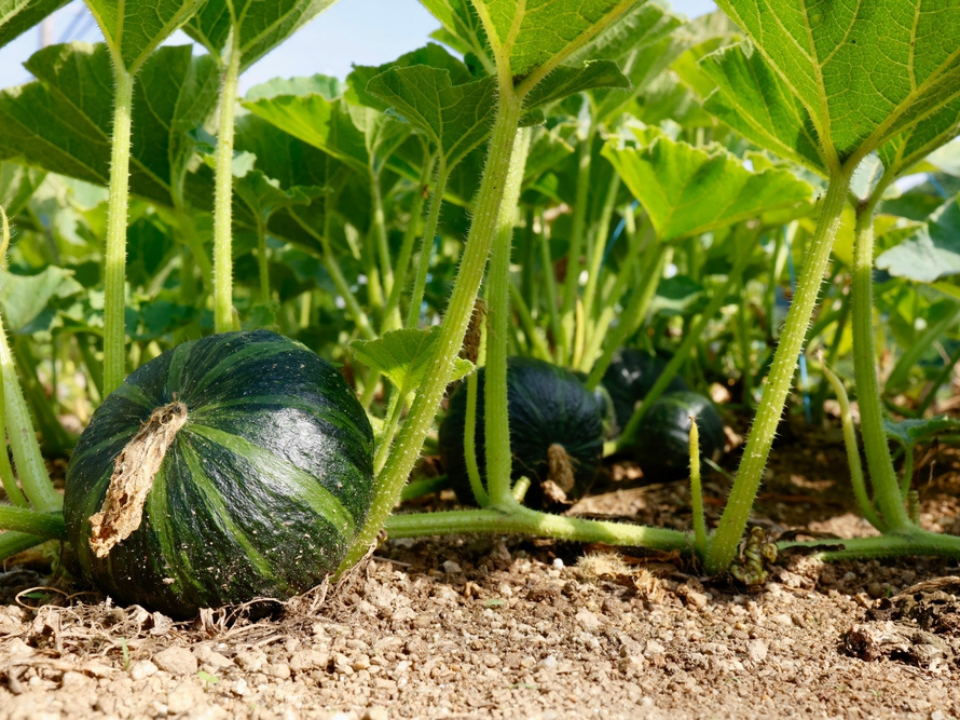
Pumpkins have large, flat seeds that are typically spread by animals. After animals such as squirrels or deer consume the pumpkin, they often leave behind the seeds, which can grow into new pumpkin plants. The seeds are also carried by water, allowing them to spread across fields and rivers. Pumpkins, unlike many other plants, produce a significant number of seeds, which increases the likelihood of successful seed dispersal.
These seeds can survive in a variety of environments, from open fields to gardens, and their tough outer coating protects them from the elements. This ability to travel via animals and water ensures that pumpkins can grow and thrive in different locations. The widespread distribution of pumpkins through these dispersal methods has contributed to their popularity in many agricultural systems.
Cucumber (Cucumis sativus)
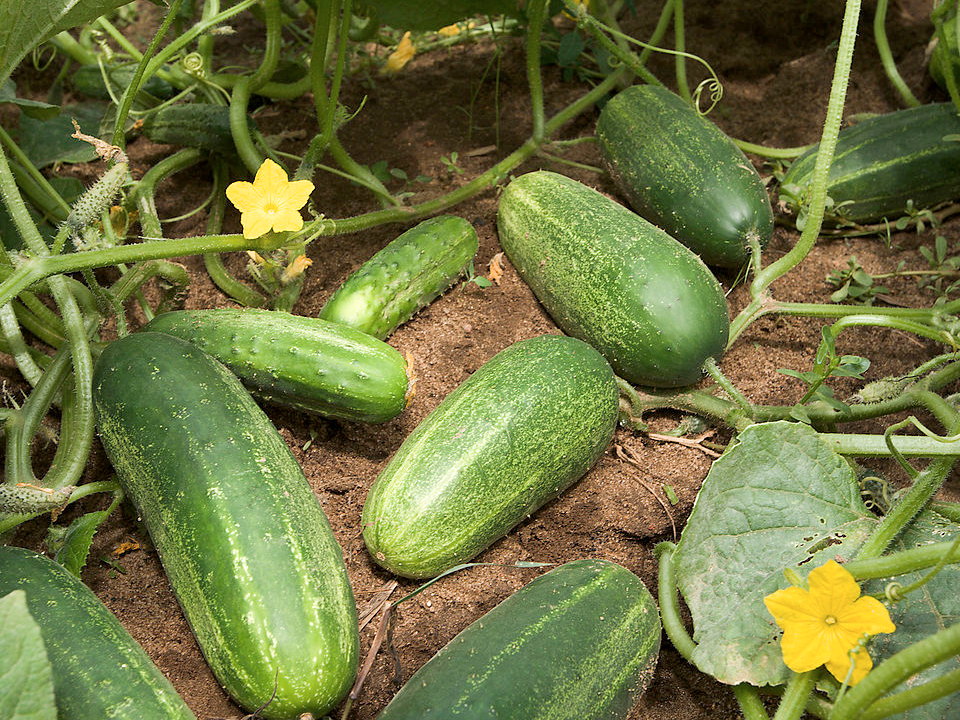
Cucumbers, like pumpkins, have large, easily dispersible seeds. These seeds are often spread by animals, particularly rodents, who are attracted to the fleshy fruit. Once the animals eat the cucumber, the seeds are excreted in new locations, where they can take root in fertile soil. The seeds of cucumbers are also carried by water, which helps spread the plant to new areas.
This method of seed dispersal allows cucumbers to spread widely across a range of environments, from gardens to agricultural fields. The cucumber’s high seed production further ensures that the plant can establish itself in many regions. These traits make cucumbers an adaptable plant species capable of thriving in diverse climates.
Poppy (Papaver spp.)
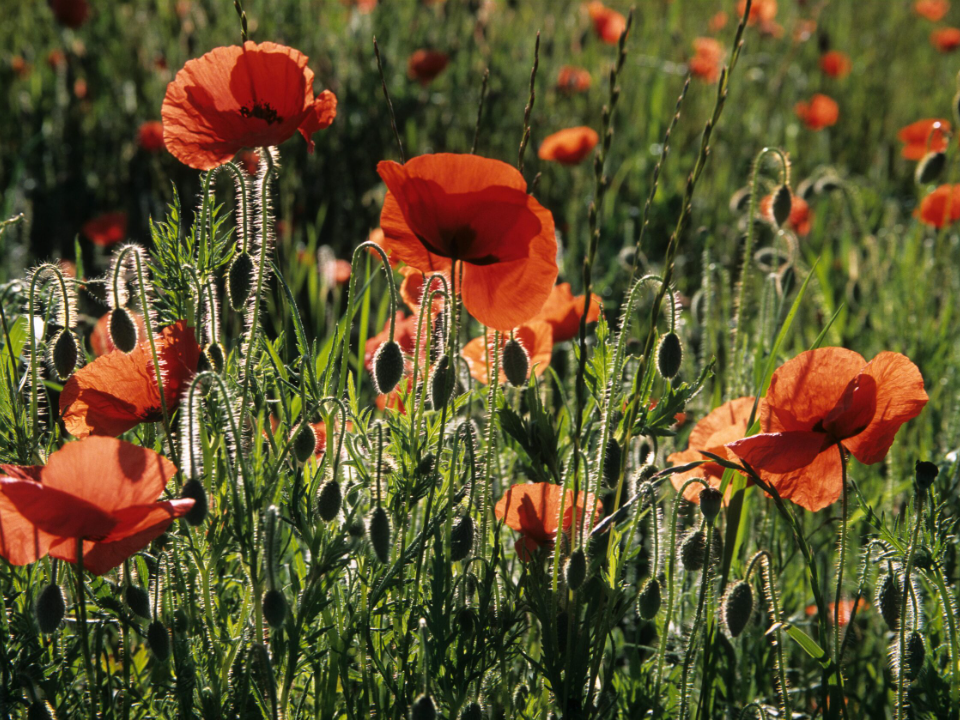
Poppies have seeds that are dispersed primarily by the wind, but they also have an interesting secondary method of travel. The seeds are contained in a capsule that dries and eventually bursts open, scattering the tiny seeds over a wide area. The lightweight seeds are easily caught by the wind and can travel great distances.
This wind dispersal method allows poppies to spread across large areas, especially in open fields and disturbed lands. The seeds are often deposited in areas with little competition from other plants, allowing them to thrive. Poppy seeds also benefit from being dispersed in environments that have been disturbed by natural events, such as fire or flooding. This ensures that the poppy can colonize new areas quickly, making it a resilient plant in a variety of ecosystems.
Chili Pepper (Capsicum spp.)
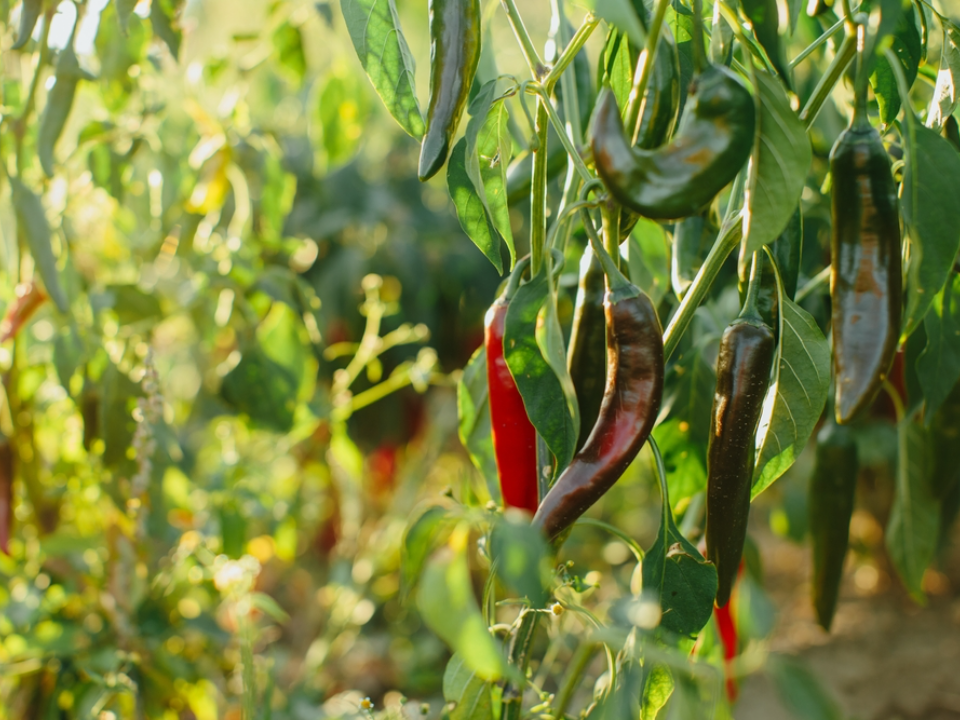
Chili peppers have seeds that are dispersed in a variety of ways, primarily through animals and water. Birds are particularly fond of eating chili peppers, and unlike mammals, they do not feel the heat from the peppers’ capsaicin. As a result, birds can eat the fruit, swallow the seeds, and then spread them across large distances through their droppings.
The seeds are also carried by water, which helps chili peppers reach new locations, particularly in areas prone to flooding. This widespread dispersal mechanism allows chili peppers to thrive in a variety of environments, from tropical forests to arid landscapes. The tough outer coating of the seeds protects them during their journey, ensuring that they can survive the digestive process and land in new, fertile soil. This strategy is key to the chili pepper’s spread and survival.
This article originally appeared on Avocadu.