
17 Houseplants That Need a Reset in Late Winter and What To Do First
If your houseplants are looking tired after a long winter, it is time to give them some much-needed attention. The cold months can be tough on indoor plants, leaving them in need of a reset. Start by examining their leaves, soil, and overall condition. A little care now can help them bounce back as the weather warms.
This post may contain affiliate links, which helps keep this content free. Please read our disclosure for more info.
Spider Plant (Chlorophytum comosum)
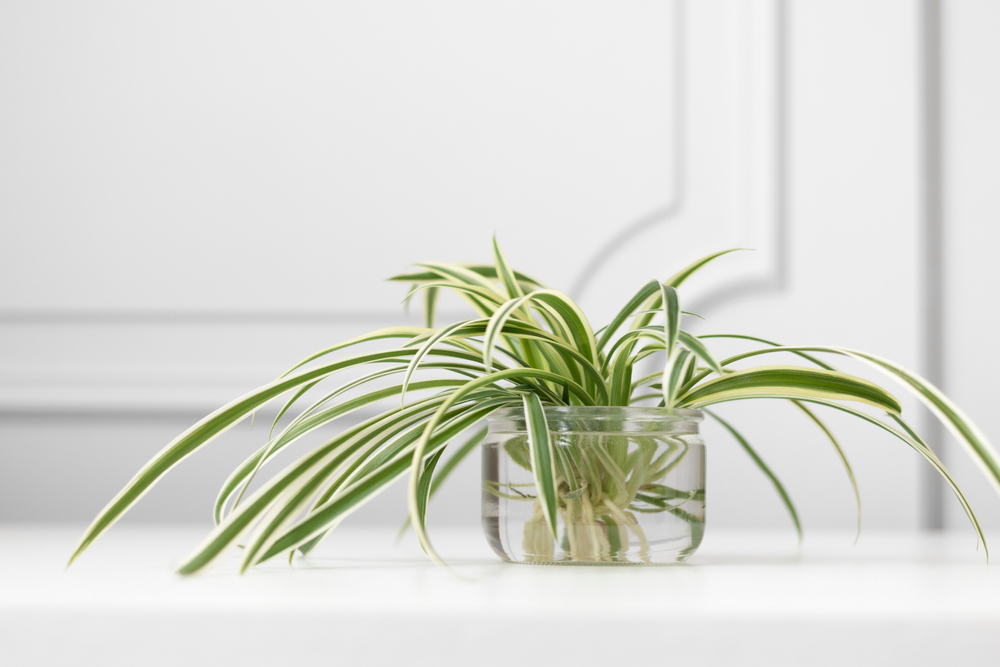
Spider plants are known for their resilience but can begin to look a bit worn out during the colder months. This plant can experience browning tips, especially if the air is dry or if it has not been watered properly. To reset it, start by trimming away any dead or damaged leaves, and check the roots to make sure they are not overcrowded. Repotting in a slightly larger container with fresh soil can help rejuvenate its growth.
Next, adjust its watering schedule and ensure it is not sitting in water. Spider plants prefer to dry out between waterings, so make sure the soil is well-drained. They also benefit from a good amount of indirect light, so if the plant is not thriving, consider moving it to a brighter spot. With the right care, this plant can bounce back and begin producing fresh, vibrant growth.
Fiddle Leaf Fig (Ficus lyrata)
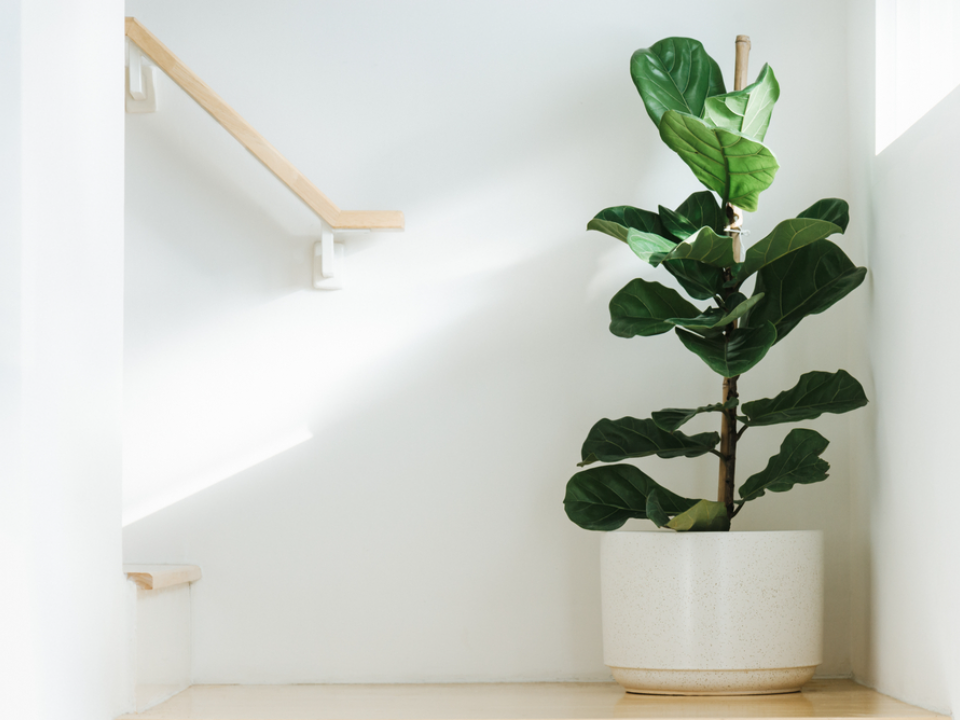
The fiddle leaf fig is a stunning plant that can sometimes struggle in low-light conditions or with inconsistent watering. During late winter, it may show signs of stress such as drooping leaves or leaf spots. Begin by carefully inspecting the plant for pests, as they tend to affect this variety more during the colder months. Trim any damaged leaves and check the soil for dryness.
Repotting is often a good option if the plant is root-bound. Make sure the new pot has good drainage and is just one size larger to avoid waterlogged roots. Fiddle leaf figs appreciate bright, indirect light, so move them to a spot where they can receive plenty of light. A little attention now can help your fiddle leaf fig recover and flourish as the weather warms.
Snake Plant (Sansevieria trifasciata)
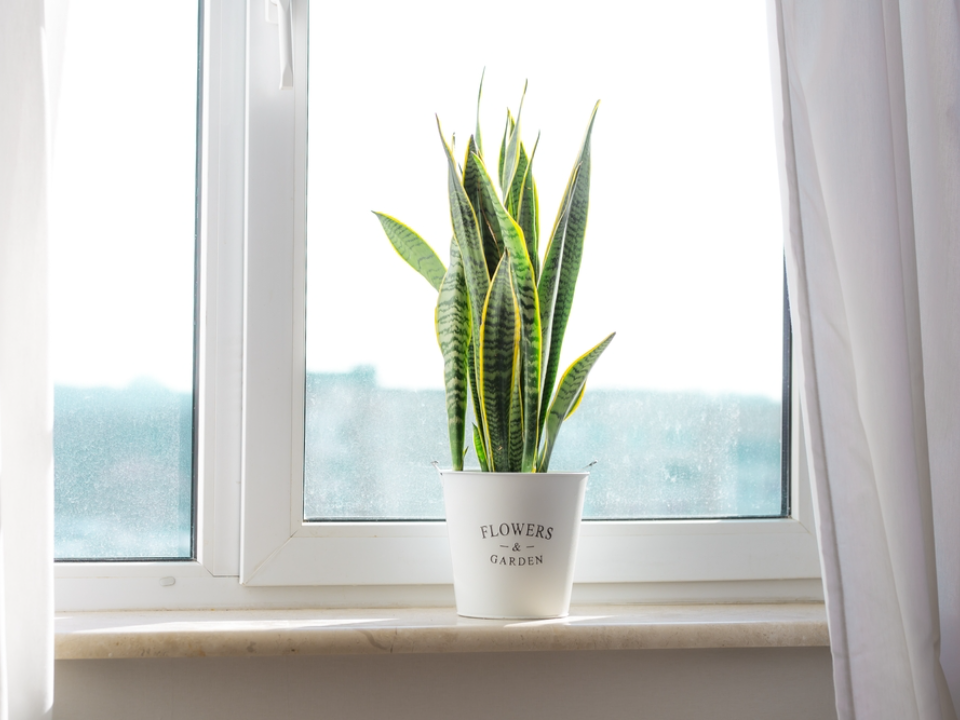
Snake plants are hardy and can tolerate a range of conditions, but they can still benefit from a reset during the late winter months. If your snake plant’s leaves are looking a bit limp or its growth has slowed, it could be a sign it needs repotting. Begin by carefully removing the plant from its pot to inspect the roots. If they are tightly packed or rotting, it is time to refresh the soil and provide more space.
Snake plants prefer to dry out between waterings, so be mindful of not overwatering, as this is a common issue. Ensure it is placed in indirect light, as too much direct sunlight can cause the leaves to burn. With its low-maintenance nature, a few simple adjustments can give your snake plant the reset it needs to thrive.
Pothos (Epipremnum aureum)
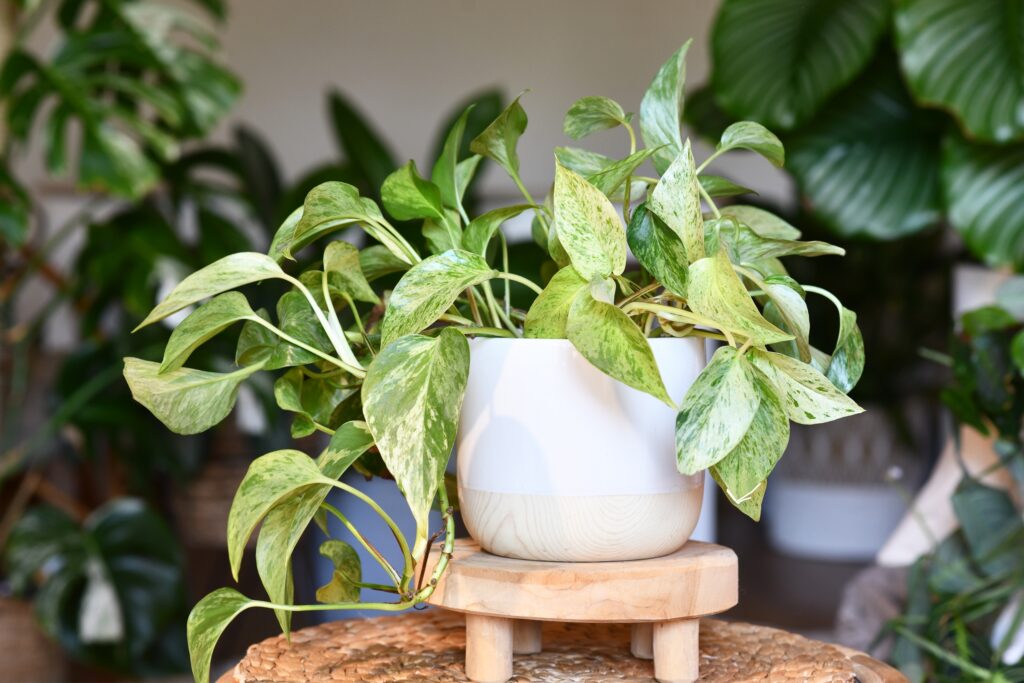
Pothos plants are known for their rapid growth, but during the colder months, they can become leggy or have yellowing leaves. Start by trimming back any long, unruly vines to encourage new growth. After pruning, check the soil for compactness and refresh it with new, well-draining potting mix. Repotting is especially important if the plant’s roots are crowding the pot.
Pothos thrive in bright, indirect light, though they can adapt to low light as well. They do not need frequent watering, so be sure to let the soil dry out between waterings. With a good trim and some fresh soil, this easy-to-care-for plant will quickly bounce back and start producing healthy new leaves.
Rubber Plant (Ficus elastica)
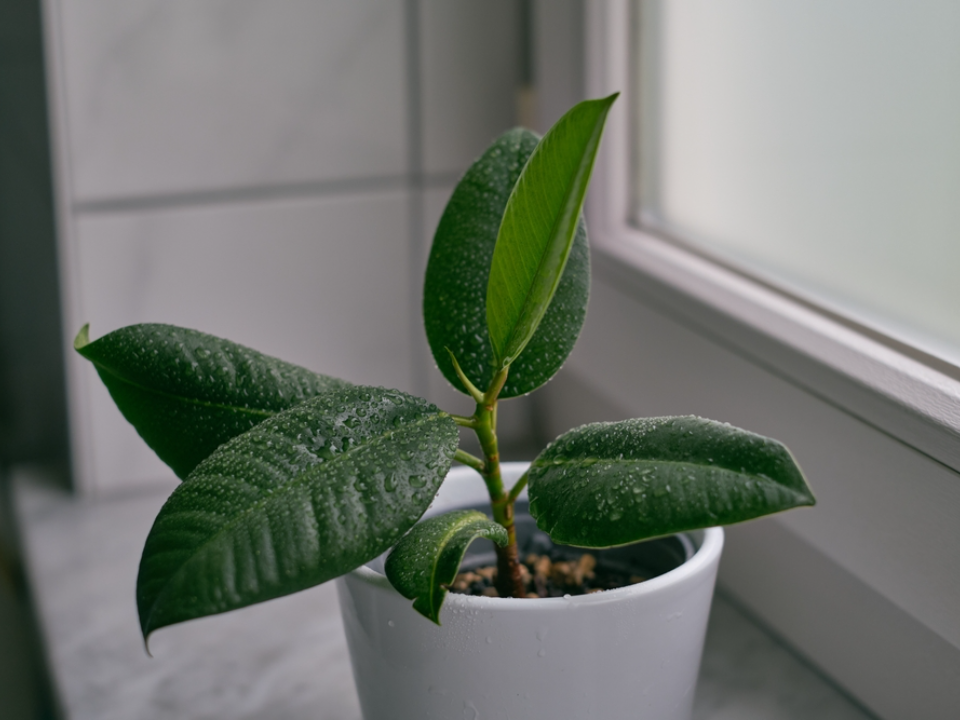
Rubber plants can be quite dramatic, with their large, shiny leaves and rapid growth. However, during late winter, they may begin shedding leaves or showing signs of stress due to the reduced light and cooler temperatures. To reset your rubber plant, start by pruning away any damaged or yellowing leaves. Check the roots to see if they are cramped or need more space, and consider repotting the plant with fresh soil.
These plants thrive in bright, indirect light, so make sure they are placed in a location that receives enough light. Rubber plants are fairly drought-tolerant, but be careful not to overwater them. Regular care and occasional pruning will encourage strong, healthy growth as the warmer months arrive.
ZZ Plant (Zamioculcas zamiifolia)
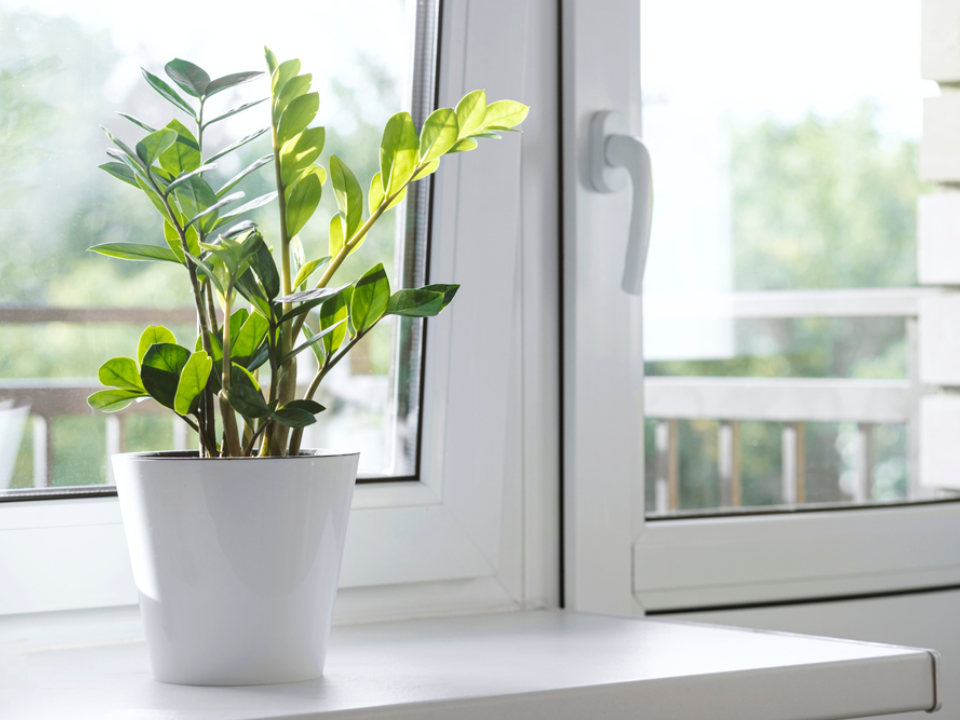
The ZZ plant is known for its hardiness and ability to thrive with minimal care, but it may still show signs of stress during late winter. If your ZZ plant is looking dull or its leaves have started to yellow, it could be due to overwatering or too little light. Start by inspecting the roots and removing any that are decaying. Repotting the plant into fresh, well-draining soil can help restore its health.
This plant prefers indirect light and can tolerate periods of drought, so it is important to avoid overwatering. During the winter months, ZZ plants need very little water, so be cautious when watering. By providing a fresh potting mix and adjusting the watering schedule, your ZZ plant can thrive once more.
Peace Lily (Spathiphyllum)
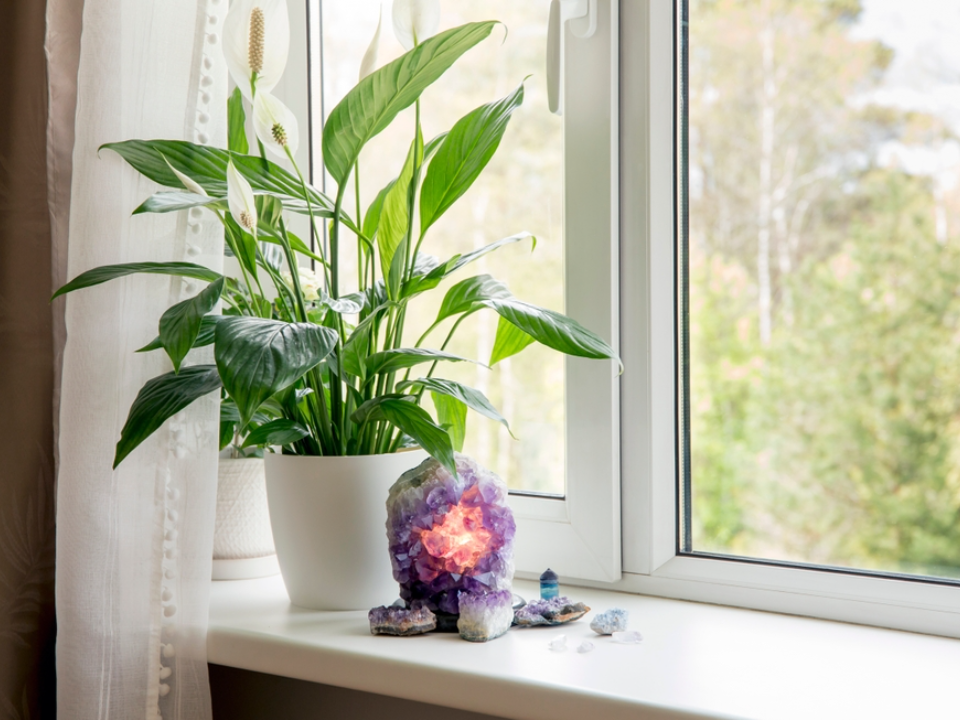
Peace lilies are known for their stunning white blooms, but they can become sluggish or stressed during the colder months. If your peace lily has yellowing leaves or its blooms are sparse, it may need a reset. Begin by trimming away any damaged or yellowing leaves to help the plant conserve energy. Repotting the plant in fresh soil can also help encourage new growth.
Peace lilies prefer bright, indirect light, though they can tolerate low light conditions. They like to be kept evenly moist but can be sensitive to overwatering. A good watering schedule and a fresh pot of soil can help bring your peace lily back to life, ready to bloom in the upcoming spring.
Aloe Vera (Aloe barbadensis miller)
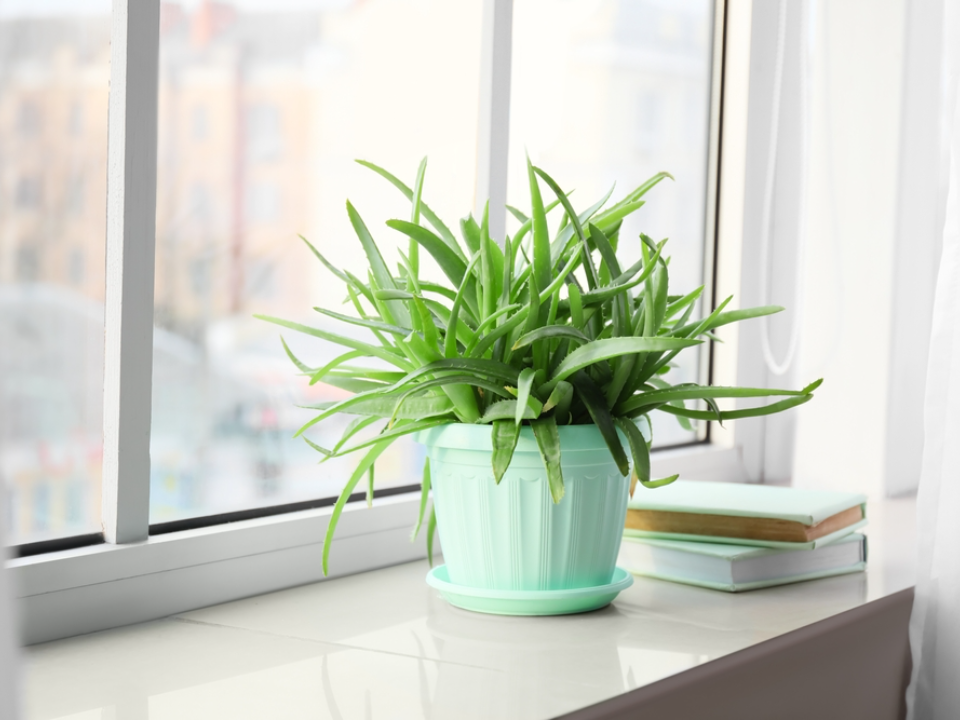
Aloe vera is a popular succulent that thrives with minimal care, but it can suffer during late winter when it does not receive enough light. If your aloe is looking a bit stretched or its leaves are turning brown, it may be time for a reset. Start by trimming away any damaged or brown leaves, and check for any signs of rot at the base. Repotting in fresh, well-draining cactus or succulent mix can help the plant regain its health.
Aloe vera prefers bright, direct light, so consider moving it to a sunnier location. Be careful not to overwater, as aloe vera is prone to root rot. With the right adjustments, your aloe vera can bounce back quickly and be ready for new growth.
Begonias (Begonia spp.)
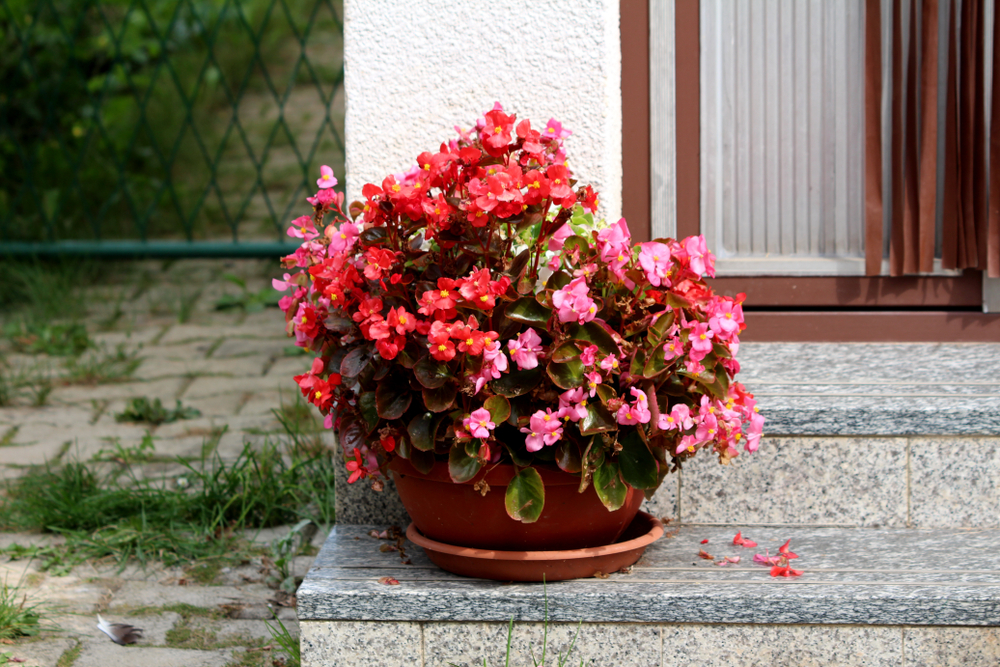
Begonias are beautiful plants with striking flowers, but they can be a bit finicky during the winter months. If your begonia has lost its leaves or is not flowering, it may need a reset. Start by pruning away any damaged or dead leaves to help the plant focus on new growth. Repotting with fresh soil and ensuring the plant is not overcrowded in its pot can help restore its vitality.
These plants thrive in bright, indirect light and benefit from regular humidity. Be careful not to overwater begonias, as they prefer their soil to be slightly dry before watering again. With the right care, begonias can recover quickly and reward you with vibrant blooms in the coming months.
Jade Plant (Crassula ovata)
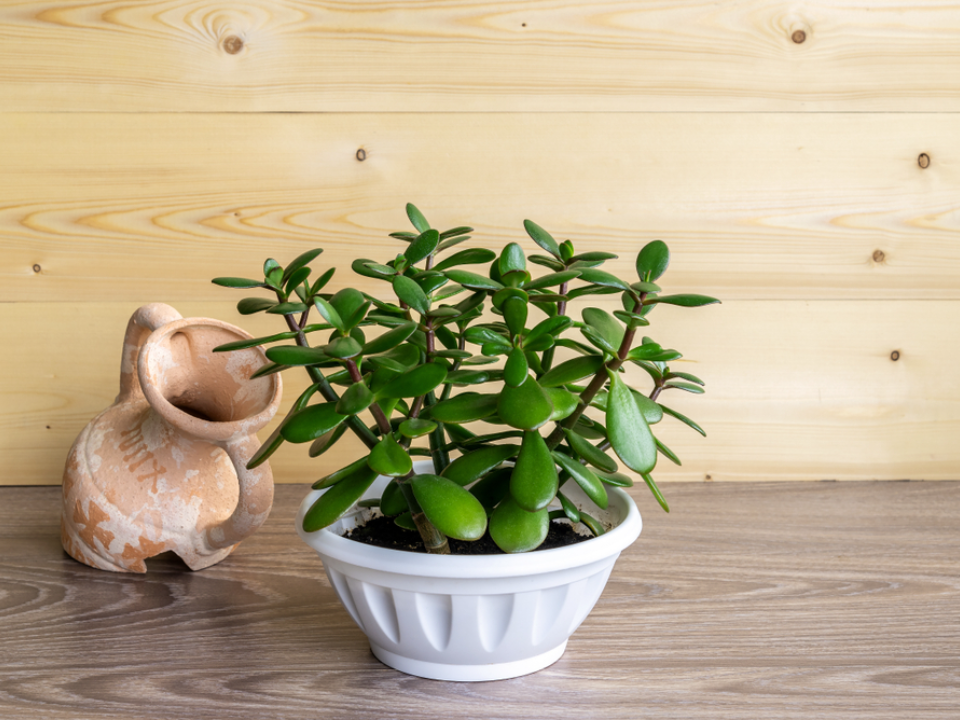
Jade plants are popular succulents that are known for their thick, fleshy leaves. They can, however, become leggy and slow-growing during the winter months if they are not receiving enough light. To reset your jade plant, start by trimming back any leggy growth and removing any leaves that appear unhealthy. Repotting in a slightly larger pot with fresh soil can help encourage new growth.
Jade plants require bright, indirect light and prefer to be watered sparingly. They do well in well-draining soil, so make sure the pot has good drainage. By adjusting the watering schedule and giving the plant more light, your jade plant can regain its health and continue growing in the coming months.
Calathea (Calathea spp.)
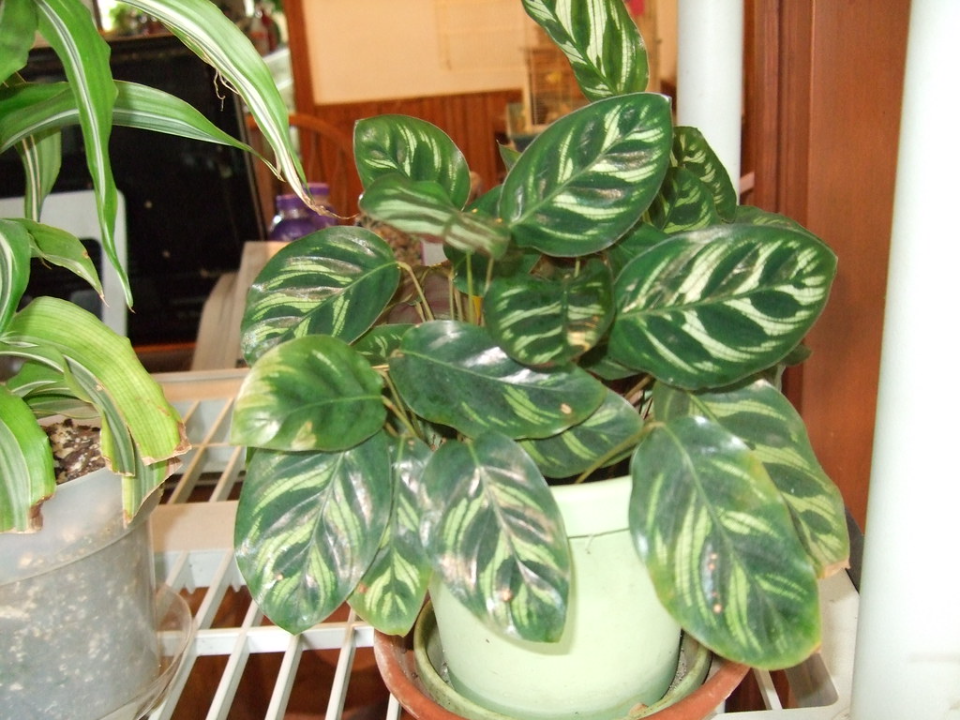
Calatheas are known for their beautiful, patterned leaves, but they can become stressed in the winter months due to low humidity and fluctuating temperatures. If your calathea’s leaves are browning or curling, it may be time for a reset. Start by trimming away any damaged leaves and misting the plant to provide extra moisture. Repotting with fresh, well-draining soil can help restore its health.
Calatheas prefer warm, humid environments and bright, indirect light. Keep the soil slightly moist, but be cautious not to overwater. Regular misting and adjusting the environment can help your calathea recover and thrive in the upcoming spring.
Ficus Tree (Ficus benjamina)
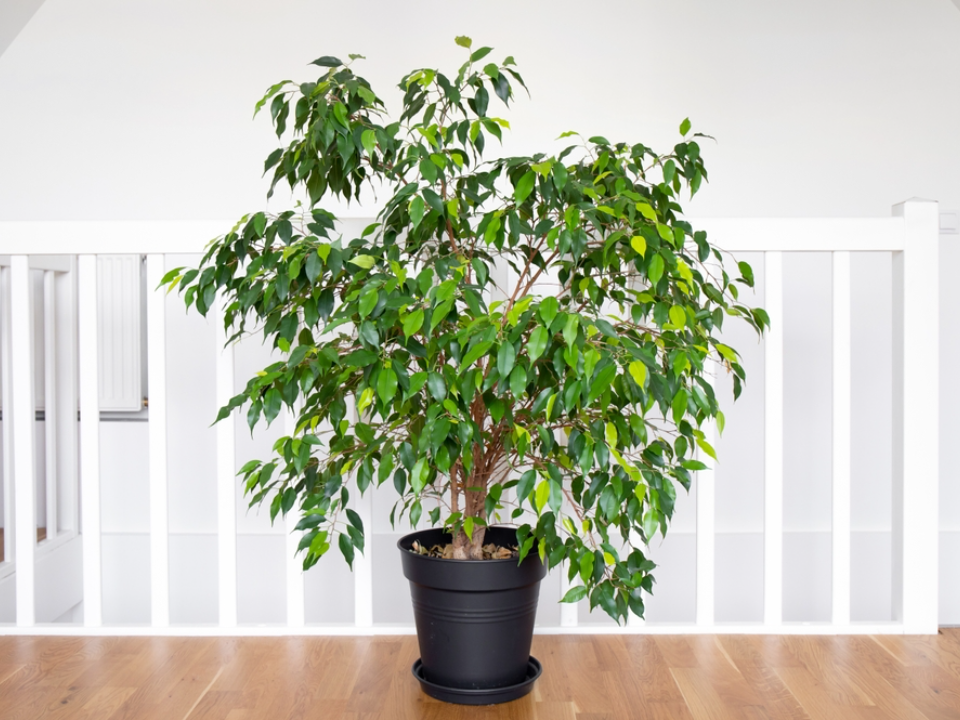
Ficus trees are popular for their large, glossy leaves, but they can become a bit temperamental during late winter. If your ficus tree is dropping leaves or showing signs of stress, it could be due to a lack of light or inconsistent watering. Start by pruning away any dead or yellowing leaves, and check the roots to ensure they are not overcrowded. Repotting in fresh soil can help the plant regain its strength.
These trees prefer bright, indirect light and do not like to be moved frequently. Ficus trees are sensitive to overwatering, so let the soil dry out between waterings. By providing a stable environment and a little extra care, your ficus tree can flourish once more.
Christmas Cactus (Schlumbergera spp.)
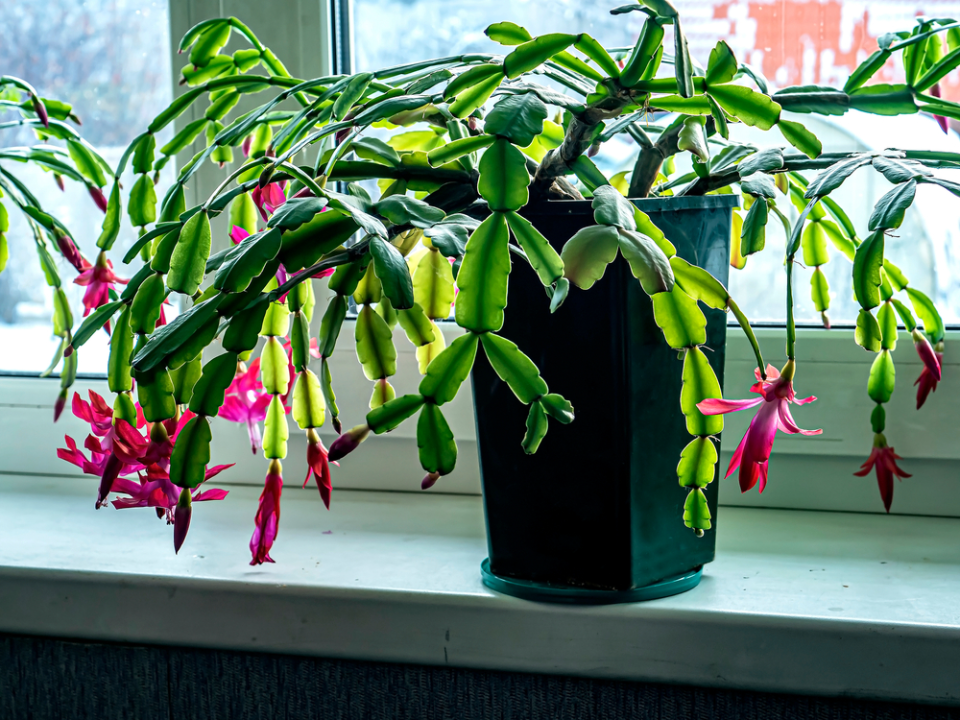
Christmas cacti are known for their stunning blooms, but they can become dormant or stressed during the winter months. If your Christmas cactus has stopped flowering or its leaves are turning yellow, it may need a reset. Start by trimming away any unhealthy growth and check the roots for signs of overcrowding. Repotting in fresh, well-draining soil can help rejuvenate the plant.
These plants prefer indirect light and cooler temperatures during their blooming period. Be careful not to overwater, as they are susceptible to root rot. With the right care, your Christmas cactus can bounce back and provide vibrant blooms in the future.
Pilea (Pilea peperomioides)
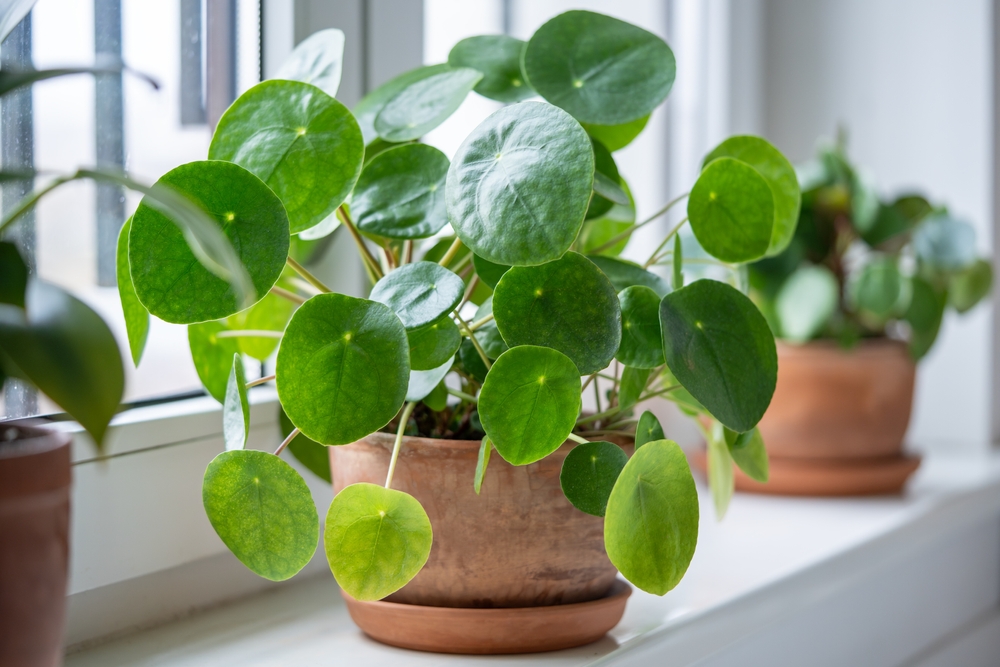
Pilea plants, often called the “Chinese money plant,” are known for their unique round leaves and easy care. However, they can become leggy or droopy during the winter months if they do not receive enough light. Begin by trimming any long stems or damaged leaves, and check the soil to make sure it is not compacted. Repotting with fresh, well-draining soil can help encourage new growth.
Pilea plants thrive in bright, indirect light and prefer to be watered when the soil is dry to the touch. They do not like to be overwatered, so make sure the pot has good drainage. With the right adjustments, your pilea will return to its healthy, vibrant self.
Monstera (Monstera deliciosa)

Monstera plants are known for their large, unique leaves, but they can become stressed during the winter months if they are not given the right care. If your monstera’s leaves are turning yellow or brown, it may be time for a reset. Start by pruning any damaged or unhealthy leaves and check the roots for overcrowding. Repotting the plant in fresh, well-draining soil can help it regain its health.
Monstera plants prefer bright, indirect light and require regular watering. Be cautious not to overwater, as this can lead to root rot. By adjusting the care routine and giving your monstera the space it needs, it will bounce back and continue to grow.
Croton (Codiaeum variegatum)
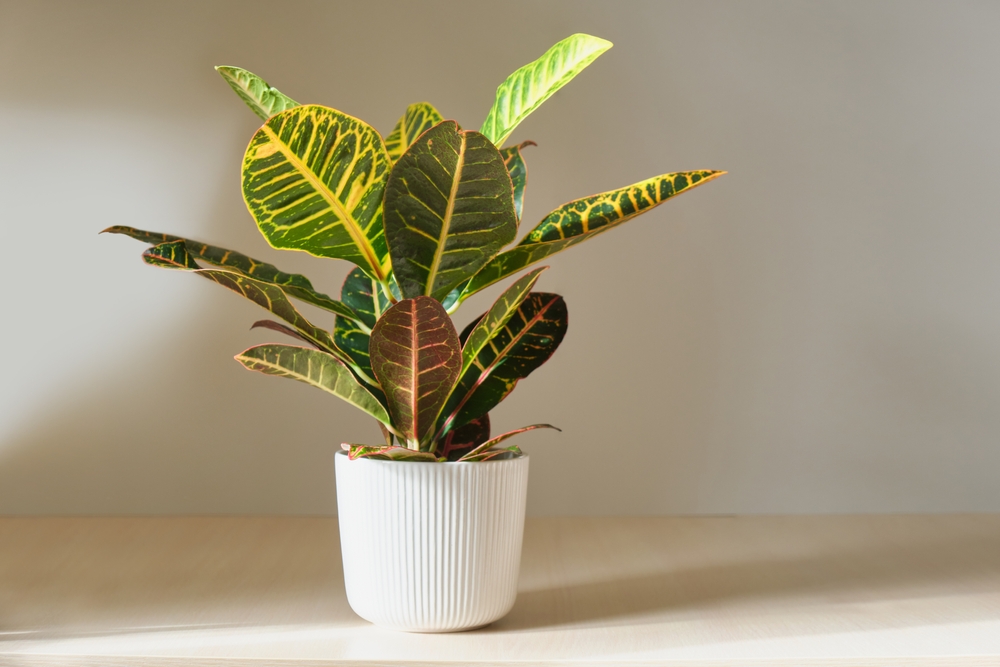
Crotons are known for their colorful, variegated leaves, but they can become stressed during the colder months. If your croton’s leaves are turning brown or falling off, it may need a reset. Begin by pruning away any damaged leaves and checking the roots to make sure they are not overcrowded. Repotting with fresh soil can help restore its health.
These plants require bright, direct light and prefer to be kept in warm, humid environments. Be sure to keep the soil evenly moist, but not waterlogged. With the right care, your croton can recover and regain its vibrant colors in the coming months.
Dracaena (Dracaena spp.)
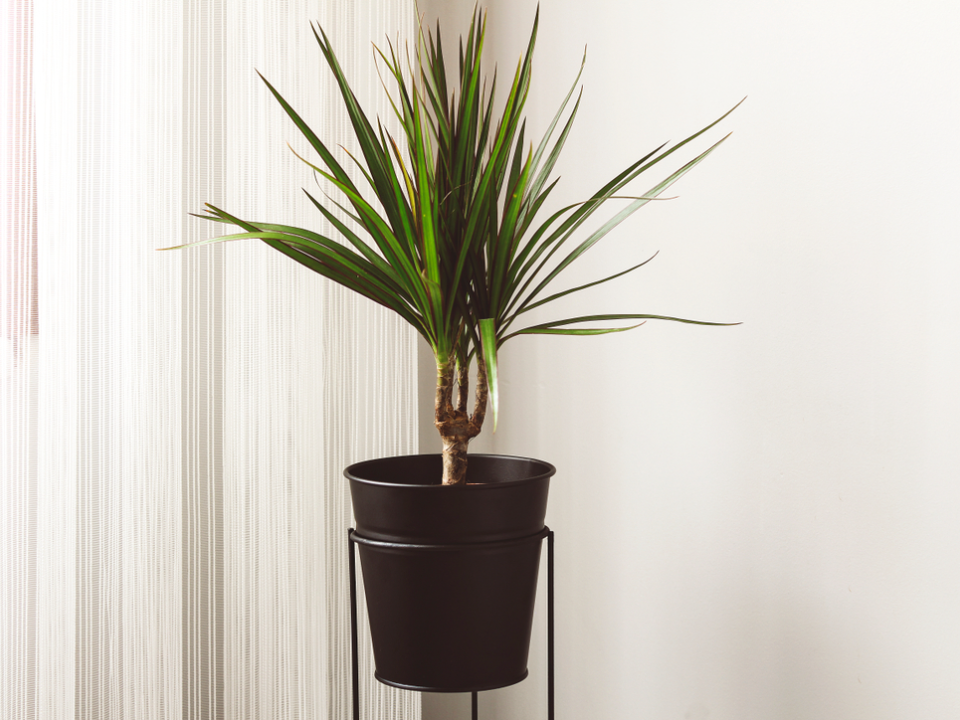
Dracaena plants are popular for their striking, upright growth and narrow leaves, but they can start to look a little tired during the winter months. If your dracaena is showing signs of stress, such as yellowing or brown tips, it may need a reset. Start by trimming away any damaged leaves and checking the soil to make sure it is not compacted. Repotting with fresh soil can help encourage new growth.
These plants thrive in bright, indirect light and prefer to be watered when the soil is dry. They do not like to be overwatered, so make sure the pot has good drainage. With a little extra care, your dracaena will regain its strength and continue to grow strong in the warmer months.
This article originally appeared on Avocadu.