
13 Coins That Look Common but Have Rare Dates Collectors Hunt For
At first glance, many coins look just like any other, but their value could skyrocket if they have the right date. These seemingly common coins can hold secrets that collectors are always on the lookout for. A quick glance may not reveal their worth, but a closer look at the date could make all the difference. Knowing what to look for can open up a whole new world of possibilities.
This post may contain affiliate links, which helps keep this content free. Please read our disclosure for more info.
1909-S VDB Lincoln Cent
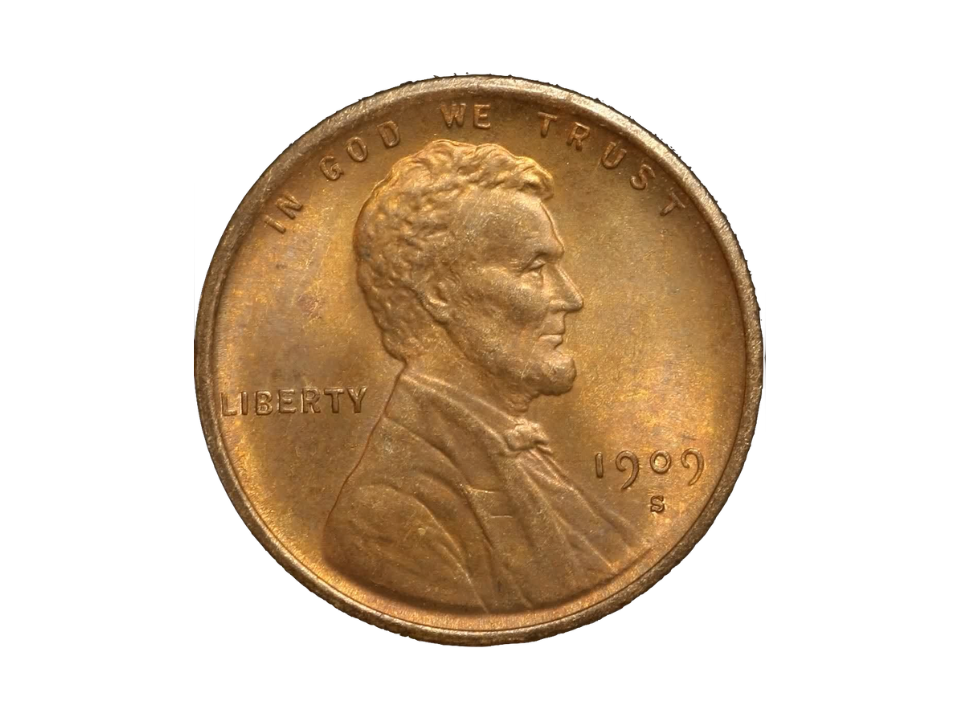
The 1909-S VDB Lincoln cent came out in the San Francisco mint with designer initials on the back that stirred debate. A limited number were struck with those initials which makes this date and variation one that collectors are drawn to. Typical coins in good condition can sell for around $1,000 or more at auctions depending on wear. Many were spent in everyday transactions so high grade pieces are uncommon which adds to the interest. If you find one in pocket change it is worth having it looked at by a trusted dealer.
The appearance of the initials on the reverse of this penny was corrected during the production year so fewer of the original pieces survived. This date can be worth significantly more if the surfaces are clean and free of major flaws. Prices for near mint state examples can reach into the five figure range when they come up for sale. People often check early Lincoln cents closely because of this mix of history and value. Keep in mind that certification by a grading service can help buyers feel confident in what they are paying.
1916-D Mercury Dime

Coins minted in Denver in 1916 for the Mercury dime series were not made in large numbers compared with other dates. Because of this, examples that look ordinary at first glance can be quite desirable if they have clear date and mint mark. In average worn condition they typically bring several hundred dollars. Pieces that show crisp details and minimal marks can command four figures at auction. This makes it a key date for anyone studying early twentieth century small silver coins.
Collectors often focus on this issue because it marks a transition in design style and because of its scarcity. Many were saved by collectors at the time which helped more survive than some other old silver coins. Still, it remains rare compared with other dates in the same series. Prices can fluctuate with the market and collector interest. If you find one it pays to compare recent sale records before selling or buying.
1893-S Morgan Silver Dollar
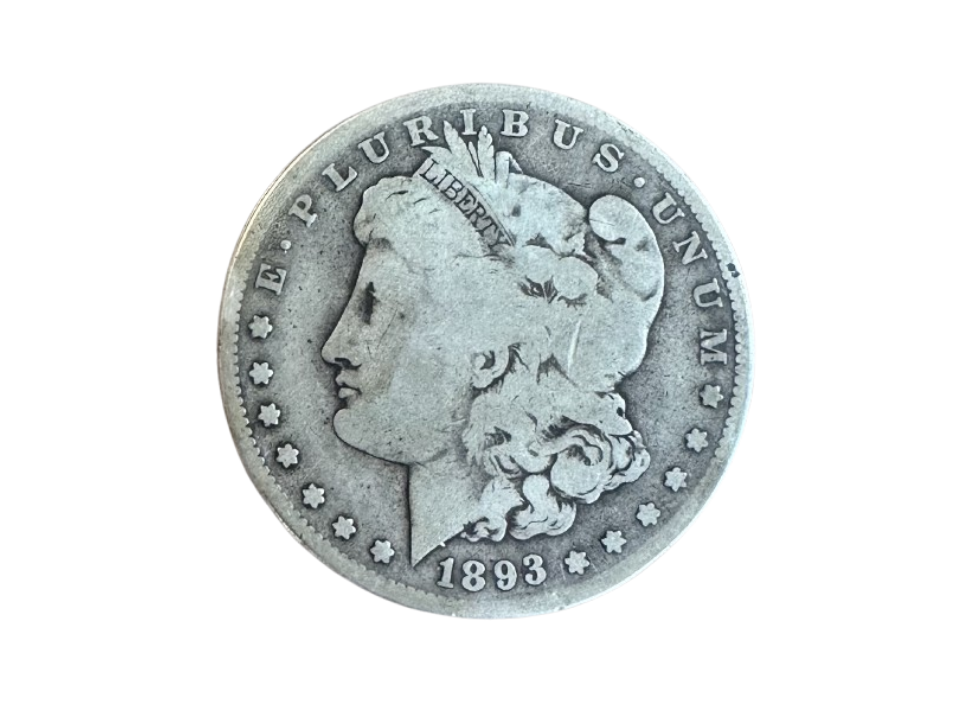
The Morgan dollar struck in San Francisco in 1893 has a reputation for being rare compared with other years in the series. A large number were minted, but many were later melted, which dropped surviving totals. Worn examples often range from a few thousand dollar,s which is notable for a coin that looks common to many. Coins graded with high marks can reach into tens of thousands of dollars. This date is often a goal for people building sets of classic silver coins.
The story behind the low survival rate makes this coin appealing to collectors. It was a time when economic pressures led to the melting of many silver dollars. That adds historical weight beyond the date and mint mark. Condition really matters with this issue because higher quality pieces are scarce. Auctions for premium examples can attract intense interest from serious collectors.
1955 Doubled Die Lincoln Cent
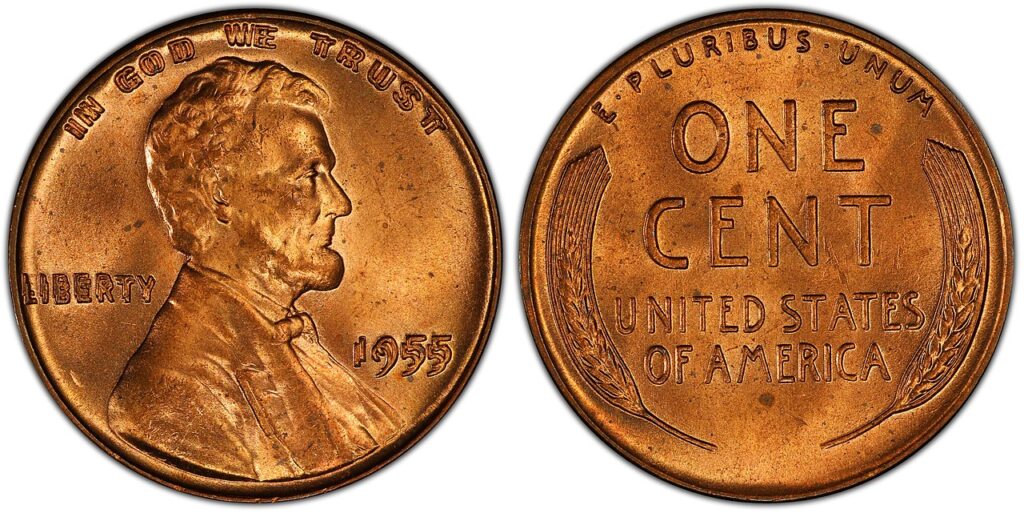
The 1955 doubled die Lincoln cent comes from Philadelphia and shows a clear doubling of the letters on the obverse. Most coins show normal lettering so this error stands out even to casual observers. Examples in circulation grade often sell for a few hundred dollars. Coins with less wear and better eye appeal can reach prices above a thousand dollars at sale events. This makes checking old coin rolls an exciting task for many people.
This crazy doubling occurred when the die struck the planchet twice slightly offset. The result makes the date and motto appear thicker or doubled which is the giveaway. Because so many cents were made in 1955, the error version is more commonly found than some rare dates. Still, finding one in good shape is uncommon and rewarding. Many who collect Lincoln cents will pause to examine each coin they see from this year.
1877 Indian Head Cent
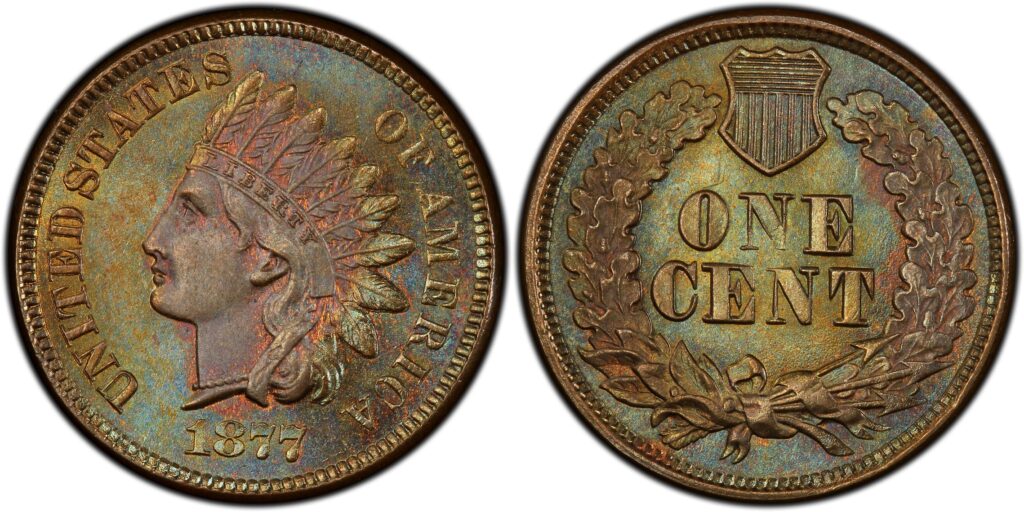
The Indian Head cent from 1877 had a low mintage compared with surrounding years which makes it stand out. Many were used in circulation and the survivors are often worn. Prices for a well worn piece can be several hundred dollars which surprises many. Better examples in cleaner condition can fetch a few thousand dollars. This date is a milestone for collectors of classic American copper coins.
People often overlook this date because Indian Head cents are common in old collections. Yet the 1877 has a slightly lower survival count which gives it extra interest. A sharp detailed version can be quite a highlight in a type set. Condition and presence of original color matter a great deal when estimating value. Dealers and collectors alike watch for this year when sorting older coins.
1804 Silver Dollar
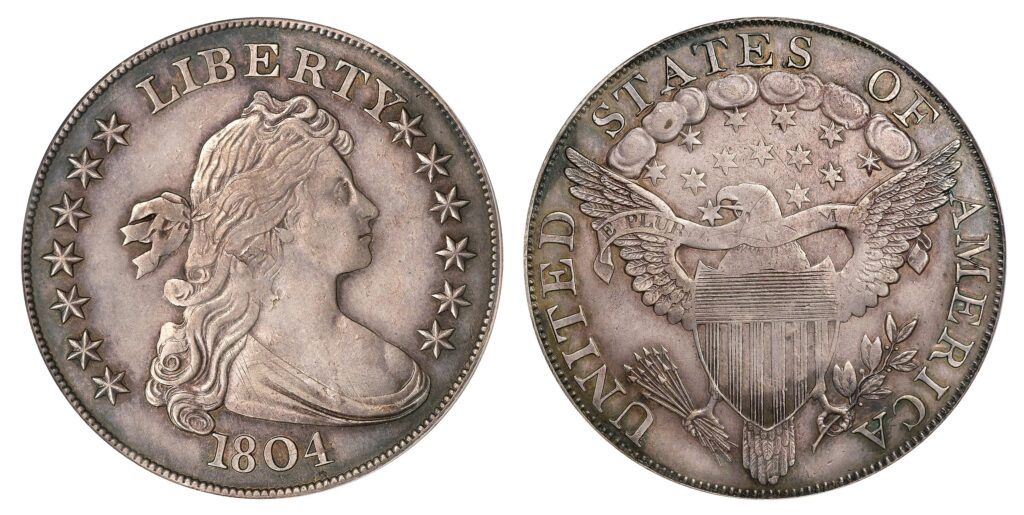
Coins labeled as 1804 silver dollars were actually struck for presentation sets many years after the date which adds to their allure. Genuine pieces with this date are extremely unusual and can bring prices above one million dollars. Even worn examples when authentic have brought enormous sums at major public sales. These coins are often called among the rarest American issues which draws interest from serious collectors. They look like they belong to regular circulation at first but are anything but ordinary.
History around these pieces includes diplomatic gift sets created in the nineteenth century. That story gives each coin a narrative beyond the surface. People researching early American coinage often run into discussion of this date. Auction catalogs can show staggering figures for well preserved pieces. This particular date remains a highlight in exhibitions and shows.
1937-D Three Legged Buffalo Nickel
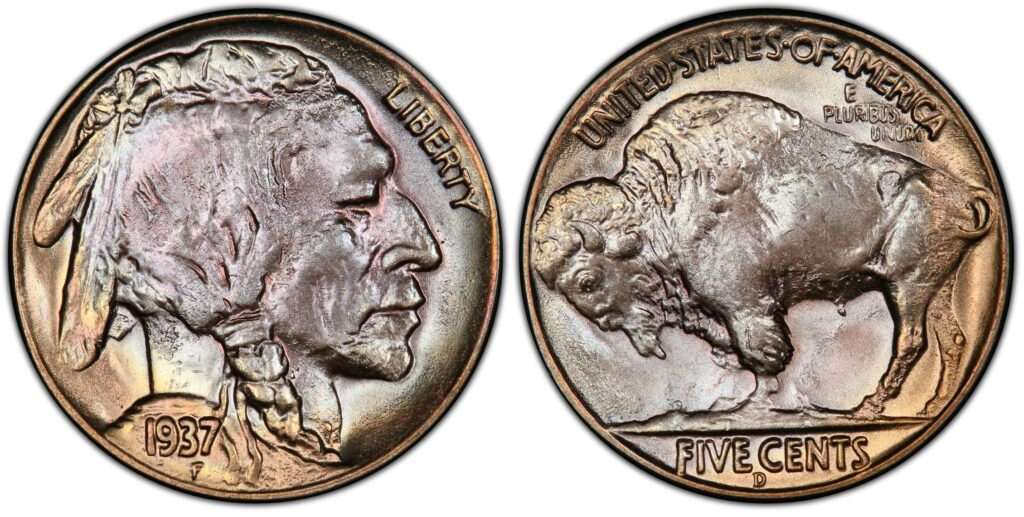
The 1937-D Buffalo nickel from Denver can show a missing front leg on the buffalo which was caused by die wear. Most Buffalo nickels look the same but this variation stands out when you know what to check. In average worn state these pieces can sell for several hundred dollars. Near mint examples bring well into the thousands. Many collectors enjoy finding one because the variation is dramatic and easy to explain.
This version was created as the mint die wore down during production. The missing leg makes the design look odd and instantly recognizable. Folks who collect nickels often look for this variation when sorting through coin bins. Auction results vary with the condition and eye appeal of the coin. When approaching or exceeding mint state it can be a centerpiece in a nickel collection.
1914-D Lincoln Cent
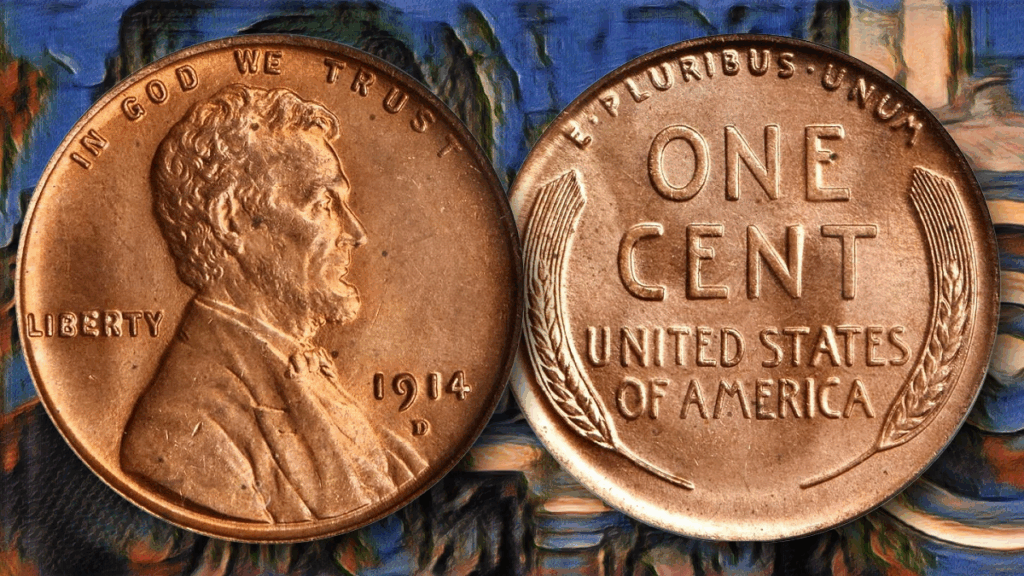
The Lincoln cent from Denver in 1914 had a small production compared with other years which affects how often it shows up today. Worn examples can sell for a few hundred dollars which surprises casual collectors. Coins with minimal wear can reach into the low thousands. Many were saved by early collectors which helped more survive than had they all been spent. This date remains one that many people check closely when reviewing old change.
The low mintage makes spotting this coin exciting for those who enjoy early cents. The Denver mint mark and clear date are what people look for first. Condition plays a large role in the value which means sharp details matter. There is a steady appetite for this piece at regional and national shows. When one appears in a lot it often draws bids quickly.
1969-S Doubled Die Obverse Lincoln Cent
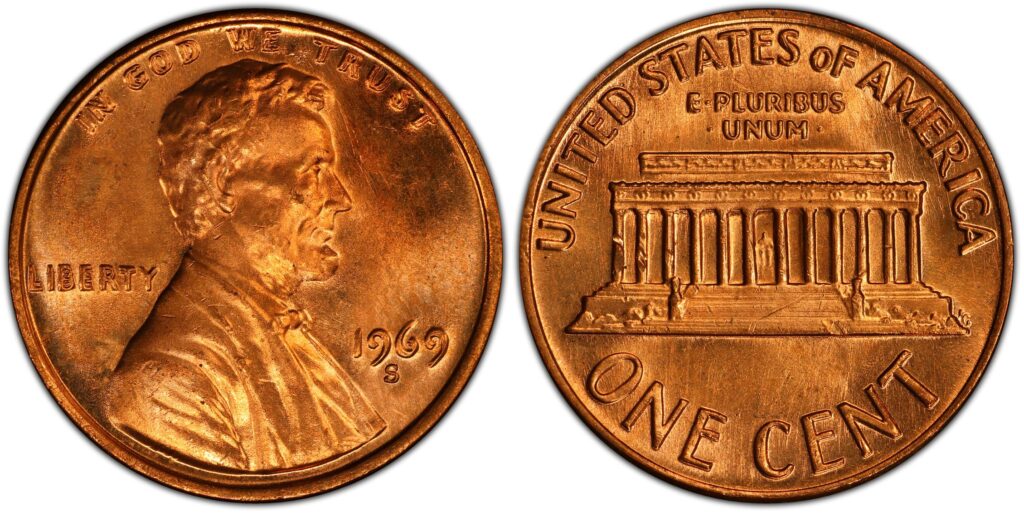
The 1969-S doubled die obverse penny from San Francisco shows strong doubling on the front lettering. Most Lincoln cents have normal lettering which makes this version easy to notice if you pay attention. Even modest examples can fetch a few hundred dollars. Coins in better shape with strong eye appeal can bring well over a thousand dollars. This makes checking proof and business strike coins from that year fun for collectors.
This variation happened when the die struck the coin more than once with slight movement. The result makes letters and numbers appear layered. Because San Francisco minted coins were fewer than some main issues, this variation stands out. People often compare known examples before buying or selling. A clear image of the doubling makes the piece more desirable.
2004-D Wisconsin Extra Leaf High Quarter
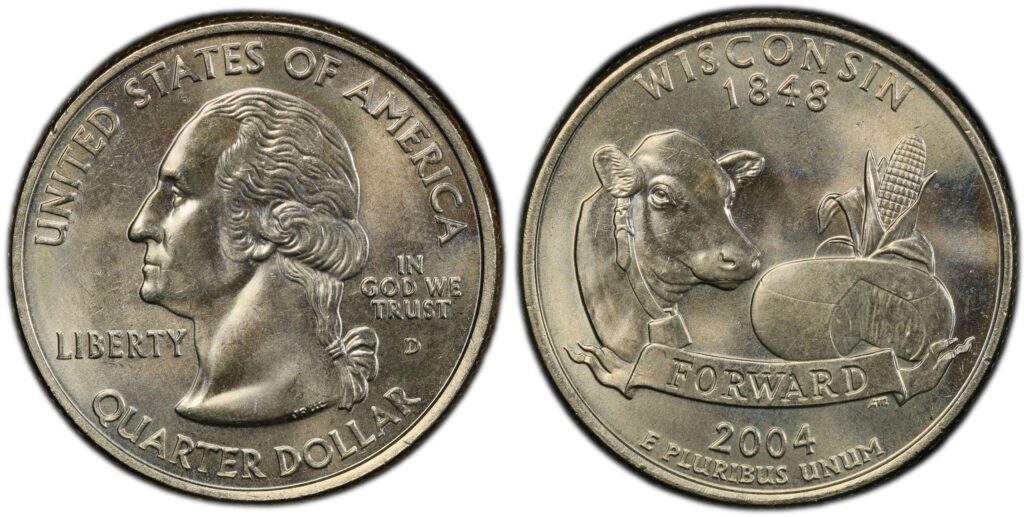
Some 2004-D Wisconsin quarters show an extra leaf near the corn stalk which was the result of a die anomaly. Most quarters from this series look plain but this slight feature raises interest. In normal worn grades these can bring a few dollars above face value. Quarters with strong definition and the extra leaf up high can sell for a few hundred dollars. Collectors enjoy finding these because the change is subtle but noticeable when pointed out.
This variation was noticed after release and became talked about among collectors. Many people check the area near the ear of corn on the reverse to see if the leaf is present. The extra leaf high version is usually more in demand than the low leaf version. This makes it fun for those who hunt through rolls. The market shifts with interest so recent sale results matter when pricing.
1873-CC No Arrows Seated Liberty Dime
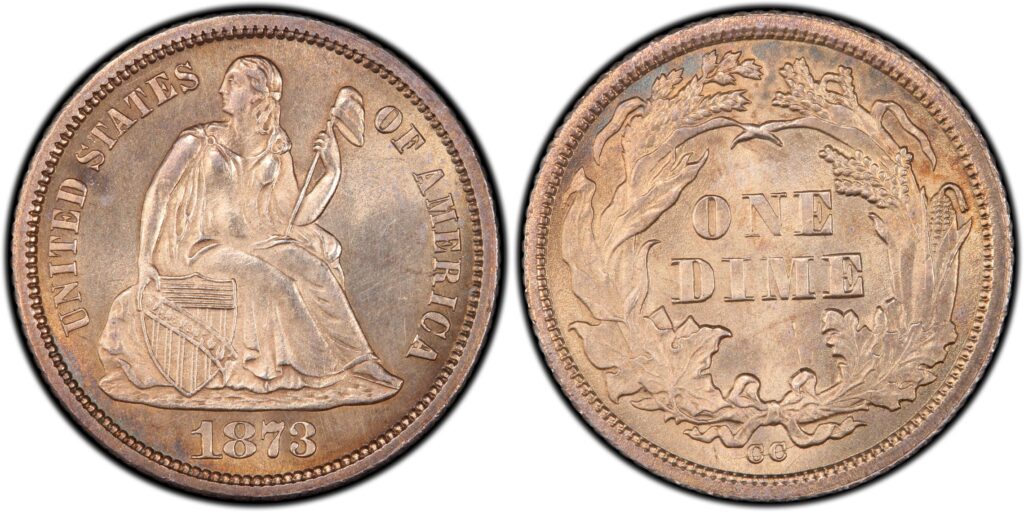
Coins from Carson City in 1873 without arrows by the date were struck in smaller numbers than other versions. This makes them attractive to collectors of the Seated Liberty series. In average condition these can sell for a few hundred dollars. Better preserved examples often reach a few thousand dollars. People who focus on old silver dimes often set aside time to look for this date.
The absence of arrows was part of an early year variation before the design was changed. That detail is what attracts attention when comparing coins. Carson City pieces are generally popular because of their lower mintages. Condition and eye appeal help determine the actual price. Auction records show steady movement for this date when offered.
1932-D Washington Quarter
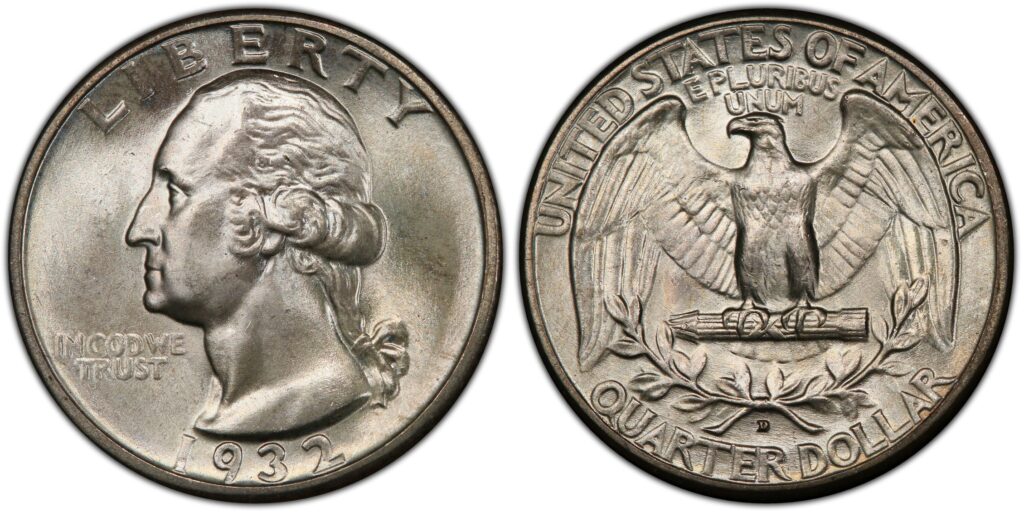
The Denver struck Washington quarter in 1932 had a much lower number produced than at Philadelphia which makes it stand out. Even worn coins often trade for several hundred dollars. Those with nice surfaces can approach a thousand or more. This makes it a coin that many people check when examining old quarters. The date and mint mark are the key things to look for.
The interest in this coin comes from its status as one of the first issues in the Washington quarter series. That adds a bit of historical feel to collecting it. Surviving examples vary widely in condition which shows in price. Dealers often show this coin when discussing key dates for new collectors. It remains a favorite among those building early quarter sets.
1802 Draped Bust Half Dollar
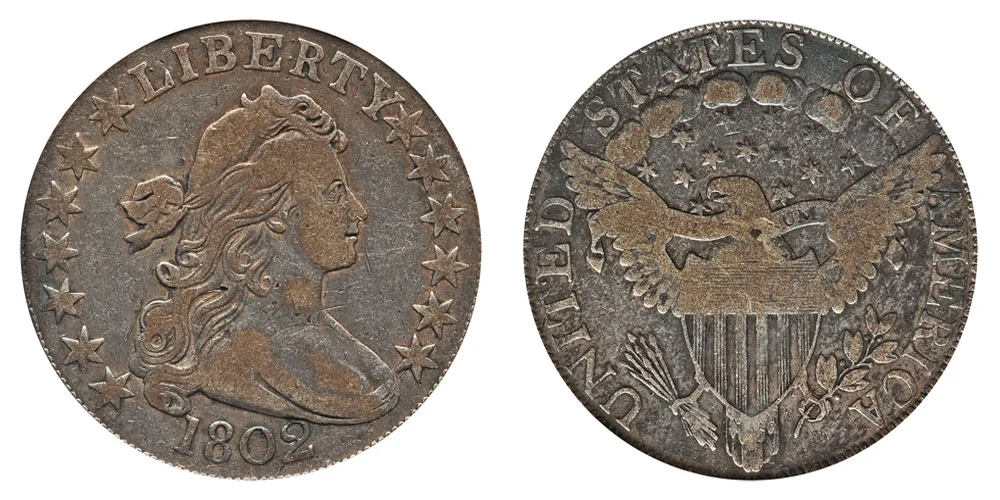
The Draped Bust half dollars from 1802 have low surviving numbers which helps them draw attention among early silver coins. Even pieces with heavy wear can bring several thousand dollars. Coins in better condition have sold for amounts well above ten thousand dollars at major sales. The classic design and early date add to its appeal. Many collectors of large silver coins watch for examples when they appear in auctions.
This early date in American coinage offers a window into the nation’s past. The mint mark is not present on these which means all were struck at Philadelphia. This type is popular because of its age and design as much as the survival count. Records show high prices for the finest known examples. If you enjoy seeing early coins up close, this one is a standout.
This article originally appeared on Avocadu.