
15 Sturdy Plants That Can Survive Fire and Come Back Stronger
Fire is a natural part of many ecosystems, and some plants have developed incredible ways to not only survive it but come back even stronger. These resilient plants have evolved unique mechanisms that allow them to withstand intense heat, regenerate, and thrive after wildfires. Whether it’s through thick, protective bark, deep roots, or the ability to release seeds in response to fire, these plants play a crucial role in maintaining the balance of their environments. While fire can be devastating, it also creates space for new growth, and these plants take full advantage of that. From towering trees to vibrant shrubs, each of these plants has found a way to turn fire into an opportunity.
This post may contain affiliate links, which helps keep this content free. Please read our disclosure for more info.
Lodgepole Pine (Pinus contorta)
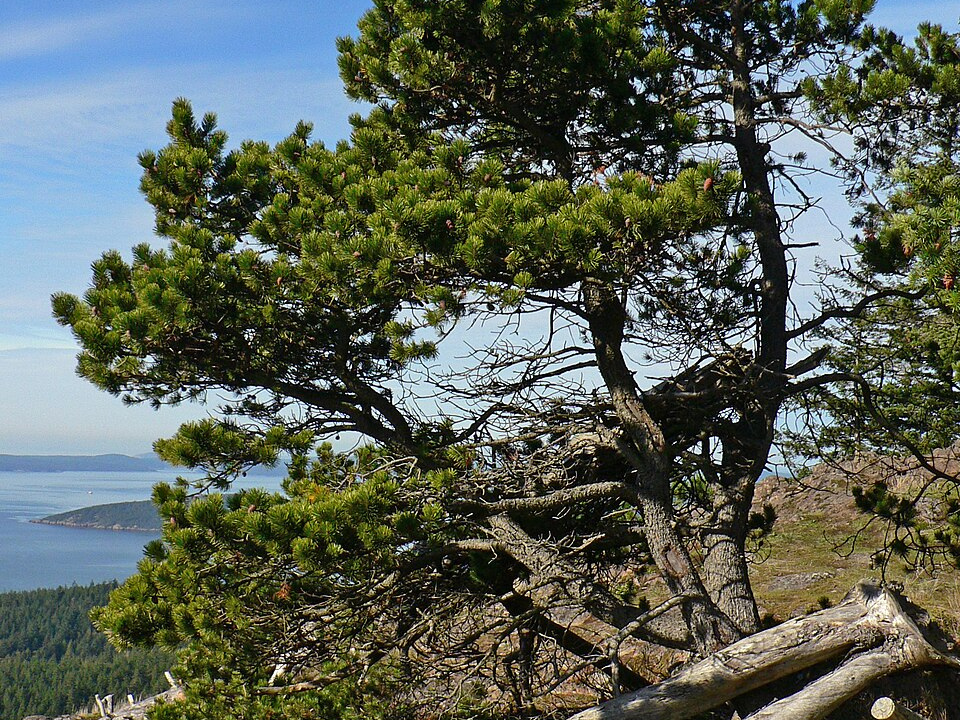
Lodgepole pines are highly resilient trees that have evolved to survive frequent fires. Their cones are sealed with resin that requires the heat of a fire to open, releasing seeds that can germinate in the nutrient-rich ash left behind. This process ensures that new trees grow quickly after a fire, taking advantage of the cleared landscape.
Their deep roots allow them to withstand intense heat, and the bark is thick enough to protect the trunk from fire damage. These pines are especially found in areas with frequent wildfires, such as parts of North America. Their ability to regenerate after fire is vital for maintaining forest ecosystems in fire-prone regions. Over time, lodgepole pines create healthy, thriving forests that continue to support wildlife.
Kangaroo Paw (Anigozanthos)
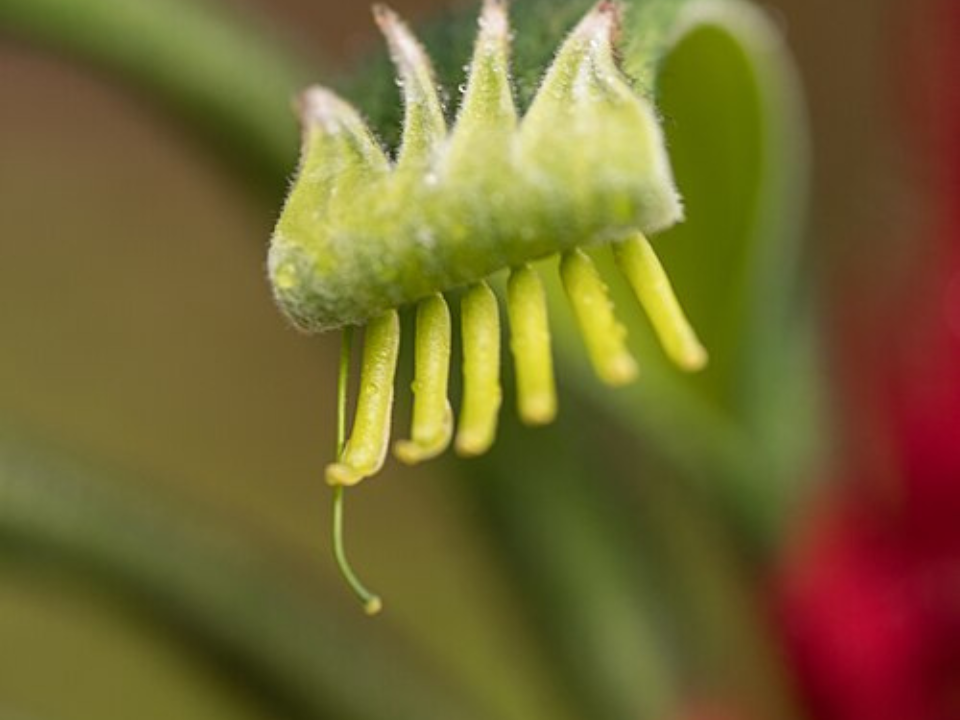
Kangaroo paw is a fire-adapted plant native to Australia. It has specialized mechanisms to survive the harsh conditions caused by fires. After a fire, kangaroo paw’s roots remain intact beneath the soil, allowing the plant to sprout new growth. This remarkable adaptation helps the plant bounce back quickly after fire seasons.
The plant’s vibrant flowers are part of its evolutionary design, attracting pollinators that help in seed dispersal. Despite the heat from nearby fires, kangaroo paw has thickened leaves that protect its stems. These plants are often found in areas where fires are common, and they play a key role in regenerating the local ecosystem. With fire being a natural part of their environment, kangaroo paws thrive in areas where periodic fires occur.
Giant Sequoia (Sequoiadendron giganteum)
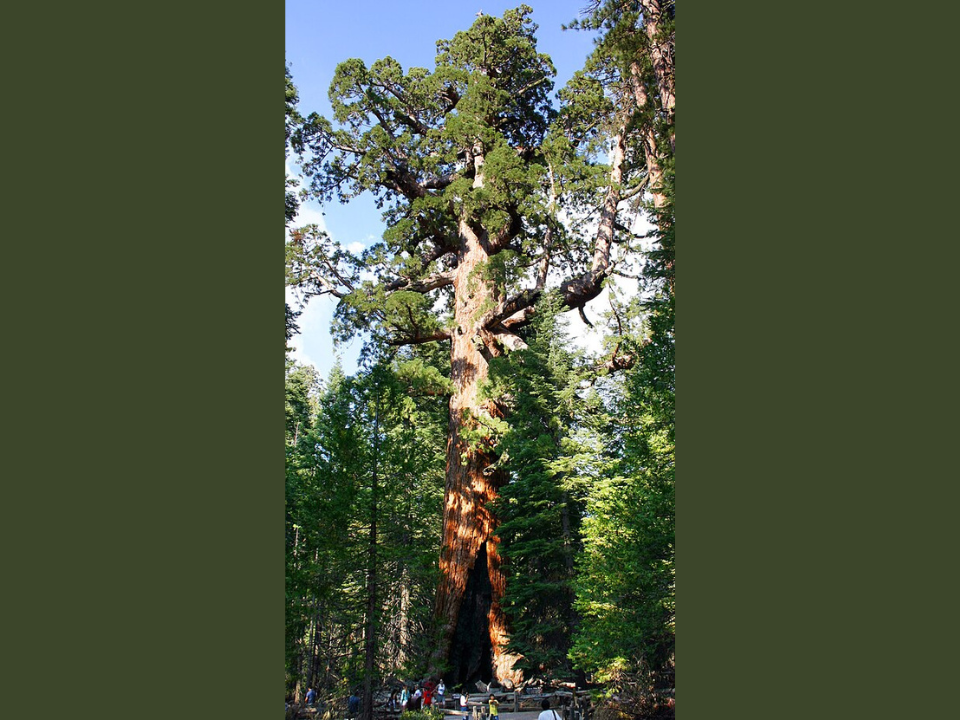
The giant sequoia, one of the largest trees in the world, is well-adapted to surviving and thriving after fire. Its thick, fibrous bark protects it from the intense heat of fires, allowing the tree to survive even the most intense blazes. The seeds of giant sequoias require fire to germinate, as the heat opens their cones. After a fire, the area around the tree is cleared, allowing new seedlings to grow and establish themselves.
These trees have evolved to withstand regular fire intervals, and their ability to recover rapidly ensures that they continue to dominate the landscape. In the aftermath of a fire, giant sequoias not only survive but contribute to the regeneration of forests. Their deep roots help them access water and nutrients, making them strong and resilient. Over time, the giant sequoia forest re-establishes itself, often thriving more than before the fire.
Bristlecone Pine (Pinus longaeva)
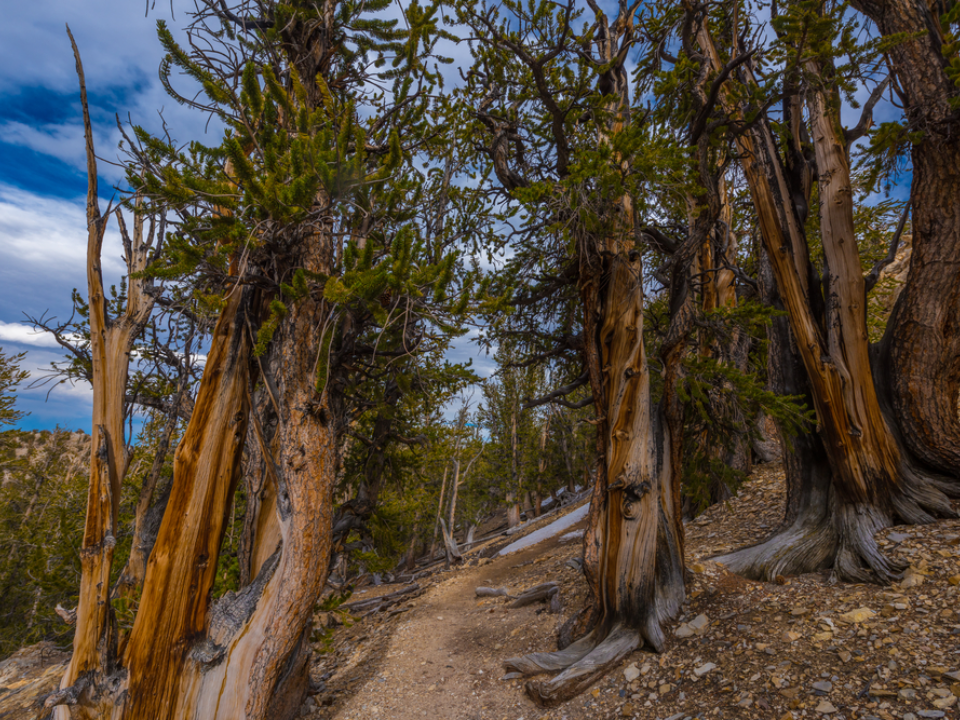
Bristlecone pines are some of the oldest living organisms on Earth. These hardy trees are naturally resistant to fire, thanks to their thick bark and tough needles. While they may appear small in comparison to other pines, bristlecone pines have deep roots and a high resistance to the heat from fires. In the aftermath of a fire, they often grow back stronger, benefiting from the nutrients left behind in the soil.
The trees are adapted to survive in harsh environments, including mountainous areas where fires are a natural part of the landscape. Despite being slow-growing, bristlecone pines are incredibly resilient and can live for thousands of years. Their longevity and ability to regenerate after fires make them key players in the forest ecosystem. After a fire, these trees often flourish, taking advantage of the cleared ground to establish themselves further.
Manzanita (Arctostaphylos)
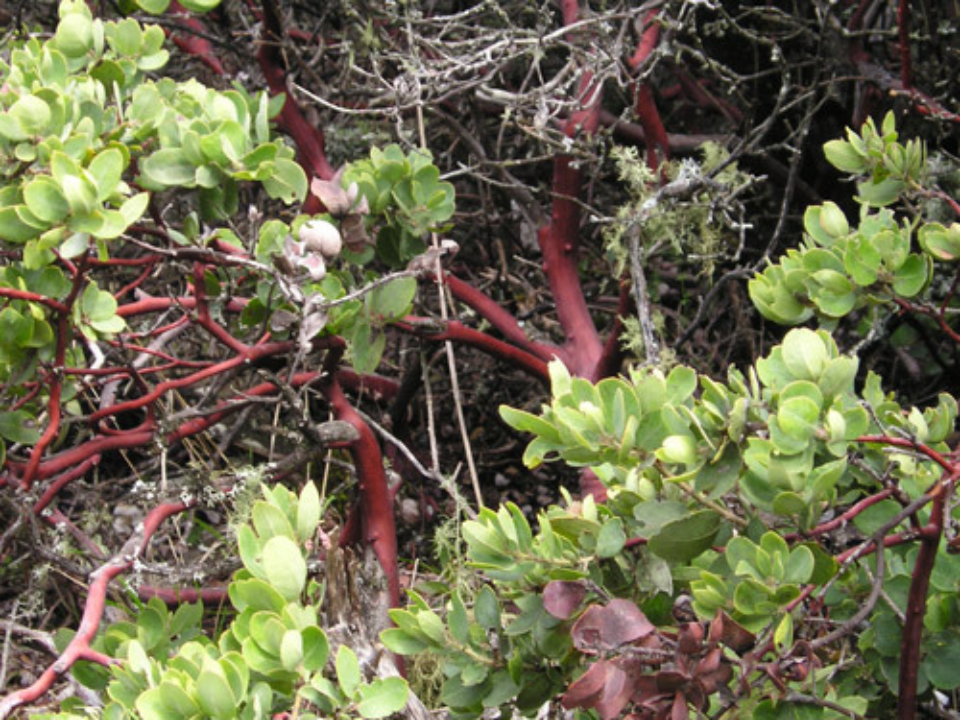
Manzanita is a shrub that thrives in fire-prone environments. Known for its smooth, red bark, manzanita is adapted to survive and regenerate after fires. Its roots remain intact beneath the soil, which allows it to sprout new shoots after a fire. The plant’s dense canopy and waxy leaves help it withstand heat and drought, further increasing its resilience. Manzanita seeds are often released after a fire, ensuring the regeneration of the plant in the newly cleared areas.
These shrubs are common in western North America, where fires occur frequently. Their quick regrowth and ability to handle fire make them an essential part of the landscape, providing shelter and food for local wildlife. Manzanita’s adaptability allows it to thrive in environments that experience frequent wildfires.
Banksia (Banksia spp.)
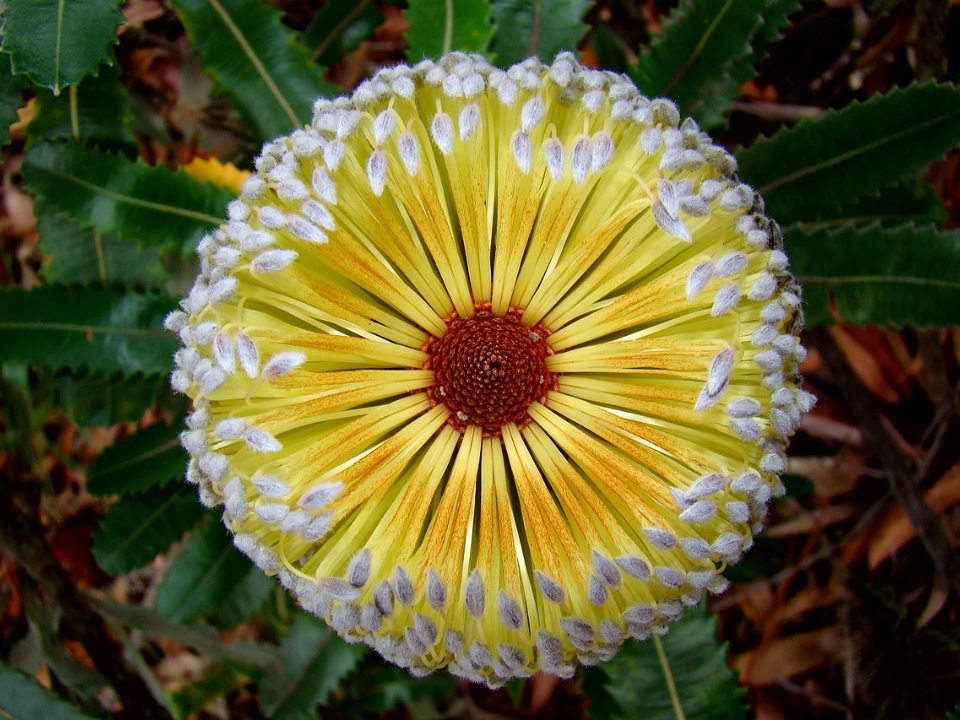
Banksia is a genus of flowering plants native to Australia, known for its unique, spiky flowers and ability to recover quickly after fire. The plant has evolved to rely on fire to stimulate the release of its seeds. When a fire occurs, the plant’s woody cones open up, allowing the seeds to fall onto the fertile, ash-rich soil below. The deep roots of the banksia are often unaffected by fire, and this allows the plant to regenerate swiftly.
Fire is a natural part of the Australian ecosystem, and banksias have adapted to take full advantage of this. After a fire, the surrounding environment provides the perfect conditions for the plant’s seeds to germinate and grow. Banksias contribute to the regrowth of ecosystems, as they provide habitat for birds, insects, and other wildlife. Their ability to bounce back after fire ensures their role in maintaining biodiversity.
Ponderosa Pine (Pinus ponderosa)
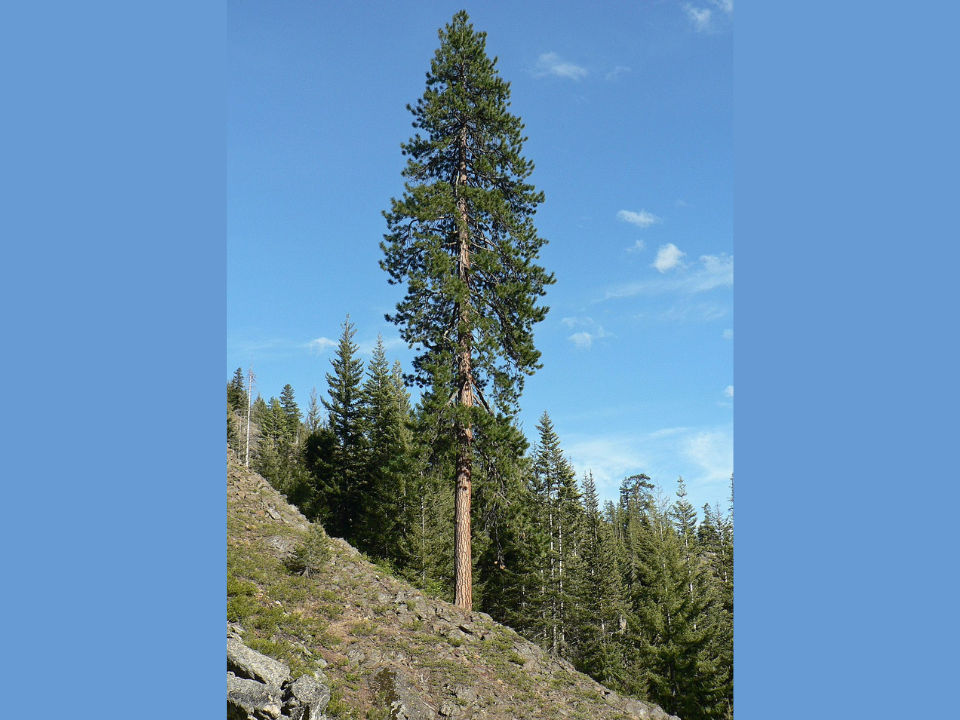
Ponderosa pines are large trees found in the western United States. They are adapted to survive periodic fires, thanks to their thick bark, which insulates the tree from extreme heat. Their high crowns also help keep the flames from reaching their foliage. After a fire, ponderosa pines regenerate by sprouting new shoots from their roots and releasing seeds. These trees have deep roots that help them access water and nutrients even in the aftermath of a fire.
Ponderosa pines play an important role in forest regeneration, as their presence helps to stabilize the soil and create a foundation for new plants to grow. Their ability to survive fires makes them a crucial component of the forest ecosystem. The trees benefit from fire in ways that other plants cannot, allowing them to thrive even in fire-prone environments.
Firewheel Tree (Stenocarpus sinuatus)
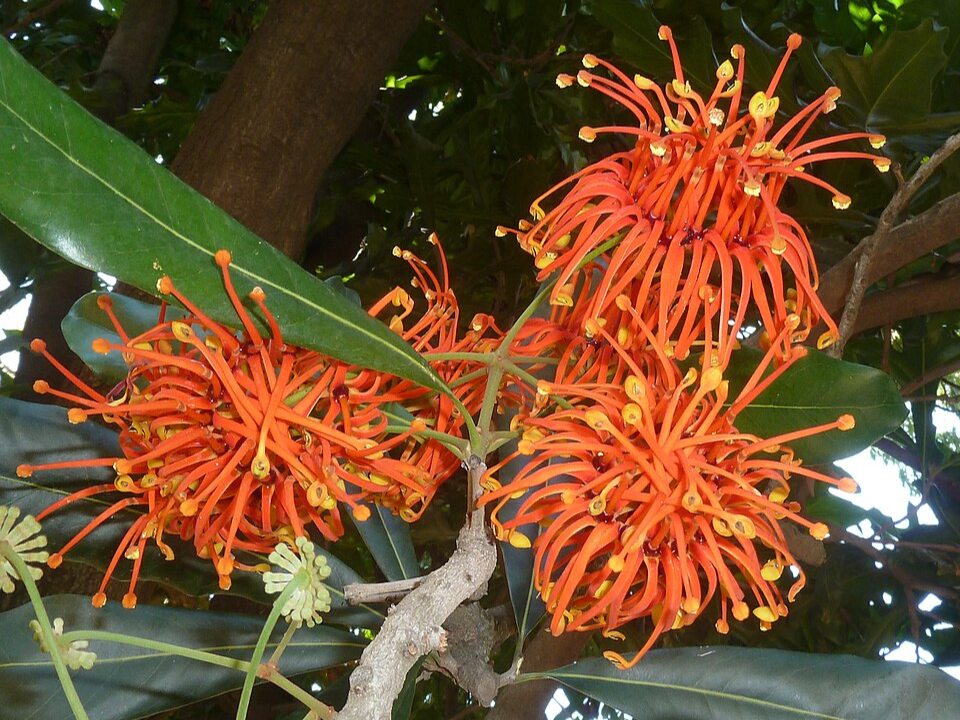
The firewheel tree, native to Australia, has adapted to survive fire and regrow quickly. Its thick, leathery leaves and waxy coating provide protection against the heat of fire. After a fire, the tree’s bark regenerates rapidly, and it produces new shoots from the base. The firewheel tree also has a unique flowering cycle, with its bright red flowers being a significant feature of its regeneration after fire.
These trees are often found in areas where fires occur frequently, and their ability to bounce back quickly is vital for the surrounding ecosystem. Fire helps stimulate the release of seeds, which ensures the continued growth of the species. The firewheel tree is a key part of the Australian landscape, providing food and shelter for wildlife while maintaining the health of the forest.
Eucalyptus (Eucalyptus spp.)
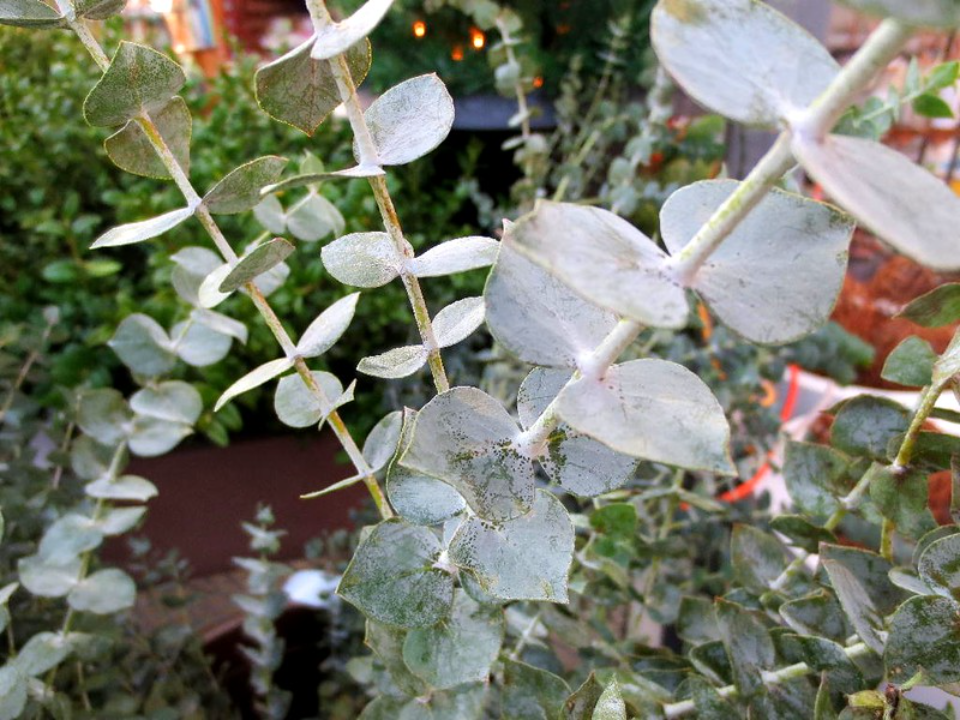
Eucalyptus trees are synonymous with fire-prone Australian landscapes. They have developed remarkable adaptations that allow them to survive and even thrive after fire. Their bark is often thick and fibrous, providing protection from the heat of the flames. Eucalyptus trees also have a high oil content in their leaves, which makes them highly flammable, but they also encourage the rapid regeneration of the forest after fire.
When a fire occurs, the tree’s seeds are released and can germinate in the ash-enriched soil. The eucalyptus tree’s deep roots remain intact even during intense fires, allowing it to regenerate quickly. These trees are essential to the local ecosystem, providing shelter for wildlife and contributing to soil stabilization. Eucalyptus forests play a significant role in Australia’s fire-dependent ecosystems.
Pineapple (Ananas comosus)
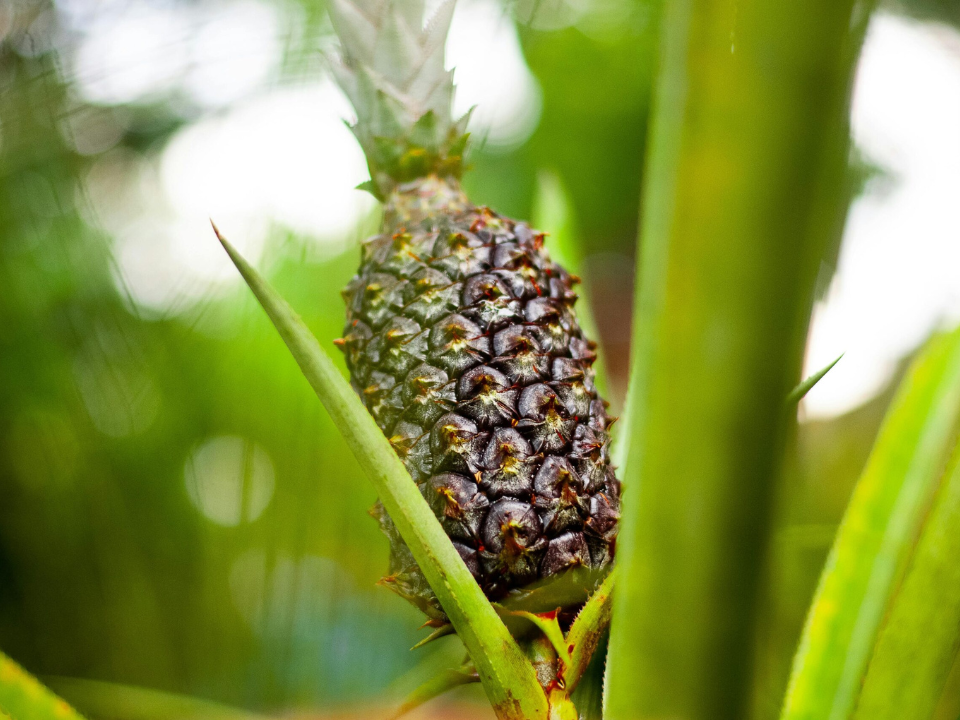
Pineapples have evolved to endure tough conditions, including fire. Their thick leaves and the resilience of their roots allow them to survive in areas prone to intense heat. After a fire, the plant’s crown remains intact, and it can produce new shoots quickly. Pineapple plants rely on their deep-root systems to recover from damage, allowing them to regenerate after fires.
Their rapid regrowth enables them to reclaim space in the ecosystem, helping to maintain a healthy environment. Pineapples also grow well in tropical climates, where fires may be more common due to lightning strikes. By sprouting new plants from the base after a fire, pineapples ensure their continued survival in these challenging conditions. Their ability to recover from fire helps maintain the agricultural diversity in fire-prone areas.
Candlebark Tree (Eucalyptus rubida)
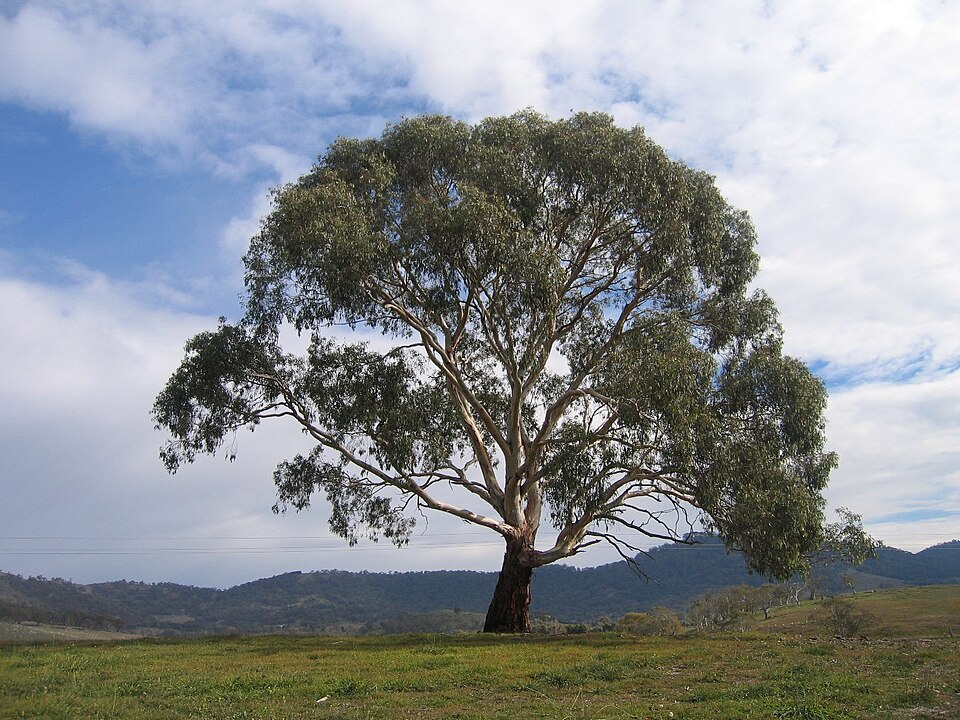
The candlebark tree is a species of eucalyptus that has adapted remarkably well to frequent fires. Its bark is thin and flammable, and it releases oils that help fuel the fire. However, this adaptation works to its advantage, as the intense heat promotes the germination of its seeds. The tree has a strong capacity for regeneration, sprouting new growth from the base even after the flames have passed.
After a fire, the soil around the candlebark tree is enriched with ash, providing a perfect environment for new seedlings to thrive. The deep roots of the tree also enable it to survive even the most intense fires. Candlebark trees are an important part of Australia’s forest ecosystems, contributing to the forest’s regrowth after wildfires. These trees play a crucial role in the landscape by providing shelter and food for local wildlife.
Redwood (Sequoia sempervirens)
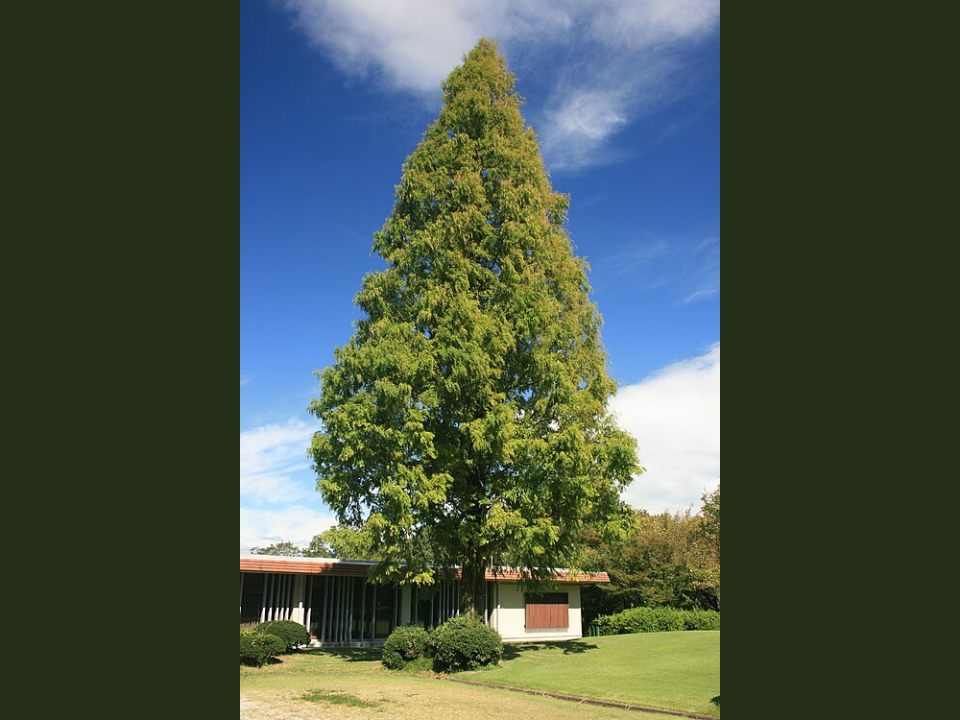
Redwoods are some of the tallest and oldest trees on the planet, and they are built to withstand fire. Their bark is incredibly thick and spongy, which helps protect them from the intense heat of wildfires. Even though the outer bark may be scorched, the inner layers remain unharmed, allowing the tree to continue growing. After a fire, redwoods can regenerate from both their roots and from their fallen seeds.
The cleared land surrounding these massive trees provides an ideal environment for new redwoods to sprout. These trees also have a remarkable ability to absorb moisture, which helps them survive during periods of drought following fires. Redwoods contribute to the health of the forest, providing critical habitats for many species. Their ability to survive fires ensures they continue to thrive, contributing to the longevity of forest ecosystems.
Sweetgum (Liquidambar styraciflua)
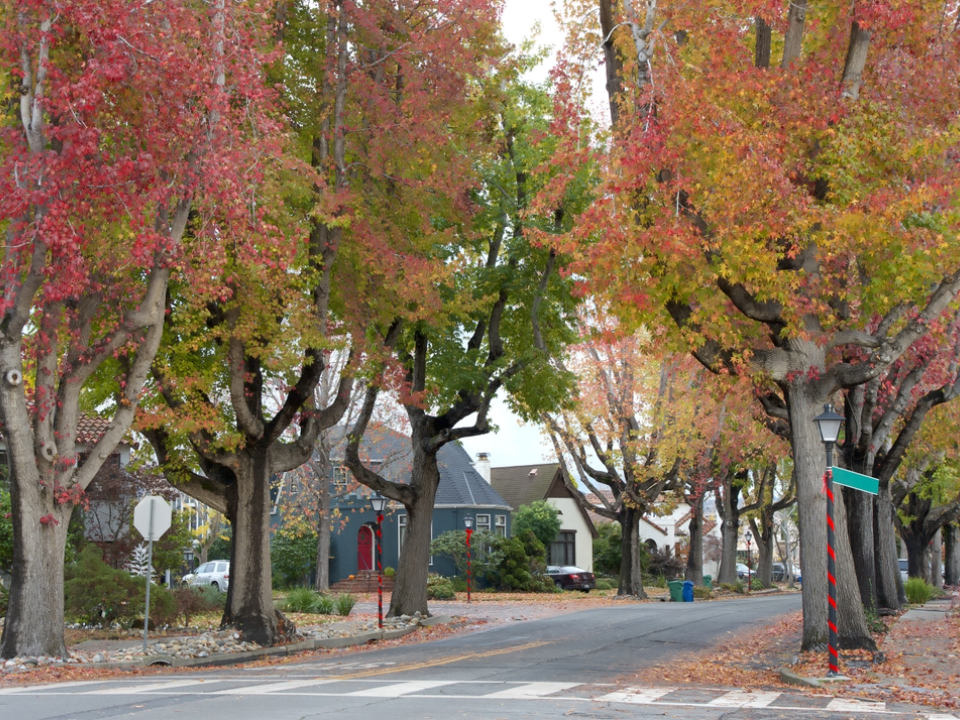
Sweetgum trees are well adapted to fire-prone areas, especially in the eastern United States. Their thick bark protects them from heat, and they are able to regenerate quickly after a fire. When a fire occurs, sweetgum trees can sprout new shoots from the root system, allowing them to recover rapidly.
The tree’s seeds are also fire-adapted, as the heat helps them germinate in the nutrient-rich ash left behind. Sweetgum trees are known for their vibrant fall foliage, and their ability to recover after fire makes them a resilient presence in the forest. These trees play an important role in stabilizing soil and preventing erosion after a fire. They also support local wildlife, providing shelter and food. Their ability to regenerate after a fire makes sweetgums a vital part of the ecosystem.
Firethorn (Pyracantha spp.)
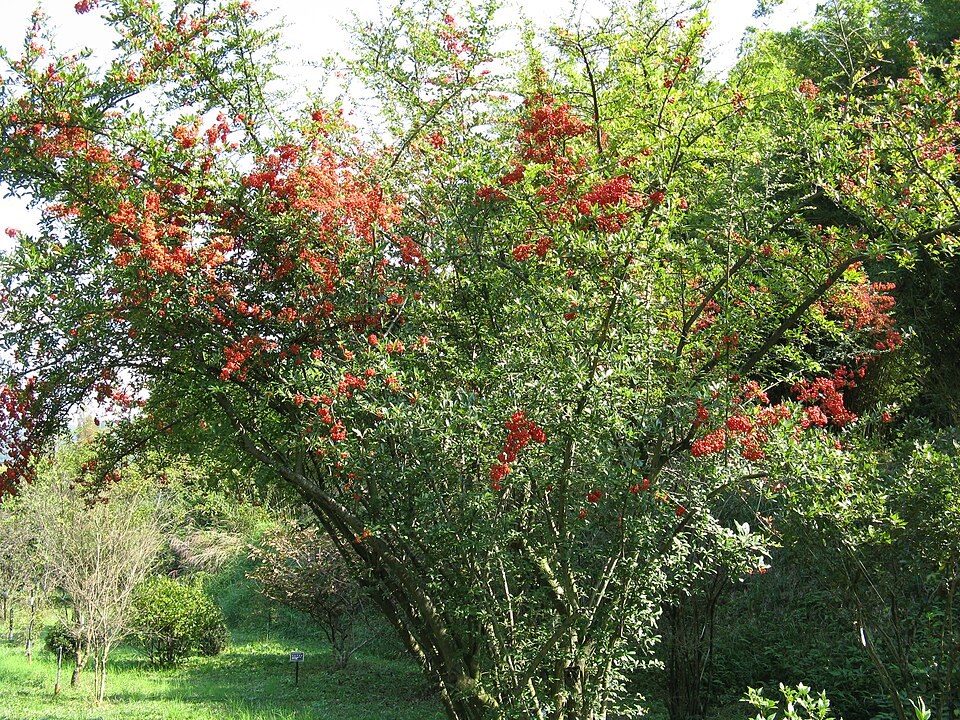
Firethorn is a resilient shrub that thrives in fire-prone areas. It has tough, leathery leaves that protect it from fire damage. After a fire, firethorn plants regenerate from their roots and sprout new growth. The dense thickets they form provide valuable shelter for wildlife, especially in areas where other plants have been damaged by fire. F
irethorn’s ability to produce berries after a fire helps to attract birds, which aid in seed dispersal. Its regeneration process is rapid, allowing it to reclaim space in the environment. Firethorn is a hardy shrub that has evolved to survive and flourish after fire, making it a key component of fire-adapted ecosystems. Its adaptability ensures it remains a dominant presence in its habitat.
Golden Wattle (Acacia pycnantha)
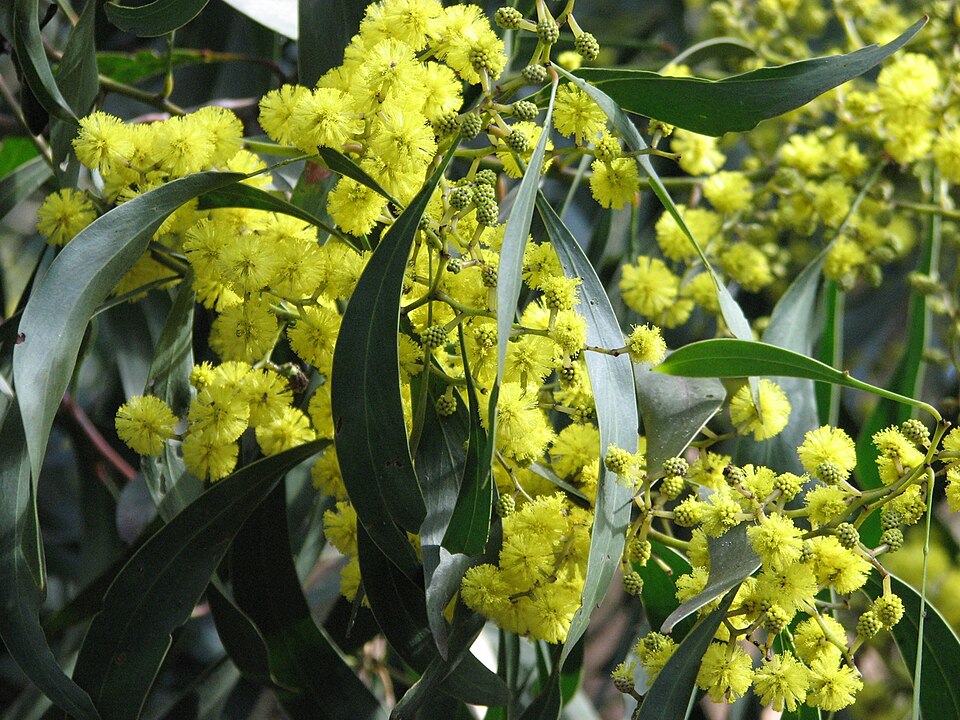
Golden wattle is Australia’s national flower, known for its bright yellow blooms and fire-resilient nature. This plant has evolved to survive in fire-prone regions, where fires are a natural part of the landscape. After a fire, golden wattle can regenerate from its root system, quickly sprouting new shoots. The heat of a fire also triggers the release of seeds from its pods, which is essential for the plant’s regeneration.
Golden wattle’s deep roots help it survive even the most intense fires, ensuring its continued growth. The plant’s rapid recovery after fire is vital for maintaining the local ecosystem, as it provides shelter and food for wildlife. Golden wattle is an important part of the Australian landscape, contributing to the forest’s recovery after fire. Its ability to regenerate quickly ensures that it thrives in fire-prone environments.
This article originally appeared on Avocadu.