
15 Rare Ferns That Have Barely Changed for Millions of Years
Ferns are some of the oldest plants on Earth, with many species having been around for millions of years. Despite the passing of time and the shifting of climates, some rare ferns have barely changed, maintaining their ancient forms. These plants have survived through countless eras, adapting to different environments while keeping the same basic structure. Their resilience and timeless beauty make them fascinating examples of the Earth’s botanical history. Many of these ferns have become living links to prehistoric times, offering a glimpse into an era when ferns ruled the land. In this article, we will explore some of the rarest ferns that have remained almost unchanged throughout the ages.
This post may contain affiliate links, which helps keep this content free. Please read our disclosure for more info.
Lycopodium clavatum (Ground Pine)
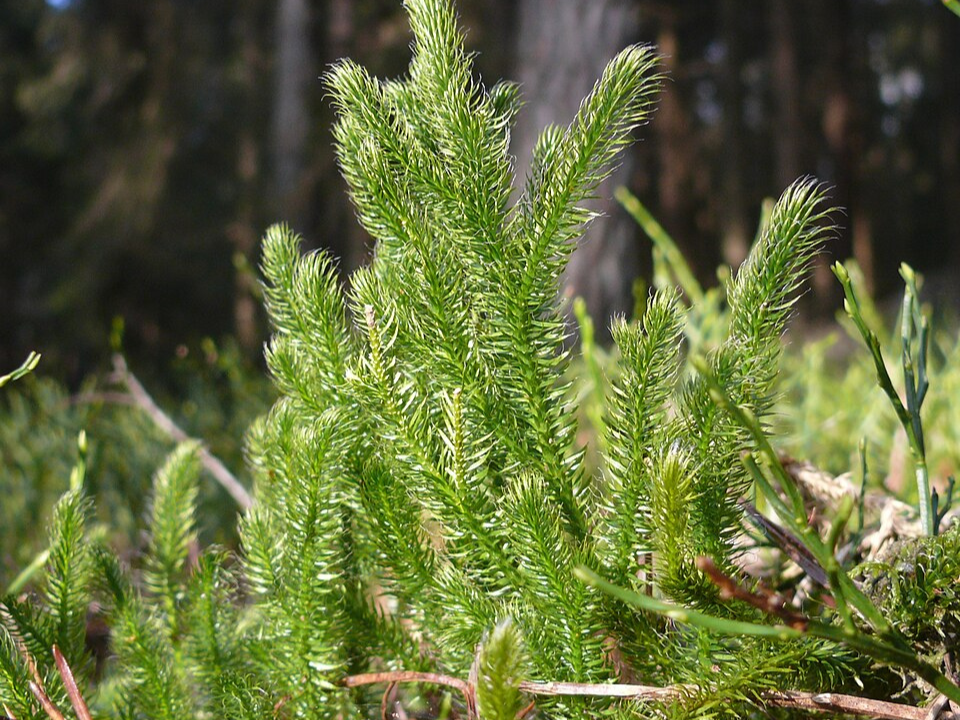
This fern has remained virtually unchanged for millions of years, giving it a prehistoric charm. Known for its pine-like appearance, it grows low to the ground and features small, scale-like leaves that are dense and densely packed along the stem. Its unique look has led to it being nicknamed “Ground Pine” despite being a fern. Found in temperate regions, this fern thrives in acidic soils and prefers shaded, moist environments.
The plant’s long, thin stems produce spores in small, cone-like structures, similar to ancient trees that lived in the Carboniferous period. It is resilient and has managed to survive through the ages with minimal evolutionary change. Its ability to adapt to diverse environments, from forest floors to rocky outcrops, is a testament to its enduring nature. Lycopodium clavatum is an ancient plant that continues to thrive in modern times, offering a living glimpse into the distant past.
Ophioglossum vulgatum (Adder’s-tongue Fern)
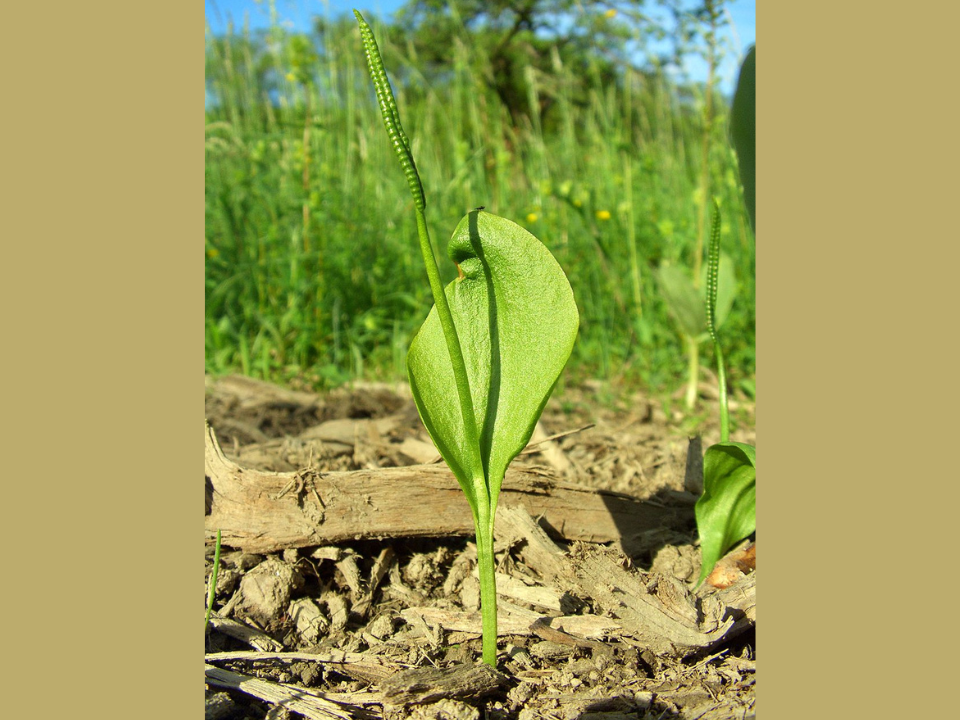
This fern is one of the oldest in existence and has changed little over millions of years. It features a long, slender leaf structure that resembles the shape of a snake’s tongue, giving it its unique name. The adder’s-tongue fern is quite rare, often found in moist, shaded environments like woodland clearings or grasslands. Unlike many other ferns, its fronds are not divided but instead present as a simple leaf that carries the spore-bearing structures on its upper half.
Its minimal evolutionary changes highlight its adaptability to various environmental conditions, from rich, damp soils to dryer, more exposed locations. This fern’s resilience is evident in its ability to survive in areas with low nutrient levels. Though not as commonly seen today, the adder’s-tongue fern remains a fascinating example of ancient plant life. It serves as a reminder of the Earth’s rich botanical history.
Psilotum nudum (Whisk Fern)
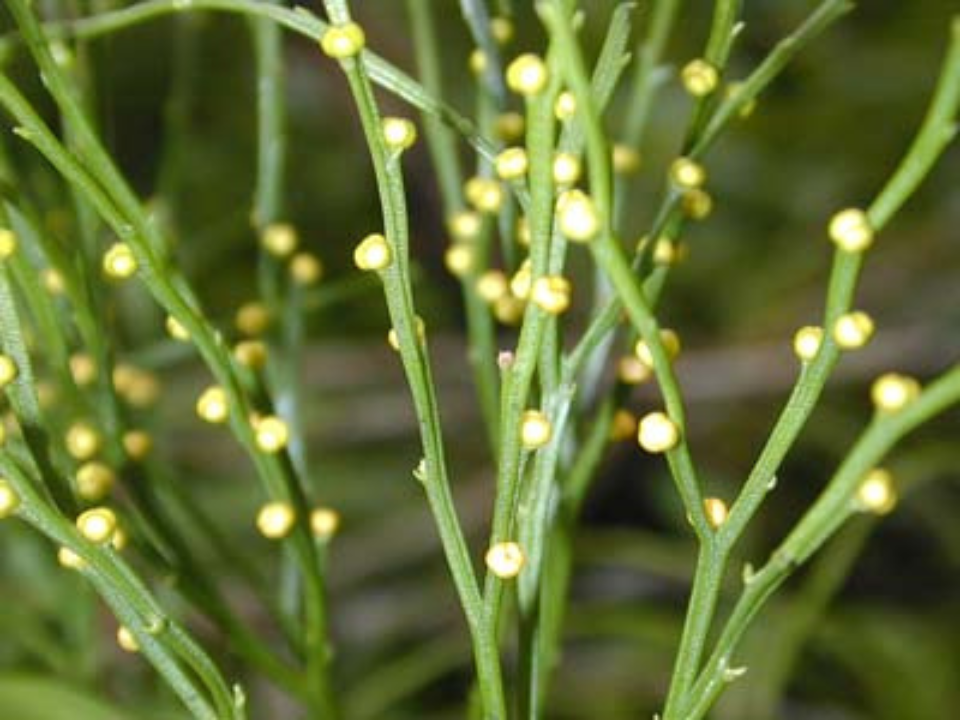
The whisk fern is a unique and primitive fern that is considered one of the most ancient plant forms on Earth. It lacks true roots, leaves, and vascular tissue, making it a living relic of a time when plants were far simpler. Instead of roots, the whisk fern has underground rhizomes that help it stay anchored in the soil. Its green, forked stems are the plant’s primary feature and are responsible for photosynthesis.
Found primarily in tropical and subtropical climates, the whisk fern thrives in warm, humid environments, often growing in shaded spots. Despite its simplicity, it has remained remarkably unchanged for hundreds of millions of years. It offers valuable insight into the early stages of plant evolution and continues to be an intriguing subject for botanists. The whisk fern’s survival showcases how primitive plants adapted and survived through harsh climatic shifts.
Cyathea australis (Australian Tree Fern)
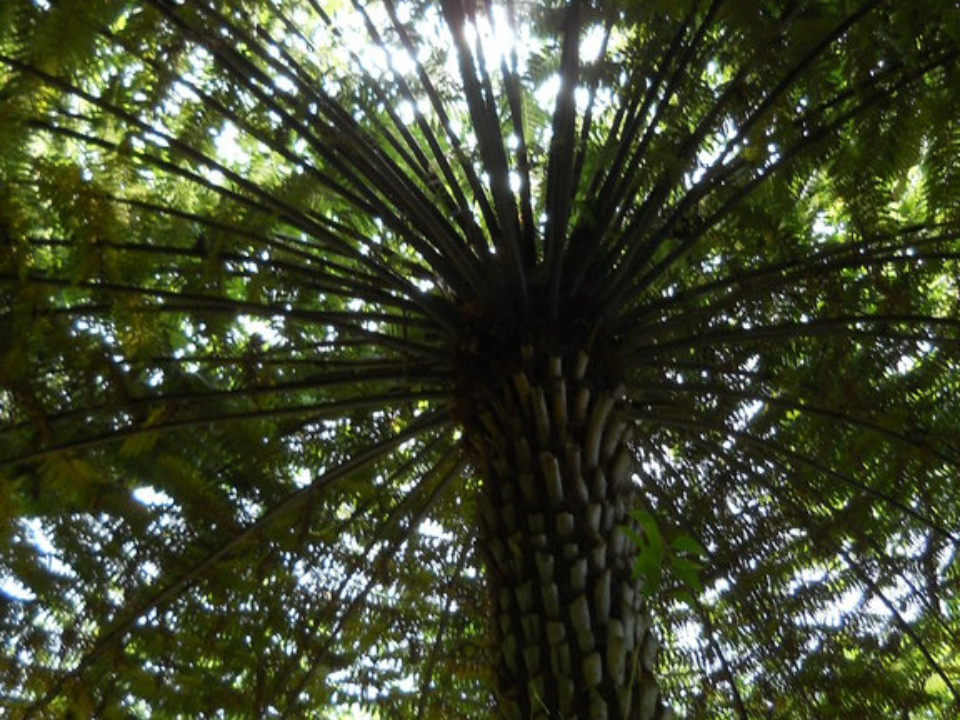
This ancient tree fern, native to the forests of Australia, has a long history, dating back to a time when ferns dominated the planet. Known for its impressive height, it can grow up to 15 meters tall, with a trunk covered in the remains of old fronds. The Cyathea australis is often found in rainforests, where it thrives in rich, well-drained soils with high humidity. Its fronds are large, deeply divided, and often create a dense canopy, providing shelter for various forms of wildlife.
Despite its towering presence, the fern has changed very little in its structure since its early ancestors flourished millions of years ago. The fern’s resistance to changes in climate and environment has helped it maintain its ancient characteristics. Its unaltered growth cycle is a fascinating reminder of the prehistoric plants that once dominated the Earth’s ecosystems.
Matteuccia struthiopteris (Ostrich Fern)
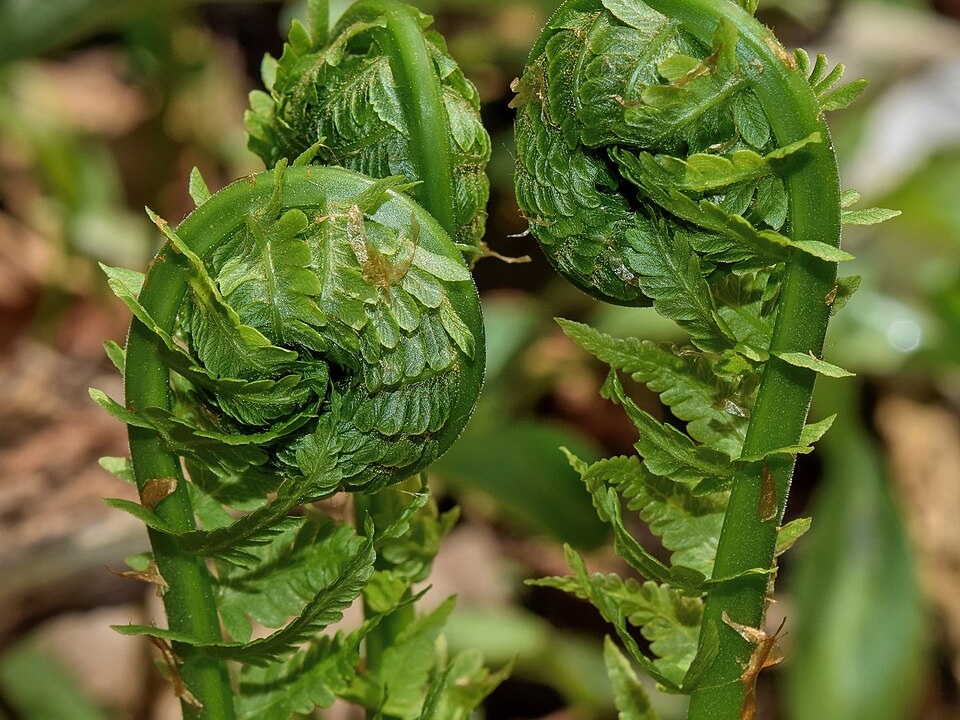
The ostrich fern is an ancient fern species that has been around for millions of years with little change in its structure. Native to temperate regions of North America, it thrives in moist, well-shaded areas such as riverbanks and woodlands. Its large, feathery fronds are reminiscent of an ostrich’s plume, which is how it got its name. During the spring, the fiddleheads (young, coiled fronds) emerge and unfurl into the large, characteristic fronds.
The ostrich fern plays an essential role in the ecosystem, providing habitat for various wildlife. Its ability to thrive in low-light environments and its resilience in diverse climates are signs of its enduring nature. Despite the many challenges plants face due to changing environments, the ostrich fern has survived largely unchanged through millennia. It is a striking reminder of how some species are perfectly suited to their habitats, with little need for adaptation.
Adiantum capillus-veneris (Southern Maidenhair Fern)
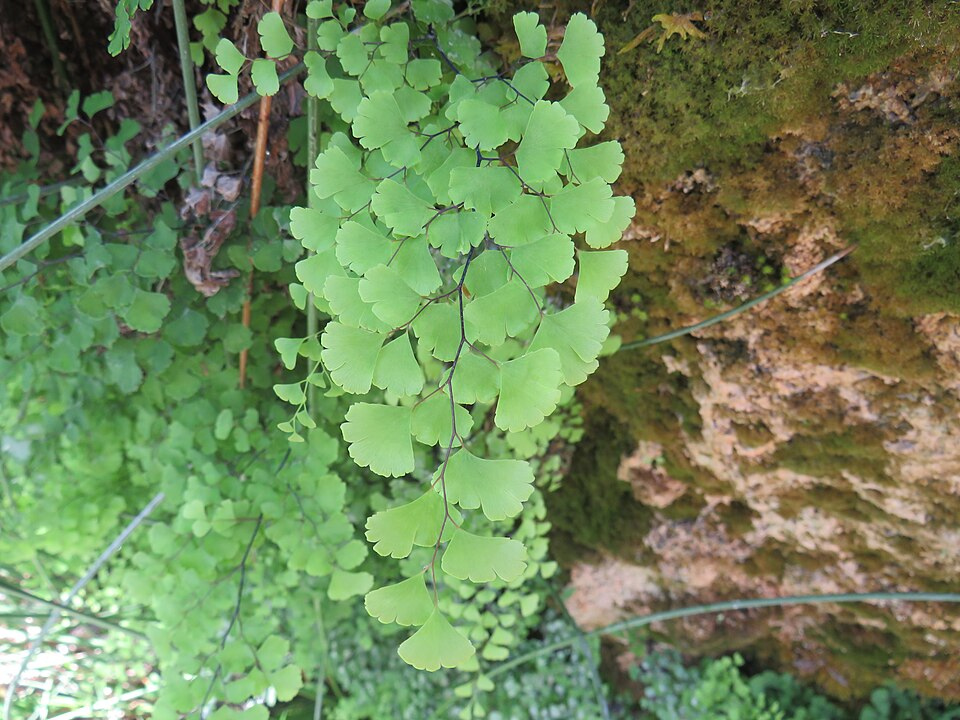
This fern has an elegant, fan-shaped frond that has remained largely unchanged for millions of years. The southern maidenhair fern is native to areas of Asia, Europe, and North America, where it thrives in damp, shaded environments. Known for its delicate fronds and black, hair-like stalks, it has a unique, almost ethereal appearance. Its spores are borne on the underside of the fronds, neatly housed in small, circular structures.
This fern’s persistence in these environments, combined with its ability to adapt to fluctuating moisture levels, has allowed it to survive for so long. The southern maidenhair fern is a favorite in botanical collections due to its striking beauty. Its ancient lineage is evident in its simplistic yet enduring design, a feature that has remained consistent through the ages. Despite environmental challenges, it continues to grow in both wild and cultivated environments.
Asplenium nidus (Bird’s Nest Fern)
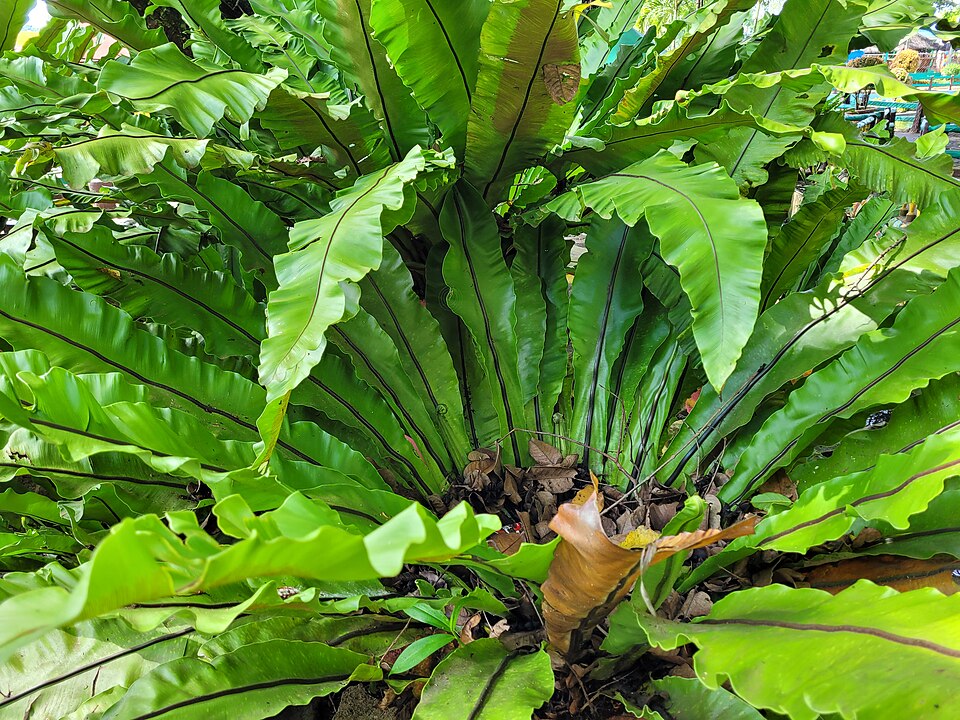
The bird’s nest fern is a tropical species that has remained remarkably similar to its ancient ancestors. It derives its name from the way its fronds form a rosette, creating a “nest” appearance at the base of the plant. This fern is native to tropical Asia, where it is often found in shaded areas with high humidity, such as rainforests. Its fronds are long, glossy, and deep green, creating a striking contrast with the surrounding foliage.
The bird’s nest fern thrives in the understory of forests, where it absorbs nutrients from the air and moisture rather than the soil. Its simplicity and ability to survive in harsh, competitive environments have allowed it to maintain its prehistoric characteristics. As with many other ancient plants, its form has remained stable, showing minimal adaptation to environmental changes over millions of years. The bird’s nest fern stands as a living example of the ancient plant life that once dominated Earth’s landscapes.
Dicksonia antarctica (Tasmanian Tree Fern)
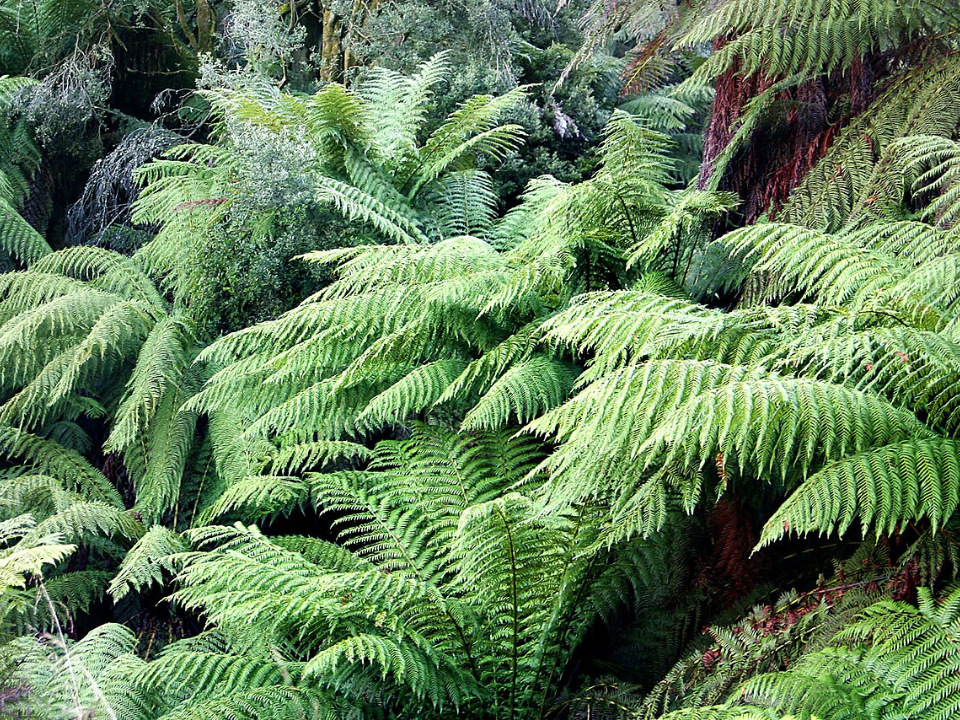
The Tasmanian tree fern is another towering species with a long history, dating back to the time when ferns were the dominant plants on Earth. Known for its impressive size, this fern can grow up to 20 meters tall, forming large trunks with broad fronds that create a thick canopy. It is native to the temperate rainforests of Tasmania, where it thrives in moist, shaded environments.
The fern’s trunk is covered with a mass of fibrous roots that help anchor it to the forest floor. Despite its size, the Tasmanian tree fern’s structure has remained largely unchanged for millions of years, showcasing its evolutionary stability. It plays a vital role in its ecosystem by providing shade and shelter for smaller plants and animals. As one of the oldest tree fern species, its survival through the ages is a testament to its adaptability and resilience.
Ceratopteris thalictroides (Water Fern)
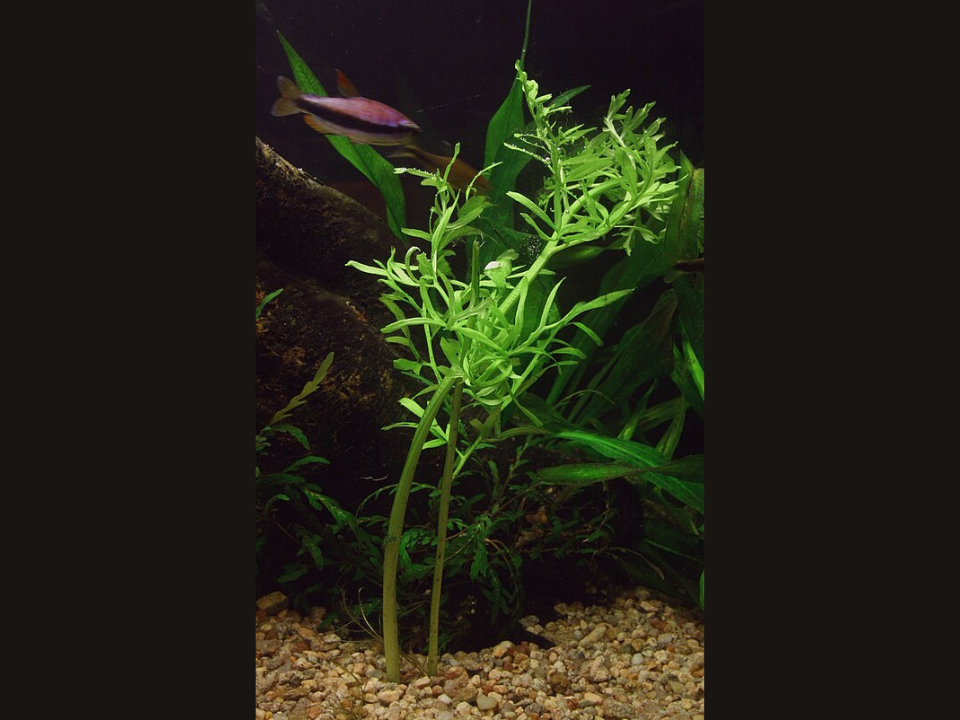
The water fern is an aquatic species that has persisted through vast climatic changes, maintaining its ancient characteristics. Found in slow-moving waters, ponds, and marshes, it has adapted to thrive in freshwater environments, where it often forms dense mats. This fern is unique because it can reproduce both sexually, through spores, and asexually, by budding. Its fronds are delicate and finely divided, often floating on the water’s surface.
The water fern’s ability to spread rapidly and establish itself in a variety of aquatic environments has allowed it to survive unchanged for millions of years. It is often used in aquariums and water gardens due to its attractive foliage and ease of care. Despite its simple appearance, the water fern’s evolutionary history is rich and fascinating. It offers a glimpse into the type of vegetation that flourished in ancient wetlands and aquatic ecosystems.
Pteris cretica (Cretan Brake Fern)
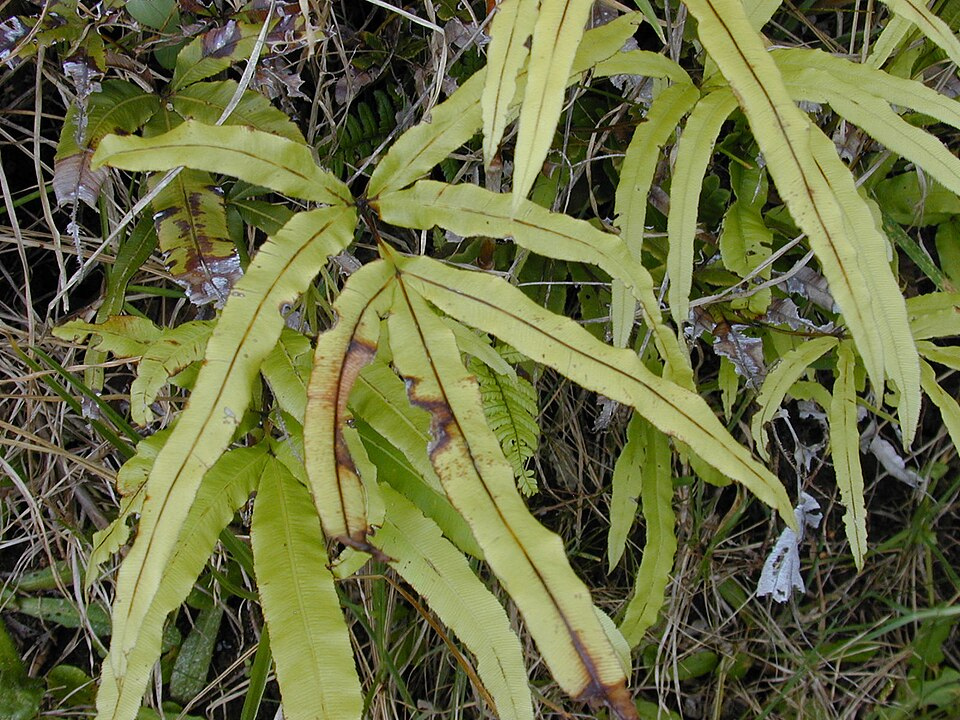
The Cretan brake fern is a hardy species that has barely changed over millions of years. It is found in tropical and subtropical climates, particularly in regions with limestone soils. This fern has long, finely divided fronds that give it a delicate, feathery appearance. The fronds grow in a vase-like shape and can reach lengths of up to a meter, making it a striking feature in its natural habitat. Its ability to thrive in dry, rocky areas, where other plants struggle, speaks to its evolutionary adaptability.
The Cretan brake fern has a long history, with its roots tracing back to ancient plant life that once covered the Earth. Despite its ancient lineage, it remains a popular plant in gardens and natural landscapes, especially in dry, coastal environments. The fern’s persistence in such harsh conditions demonstrates how some plants can remain unchanged and continue to thrive.
Woodwardia fimbriata (Giant Chain Fern)
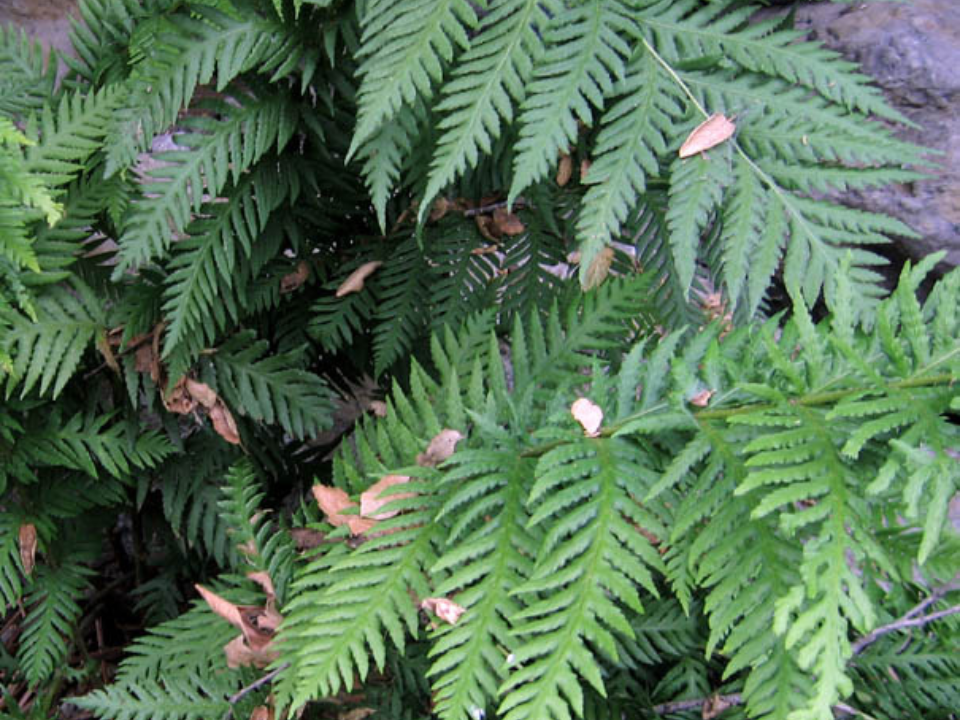
The giant chain fern is a massive fern species found in the coastal regions of North America. Its fronds can grow up to 2 meters long, giving it an imposing presence in any wetland habitat. This fern’s growth habit, which involves large, arching fronds, has been stable for millions of years. It thrives in moist, shaded areas, typically along streams and forest edges. The fronds are deeply divided into smaller leaflets, creating a lacy appearance that contrasts beautifully with the surrounding foliage.
The giant chain fern is known for its resilience and has adapted to environmental changes by maintaining its size and structure. This ancient fern plays a significant role in the ecosystem by stabilizing soils along riverbanks and providing habitat for various species. Despite its size and age, the giant chain fern has managed to maintain its original form over millions of years.
Blechnum spicant (Deer Fern)
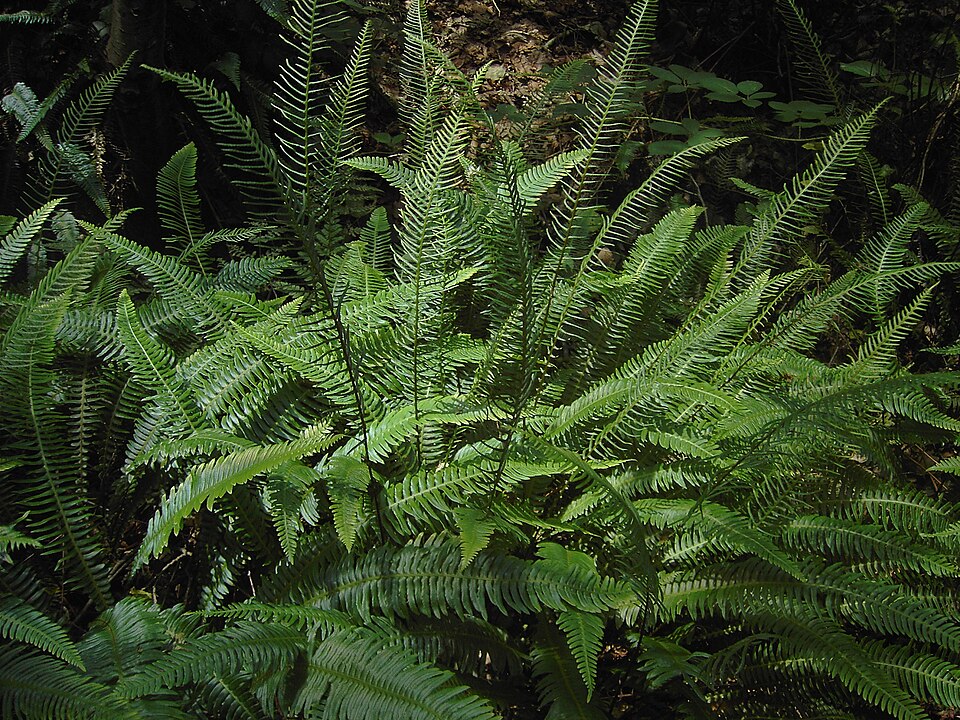
The deer fern is a small, hardy fern that grows in a variety of environments, from shaded forest floors to rocky outcrops. Native to North America, it is known for its unique growth pattern, where the plant has two types of fronds: sterile fronds that are broad and fertile fronds that are upright and spiky. This fern’s ability to thrive in a range of conditions, from damp woodlands to drier, rocky areas, speaks to its ancient lineage.
The deer fern’s minimal evolutionary change over millions of years highlights its adaptability and survival skills. Its long, slender fronds are arranged in a rosette-like fashion, adding elegance to the forest understory. Deer ferns are often used in gardens for their ability to grow in areas with limited light and moisture. Despite its widespread distribution, the fern has remained largely unchanged, showcasing the enduring qualities of ancient plants. Its resistance to environmental stress makes it a valuable addition to any landscape.
Platycerium bifurcatum (Stag’s-horn Fern)
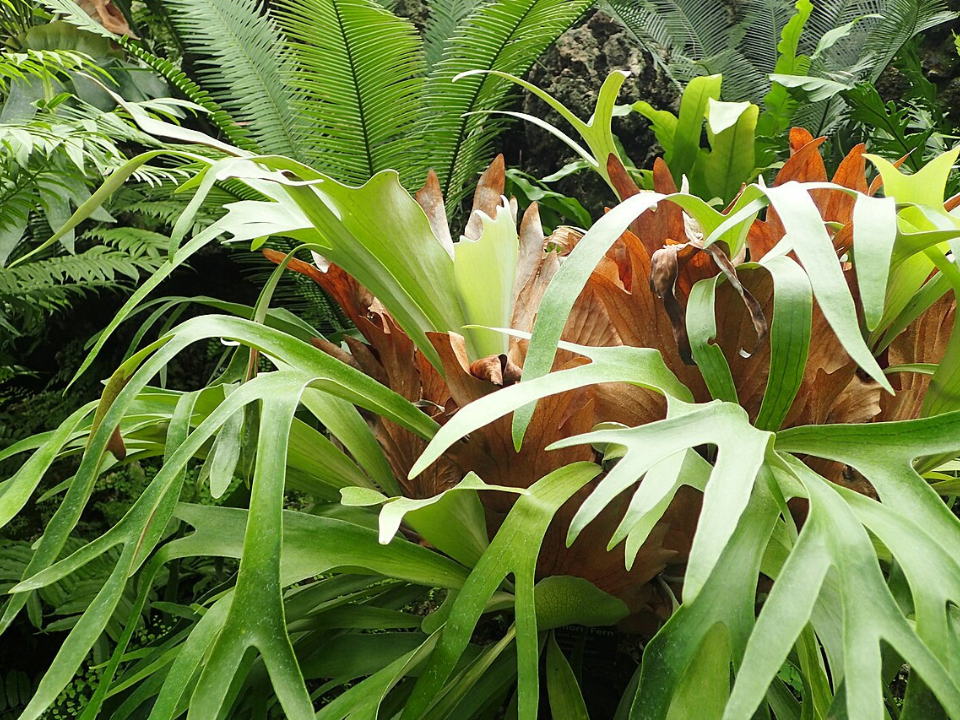
The stag’s-horn fern is a fascinating epiphytic fern that grows on trees or rocks rather than the soil. Its fronds resemble the antlers of a stag, giving it a unique, striking appearance. Native to tropical Asia and Australia, this fern has adapted to life in the canopy, where it receives its nutrients from the air and rain. It has two distinct types of fronds: the fertile, upright fronds that produce spores and the sterile, flat fronds that resemble antlers.
Despite being epiphytic, it has evolved to thrive in various environments, from humid rainforests to dry, rocky outcrops. The stag’s-horn fern’s minimal changes over millions of years speak to its remarkable ability to adapt to different climates and ecosystems. It has become a popular plant for hanging baskets and indoor gardens due to its unique look and low maintenance. The plant’s survival throughout the ages demonstrates its resilience and its ability to flourish in a wide range of conditions.
Lygodium japonicum (Japanese Climbing Fern)
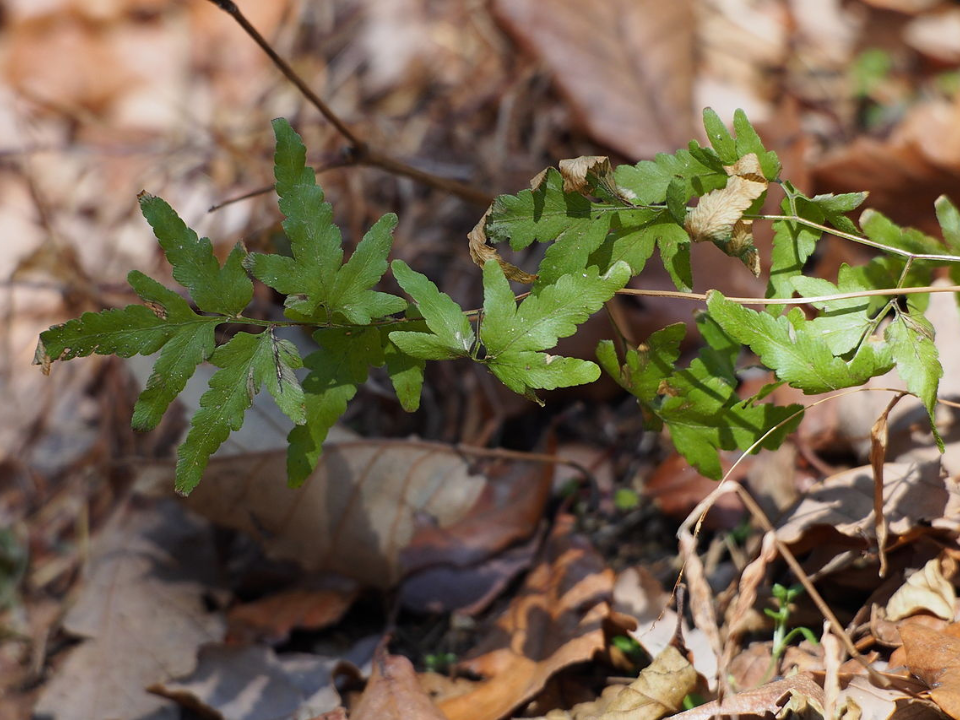
The Japanese climbing fern is a fast-growing fern that has adapted to climb over other plants and structures. Native to East Asia, this fern has a long history, with little change in its form over millions of years. Its climbing ability is due to the unique structure of its fronds, which can grow up to 4 meters long and twine around nearby vegetation. Found in both tropical and temperate regions, this fern thrives in wet, shaded environments, such as woodlands and riparian zones. Though its climbing habit is unique, it has maintained its basic form since its early ancestors.
Its spread through various parts of the world has made it a commonly seen fern in both wild and cultivated landscapes. Despite its aggressive growth habits in some areas, the Japanese climbing fern has proven to be a survivor, adapting to various climates with minimal change. Its rapid spread and ancient form show how certain species have persisted through time.
Onychium japonicum (Japanese Rattle Fern)
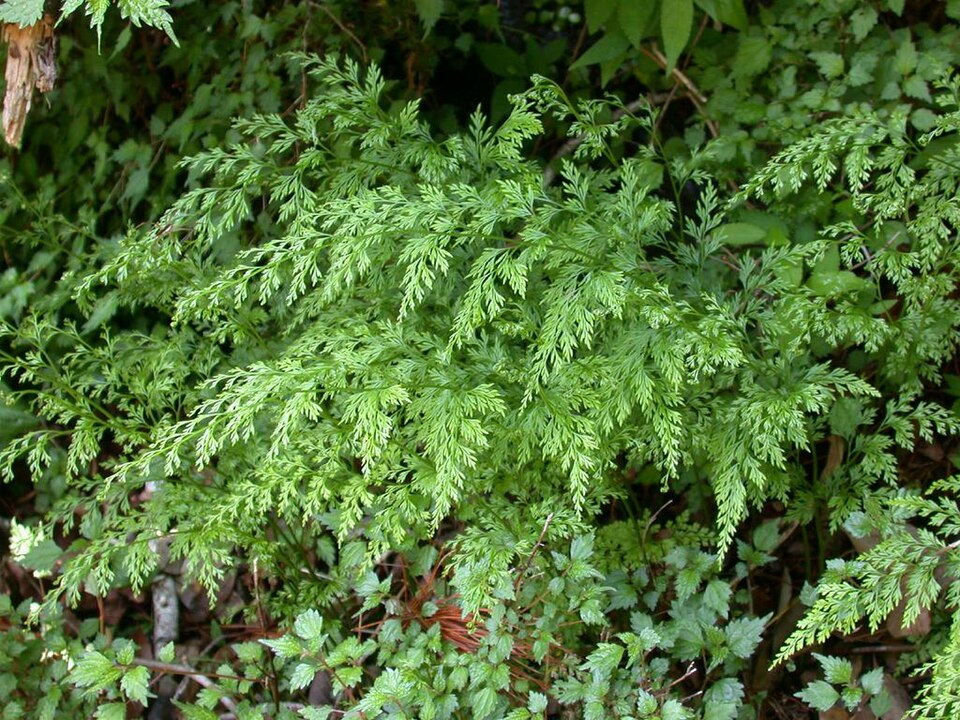
This fern, native to Japan, is an ancient species that has undergone minimal changes over millions of years. Its fronds are divided into many fine, thread-like segments, creating a delicate and graceful appearance. The Japanese rattle fern grows in moist, shaded areas, often on the forest floor, where it thrives in low-light conditions. One of its most unique features is the spore-bearing structures, which rattle when disturbed, hence its name.
The fern’s ability to produce these spores in such a distinctive way has remained unchanged for eons. Despite its delicate look, the rattle fern is incredibly resilient and can survive in environments where other plants may struggle. It continues to flourish in Japan and surrounding regions, showcasing its ancient lineage. The Japanese rattle fern offers an intriguing glimpse into the diverse ways in which plants have evolved, yet remained unchanged for millions of years.
This article originally appeared on Avocadu.