
17 Mystery Manga With Reveals That Reframe the Whole Story
Mystery manga often starts with a simple premise, but as the story unfolds, unexpected twists and revelations can completely change the way we see everything. These shocking moments challenge our assumptions and make us rethink the entire plot. What seemed like a straightforward narrative turns out to be much more complex and layered, pulling readers into a deeper mystery. It’s these moments, when everything shifts, that make these stories so captivating. Whether it’s a character’s hidden motive or a shocking truth about the world they live in, these reveals keep us on the edge of our seats. If you love a good story that keeps you guessing until the very end, then these mystery manga will certainly leave you stunned.
This post may contain affiliate links, which helps keep this content free. Please read our disclosure for more info.
“The Promised Neverland”
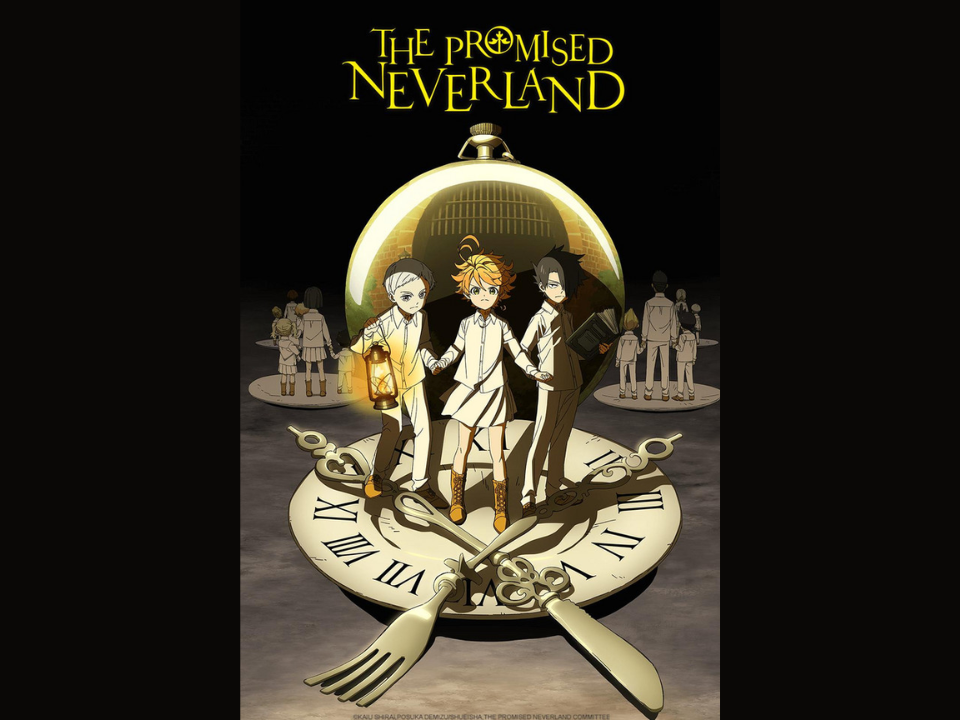
The story of The Promised Neverland follows a group of orphans who escape from what they initially believe to be a paradise. As the story unfolds, they discover a horrifying truth about their existence, leading to a dramatic shift in their understanding of the world. The reveal that the children are being raised as livestock for a demonic society completely reframes the narrative. What seemed like an idyllic orphanage becomes a prison from which the children must escape.
The manga focuses on survival, deception, and the lengths the protagonists will go to in order to save themselves. The ultimate revelation about the “adoptive” parents and their true intentions shocks readers, making the early chapters appear as elaborate deceptions. It highlights themes of trust, betrayal, and the corruption of innocence. The twist changes the entire tone of the story from one of carefree childhood to one of dark, high-stakes survival.
“Death Note”
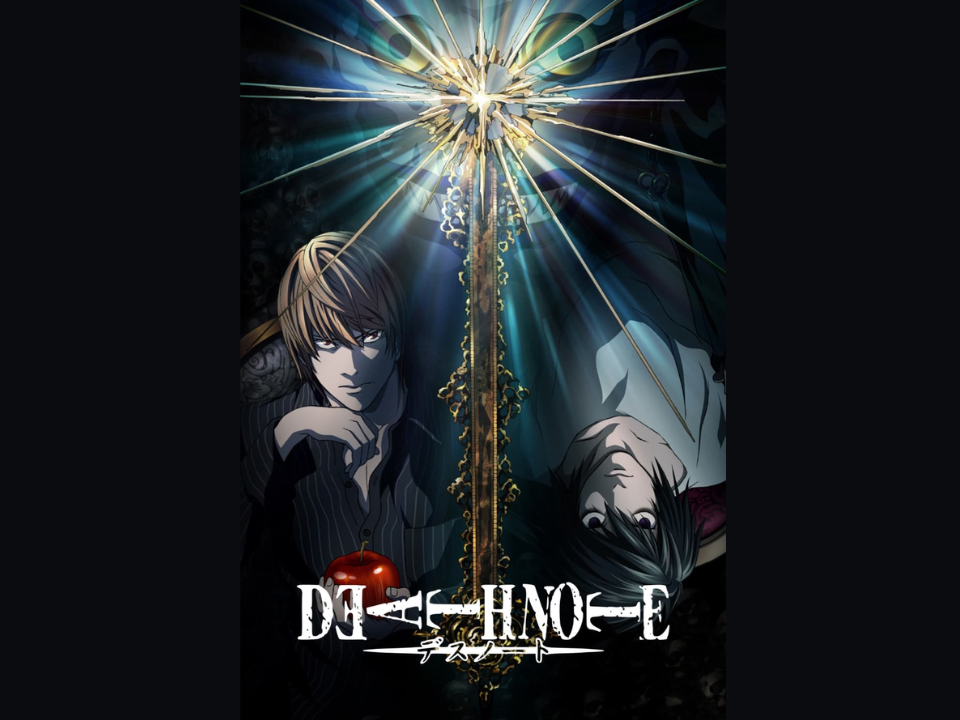
Death Note is a psychological battle between two minds: Light Yagami, a high school student who gains the power to kill anyone whose name he writes in a supernatural notebook, and L, the brilliant detective who seeks to stop him. The revelation that L and Light have been playing an intricate game of cat and mouse from the beginning completely shifts the perspective of the reader. What seemed like an early rivalry turns out to be a much deeper game of strategy, where each move is planned with precision.
As Light’s dark side is revealed, the line between good and evil becomes increasingly blurred. The twists in the narrative force the reader to question the moral implications of Light’s actions. His descent into darkness is as shocking as L’s eventual demise, changing the perception of justice and morality in the story. The final reveal about the identities and fates of key characters only adds to the complexity and richness of the plot, showing how well-crafted the story truly is.
“Monster”
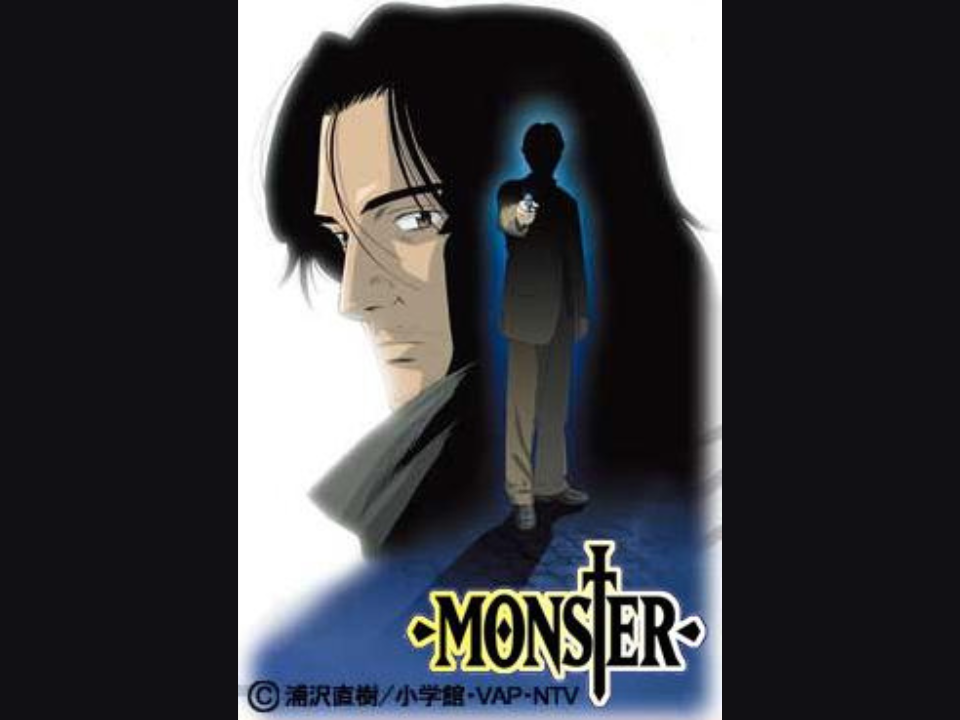
Monster by Naoki Urasawa is a tale of a doctor, Dr. Kenzo Tenma, whose life is thrown into turmoil after saving the life of a young boy who later becomes a serial killer. The major reveal about Johan Liebert, the boy at the center of the story, reframes everything the reader has learned up to that point. What initially seems like a random series of killings soon turns out to be a carefully orchestrated plot by Johan to manipulate those around him.
As the story progresses, it becomes clear that Johan is a master manipulator, and the people around him are unwittingly part of his grand plan. The exploration of Johan’s psyche adds layers of depth to the story, revealing how much he controls events from behind the scenes. His ability to influence others and twist their perceptions of reality makes the entire series an intricate web of lies and deception. The reveal about his past and the connections between the characters make the story much darker and tragic than it first appeared.
“Erased”
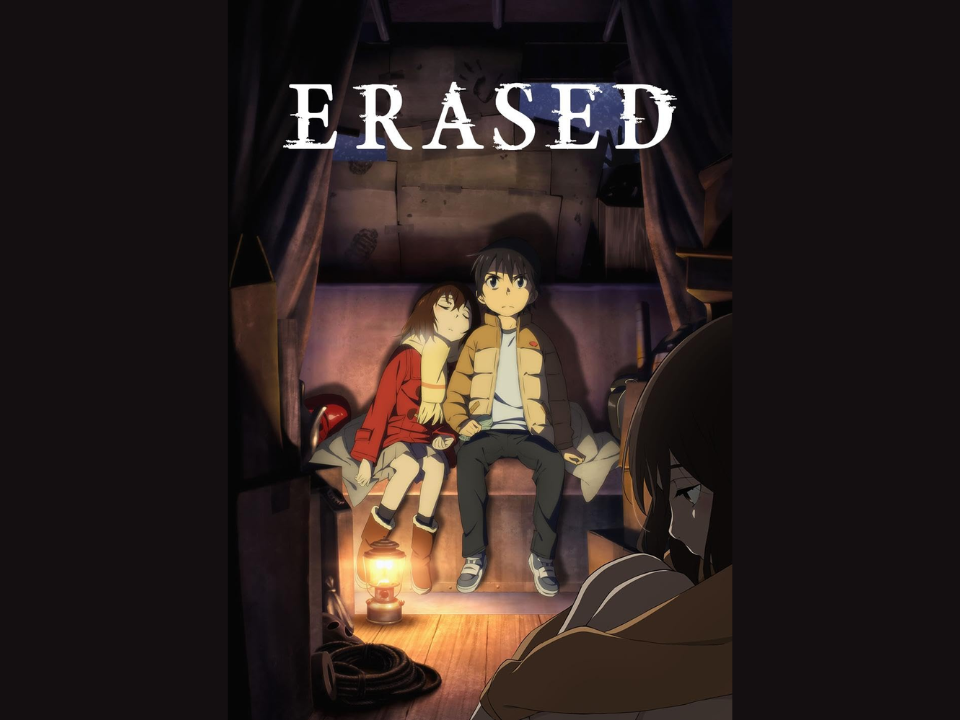
Erased follows Satoru Fujinuma, a man with the ability to travel back in time to prevent tragic events. When he is wrongly accused of murder, he is sent back to his childhood, where he uncovers a mystery involving the disappearances of his classmates. The story takes a dramatic turn when the true identity of the murderer is revealed, challenging Satoru’s understanding of the events he is trying to prevent. What initially appears to be a simple time-traveling mystery transforms into a complex tale of fate, memory, and justice.
The reveal about the murderer’s connection to Satoru’s past completely reframes the story, showing how the seeds of tragedy were planted long before Satoru’s time-traveling abilities manifested. As Satoru uncovers more about the people he thought he knew, the story’s theme of redemption becomes more pronounced. It becomes clear that no one is who they initially appear to be, and the true criminal mastermind is someone from Satoru’s inner circle.
“Pluto”
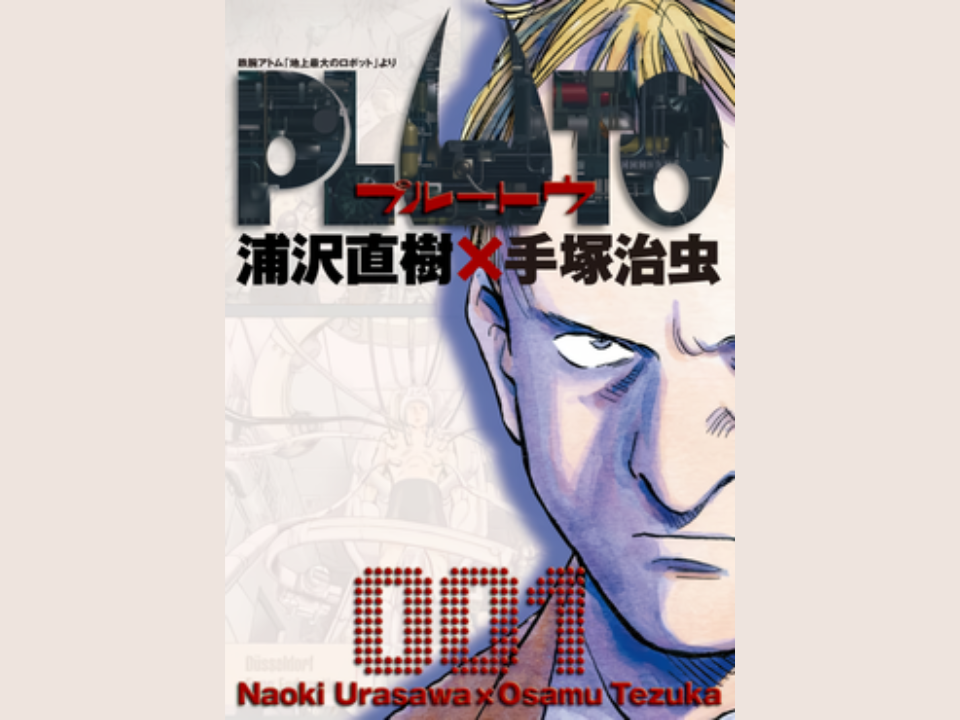
In Pluto, Naoki Urasawa reimagines the world of Osamu Tezuka’s Astro Boy with a darker, more mature lens. The series begins with a series of mysterious robot killings and follows Gesicht, a robot detective, as he uncovers the truth behind the deaths. The major reveal that the deaths are connected to a long-forgotten past and a hidden agenda challenges the reader’s initial assumptions.
The deeper the investigation goes, the more it becomes clear that the motivations behind the killings are tied to the question of what it means to be human. The robots in Pluto are not just machines, they are complex beings capable of feelings, which adds layers of depth to the story. The final twist regarding the identity of the true villain makes the entire narrative shift, highlighting the tragic consequences of humanity’s actions. What seemed like a straightforward detective story turns into a profound exploration of morality, empathy, and artificial intelligence.
“Higurashi When They Cry”
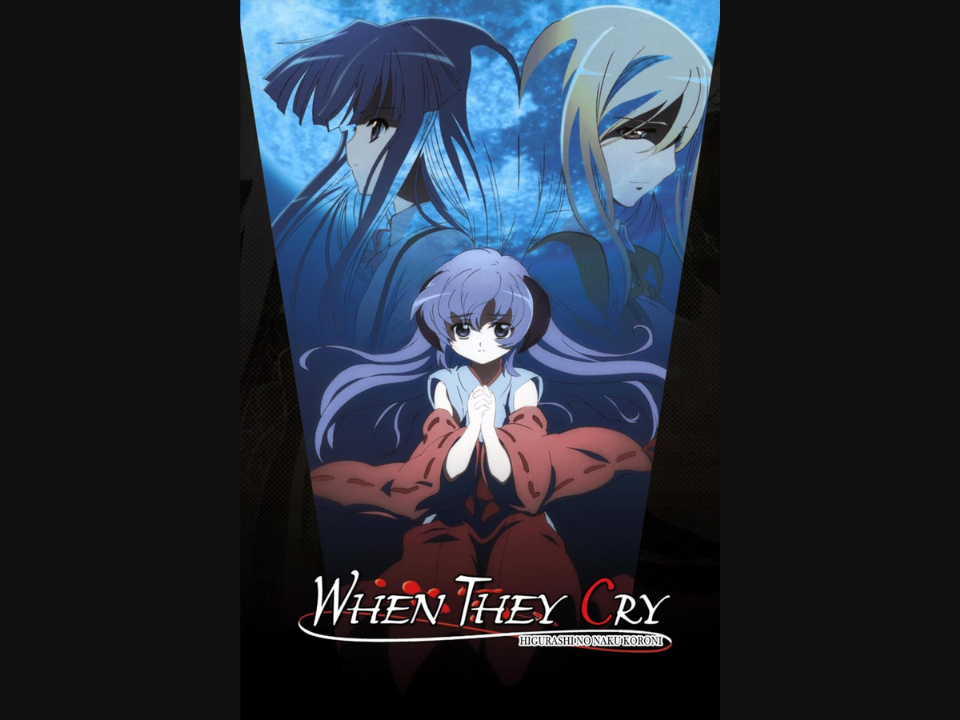
Higurashi When They Cry starts as a seemingly typical rural mystery, where a group of friends finds themselves trapped in a cycle of violence and fear. Each arc reveals a new layer of the mystery surrounding the village of Hinamizawa, where a series of murders occur every year. The first major twist, that the murders are part of a larger, cyclical event, redefines the reader’s understanding of the story. As the arcs progress, the truth about the curse of the village and the true motivations of the characters come to light.
The eerie sense of inevitability that pervades the story forces the reader to rethink what is real and what is a construct of the characters’ minds. The final reveal, which ties the events to a psychological and supernatural conspiracy, takes the story in a direction that no one expects. What initially seemed like a horror mystery rooted in superstition transforms into a complex tale of betrayal, manipulation, and trauma.
“Aoi Bungaku Series”
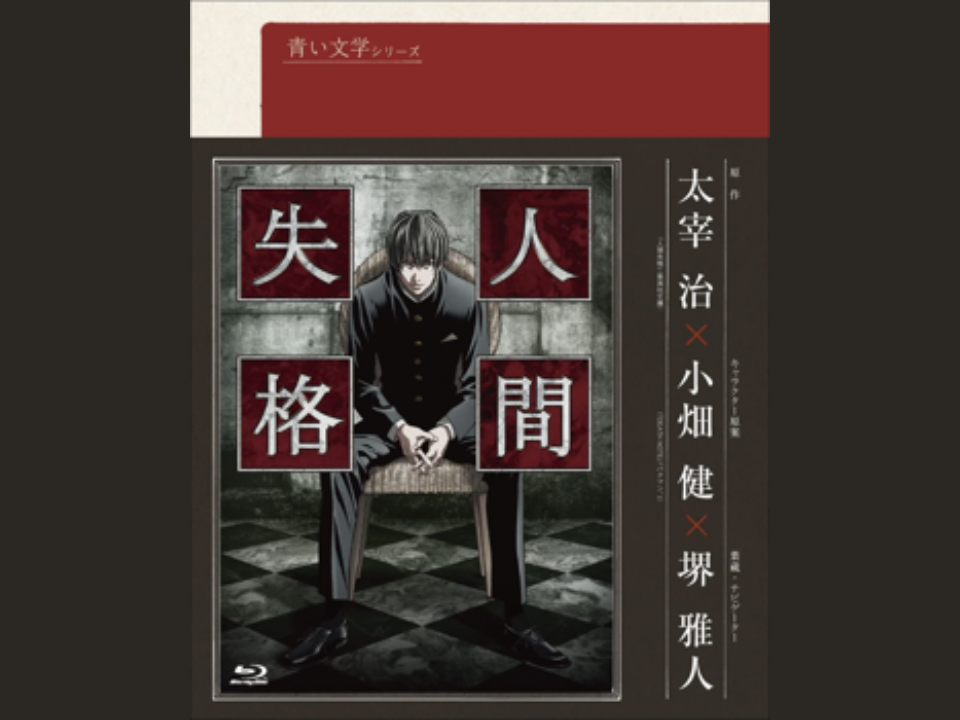
The Aoi Bungaku Series takes inspiration from classic Japanese literature and gives them a darker, more psychological twist. One of the most striking features of this manga is how it reframes classic works like No Longer Human and The Spider’s Thread through a psychological lens. The reveals in each story force the reader to see the protagonists in a new light. Characters who initially appear to be victims of their circumstances are shown to have a much deeper, often darker, role in the tragedies around them.
The final reveal in each story shifts the perception of both the character and the narrative, revealing hidden motives and complexities that were not apparent at the outset. The themes of despair, isolation, and self-destruction resonate deeply as the manga moves from literary adaptation to a philosophical examination of human nature. The last twist in each story brings a resolution that forces readers to question the true nature of the character’s journey and fate.
“The Drifting Classroom”
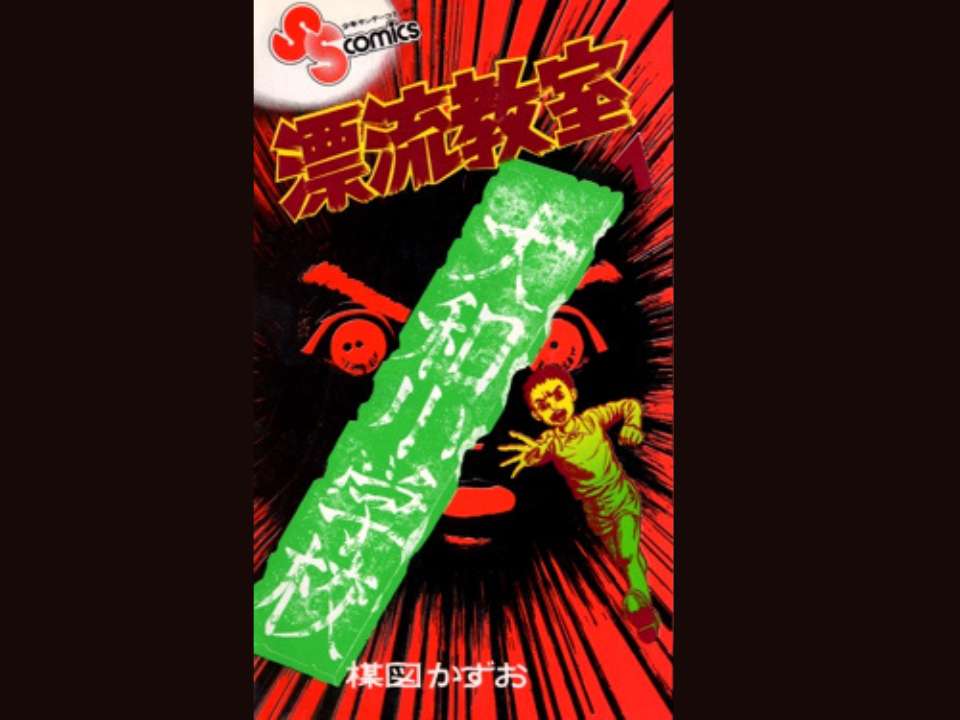
In The Drifting Classroom, a school is suddenly transported to a barren, post-apocalyptic world, with the students and teachers struggling to survive. What begins as a straightforward survival horror story turns into a psychological thriller as the characters begin to question their reality. The revelation that the classroom’s journey through time and space is tied to a larger, cosmic mystery completely changes the direction of the plot. The manga explores themes of isolation, hope, and the human capacity for cruelty and kindness in extreme circumstances.
As the characters uncover more about their situation, the story shifts from being a horror survival narrative to a deep exploration of the meaning of existence. The final twist, which reveals the true cause of the disaster, forces the characters to confront their own responsibilities and the cost of their survival. It reframes the entire narrative, changing the stakes and the way the reader views the journey.
“Berserk”
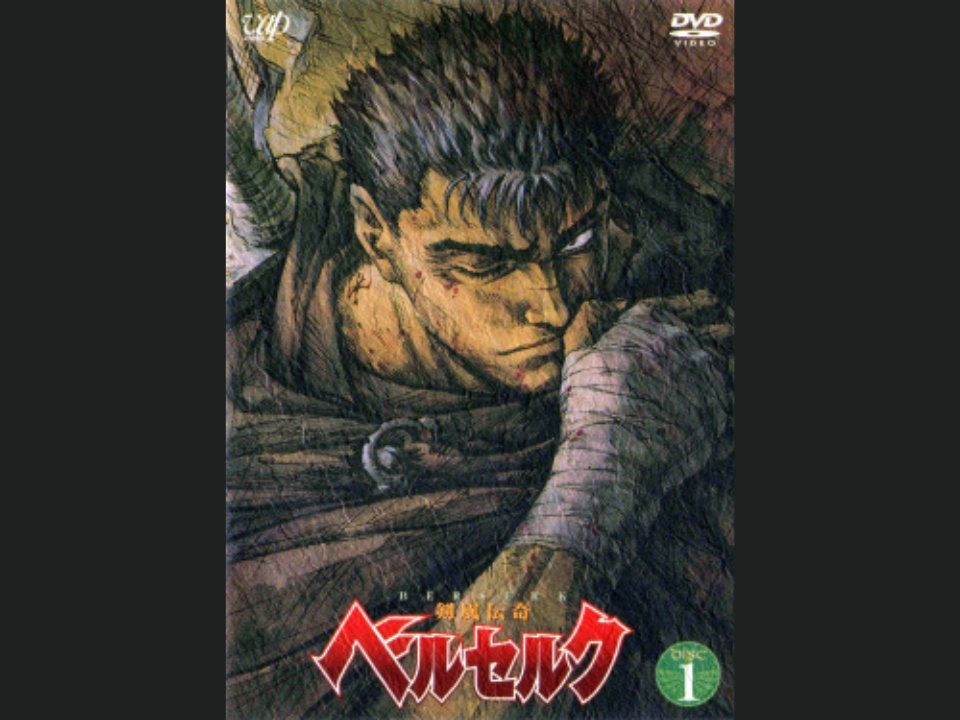
Berserk is a dark fantasy that follows Guts, a lone mercenary, as he struggles through a world filled with demons, betrayal, and tragedy. What begins as a tale of vengeance and survival takes a dramatic turn when the true nature of Guts’ relationship with the God Hand is revealed. The first major twist; the sacrifice made by one of the series’ central characters that reframes the entire narrative.
What seemed like a simple story of revenge becomes a deeper examination of fate, free will, and the cost of ambition. As Guts’ journey progresses, the revelation about the dark forces manipulating events behind the scenes forces the reader to reconsider every character’s motivations and actions. The true nature of the Band of the Hawk, once seen as heroes, is revealed in a shocking twist that turns them into tragic figures. This revelation transforms the manga into a story about the cyclical nature of violence and the inescapability of one’s past.
“Ajin: Demi-Human”
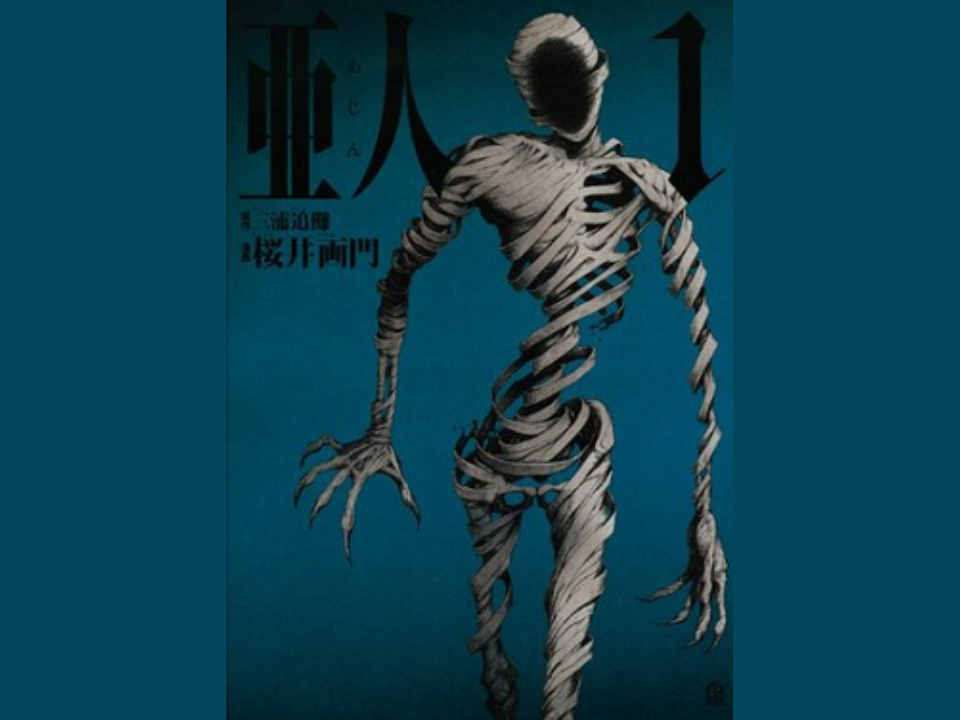
Ajin: Demi-Human introduces readers to a world where certain individuals, known as “Ajin,” are immortal. The story follows Kei Nagai, a high school student who discovers that he is an Ajin after surviving a fatal accident. Initially, the manga presents a straightforward survival story as Kei grapples with his new reality. However, as the plot develops, the reveal about the organization hunting Ajin reframes the narrative.
The twist that the government views Ajin as dangerous weapons of mass destruction shifts the story from personal survival to a larger, morally complex conflict. The true nature of the “humans” that pursue the Ajin is unveiled, and their motives become less clear, adding layers of political and social commentary. As Kei learns more about his powers, he must confront the ethical implications of his existence, making the story about far more than just escaping capture.
“Tokyo Ghoul”
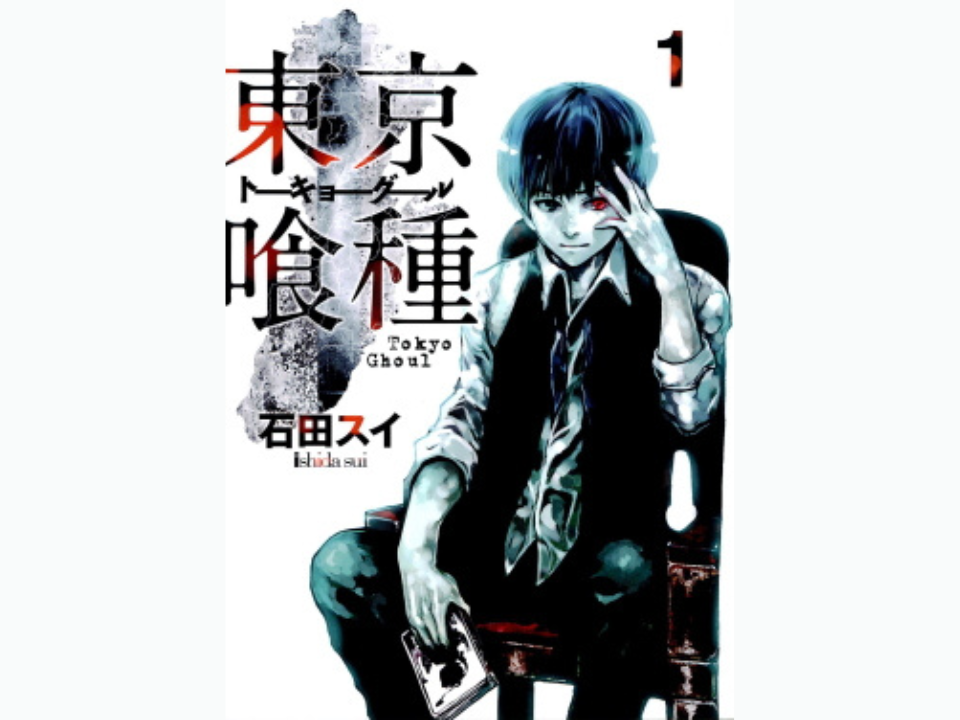
Tokyo Ghoul follows Ken Kaneki, a college student who becomes a half-ghoul after a near-fatal accident. What starts as a horror and action-packed narrative about survival soon becomes a deep exploration of identity and transformation. The first major reveal that Kaneki is forced to adopt the mentality of a ghoul completely reframes the reader’s understanding of the character. Initially, he appears as a victim of circumstance, but as the story unfolds, his personal growth and the moral dilemmas he faces blur the line between right and wrong.
The shifting dynamics between humans and ghouls, combined with the complexities of the organization that controls them, transform the manga into a meditation on society’s treatment of outsiders. The ultimate revelation about Kaneki’s fate and the power struggles within the ghoul world provides a shocking conclusion to the story. The twist changes everything readers believed about the nature of humanity and monstrosity, leaving them questioning what defines a monster.
“Steins;Gate”
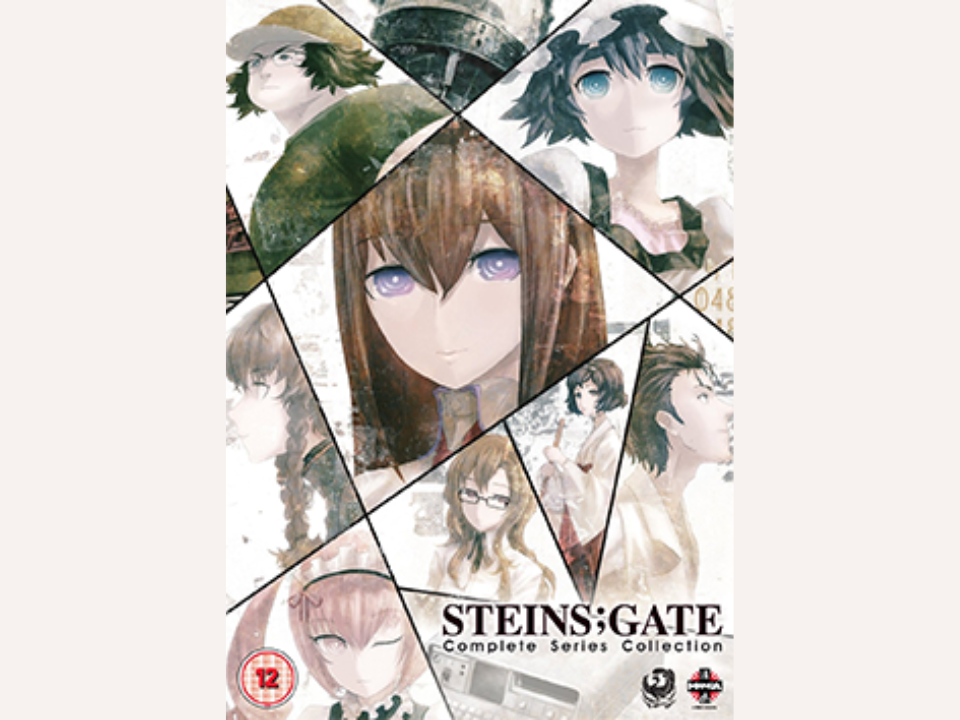
In Steins;Gate, Rintarou Okabe and his friends accidentally discover the ability to send messages back in time, triggering a series of events that spiral out of control. The early parts of the manga present the time travel element as a tool for solving problems, but as the story progresses, it becomes clear that their actions have unforeseen and dangerous consequences. The most significant twist comes when the full extent of the organization controlling time travel is revealed, and it completely reframes the narrative.
What seemed like a personal journey to fix mistakes turns into a high-stakes battle against a powerful, manipulative force. The revelation about the organization’s true goals and the involvement of close characters shocks the reader, changing their understanding of the characters’ motivations. The emotional toll of time travel and the complex web of decisions made by the characters make the plot much more than just a science fiction thriller. The final reveals about the fate of the characters leave readers with a poignant reflection on the cost of meddling with time.
“The Flowers of Evil”
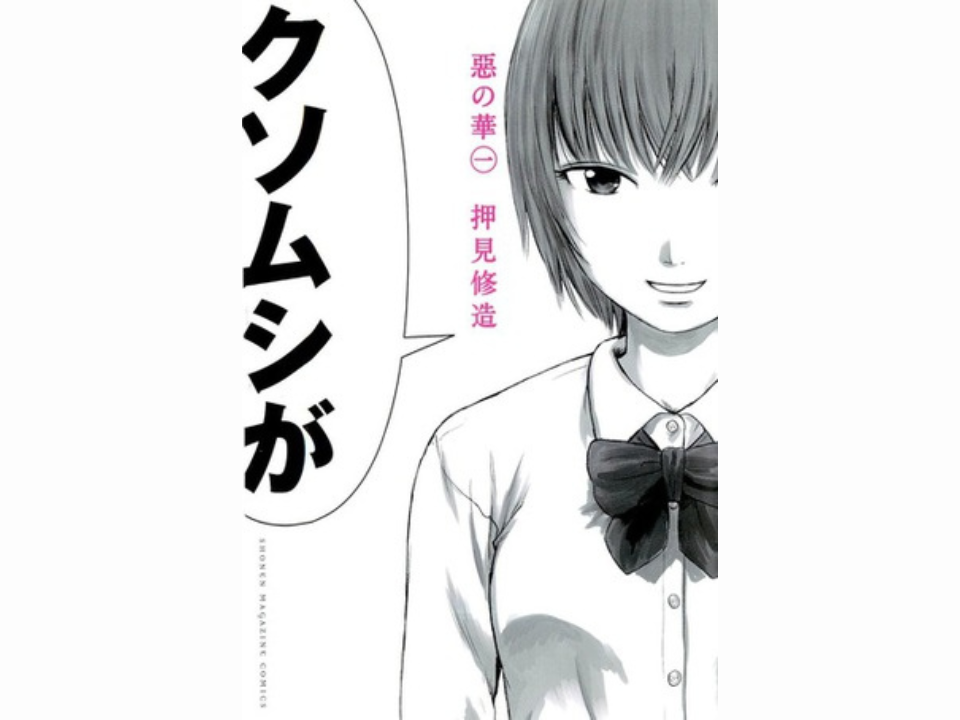
The Flowers of Evil is a psychological manga about Takao Kasuga, a boy who gets caught up in a dangerous relationship with a girl named Nakamura. What begins as a simple exploration of adolescent rebellion takes a dark turn as Takao becomes more deeply entangled in Nakamura’s world. The major reveal about Nakamura’s motives and her manipulation of Takao forces the reader to reconsider the dynamics between the characters.
Initially, Nakamura seems to be the instigator of Takao’s downfall, but as the story progresses, it becomes clear that she is also a product of her own troubled past. The twists in the narrative show how Takao and Nakamura’s actions are connected in ways that neither of them fully understands. The disturbing tension between them reshapes the reader’s view of the consequences of their behavior. The tragic and shocking revelations at the end of the story leave a lasting impression on the reader, highlighting the dangers of obsession and self-destruction.
“Made in Abyss”
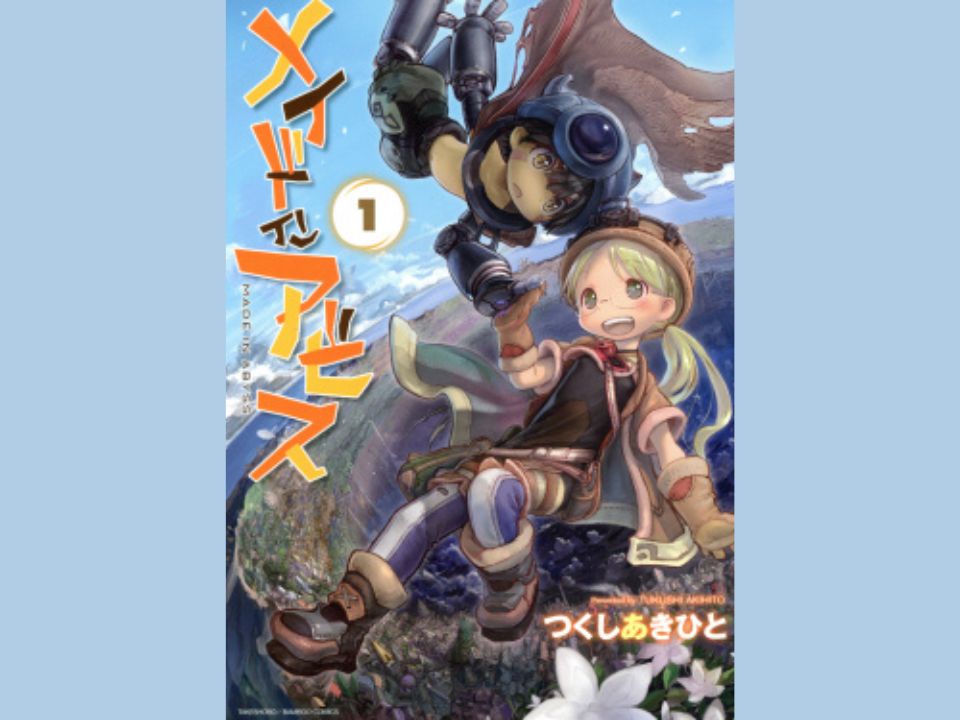
In Made in Abyss, Riko, a young girl, embarks on a journey to explore the Abyss, a mysterious and dangerous chasm full of treasures and dangers. What starts as an adventure story soon turns into a darker, more tragic tale as Riko descends deeper into the Abyss. The reveals about the true nature of the Abyss, and the horrifying sacrifices people make to explore it, completely reshape the narrative. As Riko uncovers more about the history of the Abyss, the stakes become much higher than just a simple exploration.
The twist regarding the fate of Riko’s mother and the sacrifices made by past explorers adds emotional depth to the story. The dark secrets of the Abyss are revealed slowly, making the reader question the morality of those who venture into it. By the end, the story takes on a tragic tone, leaving readers with a deep sense of melancholy and reflection on the cost of curiosity.
“Doubt”
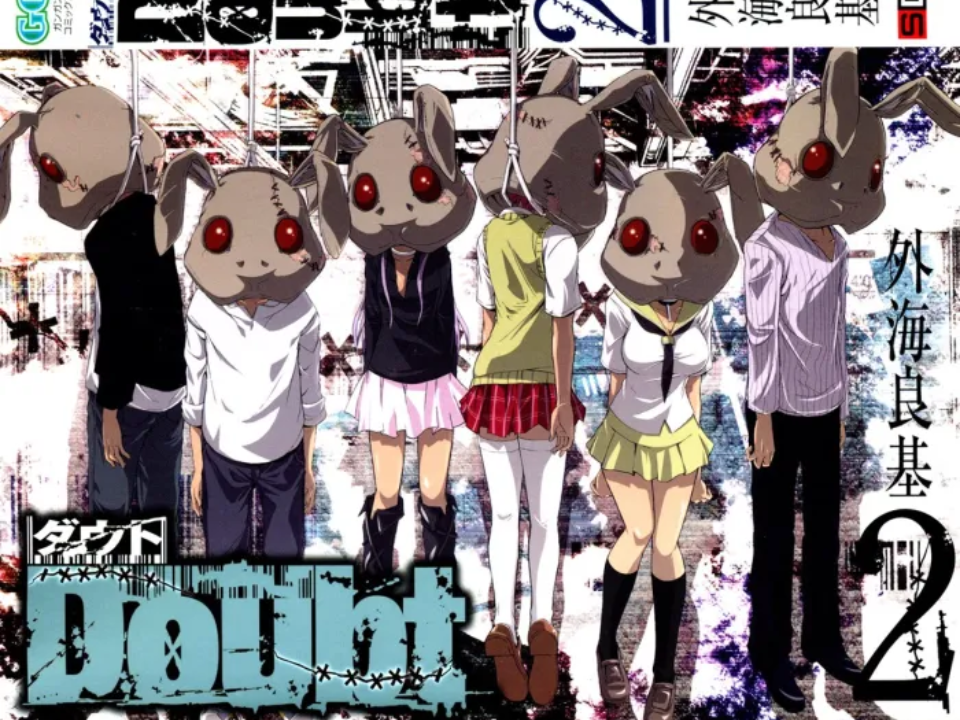
Doubt is a psychological horror manga about a group of people trapped in a game where they must figure out who among them is a killer. The story begins with the characters trying to survive and deduce the identity of the murderer, but as the story progresses, the true nature of the game is revealed. The first major twist, that the game is not what it initially appeared to be, completely reframes the plot. The reveal that the players are part of a larger conspiracy forces the reader to question the motives behind every character’s actions.
The identity of the killer is not the only shocking reveal; the story’s true horror lies in how each person is manipulated and controlled. The twists about the game’s creator and the psychological games being played leave a lasting impression on the reader. Doubt shows how easily people can be led to believe in false realities and how trust can be shattered by manipulation.
“A Silent Voice”
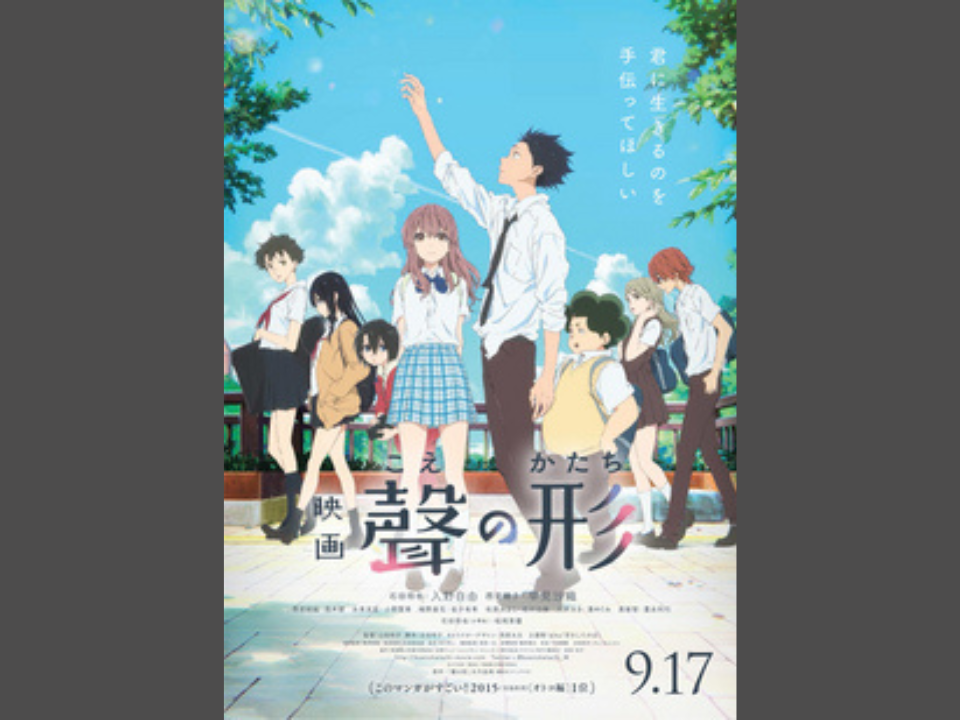
In A Silent Voice, the story begins with Shoya Ishida’s bullying of a deaf girl named Shoko Nishimiya, which leads to years of guilt and self-loathing. The major reveal comes when the impact of Shoya’s actions on Shoko and the other characters is explored in greater depth. What initially seemed like a straightforward tale of bullying turns into a more complex exploration of the consequences of one’s actions on others. As Shoya attempts to redeem himself and repair his relationships, the story reframes the concept of redemption.
The reveal about Shoya’s own troubled past and his internal struggles adds emotional weight to the narrative. The connection between Shoya and Shoko, built on mutual understanding and forgiveness, is revealed to be the heart of the story. The manga’s theme of accepting responsibility and moving forward in life becomes a profound and touching reflection on personal growth.
“The Innocent”
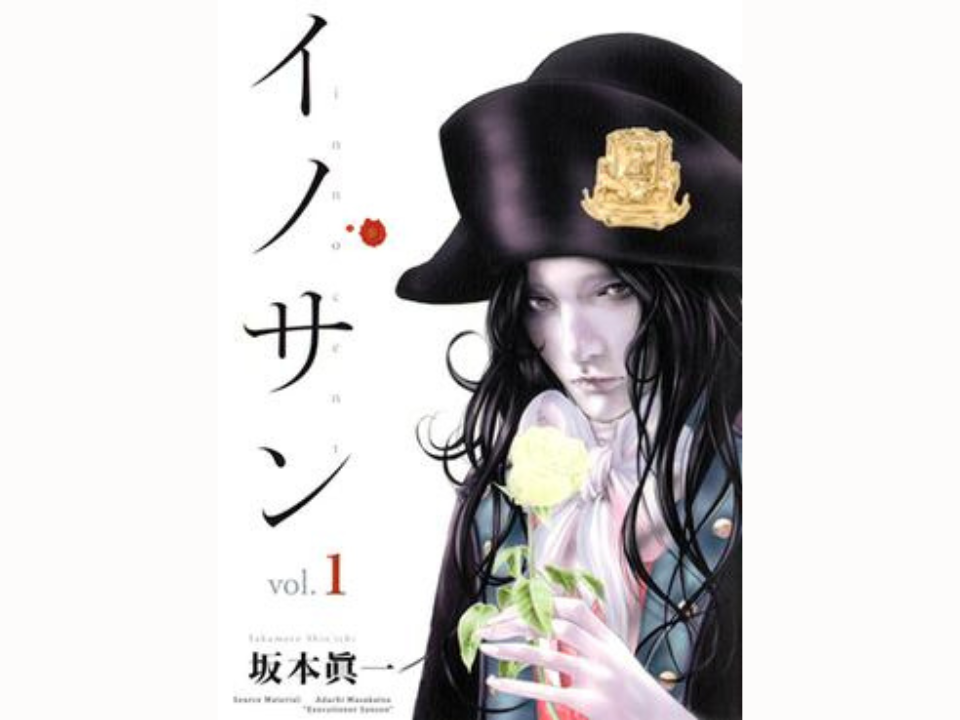
The Innocent tells the story of a man named William, who wakes up with no memory of his past. As he navigates a complex world filled with conspiracies and hidden truths, the first major twist about his true identity reframes the story. The reveal that William is tied to a powerful political figure changes the course of the plot and forces him to confront a life he never knew. The deeper William delves into the mystery of his past, the more he learns about the dark forces controlling the world around him.
The reveal about the true nature of his amnesia and the hidden reasons behind it adds a layer of tragedy to the story. The twists surrounding his family and the people who manipulate him force the reader to reconsider the meaning of free will and control. The final reveal about William’s true role in the larger conflict makes the story one of personal sacrifice and the search for truth in a corrupt world.
This article originally appeared on Avocadu.