
12 Commute Habits That Make the Day Feel Less Long
A long commute can feel heavier when it lacks purpose or rhythm. Simple routines can make the time feel more settled. The right habits often bring a sense of ease before the day even begins. Paying attention to that window of time matters more than it seems. Continue reading for practical ways to approach it differently.
This post may contain affiliate links, which helps keep this content free. Please read our disclosure for more info.
Prepare Everything the Night Before

Laying out clothes, packing bags, and setting essentials by the door can remove morning pressure. This habit reduces rushed decisions that often make the commute feel heavier. Knowing that everything is ready creates a calmer start before leaving the house. It allows the mind to focus on the drive or ride instead of unfinished tasks.
People who prepare ahead often notice that their commute feels shorter. Fewer distractions mean less mental clutter during travel. This approach also helps avoid forgotten items that cause stress later. Over time, the routine becomes a steady part of the day.
Leave a Few Minutes Earlier

Leaving slightly earlier can change the entire tone of a commute. Traffic tends to feel more manageable when there is no rush to beat the clock. Even public transportation feels calmer without watching the minutes closely. That extra buffer brings a sense of control.
This habit often leads to fewer tense moments on the road or platform. Arriving early allows time to settle in before work begins. The commute becomes a transition instead of a test of patience. Many find the day feels less drawn out when it starts this way.
Listen to Familiar Music

Music that feels comfortable can steady the mood during travel. Familiar songs reduce mental effort and bring a sense of ease. This habit helps block out noise and distractions along the route. It turns travel time into something predictable and grounding.
Many commuters use music as a signal that the workday has started. The right playlist can mark the shift from home life to work life. Over time, this routine helps the commute feel shorter. It becomes part of a familiar rhythm.
Rotate Podcasts or Audiobooks

Listening to longer audio content can make time pass faster. Podcasts and audiobooks give the mind something to follow during the ride. This habit works well for both short and long commutes. It adds interest without requiring visual focus.
Rotating content keeps the experience fresh. Learning something new or following a story creates anticipation for the commute. Many people associate certain shows with specific routes. That connection often makes the journey feel more purposeful.
Stick to a Consistent Route

Using the same route each day reduces decision fatigue. Familiar paths require less mental effort to follow. This habit allows attention to relax during travel. The commute becomes more automatic and less draining.
Consistency helps the brain predict how long the trip will take. Unexpected changes often make time feel longer. A steady route builds confidence and calm. That predictability supports a smoother start and finish to the day.
Keep the Space Clean
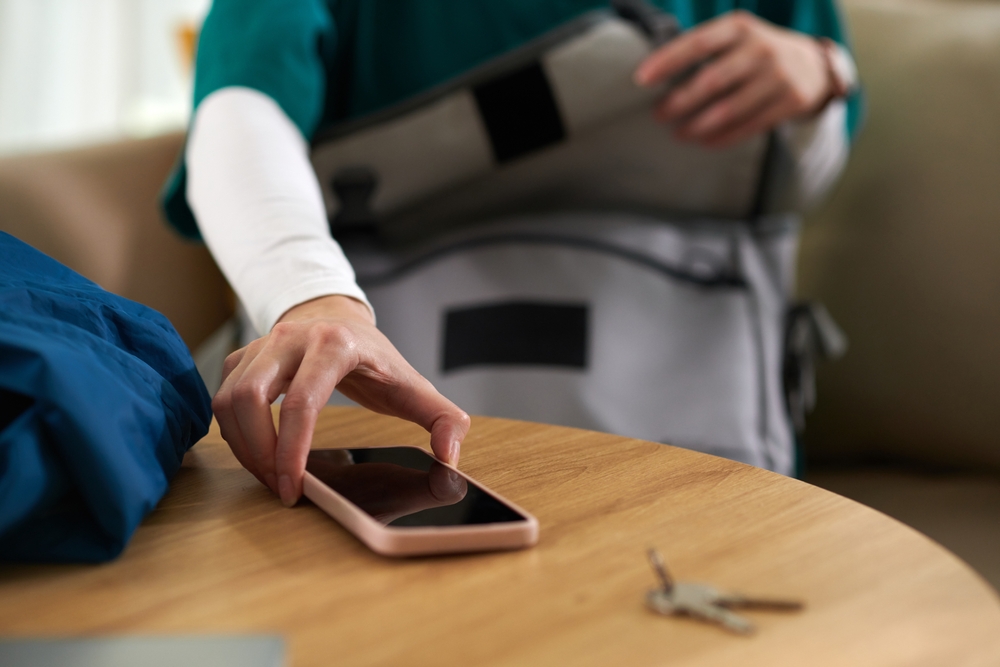
A tidy car or bag makes travel feel lighter. Clutter often adds to mental noise during the commute. This habit creates a more comfortable environment. Clean spaces support a calmer mindset.
Taking a few minutes to clear out trash or papers helps maintain order. The commute feels less chaotic without visual distractions. A clean space also signals care and routine. Over time, this small habit improves daily comfort.
Avoid Checking Work Messages

Resisting work messages during the commute protects personal time. This habit prevents stress from entering too early. The commute stays separate from job demands. That boundary matters for mental balance.
Many people notice the day feels longer when work starts too soon. Keeping messages unread allows the commute to serve as a buffer. The mind arrives at work more settled. This separation supports better focus later.
Use the Time to Plan the Day

Light planning during the commute can reduce later overwhelm. Thinking through priorities helps the day feel more organized. This habit turns travel time into preparation. It gives structure without pressure.
Keeping plans simple works best. Mental lists feel less heavy than written ones during travel. Many find that planning this way shortens the feeling of the day. The commute becomes a helpful transition.
Stay Hydrated

Drinking water before or during the commute supports comfort and focus. Dehydration can make time feel slower and harder. This habit helps the body feel more balanced. Small physical needs often affect mood more than expected.
Keeping a bottle nearby makes hydration easy. This routine supports energy without relying on caffeine alone. Feeling physically steady changes how the commute is experienced. The day often feels more manageable as a result.
Choose Comfortable Clothing

Comfortable clothing reduces physical irritation during travel. Tight or restrictive clothes can make minutes feel longer. This habit supports ease from the moment the commute begins. Physical comfort influences mental comfort.
Choosing layers helps adjust to temperature changes. Feeling at ease allows attention to relax. Many people notice less impatience when clothing feels right. The commute becomes less distracting.
Stretch Before Leaving

Simple stretches before departure help release tension. This habit prepares the body for sitting or standing during travel. Looser muscles reduce discomfort along the way. Physical readiness matters more than people realize.
Stretching also signals the start of the day. The body feels more awake without rushing. A prepared body often leads to a calmer commute. That calm carries into work hours.
Acknowledge the End of the Workday

Using the commute home as a clear ending ritual matters. This habit helps separate work from personal time. Small actions like changing music mark the shift. The day feels complete rather than ongoing.
Many people feel less drained when the commute signals closure. Letting go of work thoughts during travel helps recovery. The evening feels longer and more restful. That makes the entire day feel less heavy.
This article originally appeared on Avocadu.