
13 Rare Plants That Only Grow in Cloud Forests and Feel Otherworldly
In the world of plants, few environments are as captivating as the cloud forest. These misty, high-altitude regions are home to some of the most unusual and beautiful plants you’ll ever encounter. From delicate flowers to towering trees, the species that thrive here have evolved to live in an almost magical setting. If you’ve ever wondered about the mysterious plants of the cloud forest, this is the perfect place to start your journey.
This post may contain affiliate links, which helps keep this content free. Please read our disclosure for more info.
Orchid (Masdevallia)
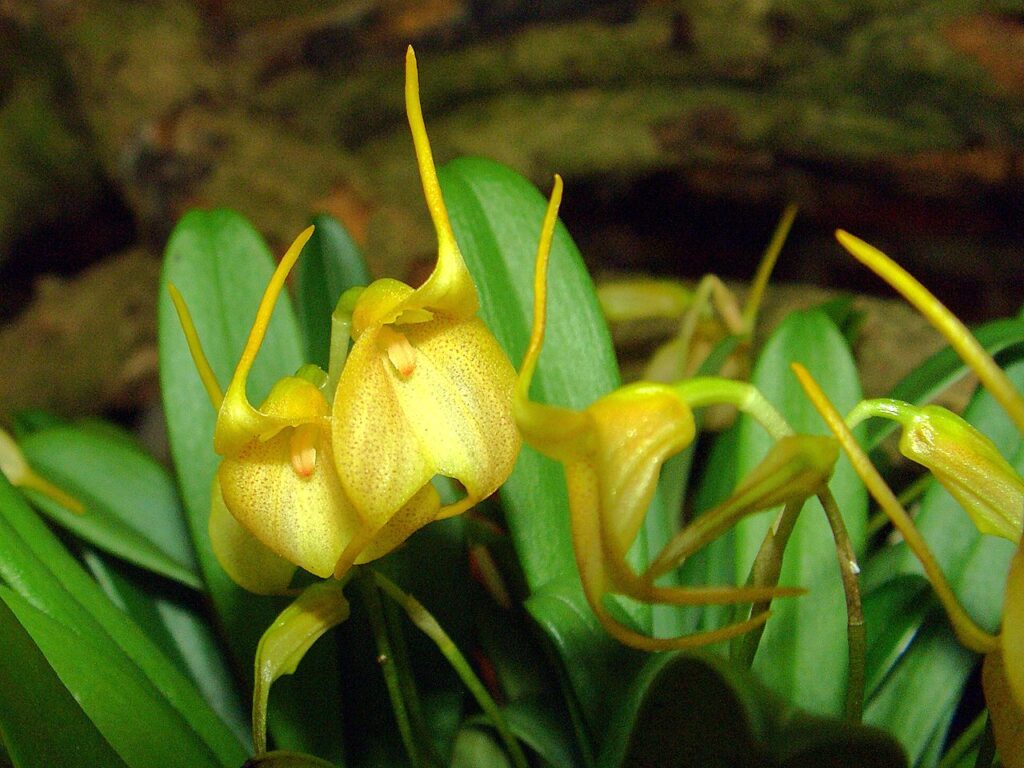
Masdevallia orchids are often found in the cool, misty regions of cloud forests. These plants are known for their unusual, brightly colored flowers, which often look like alien faces. Growing them as a houseplant can be challenging, as they require cooler temperatures and high humidity. However, with the right environment-such as a humid room or greenhouse-they can thrive. The delicate nature of these orchids makes them a fascinating addition to any plant collection.
These orchids need bright, indirect light and a well-draining, acidic mix to grow well indoors. Although they may require more care compared to common houseplants, their beauty and rarity make them highly rewarding to grow. With the right conditions, Masdevallia orchids can make a stunning display in your home.
Bromeliad (Guzmania)

Guzmania bromeliads are commonly found in cloud forests, where they grow on tree branches, thriving in the moist environment. Known for their vibrant colors and unique, spiky flowers, these plants can easily adapt to living indoors. They thrive in humidity and indirect light, making them perfect houseplants for bathrooms or kitchens. Guzmanias are relatively low maintenance, requiring only occasional watering and proper air circulation.
These plants are also epiphytic, meaning they can live without soil, absorbing moisture and nutrients through their leaves. Their striking appearance and ease of care make them an excellent option for beginner plant enthusiasts. If you are looking for a plant that adds a tropical touch to your home, Guzmania bromeliads are a great choice.
Cloud Forest Fern (Polystichum munitum)
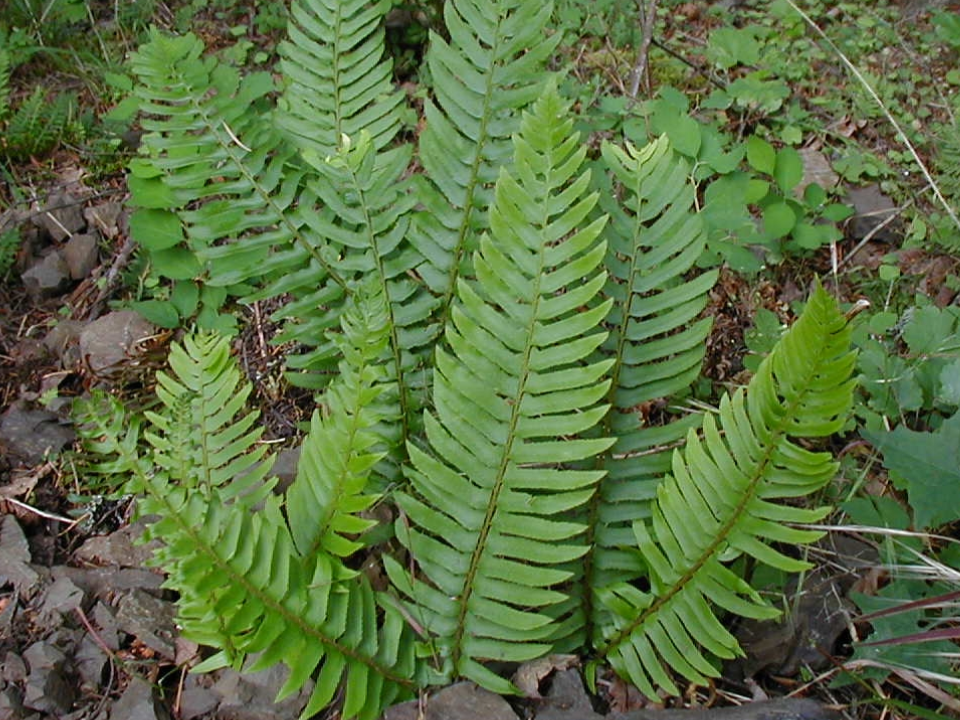
Polystichum munitum, also known as the sword fern, is commonly found in the shady, humid environments of cloud forests. This fern has long, feathery fronds that give it a soft, elegant appearance. It can be grown as a houseplant, but it requires a cool, shaded area and consistent moisture to thrive. Sword ferns are perfect for creating a lush, natural look indoors, particularly in bathrooms or low-light spaces.
While sword ferns are relatively hardy, they should be kept in a humid environment to prevent the fronds from drying out. The fern’s ability to tolerate a range of light conditions makes it a versatile addition to any home. Its unique texture and vivid green color bring a sense of freshness and tranquility to indoor spaces.
Epiphytic Cactus (Rhipsalis)

Rhipsalis, commonly known as mistletoe cactus, is an epiphytic cactus that grows naturally in cloud forests. Unlike desert cacti, Rhipsalis thrives in the humid, shaded areas of cloud forests, where it is often found growing on trees or rocks. These plants can be successfully grown indoors as houseplants, especially in hanging baskets or containers. They prefer indirect light and regular watering, but they should not be overwatered.
Rhipsalis is an excellent choice for plant lovers looking for something unique. Their long, trailing stems and small, delicate flowers add an exotic touch to any room. With its low maintenance requirements and striking appearance, this cactus is well-suited for both beginners and experienced plant owners.
Cloud Forest Begonia (Begonia dregei)
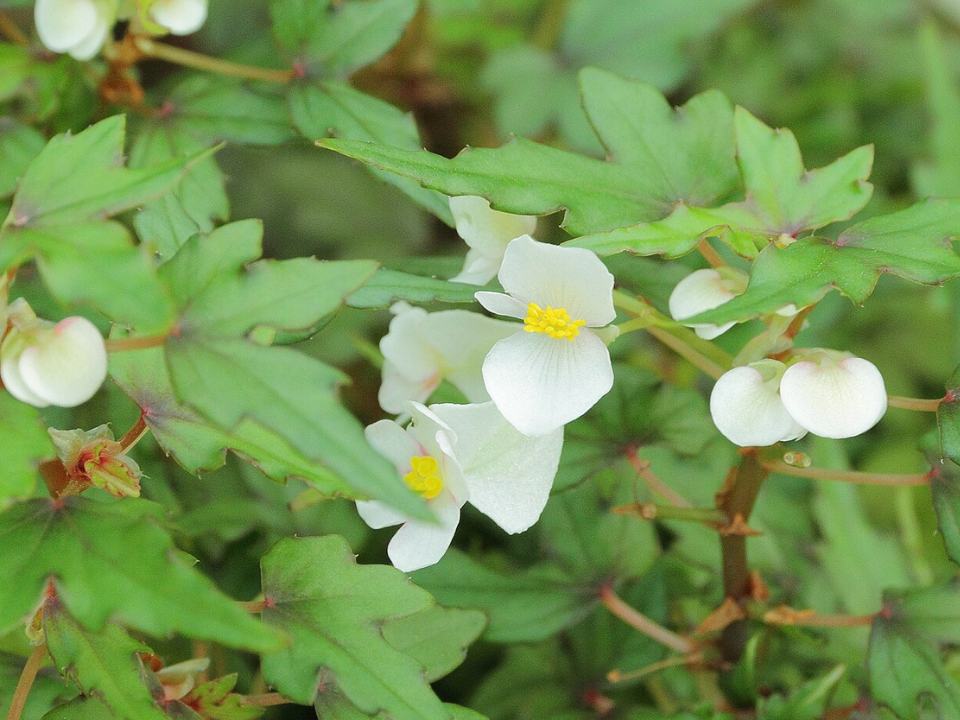
Begonia dregei is a stunning plant found in the cool, misty areas of cloud forests. Known for its intricate, silvery leaves and small, delicate flowers, this begonia has a unique, almost otherworldly look. While it can be grown as a houseplant, it requires high humidity and cool temperatures, making it best suited for areas like greenhouses or humid indoor spaces. It thrives in filtered light and needs regular watering to keep its soil moist.
This begonia’s striking foliage and small, attractive blooms make it a prized addition to any indoor plant collection. Though it may need a bit more care compared to common houseplants, its beauty is well worth the effort. Providing the right conditions will allow this cloud forest gem to thrive in your home.
St. John’s Wort (Hypericum calycinum)
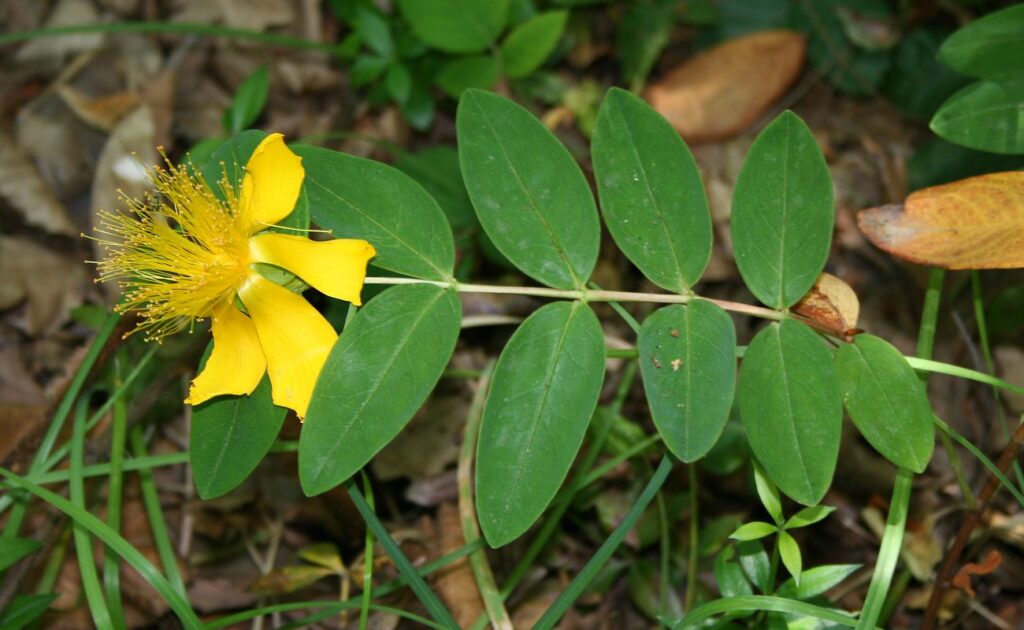
Hypericum calycinum, or St. John’s Wort, is often found in the lower regions of cloud forests, thriving in moist, well-shaded areas. This plant is known for its bright yellow flowers that bloom in late spring to early summer. While it can be grown as a houseplant, it requires a bit more care to maintain indoors. It enjoys cool, moist conditions and would thrive in a well-ventilated area with plenty of indirect light.
This perennial plant offers a unique, almost mystical beauty, making it a great choice for anyone looking to add a touch of the cloud forest to their home. It is important to keep its soil slightly damp but not waterlogged. With the right environment, St. John’s Wort can flourish indoors and provide lovely bursts of color.
Cloud Forest Pitcher Plant (Nepenthes)
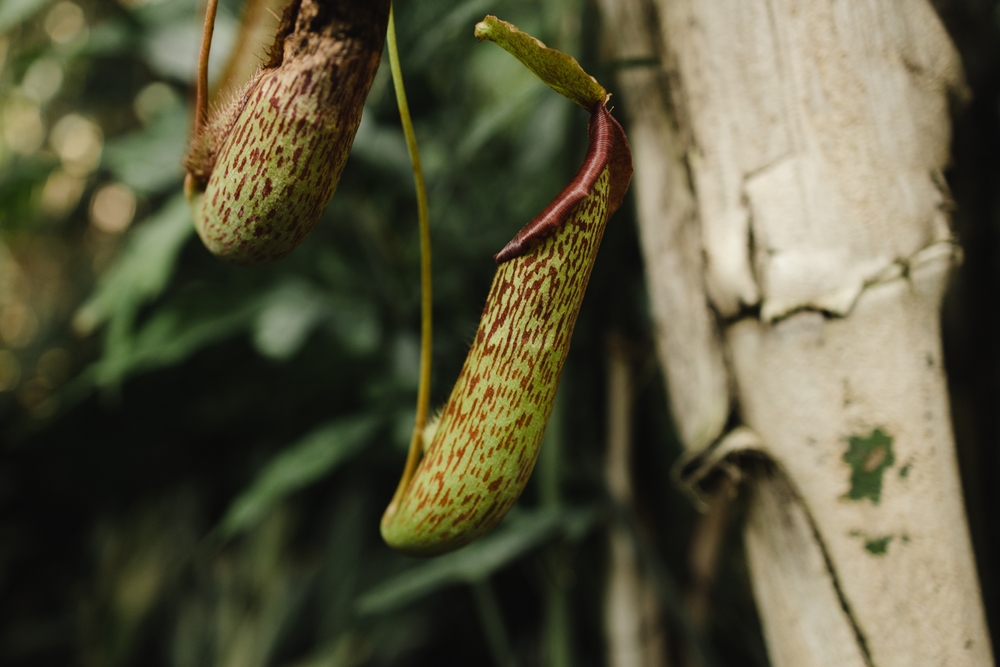
Nepenthes, or pitcher plants, are famous for their unique, pitcher-shaped leaves that trap and digest insects. Found in the nutrient-poor soil of cloud forests, these plants have adapted to survive by catching and digesting prey. Growing Nepenthes as a houseplant can be a rewarding challenge, as they require high humidity and bright, indirect light. They also need to be watered with distilled water or rainwater to avoid harmful chemicals.
These carnivorous plants are not only fascinating but also offer a natural way to control pests in your home. The intricate design of their pitcher-shaped leaves adds a touch of exotic beauty to any space. For plant enthusiasts looking to grow something truly unique, Nepenthes make an exciting, if demanding, houseplant.
Ruffled Leaf Begonia (Begonia rex)
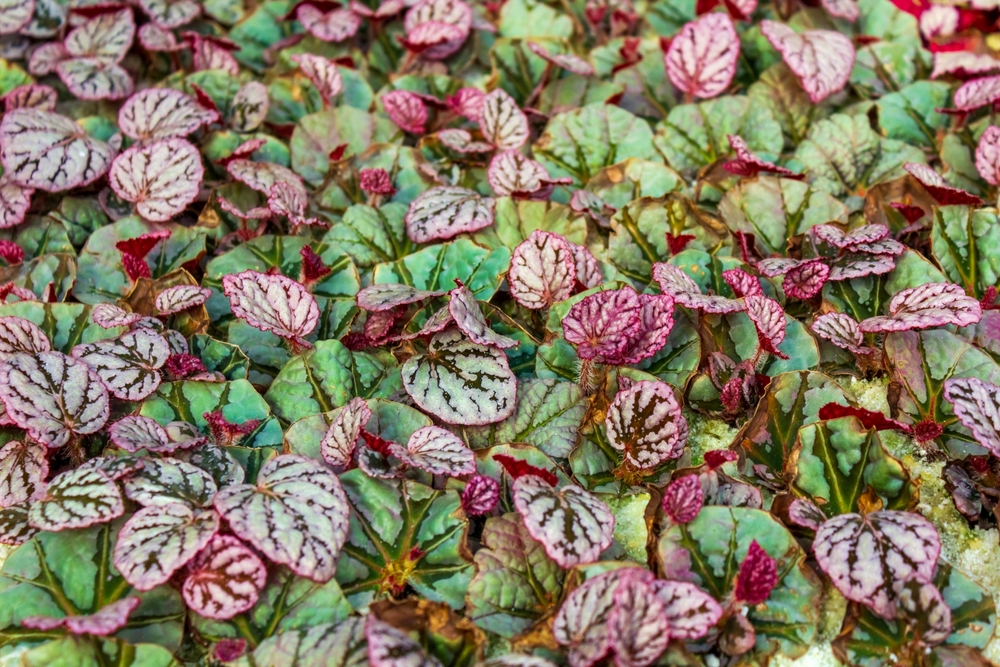
Begonia rex, often referred to as the ruffled-leaf begonia, is native to the shaded regions of cloud forests. It is known for its large, ornamental leaves that come in a variety of colors and patterns, making it a highly sought-after plant for collectors. While it can be grown indoors, Begonia rex requires high humidity and a cool, indirect light environment to thrive. It is best suited for indoor spaces with controlled conditions, such as greenhouses or terrariums.
Begonia rex is a relatively low-maintenance plant, but it thrives best when given plenty of moisture and occasional misting to keep its leaves vibrant. It is a fantastic option for anyone looking to add a unique and colorful element to their indoor space. The plant’s striking foliage is sure to stand out and add character to any room.
Cloud Forest Rhododendron (Rhododendron maddenii)
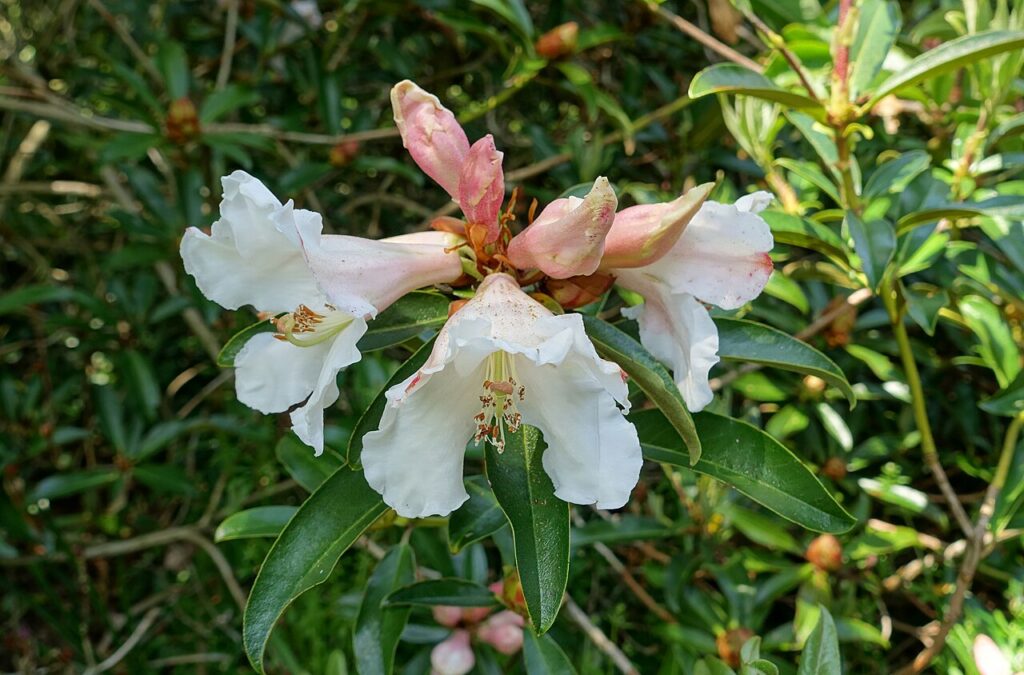
Rhododendron maddenii is a rare plant found in the misty areas of high-altitude cloud forests. This species is known for its large, beautiful flowers, which bloom in shades of pink, red, and white. While it can be grown as a houseplant, it requires a cool environment with high humidity and filtered light. Rhododendrons prefer acidic, well-draining soil and regular watering.
Growing this cloud forest plant indoors can be challenging due to its specific care requirements. However, with the right conditions, it can thrive and provide stunning flowers that add a touch of elegance to any home. Its unique beauty and the challenge of growing it indoors make Rhododendron maddenii a rewarding plant for experienced plant lovers.
This article originally appeared on Avocadu.