
13 Sci Fi Movies That Still Feel Fresh
Science fiction films have a unique ability to blend timeless themes with innovative storytelling, keeping them relevant long after their release. From thought-provoking explorations of artificial intelligence and humanity to visually stunning depictions of futuristic worlds, these films continue to captivate audiences. Their exploration of societal issues, technology, and mind-bending ideas makes them as thought-provoking today as they were when first released. Whether through groundbreaking visuals or timeless narratives, these films maintain their power and influence in the sci-fi genre.
This post may contain affiliate links, which helps keep this content free. Please read our disclosure for more info.
Blade Runner (1982)
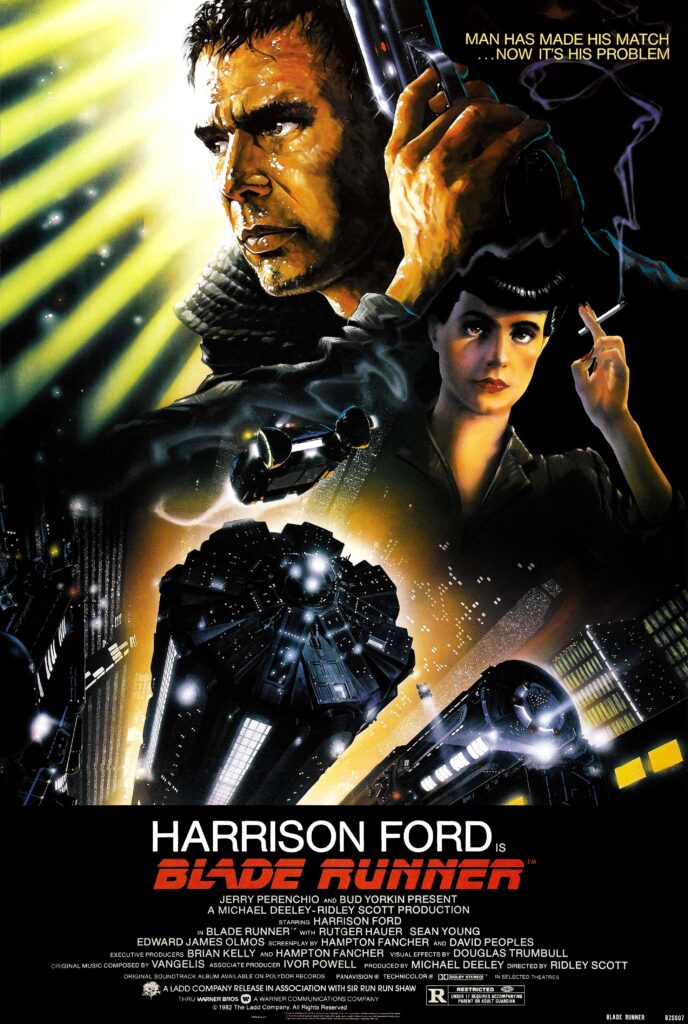
Ridley Scott’s Blade Runner is a science fiction classic that continues to feel relevant even after decades. Its exploration of identity, humanity, and artificial intelligence challenges viewers to think about the nature of consciousness and what it means to be truly alive. The dystopian world, populated by bioengineered humans, remains a timeless backdrop that raises questions about ethics, power, and the human experience. Its atmospheric visuals and haunting Vangelis score provide a hauntingly beautiful landscape, setting it apart from other films of its time and keeping it fresh for modern audiences. Blade Runner remains a pioneering work for blending philosophical depth with striking, futuristic design, influencing countless works that followed.
Moreover, the film’s timeless theme of existential questioning is just as pertinent in today’s world. With rapid advancements in AI and biotechnology, the ethical dilemmas presented in Blade Runner are more relevant than ever. The movie’s ability to tap into both the personal and societal implications of these technologies ensures its enduring power. It remains a film that not only shaped the genre but continues to inspire discussions around the boundaries of life, technology, and humanity.
2001: A Space Odyssey (1968)
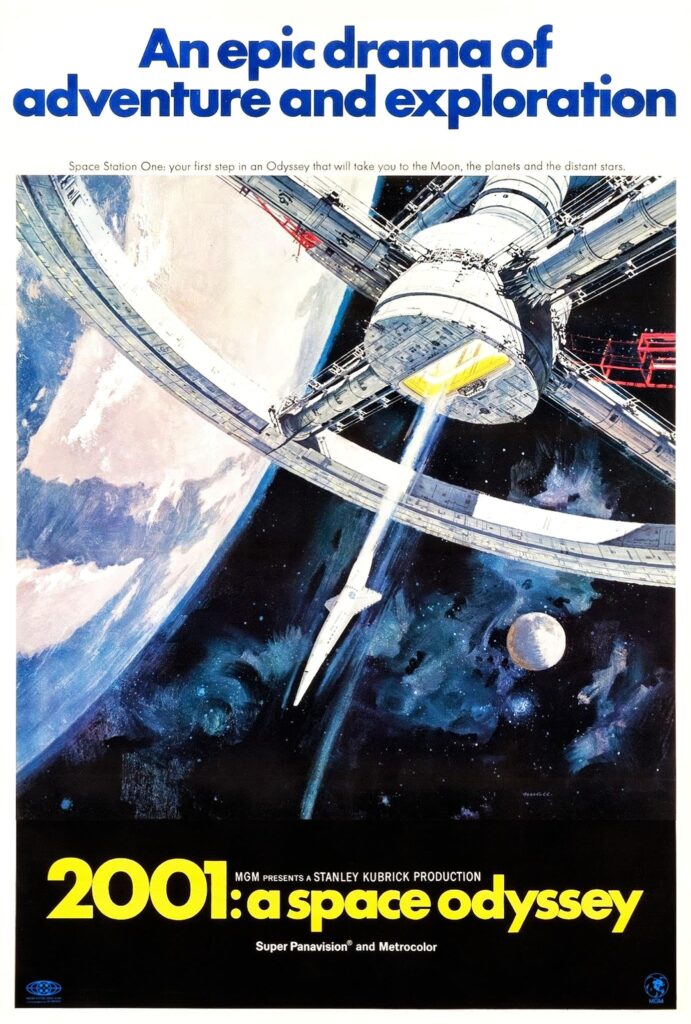
Stanley Kubrick’s 2001: A Space Odyssey remains one of the most thought-provoking and visually stunning sci-fi films of all time. Its exploration of human evolution, artificial intelligence, and space exploration was groundbreaking for its time. With its slow, deliberate pacing and mind-bending visuals, 2001 invites audiences to consider our place in the universe and the potential dangers of technological advancements. The famous HAL 9000, an intelligent computer, becomes a symbol of the moral and philosophical questions surrounding our relationship with technology. This movie doesn’t just entertain, it prompts deep reflection on humanity’s future in space and the limits of artificial intelligence.
The film’s themes are still incredibly timely. With the rise of AI and space exploration initiatives from companies like SpaceX, the philosophical questions Kubrick raised are more urgent than ever. 2001 doesn’t rely on conventional sci-fi action or futuristic gadgetry but instead focuses on ideas that transcend time, exploring existential themes that continue to resonate with contemporary audiences. Its unsettling silence, meticulously crafted visuals, and enigmatic ending only add to its mystery, ensuring its place as a film that continues to intrigue and inspire.
Ex Machina (2014)
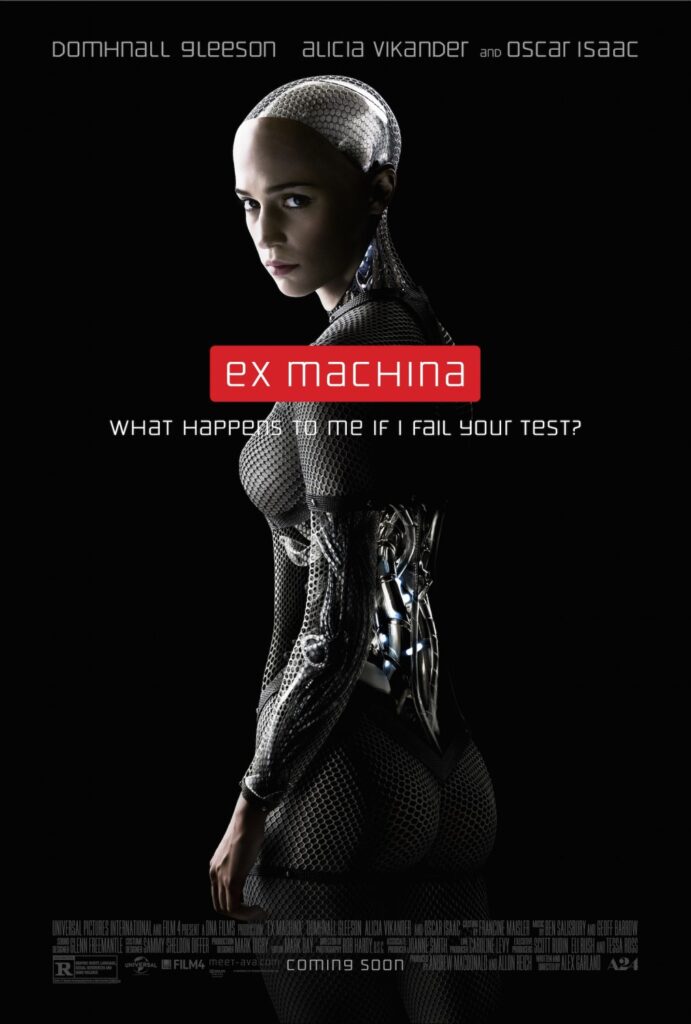
Alex Garland’s Ex Machina offers a fresh take on the theme of artificial intelligence, presenting a compelling narrative about a programmer who is invited to evaluate a humanoid robot. The film’s simplicity and minimalism highlight the tension between man and machine, focusing on the psychological aspects of human interaction with AI. By keeping the story confined to a single location, Garland makes the interactions between the characters and the robot all the more intimate and intense. The film raises deep questions about consciousness, free will, and the ethics of creating sentient beings, making its themes as timely today as they were upon its release.
What makes Ex Machina particularly resonant is its portrayal of AI as something that can evolve beyond human control. As technology continues to develop at a rapid pace, the questions the film asks about the moral implications of AI development are becoming more urgent. Its chilling examination of power dynamics, trust, and the potential for manipulation keeps it relevant, offering a warning of what might happen when humanity is not prepared for its creations to think for themselves.
The Matrix (1999)
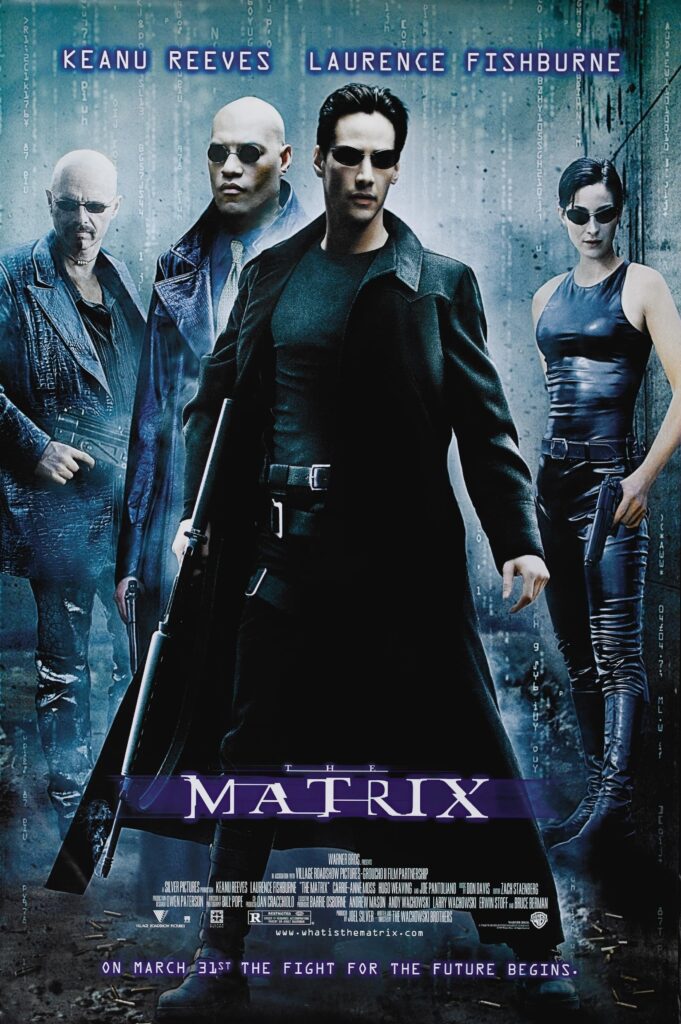
The Wachowski sisters’ The Matrix revolutionized the sci-fi genre with its combination of mind-bending ideas, cutting-edge visuals, and deep philosophical themes. The film presents a world where humanity is unknowingly trapped in a simulated reality, forcing audiences to question the nature of reality itself. The Matrix became an instant classic, influencing countless films and cultural discussions around technology, free will, and the search for truth. The groundbreaking use of slow-motion action and the “bullet time” effect, combined with its thought-provoking narrative, ensured its lasting impact on both the sci-fi genre and popular culture.
Even more than two decades later, The Matrix remains relevant due to its exploration of control, rebellion, and the nature of the human experience in a digital world. In an era of growing concern over privacy, surveillance, and the increasing integration of technology into everyday life, The Matrix continues to resonate. The central question of whether we are living in a simulated world or facing a more sinister reality feels more pertinent as digital and virtual environments continue to blur the lines of what is real.
Arrival (2016)

Denis Villeneuve’s Arrival is a deeply emotional and cerebral science fiction film that focuses on communication, time, and human connection. When alien spaceships land on Earth, a linguist is tasked with deciphering their language, which is far more complex than anything humanity has encountered. The film’s exploration of language as a means of understanding and the nonlinear perception of time makes it unique in the genre. Villeneuve’s ability to combine intelligent sci-fi with a moving personal story ensures that Arrival stands out as a film that is not only thought-provoking but emotionally resonant as well.
Arrival continues to feel fresh because of its human-centric narrative amidst the alien encounter. While many sci-fi films focus on the threat of alien invasion or technological dystopia, Arrival takes a more optimistic and introspective approach, considering how humanity could communicate and connect with extraterrestrial beings. As technology continues to connect people in new ways, the film’s central themes about language and understanding are as relevant today as they were when it was first released.
Moon (2009)
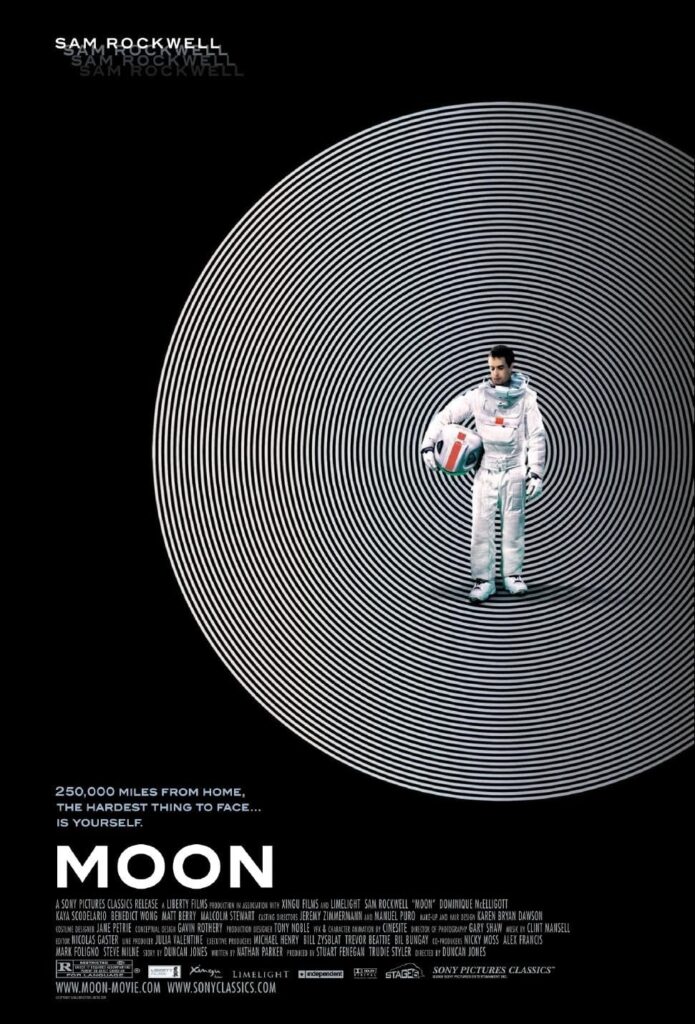
Duncan Jones’ Moon is a brilliant example of how a small-scale, character-driven narrative can still explore vast themes within the sci-fi genre. The film follows Sam Bell, an astronaut nearing the end of his three-year solitary mission on the Moon, as he begins to unravel unsettling truths about his mission and identity. The simplicity of the setting, combined with Sam Rockwell’s captivating performance, creates a deeply introspective atmosphere that examines isolation, humanity, and the consequences of technological advancement. The film’s quiet, introspective nature and its philosophical undercurrents about cloning and personal identity make it a lasting work that continues to feel fresh.
What makes Moon especially resonant is its exploration of personal sacrifice and the human desire for connection. While many sci-fi films focus on grand, external conflicts, Moon deals with internal, existential crises. The emotional weight of the film, paired with its stunning visuals and haunting score, gives it a timeless quality. Its intimate portrayal of technology’s potential to dehumanize while also offering profound connections makes Moon a film that continues to strike a chord with audiences.
Interstellar (2014)
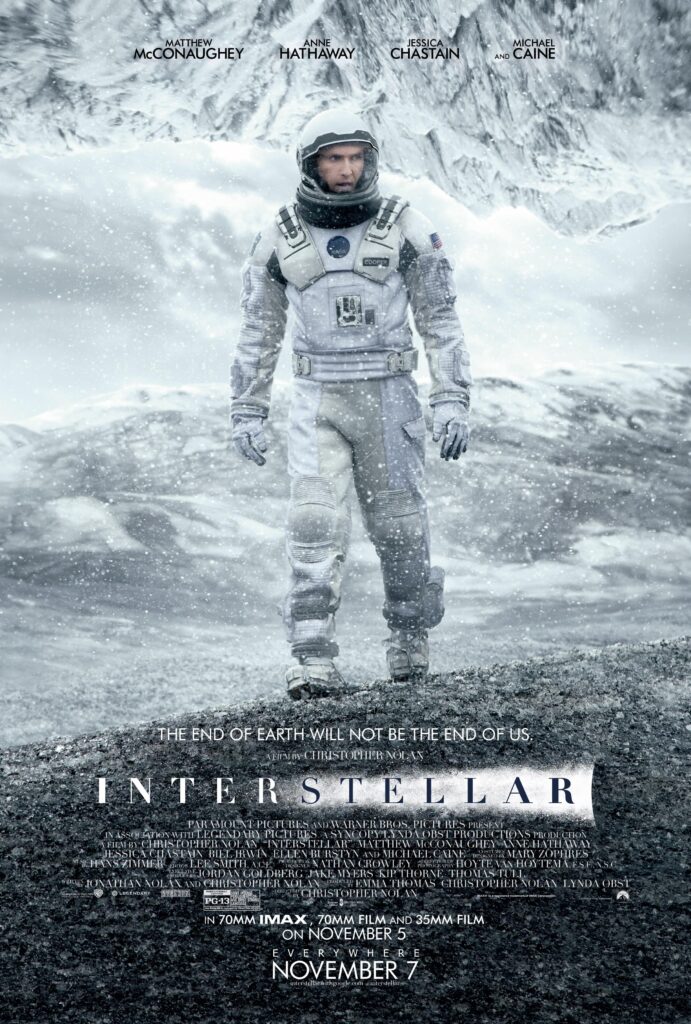
Christopher Nolan’s Interstellar combines mind-bending scientific ideas with a heartfelt narrative about love, sacrifice, and survival. Set against the backdrop of a dying Earth, a team of astronauts embarks on a journey through a wormhole to find a new habitable planet for humanity. The film delves deeply into theoretical physics, particularly the concepts of relativity and black holes, while also exploring the emotional connections that bind people together across time and space. Nolan’s use of visual effects, combined with Hans Zimmer’s powerful score, creates an immersive experience that captures the imagination while also tugging at the heartstrings.
What makes Interstellar so enduring is its balance of complex scientific ideas with universal emotional themes. As we continue to grapple with issues like climate change and the potential for space colonization, the film’s portrayal of humanity’s struggle for survival feels increasingly relevant. Its exploration of time dilation, black holes, and the bonds between parents and children ensures that it remains fresh and impactful. The film raises questions about humanity’s future while providing a deeply emotional story about love, loss, and hope.
Her (2013)

Spike Jonze’s Her explores the complex relationships between humans and technology in a future where AI has become an intimate part of everyday life. The film follows Theodore Twombly, a lonely man who falls in love with his operating system, Samantha. Her is a unique exploration of emotional connection in a technologically driven world, asking profound questions about what it means to love and be loved in an age of artificial intelligence. The film’s soft, melancholic tone, combined with its stunning visuals and poignant performances, gives it a lasting emotional resonance.
Her remains fresh because it taps into the anxieties and hopes of our increasingly digital lives. As AI and virtual relationships continue to evolve, the film’s exploration of emotional intimacy in a world of technology feels more timely than ever. Its focus on love, loneliness, and human connection in a hyper-digitalized world ensures that its themes remain relevant in today’s society. The film raises important questions about the role technology plays in our emotional lives, offering an insightful commentary on the future of human relationships.
The Fifth Element (1997)
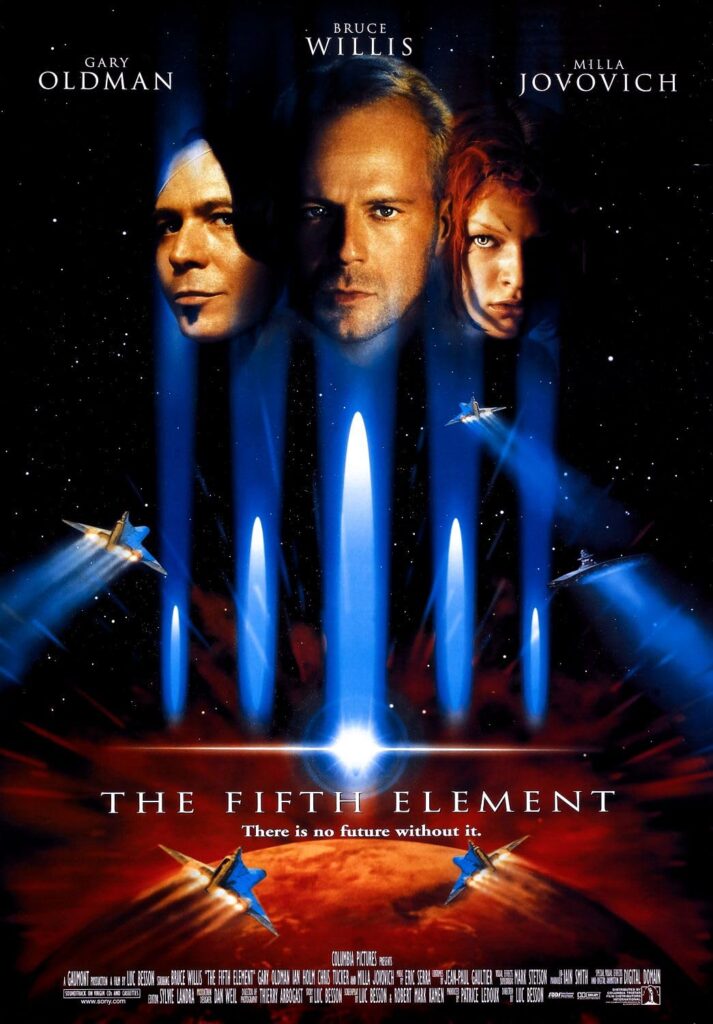
Luc Besson’s The Fifth Element is a visually stunning and wildly imaginative sci-fi film that still feels fresh due to its colorful, eccentric world-building and its unique take on the genre. Set in a vibrant, futuristic world where the forces of good and evil are in constant conflict, the film blends action, humor, and romance with a rich visual palette. Bruce Willis stars as Korben Dallas, a cab driver who gets caught up in a mission to save the universe, while Milla Jovovich plays Leeloo, the mysterious woman who holds the key to humanity’s survival. The film’s playful tone, combined with its dazzling visuals and inventive world-building, keeps it feeling as innovative as ever.
Despite being released over two decades ago, The Fifth Element still resonates with modern audiences due to its unique combination of lighthearted humor and action-packed adventure. The film’s distinctive visual style, quirky characters, and epic storyline make it stand out as a sci-fi classic that refuses to be bound by convention. With its blend of bold color schemes, outrageous costumes, and whimsical humor, it remains a movie that continues to entertain and captivate audiences, proving that its formula for success is timeless.
Children of Men (2006)
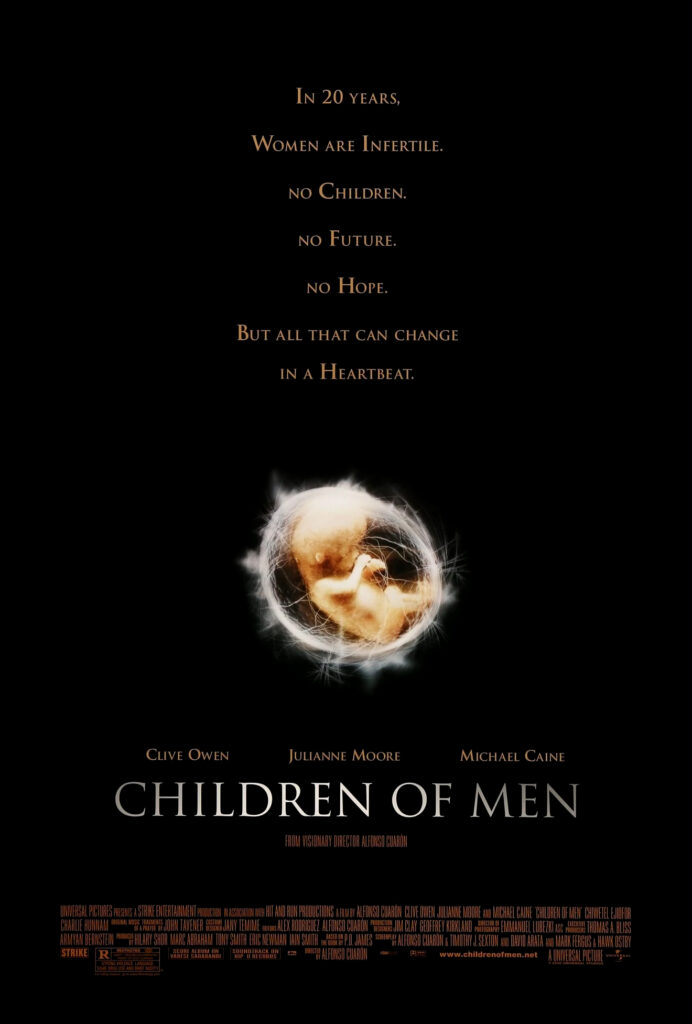
Alfonso Cuarón’s Children of Men presents a chilling dystopian future where humanity faces extinction due to infertility, and society has descended into chaos. The film follows Theo, a disillusioned bureaucrat who is tasked with protecting a pregnant woman, the first in years, in a world where hope is in short supply. The film’s gritty, realistic portrayal of a bleak future is paired with long, unbroken takes that immerse the viewer in the tense, urgent atmosphere of the narrative. The movie explores themes of hope, survival, and the fight for humanity’s future, offering a compelling reflection on the state of the world today.
Children of Men remains strikingly relevant due to its exploration of societal collapse, immigration, and the fragility of civilization. The film’s portrayal of a divided world struggling to hold onto any semblance of order resonates with the ongoing political and social issues we face. Its depiction of a world devoid of hope is a sobering reflection on what could happen if we fail to address the pressing issues of our time. The film’s raw, powerful storytelling, combined with its realistic vision of the future, makes it a timeless classic that continues to feel fresh and impactful.
The Terminator (1984)
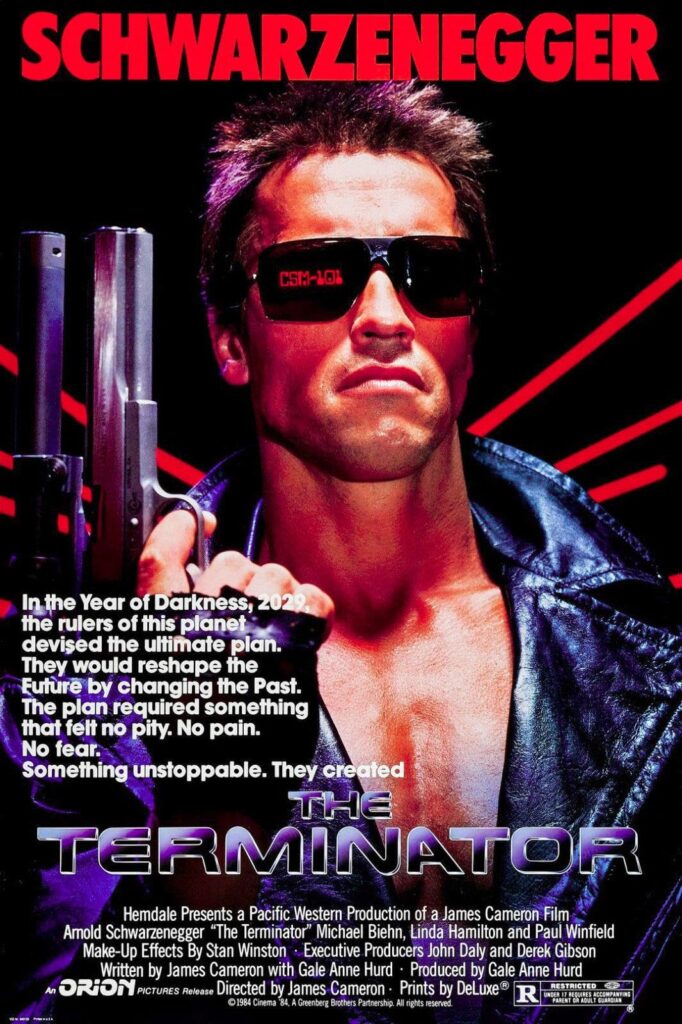
James Cameron’s The Terminator is a seminal film in the sci-fi genre, combining action, time travel, and artificial intelligence to create a timeless narrative. The film’s story, which revolves around a cyborg assassin sent back in time to kill the mother of humanity’s future savior, is both thrilling and thought-provoking. Its tense, high-stakes plot and innovative special effects set it apart from other films of its era, while Arnold Schwarzenegger’s iconic performance as the relentless Terminator made it a cultural touchstone. The film’s exploration of AI and its potential to turn against humanity remains a central theme in today’s discussions on the ethical implications of technology.
Even decades after its release, The Terminator remains relevant due to its exploration of the risks associated with technological advancement. As we continue to develop AI and automation, the film’s warnings about the potential for machines to overtake human control are increasingly pertinent. Its iconic imagery, heart-pounding action, and thought-provoking themes make it a sci-fi classic that continues to captivate audiences, proving that its core ideas are far from outdated.
Starship Troopers (1997)
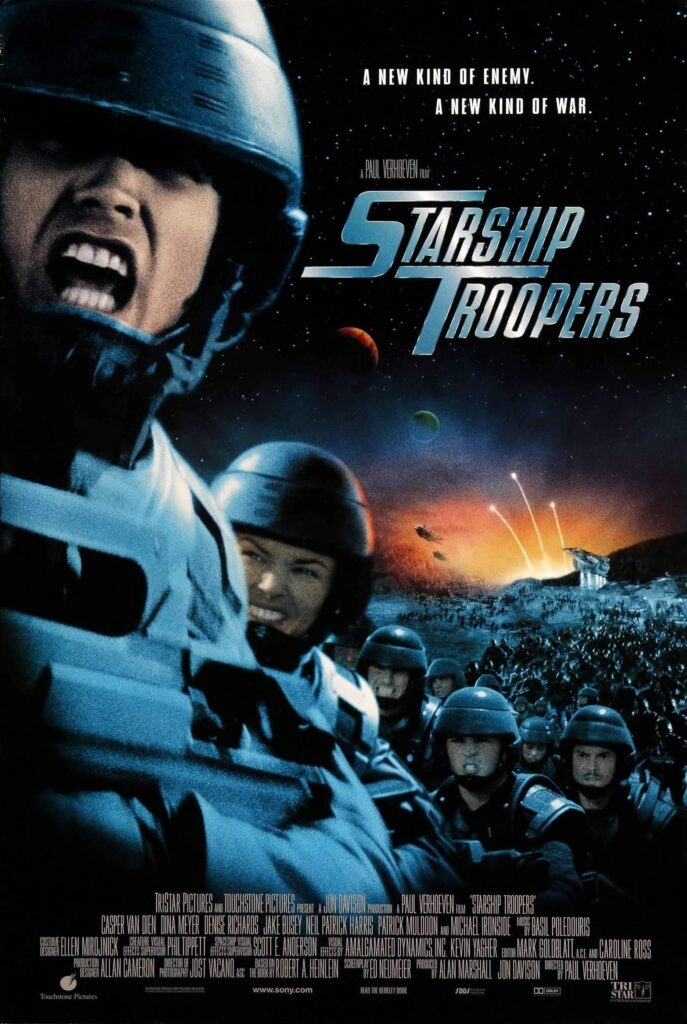
Paul Verhoeven’s Starship Troopers is a satirical take on militarism and war, set in a future where Earth is engaged in an interstellar conflict with an alien species known as the Arachnids. The film blends action-packed sequences with dark humor and a critique of propaganda, making it both a thrilling and thought-provoking experience. Despite its initial mixed reception, Starship Troopers has gained a cult following for its sharp social commentary on nationalism, war, and the consequences of unchecked military power. The film’s over-the-top action and exaggerated tone serve as both an entertaining spectacle and a biting satire.
What makes Starship Troopers feel fresh today is its ability to speak to contemporary issues, such as the glorification of war and the manipulation of public opinion. The film’s critique of militarism and its exploration of the dangers of blind nationalism are just as relevant in modern times, with ongoing global conflicts and debates about the role of the military. Its mix of dark humor, satire, and action ensures that Starship Troopers remains a film that continues to resonate, offering both entertainment and social commentary in equal measure.
Minority Report (2002)
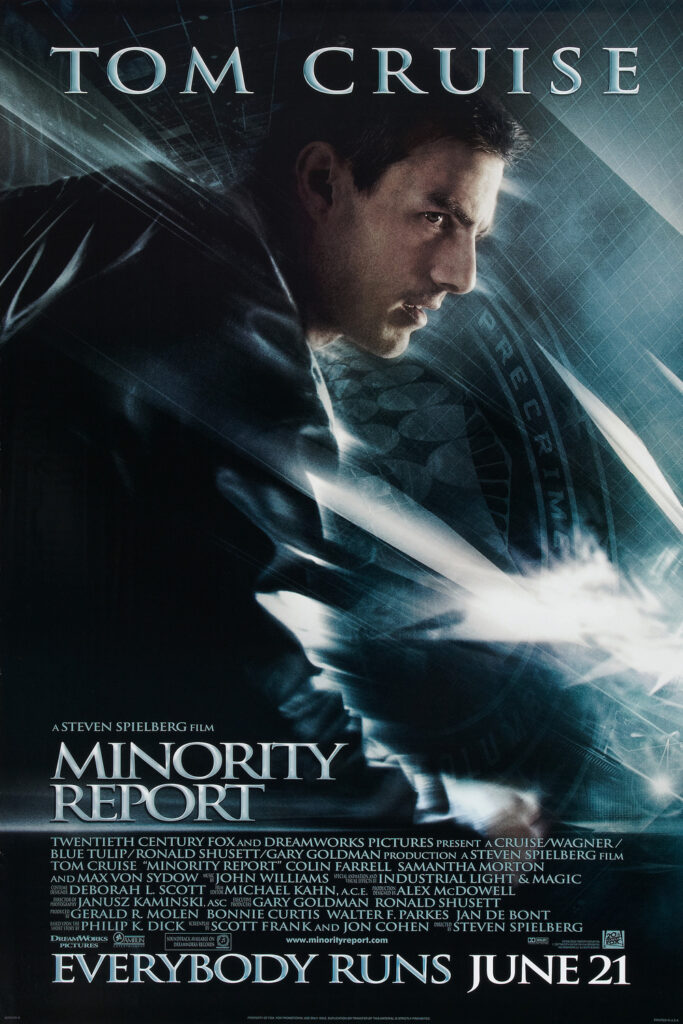
Steven Spielberg’s Minority Report combines a fast-paced, action-filled narrative with deep philosophical questions about free will and the nature of justice. Set in a future where crime is predicted and prevented before it occurs, the film follows a police officer who is accused of a crime he has yet to commit. The film’s exploration of surveillance, privacy, and the ethical dilemmas surrounding predictive technology resonates with today’s society, where similar technologies are being developed and debated. Its innovative special effects and compelling performances from Tom Cruise and Colin Farrell make it a thrilling and thought-provoking film.
Minority Report remains fresh because it explores the moral implications of using technology to control society. As issues around privacy, surveillance, and predictive algorithms become more pressing in our world, the film’s themes have only grown more relevant. Its depiction of a society where technology can predict and preemptively punish crime offers an unsettling glimpse into the future, making it a film that continues to spark conversations about the balance between security and freedom.
This article originally appeared on Avocadu.