
12 Hair Care Habits for Healthier Looking Ends in the New Year
Starting the new year with a fresh approach to your hair care routine can make all the difference for healthier, more vibrant ends. Simple changes, like reducing heat styling or using nourishing treatments, can help minimize split ends and breakage while promoting stronger, shinier hair. By focusing on habits that protect and restore your strands, you can enjoy smoother, healthier-looking hair all year long.
This post may contain affiliate links, which helps keep this content free. Please read our disclosure for more info.
Get Regular Trims
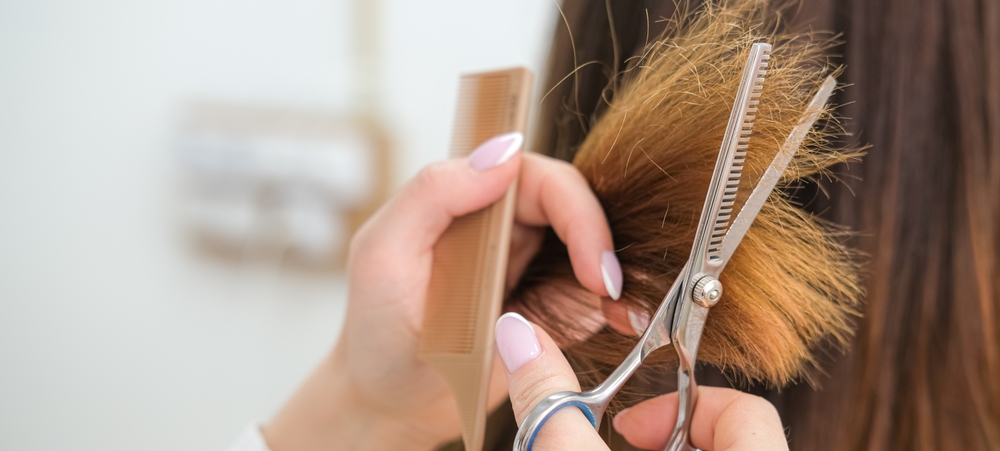
Regular trims are essential to maintaining healthy hair, as they help remove split ends and prevent further damage. When you trim your hair every 6-8 weeks, you eliminate the most damaged portion of your hair and allow for healthier growth. This habit ensures that your ends stay fresh and your hair looks fuller, bouncier, and less frizzy. Keeping up with trims may feel like a small step, but it has a significant impact on your hair’s overall health.
Hair that is regularly trimmed also tends to grow better. By cutting off split ends and breakage-prone sections, you allow the hair to grow without interference. This reduces the chance of hair looking thin or lifeless, as split ends travel up the hair shaft, making it more susceptible to breakage.
Reduce Heat Styling
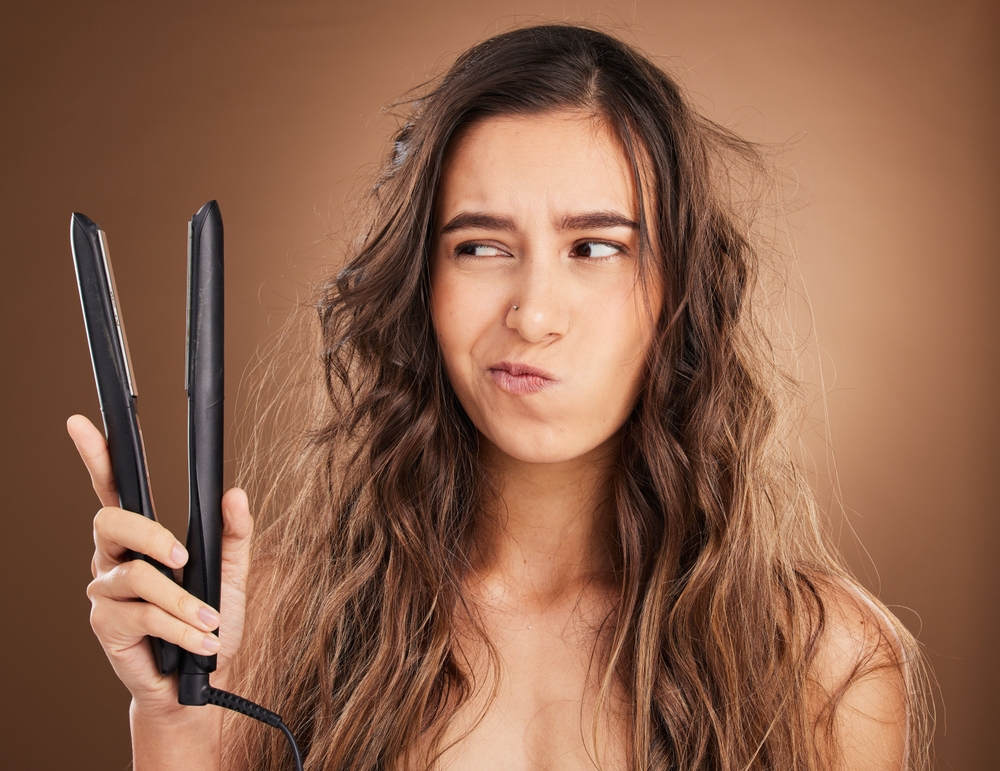
Heat styling can cause long-term damage to your hair, leading to dry, brittle ends. Reducing the use of flat irons, curling irons, and blow dryers can significantly preserve your hair’s natural moisture. Opting for heat-free styling methods, such as braiding your hair overnight for waves, can be a game-changer. Less exposure to heat means less risk of frizz and split ends, and healthier hair overall.
When heat styling is necessary, consider using a heat protectant spray. This forms a protective barrier that helps reduce the damaging effects of high temperatures. Even so, reducing heat styling as much as possible will give your hair the break it needs to stay strong and vibrant.
Use Silk Pillowcases

Silk pillowcases help reduce friction on your hair while you sleep, leading to less breakage and fewer tangles. Traditional cotton pillowcases can cause hair to rub and snag, leading to frizzy ends and split hair. Silk, on the other hand, allows your hair to glide smoothly over the surface, minimizing unnecessary friction that can weaken strands. This simple habit can significantly improve the health of your hair, especially for those with curly or fine hair.
In addition to reducing hair damage, silk pillowcases help retain moisture. Hair tends to dry out overnight on cotton pillowcases, while silk helps lock in hydration. This ensures your hair stays hydrated, preventing split ends and keeping your locks looking shiny and smooth.
Deep Condition Weekly
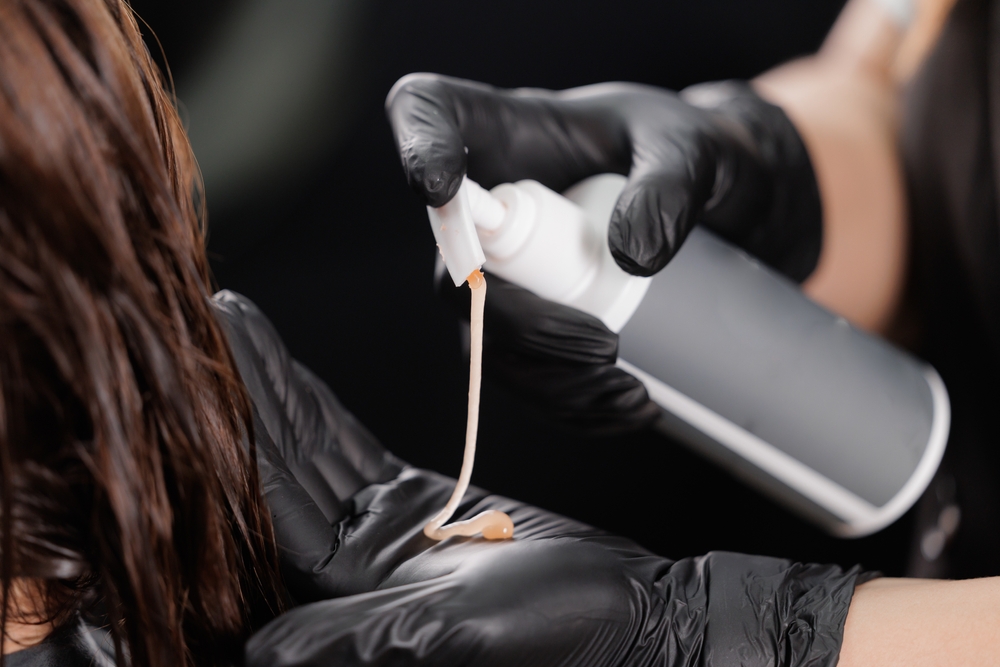
Deep conditioning treatments provide your hair with the nourishment it needs to stay hydrated and healthy. Regular deep conditioning strengthens and protects your hair, making it less likely to develop split ends or become overly dry. Look for a deep conditioner that suits your hair type, whether it’s a moisturizing formula for dry hair or a strengthening one for weak strands. Incorporating this habit into your routine allows your hair to stay nourished and resilient against environmental factors.
Applying a deep conditioner weekly also gives your hair a chance to replenish lost nutrients and maintain its softness. Unlike regular conditioners that sit on the surface, deep conditioners penetrate deeper into the hair shaft, delivering more intense moisture and protection. This is especially important for those with chemically-treated or heat-damaged hair.
Eat a Balanced Diet Rich in Vitamins and Protein

Your hair’s health starts from the inside, so eating a well-rounded diet is vital for strong, shiny strands. Protein-rich foods like fish, eggs, and legumes provide the building blocks for healthy hair. Biotin, found in nuts and avocados, promotes hair growth and helps prevent thinning. Additionally, vitamins like A, C, and E, found in fruits and vegetables, support scalp health and strengthen hair from root to tip.
A balanced diet rich in vitamins and protein ensures your hair receives all the nutrients it needs for proper growth and repair. The body prioritizes functions like organ health over hair growth, so nourishing your body with the right foods can ensure that hair receives its share of nutrients, leading to stronger, healthier ends.
Stay Hydrated

Staying hydrated is essential for maintaining healthy hair, as dehydration can lead to dry, brittle strands that break easily. Drinking enough water ensures that your hair retains moisture, which is vital for its elasticity and strength. The hydration you provide internally reflects in the condition of your hair, keeping it soft, shiny, and less prone to split ends. Hydration also supports scalp health, preventing dryness and flakiness that could lead to hair shedding.
Incorporating hydrating foods like cucumbers and watermelon into your diet can complement the effects of drinking water. Proper hydration allows your hair follicles to operate efficiently, promoting healthy hair growth. A hydrated scalp also ensures that the hair you grow is as healthy as possible, reducing the need for frequent trims due to breakage.
Gently Detangle From the Ends Up

When detangling your hair, always start from the ends and work your way up to the roots. This technique helps to minimize breakage and reduce the stress placed on delicate ends. By gently working through knots at the ends first, you prevent the tugging and pulling that can lead to hair damage. Using a wide-tooth comb or your fingers can be particularly effective for this process, ensuring that the hair is detangled without causing unnecessary friction.
This habit not only helps prevent breakage but also makes the detangling process easier and less stressful on your strands. By being gentle and patient, you can keep your hair smooth and free of split ends, ensuring it remains healthy and strong. Over time, this simple habit will lead to fewer tangles and less damage overall.
Avoid Tight Hairstyles
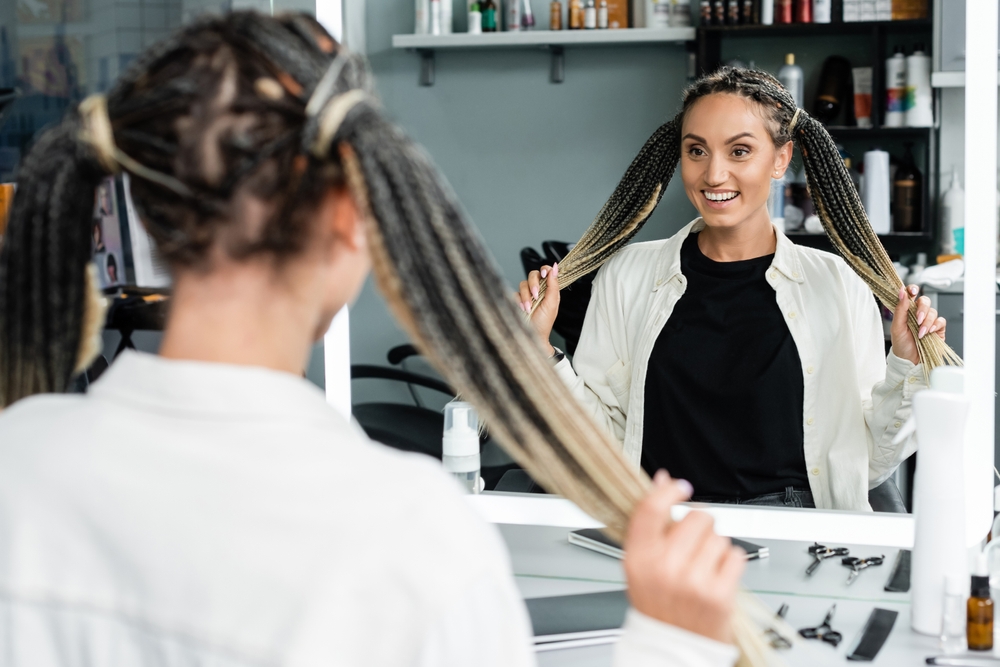
Tight hairstyles, such as ponytails or braids pulled too tightly, can stress your hair and cause damage to your ends. These styles can lead to breakage along the hairline and in areas where the hair is pulled tightest. Wearing your hair loosely or opting for more relaxed styles will minimize unnecessary strain. This simple change can help maintain the health of your ends and prevent hair from becoming weakened due to constant tension.
When your hair is constantly pulled tight, it can lead to traction alopecia, which is the gradual hair loss caused by excessive pulling. By avoiding tight hairstyles, you allow your hair to grow freely without stress. This results in stronger, healthier strands that are less prone to breakage and split ends.
Use a Heat Protectant When Styling
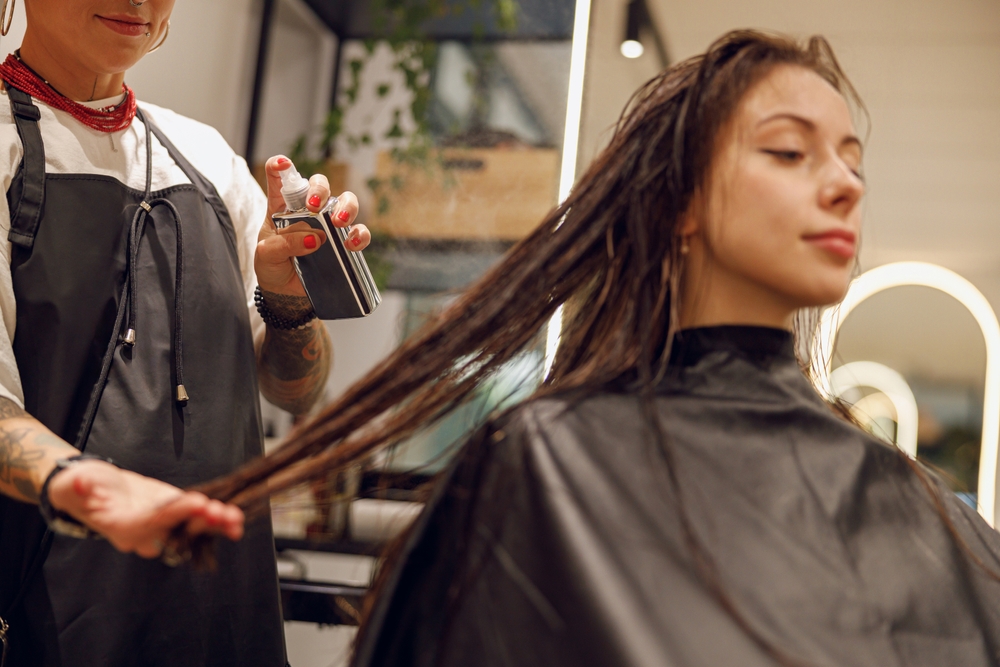
Using a heat protectant spray or serum before styling with heat is crucial for protecting your hair from damage. These products create a protective barrier that helps shield your strands from the harsh effects of hot tools. They coat your hair, ensuring that it stays hydrated and reduces the chances of heat-related damage like split ends or dry hair. Incorporating this into your routine allows you to style your hair without compromising its health.
Even if you only heat style occasionally, a heat protectant is still a necessary step to protect your hair from cumulative damage over time. Many heat protectants also contain nourishing ingredients like vitamins and oils that help maintain moisture and shine. This extra layer of protection can significantly extend the health and appearance of your hair.
Limit Chemical Treatments
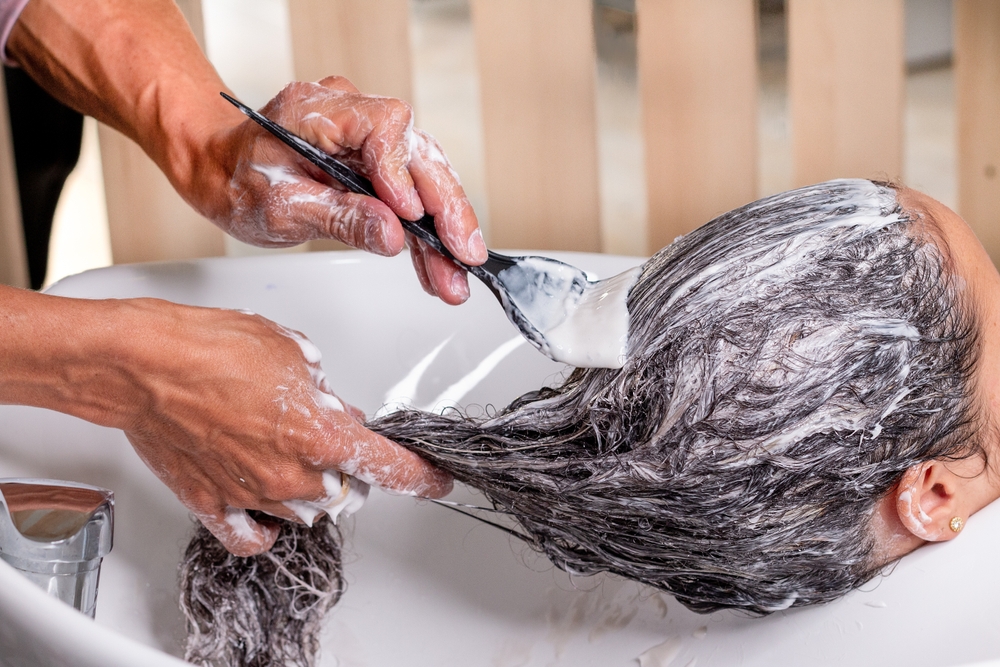
Chemical treatments, such as hair dyeing, perming, or relaxing, can weaken hair strands and lead to split ends. By limiting these treatments, you reduce the risk of hair damage and maintain the integrity of your strands. If you do choose to dye or treat your hair chemically, consider using gentler formulas or taking longer breaks between treatments to allow your hair to recover.
Chemical treatments can strip hair of natural oils, leaving it dry and brittle. This makes your ends more susceptible to splitting and breaking. Reducing chemical exposure is one of the best ways to keep your hair looking healthy, hydrated, and free of damage.
Use Sulfate-Free Shampoo
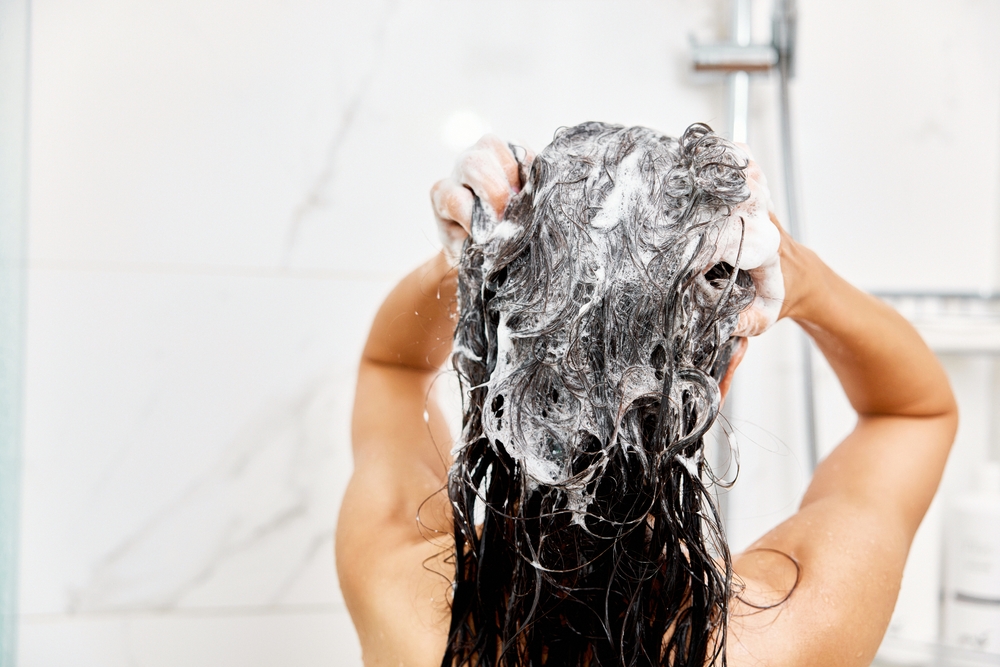
Sulfate-free shampoos are gentler on your hair and scalp, as they avoid stripping your strands of natural oils. Sulfates, commonly found in many shampoos, can dry out hair and cause it to become more prone to breakage and split ends. By switching to a sulfate-free formula, you can keep your hair hydrated and maintain its natural strength. These shampoos also help preserve color-treated hair, making it less likely to fade or become brittle.
Sulfate-free shampoos cleanse your hair without harsh chemicals, ensuring that your ends stay moisturized and healthy. Over time, this habit can improve the overall texture of your hair, making it softer, shinier, and less prone to damage. It’s a simple yet effective change that makes a big difference in the health of your hair.
Sleep with Loose Hair

Sleeping with your hair loose, rather than tied up in tight styles, allows your hair to rest naturally without being pulled or stressed. This can help prevent breakage and split ends that often result from tight ponytails or braids. Additionally, allowing your hair to breathe overnight can help maintain its natural moisture and prevent dryness. Opting for loose hairstyles like loose braids or leaving your hair down can give it the freedom to stay healthy.
Sleeping with your hair loose also allows the hair to move naturally as you sleep, reducing friction that might otherwise lead to tangles and split ends. This habit keeps your hair from becoming stressed overnight, ensuring that it remains healthy and manageable the next day. It’s a simple change that helps reduce the need for frequent trims and keeps your ends looking fresh.
This article originally appeared on Avocadu.