
18 Ancient Trees Still Around Today That Predate Modern Forests
Ancient trees have a way of standing out, not just because of their size, but because of the deep connection they represent to our planet’s history. These remarkable trees have been growing for thousands of years, long before modern forests took shape. As they tower above the landscape, they offer a glimpse into a time when the Earth was a very different place. Some of these trees have survived through ice ages, shifting climates, and countless natural changes. Their resilience and endurance are truly awe-inspiring, making them a living testament to nature’s ability to adapt. These ancient giants are not just plants but symbols of the enduring power of life itself.
This post may contain affiliate links, which helps keep this content free. Please read our disclosure for more info.
Methuselah – The Great Basin Bristlecone Pine
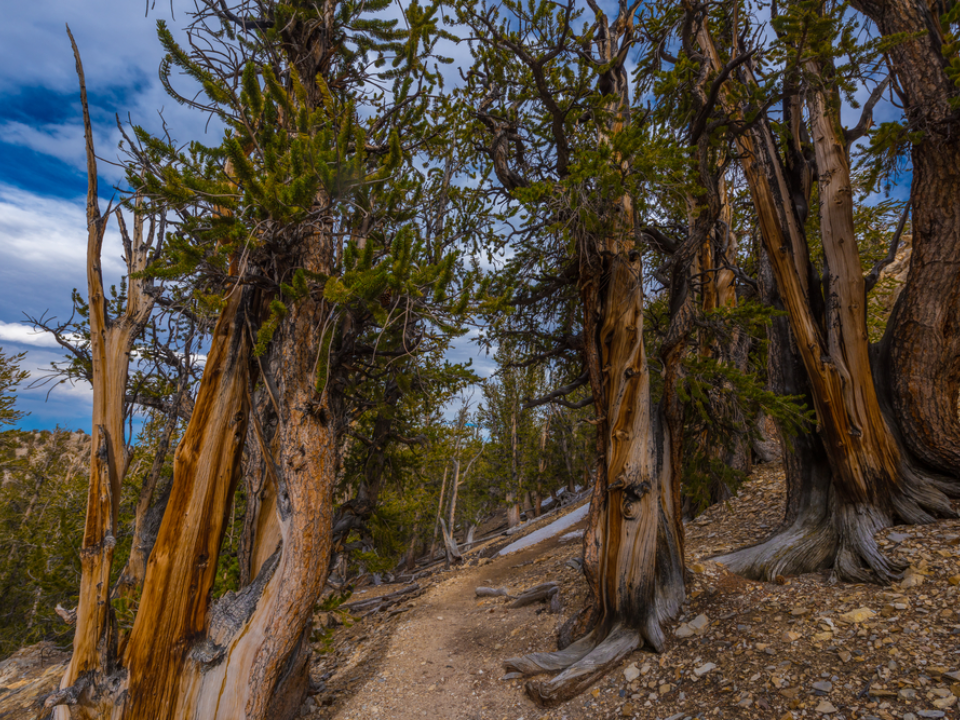
Methuselah, located in the White Mountains of California, is one of the oldest known living trees, estimated to be over 4,800 years old. This ancient bristlecone pine survives in harsh, high-altitude conditions, where few other plants can thrive. The tree has stood the test of time through severe weather and a dry environment, making it an impressive example of resilience. Methuselah is part of a small group of trees in the Great Basin that are regarded as some of the longest-living organisms on Earth.
Visitors can hike near the area, though the exact location of Methuselah remains undisclosed to protect it from potential harm. This tree is not only a symbol of endurance but also offers insight into the environmental conditions that shaped ancient forests. By studying trees like Methuselah, scientists gain valuable data on climate patterns and tree longevity.
Old Tjikko – Norway Spruce
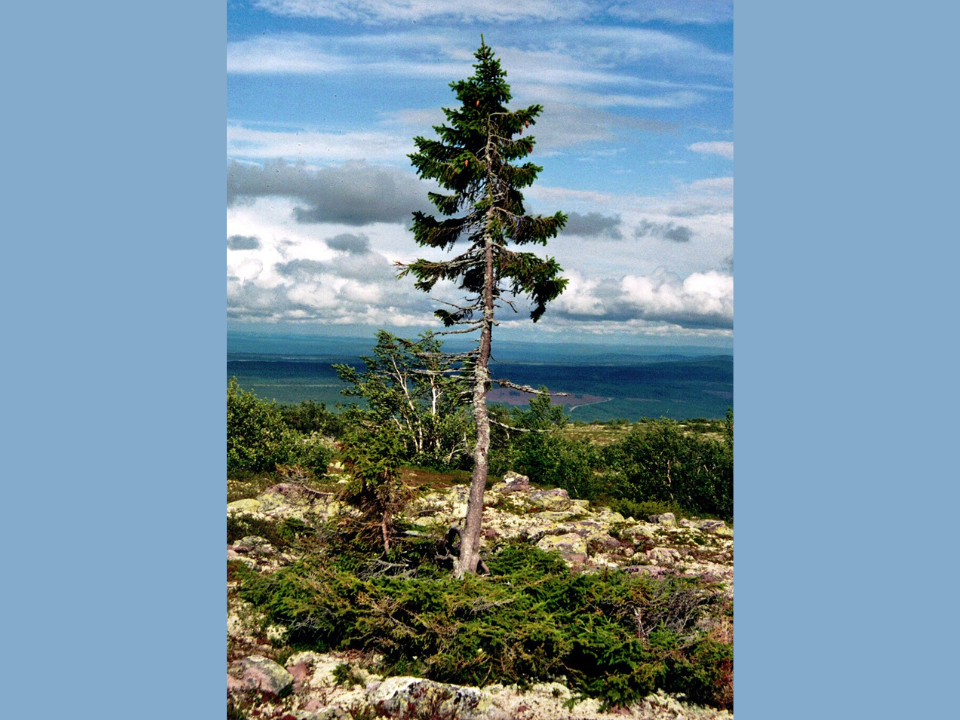
Old Tjikko, found in Sweden’s Fulufjället Mountain, holds the title of one of the oldest living trees in the world at around 9,560 years old. While the tree’s above-ground trunk is relatively young, the root system has been alive for thousands of years, making it an extraordinary example of longevity. This Norway spruce has survived through glacial periods, adapting to the changing environment over millennia. Its unique feature is its ability to clone itself through the growth of new trunks from its root system, which helps it persist despite environmental changes.
Old Tjikko’s location, in a remote Swedish forest, allows it to continue growing undisturbed by human activity. Its age and resilience make it a subject of interest for dendrologists studying plant survival strategies. It provides a fascinating example of how ancient trees have adapted to the challenges of a constantly changing world.
Sarv-e Abarqu – Cypress of Abarqu
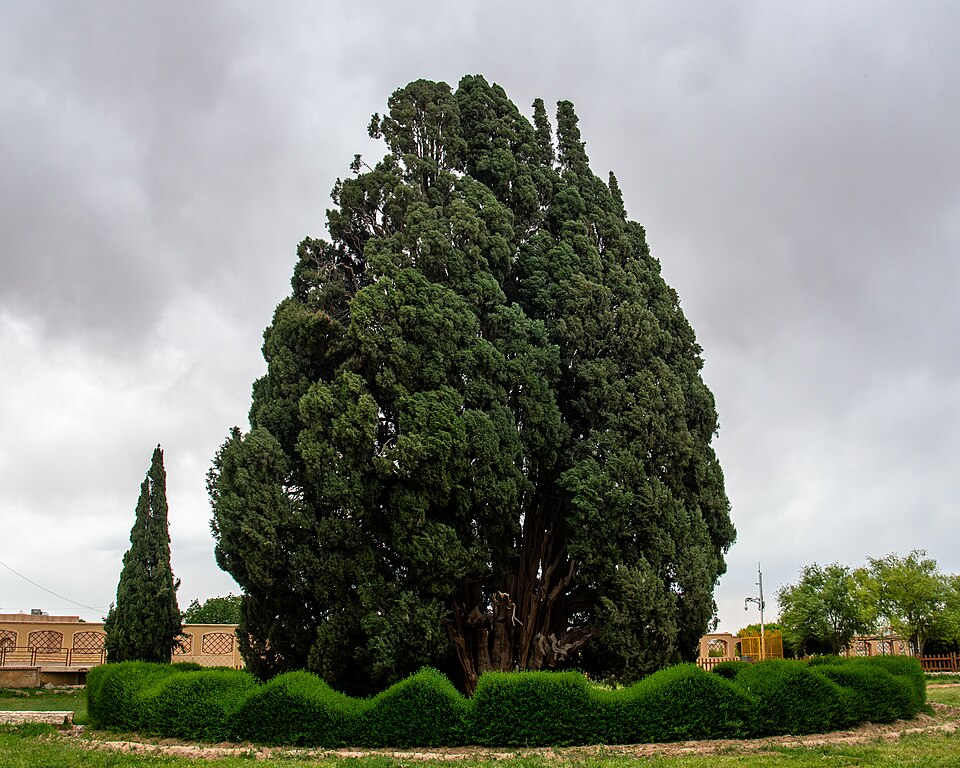
The Sarv-e Abarqu, an ancient cypress tree located in Abarqu, Iran, is estimated to be over 4,000 years old. This tree holds cultural significance for locals and visitors alike due to its age and the role it plays in the region’s history. The Sarv-e Abarqu thrives in an arid environment, with its deep roots providing stability in a landscape where few other plants can survive.
The tree’s large, twisted trunk has become a symbol of strength and endurance. As one of the oldest trees in the Middle East, it represents the long-standing relationship between humans and nature in this region. This tree is part of a historical site, making it an essential part of Iranian heritage. Its continued survival through centuries of change makes it a powerful reminder of nature’s persistence.
Jomon Sugi – Yakushima Island, Japan
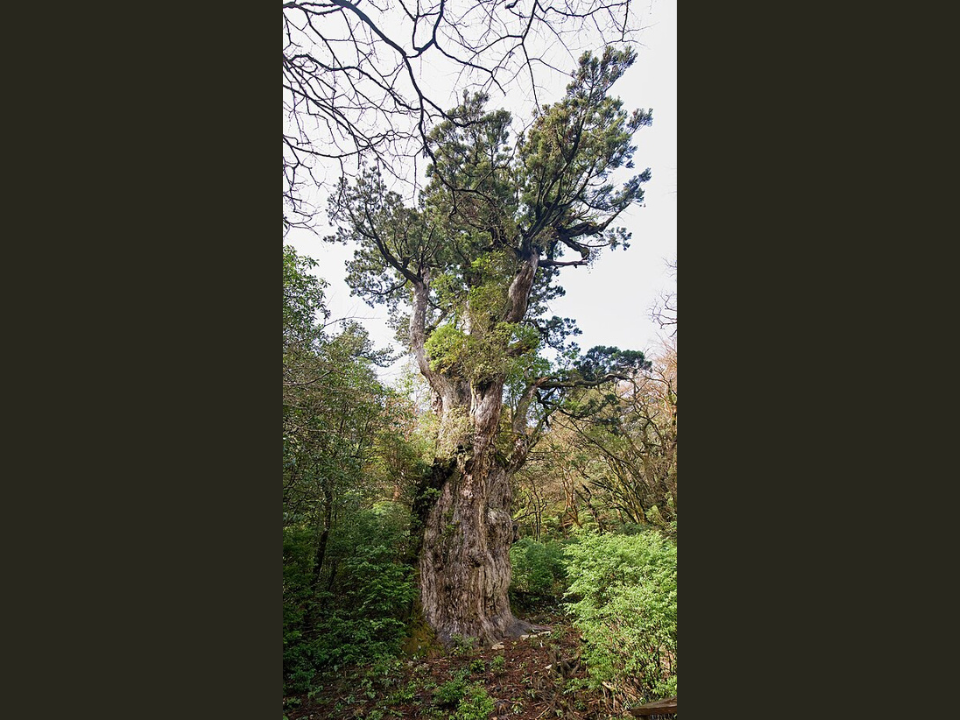
Jomon Sugi, located on Yakushima Island in Japan, is estimated to be between 2,170 and 7,200 years old, depending on the method of measurement. This ancient cryptomeria tree is nestled in a lush, mist-covered forest that is a UNESCO World Heritage Site. The tree’s massive trunk, gnarled and covered in moss, is a spectacular sight for visitors who make the trek to see it.
The age of the tree is based on both dendrochronological data and local folklore, which attributes it to the Jomon period of ancient Japan. Jomon Sugi’s survival is a testament to the ancient ecosystems of Yakushima Island, where subtropical and temperate rainforests meet. The tree is a symbol of strength and endurance in the face of harsh weather and isolation. Its mystical appearance and historical significance make it one of the most famous living trees in Japan.
The Pando – Trembling Giant
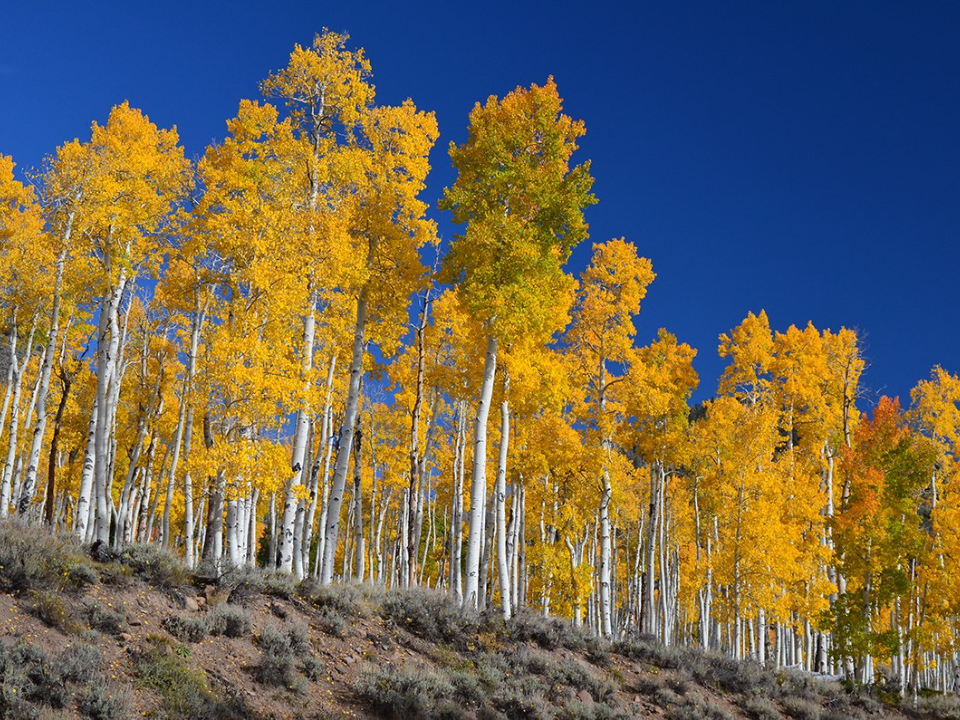
Pando, located in the Fishlake National Forest in Utah, is a clonal colony of quaking aspens that has existed for thousands of years. While the visible trees may only be around 100 years old, the root system has been alive for an estimated 80,000 years, making it one of the oldest living organisms on the planet. Pando covers over 100 acres and consists of genetically identical trees, all connected by the same root system.
This sprawling organism is considered to be the heaviest known living organism, weighing an estimated 6,000 tons. The trees of Pando are constantly regenerating through new shoots, a process that allows the colony to persist despite the individual trees’ relatively short lifespans. The age of Pando provides insight into the survival strategies of plants that thrive over millennia. Efforts are being made to protect this extraordinary natural wonder from threats like disease and environmental changes.
The Alerce – Patagonian Cypress
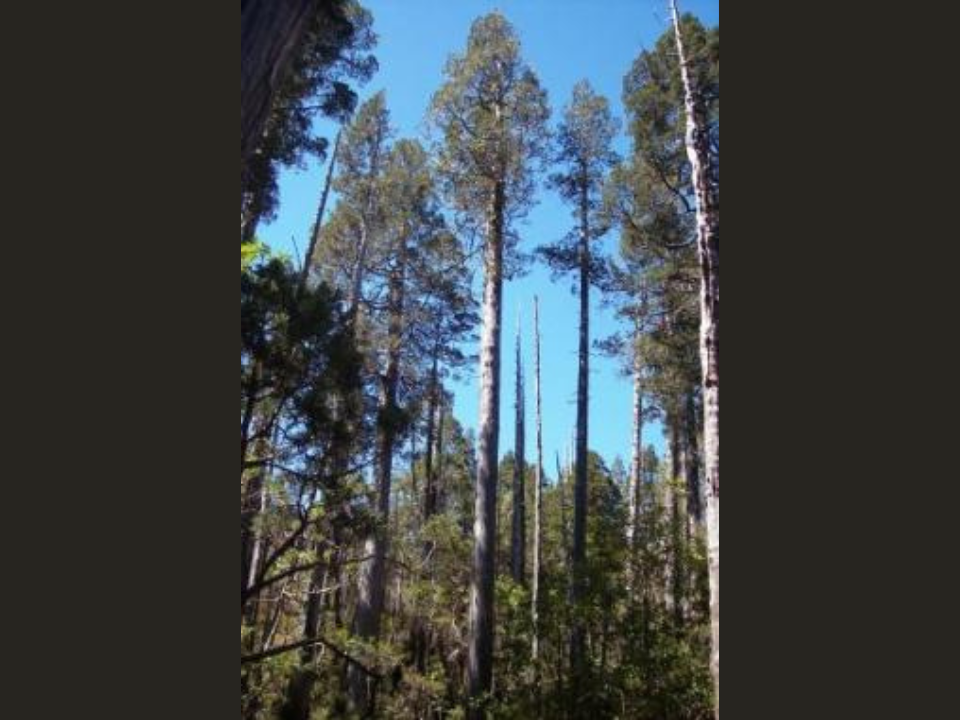
The Alerce tree, found in the Andes of Chile and Argentina, is one of the oldest and largest trees in South America. Some specimens are believed to be over 3,600 years old. The Alerce is known for its massive size, with trunks that can reach over 10 feet in diameter. These trees have been growing in the temperate rainforests of Patagonia, where they have developed an ability to survive harsh winds, cold temperatures, and frequent rainfall.
The Alerce’s thick, water-resistant bark helps protect it from fire and pests, contributing to its longevity. These ancient trees are now protected by national parks to ensure their survival. As one of the oldest species of conifer, the Alerce offers a glimpse into the past, long before modern forests began to take shape.
The Olive Tree of Vouves – Crete, Greece
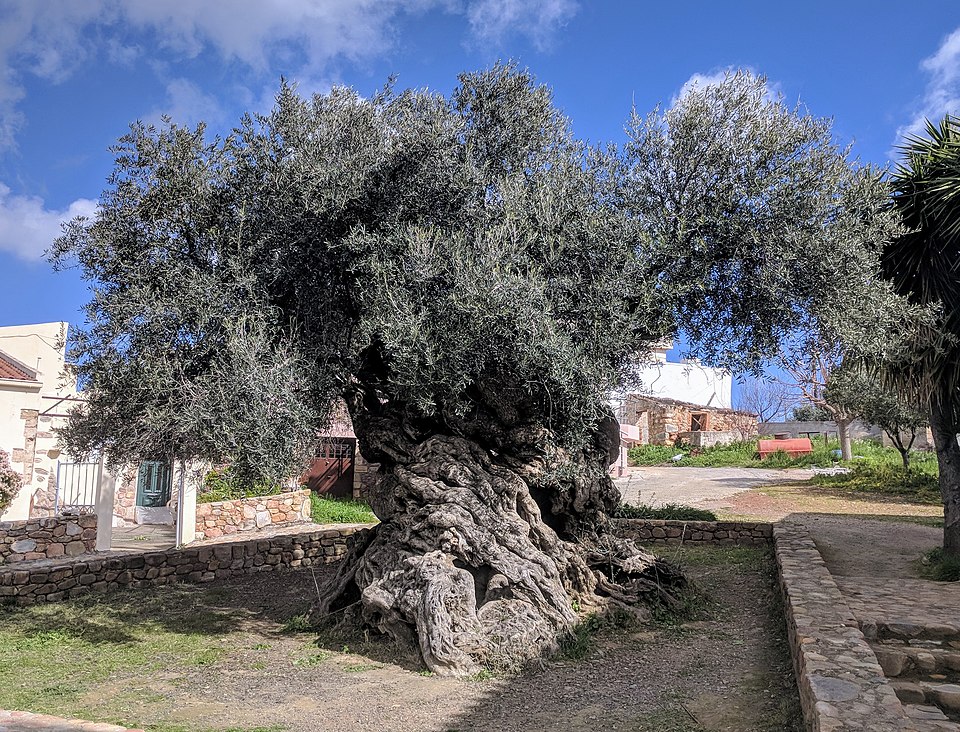
The Olive Tree of Vouves, located on the Greek island of Crete, is over 2,000 years old. This ancient olive tree has been producing olives for centuries, making it an enduring symbol of the Mediterranean way of life. Its twisted trunk and gnarled roots stand as a testament to its long history and the agricultural practices of ancient civilizations.
Olive trees like this one were essential to the economies of early societies, providing food, oil, and wood. The Olive Tree of Vouves is still alive and producing olives, which are harvested by local farmers. Its age and the continuous cycle of fruit-bearing make it a vital piece of living history. The tree is both a cultural treasure and a reminder of the importance of agriculture in shaping ancient societies.
Alerce Costero – Coastal Chile
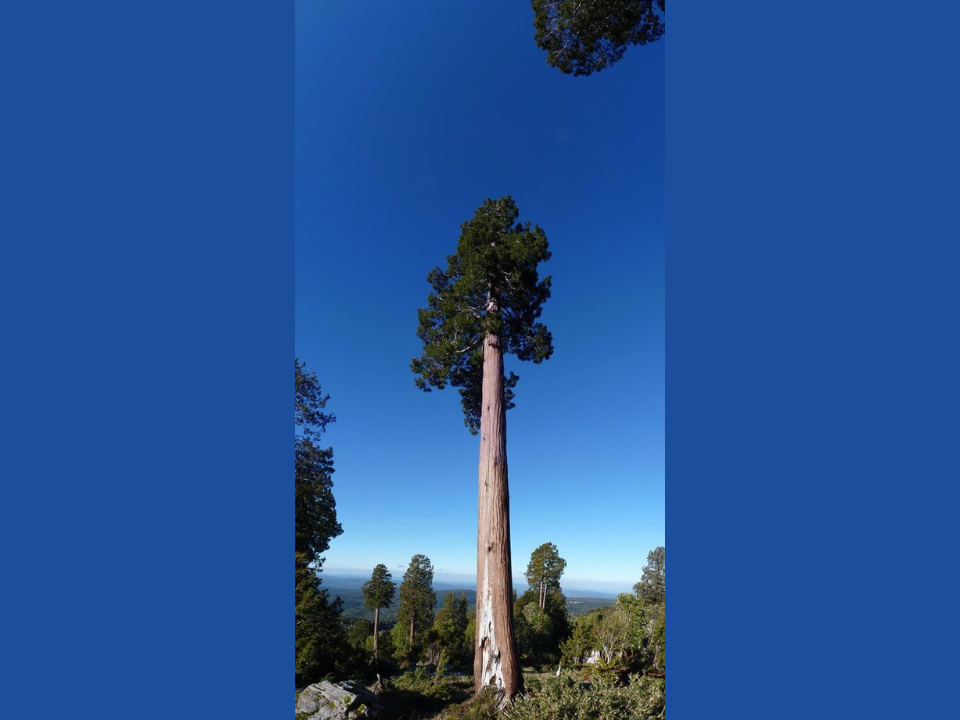
Alerce Costero, another species of the Alerce tree, is found along the coastal region of Chile. These trees can live for over 3,000 years, with some individuals estimated to be at least 5,000 years old. They grow in the temperate rainforests of southern Chile, where the cool, moist climate provides the perfect conditions for long-term survival. These trees can grow to enormous heights, with some reaching over 160 feet. Alerce Costero’s wood is highly resistant to rot, making it valuable for construction purposes. However, the harvesting of these trees has been restricted to protect them, as they are now considered a national treasure. The long lifespan and incredible size of Alerce Costero make it a remarkable part of the world’s natural heritage.
The Bunya Tree – Queensland, Australia
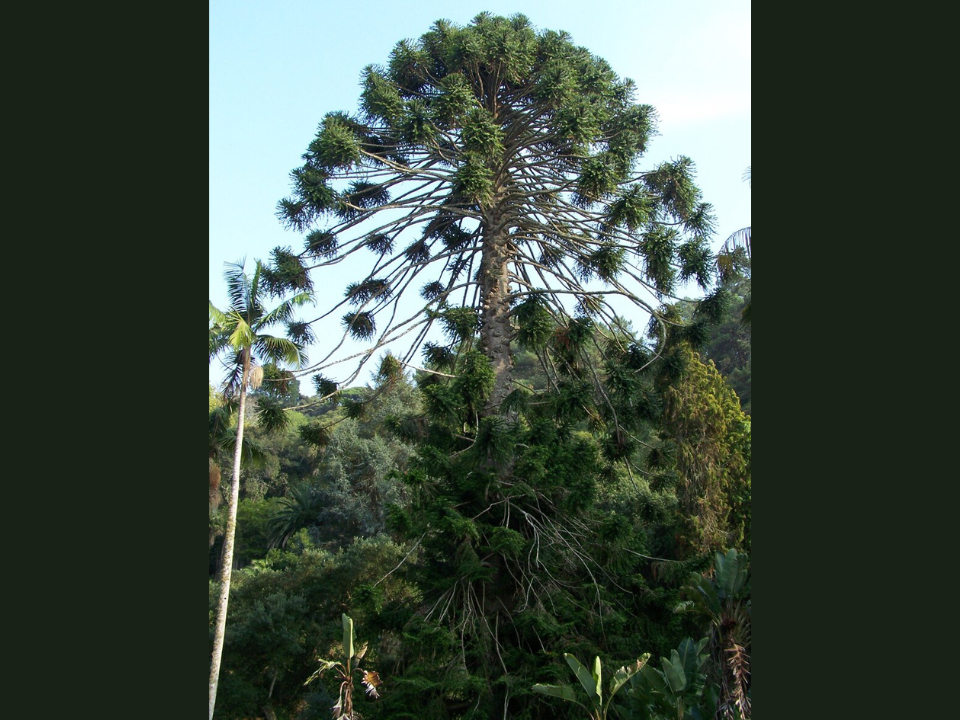
The Bunya Tree, native to the rainforests of Queensland, Australia, is an ancient species that has been around for over 1,000 years. The tree’s towering presence can reach over 130 feet, with a massive trunk that can grow up to 4 feet in diameter. The Bunya Tree is famous for its large, edible cones, which were traditionally harvested by Indigenous Australians.
These cones contain nutritious seeds that were an important food source in the region for thousands of years. The Bunya Tree has a long cultural significance, and its seeds were traded among different Indigenous groups. Today, the Bunya Tree remains a revered part of Australia’s natural heritage, with several groves being protected for their historical and ecological importance. It serves as a connection to the land’s ancient past, where people and nature have coexisted for centuries.
The Baobab Tree – Madagascar, Africa

Baobab trees, known as the “tree of life,” are ancient trees that have been standing for thousands of years in Madagascar and parts of Africa. Some baobabs are estimated to be over 6,000 years old, with their unique, wide trunks storing water to survive harsh dry periods. These trees have thick, bark-covered trunks that store up to 32,000 gallons of water, allowing them to endure through droughts.
The baobab’s fruit, which is rich in vitamin C, is a valuable resource for local communities. Baobabs are also known for their striking appearance, with their large, bare branches that give the appearance of roots sticking up into the air. The longevity and resilience of baobabs make them a vital part of the ecosystems in which they grow. Their ability to survive extreme conditions and provide resources for both wildlife and humans is a remarkable example of nature’s adaptability.
The Chestnut Tree of One Hundred Horses – Sicily, Italy
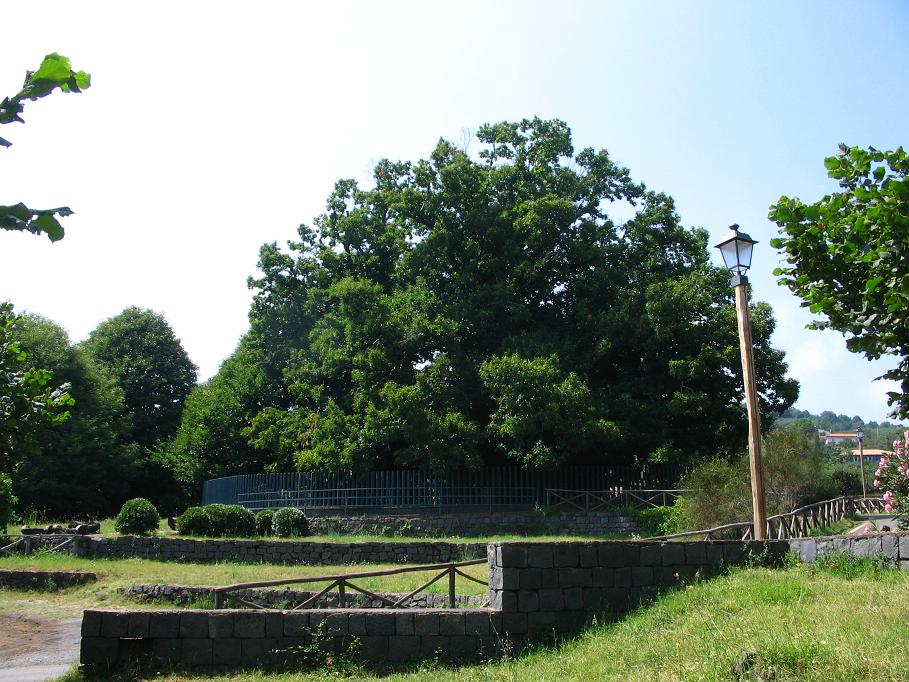
The Chestnut Tree of One Hundred Horses, located in the village of Sant’Alfio on the island of Sicily, is believed to be over 2,000 to 3,000 years old. This ancient tree is famous for its immense size, with a trunk so wide that it has multiple hollow sections. The tree’s name comes from a legend about a group of 100 knights who sought shelter under its vast canopy during a storm.
The tree’s age and remarkable spread make it one of the oldest and largest chestnut trees in the world. The Chestnut Tree of One Hundred Horses continues to thrive, despite its age and the challenges it has faced over the centuries. The tree is both a natural wonder and an important part of local folklore and cultural history. It stands as a living testament to the enduring strength of nature and its ability to survive through the ages.
The General Sherman Tree – Sequoia National Park, California
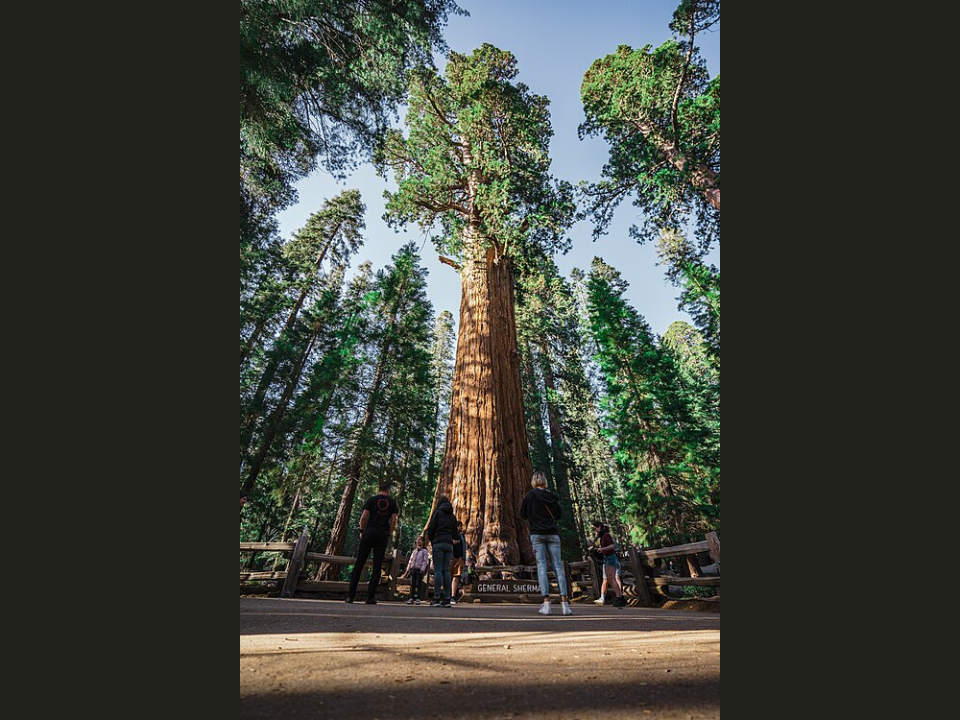
The General Sherman Tree, located in Sequoia National Park, California, is the largest tree on Earth by volume. While it is not the oldest, it is certainly one of the most famous ancient trees in the world, with an estimated age of around 2,200 years. This giant sequoia stands at 275 feet tall and has a trunk that measures over 36 feet in diameter.
The General Sherman Tree’s size and grandeur make it a symbol of the immense scale of nature. Despite its age, the tree continues to grow, and its massive size makes it an awe-inspiring sight for visitors. The Sequoia National Park, where the tree resides, is home to many other ancient sequoias, some of which are over 3,000 years old. This tree is a significant part of the park’s ecosystem and offers valuable insight into the longevity and survival strategies of the sequoia species.
The Ponderosa Pine – Yellowstone National Park
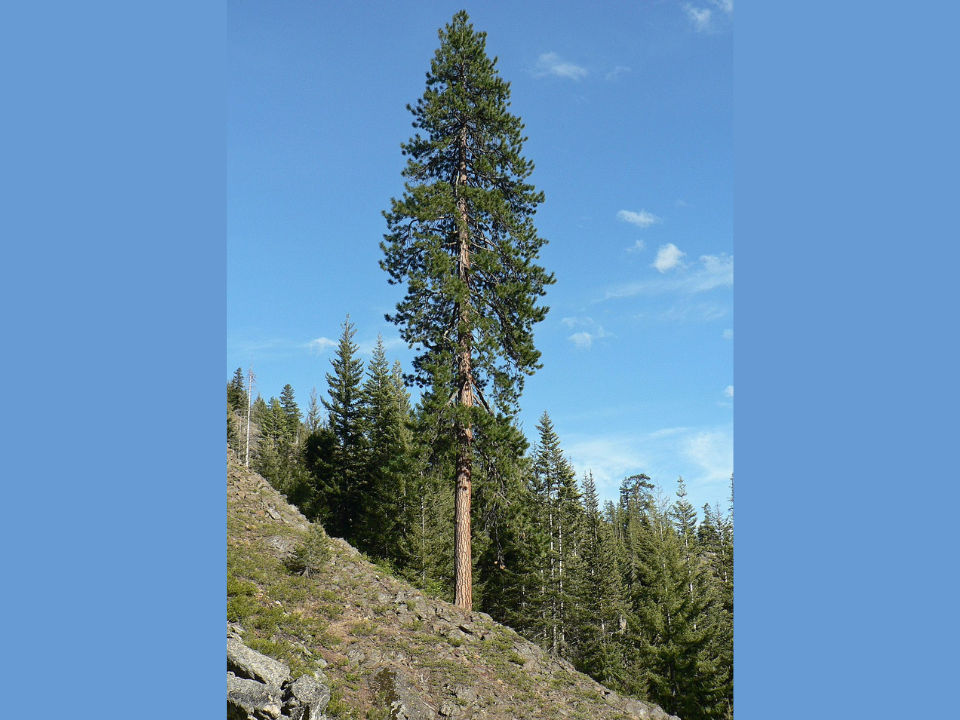
The Ponderosa Pine, a species native to the western United States, is known for its ability to survive in harsh conditions for several centuries. Some individual trees in Yellowstone National Park are estimated to be over 1,000 years old. The Ponderosa Pine is famous for its thick bark, which helps protect it from forest fires and extreme temperatures.
The tree’s strong, tall trunks can grow up to 200 feet, and its age is determined by both growth rings and environmental factors. These trees play an important role in the park’s ecosystem by providing shelter and food for wildlife. Their resilience to fire and the elements allows them to persist in the face of changing climates. Ponderosa Pines continue to thrive in Yellowstone, making them one of the park’s most iconic and enduring species.
The Olive Tree of Lura – Cyprus
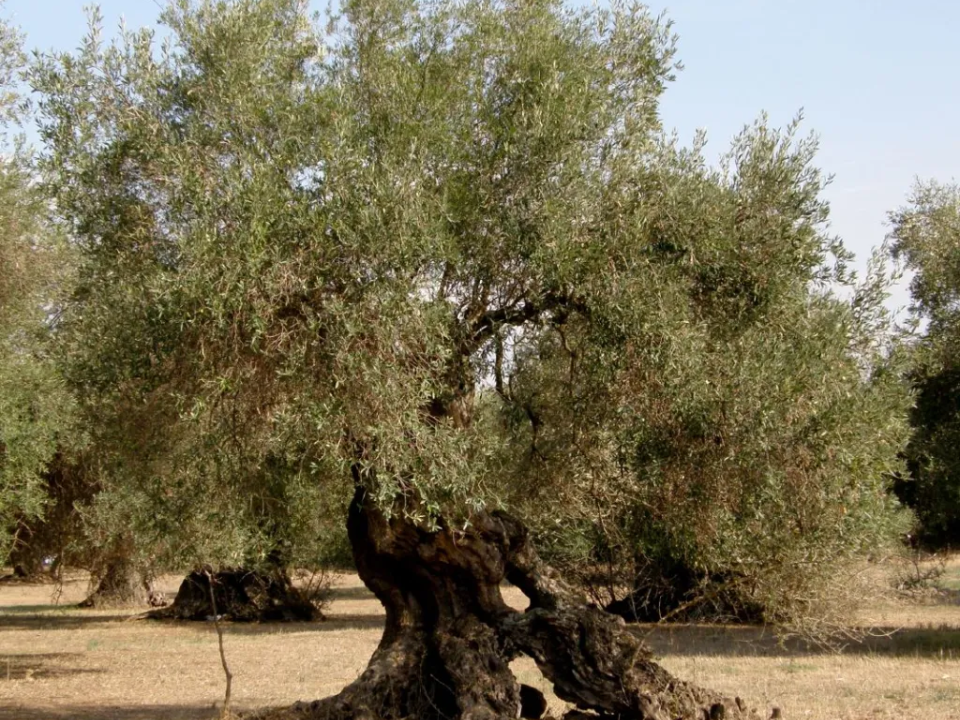
The Olive Tree of Lura, located in Cyprus, is one of the oldest and most revered olive trees in the world. It is believed to be over 3,000 years old, making it a living relic of ancient Mediterranean civilizations. The tree is still producing olives, which are harvested by local farmers, continuing a long-standing tradition. The Olive Tree of Lura is a symbol of peace, resilience, and longevity, having withstood centuries of political turmoil and environmental change.
It holds cultural significance for the people of Cyprus, who regard it as a sacred part of their heritage. The tree’s twisted trunk and gnarled branches are a testament to the passage of time and the connection between humans and nature. This ancient olive tree offers insight into the agricultural practices that shaped the region over millennia.
The Banyan Tree – Kolkata, India
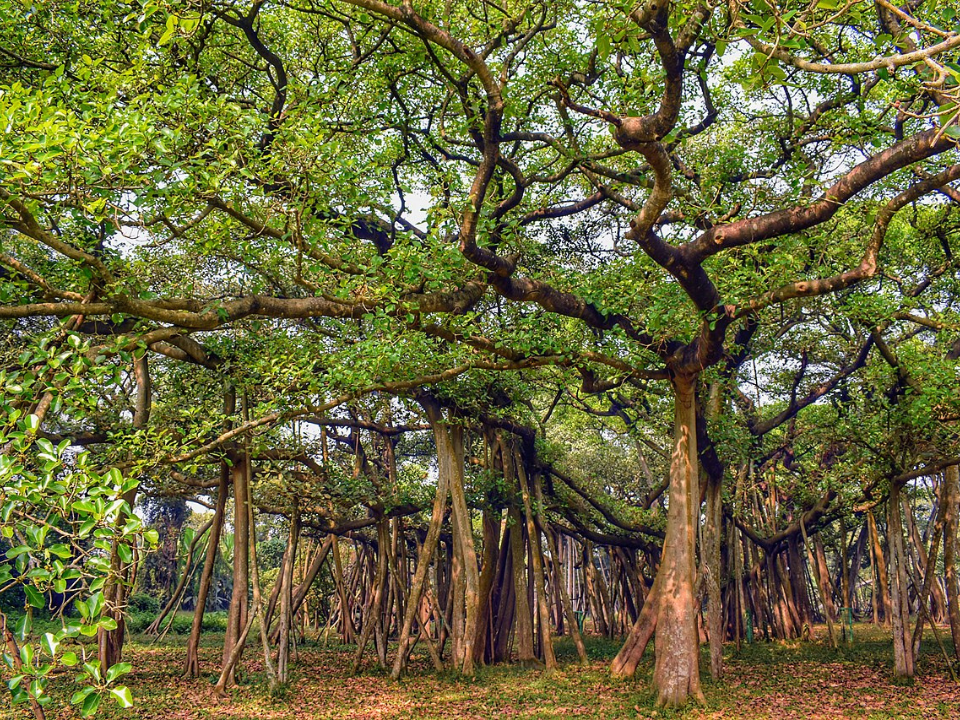
The Banyan Tree in Kolkata, India, is not only an ancient tree but also a symbol of immortality and endurance in Indian culture. It is believed to be over 250 years old and has grown into a massive network of interconnected trunks and roots. The Banyan Tree is known for its unique growth pattern, with aerial roots that grow downwards from its branches, eventually forming new trunks.
These trees can spread over vast areas, making them one of the most expansive tree species in the world. The tree in Kolkata is an important part of the local community, providing shade and shelter to countless birds, animals, and people. Its wide, spreading canopy makes it a favorite spot for relaxation and gatherings. The Banyan Tree’s longevity and ability to adapt to its environment make it an enduring symbol of strength.
The Yew Tree of Fortingall – Scotland
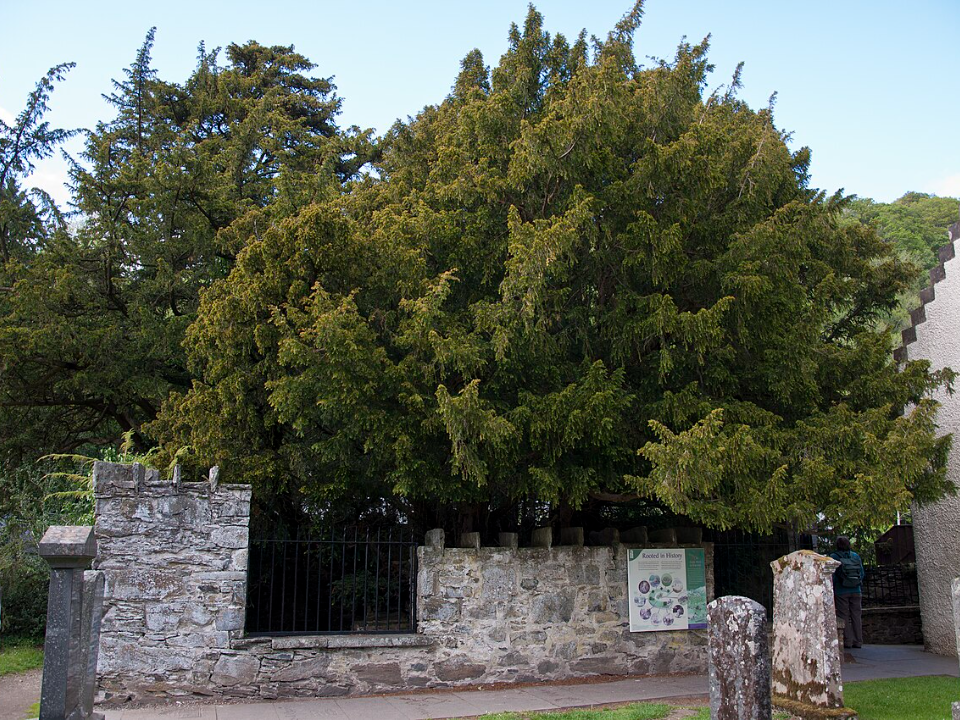
The Yew Tree of Fortingall, located in the village of Fortingall in Scotland, is estimated to be over 5,000 years old. This ancient tree is one of the oldest living organisms in Europe and has been a part of local mythology for centuries. The tree’s age is difficult to confirm due to its hollow trunk, but it is thought to have been growing long before the rise of the Roman Empire.
The Yew Tree of Fortingall has long been a site of reverence, with locals considering it a sacred place. Despite its hollowed-out trunk, the tree continues to sprout new growth and remains a symbol of endurance. Yew trees, in general, are known for their longevity, and this particular specimen is one of the most famous in the world. The Yew Tree of Fortingall is an integral part of Scotland’s natural and cultural heritage.
The Wollemi Pine – Wollemi National Park, Australia
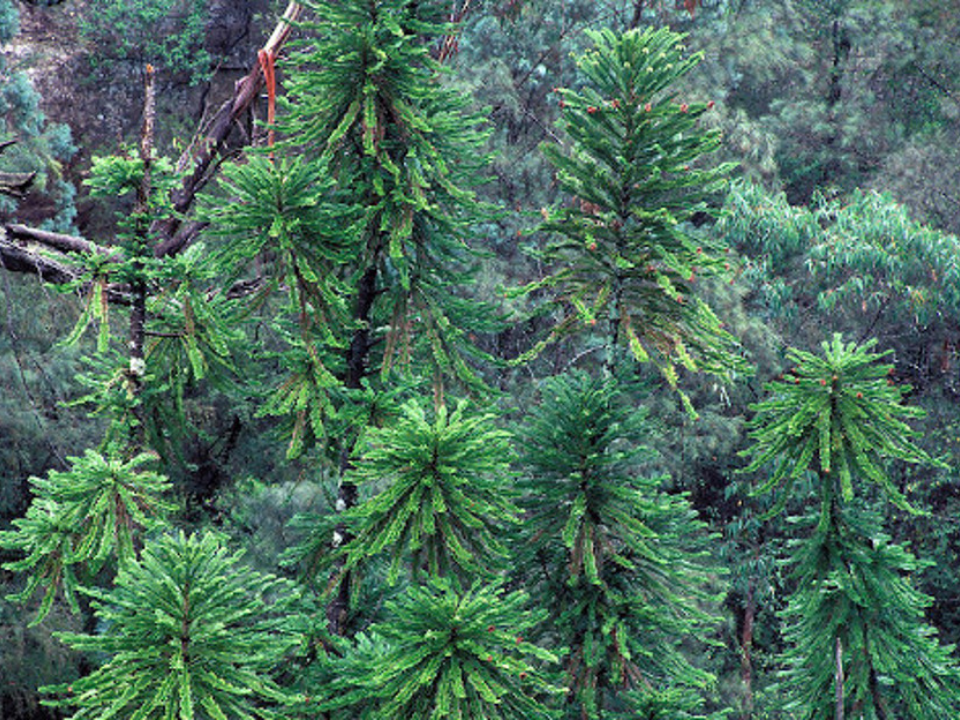
The Wollemi Pine, located in Wollemi National Park in Australia, is a rare and ancient species that was thought to be extinct until its rediscovery in 1994. This tree has been around for over 200 million years, dating back to the time of the dinosaurs. The Wollemi Pine’s unique appearance, with its dark green foliage and bubbling bark, makes it easily recognizable. Due to its rare status, the tree is carefully protected, and only a small number are known to exist in the wild.
The rediscovery of the Wollemi Pine was one of the most significant botanical events in recent history, providing insight into the ancient flora that once thrived on Earth. It is a living link to the distant past, offering researchers a glimpse into the Earth’s ancient plant life. Conservation efforts continue to protect this unique species from threats such as disease and climate change.
The Sequoia Sempervirens – Northern California
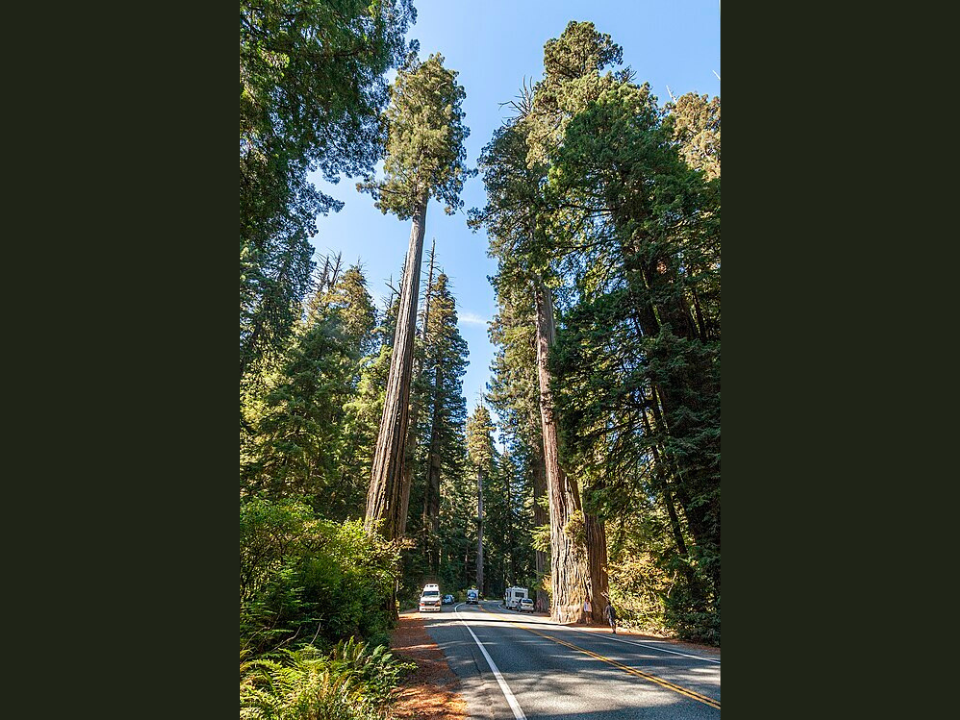
The Sequoia Sempervirens, also known as the coast redwood, is one of the tallest tree species in the world, with some individuals reaching over 380 feet in height. These trees can live for over 2,000 years and are part of the ancient forest ecosystems along the coast of Northern California. The Sequoia Sempervirens thrives in the foggy, temperate climate, which provides the moisture necessary for their survival.
These towering trees are known for their massive trunks and thick bark, which help protect them from fires and insects. The Sequoia Sempervirens is a keystone species in its ecosystem, supporting a wide variety of plant and animal life. Their size and longevity make them a testament to the resilience and adaptability of ancient forests. The giant sequoias of California are some of the most iconic and well-preserved trees in the world.
This article originally appeared on Avocadu.