
13 Rare Plants That Have Survived Since Dinosaur Times
Some plants have stood the test of time, surviving through eras of dramatic change and even the age of dinosaurs. These remarkable species have witnessed the rise and fall of ancient creatures, adapted to shifting climates, and endured through centuries of environmental challenges. While many plants have come and gone, these survivors offer a glimpse into the distant past. Their unique features and resilience continue to captivate botanists and nature lovers alike. Whether thriving in harsh deserts or dense forests, these plants have proven their ability to adapt and flourish.
This post may contain affiliate links, which helps keep this content free. Please read our disclosure for more info.
Ginkgo Biloba
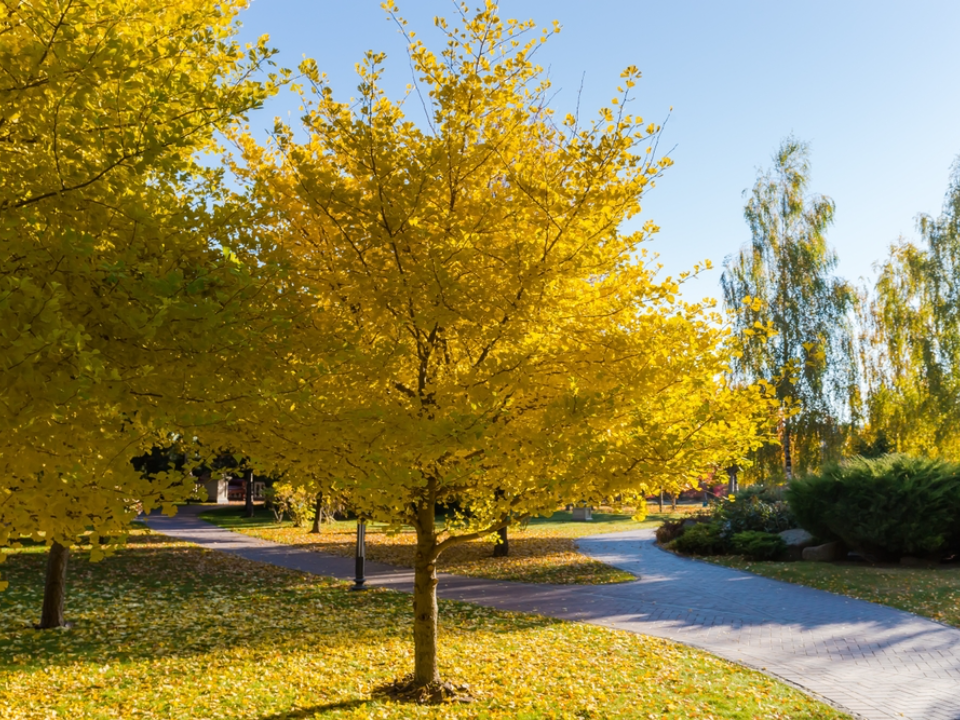
Ginkgo biloba, often referred to as a “living fossil,” is one of the oldest tree species still in existence. It has been around for over 200 million years, surviving numerous climate changes and environmental shifts. Despite its ancient lineage, the ginkgo tree is still valued for its unique fan-shaped leaves and impressive resilience. It has adapted to a wide range of environments, making it a popular ornamental tree in cities and parks worldwide.
The ginkgo’s ability to tolerate pollution and urban conditions has contributed to its ongoing survival. In traditional medicine, the ginkgo is known for its potential benefits to cognitive function and circulation. Though it was once thought to be extinct, its rediscovery in China in the 17th century proved its lasting survival.
Cycads

Cycads are a group of plants that have existed for more than 280 million years, dating back to the late Paleozoic era. These plants are characterized by their palm-like appearance and large, leathery leaves. Cycads flourished during the age of dinosaurs, providing food and shelter for various prehistoric creatures.
Today, cycads remain relatively unchanged, continuing to thrive in tropical and subtropical regions. They have adapted to a variety of climates, ranging from dry, desert-like environments to humid rainforests. Some species are now endangered due to habitat loss and poaching, making them rare plants to find in the wild. Nonetheless, they are still highly prized by collectors and botanists due to their ancient history.
Wollemi Pine
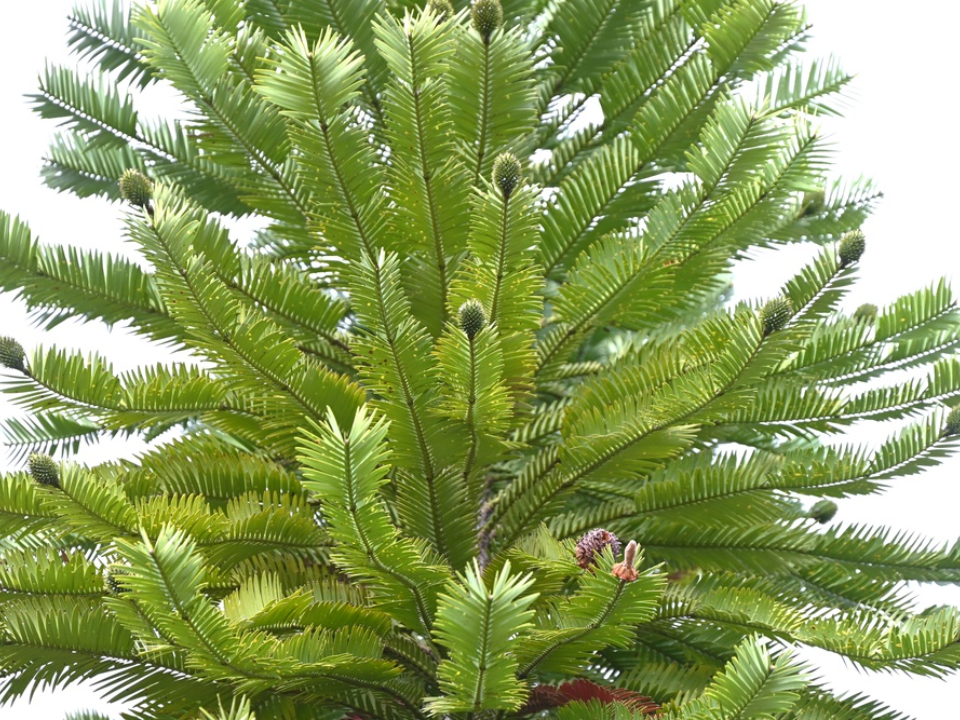
The Wollemi pine is an extraordinary conifer that was thought to be extinct until its rediscovery in 1994 in a remote part of Wollemi National Park in Australia. This tree species dates back to the time of the dinosaurs and belongs to a group known as “living fossils.” The Wollemi pine has survived for over 90 million years, maintaining its distinctive dark green, prickly foliage and unique growth patterns.
It is a rare and valuable plant due to its prehistoric origins and the fact that it was believed to be extinct for so long. Since its rediscovery, efforts have been made to conserve and propagate this remarkable species. Today, the Wollemi pine is grown in a limited number of botanical gardens and is carefully monitored to ensure its continued survival.
Horsetails
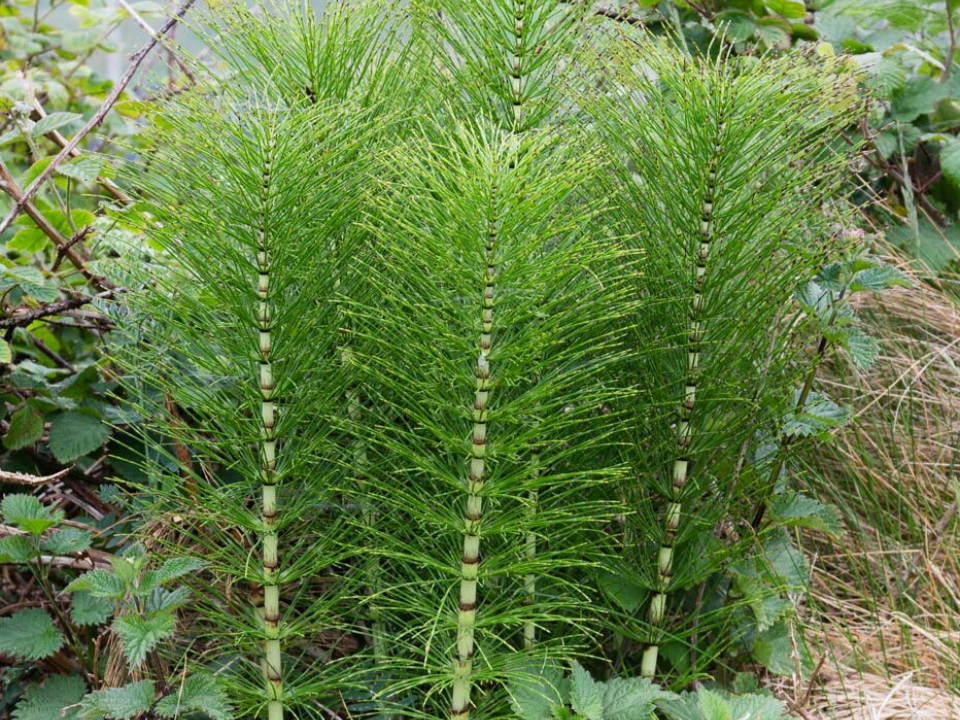
Horsetails, or Equisetum, are ancient plants that have existed for over 350 million years, making them one of the oldest surviving plant species. These plants were once much larger and more tree-like, reaching heights of over 30 feet during the Carboniferous period. Today, horsetails are much smaller and are often found growing along riverbanks, in wetlands, and in forests.
Despite their reduced size, horsetails have retained their primitive characteristics, such as jointed stems and small, needle-like leaves. These plants are known for their ability to thrive in damp environments and have been used in traditional medicine for their purported healing properties. Horsetails’ ability to survive in a variety of climates speaks to their resilience and endurance.
Welwitschia

Welwitschia mirabilis is a fascinating plant that has adapted to the harsh conditions of the Namib Desert in Africa. This plant is characterized by its two long, strap-like leaves, which grow continuously throughout its lifetime. Welwitschia can live for thousands of years, with some specimens estimated to be over 2,000 years old. It is a remarkable survivor, having adapted to the extreme dryness of its environment by developing deep taproots to access water and storing moisture in its large, thick leaves.
Welwitschia is often described as one of the most unique plants on Earth, with its ancient lineage and ability to thrive in one of the harshest climates on the planet. Despite its bizarre appearance, it plays an important role in the desert ecosystem by providing food and shelter for various desert species. This plant’s ability to survive in such an unforgiving environment is a testament to its ancient resilience.
Dawn Redwood
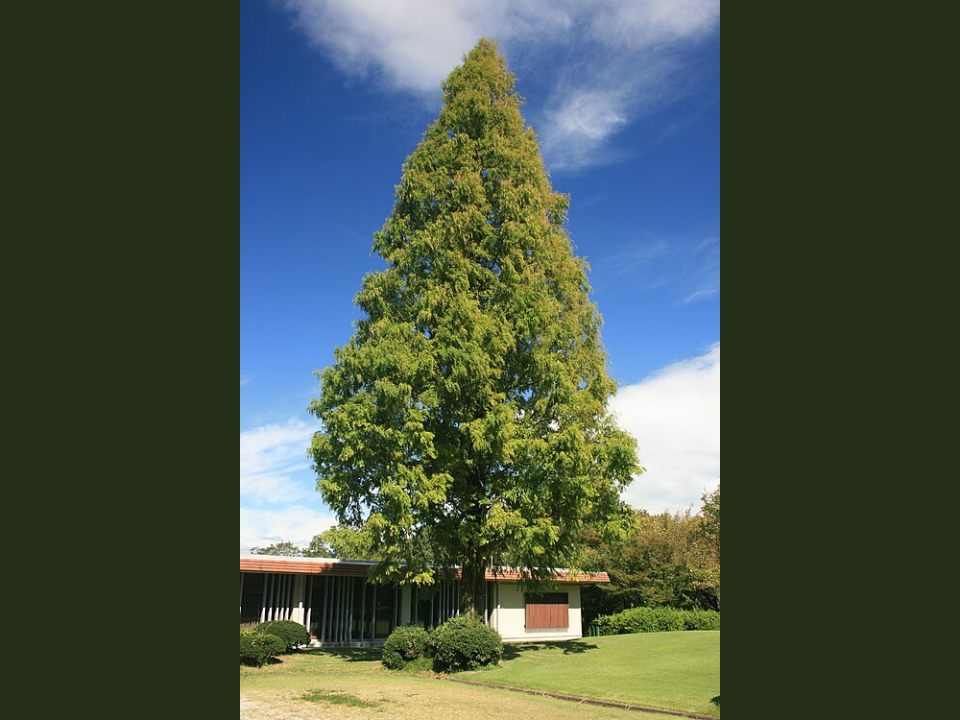
The Dawn Redwood, also known as Metasequoia glyptostroboides, was once thought to be extinct until it was rediscovered in 1941 in China. This tree species has been around for over 50 million years, thriving during the age of the dinosaurs. Its tall, deciduous stature and feathery needles make it a striking presence in the landscape.
The Dawn Redwood was believed to have disappeared from the wild, but its survival in China was a remarkable find. Today, it is widely cultivated in parks and gardens around the world, and its fast growth rate makes it a popular choice for landscaping. The Dawn Redwood is one of the few deciduous conifers, shedding its needles in the winter before growing new foliage in the spring. Its rediscovery and continued survival highlight the plant’s remarkable endurance.
Monkey Puzzle Tree

The Monkey Puzzle Tree, also known as Araucaria araucana, is an ancient evergreen conifer native to central and southern Chile. This tree species has been around for over 200 million years, making it one of the oldest coniferous trees in existence. Its distinctive, spiky leaves and unique appearance have earned it the nickname “Monkey Puzzle” due to the difficulty monkeys would face climbing its branches.
The Monkey Puzzle Tree thrives in mountainous regions, where it can survive harsh conditions and cold temperatures. Despite its ancient origins, it is now considered endangered due to deforestation and habitat loss in its native range. This tree has a slow growth rate, making its conservation even more critical. It is an important part of the ecosystem, providing shelter and food for various wildlife species.
Sago Palm
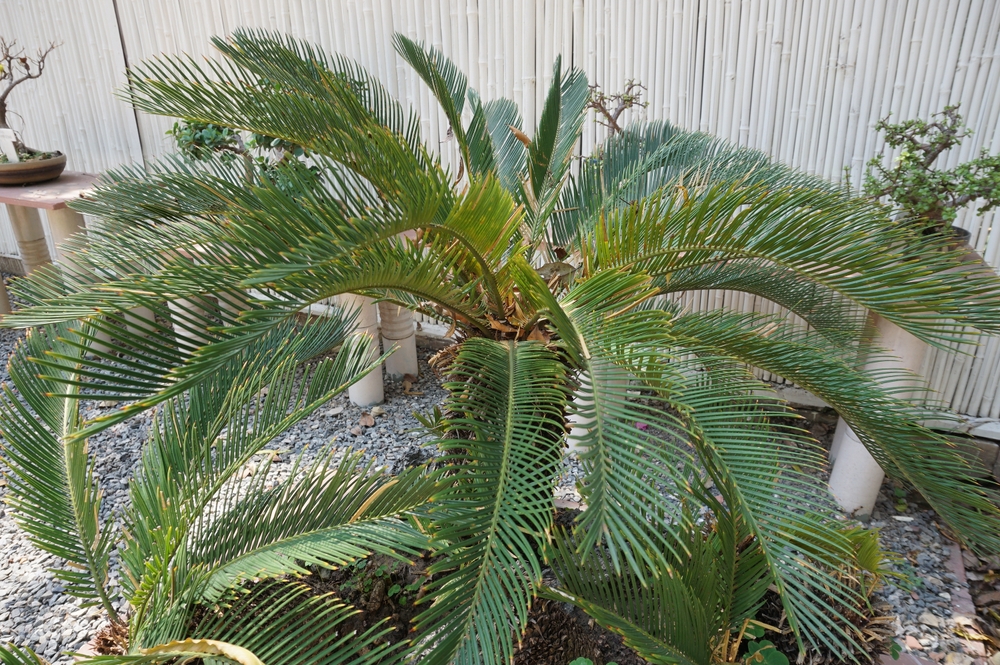
The Sago palm, or Cycas revoluta, is another plant that has existed for millions of years, tracing its origins back to the Mesozoic era. Despite its name, the Sago palm is not a true palm but rather a cycad. It is a slow-growing plant with a thick, woody trunk and a crown of feathery, pinnate leaves. The Sago palm is native to Japan and parts of China, where it has been cultivated for its ornamental value. This plant can live for several hundred years and is highly resistant to pests and diseases. Sago palms have been used in traditional cultures for their starch, which is processed to make a type of flour. However, the plant’s toxicity makes it dangerous to consume without proper preparation, as its seeds contain toxins that can be harmful if ingested.
Clubmoss
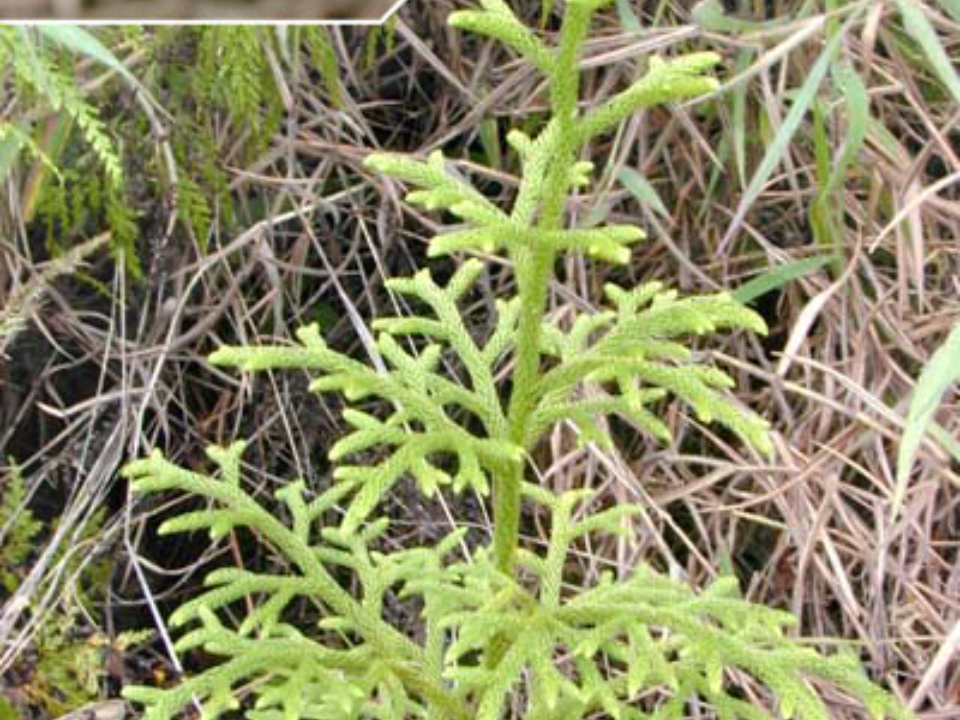
Clubmoss, or Lycopodium, is an ancient plant group that has existed for over 400 million years. These plants were once much larger, with some species growing into tree-sized forms during the Carboniferous period. Today, clubmosses are small, ground-covering plants that resemble moss but are technically vascular plants. They are often found in woodlands and temperate forests, where they thrive in shady, moist conditions.
Despite their small size, clubmosses are remarkably resilient and have adapted to various environments over the millennia. Some species are still used in traditional medicine, and others have applications in the production of pyrotechnics due to the flammable properties of their spores. Clubmoss is a symbol of endurance, having survived for hundreds of millions of years.
Tree Ferns
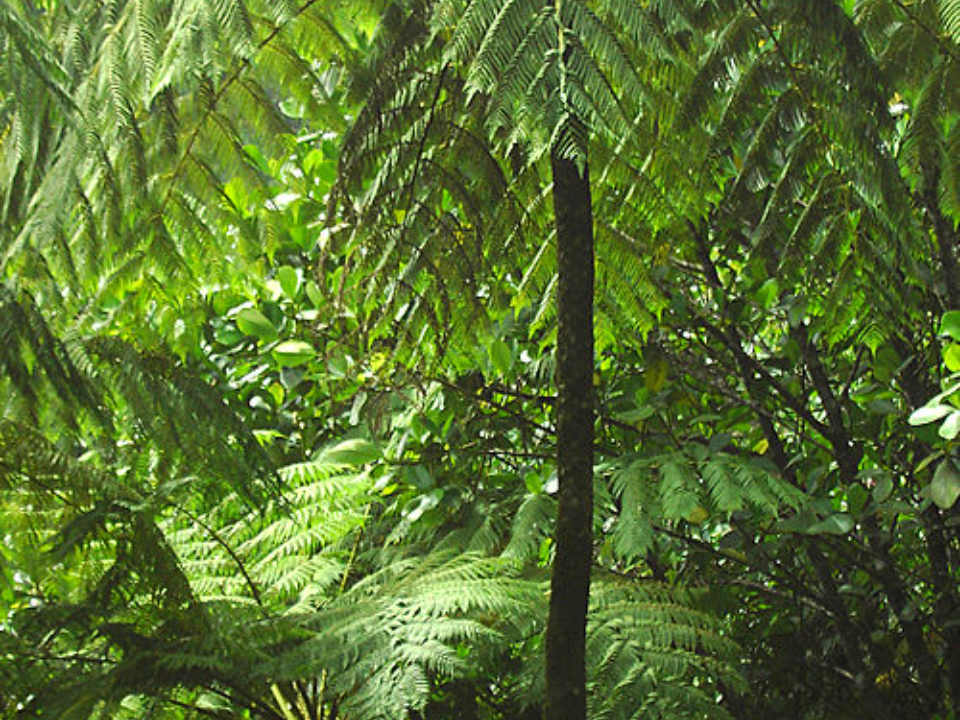
Tree ferns are a group of ferns that have been around for over 300 million years, making them one of the oldest surviving plant groups. These ferns are typically large, with a tall, trunk-like stem that supports a crown of fronds. Tree ferns thrive in humid, tropical climates and are often found in rainforests around the world. They played a significant role in the ancient forests of the Carboniferous period, where they grew to massive sizes. Today, tree ferns are much smaller but still retain their ancient characteristics. They are often grown as ornamental plants in gardens, where their lush, ferny fronds add a touch of prehistoric beauty to the landscape. Despite their long history, tree ferns are still widely distributed and continue to thrive in favorable climates.
Baobab Tree

The Baobab tree, also known as Adansonia, is an iconic tree species that has survived for over 30 million years. Known for its massive, swollen trunk that stores water, the Baobab is often called the “Tree of Life.” These trees are found in dry regions of Africa, Madagascar, and Australia, where they are able to withstand extreme drought conditions.
The Baobab’s unique appearance and its ability to thrive in arid climates make it a remarkable survivor. Its bark, leaves, and fruit have been used by local populations for medicinal purposes and as a food source. Baobabs can live for several thousand years, with some specimens believed to be over 6,000 years old. The Baobab’s resilience to climate change and harsh conditions makes it a living testament to the endurance of prehistoric plant life.
Cordyline
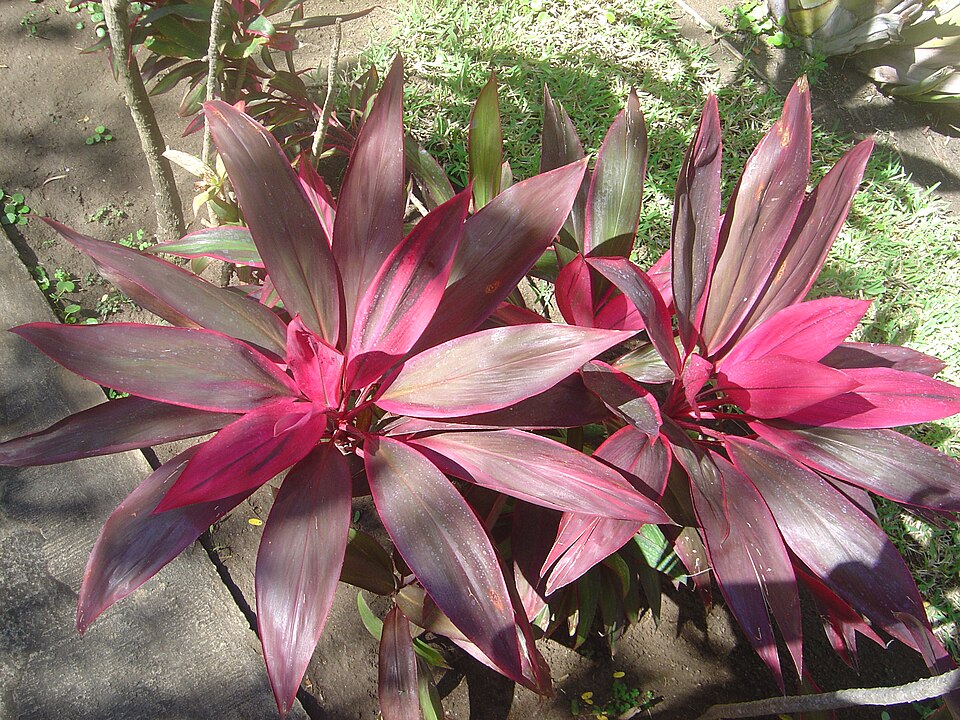
Cordyline, often called the Ti plant, has been around for over 100 million years, making it another ancient species that has stood the test of time. This plant is native to the Pacific Islands but has spread across the globe, particularly in tropical and subtropical regions. Cordyline’s vibrant, long leaves come in a variety of colors, including red, pink, and green, making it a popular ornamental plant.
Historically, it was used by Polynesians for medicinal purposes and for its fiber. Despite its prehistoric roots, Cordyline has adapted well to different environments, thriving in both outdoor gardens and indoor spaces. Some species of Cordyline can reach impressive heights of over 10 feet, adding a dramatic touch to the landscape. Its continued survival speaks to its adaptability and strength.
Cretaceous Pine
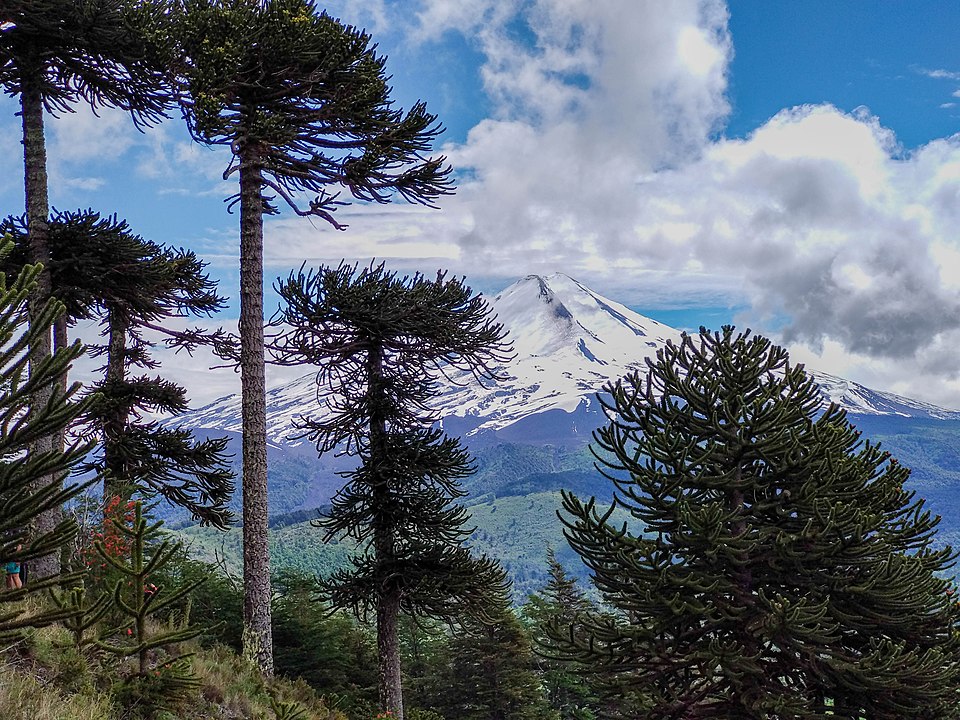
The Cretaceous pine, a type of conifer, has existed for over 100 million years, dating back to the time of the dinosaurs. This tree is native to regions of North America and Europe and is known for its long, needle-like leaves and its ability to thrive in a variety of soils. During the Cretaceous period, these pines formed dense forests that were home to many ancient creatures.
While the Cretaceous pine species have evolved over time, their basic structure and resilience have remained largely unchanged. These trees are hardy and capable of surviving in both wet and dry conditions. They continue to provide valuable timber, and their cones are a key food source for many animal species. The Cretaceous pine’s enduring survival showcases the persistence of certain plant species across geological time.
This article originally appeared on Avocadu.