
15 Plants That Grow on Bare Rock with Almost No Soil
When you think about plants, you probably imagine them growing in rich, nutrient-filled soil. But did you know that many plants thrive in places with almost no soil at all? In some of the harshest environments, from rocky cliffs to bare mountain slopes, there are plants that have adapted to survive with minimal resources. These resilient plants have developed unique ways to absorb moisture and nutrients directly from the air, rain, or surrounding environment. They cling to rocks, making them a fascinating example of nature’s ability to persevere in even the toughest conditions.
This post may contain affiliate links, which helps keep this content free. Please read our disclosure for more info.
Lichens
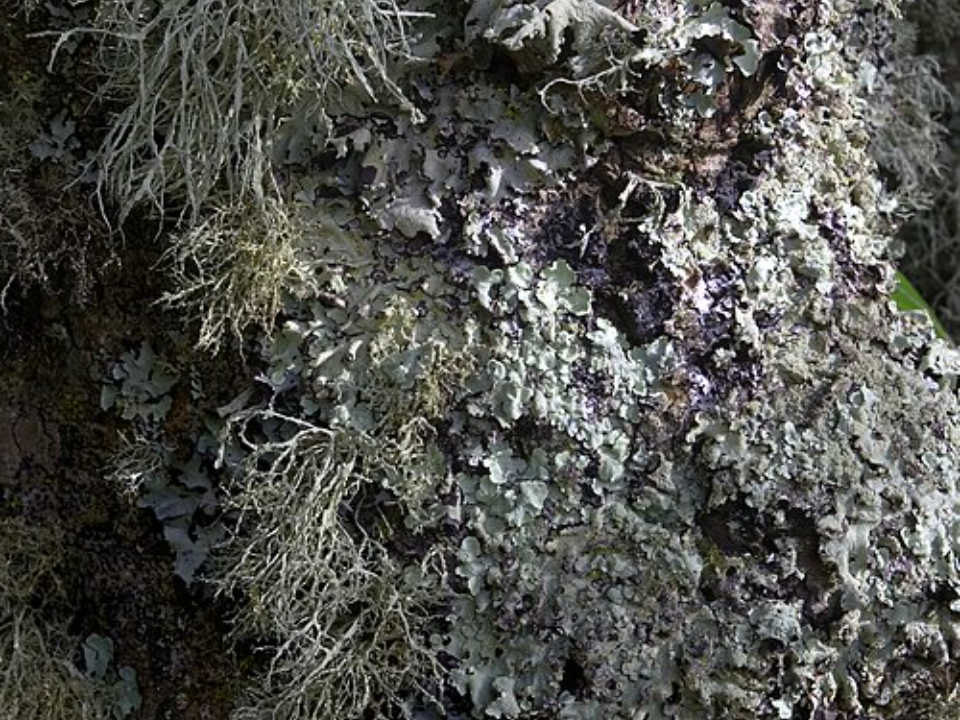
Lichens are fascinating organisms that thrive in some of the harshest environments. They can grow on bare rock surfaces, absorbing nutrients directly from the air and rain. Unlike most plants, lichens do not require soil for their survival. They form a symbiotic relationship between fungi and algae or cyanobacteria, which enables them to survive in extreme conditions.
Lichens are often the first life forms to colonize barren landscapes, slowly breaking down rocks and contributing to soil formation over time. These hardy organisms are commonly found in mountainous regions and coastal cliffs, where they create a colorful, textured coating on rocks. Their ability to tolerate drought, high UV exposure, and cold temperatures makes them incredibly resilient. Lichens can live for many years and often grow very slowly, but their presence is crucial in the initial stages of ecological succession.
Mosses
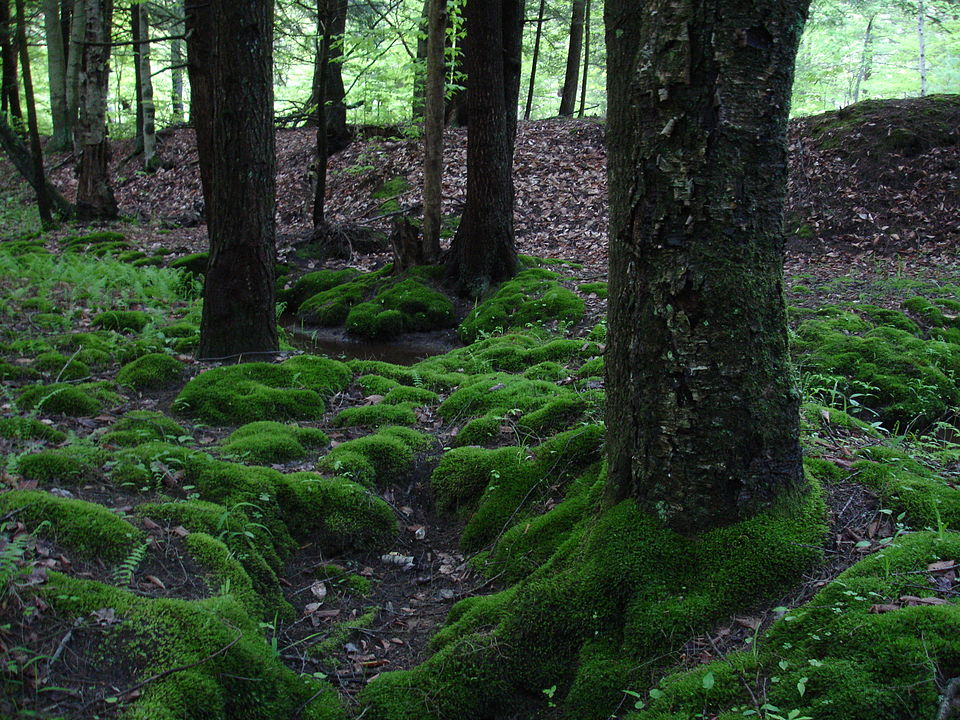
Mosses are small, non-vascular plants that thrive on bare rock surfaces. They can grow in nearly any environment, including rocky cliffs, mountain tops, and even urban environments. Mosses do not have deep roots like typical plants; instead, they anchor themselves to rocks using tiny root-like structures called rhizoids. These plants absorb moisture and nutrients directly through their leaves from the surrounding environment, which allows them to grow without soil.
Mosses are excellent at retaining water, which makes them important in regulating moisture levels on rocky surfaces. Over time, mosses help break down the rock surface, creating small pockets that can eventually support more complex plant life. Their green color adds a lush appearance to otherwise barren rocky areas. Some species of moss can withstand extreme cold and dry conditions, making them highly adaptable.
Cress
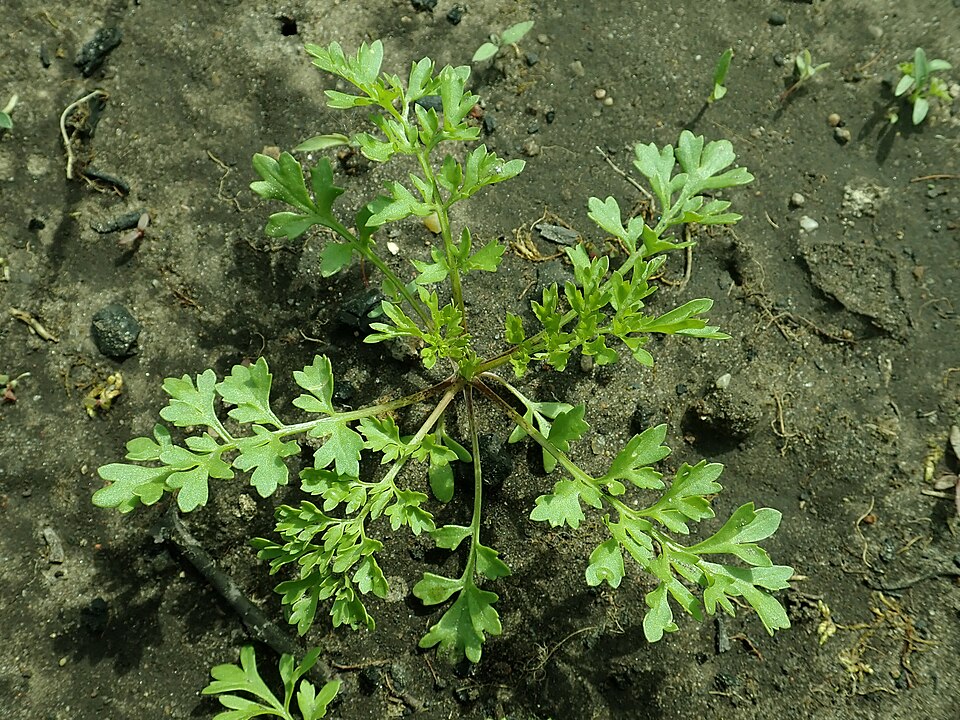
Cress, a fast-growing herb, can be found growing on bare rock surfaces in areas with ample sunlight. This plant thrives in poor soil conditions, relying on moisture and nutrients from the air and rain. Cress does not have deep roots, allowing it to spread across rocky surfaces without requiring soil. Its small, round leaves are often used in salads and as garnish. Known for its peppery flavor, cress is a popular herb that grows quickly, sometimes within just a few days under the right conditions.
Although it is most commonly cultivated in soil, cress can also grow in small cracks or crevices in rocks where it can receive adequate water and sunlight. The plant’s rapid growth helps it establish itself in harsh, rocky environments. Cress is an excellent example of a plant that can thrive in places with minimal soil.
Alpine Meadowsweet
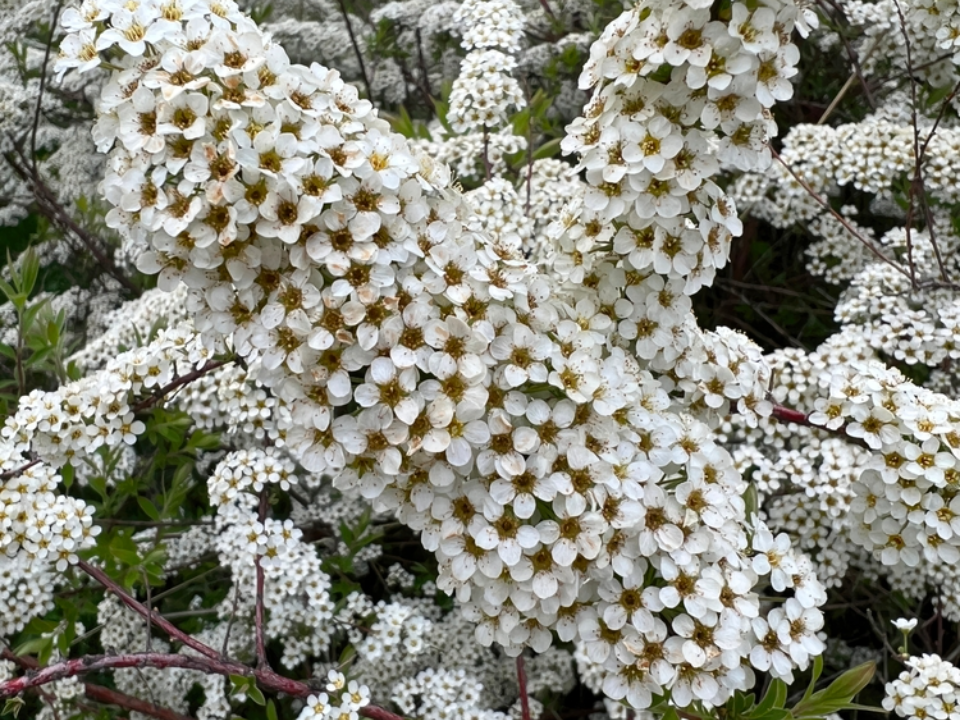
Alpine meadowsweet is a plant that thrives in rocky, mountainous environments with little to no soil. It is well-adapted to growing on rocky slopes and can often be found in alpine regions where the soil is thin or non-existent. This plant forms small clumps and produces white or pink flowers during the summer. Alpine meadowsweet is known for its ability to withstand harsh conditions, including cold temperatures and strong winds.
It has shallow, fibrous roots that can access moisture and nutrients from the atmosphere, rather than from the soil. Its leaves are thick and leathery, helping it conserve moisture in dry conditions. The plant is also beneficial for erosion control, as its roots help hold the rock in place. Despite the challenging growing conditions, alpine meadowsweet is a resilient plant that thrives in rocky, soil-poor areas.
Rock Fern
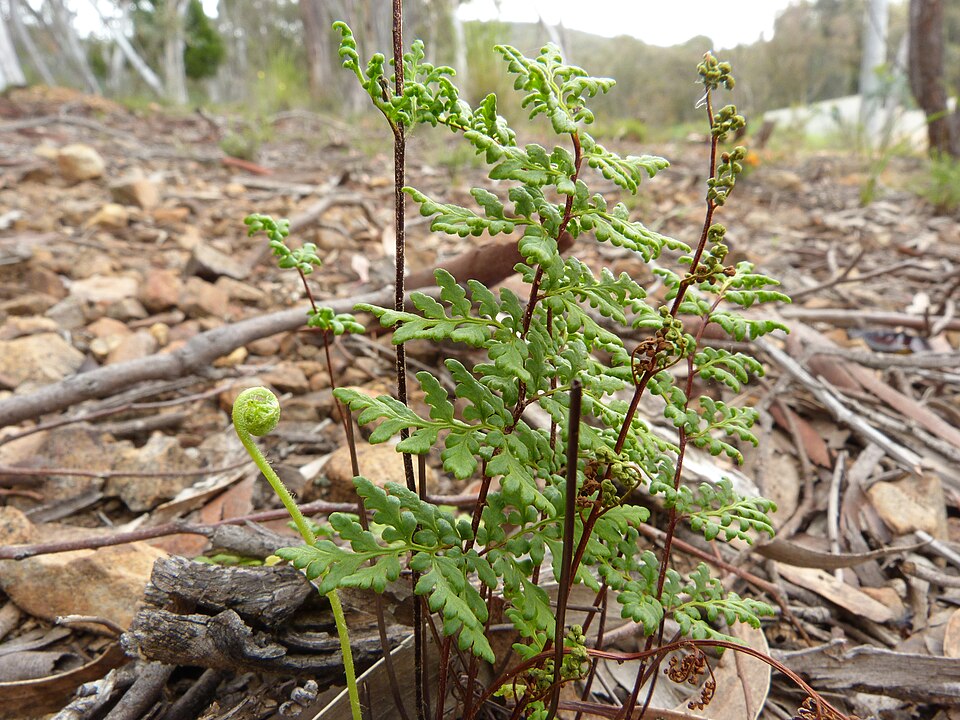
The rock fern is a hardy plant that thrives on rocky outcrops and bare rock faces. It has specialized roots that are capable of attaching the plant to cracks and crevices in rocks, where it can absorb moisture from rainfall and dew. Rock ferns do not require soil to grow, as they rely on atmospheric moisture to meet their needs. These ferns are typically found in areas with high humidity and indirect sunlight, making them perfect candidates for growth in shaded rock faces.
The fronds of rock ferns are delicate and fern-like, often ranging in color from light green to dark emerald. Over time, rock ferns can help break down rock surfaces, creating small pockets where other plants may eventually grow. Their presence also provides shelter and moisture for other organisms in harsh, rocky environments. Rock ferns are a crucial part of the ecosystem in these rocky habitats, playing a role in soil formation and erosion control.
Stonecrop
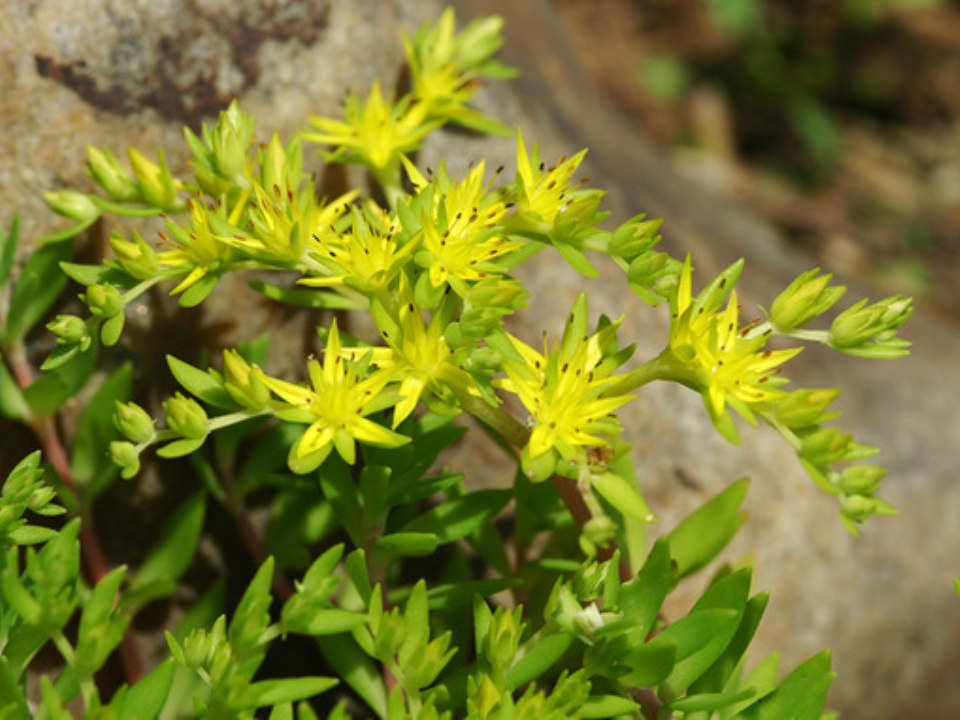
Stonecrop is a succulent plant that thrives on rocky terrain, often growing in the cracks of stones or bare rock faces. This plant is highly adapted to dry, rocky environments and can survive with minimal water. Stonecrop has thick, fleshy leaves that store water, allowing it to endure periods of drought. The plant is typically found in temperate regions and is especially common in alpine and coastal areas.
Its small, star-shaped flowers bloom in vibrant colors, attracting pollinators such as bees and butterflies. Stonecrop does not need soil to grow and can often be seen clinging to rock faces in areas where other plants might struggle to survive. It is a popular choice for rock gardens and xeriscaping due to its ability to thrive in low-water conditions. Stonecrop’s resilience and attractive appearance make it a valuable plant for growing on bare rock.
Horned Poppy
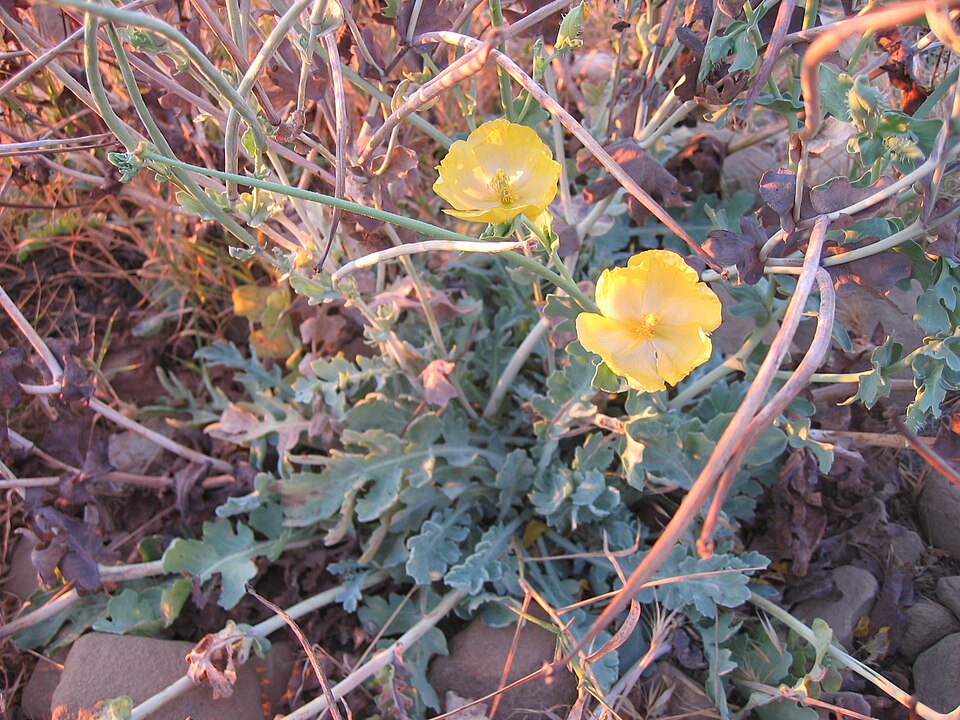
The horned poppy is a striking plant that can be found growing in rocky, coastal regions where soil is scarce. It is well-known for its vibrant yellow flowers and unique, horn-like seed pods. This plant has deep taproots that can reach into crevices in rocks to access any moisture present. The horned poppy is adapted to survive in rocky, salt-laden environments and is often seen along cliffs and rocky shorelines. It thrives in areas where the soil is minimal, relying on the nutrients it can gather from the air and rainfall.
This poppy is an excellent example of a plant that can flourish in extreme conditions, where few other plants can survive. Its showy flowers add color to barren rocky areas, while its long roots help prevent soil erosion. The horned poppy is both visually appealing and ecologically important in coastal environments.
Creeping Thyme
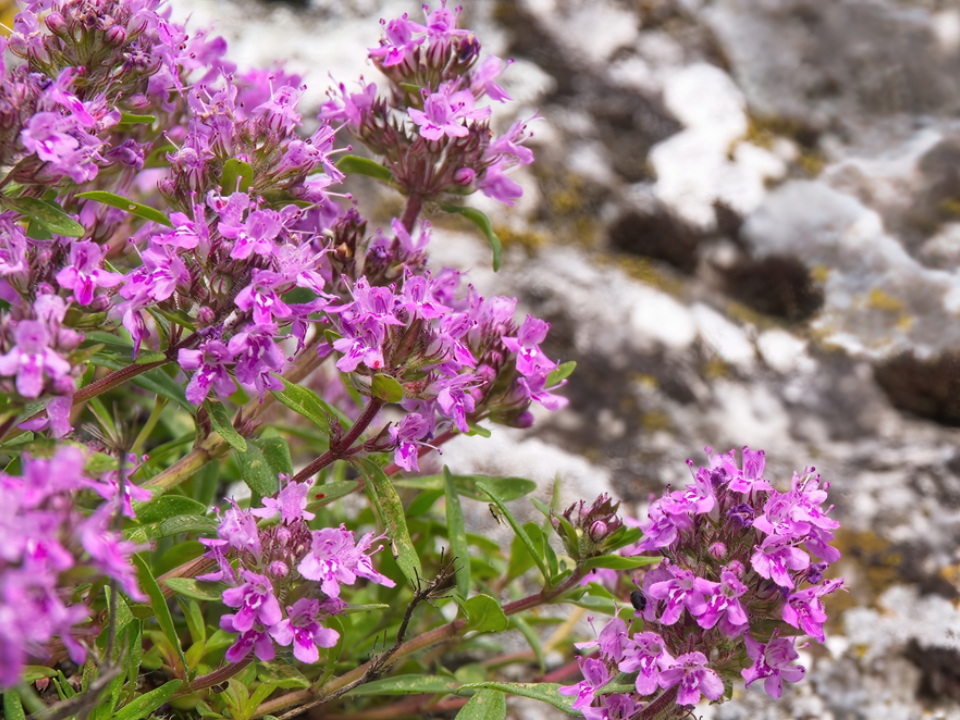
Creeping thyme is a low-growing herb that often forms dense mats on rocky surfaces. It is well-suited for growing in areas with poor soil, as it requires minimal nutrients to thrive. Creeping thyme can be found in dry, rocky environments, where it spreads across bare rock surfaces to form a thick, aromatic carpet.
This herb is highly drought-tolerant, making it an excellent choice for dry, sunny rock gardens. Its small purple or pink flowers attract pollinators, such as bees and butterflies, which helps support local ecosystems. Creeping thyme’s ability to grow in cracks and crevices in rocks allows it to thrive in harsh, soil-poor conditions. The plant’s fragrant leaves are often used in cooking, and its resilience makes it a favorite for xeriscaping. Creeping thyme is both a practical and decorative plant that adds beauty and function to rocky landscapes.
Arctic Willow
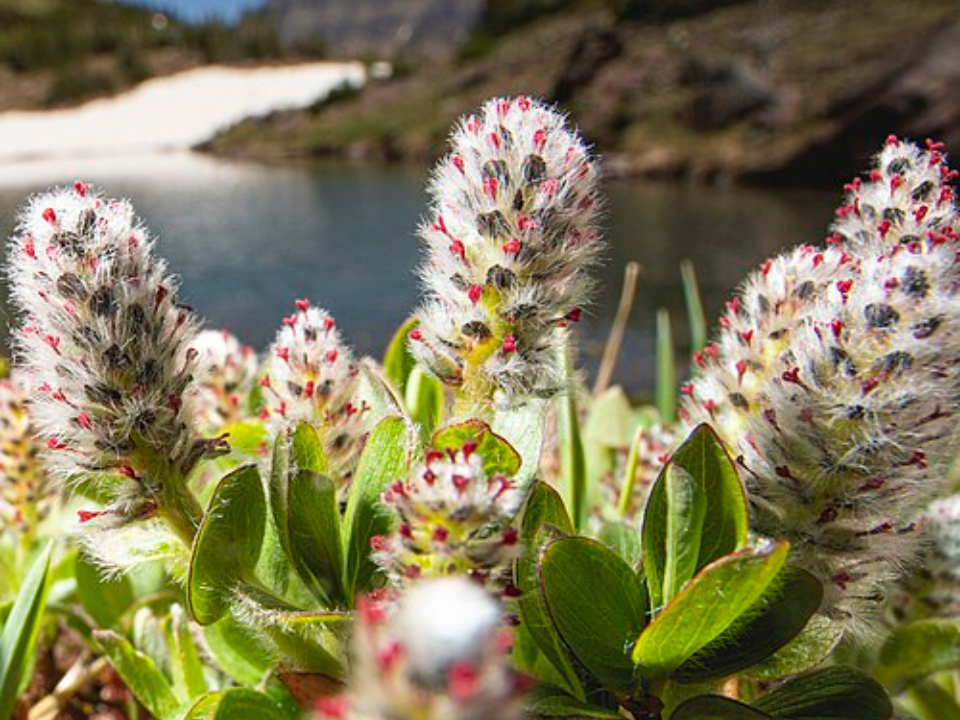
The Arctic willow is a small shrub that grows in arctic and subarctic regions, where the soil is thin or non-existent. It is highly adaptable to cold, harsh climates and can often be found growing in rocky areas. The plant has small, silvery leaves that help it conserve moisture and reflect sunlight. Arctic willows have shallow, fibrous roots that allow them to cling to rocky surfaces and absorb nutrients from rainwater and melting snow.
These plants are known for their resilience in freezing temperatures and are often among the first to colonize bare rock surfaces in cold environments. Arctic willows also play a role in stabilizing the soil and preventing erosion in these fragile habitats. Their ability to thrive without soil makes them an important plant for growing in rocky, polar regions.
Rock Jasmine
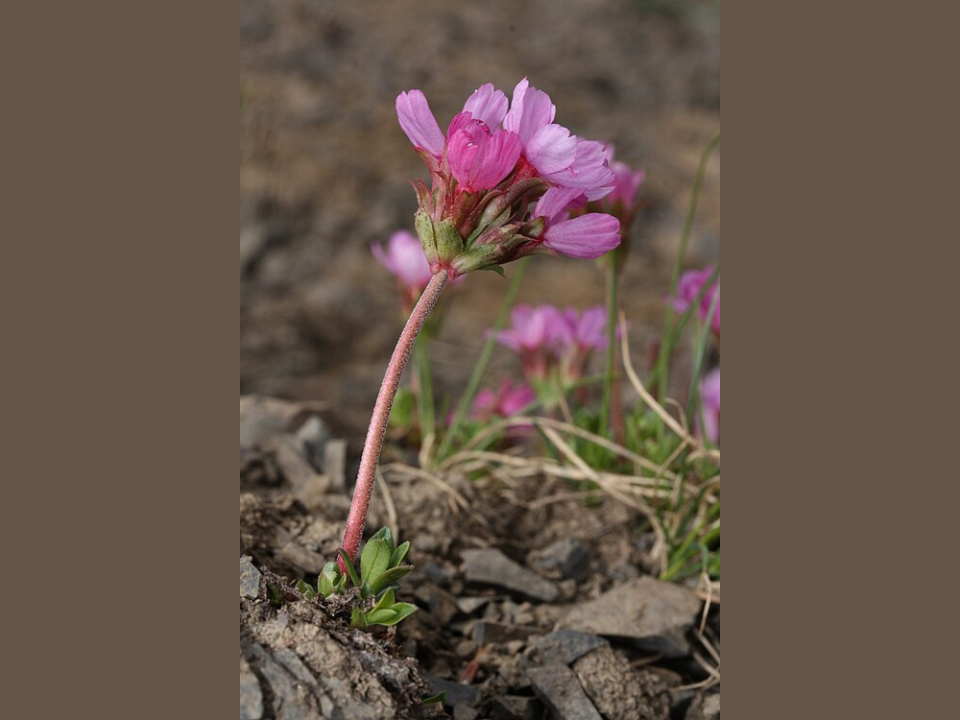
Rock jasmine is a hardy perennial that thrives on rocky slopes and cliffs, often growing where the soil is sparse or non-existent. This plant has adapted to survive in dry, rocky environments, where it can access moisture from the air and rain. Rock jasmine produces small, fragrant white or yellow flowers that bloom in the spring. Its ability to grow in cracks and crevices in rocks allows it to thrive in otherwise inhospitable conditions.
The plant’s deep roots anchor it to the rocky surface, helping prevent soil erosion. Rock jasmine is commonly found in mountainous regions and is often used in rock gardens for its beauty and resilience. It is an ideal choice for gardeners looking to create a low-maintenance, drought-tolerant landscape. The plant’s compact size and delicate flowers make it a popular choice for those who appreciate its understated elegance.
Purple Rock Cress
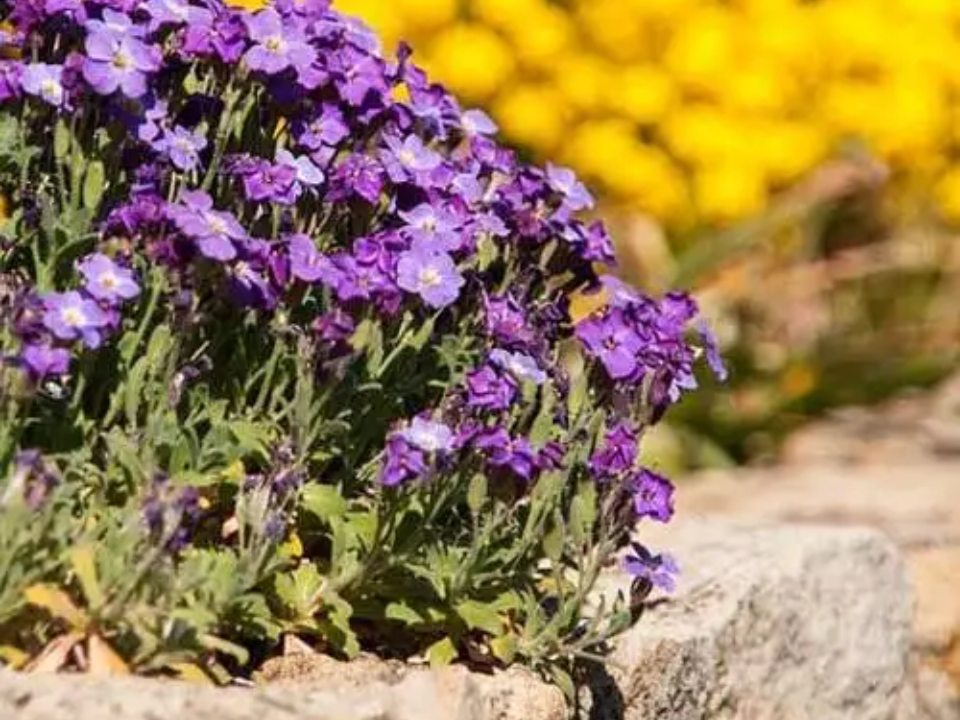
Purple rock cress is a small, perennial plant that is well-suited to rocky slopes and bare rock surfaces. It thrives in regions where soil is minimal or absent, relying on rainwater and atmospheric moisture to meet its needs. Known for its vibrant purple flowers, this plant adds a pop of color to rocky landscapes.
Purple rock cress has a shallow root system that allows it to cling to rocks and access any nutrients available from rain or nearby organic matter. The plant is highly drought-tolerant, making it perfect for dry, sunny conditions. It is commonly found in alpine or Mediterranean climates and is often used in rock gardens for its striking blooms. Purple rock cress is an ideal addition to a low-maintenance garden where it can provide both beauty and resilience.
Crimson Clover
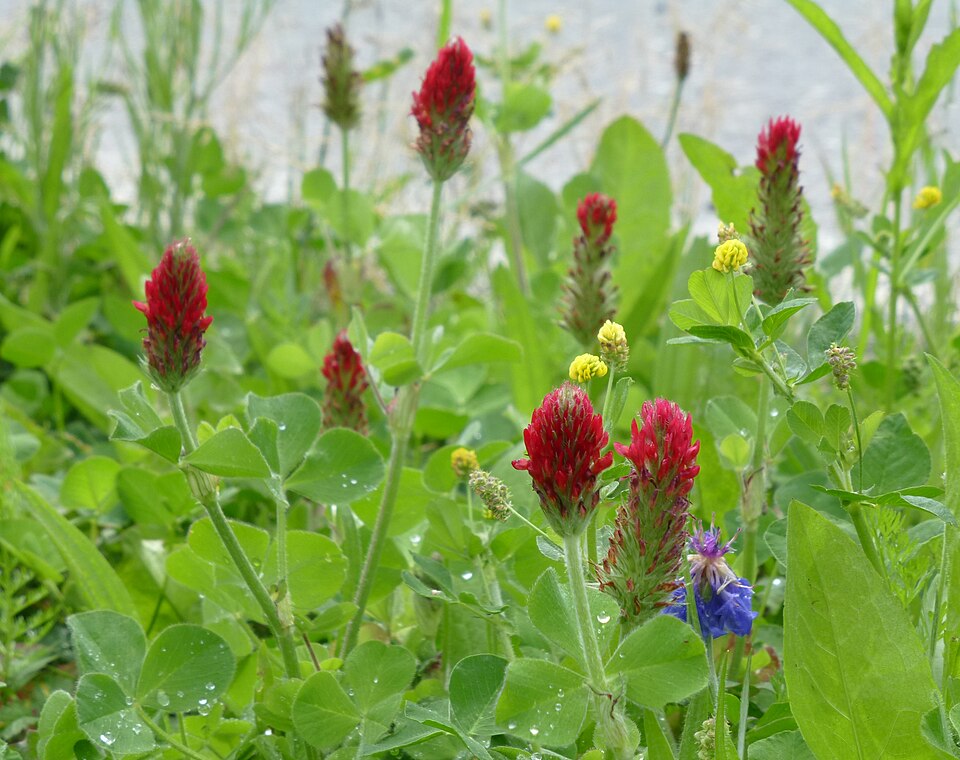
Crimson clover is a leguminous plant that can grow on bare rock surfaces with minimal soil. This plant is known for its vibrant red flowers that bloom in the spring and summer months. Crimson clover’s shallow root system allows it to establish itself in cracks and crevices on rocky terrain, where it can absorb moisture from the air. It is highly beneficial for the soil as well, as it fixes nitrogen, enriching the environment for other plants.
Although it grows best in moderate conditions, crimson clover is capable of surviving in poor, rocky soils. Its bright, red blossoms are an attractive feature in rocky gardens or along rocky pathways. The plant is also a favorite for attracting pollinators, including bees and butterflies, making it an important component of a healthy ecosystem.
Common Ice Plant
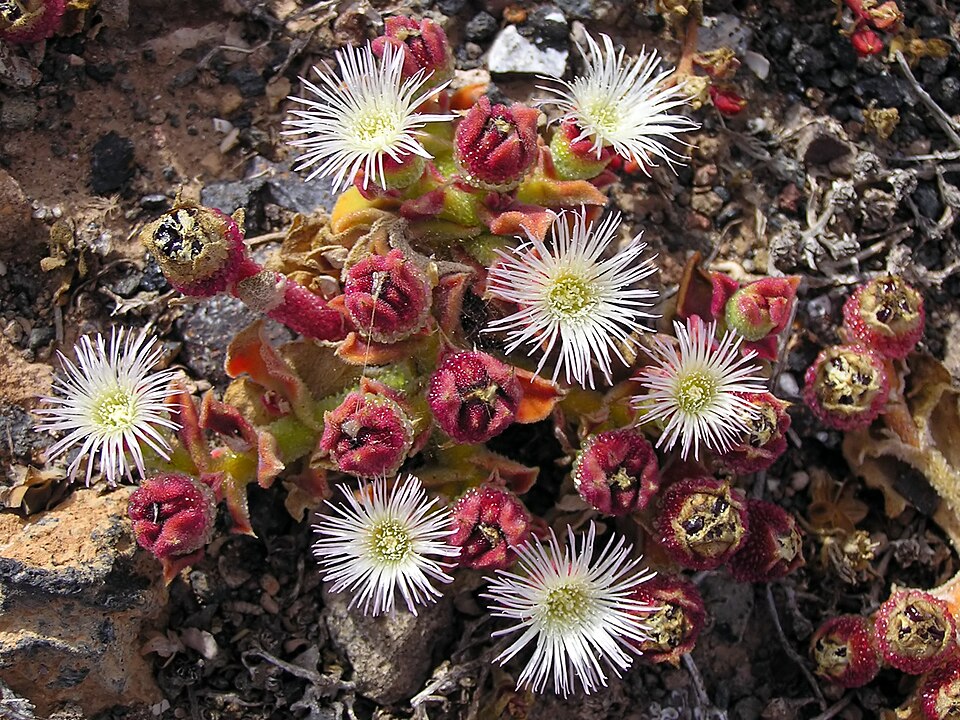
The common ice plant is a low-growing succulent that can thrive on bare rock surfaces. This plant is often found in coastal regions, where the soil is sandy or almost nonexistent. The ice plant’s thick, fleshy leaves allow it to store water and survive in arid environments. It forms dense mats that cover rocky areas, providing a vibrant display of color with its bright pink, yellow, or white flowers.
The plant is well-adapted to dry conditions, thriving in areas with high heat and low water availability. Its shallow root system allows it to cling to rocky surfaces, where it absorbs moisture directly from the air and surrounding environment. Common ice plant is often used in rock gardens or along coastal cliffs to prevent erosion and add visual appeal to barren landscapes.
Mountain Sage
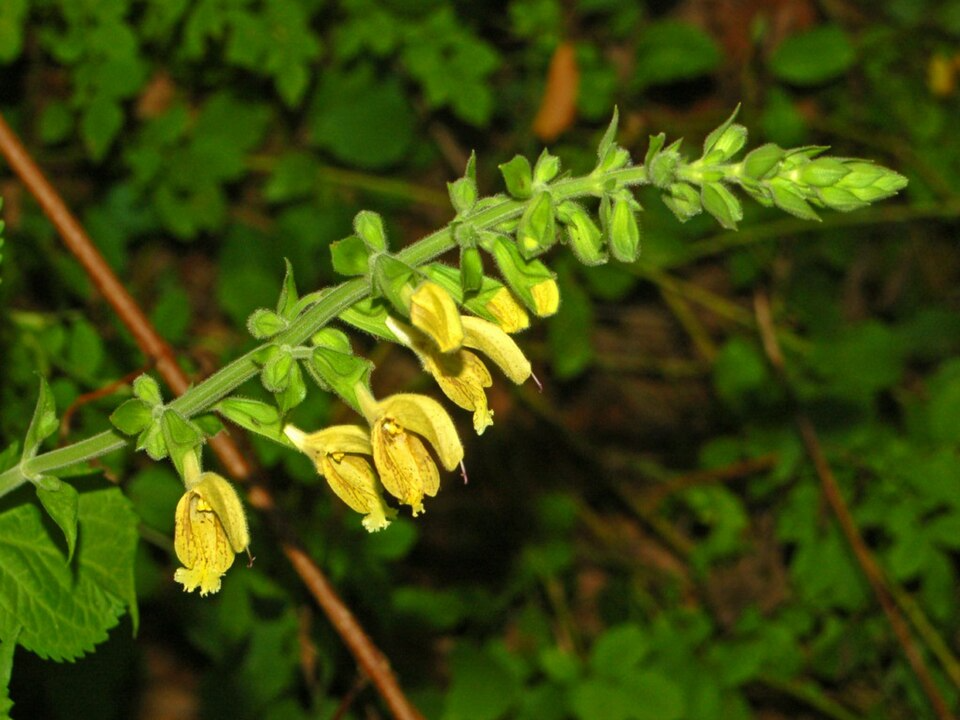
Mountain sage is a hardy plant that thrives in rocky, mountainous areas with little to no soil. It is commonly found in alpine meadows and along rocky slopes where it can tolerate dry, rocky conditions. Mountain sage has a deep, taproot system that anchors it to the rock, allowing it to access any moisture or nutrients available in small cracks. The plant is known for its fragrant, purple flowers that bloom in the summer months, attracting bees and other pollinators.
Mountain sage is drought-tolerant, making it ideal for rocky environments where water is limited. Its ability to grow in harsh, soil-poor conditions makes it an important species for stabilizing rocky slopes and preventing erosion. The plant’s resilience and beauty make it a favorite for rocky garden landscapes.
Alpine Aster
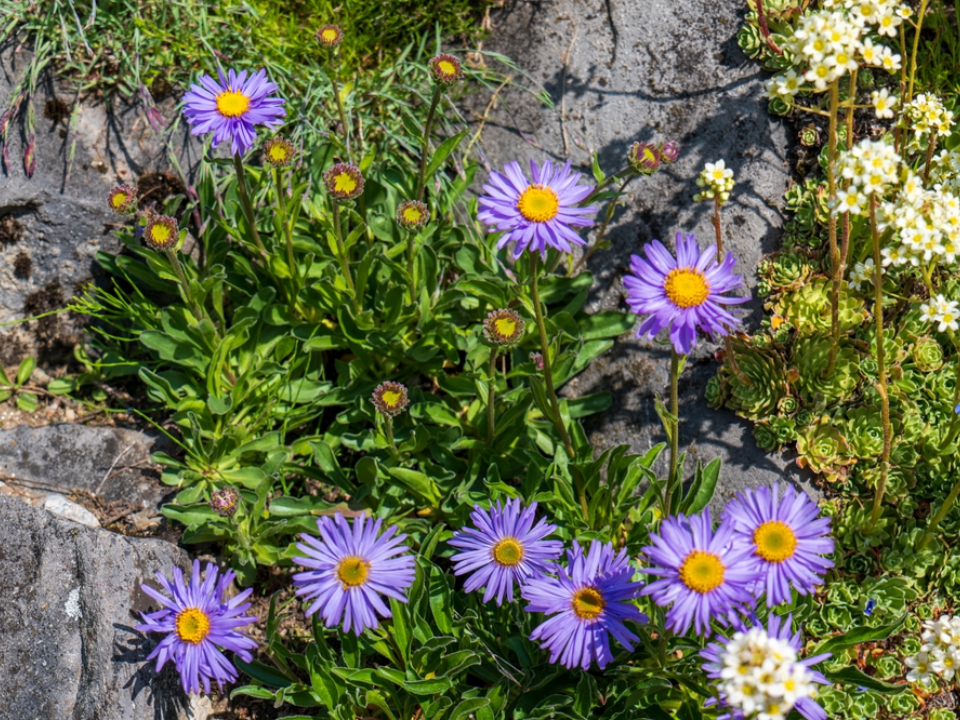
The alpine aster is a plant that flourishes in rocky, alpine environments with little to no soil. This plant is known for its vibrant purple or blue flowers, which bloom in late summer and early fall. Alpine asters are typically found in high-altitude regions where the soil is thin or absent. The plant’s fibrous root system helps it cling to rocks and absorb moisture from the air, allowing it to survive in harsh conditions.
Alpine asters are drought-tolerant and can withstand cold temperatures, making them well-suited for rocky slopes or mountain meadows. Their bright flowers add a splash of color to otherwise barren rocky landscapes. The alpine aster is an essential plant in the ecological succession of alpine areas, as it helps stabilize rocky surfaces and supports other species.
This article originally appeared on Avocadu.