
13 Quiet Savings Habits That Add Up Without Feeling Like Sacrifice
You do not need to make extreme cuts to see a difference in your savings. Often, small habits are the most effective at growing your savings over time. These simple adjustments can blend seamlessly into your routine. Over time, these quiet savings habits will add up without you even noticing. Start with one change today and watch it make a difference in your financial future.
This post may contain affiliate links, which helps keep this content free. Please read our disclosure for more info.
Set Up Automatic Transfers to Savings

One of the easiest ways to save without thinking about it is by setting up automatic transfers. By scheduling regular deposits to a savings account, you ensure that the money is set aside before you can spend it. It can be a small amount, but over time, these transfers add up. This system helps you save without making an active decision each time.
With automatic savings, you do not have to worry about remembering to put money aside. Whether it is a weekly or monthly transfer, it can be adjusted based on your needs. This habit works well when combined with budgeting tools, allowing you to track progress. It is a seamless way to increase your savings without changing your lifestyle drastically.
Use Cash for Small Purchases

Paying in cash instead of using credit cards for small purchases can help control spending. When you use cash, you tend to be more mindful of what you are buying. The act of physically handing over money can make you more aware of how much you are spending. This habit can prevent impulse purchases and help you save more in the long run.
By limiting your spending on small items, you may find that you have extra cash left over at the end of the week. For example, using cash for things like coffee or snacks can save you a significant amount. Additionally, it is easier to stick to a set budget when you use cash for everyday expenses. This strategy helps you focus on larger financial goals without feeling deprived.
Cut Back on Subscription Services

Many people have subscriptions they forget about or use infrequently. Cutting back on unnecessary services, such as streaming platforms, magazine subscriptions, or even gym memberships, can save you money. Before renewing subscriptions, take the time to assess whether you are truly using them. Canceling or downgrading services can free up funds for savings without affecting your daily life.
This habit is often overlooked because small subscription fees can feel insignificant. However, when added up, they can be a considerable drain on your budget. To make the process easier, set a reminder to review your subscriptions every few months. This quiet change can lead to significant savings over time without requiring you to give up much.
Limit Dining Out and Takeout

While dining out can be a treat, making it a regular habit can be costly. By reducing the frequency of takeout and restaurant meals, you can save a considerable amount of money each month. Preparing meals at home is often much cheaper and can be just as enjoyable. Plus, cooking at home gives you the flexibility to choose healthier ingredients and control portion sizes.
This habit does not require you to eliminate dining out altogether. Instead, you can save money by being more selective about when and where you dine. For example, consider cooking meals in batches and freezing portions for later use. Over time, these small changes will add up and lead to noticeable savings without feeling like a major sacrifice.
Avoid Unnecessary Convenience Purchases

Many convenience items, such as bottled water, snacks, or pre-packaged meals, can be more expensive than they seem. While they save time, these small purchases can quickly add up. By avoiding these convenience items and opting for homemade alternatives, you can save money without much effort. Preparing snacks in advance or bringing water from home is a simple way to reduce these daily expenses.
You do not have to completely eliminate convenience from your life, but being mindful of unnecessary purchases can lead to savings. Over time, these small choices can make a noticeable impact on your budget. This habit is easy to implement without making drastic lifestyle changes. Small shifts in your spending habits can free up money for more important financial goals.
Use Energy-Saving Appliances
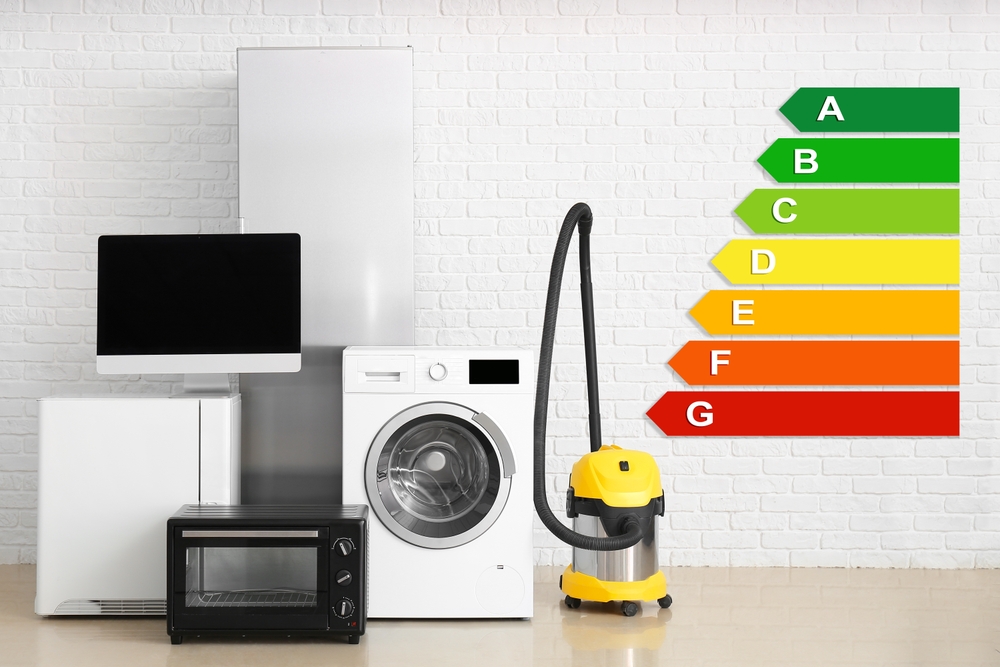
Investing in energy-efficient appliances can reduce your utility bills over time. Appliances that are designed to use less electricity, water, or gas can make a big difference in your overall spending. Simple changes, such as using LED light bulbs or upgrading to an energy-efficient washer or refrigerator, can lead to significant savings. These adjustments help lower your energy consumption without disrupting your daily life.
While the initial investment in energy-efficient appliances may be higher, the long-term savings are often worth it. Many utility companies offer incentives for upgrading to energy-efficient products, making it more affordable. Over time, these habits will reduce your monthly expenses and lower your environmental impact. Saving energy can be a quiet habit that benefits both your wallet and the planet.
Shop With a List and Stick to It

Going grocery shopping with a list can help you avoid impulse buys. By planning your meals ahead of time, you can stick to purchasing only what you need. This method helps you avoid buying unnecessary items that can quickly add up, especially when shopping without a clear plan. Shopping with a list makes it easier to resist sales and promotions that may not be worth it.
This habit works well if you also take the time to review your pantry before heading to the store. Making a habit of checking what you already have can prevent overbuying. Additionally, sticking to a list can reduce the likelihood of wasting food by purchasing items that you may not use. In the end, this simple habit can make your grocery shopping more efficient and cost-effective.
Cancel Unused Credit Cards

Holding onto credit cards that are not being used can hurt your credit score and lead to unnecessary fees. By canceling cards you no longer need, you can simplify your financial life and avoid paying annual fees. This habit can also help you avoid the temptation to spend money you do not have. Be sure to review your credit cards periodically and cancel those that do not offer value.
Canceling unused credit cards can improve your financial health in the long run. However, it is important to check your credit report to ensure there are no negative impacts on your credit score. Over time, this practice can help you stay on top of your finances and reduce unnecessary costs. It is a quiet habit that can result in big financial benefits.
Utilize Cashback and Rewards Programs
Many stores and credit cards offer cashback or rewards programs that can help you save money. By using these programs strategically, you can earn rewards on everyday purchases. Whether it is cashback on groceries or points towards travel, these programs can add up over time. Just be sure to pay off your credit card balance each month to avoid interest charges.
This habit does not require any major lifestyle changes and can be easily incorporated into your spending routine. It is important to track your rewards and know when they expire to get the most value out of them. By keeping an eye on cashback offers and rewards programs, you can enjoy the benefits without overspending. This small shift in spending habits can quietly add to your savings over time.
Avoid Impulse Online Shopping

With online shopping so convenient, it can be easy to make impulse buys. However, these unplanned purchases can add up quickly. One simple way to save money is to step back before hitting “buy now.” By taking a moment to think about whether you truly need the item, you can avoid making unnecessary purchases.
This habit works well if you set a rule for yourself, such as waiting 24 hours before making a purchase. The pause often leads to a more thoughtful decision, and you may find that the item is no longer needed. By reducing impulse purchases, you can keep your spending in check without feeling deprived. Over time, these small pauses can lead to meaningful savings.
Use a Water Filter Instead of Bottled Water

Instead of purchasing bottled water, invest in a good water filter. This change can save you money while providing better water quality. Many people do not realize how much they spend on bottled water, but it can add up quickly. A simple water filtration system can provide you with fresh, clean water without the need for plastic bottles.
This habit also has the added benefit of being environmentally friendly. By using a water filter, you reduce the amount of plastic waste generated from bottled water. The initial investment in a water filter is often recouped quickly, making it a cost-effective choice. Over time, this small habit can lead to significant savings and environmental benefits.
Track Your Spending Using Budgeting Apps
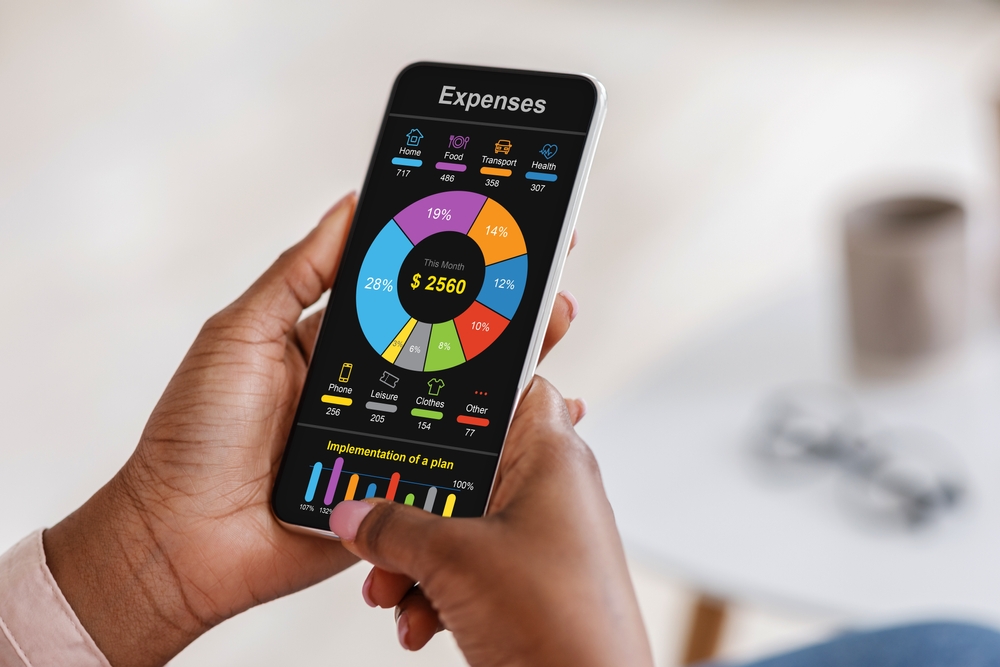
Using a budgeting app to track your spending can help you stay on top of your finances. These apps allow you to set goals, track expenses, and categorize your spending. By monitoring your daily, weekly, and monthly expenses, you can identify areas where you can cut back. This habit helps you make conscious choices about where your money goes.
Budgeting apps provide a clear overview of your financial situation, which makes it easier to make adjustments. Many apps offer features that can help you stay within your set budget for various categories, such as dining out or entertainment. Over time, using these tools can help you save money without feeling like you are depriving yourself. This habit is a great way to take control of your finances.
Refinance Loans to Get Better Rates
Refinancing loans, such as mortgages or student loans, can lower your interest rates and save you money. By taking advantage of lower rates, you can reduce your monthly payments or shorten the length of your loan. This habit requires research and some paperwork, but the long-term savings can be significant. Regularly reviewing your loan terms ensures you are getting the best deal.
This habit works well when interest rates drop, or if your credit score improves over time. Refinancing can free up extra cash that can be put toward savings or other financial goals. It is important to weigh the costs of refinancing against the potential savings. This small but impactful habit can lead to substantial savings over time.
This article originally appeared on Avocadu.