
16 Plants with Leaves That Change Color Like Weather Maps
If you’re looking to add a little magic to your garden, plants with leaves that change color like weather maps can bring a stunning transformation throughout the year. As the seasons shift, these plants react to the weather, showing off a vibrant array of colors that range from deep reds and oranges to bright yellows and purples. The changes are subtle at first, but as the cooler temperatures set in, the leaves gradually transition, mimicking the beautiful patterns we often see on weather maps. Watching the colors unfold in front of you is like witnessing a living piece of art in motion. Whether you’re creating a landscape design or simply looking for a plant that adds interest to your space, these plants offer a captivating display that evolves with the seasons.
This post may contain affiliate links, which helps keep this content free. Please read our disclosure for more info.
Red-twig Dogwood
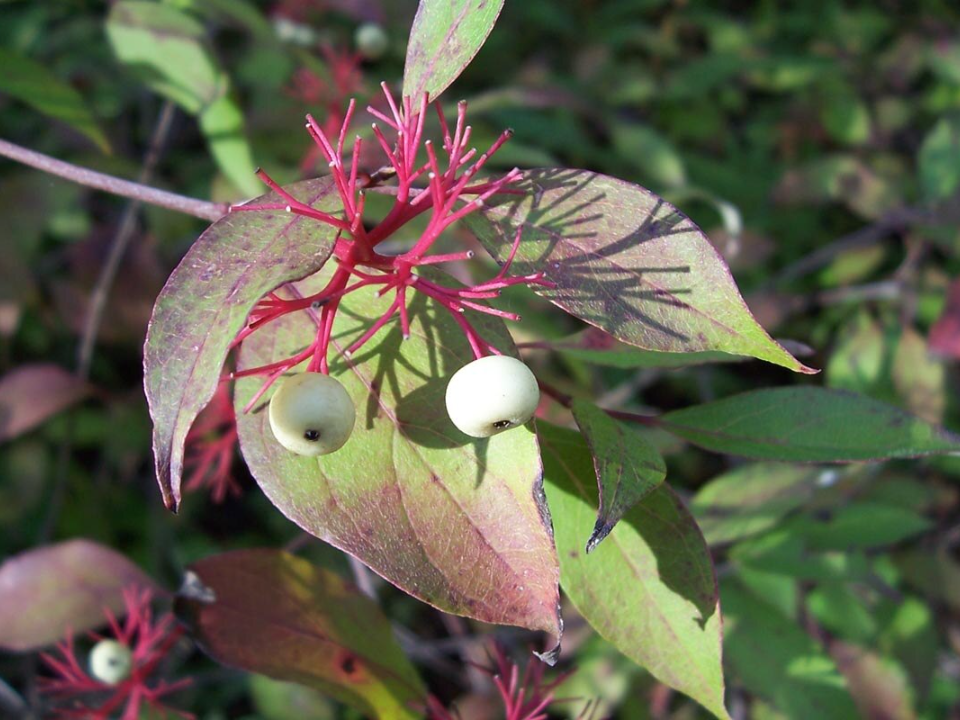
The Red-twig Dogwood is a deciduous shrub with striking color changes as the seasons transition. In spring and summer, its leaves are a deep green, offering a rich backdrop to its red stems. As the temperature drops in autumn, the leaves turn from green to shades of bright red, orange, and yellow, mimicking a weather map.
The colors intensify with cooler nights and bright, sunny days. The plant’s vivid red stems stay colorful throughout the winter, adding another layer of interest to the garden. It thrives in well-drained soil and tolerates various light conditions, making it an adaptable choice for many landscapes. This plant’s ability to change color in response to weather patterns makes it a stunning addition to any garden. Whether in full sun or partial shade, it will show off its seasonal transformations beautifully.
Japanese Maple
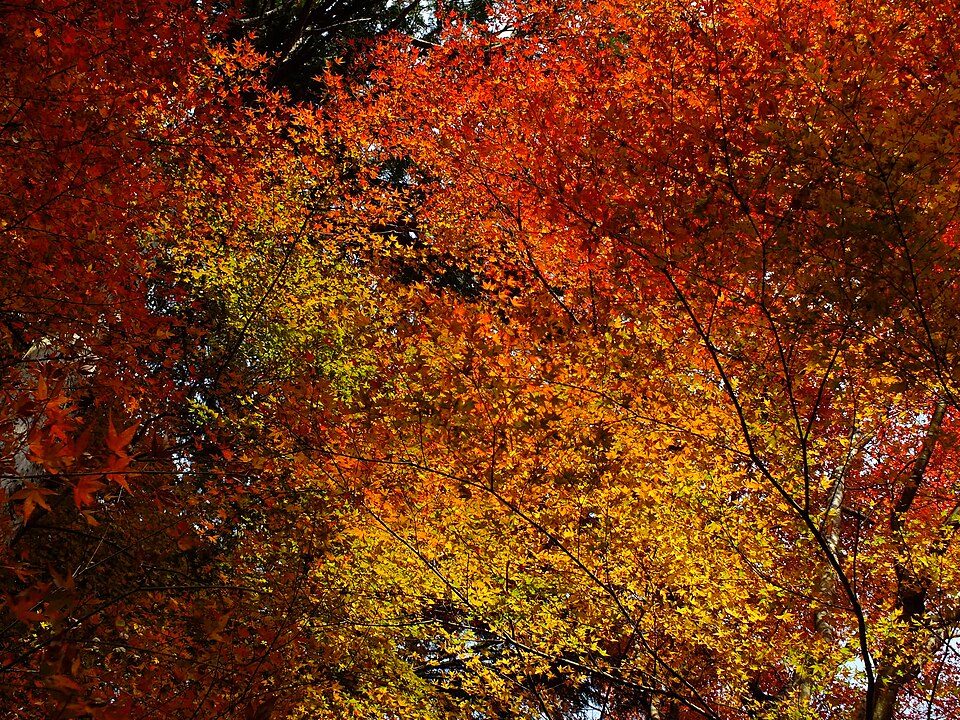
Japanese Maples are well-known for their ability to change color dramatically throughout the seasons. Their leaves start as a soft green in the spring, and as summer wanes, they take on a reddish hue that deepens as autumn approaches. The transition from green to red, purple, or yellow in the fall can mimic the colors of a weather map as it moves from one tone to the next. Some varieties even shift to gold or orange, offering an array of hues depending on the exact variety and local climate.
This tree thrives in both full sun and partial shade, with well-drained soil being the key to its vibrant color changes. Whether grown as a small ornamental tree or a larger feature, the Japanese Maple offers a spectacular display of colors. Its changing leaves are a highlight of any garden and provide interest year-round. The contrast between the deep reds and oranges against the soft greens makes it a striking addition to any outdoor space.
Autumn Blaze Maple
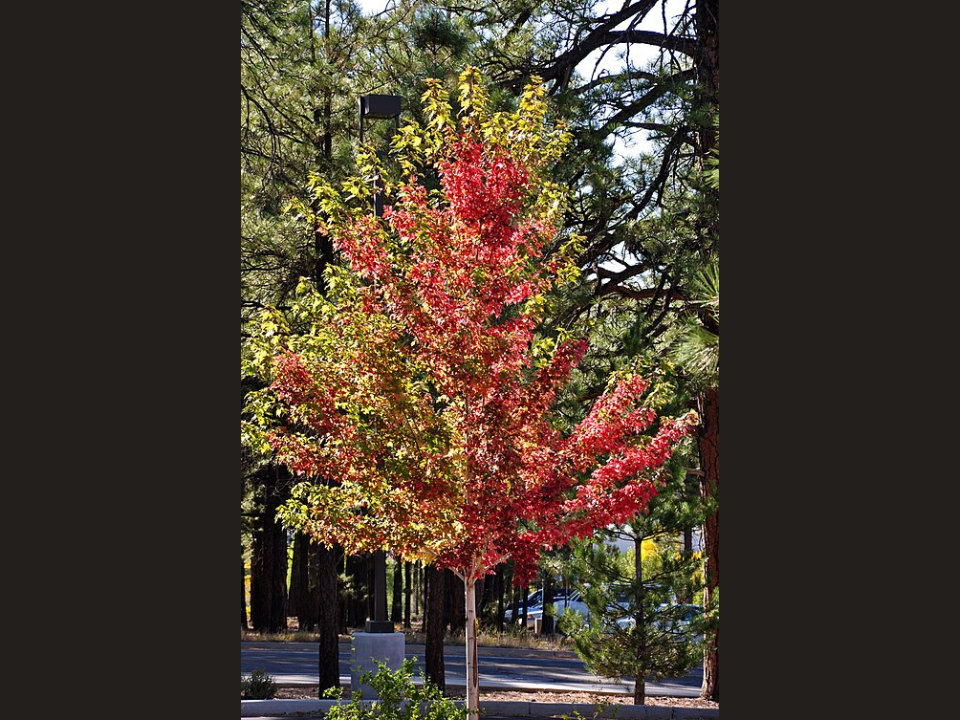
The Autumn Blaze Maple is a hybrid variety known for its brilliant color changes in the fall. During spring and summer, it has bright green leaves that provide a lush, dense canopy. However, as the cooler weather sets in, its leaves begin to transition into vibrant shades of red and orange. The color transformation is striking and quick, like the sudden shifts of weather patterns on a map.
This tree can grow to a substantial height, making it an ideal choice for larger landscapes. Its fast-growing nature makes it a popular choice for homeowners looking to add immediate color. The Autumn Blaze Maple can tolerate a range of soil types and grows best in full sun. As the fall colors deepen, this tree adds a burst of color to any outdoor space, making it a stunning focal point.
Smokebush
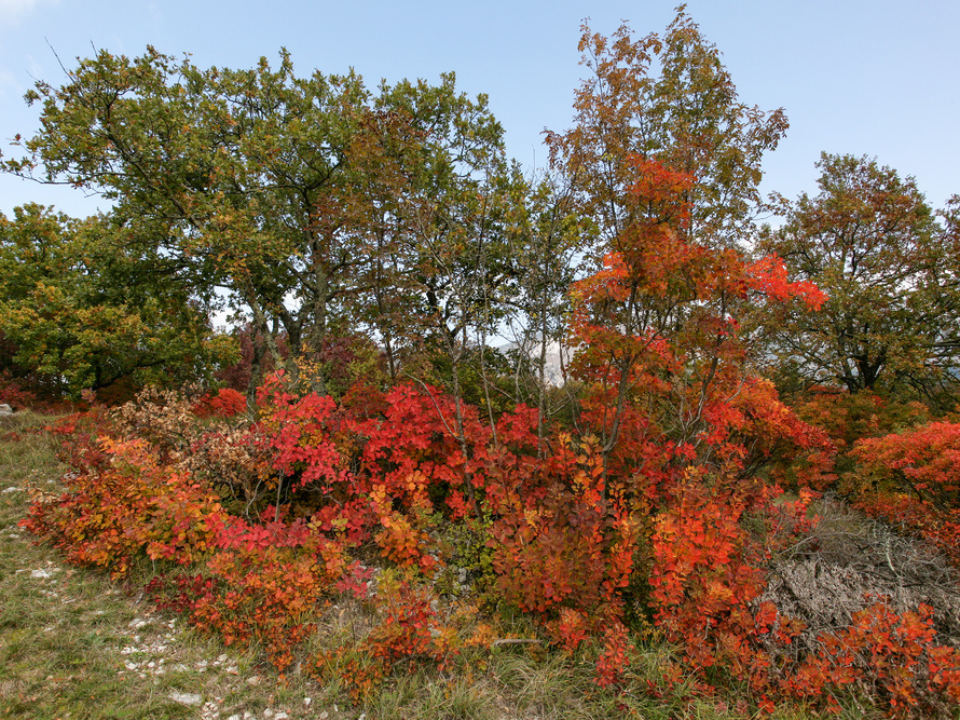
The Smokebush is an ornamental shrub that showcases beautiful color changes as the seasons progress. In the spring, its leaves are a soft green, but as summer ends, they begin to turn shades of purple, red, and orange. This transition mimics a weather map’s color shifts as the temperature drops and the days get shorter. The colors intensify as autumn approaches, with some varieties even taking on deep burgundy or fiery red tones.
Known for its wispy, smoke-like flowers, the Smokebush adds texture to the garden, while its foliage offers a vibrant display. It thrives in full sun and well-drained soil and is quite drought-tolerant once established. Its unique ability to change color based on weather conditions makes it a beautiful and low-maintenance addition to any landscape.
Burning Bush
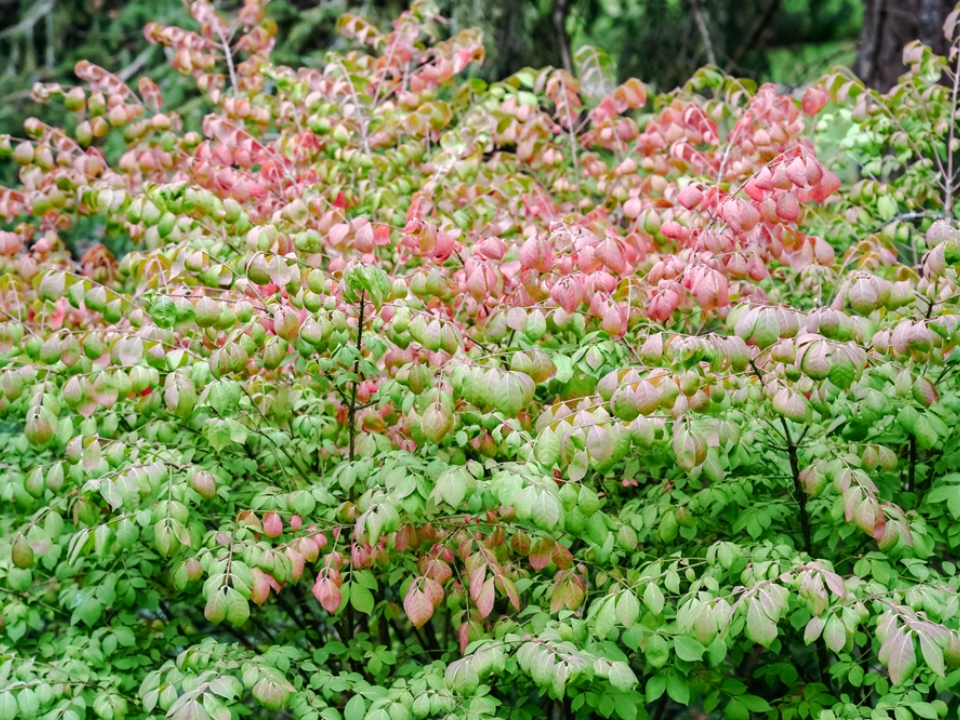
The Burning Bush is one of the most iconic plants known for its dramatic fall color change. In the summer months, the leaves are a rich green, but as autumn arrives, they shift to brilliant shades of red, often resembling the red sections of weather maps during storms. This transformation happens gradually as cooler weather takes hold.
The colors become more intense with each passing week, eventually turning into a fiery red that stands out against the backdrop of other autumn hues. This shrub is often used as a border or hedge due to its compact size and vibrant seasonal color changes. It thrives in full sun and well-drained soil, although it can tolerate some shade. Its resilience to various weather conditions makes it a popular choice for many gardens.
Coral Bells
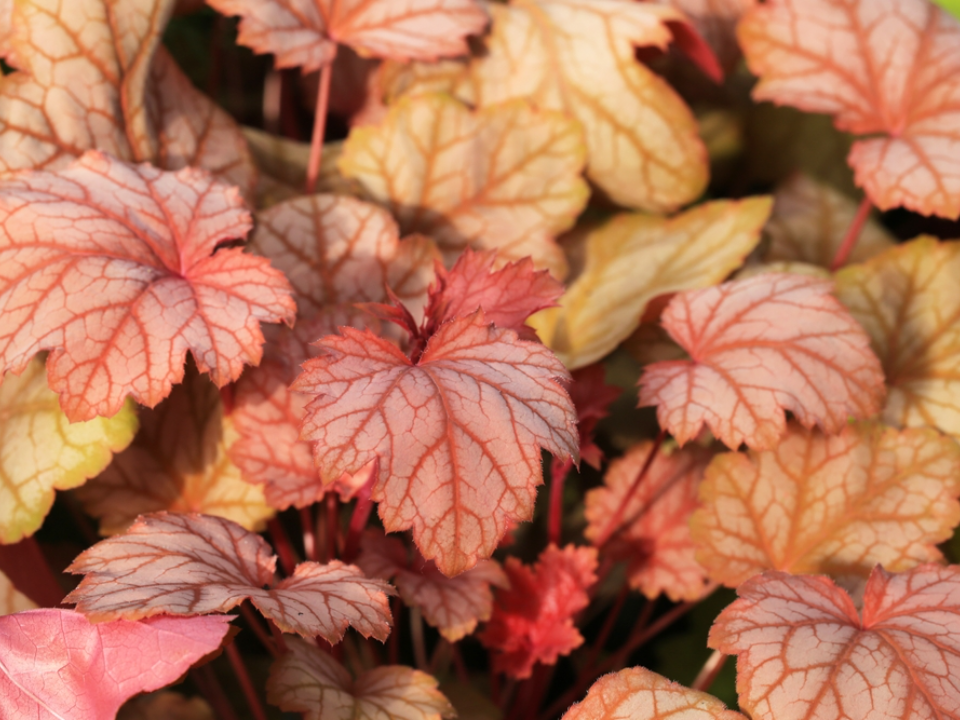
Coral Bells are a perennial plant known for their colorful foliage, which changes hues throughout the year. The leaves are typically green in the spring, but as the weather cools, they shift to shades of red, purple, and bronze. These color changes mimic the gradual shifts on a weather map as temperatures drop. In addition to their ability to change color, Coral Bells also produce small, bell-shaped flowers in the summer, adding another layer of beauty to the plant.
This plant does well in both sun and partial shade and prefers moist, well-drained soil. Its compact size makes it perfect for borders, containers, or as ground cover. Whether grown in full sun or shade, its foliage continues to change colors throughout the growing season, offering a stunning and dynamic display.
Sweetgum Tree
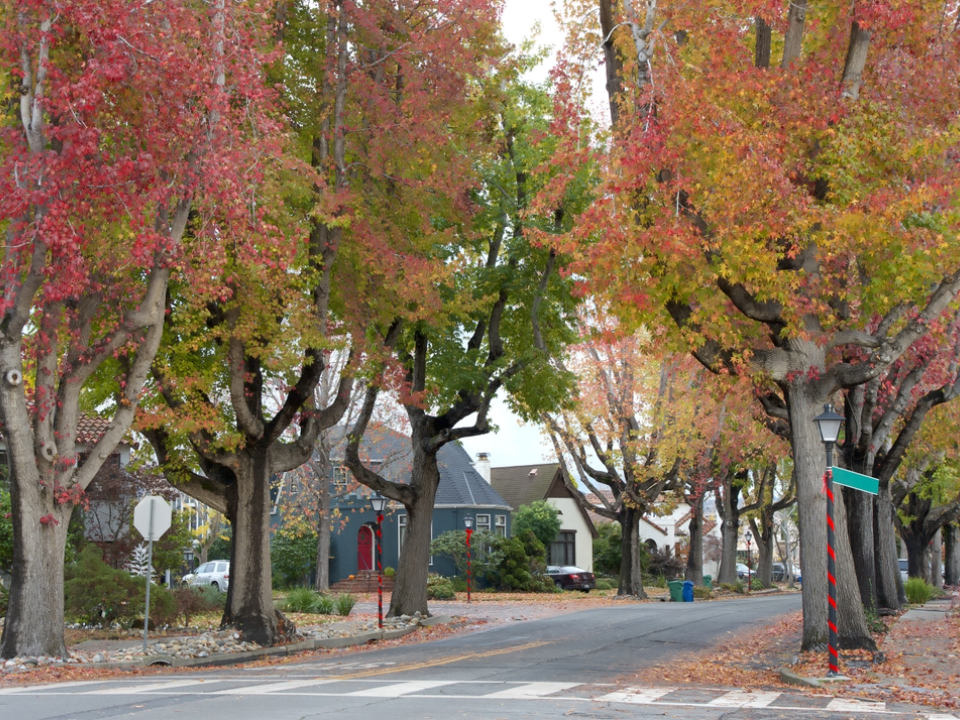
The Sweetgum tree is a deciduous tree known for its star-shaped leaves, which undergo a dramatic color change in the fall. Throughout the spring and summer, the leaves are a deep green, but as autumn arrives, they transition into shades of red, purple, yellow, and orange. This color shift can be compared to the varying sections of a weather map as temperatures fluctuate.
The leaves change gradually over several weeks, with the colors intensifying as the weather cools. Sweetgum trees are known for their large size, making them ideal for larger yards or parks. They thrive in moist, well-drained soil and grow best in full sun. With their stunning fall display, Sweetgum trees bring color and beauty to any landscape, particularly when placed in large open areas.
Vine Maple
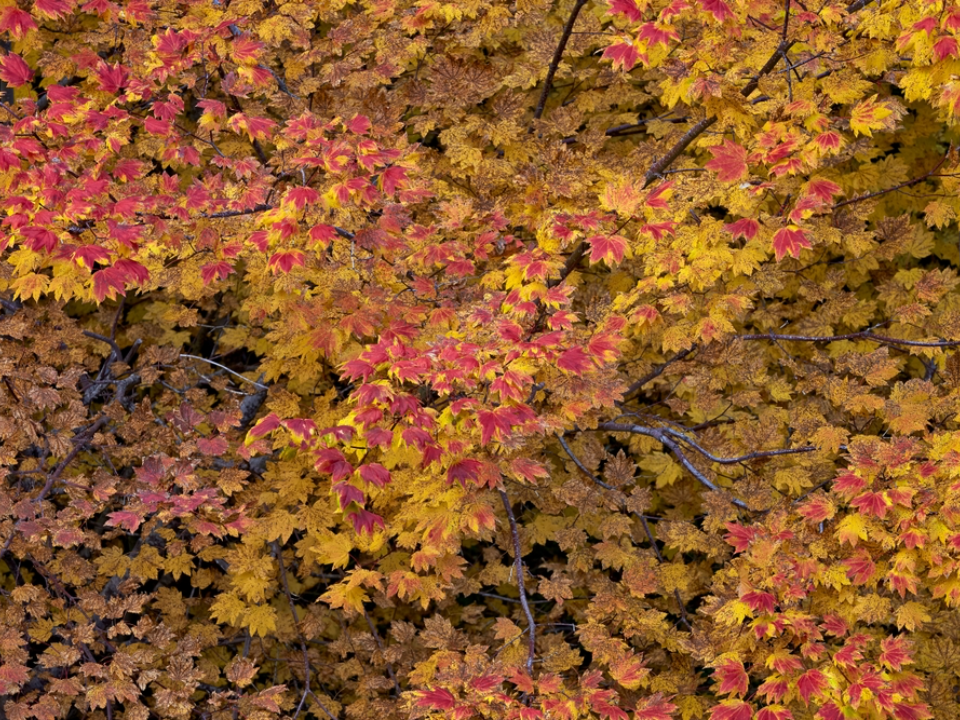
The Vine Maple is a smaller variety of maple tree known for its ability to adapt to various environments. Its leaves are a bright green in spring and summer, but as fall arrives, they shift to vivid red and orange hues. The gradual color transition resembles the shifting patterns seen on weather maps as temperatures cool and daylight shortens.
This tree’s compact size makes it a great option for smaller yards or woodland gardens, where it can be grown as a small ornamental tree. Vine Maples thrive in moist, well-drained soil, making them suitable for various landscapes. In addition to their colorful leaves, the tree’s bark also adds texture, making it a year-round interest in the garden. Their color change during the fall provides a striking contrast to the surrounding landscape, offering a dynamic display of color.
Shishigashira Japanese Maple
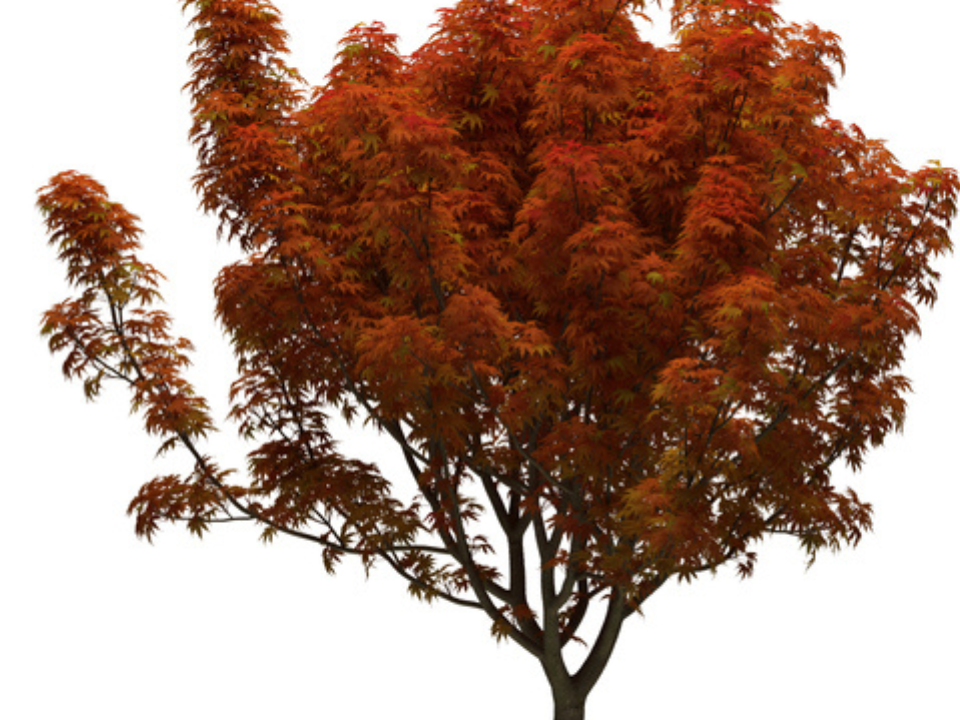
The Shishigashira Japanese Maple, also known as the “Lion’s Head Maple,” is a compact tree that changes color with the seasons. In spring, its leaves are a fresh green, but as the weather cools, they shift to rich red and orange hues, resembling the shifting color patterns found on a weather map. The leaves are unique in their shape, adding texture to the landscape.
This variety of Japanese Maple is prized for its compact size and slow-growing nature, making it perfect for smaller gardens or container planting. The tree thrives in partial shade and well-drained soil, although it can tolerate full sun if watered regularly. In the fall, the transformation of its leaves adds a vibrant burst of color to any space, making it a must-have for gardeners who enjoy dramatic seasonal changes.
Dogwood Tree
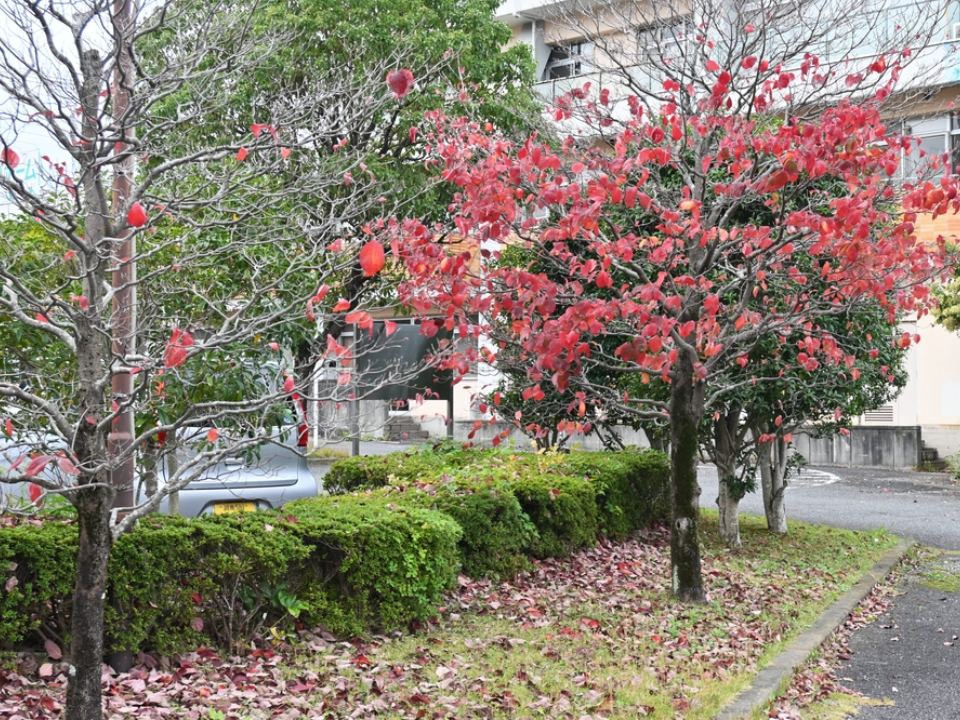
The Dogwood tree is known for its vibrant flowers in the spring, but its leaves also undergo a stunning color transformation in the fall. Starting off green in the warmer months, the leaves change to brilliant shades of red, pink, and purple as autumn sets in. This transition mirrors the changes seen on weather maps, with the color shift occurring gradually as the weather cools.
The Dogwood tree is versatile, thriving in both full sun and partial shade, and can tolerate a range of soil types. It is also known for its attractive bark, which adds visual interest during the winter months when the leaves are gone. Dogwoods are perfect for smaller gardens, as their moderate size fits well into various landscape designs. Their fall foliage, combined with their springtime flowers, makes them a year-round focal point in any garden.
Sweet Potato Vine
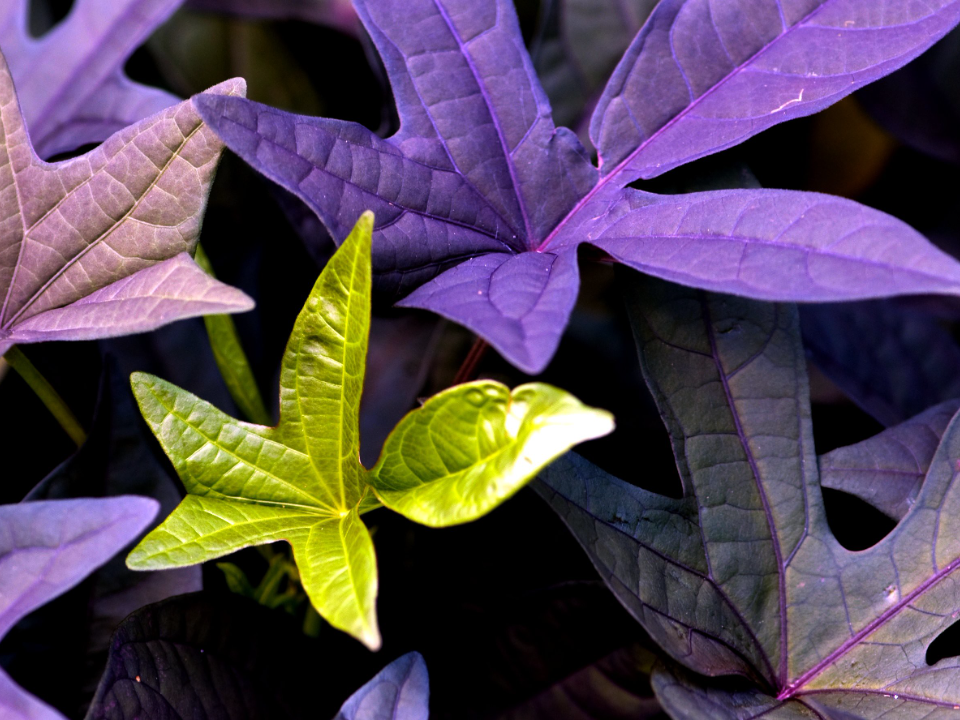
Sweet Potato Vine is a fast-growing ornamental vine that displays beautiful color changes throughout the year. Its heart-shaped leaves are typically green during the spring and summer months but begin to shift into shades of orange, purple, and red as fall approaches. This color change resembles the shifting patterns seen in weather maps as the weather transitions.
The plant thrives in full sun and is ideal for hanging baskets, containers, or as ground cover. It is also well-known for its ability to tolerate both drought and poor soil conditions. As the cooler weather sets in, the vivid colors of the leaves intensify, providing a striking display of warm tones in the garden. Sweet Potato Vine’s dramatic color changes make it a standout addition to any landscape, particularly during the autumn months.
Boxelder Tree
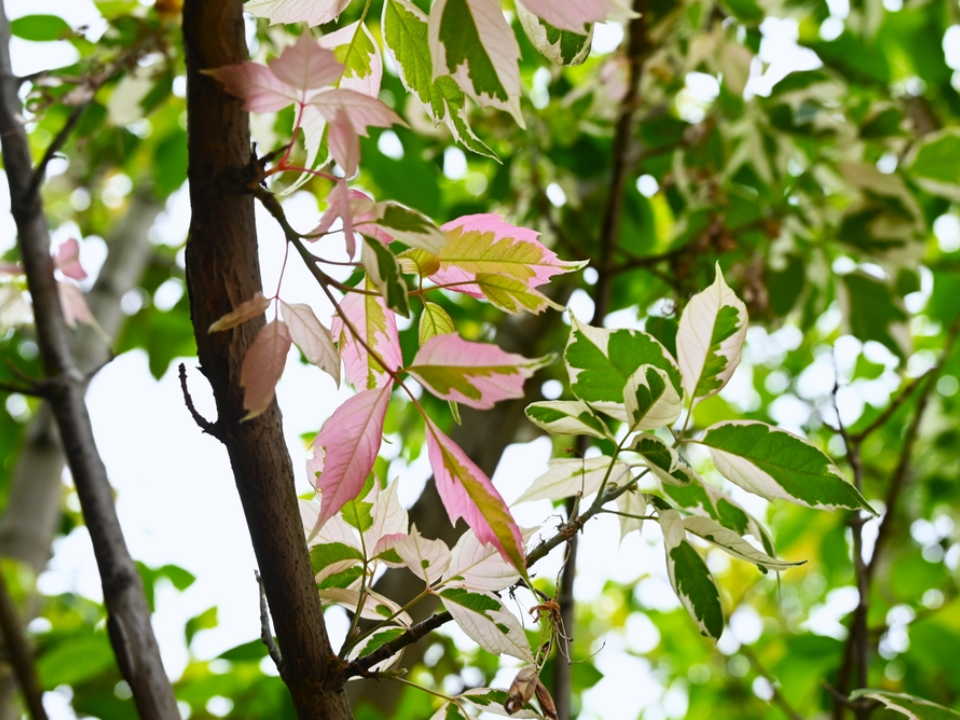
The Boxelder tree, a variety of maple, offers vibrant color changes as the seasons progress. Its leaves are a soft green throughout the spring and summer but transition into brilliant shades of yellow, orange, and red during the fall. This transformation is gradual, resembling the shifting sections of a weather map as temperatures dip. The Boxelder tree is relatively small compared to other maples, making it suitable for smaller yards or urban landscapes.
It prefers moist, well-drained soil and can tolerate a variety of soil types, although it thrives best in areas with full sun. The colors of the leaves become more intense with cooler temperatures and bright sunny days, making the Boxelder a dynamic and colorful tree to watch throughout the fall. This tree is a wonderful addition to any space, offering both shade in the summer and striking autumn foliage.
Beech Tree
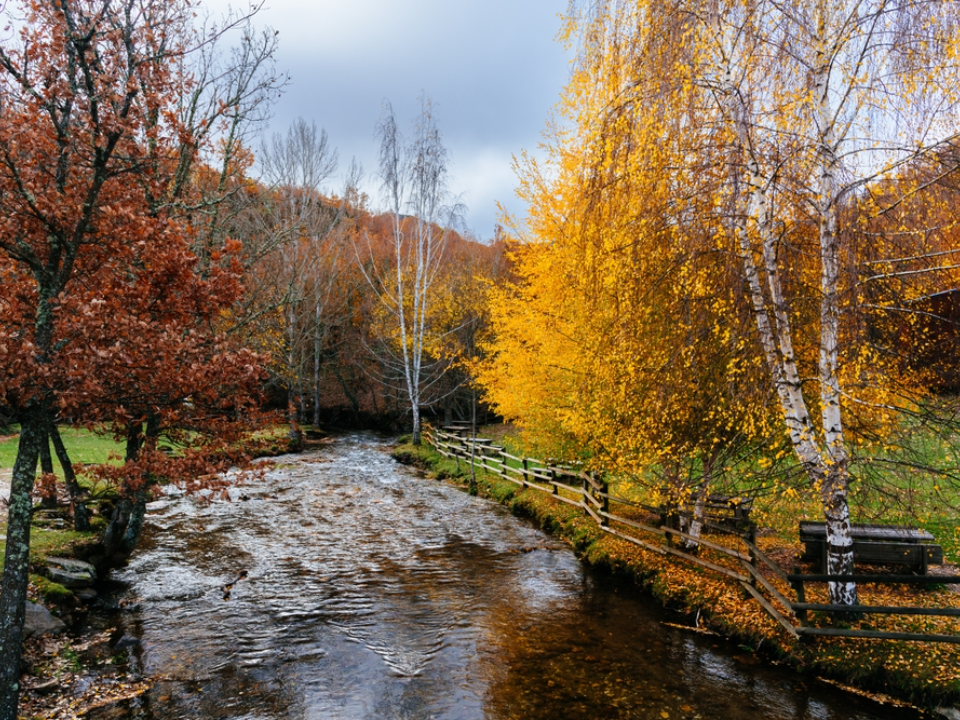
Beech trees are known for their smooth bark and vibrant leaf color changes in the fall. Starting with dark green leaves, they slowly shift into hues of yellow, orange, and bronze as autumn arrives. The transition from green to gold and copper is gradual, much like a weather map that shifts over time with varying temperatures. This slow change makes the Beech a stunning addition to any landscape, as the colors develop over several weeks, offering a soft transition between summer and winter.
Beech trees thrive in well-drained, slightly acidic soil and prefer full sun to partial shade. Their large, glossy leaves add texture to the landscape, and in the fall, the color transformation makes them a focal point. Beech trees also provide excellent shade in the summer, making them a valuable choice for larger gardens or parks.
Red Maple
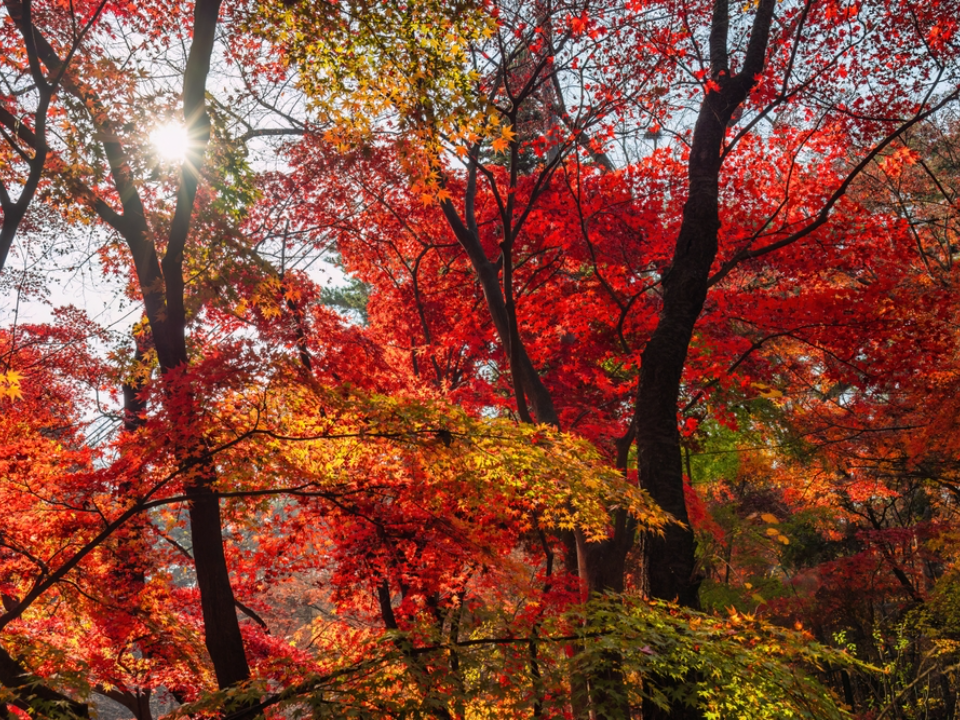
The Red Maple is one of the most popular trees for showcasing vibrant color changes. Its leaves start out green but shift into brilliant shades of red, orange, and yellow in the fall, mimicking the sudden changes in a weather map. The colors are especially striking in the fall, with reds and oranges standing out against the more muted colors of the landscape. This tree is known for its adaptability, thriving in both wet and dry conditions, and it grows well in full sun or partial shade.
Red Maples are typically used for landscaping due to their moderate size, making them a good fit for both urban and rural settings. Their fall color transformation adds visual interest to gardens and parks, and their red leaves are especially vibrant when combined with autumn sunlight. The Red Maple’s ability to quickly transition from green to red makes it one of the most dynamic trees in the landscape.
Honey Locust Tree
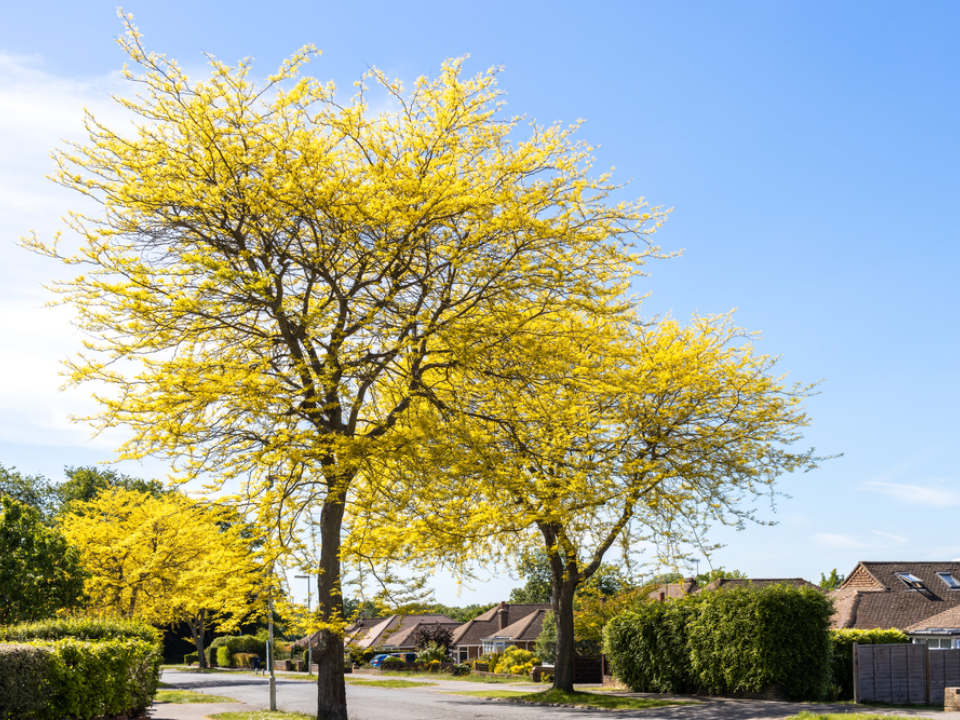
The Honey Locust tree is known for its fine, feathery leaves that offer a subtle color change in the fall. While the leaves are green throughout the warmer months, they begin to shift into shades of yellow, orange, and even light red as the weather cools. This gradual transition from green to golden hues mirrors the changes seen on a weather map as temperatures drop.
The Honey Locust tree is a fast-growing variety that thrives in a variety of soils and light conditions, from full sun to partial shade. Its delicate, fern-like leaves make it stand out from other trees with larger, coarser foliage. In addition to its colorful leaves, the Honey Locust also produces small, sweet-smelling flowers in the spring. The tree’s resilience and the soft color changes in the fall make it an excellent choice for a low-maintenance garden.
Purple Smoke Tree
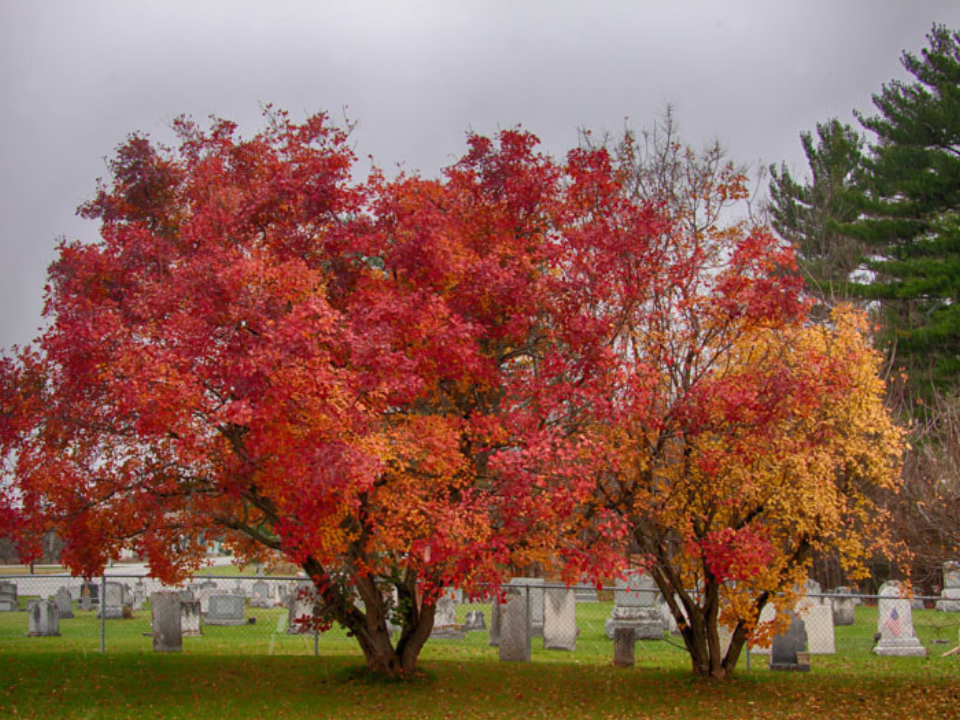
The Purple Smoke Tree is a striking plant that provides both colorful foliage and unique, fluffy flower clusters. In the spring and summer, its leaves are deep purple, creating a rich backdrop for the plant’s puffs of smoky, purple-tinted blooms. As fall approaches, the leaves transition to shades of red, orange, and yellow, reflecting the changing temperatures and light conditions.
The color transformation in the leaves is similar to the shifting sections of a weather map as the weather cools. This plant thrives in full sun and well-drained soil, making it a great addition to dry, sunny areas. The Purple Smoke Tree’s vibrant leaves and unique flowers add visual interest to any garden. Its ability to change color dramatically in the fall makes it a standout plant, especially when placed as a focal point in the landscape.
This article originally appeared on Avocadu.