
10 Houseplants With Fragrance That Might Surprise You
Many houseplants are known for their striking appearance, but some offer an extra treat for the senses. Fragrance is not often the first thing people think about when choosing plants. Yet, there are several varieties that can transform your space with their wonderful scents. These aromatic houseplants can provide both visual beauty and a calming, fragrant environment.
This post may contain affiliate links, which helps keep this content free. Please read our disclosure for more info.
Jasmine (Jasminum)
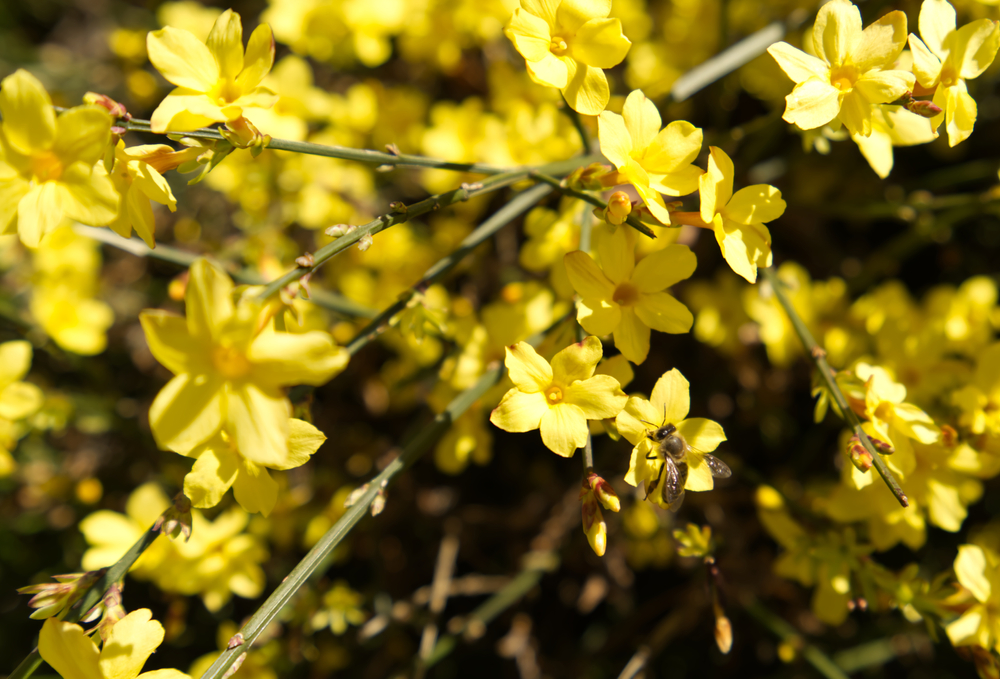
Jasmine is well-known for its rich, sweet fragrance, which is often used in perfumes. This plant thrives in bright, indirect light and can be grown in both pots and hanging baskets. The white or yellow flowers bloom in clusters and release a strong scent, especially in the evening. Its fragrance is often described as sweet, floral, and intoxicating, making it a popular choice for enhancing the ambiance in bedrooms or living areas.
While jasmine requires a little extra attention to its water needs and humidity, it is well worth the effort for its stunning aroma. If you are looking for a plant that adds a touch of elegance and fragrance to your space, this could be a perfect option. When in bloom, the flowers seem to fill the room with their heady scent. It is a great addition to any home and especially wonderful for those who enjoy a floral fragrance that lingers in the air.
Gardenia (Gardenia jasminoides)
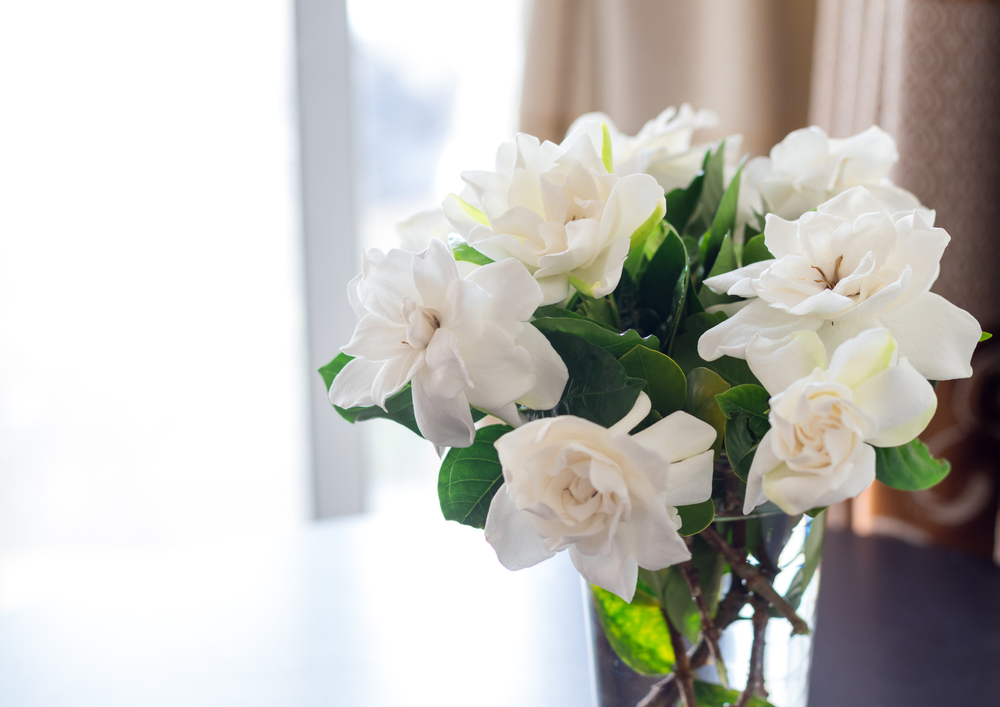
Gardenias are beloved for their creamy white blooms and sweet, intoxicating fragrance. These plants thrive in areas with moderate light and should be placed in a spot with good air circulation. Their scent is rich and floral, similar to jasmine, but with an added creamy sweetness that many find soothing. Gardenias are often used in aromatherapy for their relaxing properties, making them a perfect plant for the bedroom or living room.
This plant is a little more challenging to care for, as it requires consistent watering and well-draining soil. Gardenias do best in slightly acidic soil, which enhances their fragrance and health. Their fragrant flowers make them a popular choice for both indoor and outdoor gardening. If you are patient with their care, gardenias will reward you with stunning blooms and a fragrance that fills the air.
Lemon Balm (Melissa officinalis)
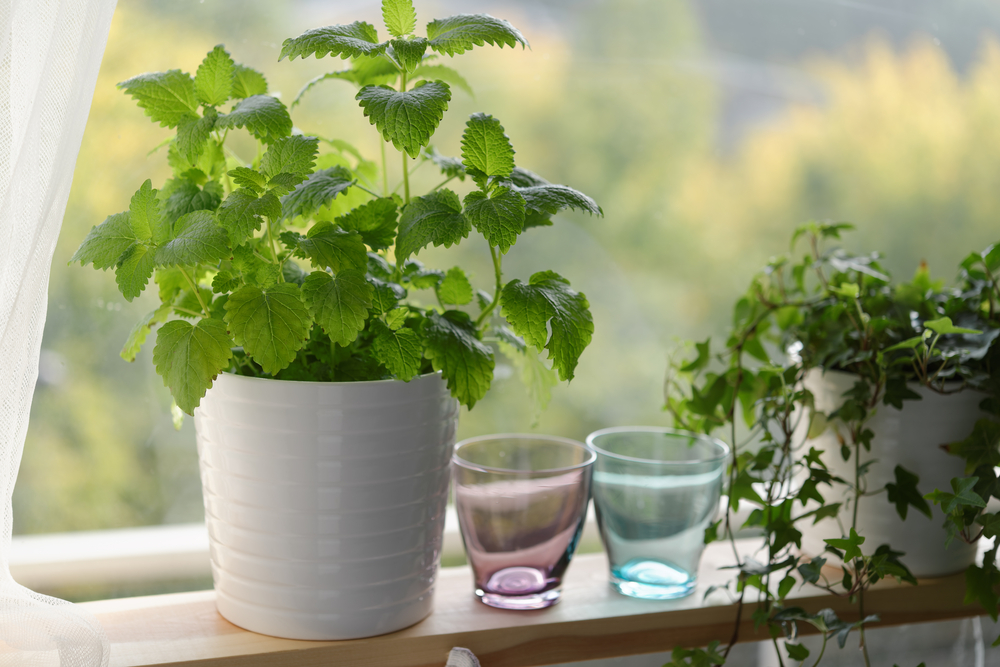
Lemon balm, a member of the mint family, offers a bright, citrusy fragrance that can instantly uplift any space. Its leaves release a refreshing lemon scent when touched, making it an ideal addition to any herb garden. It thrives in well-drained soil and should be placed in a sunny spot with a bit of shade to protect it during the hottest part of the day. The plant grows quickly, with small white flowers that bloom in late summer.
Beyond its fresh aroma, lemon balm is known for its calming properties and can be used to make refreshing herbal teas. It is easy to maintain and makes an excellent houseplant for beginners. The fragrance can be particularly helpful in areas where you want to add a hint of citrus, without the need for essential oils or chemical sprays. In the kitchen, it can be used as an herb to complement both sweet and savory dishes.
Lavender (Lavandula angustifolia)
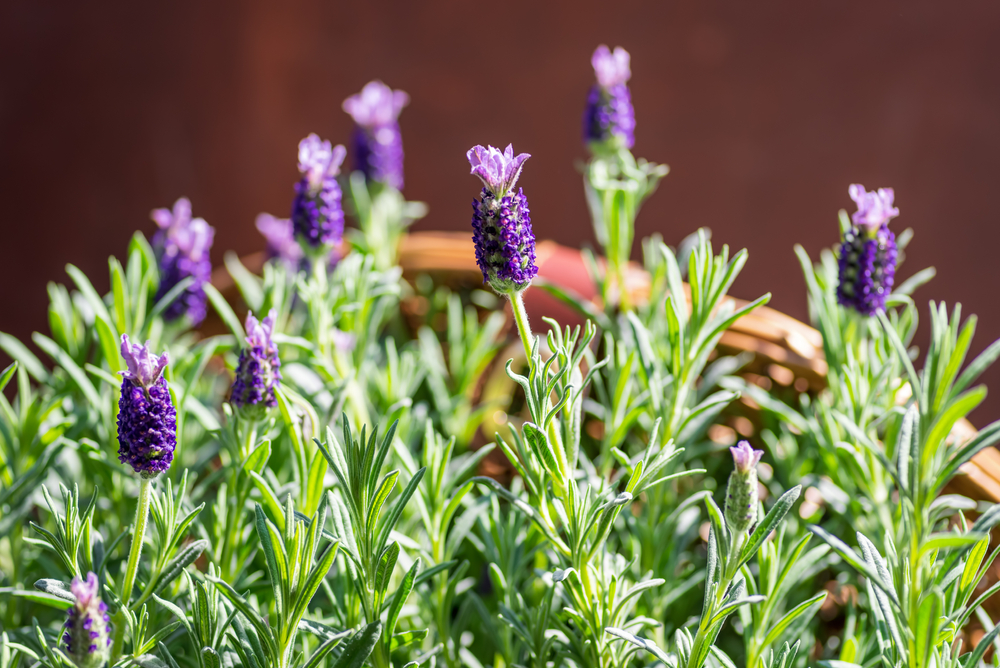
Lavender is a timeless fragrance known for its calming and soothing properties. This herb, often grown for its beautiful purple flowers, emits a refreshing scent that is both floral and herbaceous. Lavender prefers full sun and well-draining soil, making it an easy houseplant to grow if the conditions are right. It is often used in aromatherapy for its stress-relieving qualities, making it ideal for bedrooms, bathrooms, or any space where you want to create a relaxing atmosphere.
The fragrance of lavender is potent yet not overwhelming, and its scent can linger in the air for hours. When in bloom, the purple spikes of flowers draw attention and add an elegant touch to your home. Lavender is also a great plant for those who enjoy cooking, as its leaves and flowers can be harvested for use in a variety of dishes, from desserts to savory meals. Whether used for its fragrance or its culinary benefits, lavender remains one of the most beloved houseplants for scent.
Scented Geranium (Pelargonium spp.)
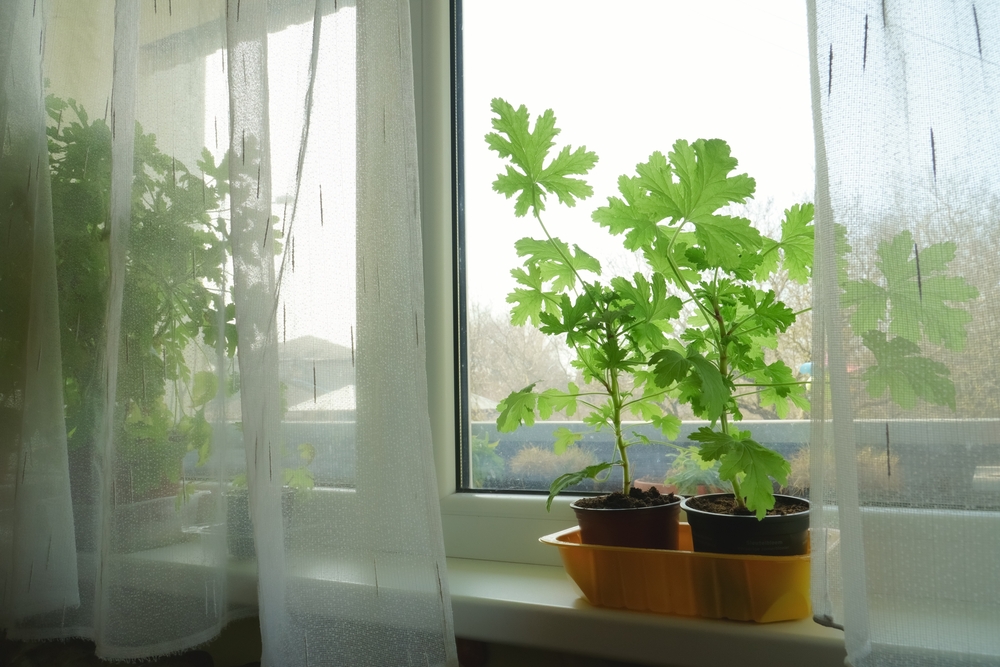
Scented geraniums offer a variety of fragrances depending on the type, with some varieties smelling like roses, citrus, or even mint. These plants are easy to grow and thrive in sunny spots with well-drained soil. Their leaves release their fragrance when touched or brushed, which makes them an ideal plant for outdoor gardens and indoor spaces alike. The flowers themselves are often small and colorful, but it is the leaves that offer the most aromatic appeal.
These plants are not only fragrant but also have practical uses, as their oils are often used in perfumes, candles, and even cosmetics. The rose-scented variety is especially popular for its sweet, floral aroma, while the citrus-scented geranium brings a bright, refreshing note to your home. Scented geraniums are a great choice for those looking to add both fragrance and texture to their indoor garden. Regular trimming will keep them healthy and encourage new growth, ensuring you continue to enjoy their lovely scent throughout the year.
Tuberose (Polianthes tuberosa)
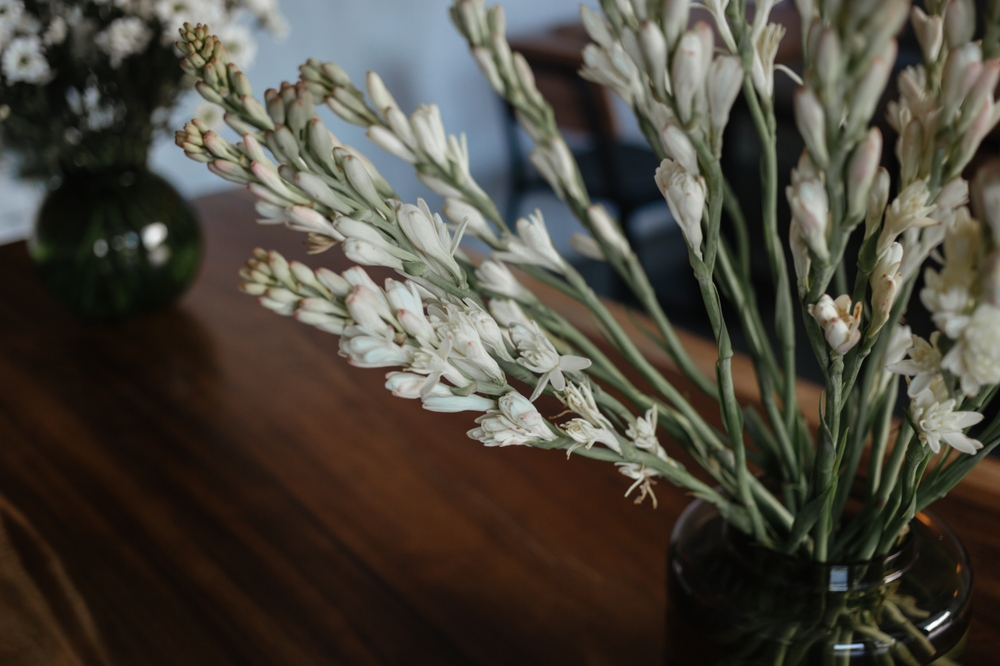
Tuberose is known for its strong, heady fragrance, which is often used in perfumes and scented oils. This plant produces long spikes of white, waxy flowers that release an intense, sweet floral scent. It thrives in well-draining soil and requires full sun to produce its striking blooms. Tuberose is often grown as a cut flower for its rich fragrance, but it also makes a stunning addition to any indoor garden.
The scent of tuberose is sweet, rich, and slightly exotic, offering a luxurious feel to any room. While the plant can be a bit more demanding in terms of care, the payoff is worth it. The blooms last for several weeks, filling your space with an unforgettable fragrance. Tuberose is perfect for those who enjoy an aromatic atmosphere and are willing to provide the plant with the proper care it needs to thrive.
Hoya (Hoya spp.)
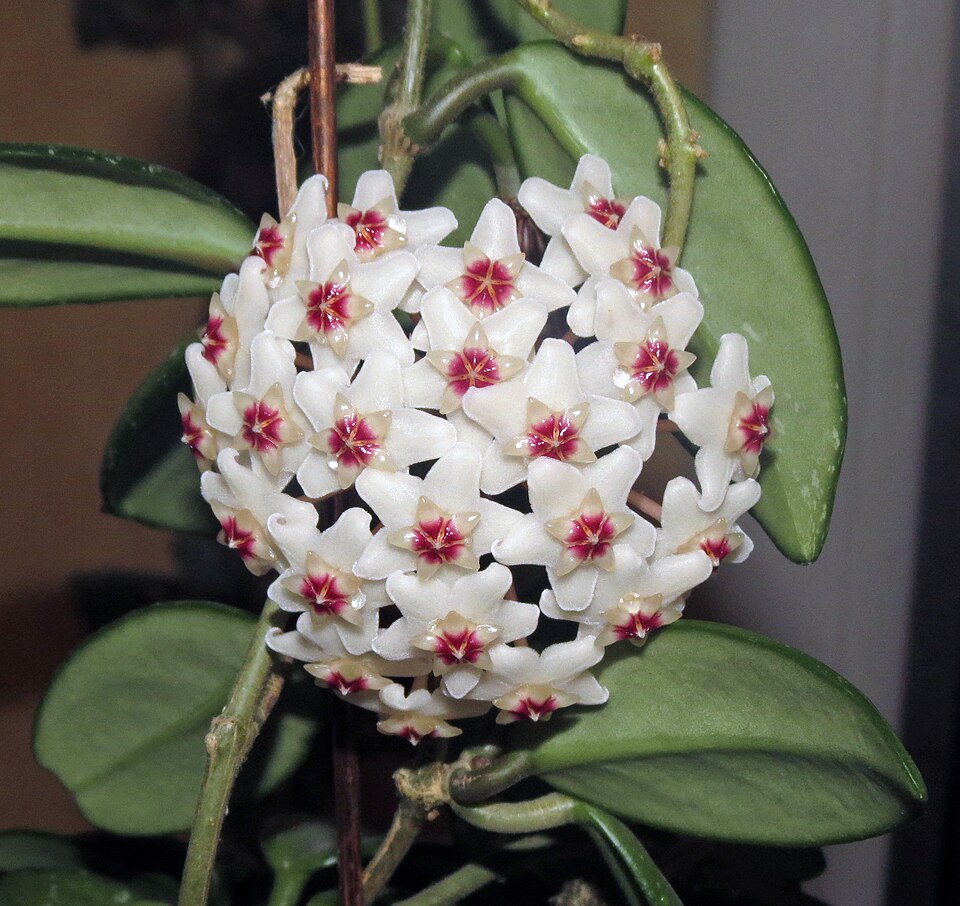
Hoya, also known as the wax plant, produces clusters of star-shaped flowers that emit a sweet, honey-like fragrance. These plants are known for their low maintenance and ability to thrive in various light conditions, though they prefer bright, indirect light. The waxy, fleshy leaves add to the plant’s charm, making it an appealing choice for both its fragrance and appearance. Hoya’s flowers bloom in cycles, often during the spring and summer months.
The fragrance of the hoya flower can range from sweet and sugary to more tropical, depending on the variety. Some species of hoya are more fragrant than others, with the most popular varieties being the Hoya carnosa and Hoya pubicalyx. Their ability to grow in a hanging basket or on a trellis makes them perfect for adding vertical interest to your space. While hoyas can take time to bloom, the fragrance and beauty of the flowers make the wait worthwhile.
Philodendron (Philodendron spp.)
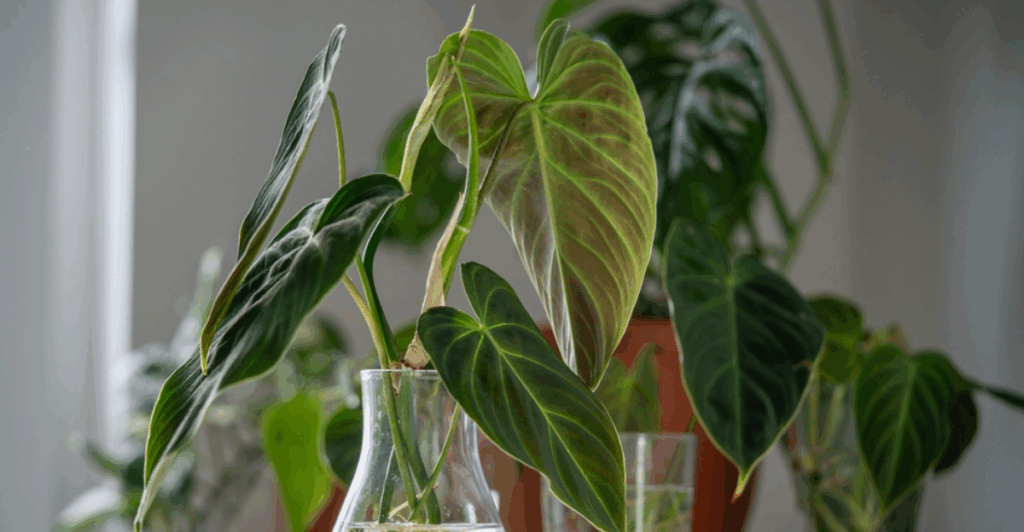
While many philodendrons are known for their attractive foliage, certain varieties also produce flowers with a light, pleasant scent. These plants are highly adaptable and thrive in a range of conditions, making them an excellent choice for indoor gardening. Their large, glossy leaves are often a stunning addition to any space, and their flowers, though rare, offer a subtle fragrance. The scent is often described as sweet and earthy, with a mild tropical aroma that complements their lush leaves.
Philodendrons are perfect for beginners due to their resilience and ease of care. They are typically grown for their foliage, but when they bloom, the fragrance adds an unexpected bonus. Philodendrons do best in indirect light and should be watered when the soil is dry. If you have the space for a larger philodendron variety, you can enjoy its scent along with its impressive foliage.
Citrus (Citrus spp.)
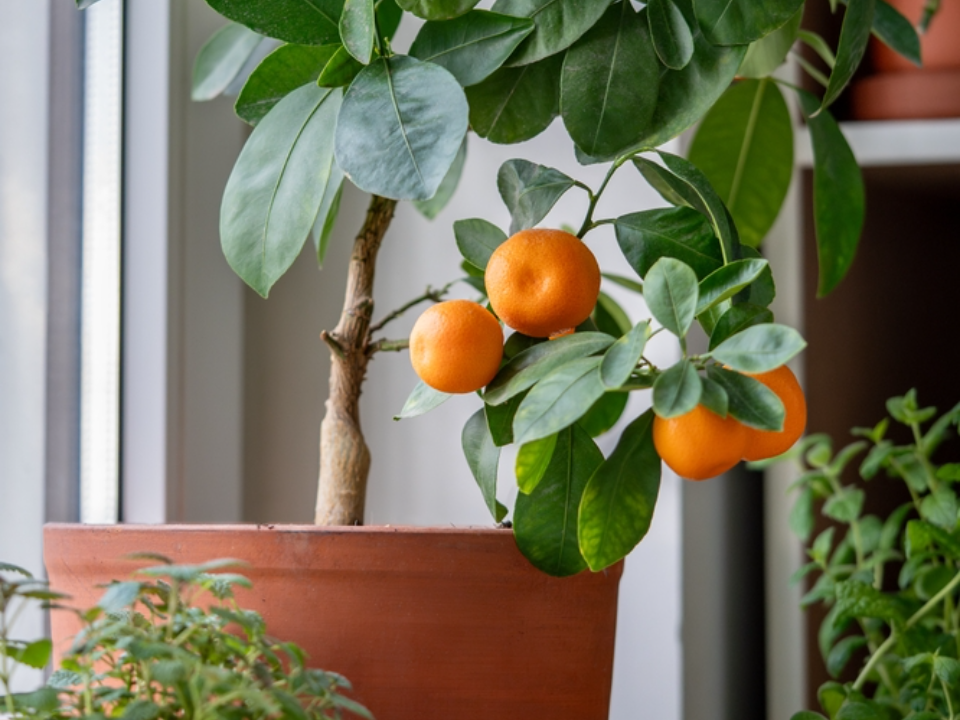
Citrus plants, such as lemon, lime, and orange trees, are popular for their bright, tangy fragrances. These plants thrive in sunny spots and require well-draining soil to produce fruit. The flowers of citrus trees are small but highly aromatic, offering a sweet, citrusy fragrance that can fill the room. The scent of citrus flowers is uplifting and refreshing, making it a great choice for kitchens or sunrooms.
Citrus trees are more commonly grown for their fruit, but the fragrance of their blossoms is an added bonus. The smell of fresh citrus flowers can bring a touch of summer into your home year-round. Citrus trees can be grown indoors in pots, but they may require more care during colder months. With proper care, you can enjoy both the beauty and the fragrance of these plants.
Plumeria (Plumeria spp.)
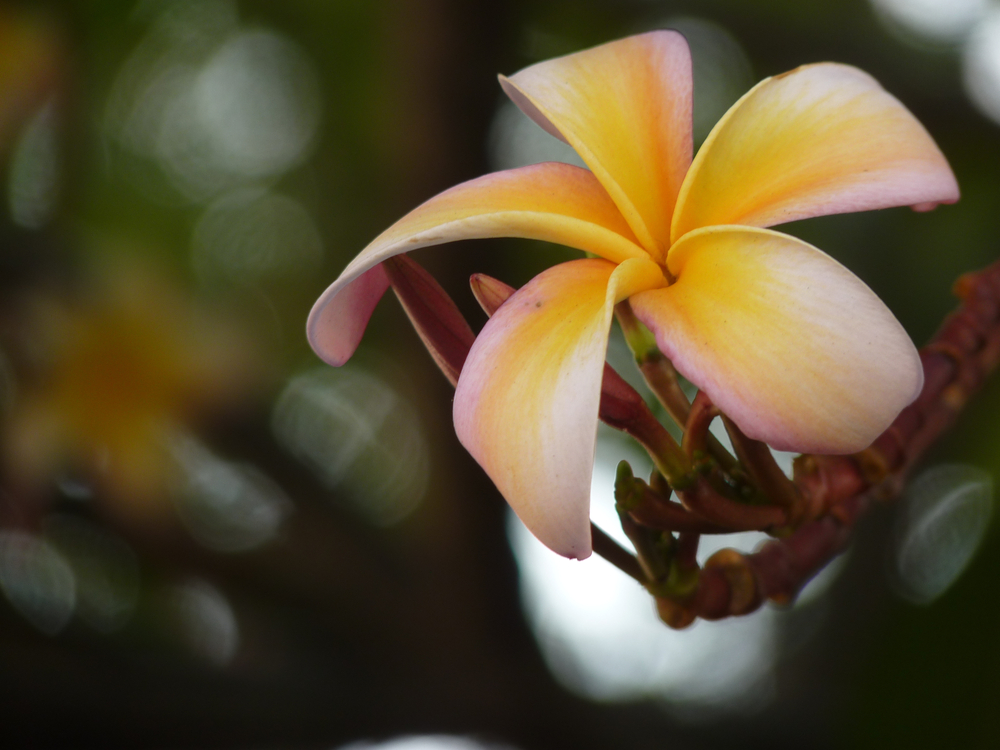
Plumeria, also known as frangipani, is a tropical plant that produces fragrant, showy flowers in shades of white, pink, yellow, and red. The flowers have a rich, sweet scent that is often described as a combination of jasmine and citrus, making it a popular choice for tropical-themed gardens. Plumeria requires plenty of sunlight and well-drained soil, making it ideal for sunny windowsills or patios.
The fragrance of plumeria is strong yet soothing, creating a relaxing atmosphere in any room. It is often used in the creation of perfumes and scented oils due to its complex and alluring aroma. While it can be a bit more challenging to grow indoors, plumeria rewards its caretakers with stunning, fragrant blooms. This plant is perfect for anyone looking for a tropical touch and a fragrance that will transport them to an exotic paradise.
This article originally appeared on Avocadu.