
13 January Garden Journal Ideas That Make Planning Easier
January is the perfect time to start planning for the upcoming gardening season. With the cold weather outside, it offers a great opportunity to reflect on last year’s garden and consider what you want to grow in the months ahead. A garden journal is an excellent tool to organize your thoughts, track progress, and ensure everything is ready when spring arrives. Whether you’re an experienced gardener or just starting out, keeping a record of your plans, ideas, and observations can make a big difference. From planning your layout to monitoring soil health, there are several ways to stay on top of your garden goals. As you prepare for the new season, having a clear plan in place will help you make the most of your space and time.
This post may contain affiliate links, which helps keep this content free. Please read our disclosure for more info.
Plan Your Garden Layout for the Year
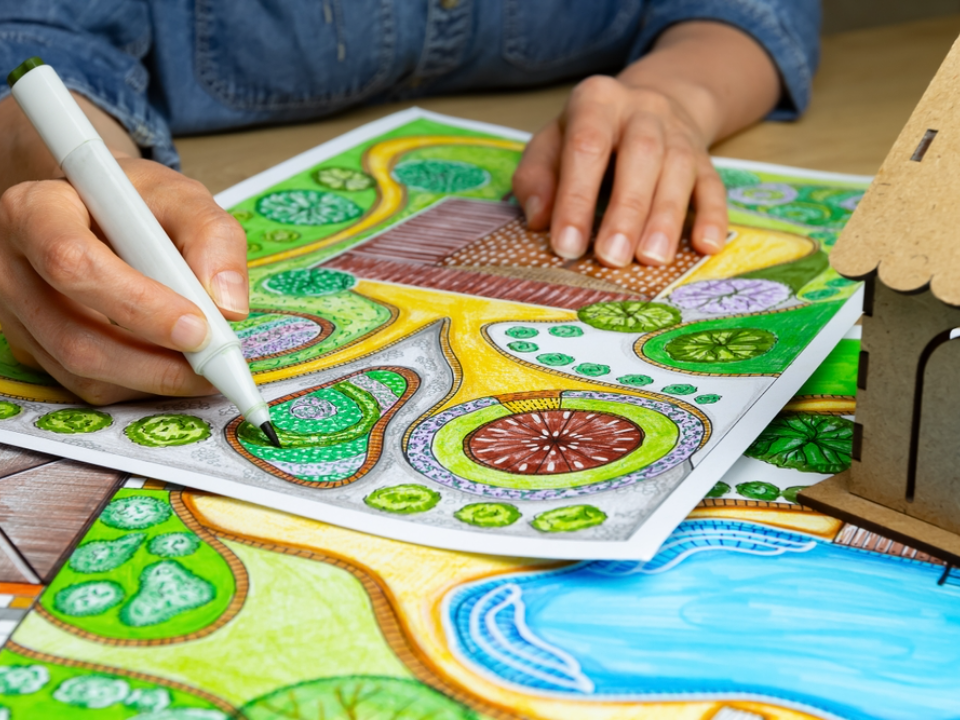
In January, take time to plan your garden layout for the upcoming months. Think about the plants you want to grow, where each plant will go, and how much sunlight and space it requires. A good layout allows you to visualize your garden and ensures you plant things that complement each other. You can use graph paper or garden planning software to sketch out the space.
Make sure to account for factors like soil quality, water availability, and plant height to ensure everything grows harmoniously. Planning ahead helps you avoid overcrowding and ensures a more organized and efficient garden. Remember to note areas that may need additional support or protection during certain weather conditions.
Track the First and Last Frost Dates
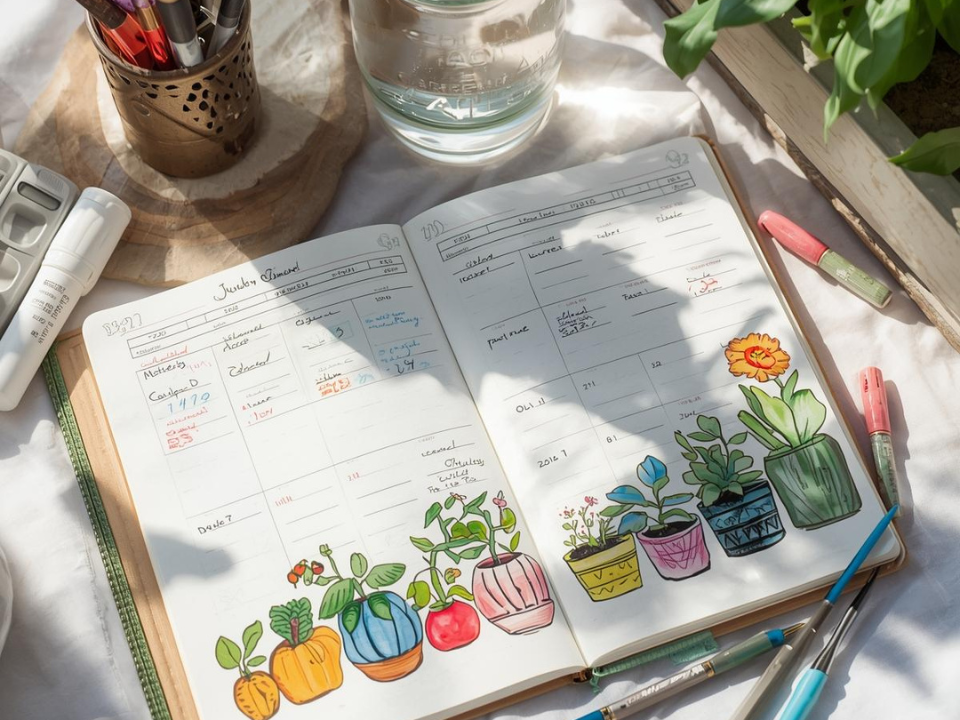
Knowing the first and last frost dates is crucial for timing you’re planting and harvesting. These dates will help you decide when to start seeds indoors, when to plant outdoors, and when to harvest. Use local weather data or check with your local agricultural extension service for the most accurate frost dates for your region.
Mark these dates in your garden journal to ensure you’re planting at the right time. Keep in mind that these dates can fluctuate, so it’s helpful to monitor them throughout the season. Frost dates also guide decisions about protecting delicate plants during colder spells. Tracking these dates every year allows you to adjust and plan more effectively as seasons change.
Catalog Seed Inventory and Plan Purchases
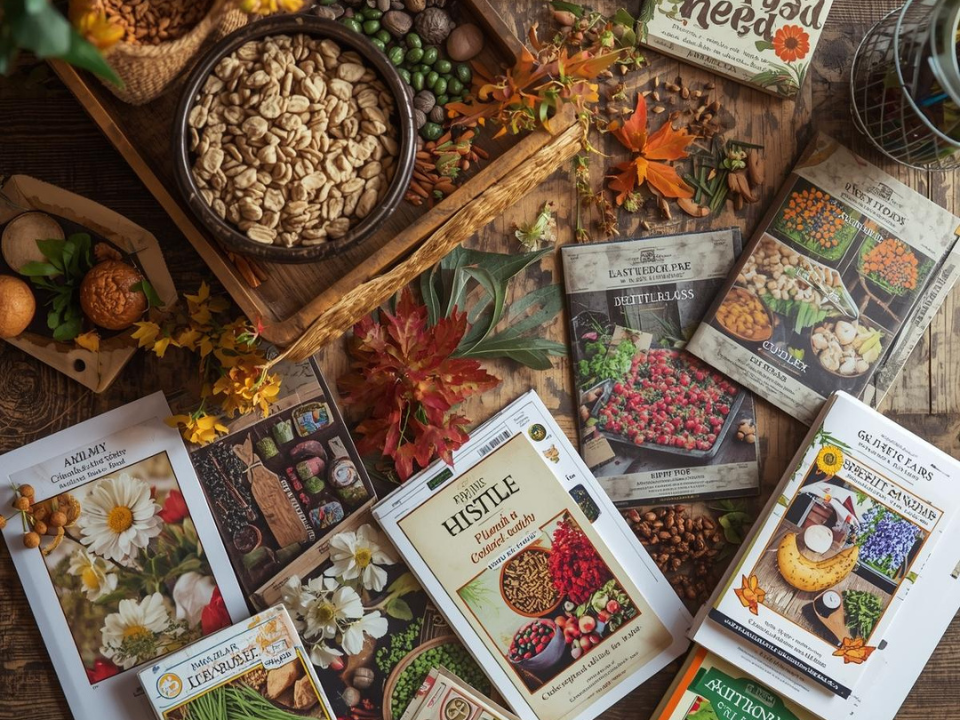
January is the perfect time to review your seed inventory and figure out what you need for the upcoming season. Go through your remaining seeds and check their expiration dates. Some seeds may be too old to plant, while others might still be viable. Create a list of any seeds you need to purchase, making sure to consider the types of plants you want to grow. Research the best varieties for your climate and soil conditions to maximize your success. A well-organized seed inventory can save you time and money in the long run. Make sure to keep your seeds stored properly until planting time, and don’t forget to check online sales for good deals.
Plan for Soil Amendments and Fertilization
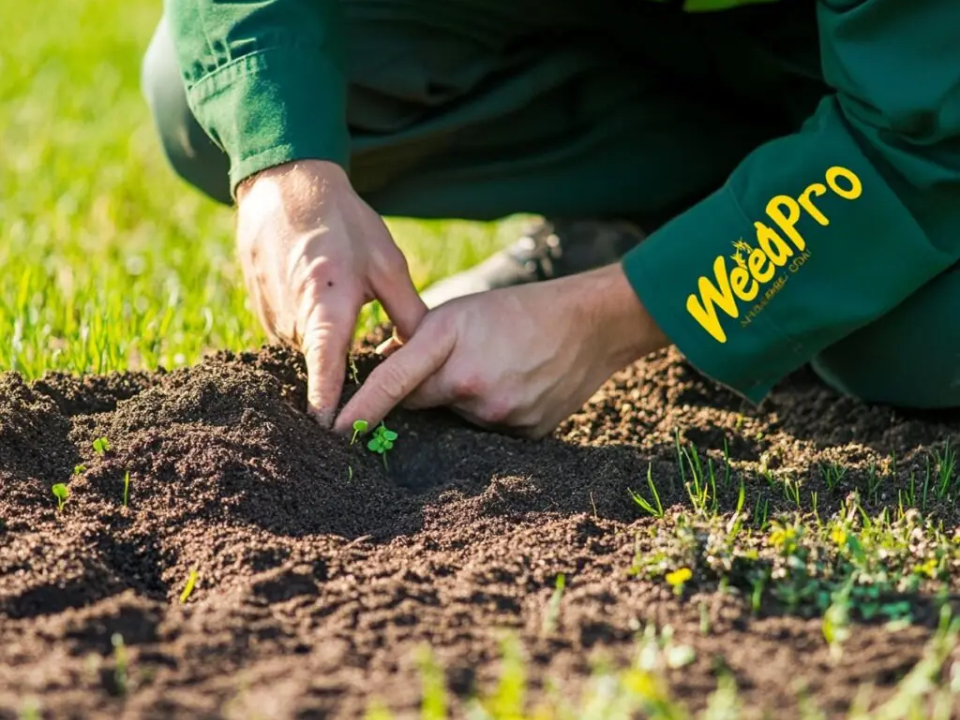
Soil quality is key to a thriving garden, so January is an ideal time to review your soil health. Take a soil test if you haven’t done so recently to check for pH balance and nutrient levels. Based on the test results, you can plan any necessary soil amendments, such as adding compost, organic matter, or fertilizers.
If your soil lacks essential nutrients, incorporate these amendments well in advance to allow them to break down and integrate into the soil. A good balance of organic matter will improve drainage and encourage beneficial microbial activity. Proper soil amendments can increase your chances of a healthy, productive garden all season long. Make a note of the types of fertilizers or soil treatments you’ll need to purchase.
Monitor Garden Tools and Equipment
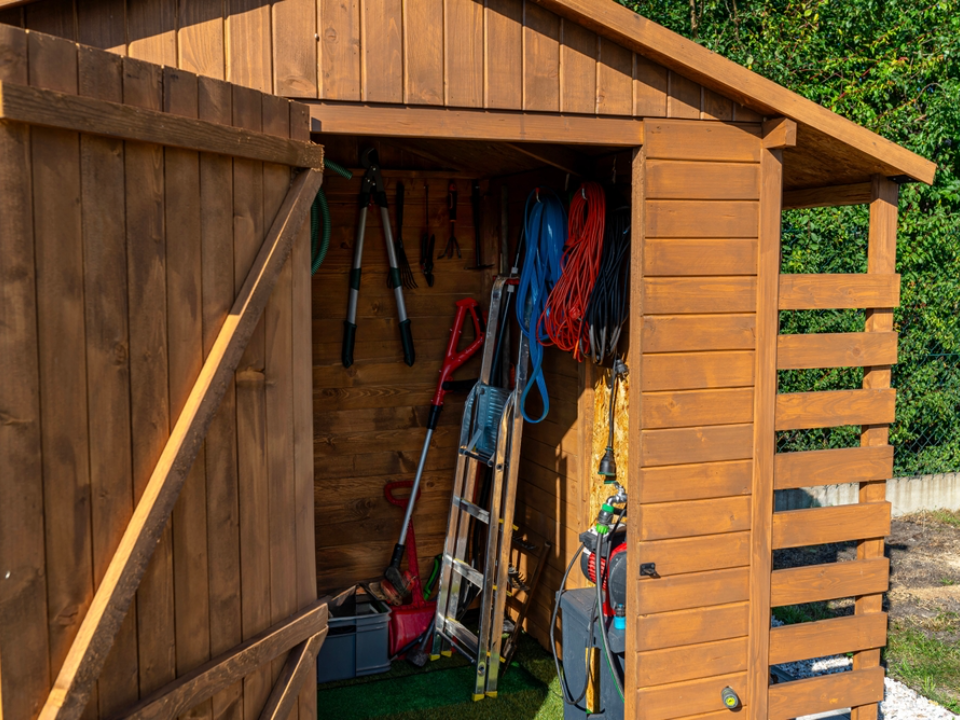
Ensure your garden tools are ready for the upcoming season by taking inventory in January. Check tools like hoes, trowels, shovels, pruners, and watering equipment for wear and tear. Clean and sharpen tools that may have been neglected during the off-season.
If any tools need repairs or replacements, make a list of what needs to be fixed. It’s also a good time to inspect irrigation systems for leaks or malfunctions. Having well-maintained tools and equipment saves you time and effort during planting and harvest. Don’t forget to check your gardening gloves and protective gear, as these items can wear out over time as well.
Estimated cost: $10 – $100 depending on the tools and any necessary replacements.
Research Companion Planting Strategies
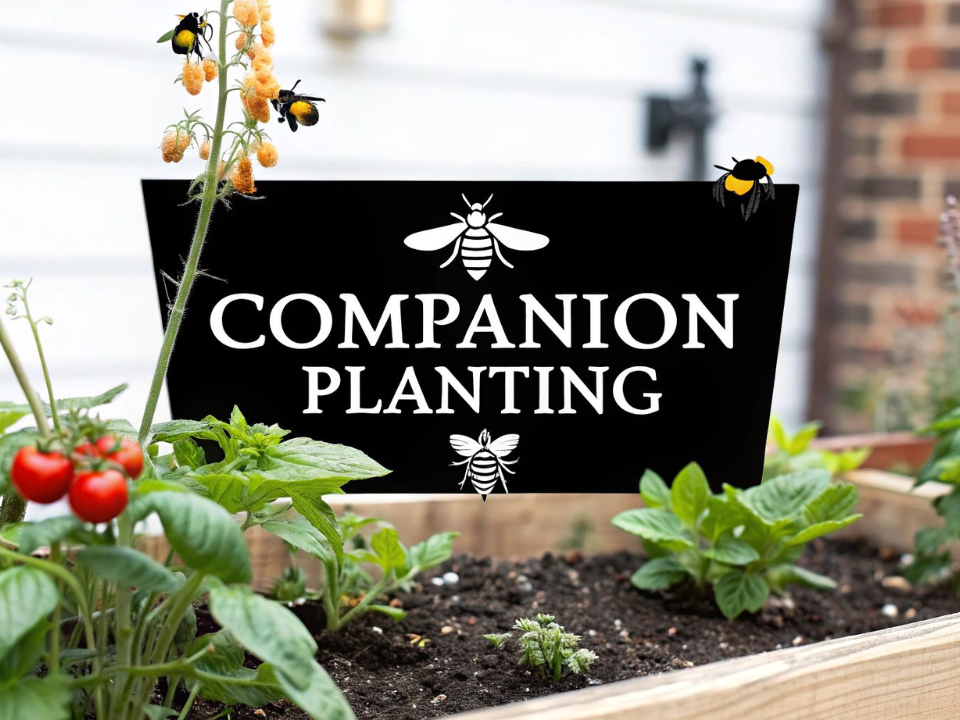
January is the perfect time to dive into companion planting research. Companion planting involves pairing plants that grow well together, boosting growth, or protecting each other from pests. For example, planting marigolds with tomatoes can help deter harmful insects. Research which plant combinations work best for your region and climate.
Your garden journal can be a great place to list your planned companions, ensuring that you pair plants that will complement each other. This planning will help you make the most of your garden space and reduce the need for chemical pest control. Over time, you can learn which combinations yield the best results.
Set Gardening Goals and Milestones

Set achievable goals for your garden to keep yourself motivated and focused. Whether you want to grow a certain number of plants or achieve a higher yield from your harvest, having goals can give you a sense of accomplishment. Create milestones throughout the season to help track your progress, such as completing planting tasks or reaching specific growth stages.
Make your goals realistic based on your space, time, and experience level. Documenting your goals in your garden journal can keep you on track and allow you to reflect on your successes and challenges at the end of the season. A goal-oriented approach helps ensure that your gardening efforts are purposeful and rewarding.
Review Past Garden Successes and Failures
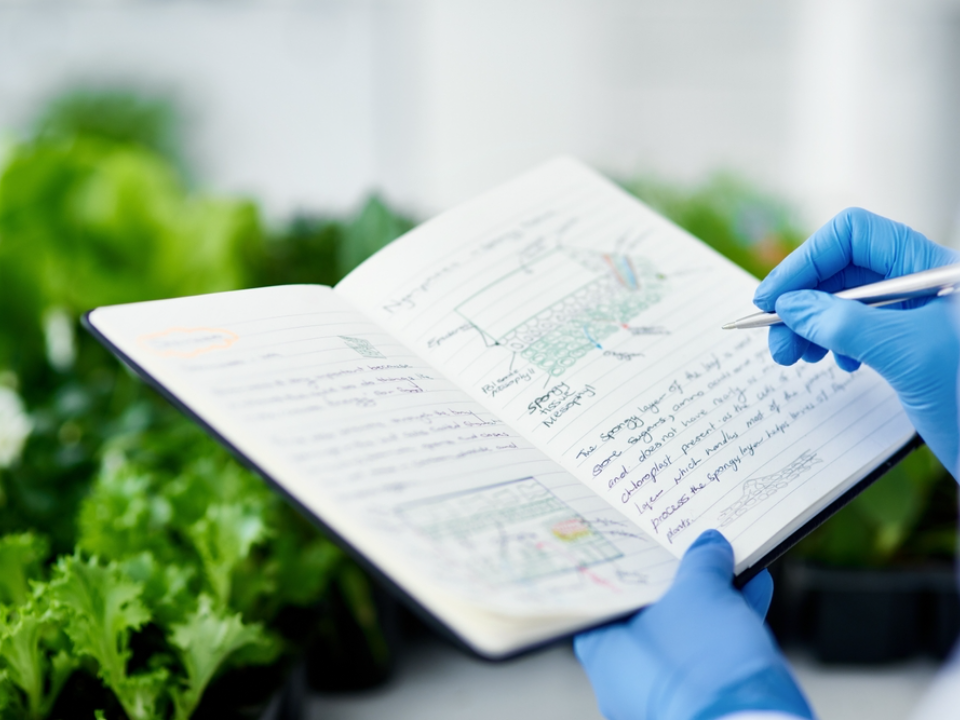
Use January to reflect on last year’s gardening season by reviewing what went well and what didn’t. Did certain plants flourish while others struggled? Were there any unexpected issues, such as pest invasions or weather problems? Identifying both successes and failures will give you valuable insights for the upcoming season.
Make notes in your garden journal about what you learned from last year’s experience. For example, if a particular plant didn’t thrive, consider adjusting your growing method or trying a different variety. Looking back helps you make more informed decisions as you plan for the new year.
Prepare for Early Seed Starting Indoors
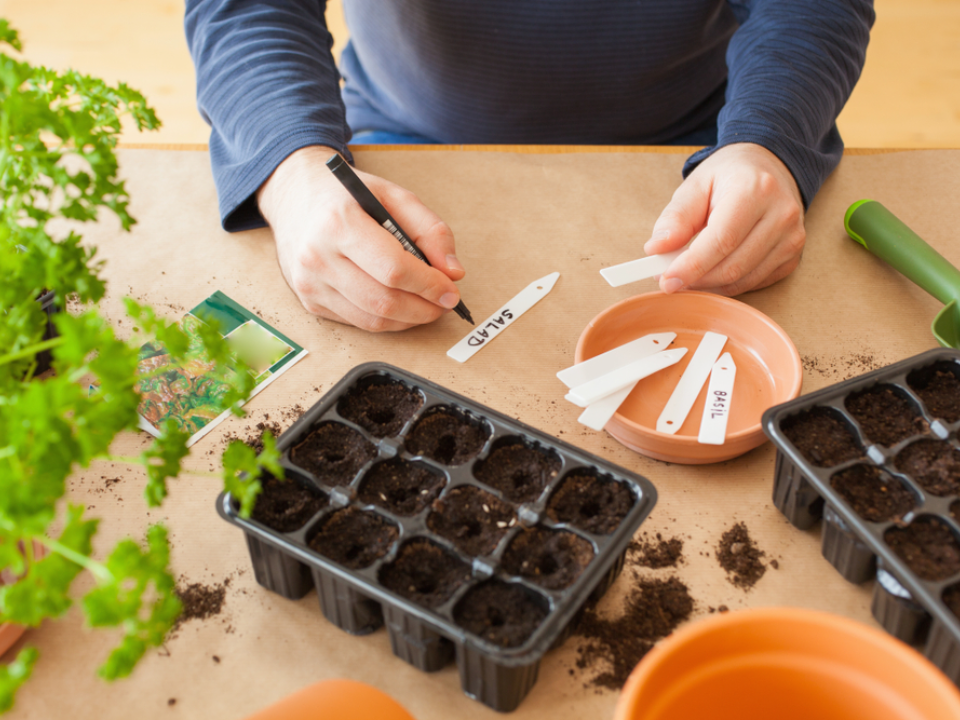
If you plan to start some seeds indoors before the last frost date, now is the time to prepare. Research which plants benefit from early indoor sowing and make a list of the varieties you want to start. January is an excellent month to set up a seed-starting station with proper lighting, heating mats, and containers. Gather your seed trays, pots, or any other containers you plan to use.
Make sure you have the right potting mix for starting seeds. Begin tracking the recommended planting dates and keep track of when to move your seedlings outdoors. Starting seeds indoors gives your plants a head start, allowing them to grow strong before being exposed to outdoor conditions.
Create a Garden Maintenance Schedule
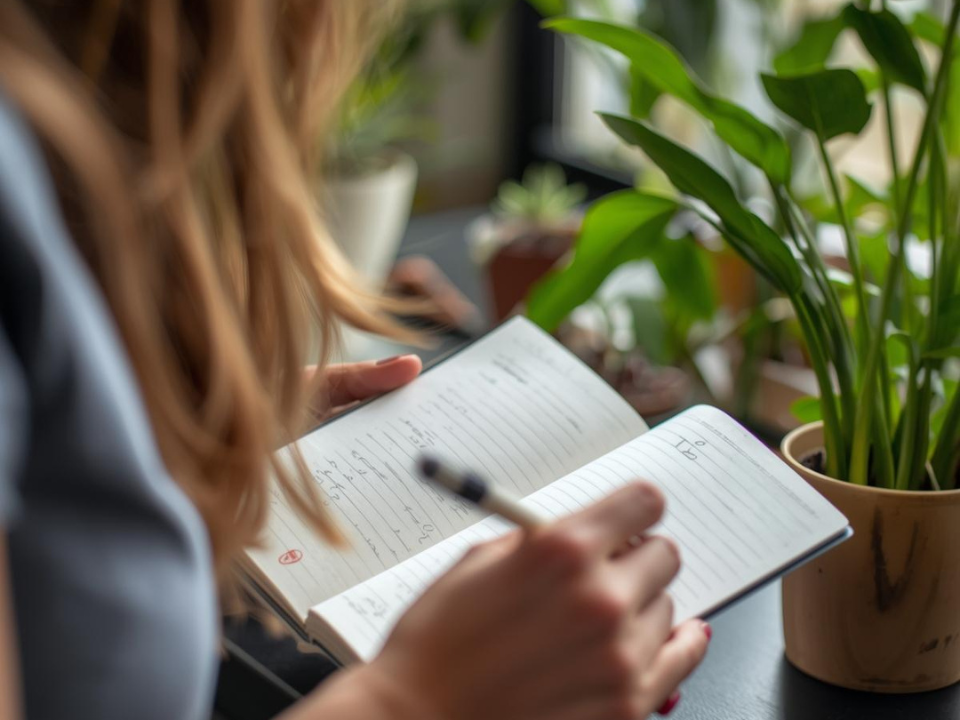
January is a good time to map out a maintenance schedule for the year. This includes regular tasks such as watering, weeding, and pruning. Also, make time to check your garden’s health periodically, looking for signs of disease, pests, or nutrient deficiencies. A detailed maintenance schedule will help you stay organized and ensure that no important tasks are forgotten.
If you have a large garden, create specific time slots for each area to ensure you can manage your time effectively. Use your garden journal to mark deadlines for key tasks throughout the season. This proactive planning will help you stay on top of garden care and maintain a healthy garden all year long.
Sketch Seasonal Garden Themes
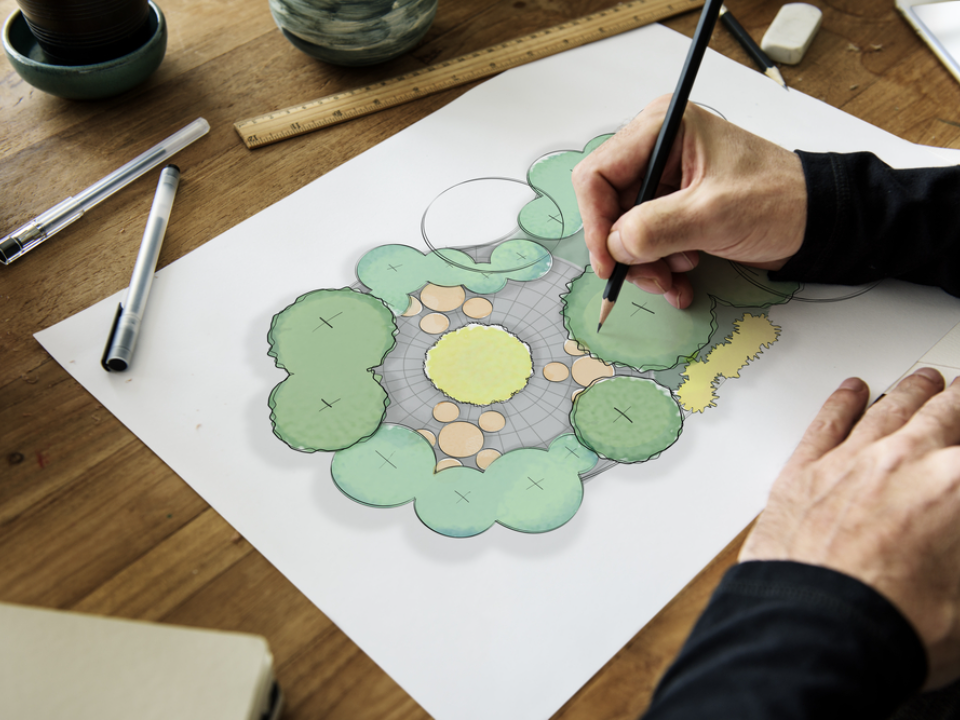
Consider creating a seasonal garden theme for the year. Whether it is focused on flowers, edible plants, or a specific color scheme, setting a theme can help you visualize your garden’s aesthetic. For instance, plan a spring garden with early-blooming flowers such as tulips or daffodils, followed by vibrant summer blooms like sunflowers or zinnias.
Take time to sketch out your garden’s visual appeal by using color and form as guiding principles. Having a clear theme in mind will help you choose plants that align with your vision. Documenting your ideas in your journal will keep you motivated throughout the season. This planning step will also give you an artistic direction to work with when selecting plants and arranging your space.
Keep Track of Garden Weather Conditions
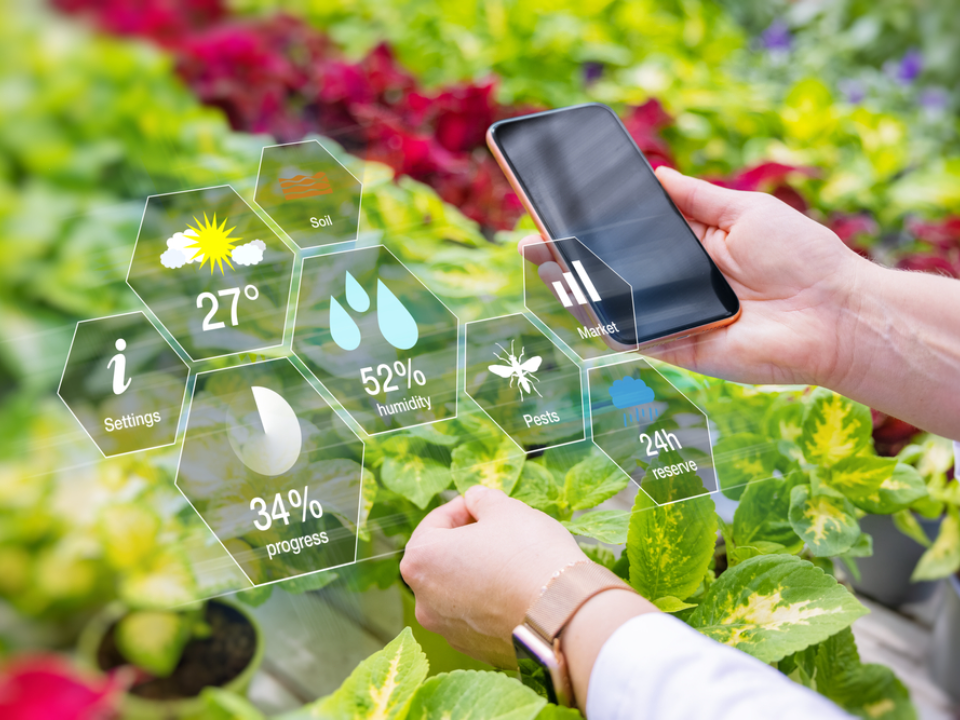
Keeping a weather log is a great way to monitor how climate affects your garden throughout the year. While January may seem quiet, it is an excellent time to start tracking weather patterns to prepare for seasonal shifts.
Note the amount of rainfall, temperature extremes, and unexpected frosts. Tracking weather in your garden journal will help you better predict when conditions may cause damage to plants or affect growth. For example, documenting last winter’s rainfall could inform how much you need to water your garden this year. This log will also help you spot any weather trends or patterns, aiding in long-term gardening decisions.
Organize a Garden Budget
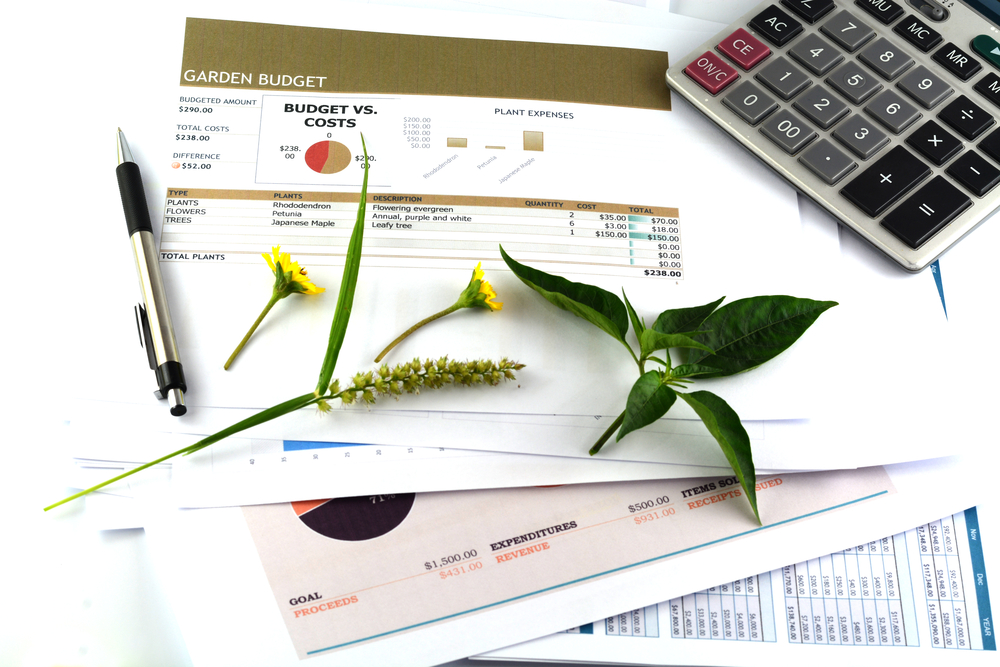
January is the perfect time to set a budget for the upcoming garden season. Take inventory of your current gardening supplies, such as tools, seeds, fertilizers, and other necessities, to determine what you already have and what you need. Set a realistic budget for the items you plan to purchase, considering cost-effective options for quality products.
Make note of discounts or seasonal sales that you can take advantage of. Keep your garden budget in your journal, updating it as you make purchases throughout the season. Budgeting ensures you are prepared for the costs of gardening without going overboard.
This article originally appeared on Avocadu.