
Top 15 Plants to Grow in a Greenhouse in January
January can be a great time to start growing plants in a greenhouse, especially when the outside temperatures are chilly. The controlled environment of a greenhouse offers a perfect space to grow vegetables, herbs, and greens that need a little extra warmth to thrive. Even though it’s winter, there are plenty of plants that enjoy the cooler conditions inside a greenhouse. From leafy greens to hearty herbs, a greenhouse can help protect your plants from frost while still allowing them to grow strong and healthy. With a bit of care and attention, you can enjoy fresh, homegrown produce throughout the winter months.
This post may contain affiliate links, which helps keep this content free. Please read our disclosure for more info.
Kale
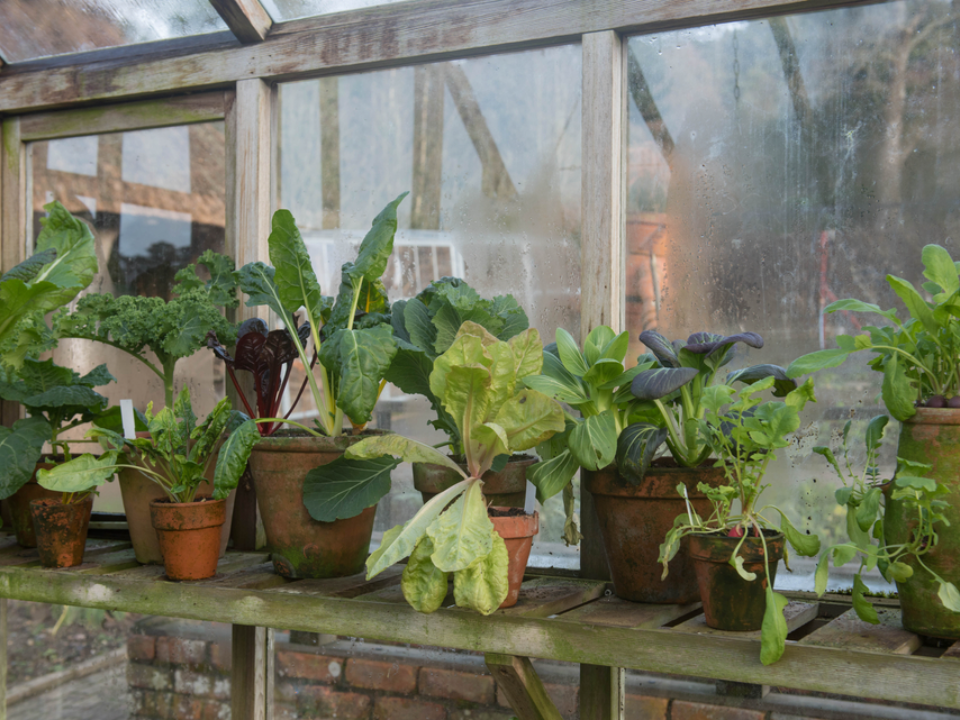
Kale thrives in the cool environment of a greenhouse during January, making it a perfect crop for winter gardening. This leafy green is hardy, and its flavor becomes sweeter after a light frost, making winter cultivation even more rewarding. In a greenhouse, kale can be grown year-round, with January providing the ideal conditions for strong, healthy growth.
With its dense, nutrient-packed leaves, kale is known for being a powerhouse of vitamins A, C, and K. The plant prefers a moderate temperature range between 50-70°F, which makes a greenhouse setting especially beneficial during the colder months. It is also resistant to pests like aphids, making it a low-maintenance option. Regular watering and occasional trimming will help maintain robust plant health and promote continuous growth.
Spinach
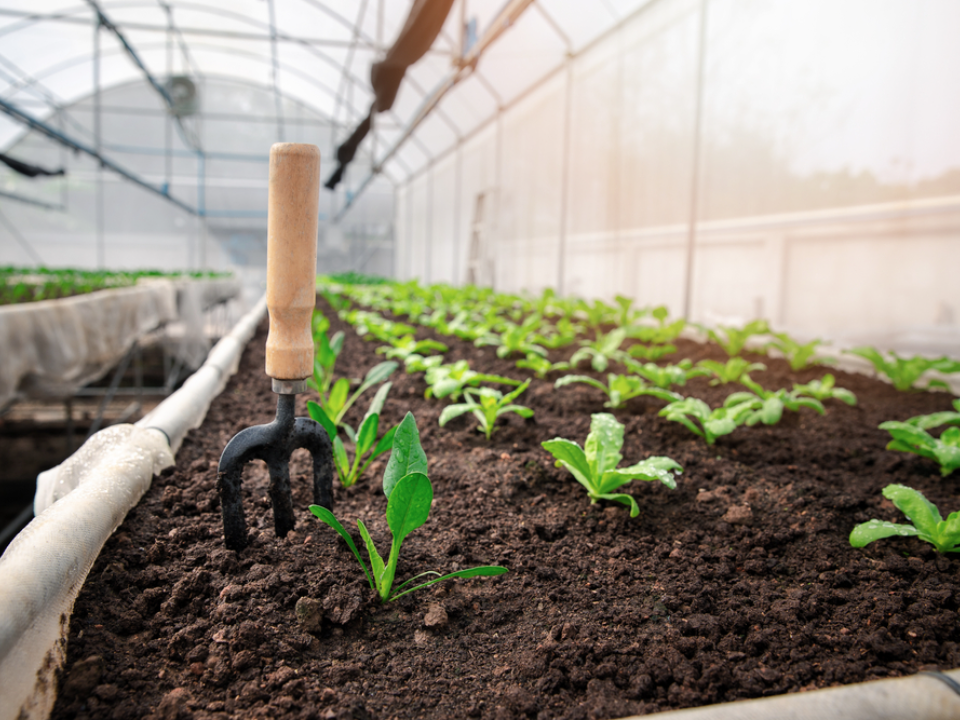
Spinach is another excellent choice for a greenhouse in January. This cool-season crop flourishes in the slightly cooler temperatures of winter, making it ideal for greenhouse conditions. Spinach is rich in iron, magnesium, and folate, offering a nutritious addition to any garden. In a greenhouse, spinach can be grown from seed, allowing for a continuous harvest throughout the winter months.
The plant prefers well-drained soil and regular watering to prevent the roots from drying out. A consistent, moderate temperature will prevent spinach from bolting, which is the process where the plant goes to seed prematurely. Growers should also ensure proper air circulation to reduce the risk of fungal diseases. With just a little care, spinach can produce tender, flavorful leaves throughout the winter.
Lettuce
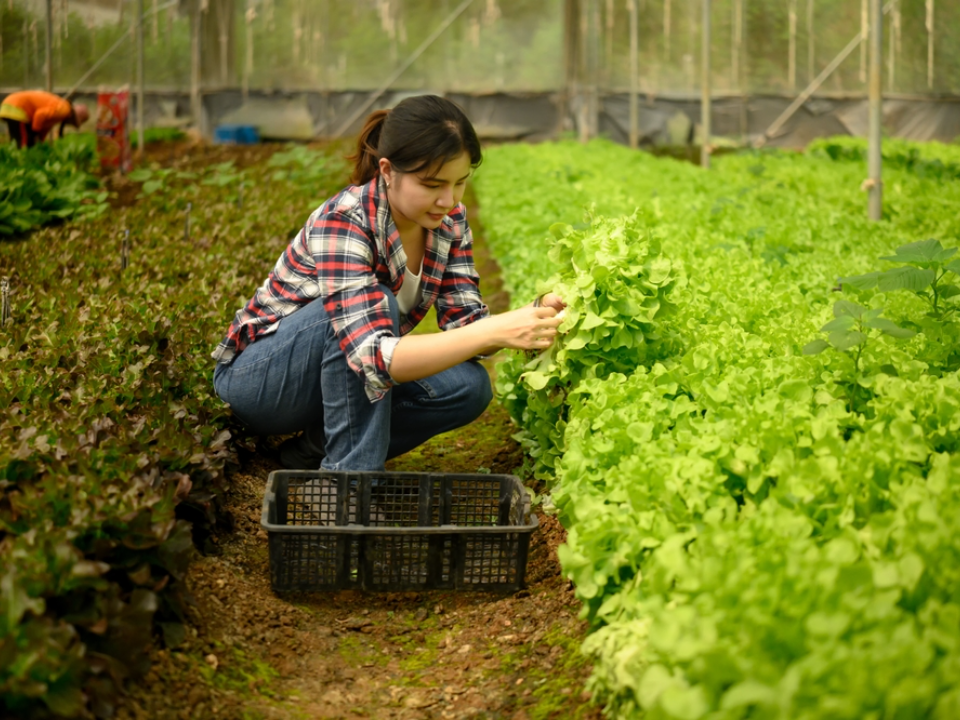
Lettuce is one of the most commonly grown vegetables in a greenhouse, especially in January when it thrives in cooler conditions. With its crisp texture and mild flavor, lettuce is a popular choice for fresh salads and sandwiches. Greenhouse environments allow lettuce to grow in controlled conditions, preventing frost damage while keeping the temperature ideal for steady growth.
Lettuce varieties like romaine, butterhead, and leaf lettuce can all thrive in greenhouses during January. To ensure a steady harvest, lettuce should be sown in batches every few weeks. The plant grows best in nutrient-rich, well-draining soil and requires regular, light watering. With minimal care, lettuce will grow quickly and provide a steady supply of fresh greens.
Mustard Greens
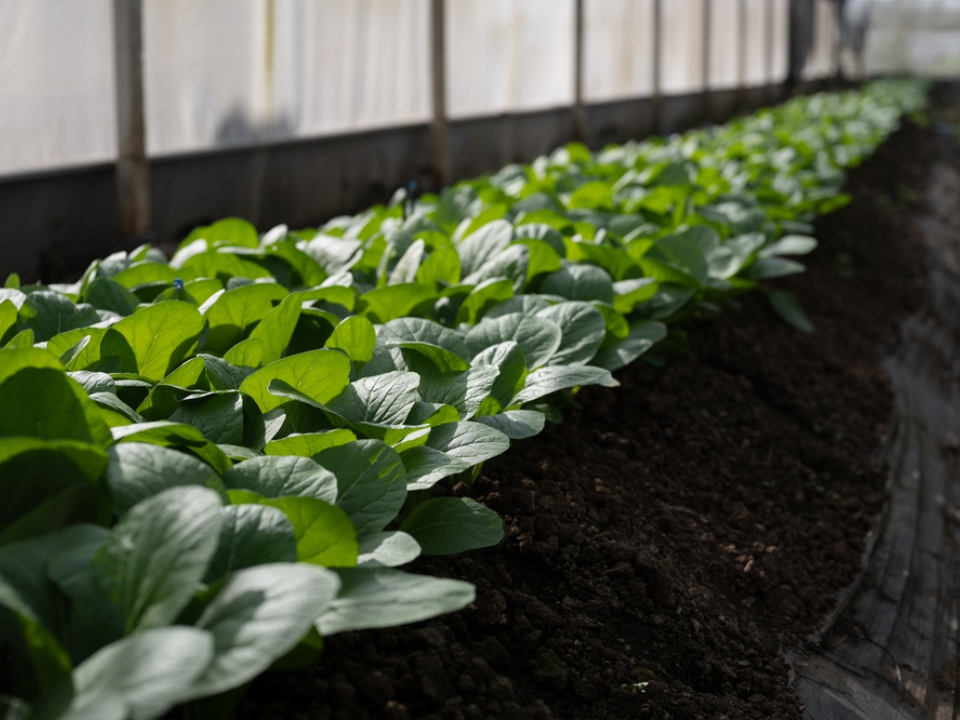
Mustard greens are well-suited for growing in a greenhouse during January. Known for their peppery taste and rich nutritional value, mustard greens are an excellent addition to a winter garden. This plant prefers cool temperatures and can withstand the frost found in many greenhouses during January. Mustard greens thrive in soil that is rich in organic matter and benefit from moderate watering.
They are relatively low-maintenance, as they do not require frequent attention once established. The leaves can be harvested at any stage, whether young and tender or fully mature, depending on the desired flavor. With their fast-growing nature, mustard greens are a great option for those looking to quickly enjoy homegrown greens in the winter months.
Swiss Chard
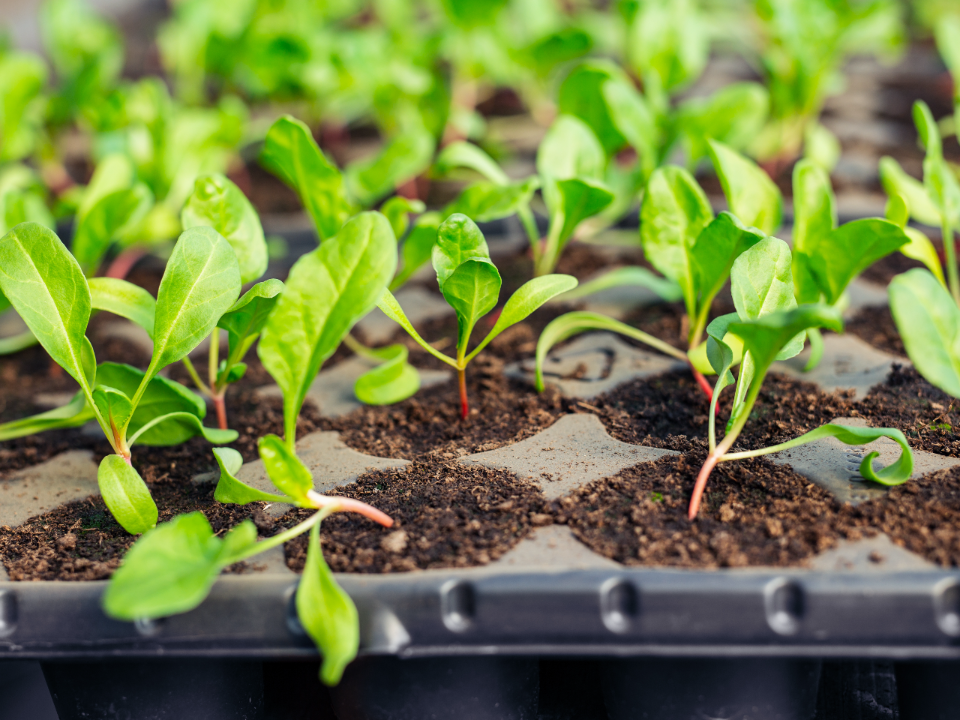
Swiss chard is a versatile and hardy plant that can handle the cooler temperatures inside a greenhouse during January. It is often favored for its vibrant, multicolored stems and large, nutrient-rich leaves. Swiss chard can be harvested multiple times throughout its growing cycle, providing fresh greens for many weeks. It prefers slightly alkaline soil and should be watered regularly to ensure steady growth.
A greenhouse provides the consistent temperature that Swiss chard needs to grow without stress. The plant thrives in a range of conditions, making it a reliable and easy-to-grow option for winter gardening. Its high vitamin content, including vitamins A, C, and K, makes it a healthy addition to salads and cooked dishes alike.
Carrots
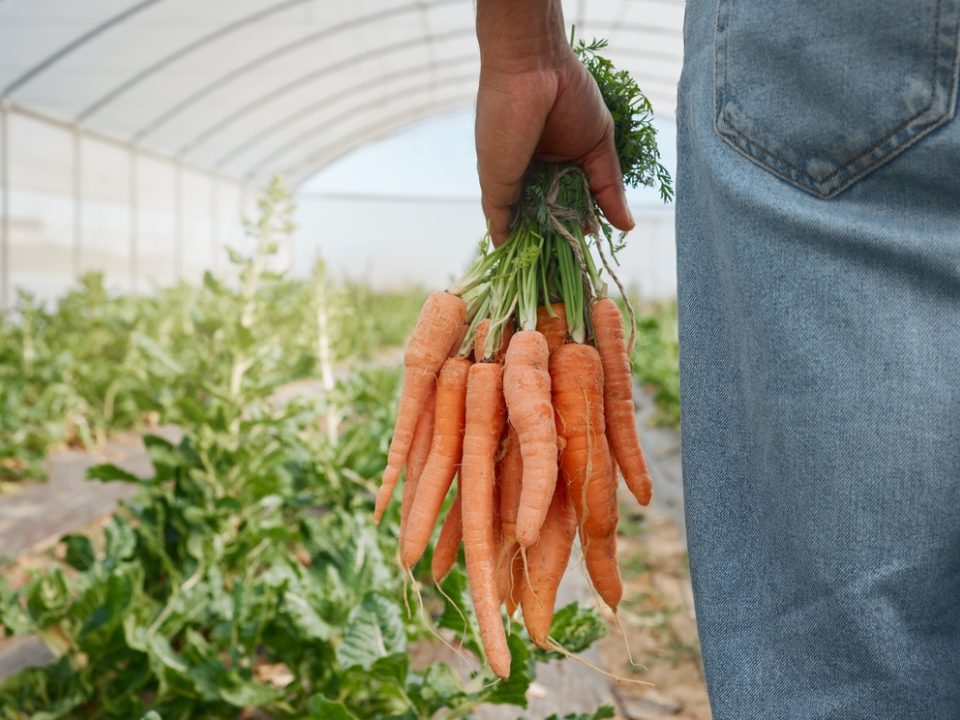
Carrots can be grown successfully in a greenhouse during January, where the temperature remains steady and conducive to healthy root growth. This root vegetable requires well-drained, loose soil to allow its long taproot to develop properly. Carrots are a great choice for greenhouse growing because they can be spaced closely together, maximizing space.
A greenhouse environment also protects carrots from the winter frost, ensuring a smooth, flavorful crop. When planting carrots in a greenhouse, they need consistent moisture and should be kept at temperatures between 50-70°F. Harvesting can begin when the roots have reached a desirable size, usually after 2-3 months of growth. Carrots are a great source of beta-carotene, making them an excellent addition to any winter garden.
Cilantro
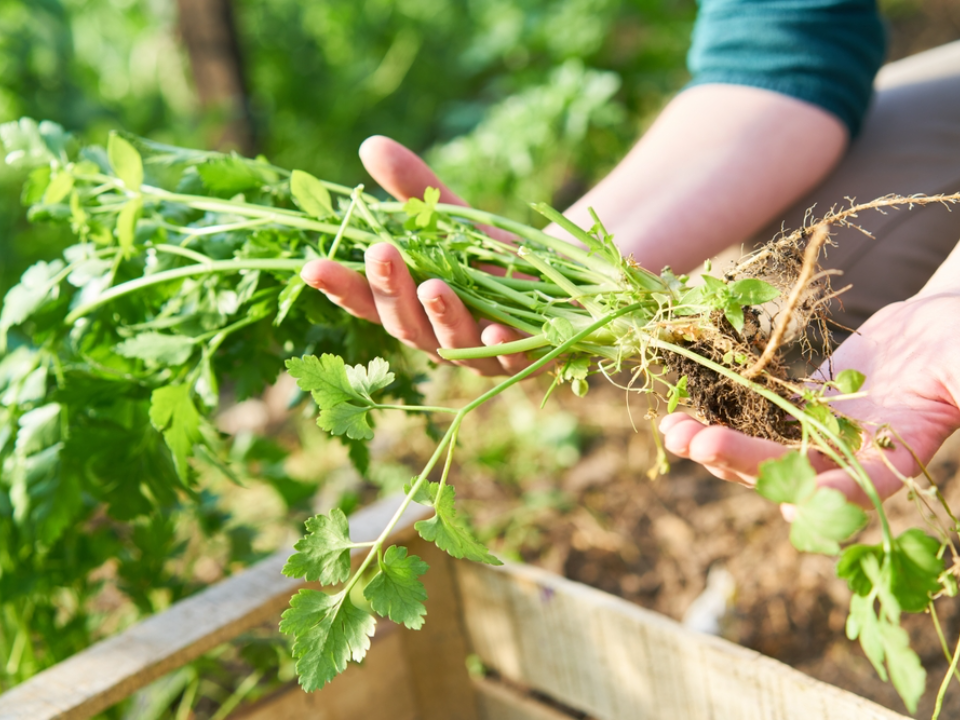
Cilantro thrives in cooler temperatures, making it well-suited to greenhouse conditions in January. This herb is ideal for those looking to grow fresh, flavorful greens during the winter months. Cilantro grows quickly, with harvestable leaves appearing in as little as 3-4 weeks after sowing.
It prefers soil that is rich in nutrients, and regular watering is essential to maintain its growth. However, cilantro does not like to be overwatered, so it is important to avoid soggy soil. It is best grown in partial sunlight, which a greenhouse can provide, allowing the plants to flourish without the risk of harsh winter weather. Cilantro can be used in a variety of dishes, from salsas to soups, adding a fresh, zesty flavor.
Radishes
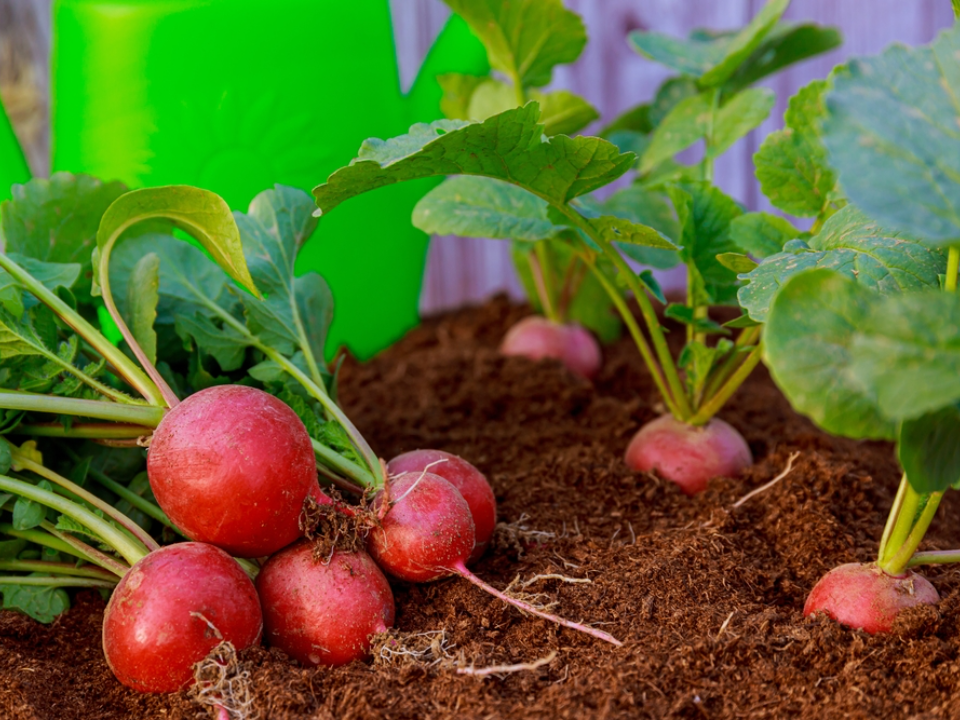
Radishes are one of the fastest-growing vegetables that can be planted in a greenhouse in January. These crunchy, peppery roots are perfect for quick, winter harvests. Radishes thrive in the cool temperatures of a greenhouse, and they can be harvested as soon as three to four weeks after planting.
They grow well in loose, well-draining soil and require consistent moisture to avoid cracking. Radishes are an excellent source of vitamin C and other essential nutrients. By planting them in staggered batches, you can enjoy a continuous supply of fresh radishes throughout the winter. They are easy to grow and are great for beginners looking to grow vegetables in a greenhouse during the colder months.
Peas
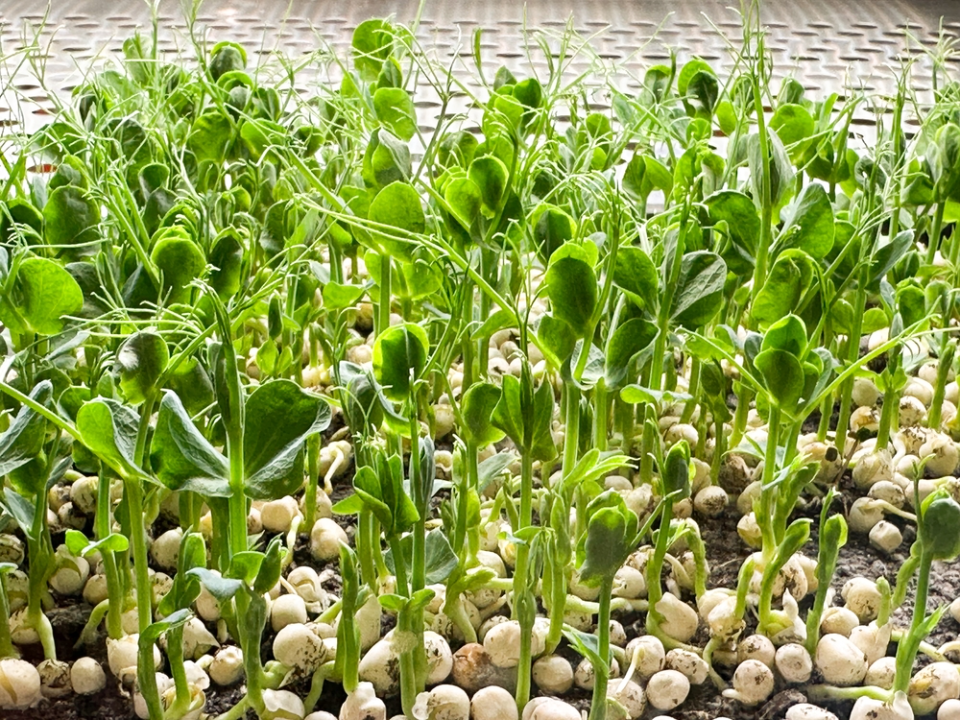
Peas can be successfully grown in a greenhouse in January, where they will be protected from the harsh winter temperatures. These cool-season crops thrive in temperatures between 55-70°F, making a greenhouse the perfect environment for them. Peas are a great source of protein, fiber, and vitamins, making them a nutritious addition to any garden. In a greenhouse, peas can be grown on trellises to save space and allow for a higher yield.
The plants will need consistent moisture and occasional feeding with a balanced fertilizer to promote healthy growth. Peas tend to grow quickly and can be harvested after just a few months, providing fresh legumes even in the middle of winter. Growing peas in a greenhouse also helps protect them from pests and diseases, which are more common in outdoor gardens during the colder months.
Broccoli
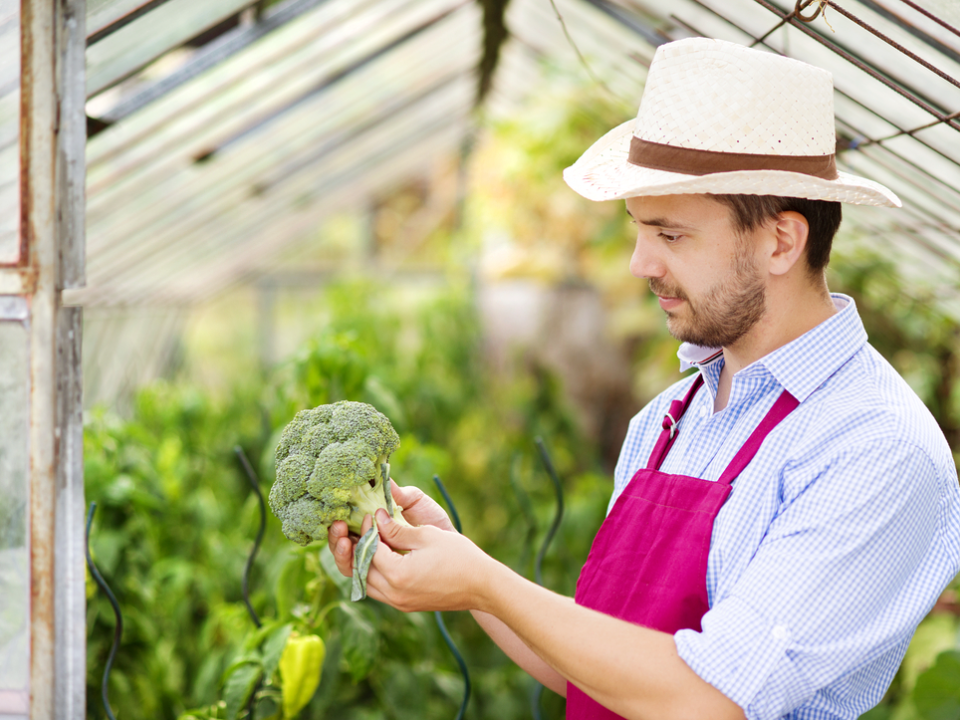
Broccoli is a nutritious, winter-friendly vegetable that grows well in greenhouses during January. This vegetable thrives in the cool, consistent temperatures that a greenhouse provides. Broccoli requires soil that is rich in organic matter and benefits from regular watering. The plants need plenty of space to develop their large heads, so spacing them properly will ensure healthy growth.
In a greenhouse, broccoli is protected from winter frosts, which can damage the tender heads if grown outdoors. It typically takes about 2-3 months from planting to harvest, depending on the variety. With proper care, broccoli can be harvested multiple times, providing a steady supply of fresh, crunchy florets.
Parsley
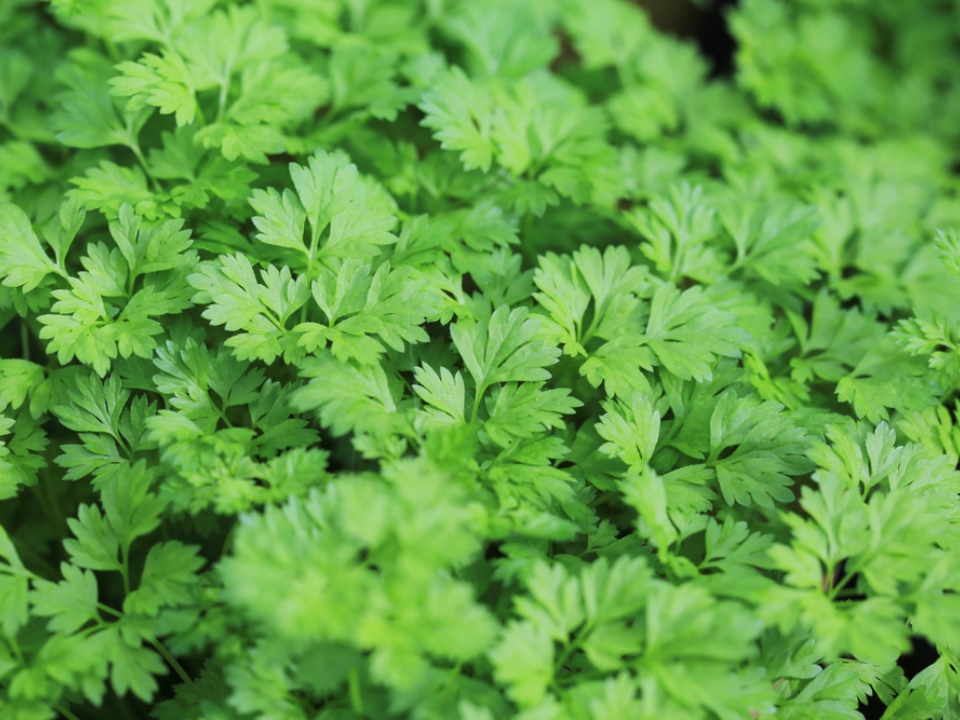
Parsley is a hardy herb that can be grown easily in a greenhouse during January. This herb is a rich source of vitamins A, C, and K, and its fresh, vibrant leaves can be harvested throughout the winter. Parsley thrives in the cool temperatures inside a greenhouse, as it prefers to avoid excessive heat.
It grows best in well-drained soil and requires moderate watering to keep the soil moist but not waterlogged. Parsley can be grown from seeds, and although it takes a bit longer to germinate, once established, it is relatively low-maintenance. A greenhouse environment will help prevent the plant from bolting, which is common when grown in warmer weather. This herb can be used in a variety of dishes, from soups and salads to garnishes and sauces.
Thyme
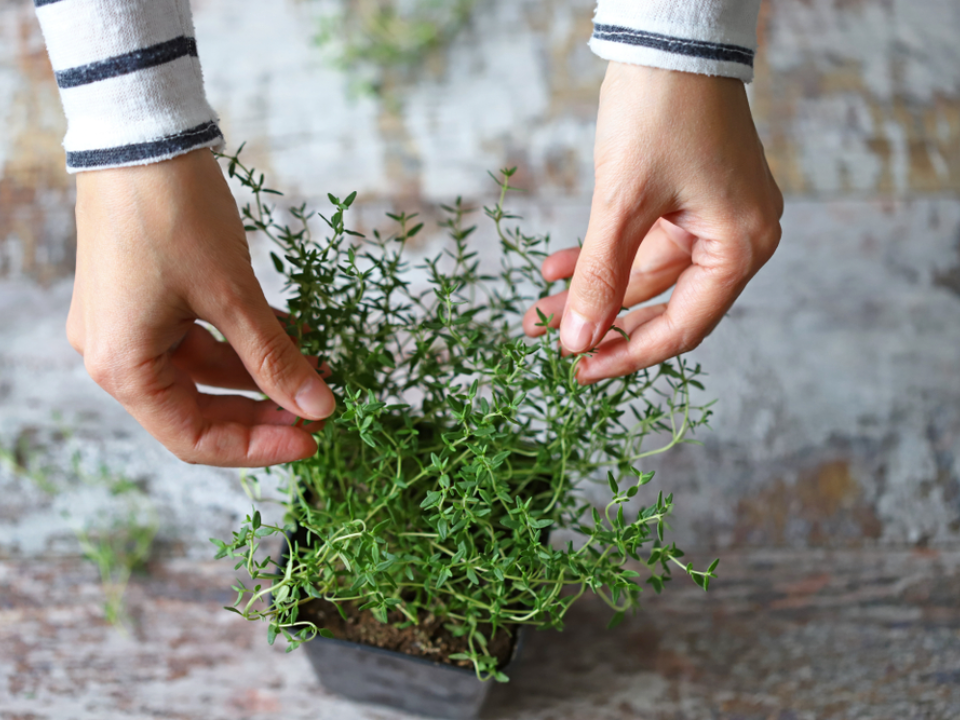
Thyme is a hardy herb that does well in cooler temperatures, making it an excellent choice for greenhouse cultivation in January. This plant prefers well-drained soil and moderate watering, ensuring it thrives in greenhouse conditions. Thyme’s small, aromatic leaves are packed with flavor, making it a popular herb in cooking. It requires a moderate amount of light, which a greenhouse can provide even during the shorter days of winter.
Thyme is low-maintenance and will continue to grow through January, providing fresh herbs all season long. It is also a great herb for drying and storing, allowing you to preserve the flavor for future use. Thyme pairs well with a variety of dishes, especially roasted meats, soups, and stews.
Peppers
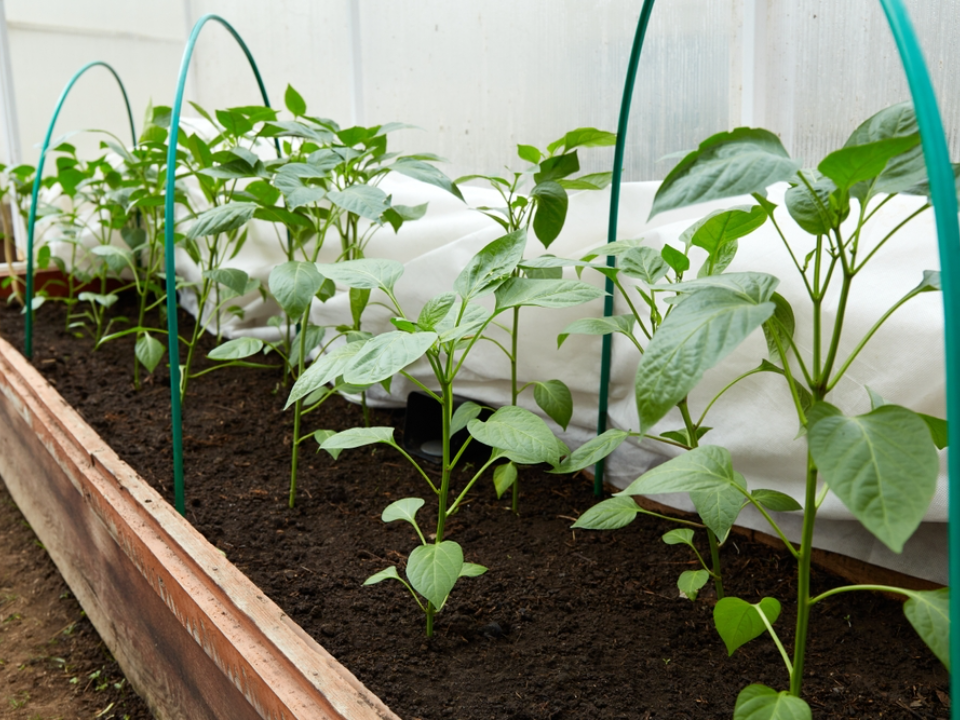
Growing peppers in a greenhouse during January allows for a controlled environment that helps protect them from the cold. Whether you choose sweet or hot varieties, peppers need warmth to grow but can thrive in the stable conditions a greenhouse offers. Peppers are slow-growing plants that require plenty of light, which can be provided in a greenhouse with proper ventilation.
They should be planted in nutrient-rich soil and watered regularly but not excessively. Peppers are also known for their vibrant colors and high vitamin content, including vitamins A and C. The consistent temperatures in the greenhouse prevent frost damage, ensuring that the plants grow strong and healthy. With patience, you can enjoy homegrown peppers throughout the winter months.
Beetroot
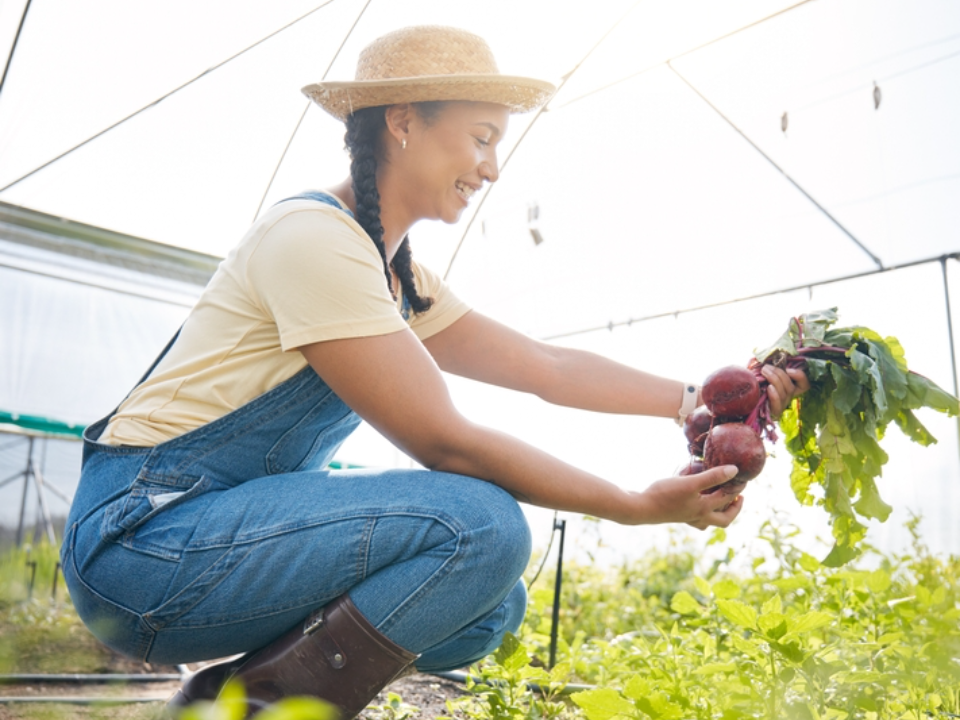
Beetroot is another versatile and easy-to-grow vegetable that thrives in a greenhouse during January. This root vegetable grows best in slightly cool temperatures and requires well-draining, fertile soil to develop its deep red roots. Beetroots need consistent moisture throughout their growing season, which makes the controlled environment of a greenhouse ideal.
The leafy tops of beetroots can also be harvested for use in salads and stir-fries, adding extra value to the crop. Beetroots can be grown from seeds, and once the roots reach the desired size, they can be harvested and enjoyed in a variety of dishes, from soups to roasted vegetables. Additionally, beetroot leaves are high in nutrients, including fiber and antioxidants, which make them a healthy choice for winter gardening.
Chives
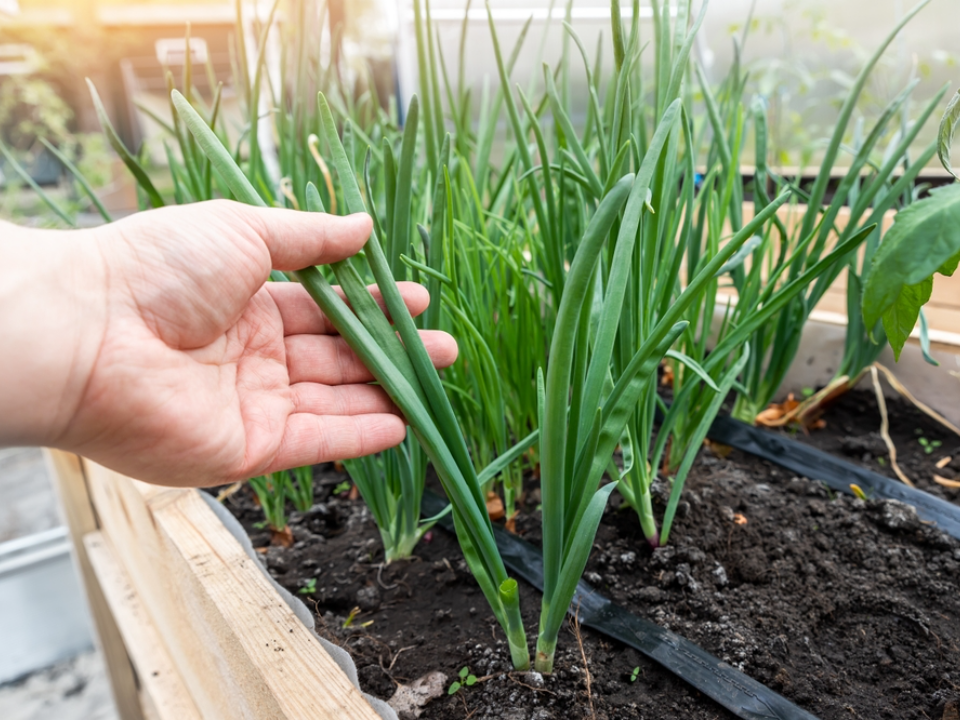
Chives are a great herb to grow in a greenhouse during January, as they thrive in cooler temperatures and are easy to maintain. These slender, green herbs are packed with flavor and can be used fresh in salads, soups, and a wide variety of dishes. Chives do not require a lot of space to grow, making them perfect for greenhouse gardening where space might be limited.
They grow best in well-drained soil and prefer a moderate amount of water. Chives will continue to produce fresh leaves throughout the winter, ensuring a steady supply for culinary uses. This herb is also known for its ability to tolerate frost, making it a reliable choice for winter gardens. With minimal care, you can enjoy fresh chives even during the colder months.
This article originally appeared on Avocadu.