
14 Fridge Organization Ideas for the New Year That Stop Food Waste
A well-organized fridge is more than just a space-saver-it’s a smart way to reduce food waste. A little effort upfront will make finding ingredients and keeping items fresh so much easier. In the long run, it can also save you money and prevent unnecessary waste.
This post may contain affiliate links, which helps keep this content free. Please read our disclosure for more info.
Use Clear Storage Bins for Easy Visibility
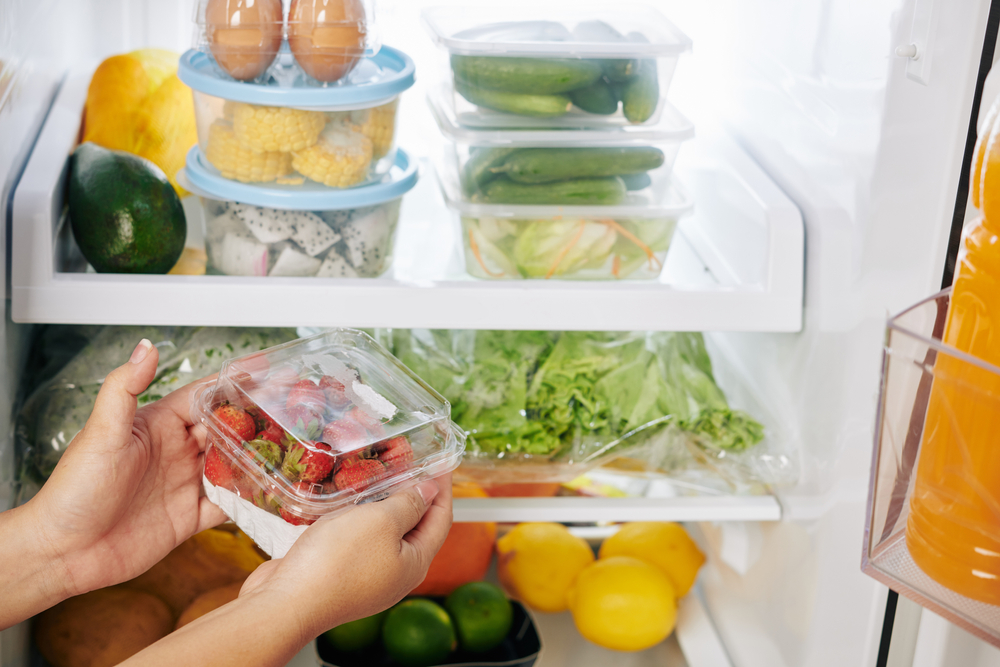
Clear storage bins are an excellent way to keep your fridge organized while reducing food waste. When you can easily see what you have, you are more likely to use up your ingredients before they spoil. Label each bin by category, such as vegetables, dairy, or condiments, to make it even easier to find what you need. This simple organization method helps you keep track of items and reduces the chance of forgetting about things hidden in the back.
Not only do clear bins keep your fridge tidy, but they also save time during meal prep. When everything is visible and accessible, you’ll spend less time searching for ingredients and more time cooking. This method also works well in smaller fridges where space is limited. With a few simple adjustments, you can turn your fridge into a highly functional and waste-reducing space. Try it out this year and watch how it makes meal planning more efficient.
Create a Use-First Zone in Your Fridge
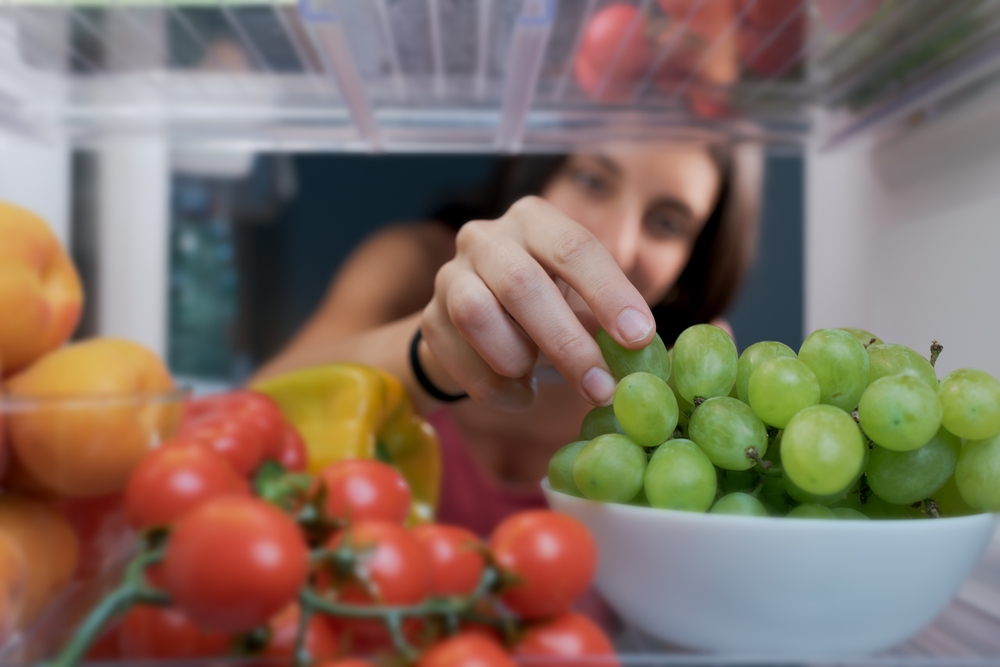
Designating a specific area for items that need to be used soon is an excellent way to prevent food waste. This use-first zone can be a shelf or drawer that holds perishable items like leftovers, fruits, or dairy products nearing their expiration date. By keeping these items front and center, you’ll be reminded to use them up before they go bad. You can even rotate your items regularly to ensure the oldest items are always at the front. This small organizational change can make a big impact on your food waste reduction efforts.
This system works well for people who buy in bulk or have a lot of produce in the fridge. Keeping track of when things will expire is much easier when you have a dedicated space for items you need to use first. This method also prevents you from buying more of the same things unnecessarily. It encourages mindfulness and helps avoid accidental over-purchasing.
Invest in Adjustable Shelving for Better Storage
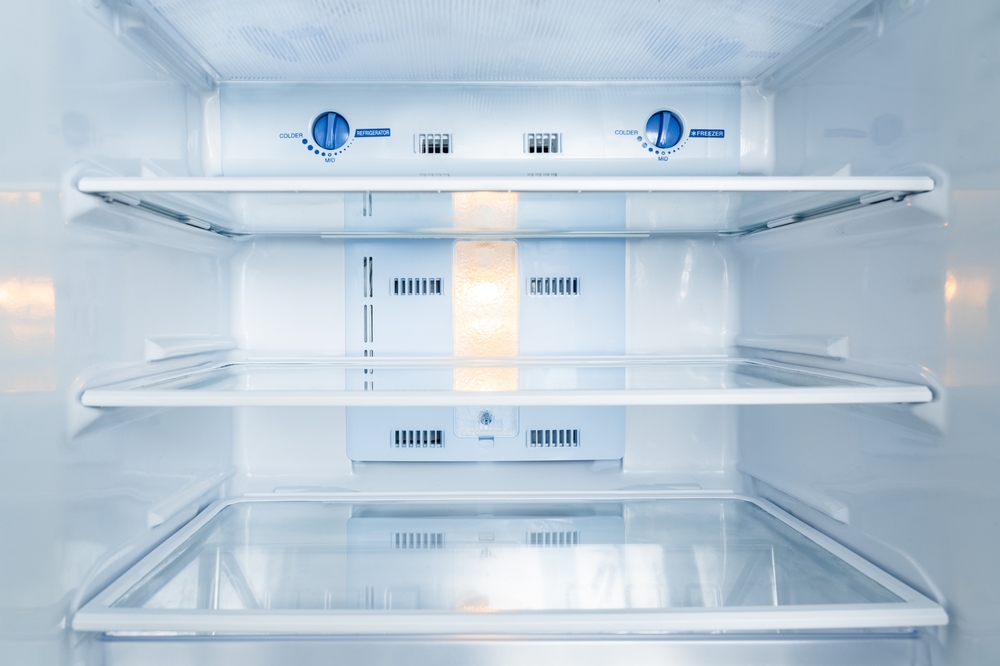
Adjustable shelving in your fridge allows you to make the most out of your available space while keeping things organized. Being able to customize the height of your shelves helps fit taller or larger items, reducing wasted space. It also allows you to stack items more efficiently, so nothing is buried and forgotten. By maximizing your fridge’s storage capacity, you can keep everything accessible and easy to see.
This technique works particularly well for those who buy in bulk or have a variety of item sizes. It helps prevent items from getting lost at the back of the fridge, where they might end up forgotten and thrown away. With better organization, it’s easier to keep track of your groceries and prevent overbuying. Plus, adjustable shelves can make it easier to fit extra meals or larger containers without taking up unnecessary space. This small investment can pay off by reducing food waste and keeping your fridge neat.
Label Everything with Expiration Dates

Labeling all of your items with expiration dates helps prevent confusion and ensures that older food gets used first. This is especially helpful for items like condiments, dairy, and leftovers, which can sometimes get pushed to the back of the fridge. Simply writing the expiration date on the packaging or using a sticker can remind you of when to use it. It keeps you organized and aware of what’s in your fridge, minimizing the chance of food spoiling unnoticed. This method is a simple but effective way to manage food waste all year long.
By labeling everything, you also eliminate the guesswork that often comes with checking for freshness. It’s easy to forget when something was purchased, but with clear expiration dates, you’ll always know when something needs to be used. It’s a great way to avoid those surprise spoilages that lead to unnecessary waste. Plus, this habit encourages you to rotate your food regularly so the oldest items get used first. Labeling ensures that your fridge stays organized and that food is used at its freshest.
Separate Raw and Cooked Foods for Safety
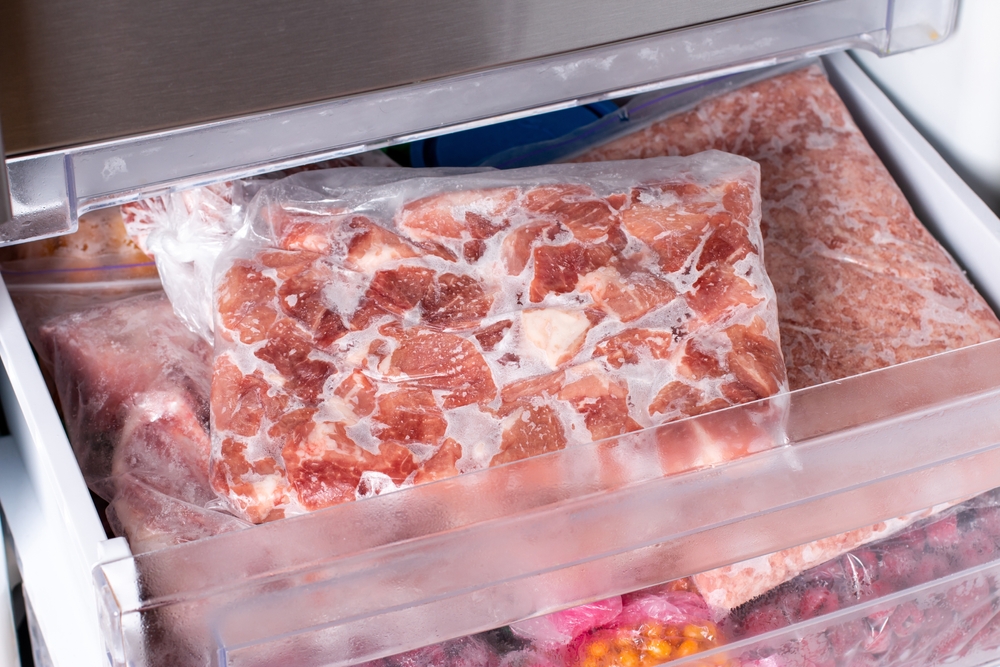
Properly separating raw and cooked foods in your fridge helps prevent cross-contamination and extends the life of your ingredients. Keeping raw meat, fish, and poultry on the bottom shelves prevents any liquids from dripping onto other foods, which could lead to spoilage. It also keeps cooked foods away from raw ingredients to ensure they stay safe to eat for longer. Using separate containers for leftovers and ensuring they’re stored properly is key to reducing waste. This simple organizational method helps keep your food fresh and safe for consumption.
By following this practice, you can reduce the chances of foodborne illnesses and wasted leftovers. Cooked foods that are stored properly can last much longer, meaning fewer meals are thrown out due to contamination. This habit also makes it easier to spot leftovers that need to be used up, preventing them from getting lost in the back of the fridge. It keeps your food organized and promotes a healthier, waste-free kitchen. A little extra attention to how your food is stored goes a long way in reducing waste.
Use Fridge Drawers for Fruits and Vegetables
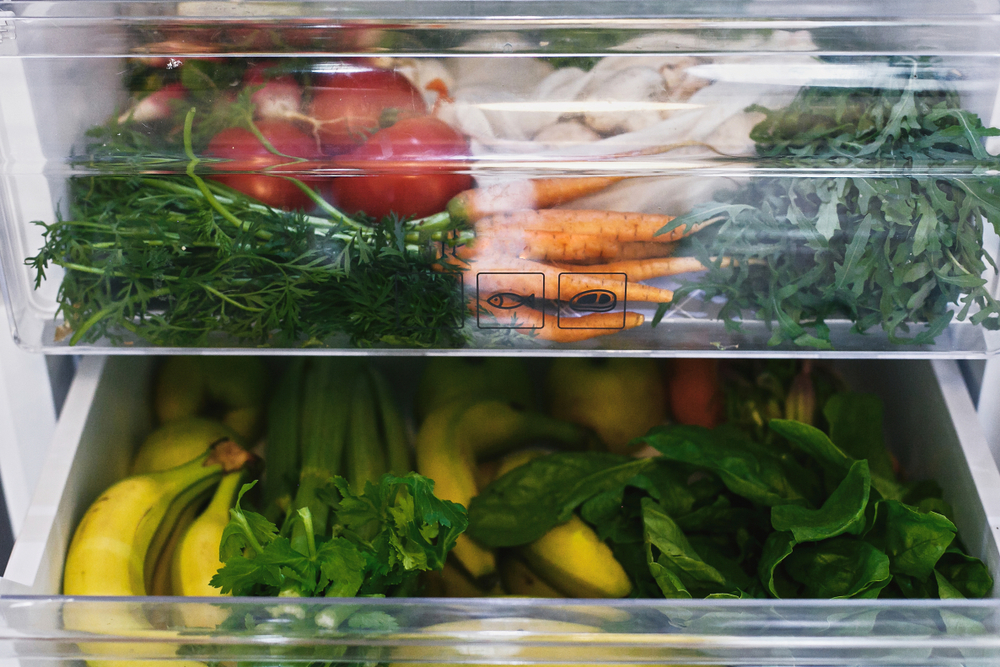
Fridge drawers are the perfect place to store fruits and vegetables because they help maintain the right temperature and humidity levels. Keeping these items in drawers prevents them from getting squished or ruined by other items, which often leads to early spoilage. You can also separate different types of produce to ensure that they ripen at their ideal pace. This method keeps fruits and vegetables fresher for longer, so you can enjoy them at their best. Proper storage also makes it easier to see what produce you have, so nothing gets forgotten and wasted.
Using fridge drawers also helps you maintain the best conditions for different types of produce. For example, leafy greens require high humidity, while apples and carrots need a dry, cool environment. By knowing which drawers are ideal for each type of produce, you can extend their shelf life and prevent waste. This system is particularly helpful when buying large quantities of fresh fruits and vegetables.
Implement a First In, First Out (FIFO) System
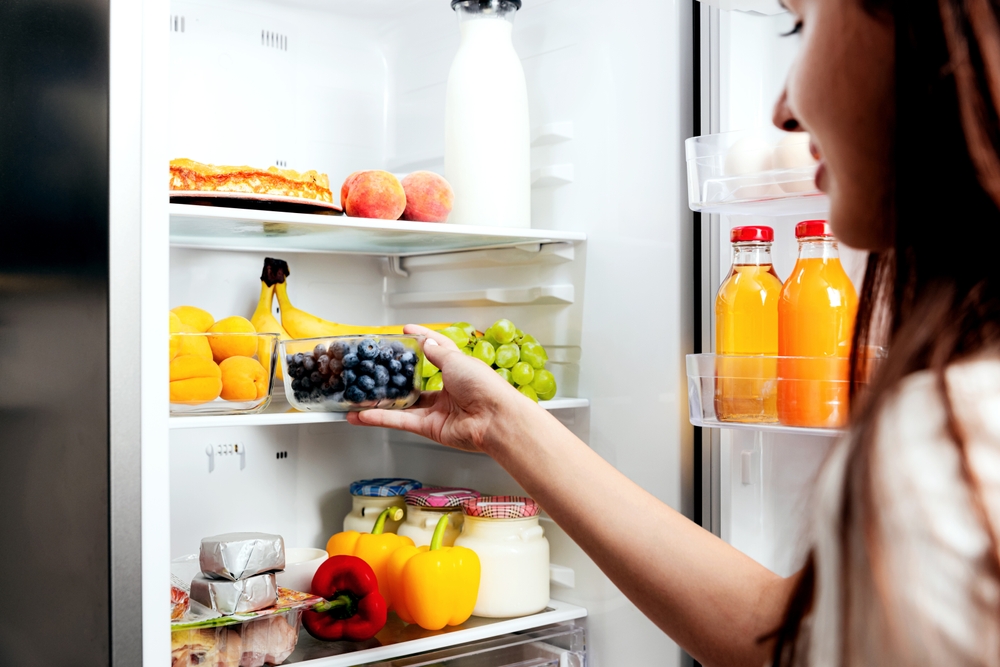
A first in, first out system is a simple yet effective way to reduce food waste in your fridge. By placing newer items at the back and older items at the front, you ensure that you use up the older items first. This helps avoid forgetting about food that might go bad before you have a chance to use it. It’s a great habit to develop when you bring home fresh groceries, as it encourages you to use up what you already have. The FIFO method keeps food from being overlooked and reduces the chance of spoilage.
This system works well for all types of food, from dairy and meat to produce and leftovers. It helps prevent the build-up of expired items, which often leads to waste. Plus, it’s a simple organizational strategy that can easily be adapted to any fridge size. With just a small effort each time you restock, you’ll keep your fridge running smoothly and reduce food waste. Make FIFO a habit this year to get the most out of every grocery trip.
Use Reusable Storage Bags for Bulk Items
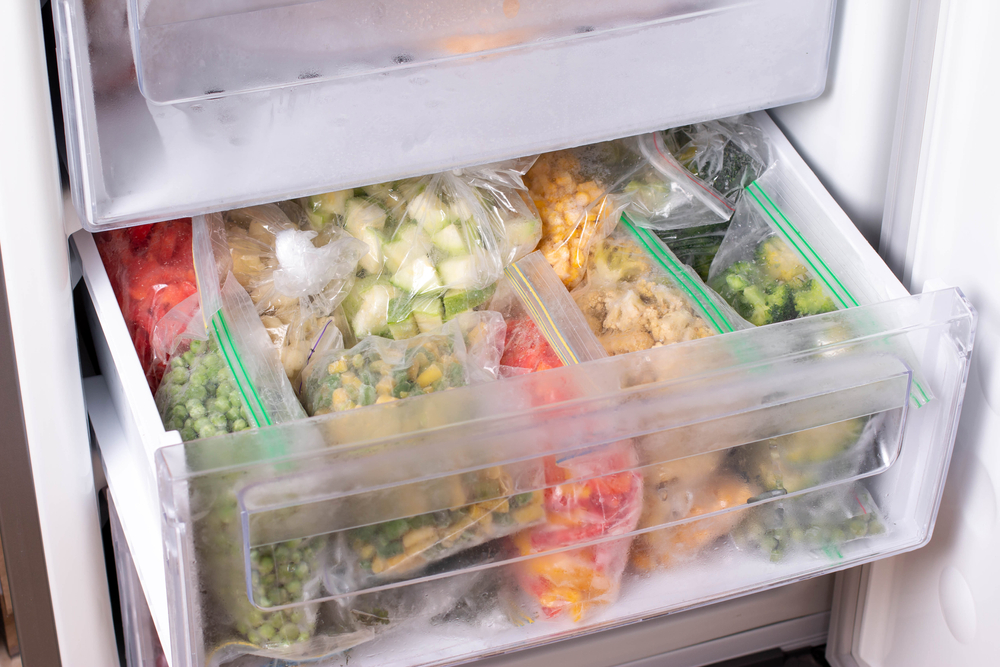
When storing bulk items like grains, nuts, and snacks, using reusable storage bags can help keep things organized and reduce waste. These bags are perfect for separating larger quantities of items into smaller portions, making it easier to access just what you need. By keeping things organized and easy to grab, you are less likely to forget about them and let them spoil. Reusable storage bags also prevent plastic waste, making them an eco-friendly option. This method not only keeps your fridge organized but helps reduce food waste in the long run.
They also help in separating similar items like snacks or dried fruit, reducing the clutter in your fridge. Reusable bags are a simple but effective way to keep things fresh and make the most of what you buy. With this small change, you can cut down on food waste while keeping your fridge tidy.
Use Fridge Mats for Easy Clean-Up
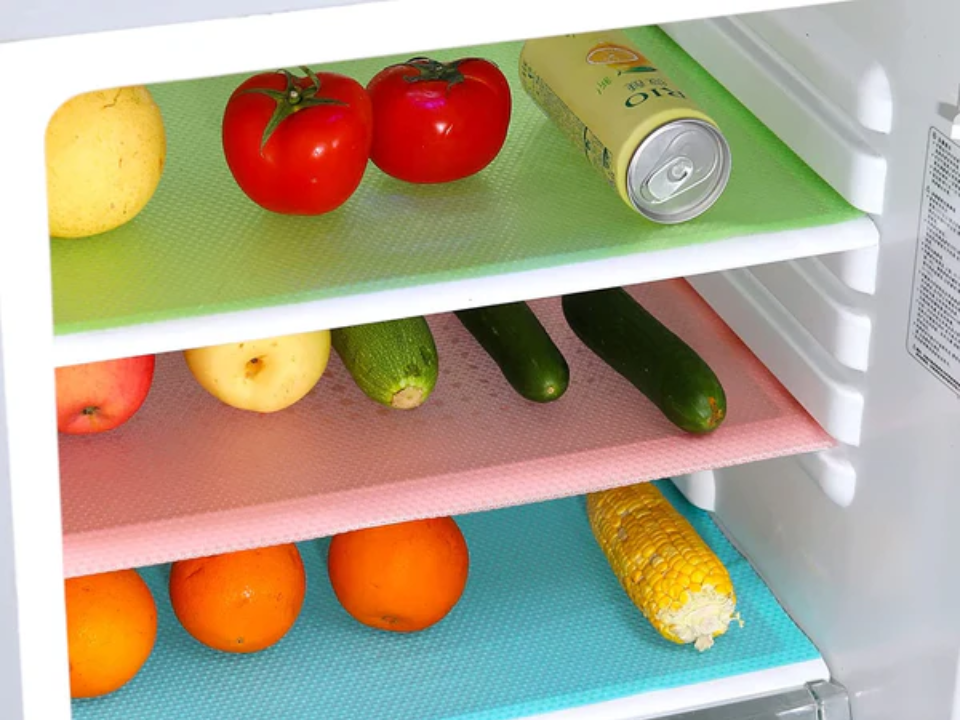
Fridge mats are a great tool for preventing spills and keeping your shelves clean. They catch any condensation or food spills, making it easier to wipe down shelves without worrying about stains or odors. By placing mats on the bottom of each shelf, you can reduce the chance of messy spills contaminating other items. Keeping your fridge clean and organized makes it easier to see what’s in there and what needs to be used. It also promotes a healthier fridge environment by preventing food from sitting in damp spots, which can lead to mold or spoilage.
These mats are easy to remove and wash, making them a practical solution for keeping your fridge neat and hygienic. They also prevent odors from lingering, as they catch any liquid spills before they can spread. By using fridge mats, you help reduce the chances of food getting spoiled by bacteria or mold. It’s a simple way to keep your fridge organized, clean, and waste-free.
Store Drinks on the Door and Keep Shelf Space for Fresh Food
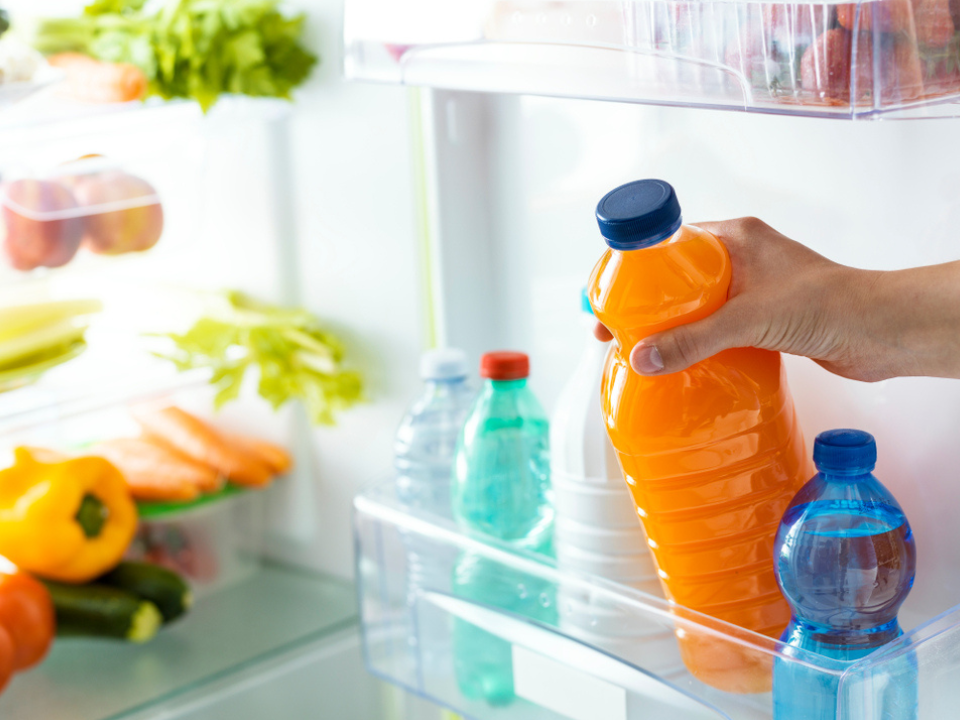
The fridge door is usually the warmest part of the fridge, making it the best place for drinks, condiments, and other items that are less sensitive to temperature. This helps free up more space on the shelves for fresh food that needs consistent cooling. Storing drinks, sauces, and jars in the door ensures that perishable items like meats and produce have priority in cooler, more consistent spots. By organizing your fridge this way, you’ll maximize space and prevent foods that need to stay fresh from spoiling. It’s an easy and effective way to optimize fridge organization.
This approach also makes it easier to access drinks and condiments, which are typically used more frequently than fresh produce. It cuts down on the need to open the fridge door constantly, keeping your food at its ideal temperature for longer. Having drinks easily accessible in the door also helps avoid unnecessary food waste by ensuring that more perishable items are kept at the proper temperature. Give this organization method a try to create a more efficient and waste-conscious fridge.
Store Eggs in the Back of the Fridge

Eggs are one of the most common items to get lost in the fridge, leading to spoilage. Storing them at the back of the fridge helps keep them in a consistently cool area, preserving their freshness. This also prevents you from forgetting about them, as they are placed in a specific, easy-to-remember spot. Keeping eggs at the back also helps reduce the chance of them getting moved around and mishandled. With this simple organization trick, you can extend the life of your eggs and reduce food waste.
Since eggs are versatile and last longer than many other items, they are great to have on hand. By storing them properly, you reduce the likelihood of having to throw out expired eggs. Placing them at the back of the fridge is an effective way to avoid unnecessary waste while keeping your fridge organized. This technique helps you stay on top of expiration dates, ensuring that nothing goes to waste. Try it out this year for a more efficient fridge setup.
Use Vacuum-Sealed Bags for Leftovers
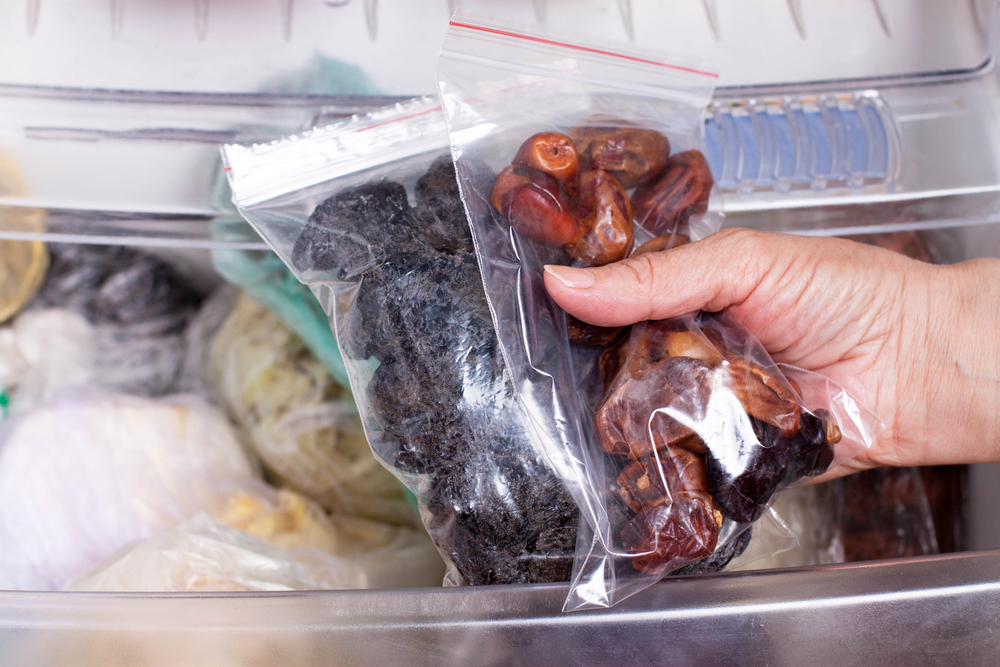
Vacuum-sealing leftovers helps to keep them fresh longer by removing the air that causes food to spoil. This method is perfect for meats, soups, and other leftovers that are prone to getting lost and forgotten in the fridge. By sealing your leftovers, you extend their shelf life and can easily store them without worrying about freezer burn or spoilage. It also makes it easier to portion out your meals for future use, preventing food from going to waste. This simple step can greatly reduce the chance of leftovers ending up in the trash.
Vacuum-sealed bags also help you avoid waste by allowing you to store food in smaller, easy-to-heat portions. They’re perfect for preparing meals ahead of time, so you can simply grab a bag when it’s time to eat. The airtight seal locks in freshness, keeping your meals safe from bacteria and oxidation. This method works great for people with busy schedules or anyone looking to preserve their food for later. Give vacuum-sealing a try to make meal prep and food storage a breeze.
Keep Your Fridge Temperature Consistent
Maintaining a consistent temperature in your fridge helps prevent spoilage and ensures that your food stays fresh longer. Set your fridge to the ideal temperature of 37 degrees F (3 degrees C) to keep perishable items in their optimal state. When the temperature fluctuates, food can spoil faster, leading to unnecessary waste. Regularly check your fridge’s temperature settings and make sure the door seals tightly. By keeping your fridge temperature stable, you can avoid throwing out spoiled food.
A consistent temperature also helps maintain the right humidity levels, which is important for produce. By keeping your fridge cool but not freezing, you prevent food from freezing, wilting, or losing texture. It’s an easy way to protect your food and reduce waste. Plus, a properly functioning fridge helps save energy by running more efficiently. A little attention to temperature control goes a long way in cutting down food waste.
Don’t Overcrowd Your Fridge
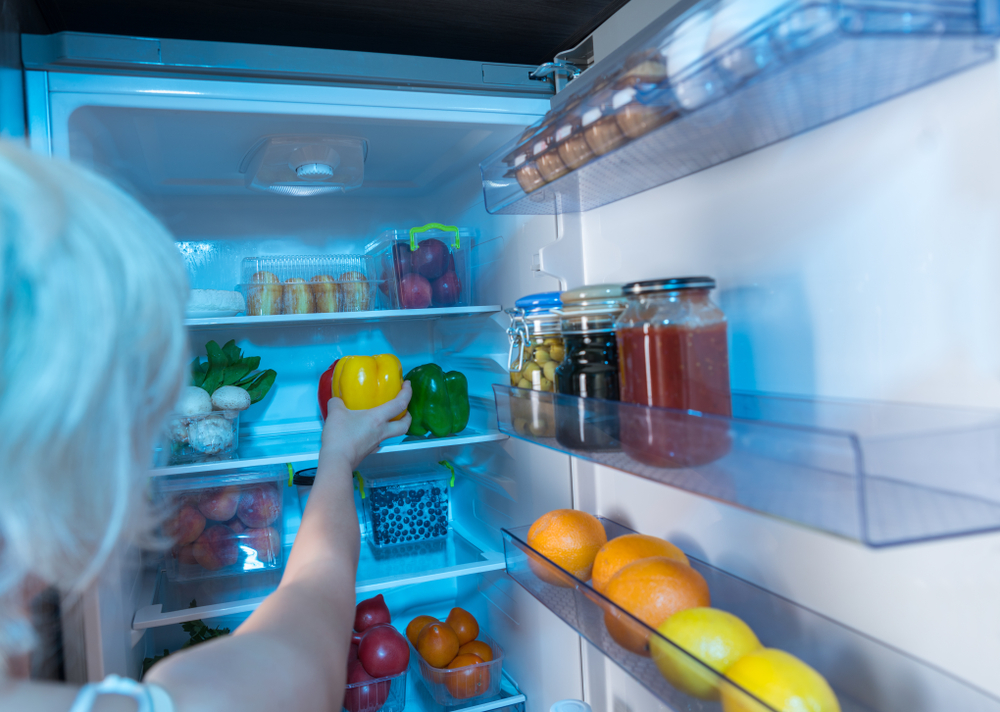
Overcrowding your fridge can cause food to spoil more quickly, as air circulation is limited. To prevent this, try to keep space between items so that cool air can circulate properly around your food. When food is packed too tightly, it becomes harder to keep track of what you have, and items can get overlooked. This leads to expired food being thrown out. By leaving room in your fridge for air to circulate, you ensure that your food stays fresh for a longer period.
Keeping your fridge from becoming overcrowded also makes it easier to spot things that need to be used soon. You’ll spend less time searching for items and more time cooking or preparing meals. Proper air circulation helps extend the life of your produce, dairy, and meats, reducing spoilage. This simple organizational trick will prevent unnecessary waste and help keep your fridge running efficiently. Start the new year by giving your fridge a little more space for better organization and less waste.
This article originally appeared on Avocadu.