
15 Laundry Habits That Make Life Easier in The New Year
We all know laundry can easily pile up and become a chore that takes up too much of our time. However, with a few smart habits in place, it can be a task you breeze through without stress. Regularly washing small loads, organizing your laundry space, and knowing what products to use can make a noticeable difference. The best part is that these habits don’t take much effort but can save you time in the long run. It’s time to make laundry a little easier with these simple tips.
This post may contain affiliate links, which helps keep this content free. Please read our disclosure for more info.
Sort Laundry by Color and Fabric Type

Sorting your laundry by color and fabric type helps prevent damage and color bleeding. Start by separating your whites, darks, and colors before loading them into the washer. Use a separate pile for delicate fabrics like silk or wool to avoid snagging or shrinking. This simple habit ensures that your clothes maintain their quality and colors. Over time, you will notice your clothes lasting longer and looking newer.
To get started, always have a laundry basket or bin for each category-whites, darks, and delicates. This will make it easy to quickly grab the right pile when it’s time to wash. Don’t forget to check the labels on delicate fabrics for specific washing instructions. By organizing clothes beforehand, you’ll save time on laundry day. This habit is easy to stick with and will lead to fewer wardrobe disasters.
Pre-Treat Stains Before Washing

Pre-treating stains immediately helps avoid stubborn spots that can become harder to remove later. As soon as a stain happens, blot it with a clean cloth to remove excess liquid. Apply a stain remover directly onto the affected area and let it sit for about 10 minutes before washing. This simple step ensures stains do not set, leaving your clothes looking fresh. A little time spent pre-treating makes a big difference in the final results.
Keep a stain remover spray or gel near your laundry basket for quick access. If the stain is particularly stubborn, use a toothbrush to gently scrub the area. Be sure to wash the item promptly after treatment to prevent the stain from setting. You can also test the stain remover on an inconspicuous area before applying it fully to avoid fabric damage. This quick habit can help keep your clothes in top condition.
Use the Right Detergent for Your Laundry Needs
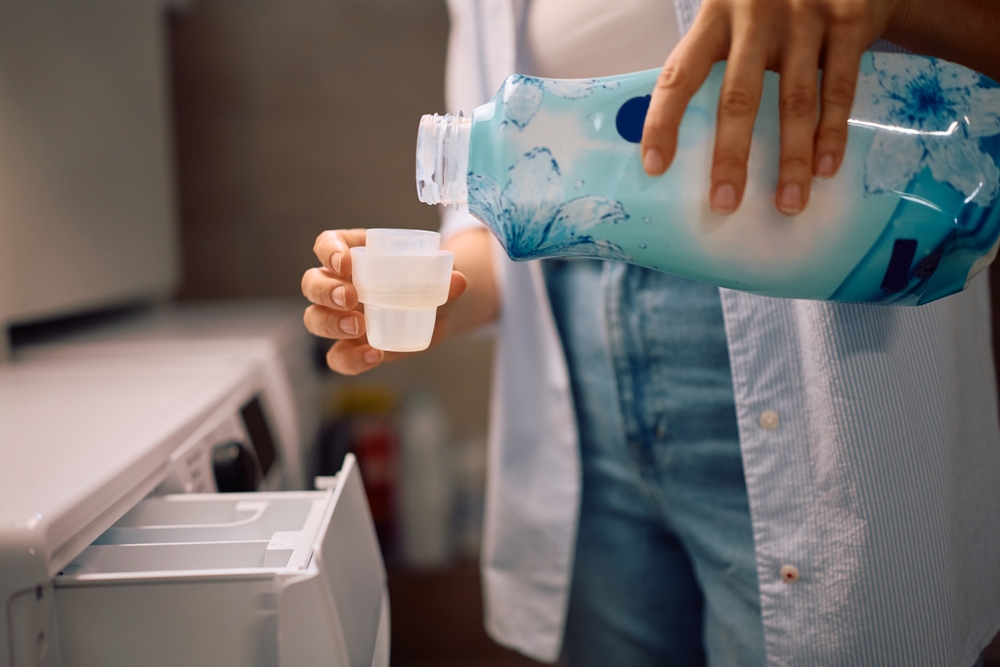
Choosing the right detergent is essential for getting the best results from your laundry routine. Use a detergent suited for the fabric and the type of load you’re washing, such as a gentle formula for delicates or a heavy-duty one for work clothes. Measure the detergent according to the manufacturer’s instructions to avoid residue buildup. A small change in detergent can improve the freshness and lifespan of your clothes. Using the right product ensures your laundry is clean without causing damage.
Check your detergent’s packaging for any special instructions regarding the washing machine type or fabric care. For example, some detergents are designed for high-efficiency washers or cold water loads. If you often wash clothes with sensitive skin, consider using a hypoallergenic detergent. This can minimize irritation and keep your clothes soft. Experimenting with different detergents can help you find the perfect one for your laundry habits.
Use a Laundry Schedule to Stay On Track
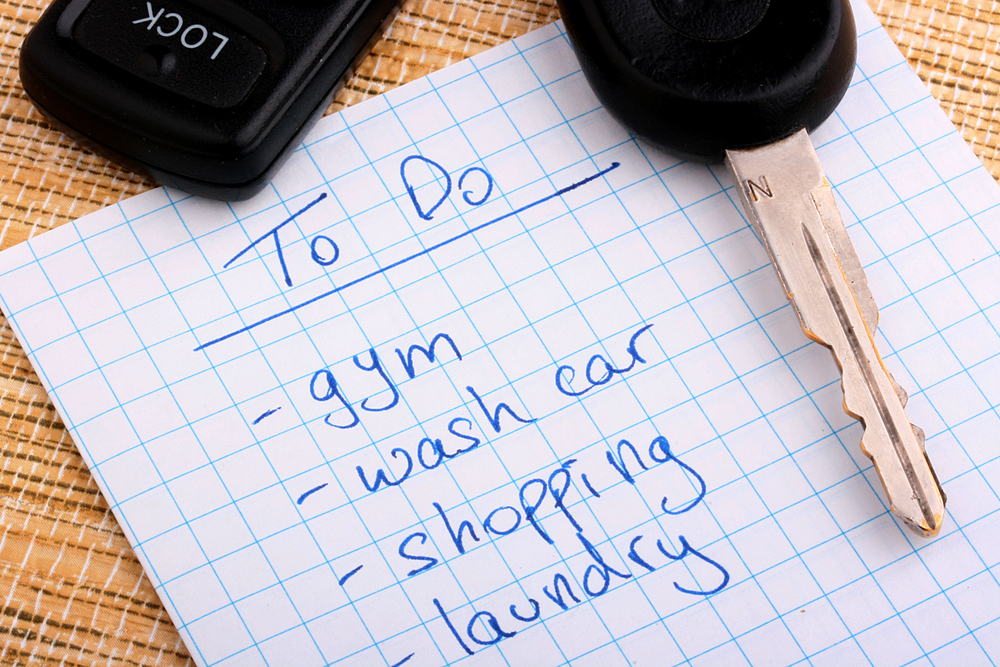
Sticking to a laundry schedule is a game-changer when it comes to maintaining a clean home. Set specific days each week for washing, folding, and putting away laundry to stay organized and avoid pile-ups. Keep track of how often each load needs to be washed, from everyday clothes to sheets and towels. A regular laundry schedule makes it easier to manage the task and prevents it from feeling overwhelming. Over time, this habit will become second nature.
Begin by designating specific days for certain types of laundry. For example, wash towels on Mondays, and sheets on Tuesdays. By keeping a schedule, you’ll be able to stay on top of the laundry without it consuming your entire weekend. Make use of a reminder app or sticky notes to track your progress. The more consistent you are, the less likely you’ll have an overflowing laundry pile.
Fold Clothes Immediately After Drying
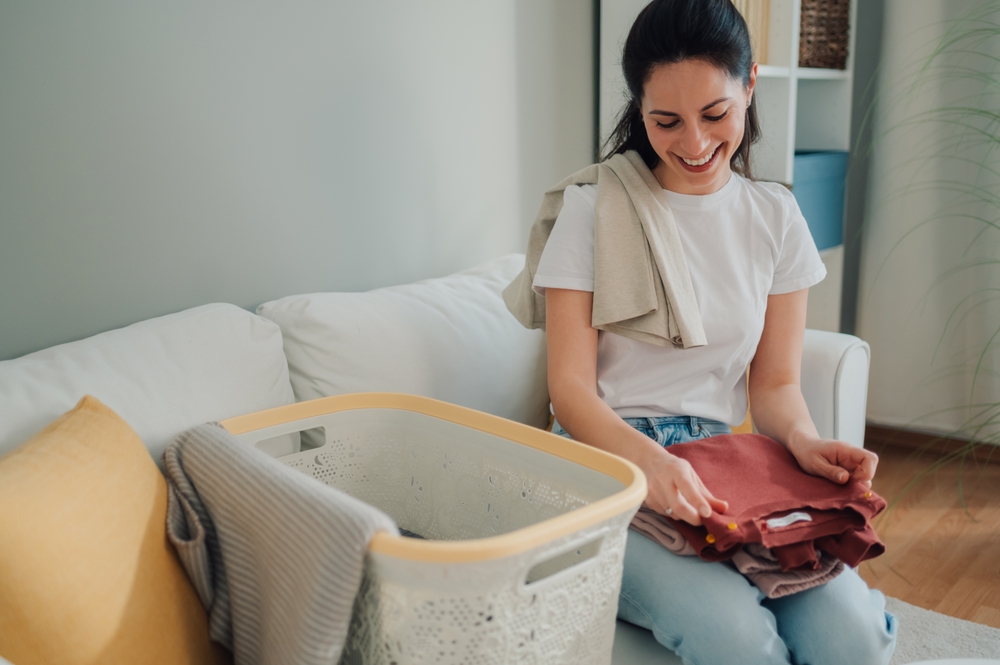
Folding clothes immediately after drying keeps them wrinkle-free and organized. Once the cycle finishes, remove clothes from the dryer and fold them while they are still warm. This minimizes the need for ironing and helps you stay on top of your laundry. By getting the folding done right away, you avoid the frustration of a mountain of clothes to tackle later. This habit also gives you a sense of accomplishment and keeps your home looking tidy.
Start by folding clothes as soon as they are dry to prevent wrinkles. For items like shirts and towels, a quick fold will keep them looking crisp. Organize the clothes as you fold, stacking similar items together to make putting them away easier. If you struggle to find time for folding, try setting a timer to fold for just 10 minutes. Little efforts like these go a long way in keeping your laundry manageable.
Avoid Overloading the Washer
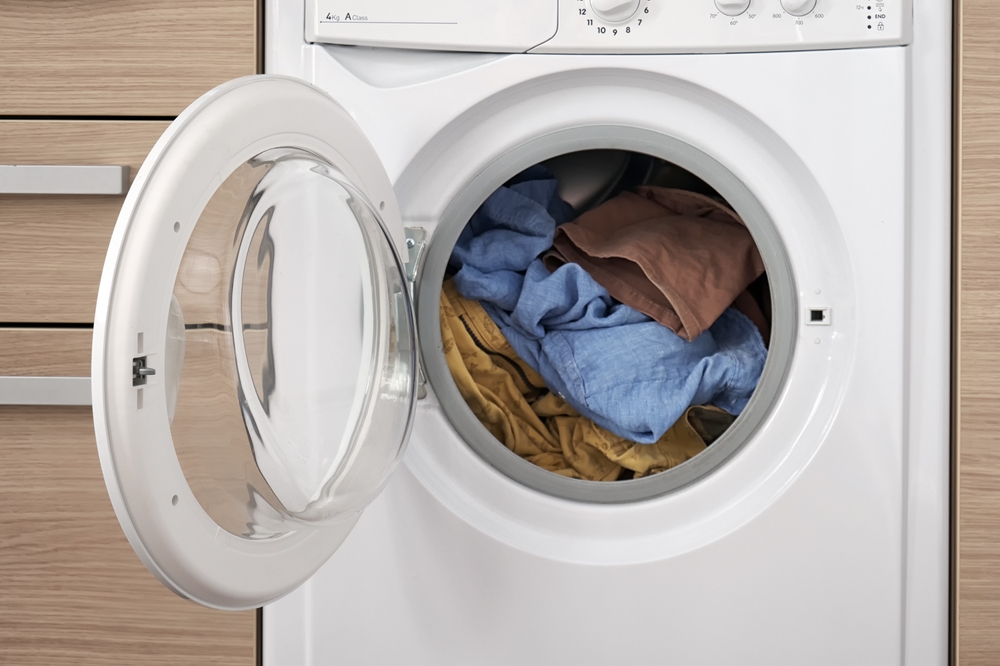
Overloading your washing machine may seem like a time-saver, but it can lead to poor cleaning results. Give your clothes enough room to move freely during the wash cycle. When you overload the machine, your clothes may not get fully cleaned, and the washer can become damaged over time. It’s important to load your washer properly to ensure maximum efficiency and effectiveness. By following this simple step, your clothes will come out cleaner and your washer will last longer.
To avoid overloading, refer to your washer’s manual for load size recommendations. When in doubt, leave a little extra room in the drum so clothes have space to agitate. If your load is too large, consider splitting it into smaller batches. This habit will help prevent tangling, excessive wrinkling, and detergent buildup. By taking the time to load your washer correctly, you’ll keep both your clothes and machine in better condition.
Clean the Washing Machine Regularly
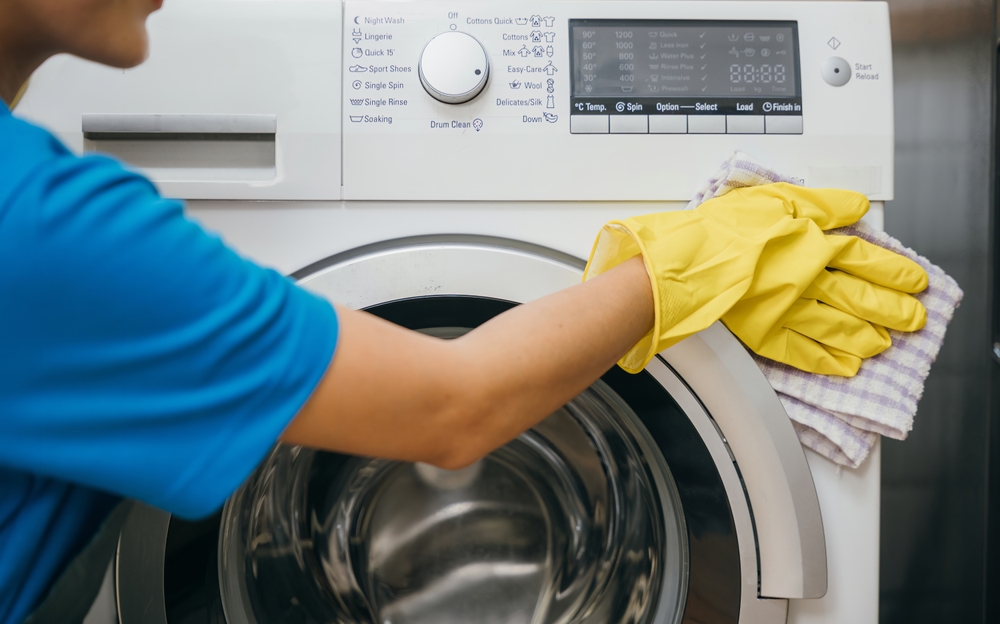
Your washing machine needs regular maintenance to work efficiently. Over time, detergent residue and dirt can build up inside the drum and hoses, leading to unpleasant odors. Set aside time every month to clean your washing machine, running an empty cycle with white vinegar and baking soda. This will remove any buildup and keep your washer smelling fresh. Regular cleaning also ensures that your washer continues to perform at its best.
To clean your washing machine, add a cup of white vinegar to the drum and run a hot water cycle. Follow with a baking soda cycle to remove any lingering odors. Don’t forget to wipe down the rubber seals and door of your washer. Doing this monthly will help extend the life of your appliance and keep it running smoothly. A little maintenance goes a long way in preventing bigger issues.
Invest in Mesh Bags for Delicates
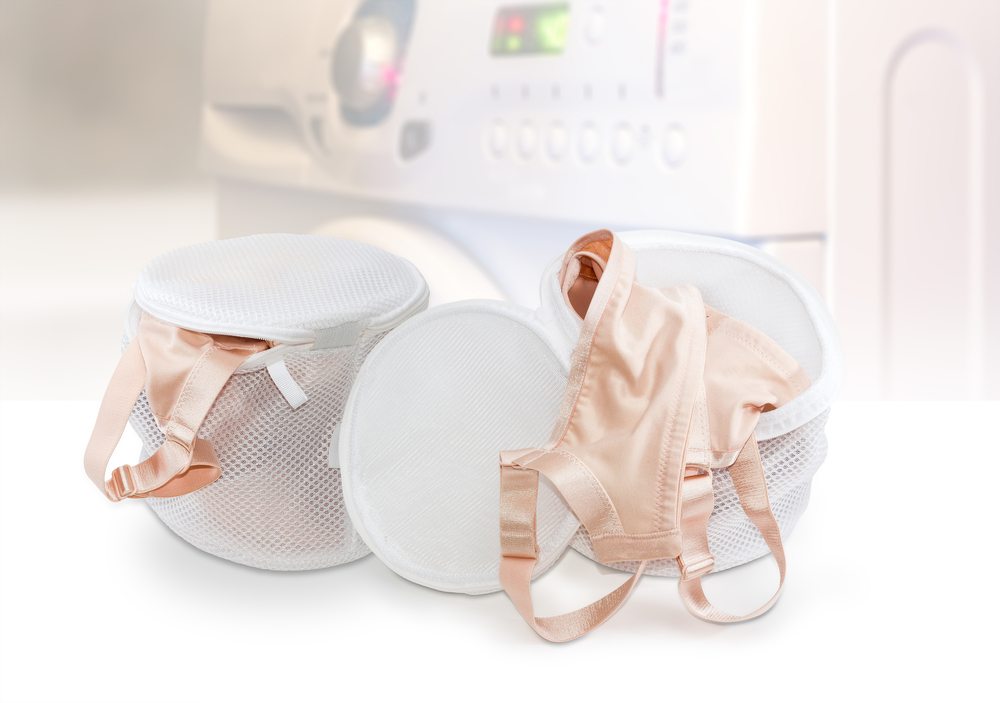
Using mesh bags for delicates is a smart way to protect fragile fabrics during washing. Place bras, lingerie, and delicate clothing into a mesh bag to prevent snags and tears. These bags allow your clothes to move freely in the wash while providing an extra layer of protection. Investing in a few mesh bags can help your delicate garments last longer without needing handwashing. Plus, it reduces the time spent on special care for these items.
To use mesh bags effectively, categorize your delicates and place them in separate bags for better organization. You can also use these bags for socks, small items, and anything that needs extra protection. Zip up the bag securely before placing it in the wash. These bags are available in different sizes, so you can find one that fits your needs. This simple step helps preserve your favorite items while saving you time and effort.
Switch to Cold Water for Most Loads
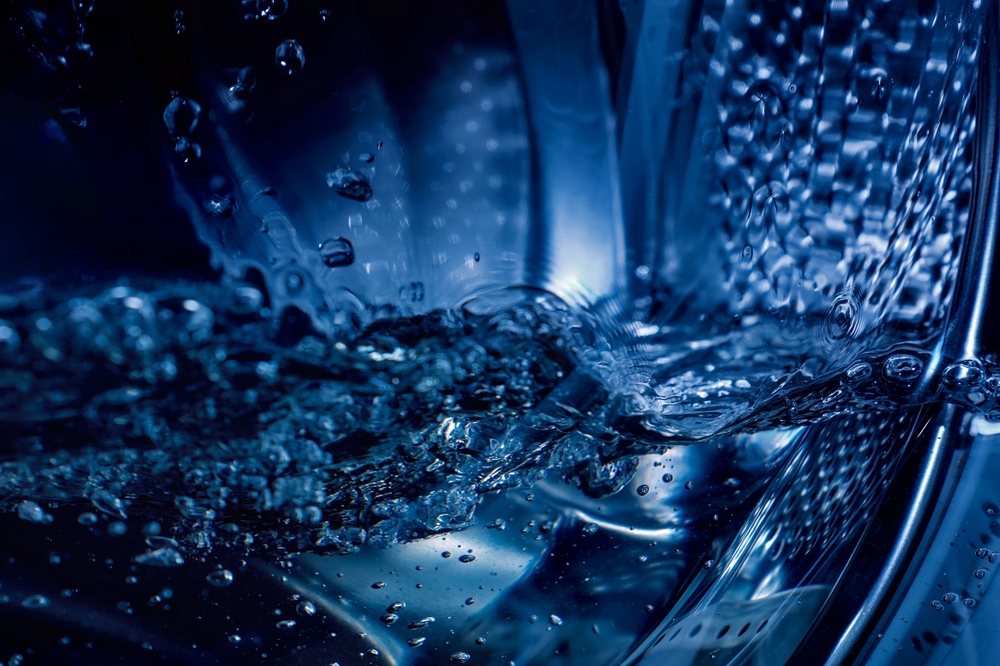
Washing clothes in cold water saves energy and helps preserve the color and texture of fabrics. Cold water is just as effective for cleaning as hot water, especially when using the right detergent. By washing most loads in cold water, you reduce your carbon footprint and keep your clothes from shrinking or fading. This habit is not only good for the environment, but it’s also a great way to extend the life of your wardrobe. Cold water washing is a small adjustment that leads to long-term savings.
Start by adjusting your washer settings to cold water for the majority of your loads. Cold water is perfect for everyday clothes, delicates, and even towels. If you need to wash heavily soiled items, reserve hot water for those specific loads only. Cold water washing helps reduce the wear and tear on fabrics, keeping them in better shape. This simple habit adds up over time, both for your wallet and the planet.
Use Dryer Balls to Speed Up Drying Time
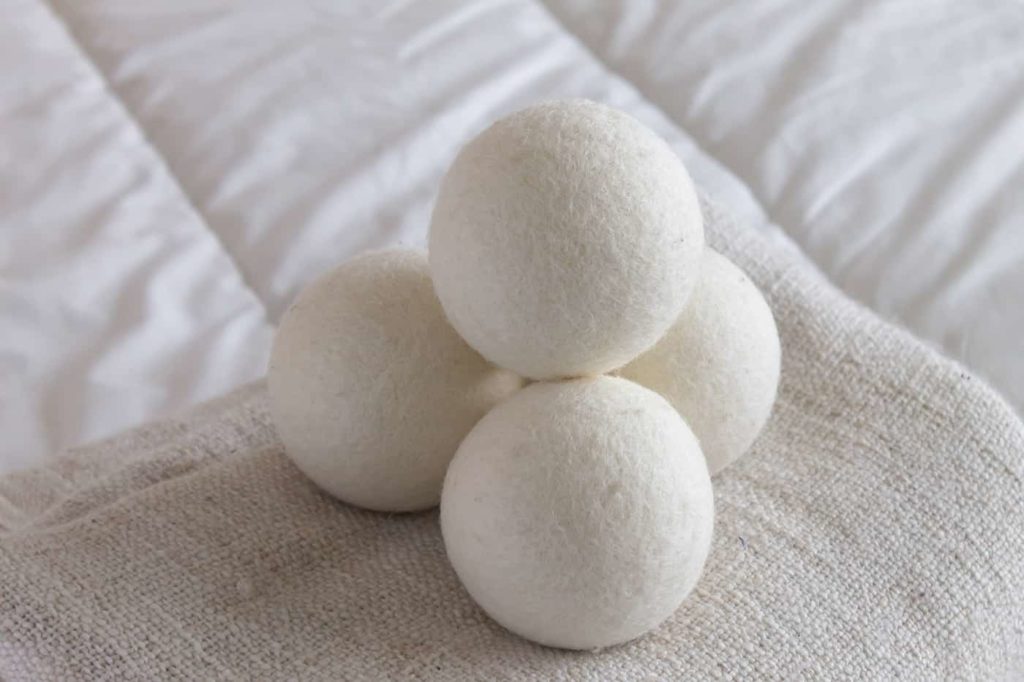
Dryer balls are an excellent way to reduce drying time and fluff up your laundry. These balls help separate clothes, allowing air to circulate more effectively, which reduces the overall drying time. Additionally, dryer balls soften fabrics naturally without the need for chemical fabric softeners. By using dryer balls regularly, you’ll save energy and time while achieving softer, fluffier clothes. They’re a small investment with a big impact.
To use dryer balls, simply toss them in with your laundry before starting the dryer. For best results, use a set of three to five balls for larger loads. If you prefer a fresh scent, you can add a few drops of essential oils to the balls. Over time, you’ll notice a significant reduction in drying time and a decrease in static. This is an easy, eco-friendly way to improve your laundry routine.
Don’t Overdry Your Clothes
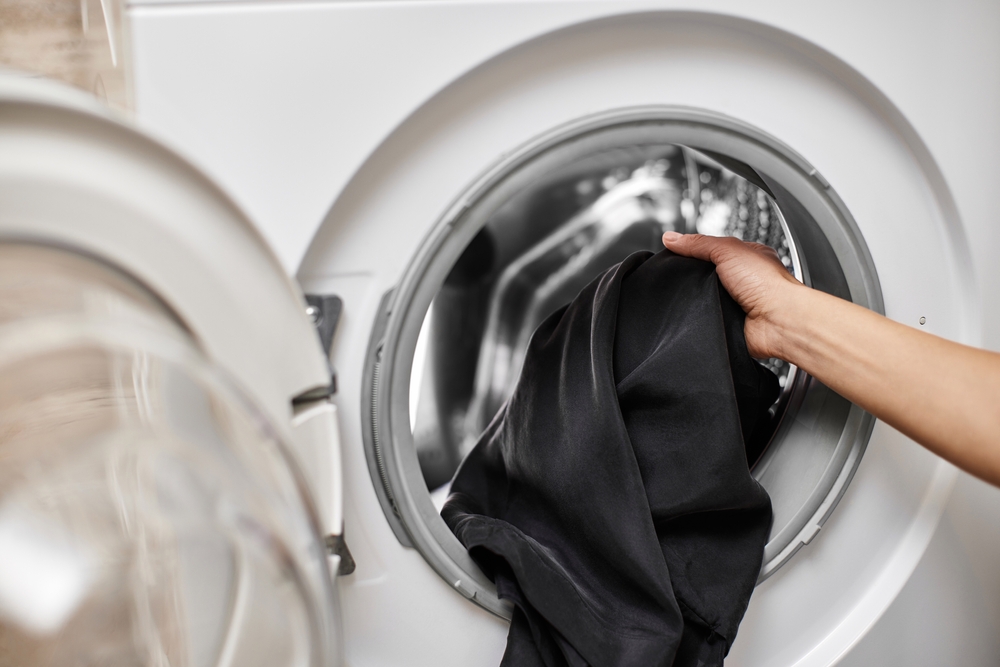
Overdrying clothes in the dryer can cause unnecessary shrinkage and damage. To prevent this, set your dryer to an appropriate drying cycle for each load. Avoid using the high heat setting unless necessary, as this can cause wear on fabrics. Dry clothes just until they’re dry, and remove them promptly to prevent wrinkles. By avoiding overdrying, you can save energy and prolong the life of your clothes.
To avoid overdrying, choose the moisture-sensing cycle if your dryer has one. This will stop the dryer once clothes reach the desired level of dryness. If you’re unsure, set a timer to check the clothes every 10 minutes during the drying process. Taking this extra step will help preserve fabric quality while reducing energy consumption.
Organize Your Laundry Room for Easy Access
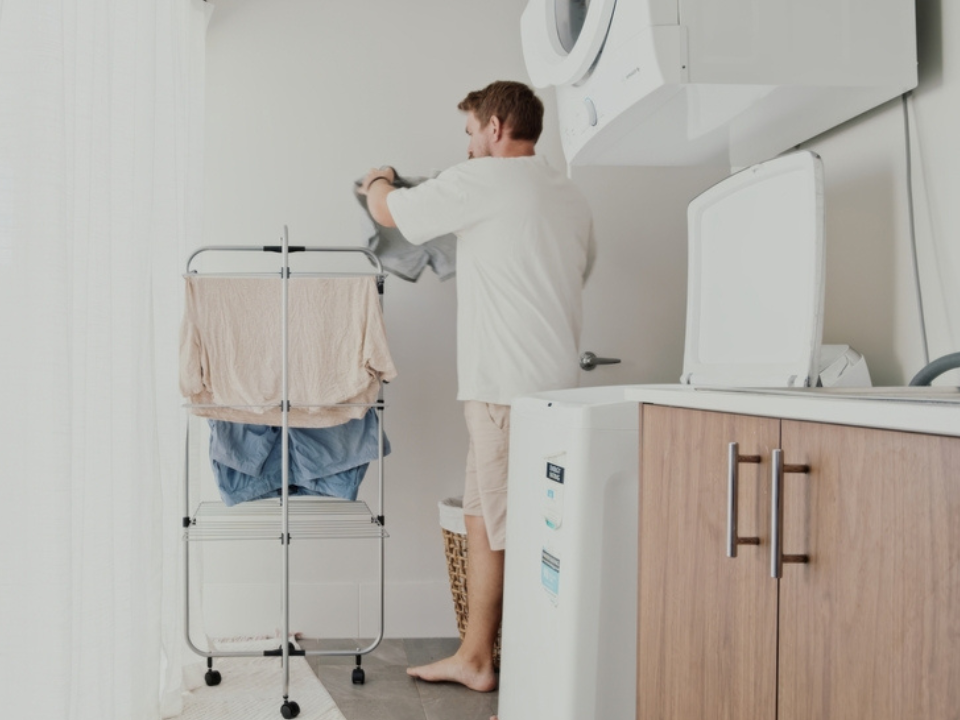
A well-organized laundry room makes the task of doing laundry much easier. Keep your laundry essentials-detergent, dryer sheets, stain removers-easily accessible on shelves or in labeled bins. By setting up a tidy space, you’ll avoid wasting time searching for supplies when you need them. The easier it is to find what you need, the smoother the laundry process will go. A well-organized laundry area saves you time and frustration in the long run.
To get started, invest in clear storage bins or baskets for your laundry supplies. Place frequently used items at eye level for quick access. Consider adding a hook or two for hanging garments that need air-drying. This simple habit ensures that everything has a place and is easy to find. A clean and organized laundry room makes washing clothes feel less like a chore.
Use a Laundry Basket with Compartments
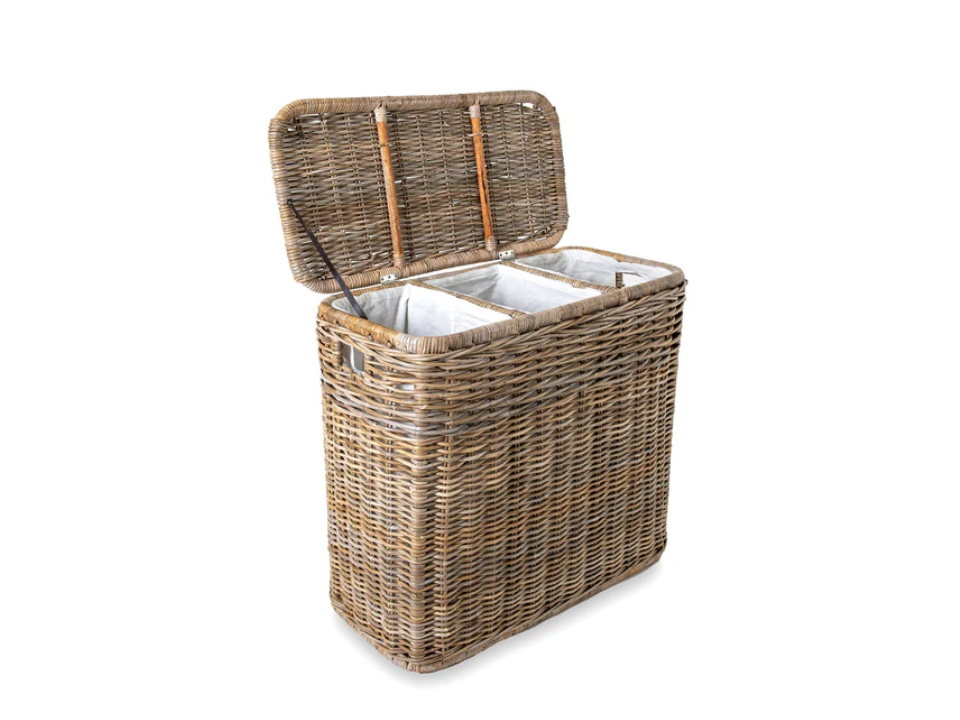
A laundry basket with compartments helps keep your laundry organized and makes sorting easier. You can separate items by color, fabric, or family member before it’s even time to wash. With separate compartments, you can cut down on sorting time later and avoid mixing colors or fabrics that shouldn’t go together. This small change can make a big difference on laundry day, especially in larger households. It’s an easy habit that adds efficiency to your routine.
Consider investing in a laundry basket with multiple sections for added organization. Label the sections for different family members or types of laundry to keep it even more organized. When it’s time to do laundry, simply carry the sections to the washing machine, and you’re good to go. This makes the entire laundry process faster and less stressful.
Use a Fabric Softener Alternative
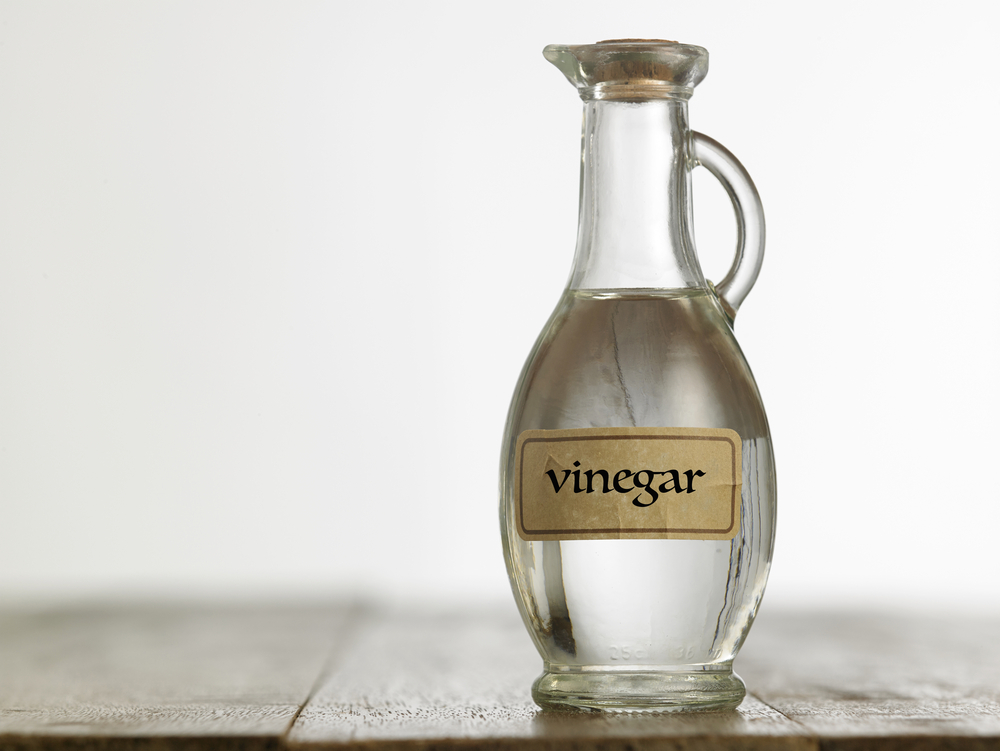
Fabric softeners can leave behind residues that can damage your clothes, but there are alternatives that are just as effective. Instead of fabric softener, try using vinegar in your rinse cycle to soften clothes naturally. This also helps to remove detergent residue and odors, leaving your clothes fresh and soft. Baking soda is another great option for keeping clothes soft without the chemicals. Switching to a natural softener alternative can improve your laundry routine and protect the environment.
To use vinegar as a fabric softener, add half a cup to the rinse cycle of your washing machine. Baking soda can be added during the wash cycle to help neutralize odors. Both alternatives are affordable and effective, helping you reduce the use of harsh chemicals. Over time, you’ll notice that your clothes are just as soft and smell just as fresh. This easy switch makes your laundry process more eco-friendly and wallet-friendly.
Dry Clothes on a Rack to Save Energy
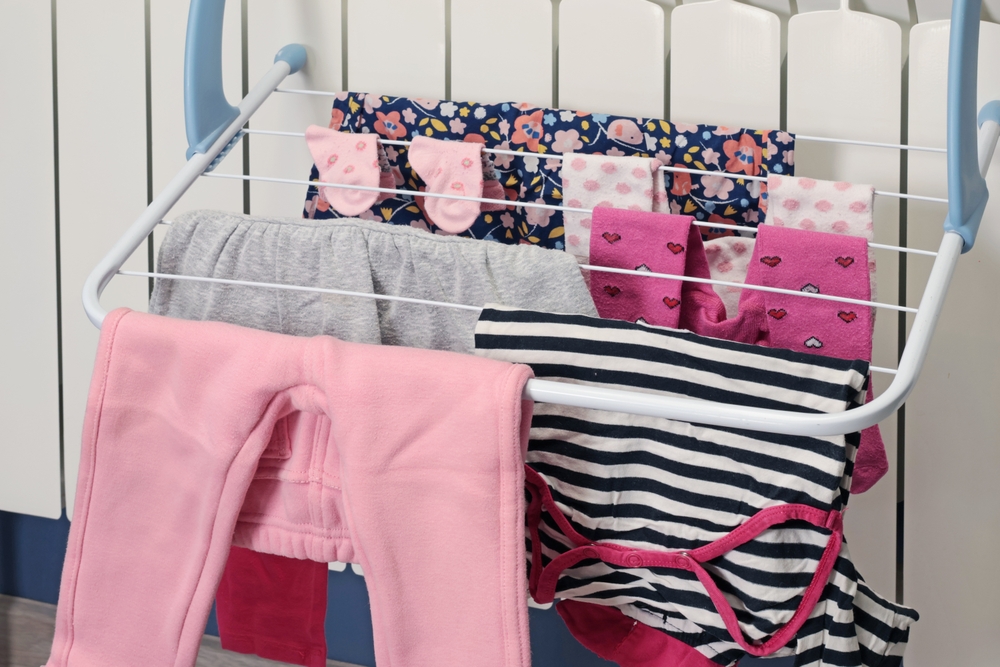
When possible, dry clothes on a drying rack to save energy and extend the life of your garments. Air-drying is a gentle method that helps prevent shrinking, fading, and wear on fabrics. Place your drying rack near a window or in a well-ventilated area to speed up the drying process. This habit is especially helpful for delicate fabrics or items that don’t do well in the dryer. By air-drying, you can also reduce your energy bills.
To make the most of air-drying, organize your drying space by keeping hangers and racks within easy reach. Rotate your clothes occasionally to ensure even drying. When drying towels or sheets, consider flipping them halfway through the drying process for faster results. This habit is an eco-friendly alternative to using the dryer and works well for many fabric types.
This article originally appeared on Avocadu.