
13 Plants That Like Dry Winter Air More Than Most
Winter can dry out the air in your home, making it harder for many plants to survive. But, there are plants that actually prefer this dry air. They do not need as much moisture to stay healthy and can withstand the heating season. These plants are perfect for anyone who wants to keep greenery alive through the winter months.
This post may contain affiliate links, which helps keep this content free. Please read our disclosure for more info.
Snake Plant (Sansevieria)
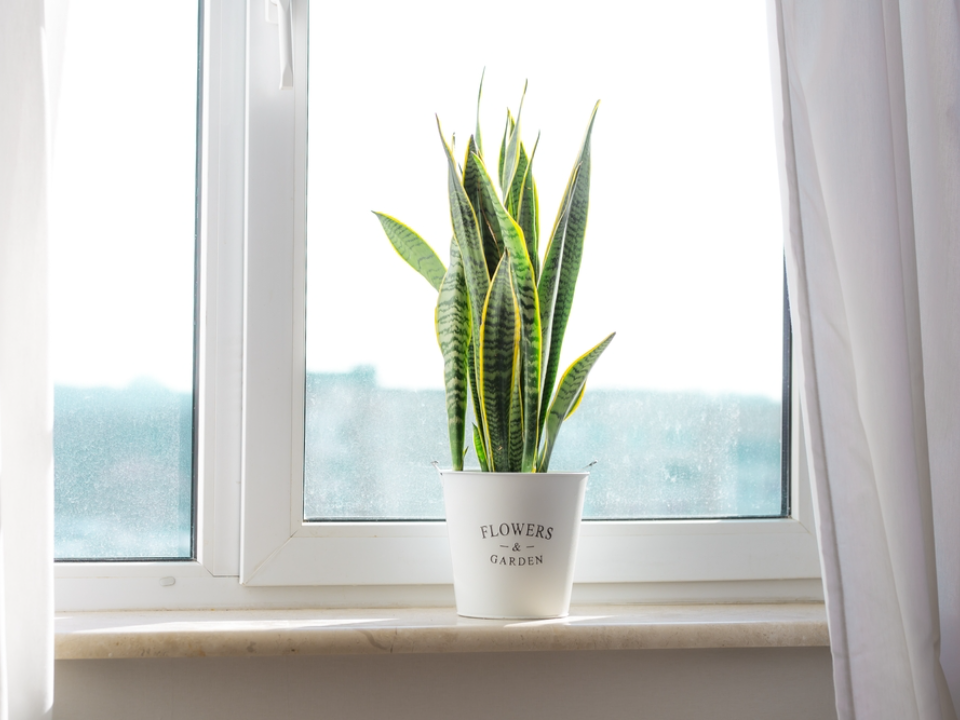
Snake plants are known for their resilience and ability to thrive in a variety of environments, including dry winter air. These plants are native to arid regions, so they have adapted to low humidity and can tolerate dry indoor conditions. They do not require frequent watering, making them a perfect fit for winter, when humidity tends to be lower. The thick, upright leaves of the snake plant also store moisture, allowing it to survive longer between waterings.
Snake plants can endure periods of neglect and still maintain their health. They thrive in indirect light and can handle lower light conditions, which makes them ideal for areas where sunlight may be scarce during the winter. Their ability to purify indoor air is an added bonus, making them an excellent choice for improving the overall quality of your home environment. Whether placed in your living room or bedroom, the snake plant is a hardy companion throughout the cold months.
ZZ Plant (Zamioculcas zamiifolia)
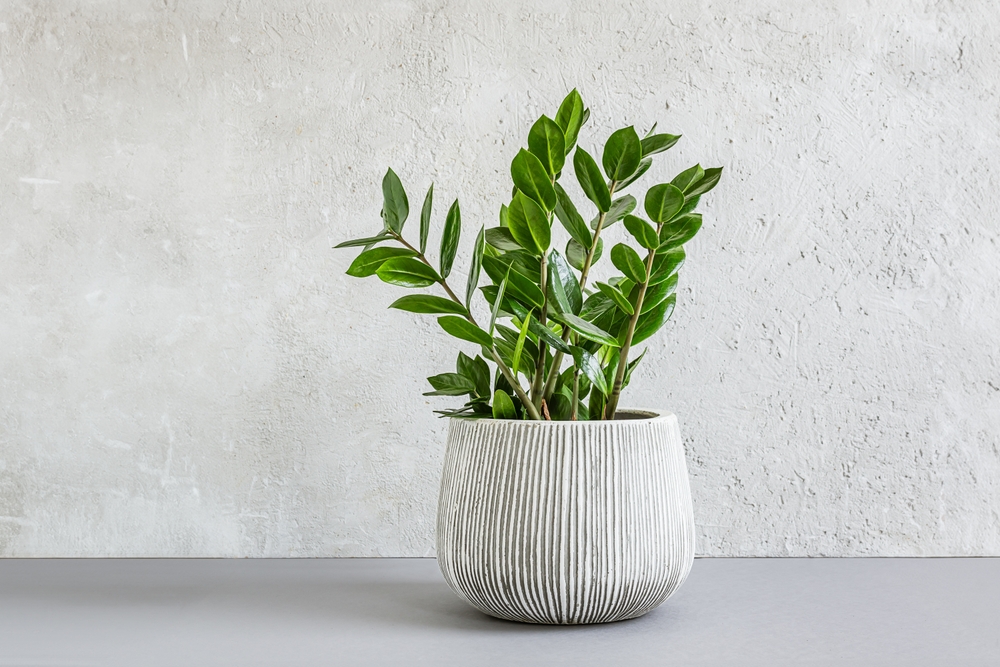
The ZZ plant is a low-maintenance plant that thrives in dry air and minimal attention. It has waxy, glossy leaves that help retain moisture, making it perfect for dry indoor environments during the winter months. Native to tropical regions, the ZZ plant has adapted to survive in conditions where water and humidity can be scarce. Its roots store water, allowing it to go for long periods without needing a drink, which is especially useful when humidity is low.
In addition to its ability to handle dry air, the ZZ plant also tolerates a range of light conditions, from low to bright indirect light. Its dark green leaves add a touch of elegance to any space, while its hardy nature makes it an ideal choice for beginners or busy plant owners. The ZZ plant is also known for being a great air purifier, helping to improve indoor air quality during the winter months. This plant’s versatility and ease of care make it a favorite in homes with dry winter air.
Spider Plant (Chlorophytum comosum)
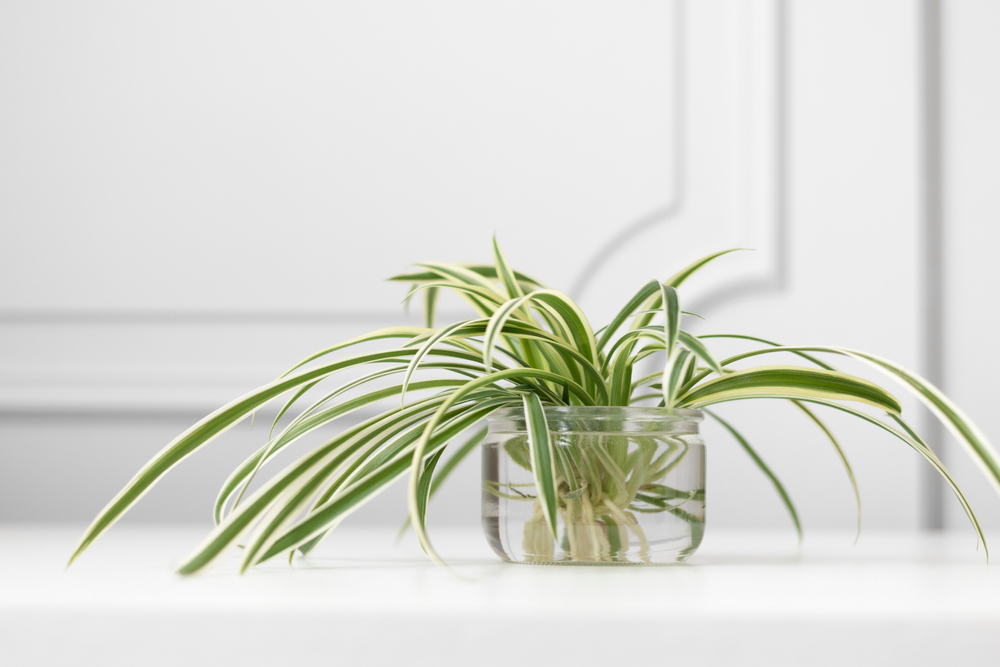
Spider plants are another excellent option for dry winter air, as they are well-suited to conditions with low humidity. These plants are known for their long, arching leaves and ability to thrive in a variety of environments. Spider plants can handle drier conditions because their roots store moisture, allowing them to survive when the air lacks humidity. They also do well in indirect light, making them a perfect choice for homes where sunlight may be limited during the winter months.
One of the key reasons spider plants tolerate dry air is their adaptability. They can go without water for longer periods than many other houseplants, and they can bounce back quickly if their soil dries out. Their air-purifying qualities are another benefit, as they help remove toxins from the air, especially in rooms with central heating. Spider plants are easy to care for and make an excellent addition to any home, particularly when humidity levels drop in winter.
Pothos (Epipremnum aureum)
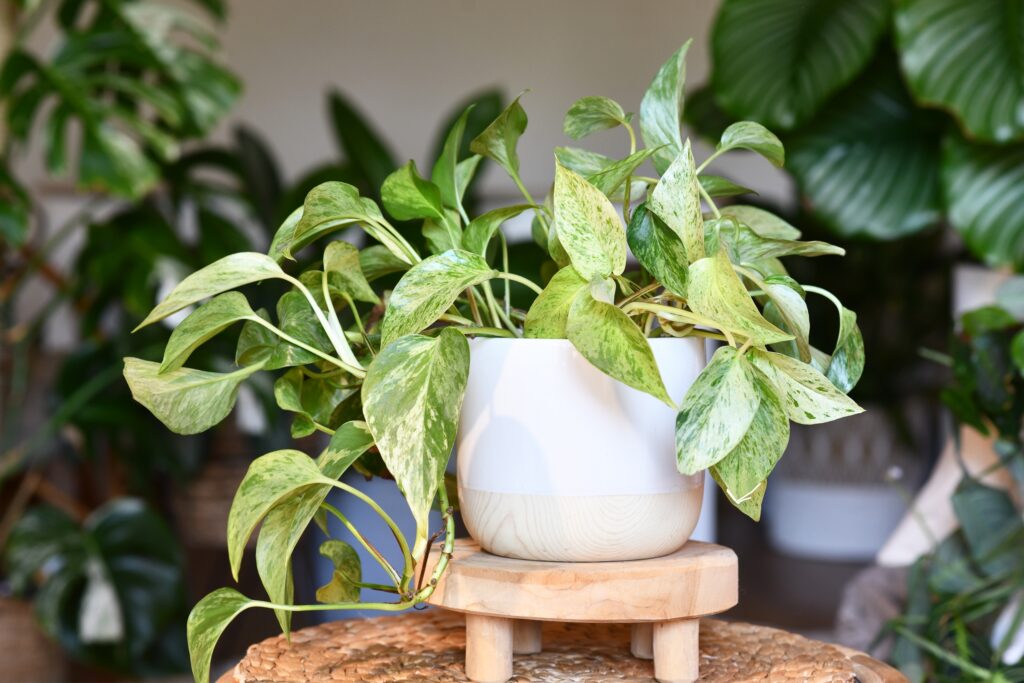
Pothos plants are widely loved for their adaptability, and their tolerance of dry air makes them a perfect fit for winter conditions. This hardy plant can survive in a range of lighting conditions and requires minimal care, making it an excellent choice for those new to gardening. The pothos plant stores moisture in its waxy leaves, which helps it thrive in the low humidity often found in homes during the colder months. It is also known for its trailing vines, which can add a lush, vibrant touch to any room.
Because pothos plants are so forgiving, they do well in homes with central heating or forced air, both of which can contribute to dry conditions. They require infrequent watering, and the soil should dry out between waterings. Pothos plants also help purify the air, making them not just a visually appealing addition but also a healthy one for indoor spaces. Their ability to adapt to a variety of indoor environments makes them an ideal plant for surviving the winter months.
Cactus (Cactaceae)
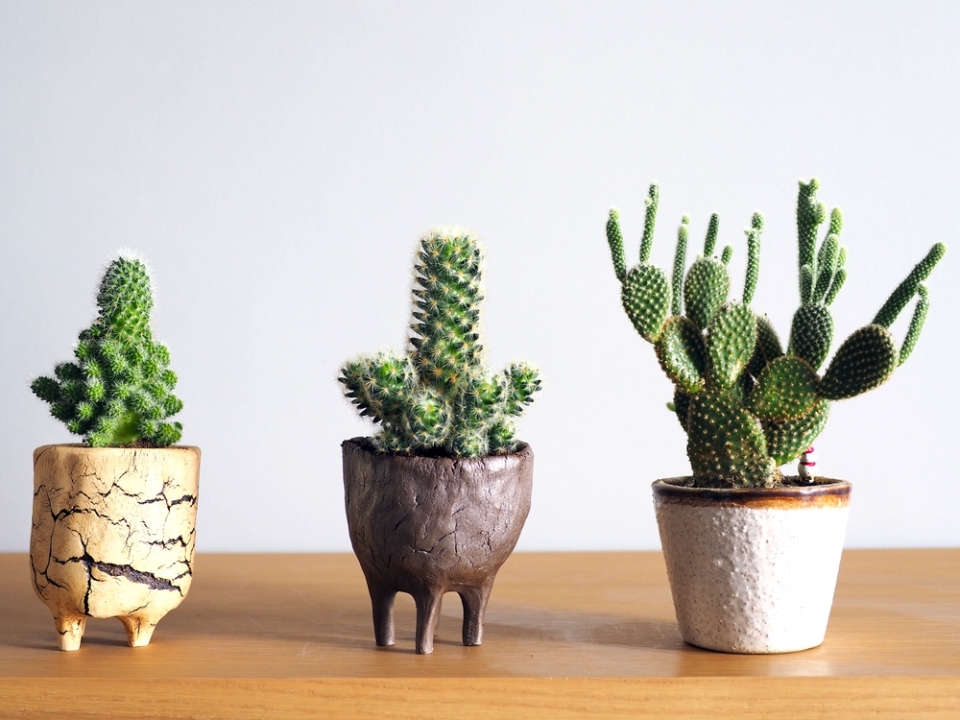
Cacti are the ultimate plants for dry winter air, as they are native to arid regions and are built to thrive in extreme dryness. Their thick, fleshy stems store water, which allows them to survive for long periods without needing water. During the winter months, when indoor air tends to be drier, cacti continue to thrive by relying on their water reserves. These plants prefer bright light and are perfect for placing near windows where they can soak up as much sun as possible.
The low-maintenance nature of cacti makes them a favorite among plant owners, especially in homes with dry winter air. They need very little water and can go weeks without a drink, which helps them handle the lack of humidity that often accompanies the colder months. Cacti come in many shapes and sizes, from small tabletop varieties to large, dramatic specimens. Whether you choose a small barrel cactus or a tall saguaro, these plants will make a unique and striking addition to your home.
Aloe Vera
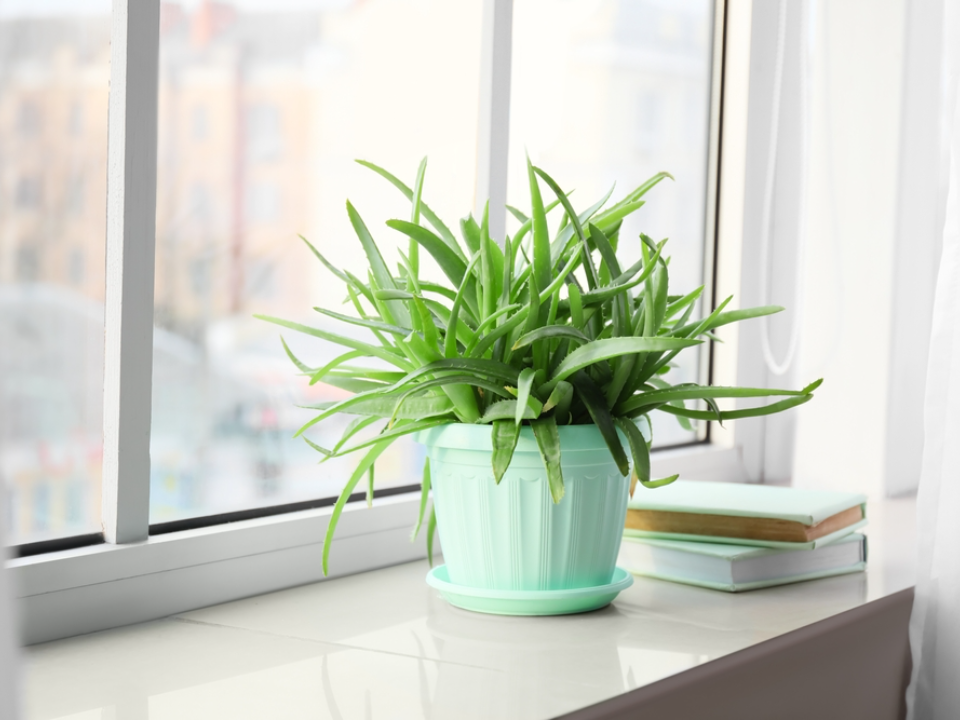
Aloe vera is a succulent that is well-suited to dry indoor environments, particularly during winter when humidity is low. Native to desert regions, aloe vera is adapted to withstand long periods of drought. Its thick, fleshy leaves store moisture, which allows it to thrive even when the air is dry. Aloe vera does well in bright, indirect light and should be watered only when the soil is completely dry, making it a great plant for homes with dry winter air.
In addition to its resilience, aloe vera is known for its healing properties. The gel inside its leaves is commonly used for treating burns, cuts, and other skin irritations. Its simple care requirements make it ideal for beginners, and it’s a great option for those who want a plant that does not demand constant attention. Aloe vera’s ability to tolerate dry air and provide health benefits makes it a top choice for homes during the winter months.
Jade Plant (Crassula ovata)
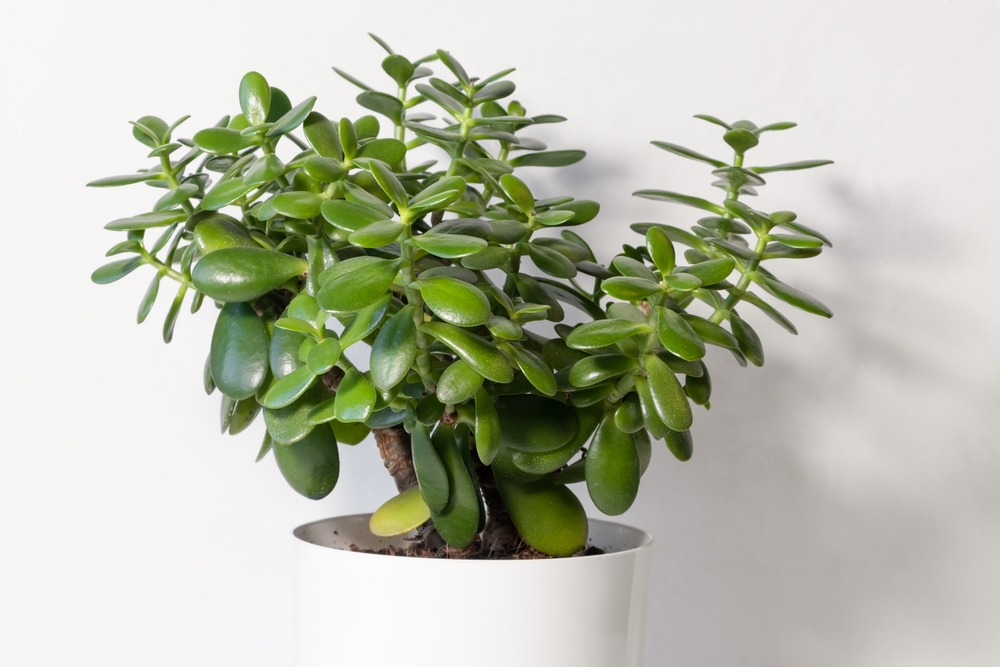
Jade plants are another succulent that thrives in dry winter air. They have thick, fleshy leaves that store water, allowing them to endure dry conditions without much trouble. Native to South Africa, jade plants are well-suited to the dry air often found in homes with central heating or forced air. They do well in bright light and require infrequent watering, making them a perfect fit for homes with dry indoor conditions.
Jade plants are not only hardy but also bring a touch of elegance to any room with their thick, glossy leaves. They are slow-growing, which means they do not require frequent repotting or trimming. The jade plant is also considered a symbol of good luck, making it a popular addition to homes and offices. Its ability to thrive in dry air, combined with its attractive appearance, makes it an excellent choice for the winter months.
Christmas Cactus (Schlumbergera)
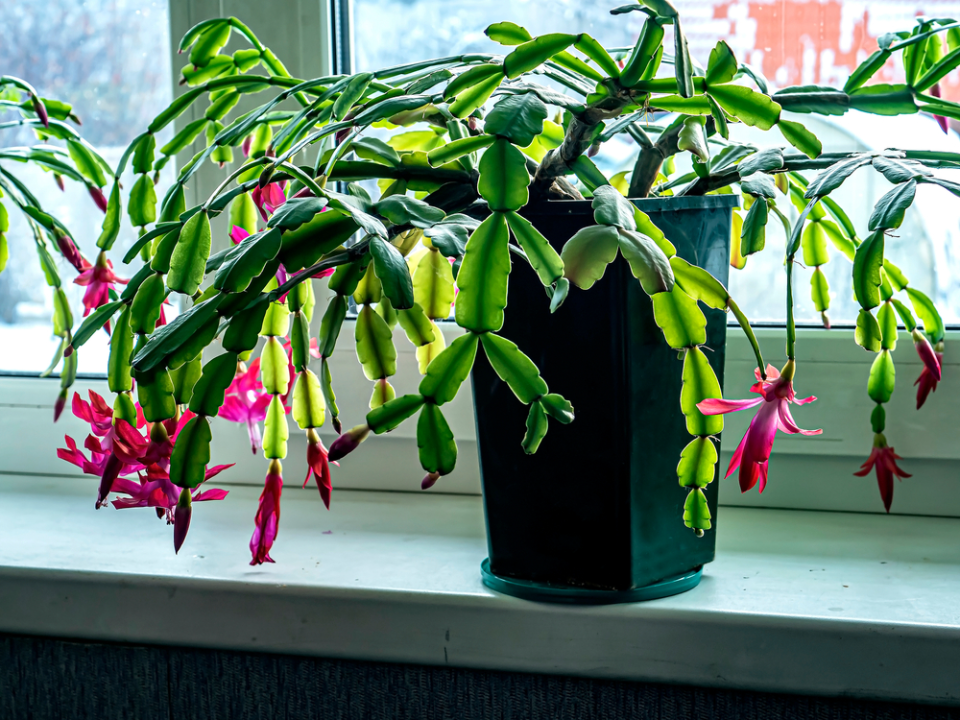
The Christmas cactus is a beautiful flowering plant that thrives in the dry air of winter. Unlike most cacti, this plant prefers more humid environments, but it is still quite tolerant of dry air. During the winter, when humidity tends to be lower, the Christmas cactus can still thrive with minimal watering and indirect light. It is a perfect plant for homes that want a splash of color during the darker winter months.
What makes the Christmas cactus stand out is its vibrant blooms, which appear in red, pink, or white. These plants have adapted to handle dry conditions by storing moisture in their leaves. The blooms are typically triggered by the cooler temperatures and shorter daylight hours of winter, making them a wonderful addition to holiday decor. The Christmas cactus requires minimal care and can live for years, making it an excellent choice for a low-maintenance winter plant.
Rubber Plant (Ficus elastica)
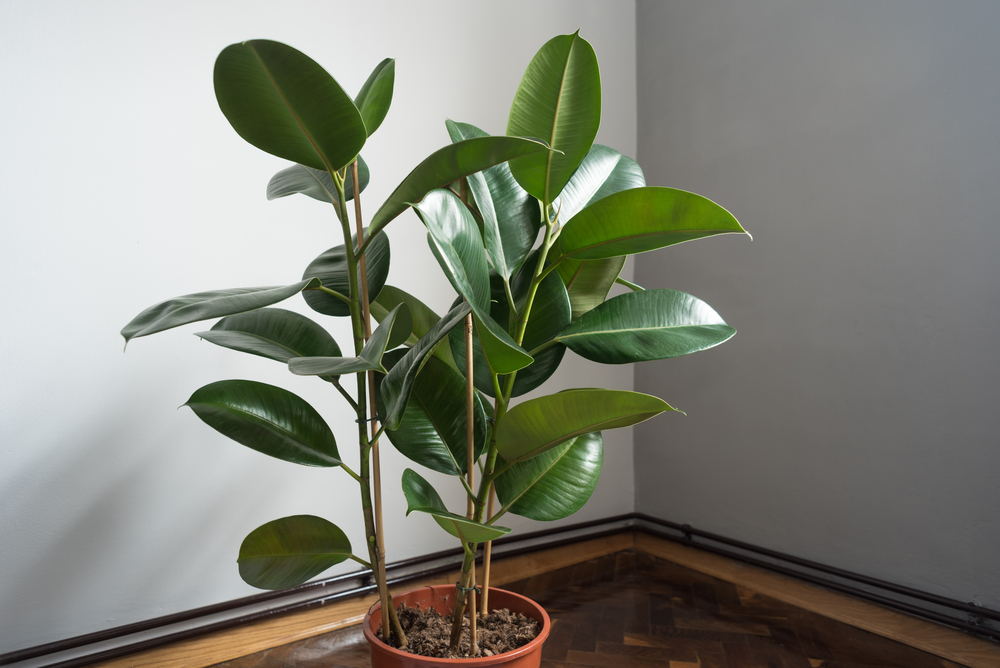
The rubber plant is known for its ability to adapt to a variety of indoor conditions, including dry winter air. Its large, glossy leaves help retain moisture, allowing it to survive in low humidity. This plant thrives in indirect light and prefers to dry out between waterings, which makes it a great fit for homes with heating systems that reduce indoor humidity. Rubber plants can grow quite tall, adding a dramatic touch to any room.
Rubber plants are also easy to care for, making them ideal for busy plant owners. They do not require frequent attention, and their tolerance of dry air makes them a perfect option for the winter months. In addition to their resilience, rubber plants help purify the air by removing toxins and improving indoor air quality. This makes them not only a visually appealing choice but also a health-conscious one.
Pilea (Pilea peperomioides)
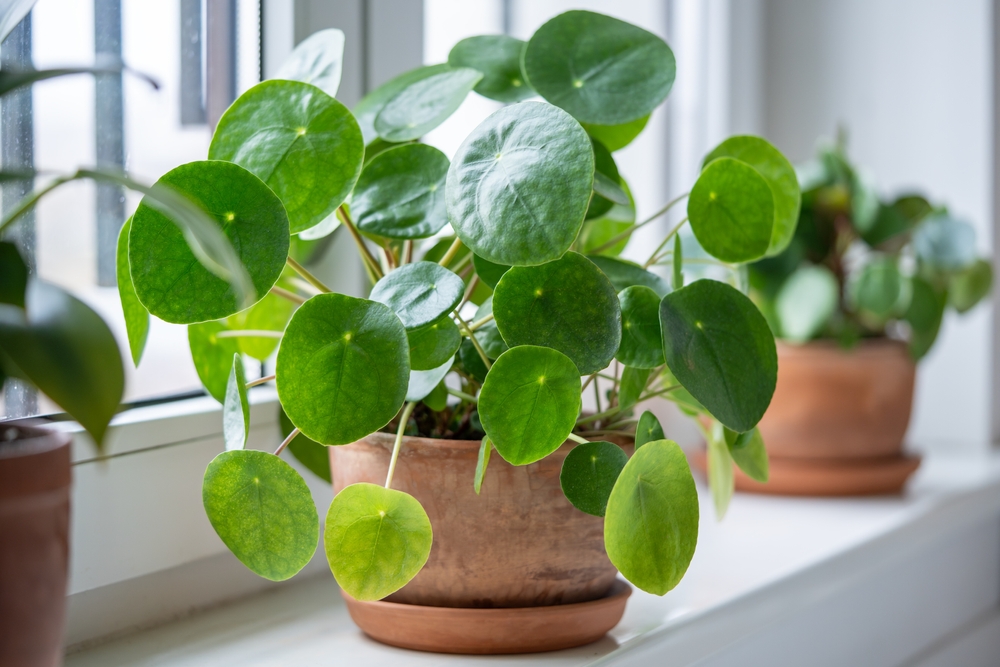
Pilea, also known as the Chinese money plant, is an attractive plant that thrives in dry winter air. This plant is native to the Yunnan Province in China, where it grows in high-altitude areas with dry conditions. Pilea’s round, coin-shaped leaves store water, allowing it to tolerate dry indoor air with ease. It requires minimal watering, making it a perfect choice for homes with low humidity during the winter months.
Pilea is a fast-growing plant that adds a touch of greenery to any room. It does well in indirect light and can adapt to various indoor environments. The plant is easy to propagate, making it a popular choice for plant lovers who enjoy sharing their green companions with others. Pilea’s resilience to dry air and its simple care needs make it an ideal plant for wintertime.
Dracaena (Dracaena spp.)
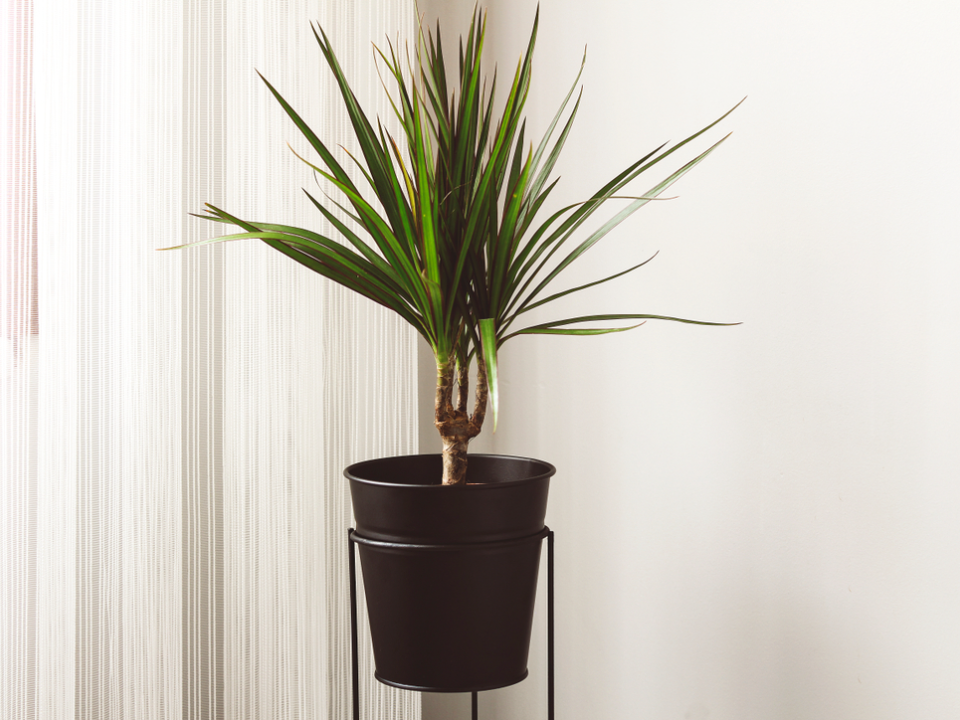
Dracaena plants are perfect for homes with dry winter air, as they thrive in low humidity. They have long, leathery leaves that store moisture, allowing them to go without water for extended periods. Dracaenas do well in indirect light, making them ideal for winter months when sunlight can be scarce. Their ability to tolerate dry air and neglect makes them one of the best plants for winter care.
These plants come in a variety of shapes and sizes, from small tabletop varieties to large, dramatic specimens. Dracaenas are known for their air-purifying properties, helping to improve indoor air quality by removing toxins. They are easy to care for and require minimal attention, making them a great choice for busy plant owners. Dracaenas are a resilient and attractive option for homes during the dry winter months.
Fiddle Leaf Fig (Ficus lyrata)
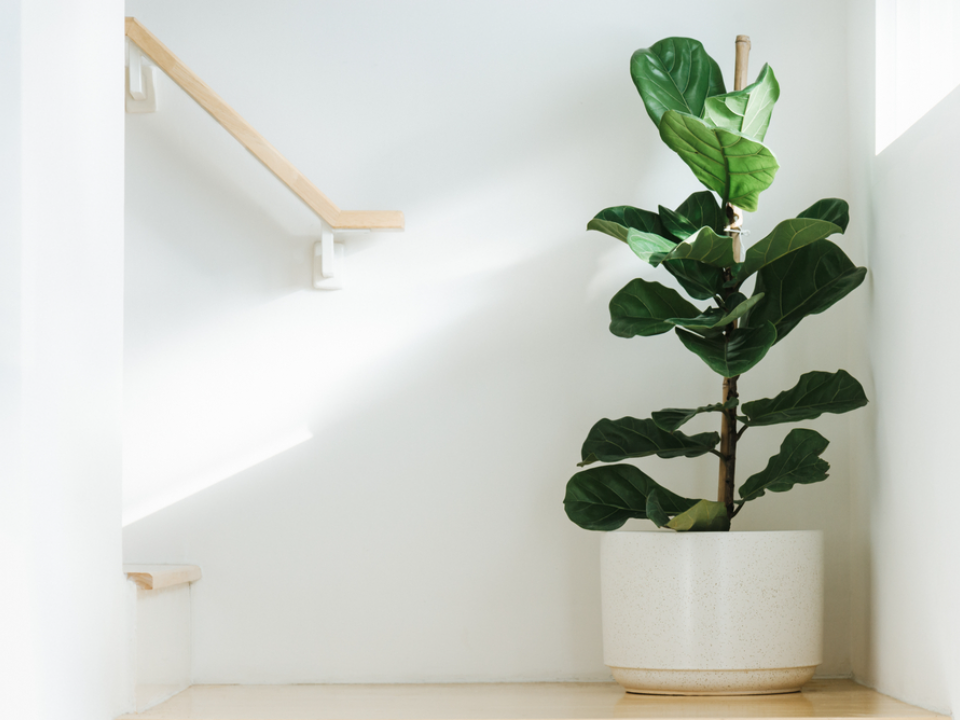
The fiddle leaf fig is a popular plant that thrives in dry indoor air, making it an excellent option for homes with heating systems. It has large, glossy leaves that can tolerate periods of dryness without significant damage. The fiddle leaf fig is native to tropical regions, but it has adapted to survive in a variety of indoor conditions, including dry air. It requires bright, indirect light, which is perfect for the winter months when sunlight may be limited.
Fiddle leaf figs are known for their dramatic appearance and can make a bold statement in any room. They grow relatively quickly and can reach impressive heights if cared for properly. While they do require occasional watering, they are more tolerant of dry air than many other plants. Fiddle leaf figs are a striking addition to any home, especially during the dry winter season.
Cast Iron Plant (Aspidistra elatior)
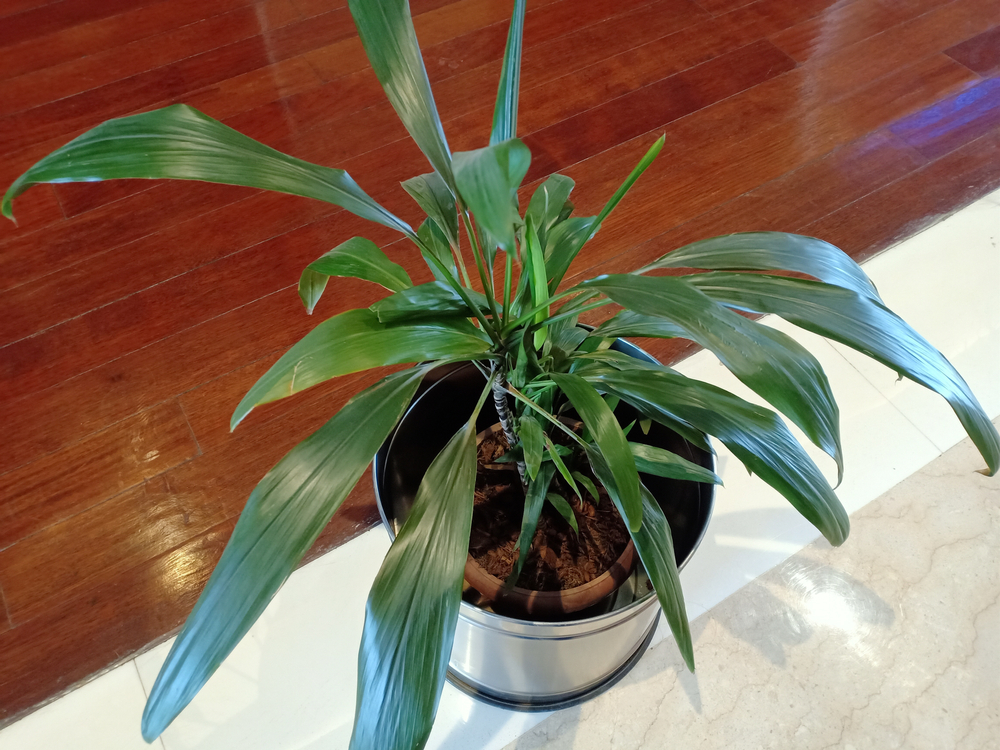
The cast iron plant is one of the toughest houseplants, able to thrive in a range of conditions, including dry winter air. Its leathery leaves store moisture, making it ideal for environments with low humidity. This plant can go weeks without needing water, making it an excellent choice for homes with heating systems that dry out the air. The cast iron plant can tolerate low light and fluctuating temperatures, making it perfect for rooms that lack consistent conditions.
Known for its durability and ease of care, the cast iron plant is a popular choice for those who want a hardy, low-maintenance plant. It does well in indirect light and is highly resistant to pests and diseases. The plant’s slow growth and resilience make it ideal for busy plant owners or those new to gardening. The cast iron plant’s ability to thrive in dry air makes it perfect for the winter months.
This article originally appeared on Avocadu.