
15 Indoor Propagation Ideas to Try in January
January is a great time to try your hand at indoor plant propagation. With the colder weather outside, staying indoors offers the perfect opportunity to experiment with growing new plants from the ones you already have. Whether you’re a seasoned plant lover or just starting out, there are many ways to propagate your favorite houseplants during this month. By taking cuttings or dividing offshoots, you can create beautiful new plants that will brighten up your home throughout the year. Indoor propagation is a simple and rewarding way to expand your collection without the need to purchase more plants. Plus, it’s a wonderful way to connect with nature, even in the middle of winter.
This post may contain affiliate links, which helps keep this content free. Please read our disclosure for more info.
Leaf Cuttings from Pothos
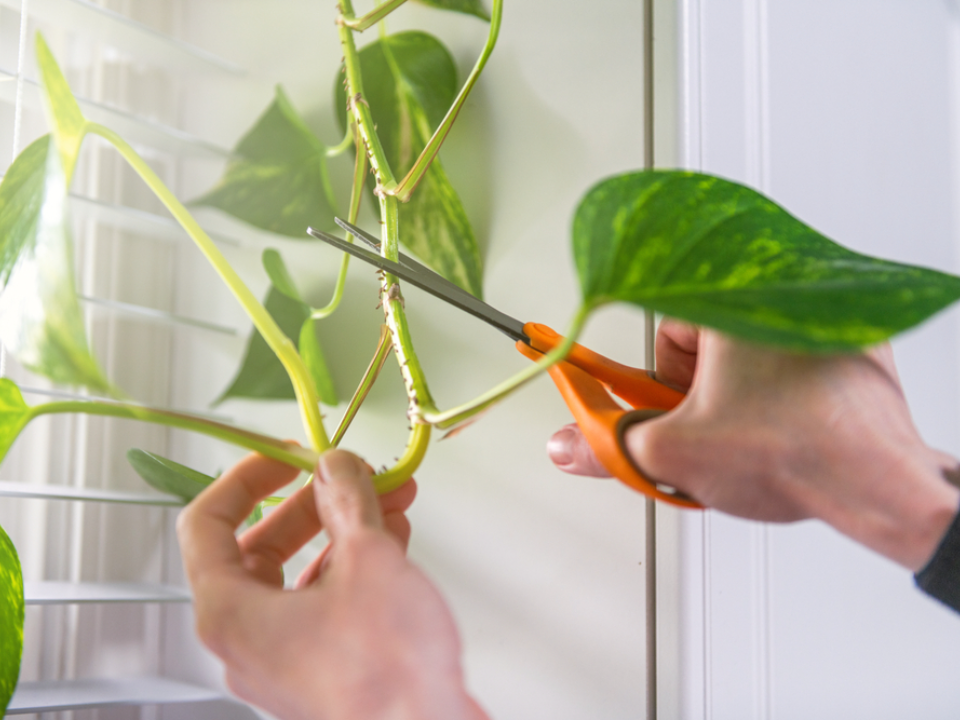
Pothos is a popular houseplant known for its ease of propagation. In January, you can take a healthy cutting with a leaf and a node, and place it in a glass of water. Keep the cutting in a spot that gets indirect sunlight. In a few weeks, you will start to notice roots forming, and when the roots are long enough, you can transplant the cutting into a pot with soil.
This method is not only easy but also rewarding, as Pothos grows quickly and thrives in a variety of conditions. A great benefit of propagating Pothos is that it can also be trained to grow along trellises, adding visual interest to your indoor spaces. Regularly changing the water in the glass can prevent the cutting from getting too murky, ensuring better root growth.
Snake Plant Offsets

Snake plants, or Sansevieria, are known for their resilience and adaptability. In January, you can propagate them by removing small offsets or “pups” that appear near the base of the plant. These offsets are already genetically similar to the parent plant and can easily grow into new, healthy plants. Gently separate the pup from the main plant using a clean knife or scissors, and place it in a new pot with well-draining soil.
Make sure the plant receives indirect light and avoid overwatering, as Snake plants thrive in drier conditions. They are perfect for beginners because they require minimal attention. Propagating Snake plants can be done any time of year, but January is a great month to start as the cooler indoor temperatures encourage slower growth, allowing the plant to establish itself.
Propagating Spider Plants Through Offsets
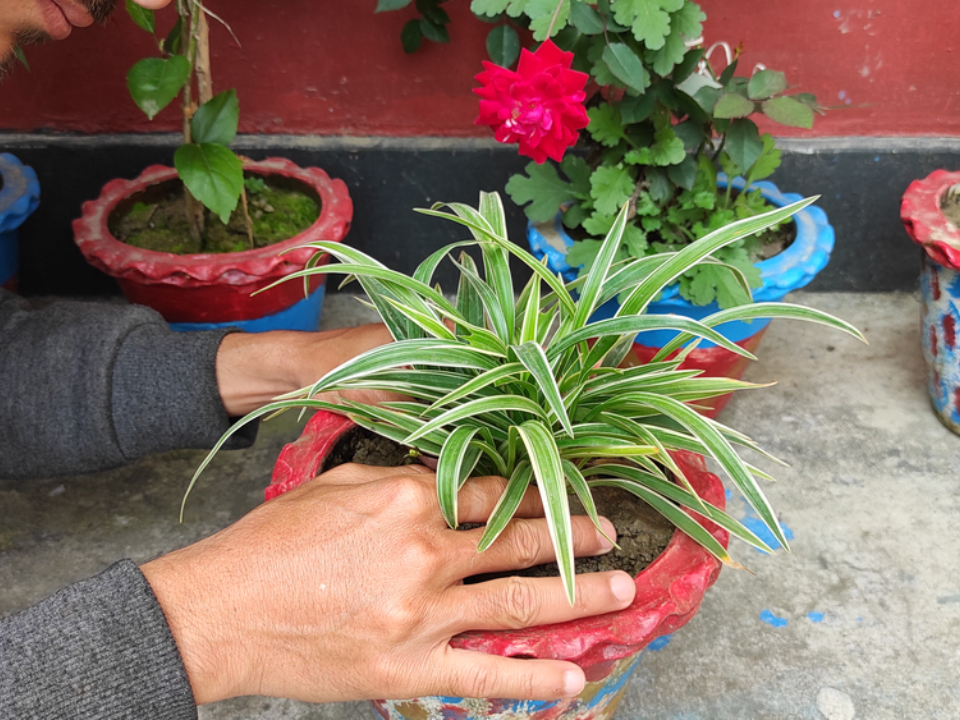
Spider plants (Chlorophytum comosum) are easy to propagate through their small offshoots, known as “pups.” In January, you can snip off the pups that grow from the mother plant’s long stems. Once removed, place them in a container of water or directly in soil to encourage new root growth. The pups will root quickly, often within a few weeks, and you can transplant them into their own pots once the roots are strong.
Spider plants prefer indirect light and well-draining soil, making them an excellent option for indoor propagation. Regular watering is essential, but make sure not to overwater, as these plants are susceptible to root rot. As an added bonus, Spider plants are known to improve indoor air quality, making them a practical and attractive addition to your home.
Propagating Monstera from Stem Cuttings
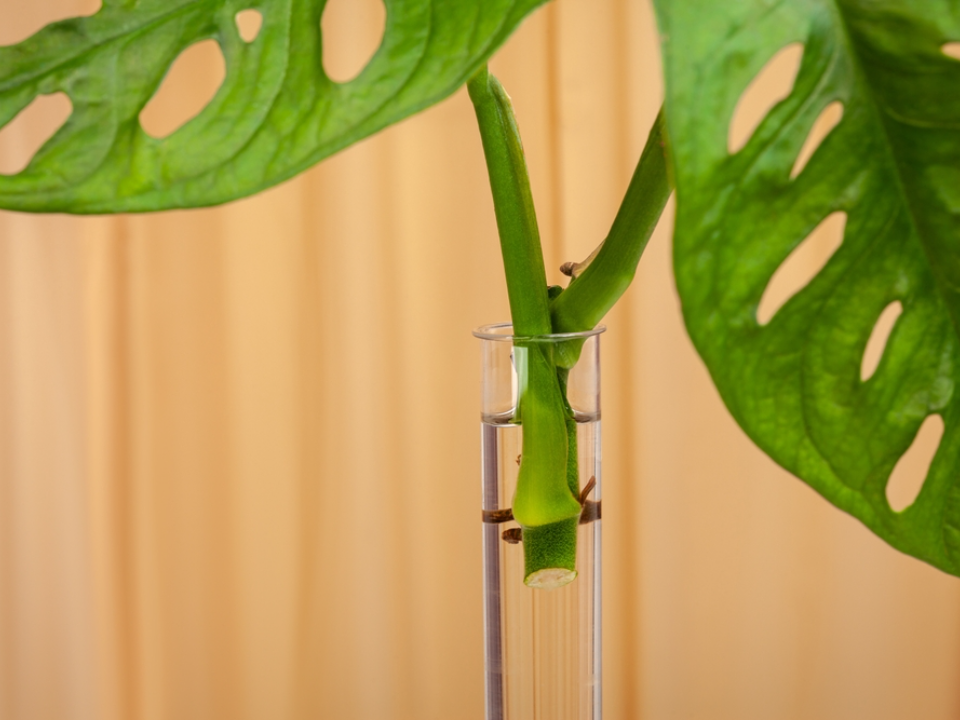
Monstera plants are incredibly popular due to their striking leaves and easy propagation. To propagate Monstera in January, take a healthy stem cutting with at least one node and an aerial root. Place the cutting in water, ensuring that the node is submerged, but the leaves remain dry.
After a few weeks, you will begin to notice roots developing. Once the roots are a few inches long, transfer the cutting into a well-draining potting mix. Monstera thrives in indirect sunlight, so placing the cutting in a bright area will speed up root development. They are known to grow quickly once established, and with regular care, your cutting will grow into a beautiful mature plant.
Propagating African Violet Leaf Cuttings
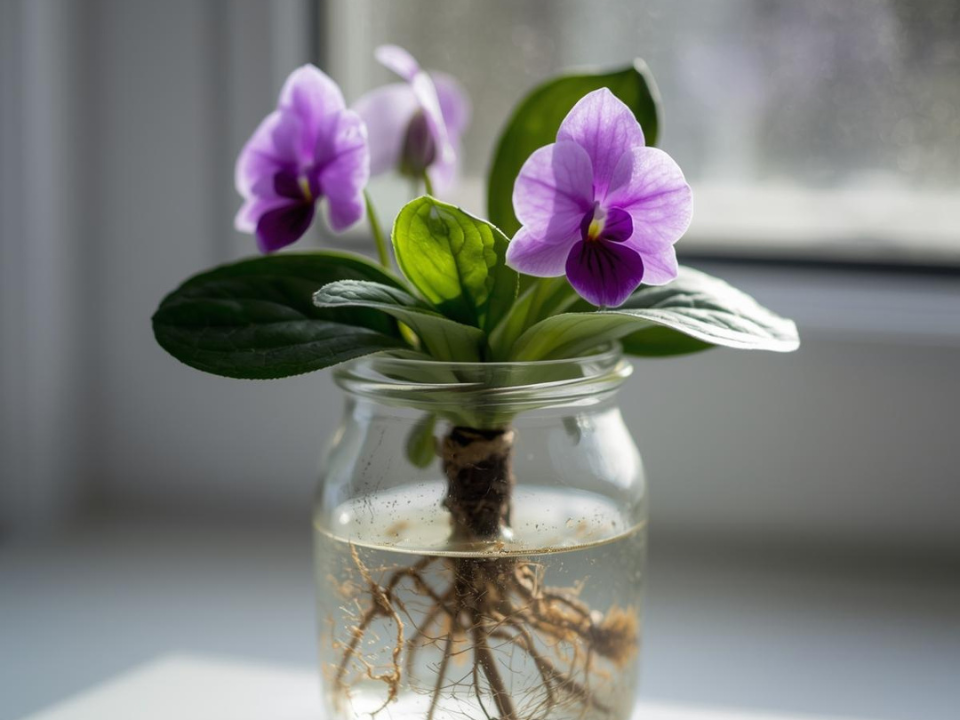
African violets (Saintpaulia) are another plant that can be propagated through leaf cuttings. In January, take a healthy leaf from your African violet plant, cutting it just below the petiole. Place the cutting in a small glass of water, ensuring that the stem is submerged, or you can plant it directly into moist potting soil.
African violets enjoy warmth and indirect light, so ensure the cutting is placed in a warm area with proper light. It is important to keep the soil moist but not soggy to prevent rotting. Within a few weeks, you will notice small plantlets beginning to form at the base of the leaf. Once these plantlets have grown large enough, you can transplant them into their own pots.
Propagating Begonias from Leaf Cuttings
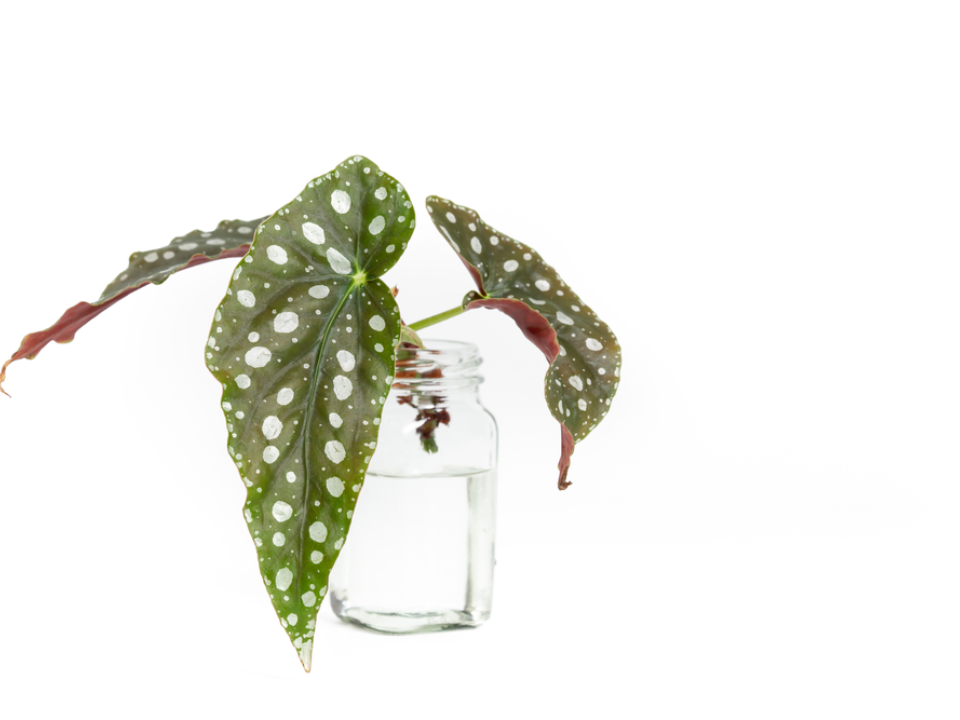
Begonias are a beautiful houseplant that can be easily propagated through leaf cuttings. To propagate Begonias in January, cut a healthy leaf from the plant, ideally one that is mature but not too old. Slice the leaf into smaller sections, ensuring each section has a vein. Place the leaf sections in moist potting soil, or you can propagate them in water if you prefer to watch the roots develop.
Begonias prefer indirect light and slightly warmer temperatures, making them ideal for winter propagation. Keep the soil moist and ensure that the leaf sections are lightly covered with a plastic dome or plastic wrap to retain humidity. In a few weeks, you will begin to see small roots and new growth emerging from the leaf sections.
Propagating ZZ Plant from Leaf Cuttings
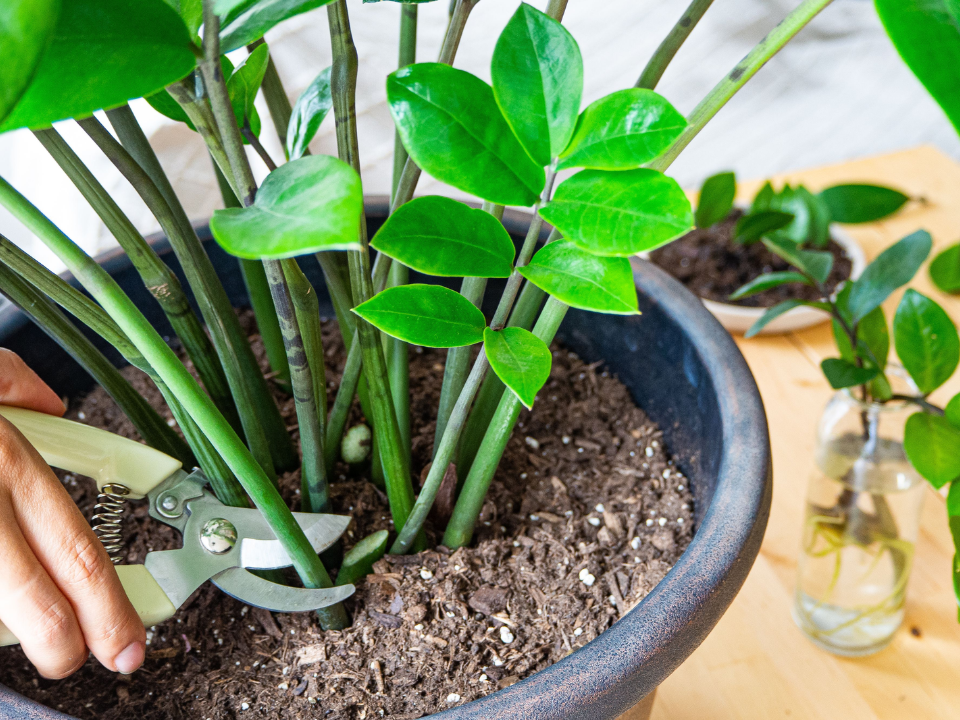
The ZZ plant (Zamioculcas zamiifolia) is one of the most resilient houseplants you can propagate. In January, take a healthy leaf cutting, ensuring it has a small section of the stem attached. Place the cutting in water and allow it to root over a period of weeks. ZZ plants grow slowly, so be patient, as it may take some time for roots to develop.
Once the roots are established, transplant the cutting into soil, and place it in an area with indirect light. ZZ plants prefer dry conditions, so be sure not to overwater them. This plant is perfect for beginners and can thrive in various lighting conditions, making it an excellent indoor propagation option.
Propagating Philodendron by Stem Cuttings
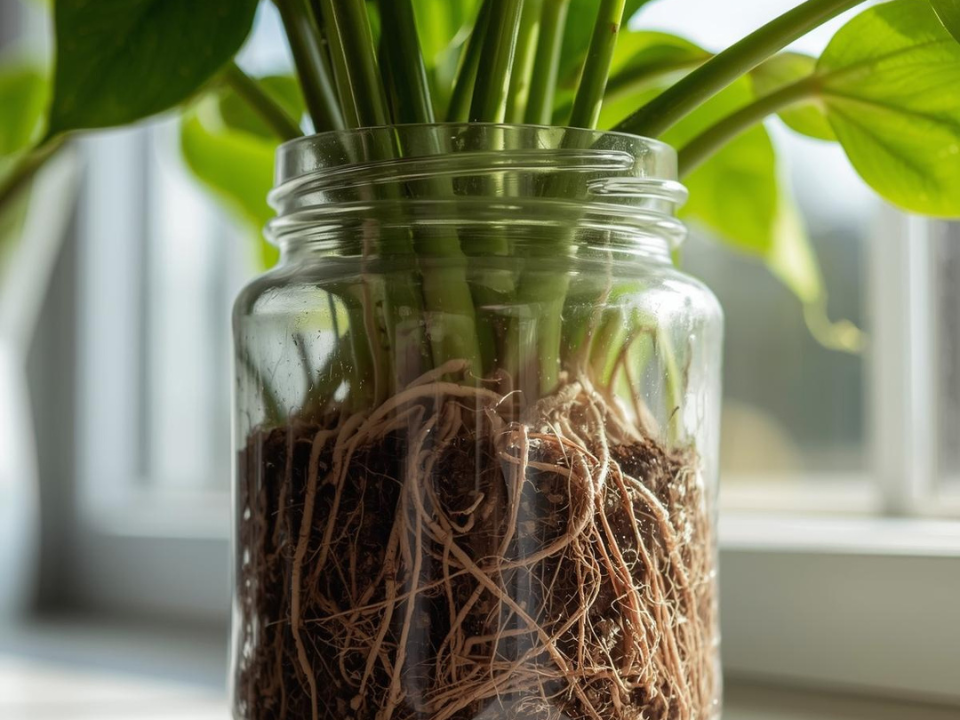
Philodendrons are easy to propagate and grow well in the winter months. To propagate a Philodendron in January, cut a healthy stem that has at least one node (the small bump from which roots will form) and place it in water. Keep the cutting in a warm, bright spot, but out of direct sunlight. In a few weeks, you will notice roots starting to form, and once the roots are about an inch long, you can transplant it into soil.
Philodendrons do well in a variety of conditions, but they prefer indirect light and well-draining soil. They are forgiving when it comes to watering, but be careful not to let the soil dry out completely. With proper care, your Philodendron cutting will grow into a lush, beautiful plant.
Propagating Prayer Plants from Leaf Cuttings
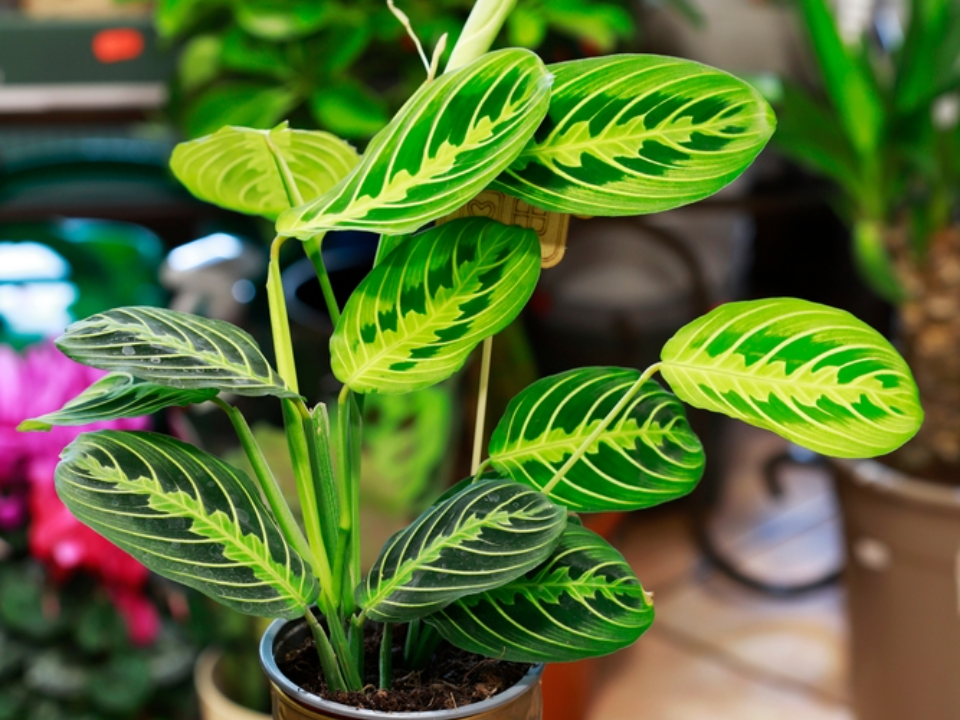
Prayer plants (Maranta) are known for their colorful and patterned foliage. In January, you can propagate Prayer plants by cutting a healthy leaf, including a small portion of the stem. Place the cutting in a glass of water or directly into moist potting soil. Prayer plants prefer warmer temperatures and indirect light, so place the cutting in a warm spot with plenty of indirect light.
Keep the soil moist but well-drained, as these plants are sensitive to root rot. After a few weeks, you should begin to see roots forming, and eventually, a new plant will emerge. Prayer plants are also known for their nocturnal leaf movements, where the leaves fold up at night, adding an interesting dynamic to your indoor space.
Propagating Jade Plants from Leaf Cuttings
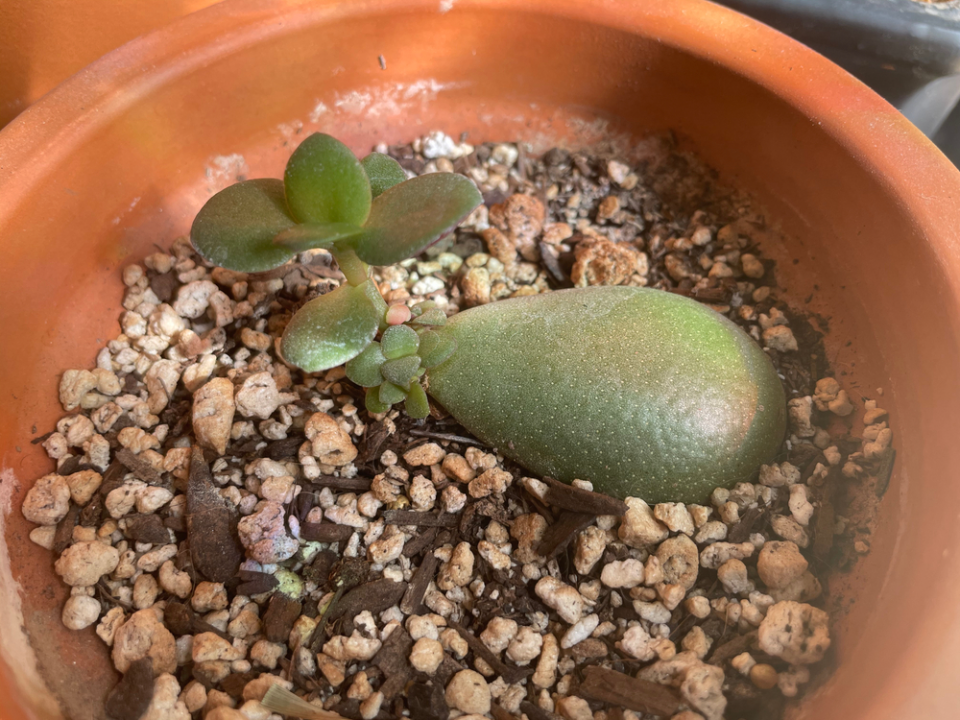
Jade plants (Crassula ovata) are succulents that are easy to propagate from leaf cuttings. To propagate a Jade plant in January, simply remove a healthy leaf from the stem and allow it to dry out for a day or two to prevent rot. Once the cut surface has dried, you can either plant the leaf directly in soil or place it in water. Jade plants prefer indirect light and well-draining soil.
Once rooted, they grow slowly, but with the right conditions, your cutting will eventually form a small new plant. Jade plants are low-maintenance and thrive in dry conditions, making them ideal for beginner gardeners. Their thick, fleshy leaves are a hallmark of the plant, which stores water for long periods, making it perfect for winter propagation.
Propagating Aloe Vera from Offsets
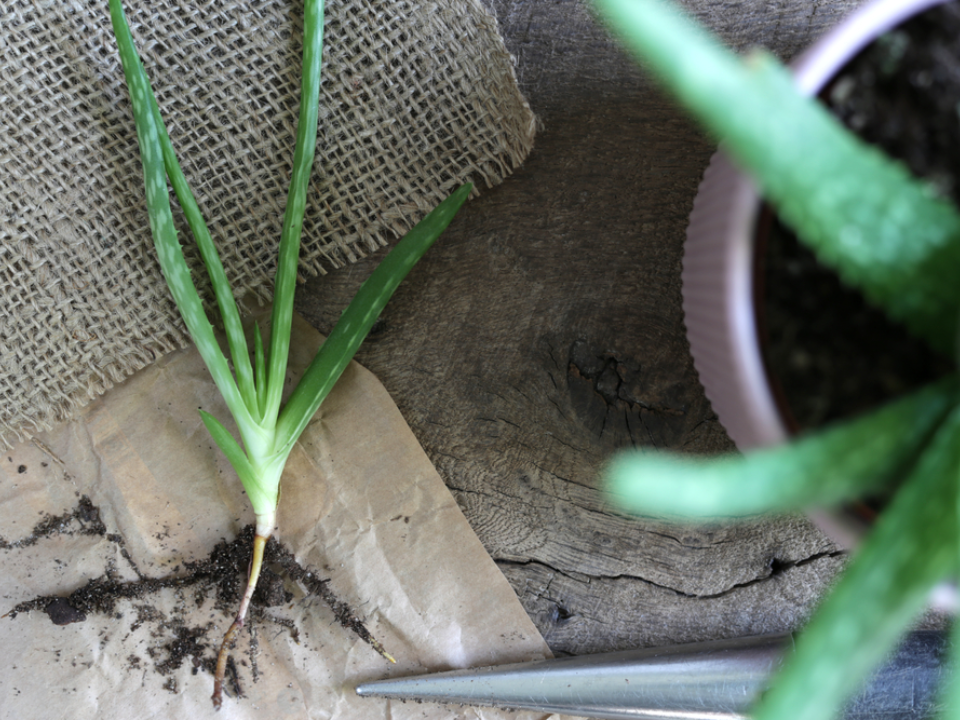
Aloe Vera plants are easy to propagate by separating offsets, also known as “pups,” from the main plant. In January, you can gently remove these pups from the mother plant using a clean knife, ensuring they have a small root system attached. Once separated, plant the pups in a small pot with well-draining soil.
Aloe Vera prefers bright, indirect sunlight and should be watered sparingly to prevent rot. After a few weeks, the pups will begin to establish themselves and grow into mature plants. Aloe Vera is known for its healing properties, making it a great addition to any indoor garden. This succulent is also perfect for beginners due to its minimal care requirements.
Propagating Fiddle Leaf Fig from Stem Cuttings
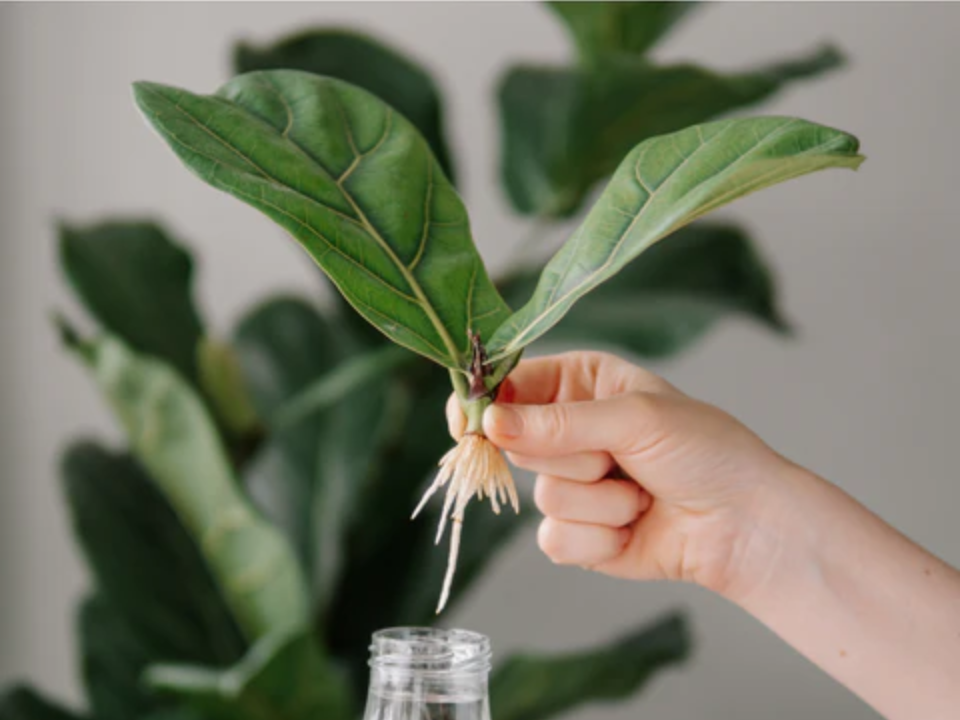
Fiddle Leaf Figs (Ficus lyrata) are a popular indoor plant due to their large, dramatic leaves. In January, you can propagate them by taking a healthy stem cutting with at least one node. Cut the stem just below the node, and place it in a container of water, ensuring that the node is submerged.
Keep the cutting in bright, indirect light, and change the water regularly to keep it clean. After a few weeks, you will notice roots forming. Once the roots are long enough, transplant the cutting into a well-draining potting mix. Fiddle Leaf Figs require a bit more care, such as maintaining consistent humidity and avoiding overwatering, but they grow into beautiful, statement-making plants.
Propagating Chinese Money Plant from Offsets
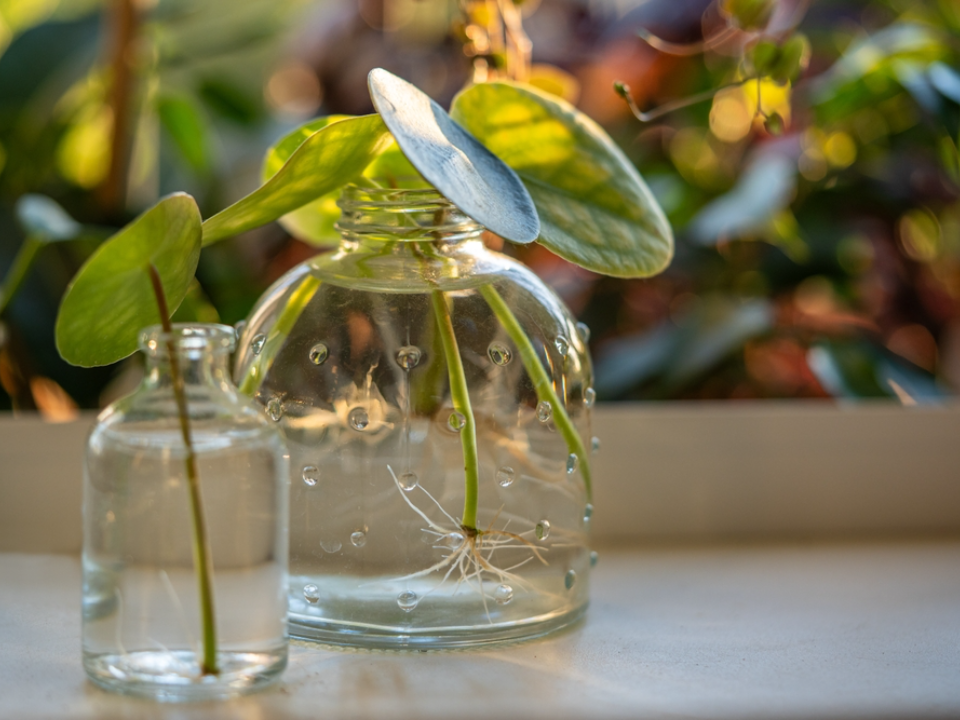
The Chinese Money Plant (Pilea peperomioides) is a trendy indoor plant that propagates easily through its offsets. In January, gently separate the small pups that grow around the base of the plant. You can either place them in water to root or plant them directly into soil. Ensure that the new plant gets indirect light and is kept in a warm, humid environment.
Chinese Money Plants are known for their round, coin-like leaves, which add a unique aesthetic to any room. With proper care, these plants will thrive and continue to produce new offsets that can be propagated. This makes them an excellent plant for expanding your indoor garden.
Propagating Christmas Cactus from Stem Cuttings
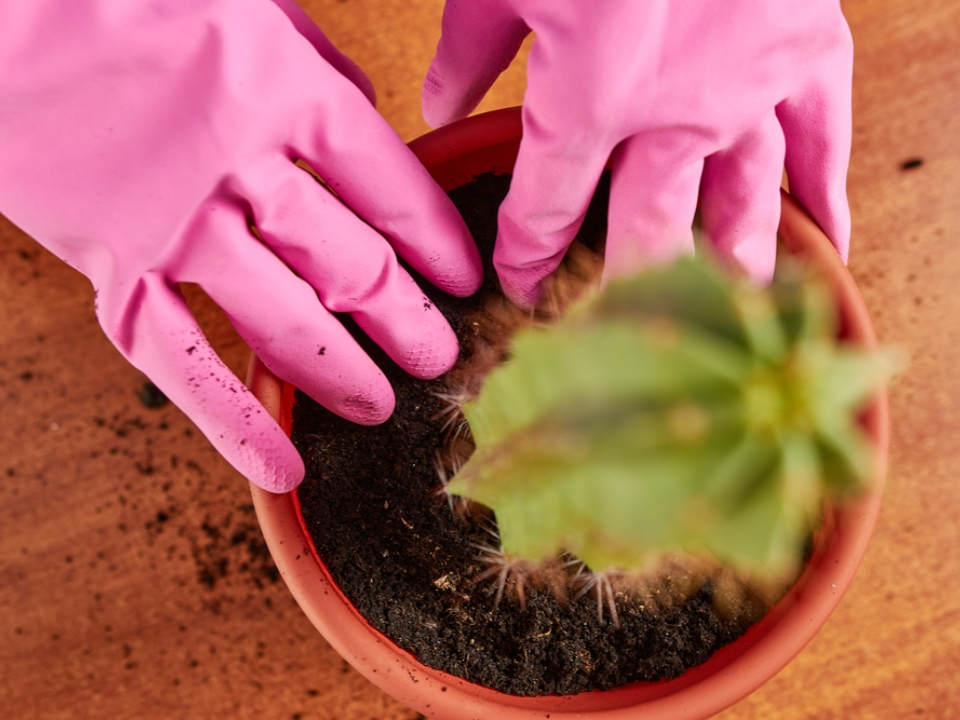
Christmas Cactus (Schlumbergera) is a popular holiday plant that can be propagated by cutting its stems. In January, cut a healthy stem from the plant, making sure to leave about two to three segments on the cutting. Allow the cutting to callous over for a day or two to reduce the risk of rot. Once the cutting has dried, plant it in a pot with well-draining soil.
Christmas Cactus enjoys indirect light and prefers slightly cooler temperatures, making it ideal for winter propagation. After a few weeks, you should start to see new growth. This plant is also known for its vibrant blooms that appear during the holiday season, making it a lovely addition to your indoor garden.
Propagating Lavender from Cuttings
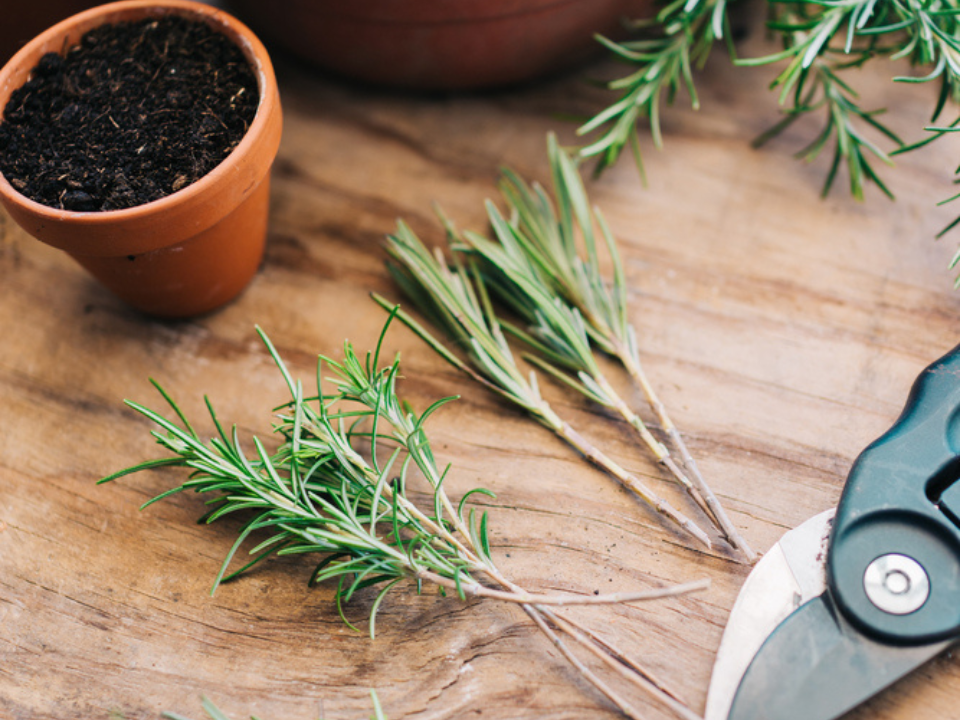
Lavender is a fragrant herb that can be propagated indoors during the winter months. In January, take a 4-6 inch cutting from a healthy lavender plant, ensuring the cutting has at least one node. Strip the leaves from the bottom half of the cutting and place it in a container of water or directly in a pot with well-draining soil.
Lavender prefers full sun, but for indoor propagation, ensure it receives bright, indirect light. Keep the soil moist but not soggy to prevent the cutting from rotting. After a few weeks, roots will form, and you can transplant the cutting into a larger pot once the roots are strong. Lavender can be grown indoors and adds both fragrance and beauty to your home.
This article originally appeared on Avocadu.