
12 Movie Lines That Instantly Date You in the Funniest Way
Some movie quotes never really fade, even when the years keep moving forward. These familiar movie lines once filled theaters, living rooms, and everyday conversations. Hearing someone say one today can instantly spark laughter and recognition. It often reveals exactly when that person grew up without them meaning to. The humor comes from how natural these lines still feel, even when time has clearly moved on.
This post may contain affiliate links, which helps keep this content free. Please read our disclosure for more info.
“Nobody puts Baby in a corner.” from Dirty Dancing
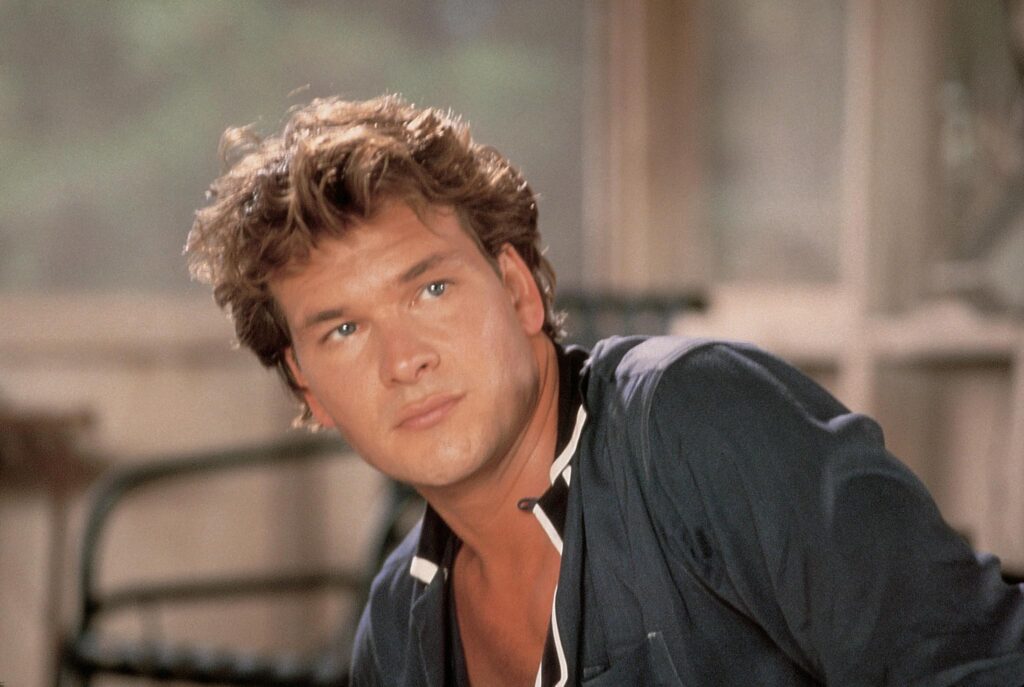
When this line first caught on, it became a cultural catchphrase almost overnight. People repeated it because it wrapped romance, defiance, and emotional payoff into a single sentence. It showed up at school dances, karaoke nights, and casual conversations where someone wanted to sound dramatic in a fun way. The line worked even for people who only half remembered the movie, which made it easy to quote. Its popularity was tied closely to a time when romantic dramas played endlessly on cable television.
Using it today usually brings out instant recognition from those who grew up watching this movie on repeat. Younger listeners often pause, trying to place where it came from, while older ones react immediately. The humor now comes from how sincerely it was once delivered and repeated. Saying it out loud today quietly reveals someone who lived through that era of movie fandom. It lands less as a serious line and more as a shared nostalgic joke.
“I’ll be back,” from The Terminator
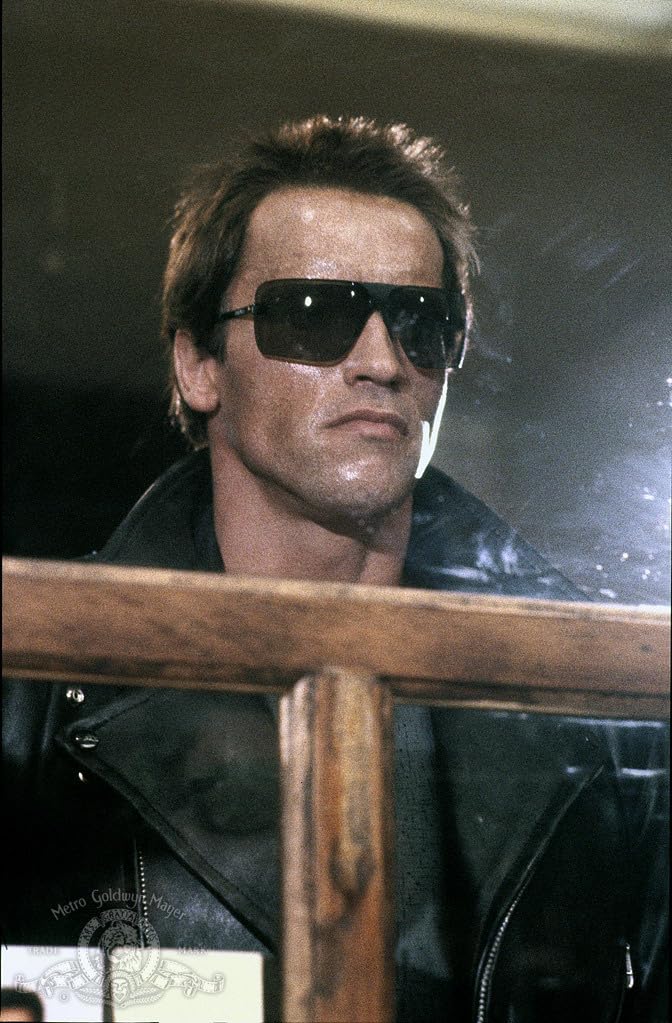
This line became famous because it was short, blunt, and delivered with complete seriousness. It was easy to remember and easy to imitate, which helped it spread fast. Kids repeated it on playgrounds, and adults used it jokingly when leaving a room. At the time, it felt intimidating and cool, matching the rise of action films with larger-than-life heroes. The accent and timing made it unforgettable.
Saying it now almost always sounds playful instead of threatening. People who remember its rise usually smile because they have heard it countless times before. Younger listeners may recognize the phrase but not feel its original impact. The laugh comes from how dramatic it once seemed compared to how casual it sounds today. It is a clear signal of growing up during the peak action movie years.
“Here’s Johnny,” from The Shining
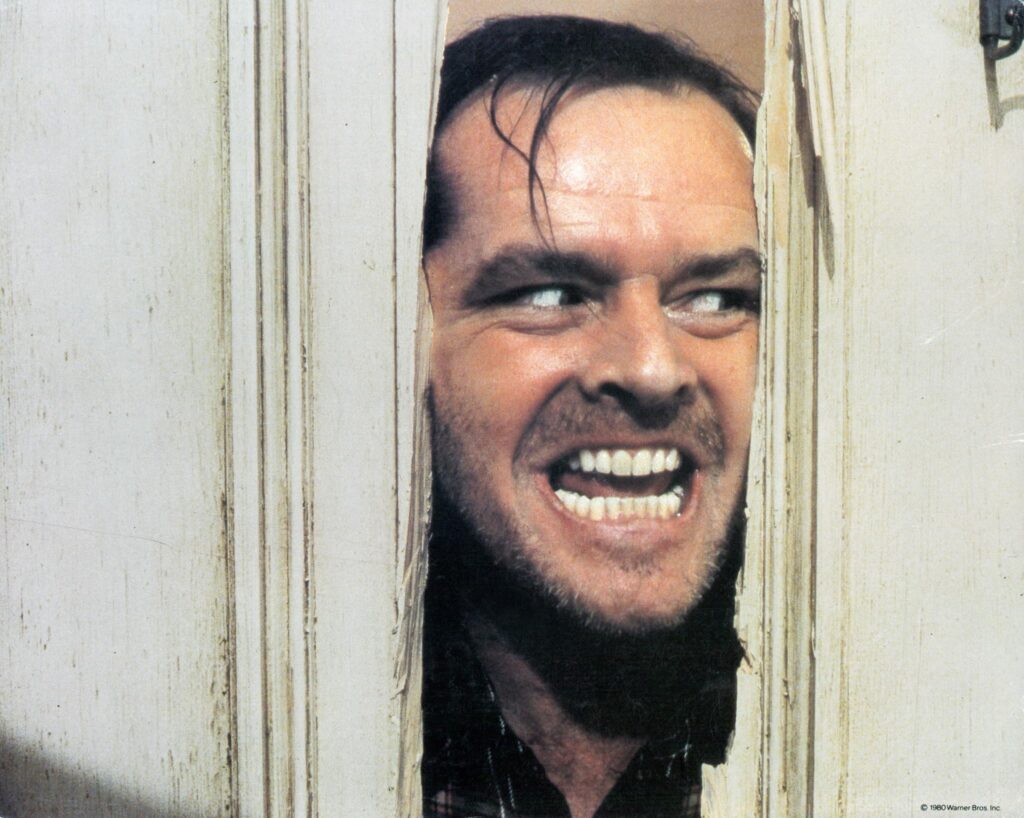
This line quickly escaped the movie and entered everyday humor. It was repeated on television shows, cartoons, and comedy sketches for years. Many people quoted it without even seeing the film, which helped it spread even further. The mix of fear and absurdity made it memorable. It became one of those lines people used simply because everyone else knew it.
Today, dropping this line often earns confused looks followed by laughter. Older listeners instantly picture the scene and react right away. Younger audiences may recognize it as a joke but not understand why it mattered so much. The humor now lies in how often it was once reused. Saying it feels like calling back to a shared pop culture moment.
“You can’t handle the truth.” from A Few Good Men
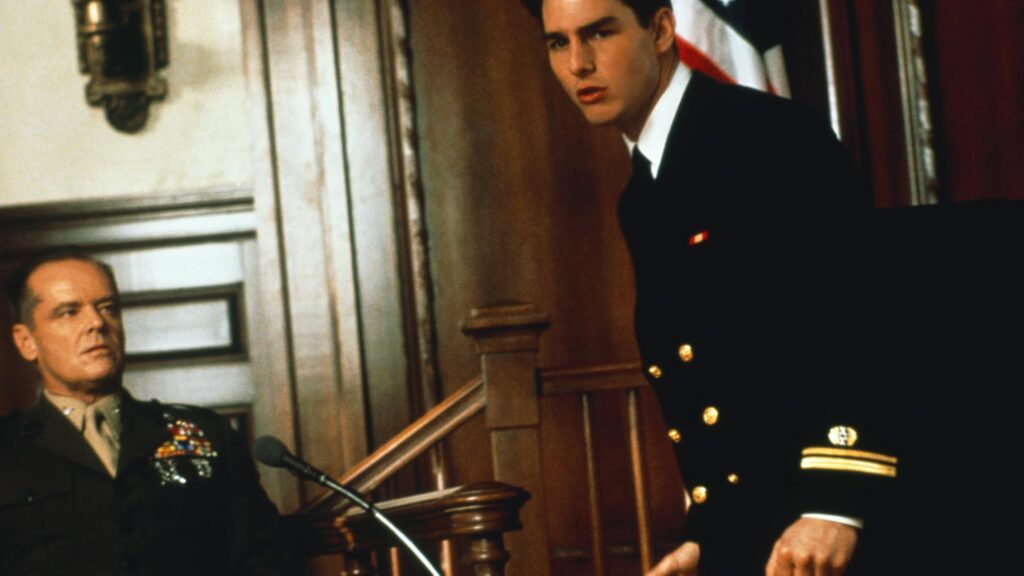
This line became famous because it captured pure courtroom drama in one sentence. It was repeated in arguments, classrooms, and even office jokes to add exaggerated seriousness. People enjoyed using it because it sounded powerful even when the situation was not. The delivery made it feel larger than real life. It fit perfectly into a time when legal dramas were widely quoted.
Using it today often turns a serious moment into comedy. It signals someone who remembers when courtroom scenes were endlessly quoted. Younger listeners may catch the tone but miss the weight it once carried. The humor comes from how intense it sounds in everyday conversation. It now works best as a playful exaggeration.
“I see dead people.” from The Sixth Sense
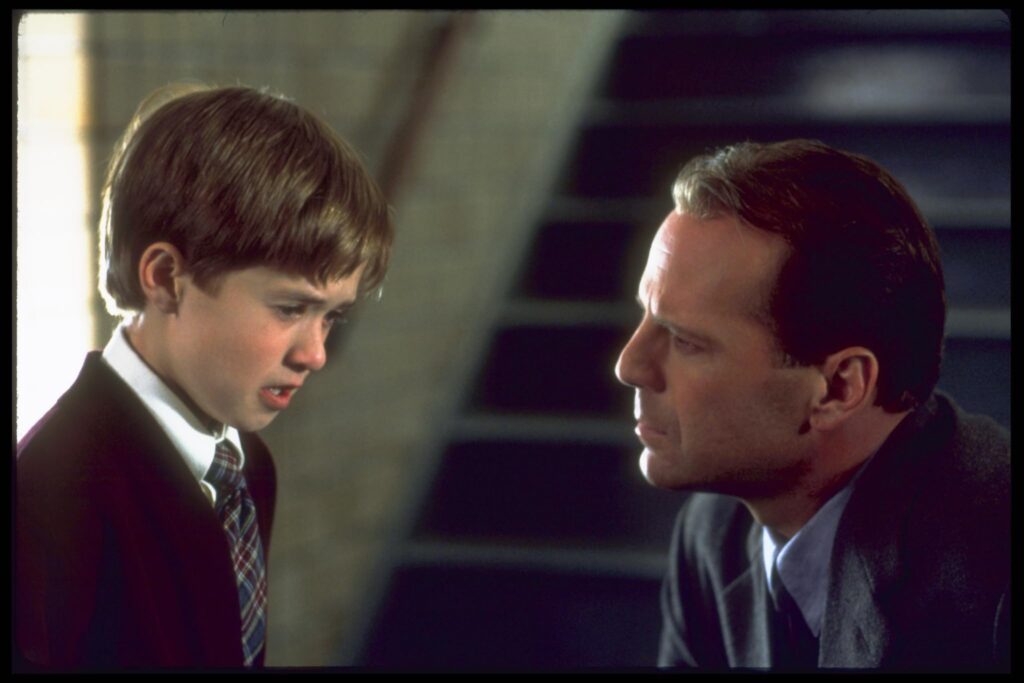
This line spread quickly because of how quietly and eerily it was delivered. People repeated it in hushed voices to surprise friends or set up a joke. It became shorthand for suspense and unexpected twists. Even those who avoided spoilers still heard the line everywhere. Its popularity reflected a moment when plot twists dominated movie talk.
Saying it now usually feels like a throwback reference. People who remember its release tend to react first, often laughing immediately. Younger listeners may know the phrase but not understand why it caused such a stir. The humor comes from remembering how shocking it once felt. It quietly marks someone who lived through that movie moment in real time.
“Wax on, wax off,” from The Karate Kid
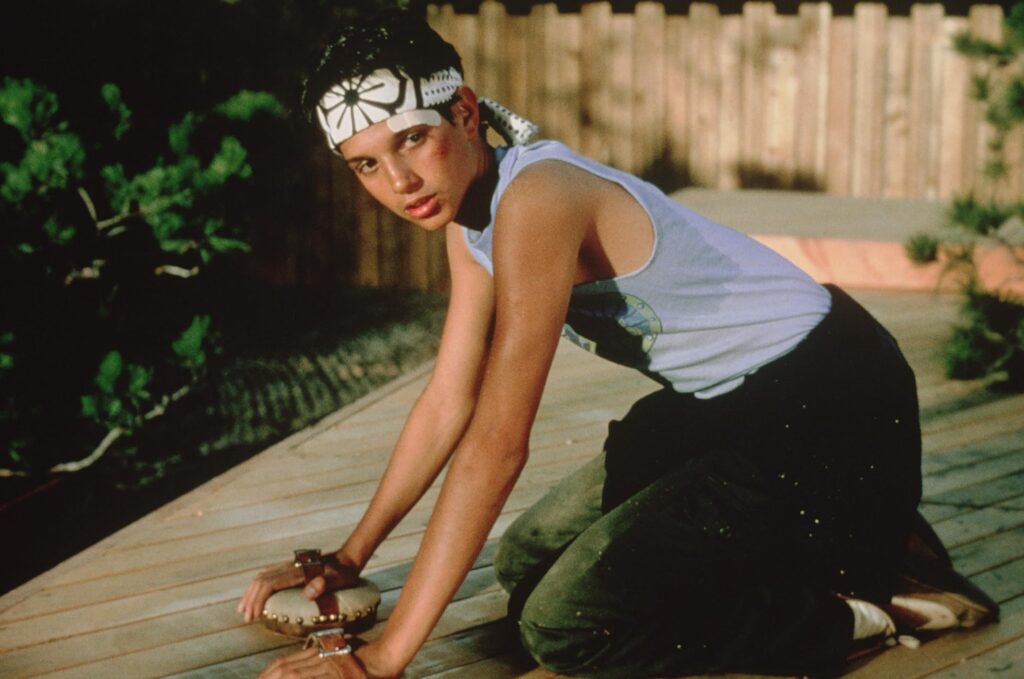
This line became part of everyday language because it sounded simple while carrying hidden meaning. People repeated it as a joke when teaching someone a task or asking for patience. The phrase worked even without full context, which made it easy to reuse. It reflected a time when training montages and mentor figures were central to popular movies. The calm delivery made it stick in memory.
Saying it today often feels playful and slightly old-fashioned. Older listeners usually smile right away because they remember copying the motions as kids. Younger audiences may recognize it vaguely without knowing why it mattered. The humor comes from how seriously it was once treated. It quietly signals someone who grew up watching movies on tape.
“Life is like a box of chocolates,” from Forrest Gump
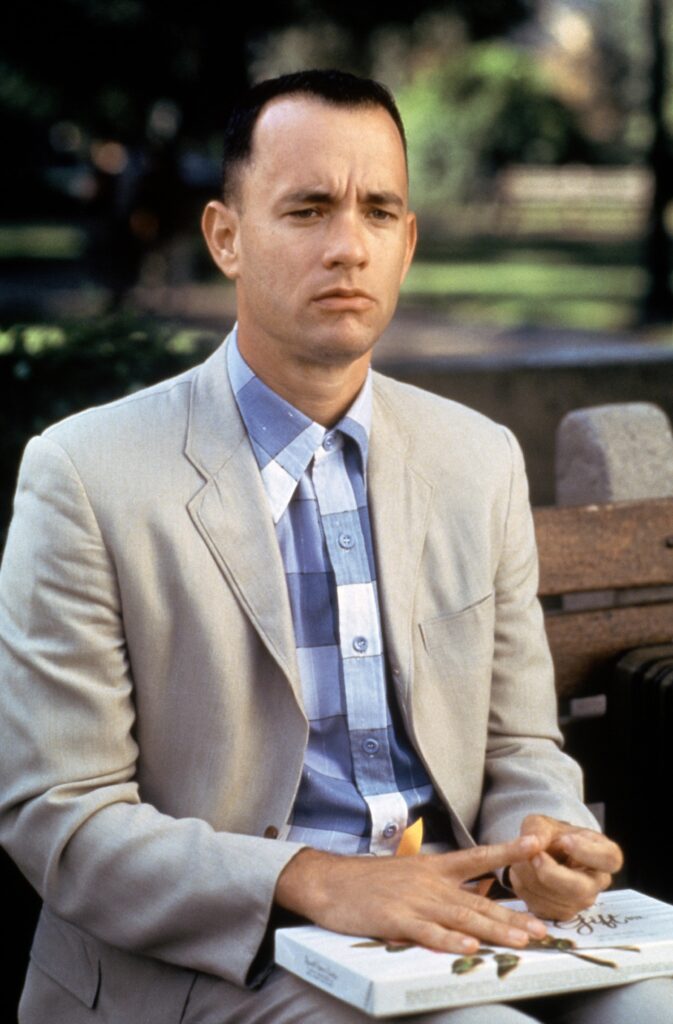
This line spread fast because it sounded heartfelt and wise without being complicated. People quoted it during speeches, school projects, and casual advice. It became shorthand for unexpected outcomes and gentle optimism. The phrase felt comforting and easy to remember. It fit perfectly into the tone of the movie.
Using it today often brings a mix of smiles and laughter. Many people recognize it instantly and associate it with a specific era of movies. Younger listeners may know it more as a joke than a lesson. The humor now comes from how often it was repeated. Saying it reveals someone who remembers when it felt deeply meaningful.
“Go ahead, make my day.” from Sudden Impact
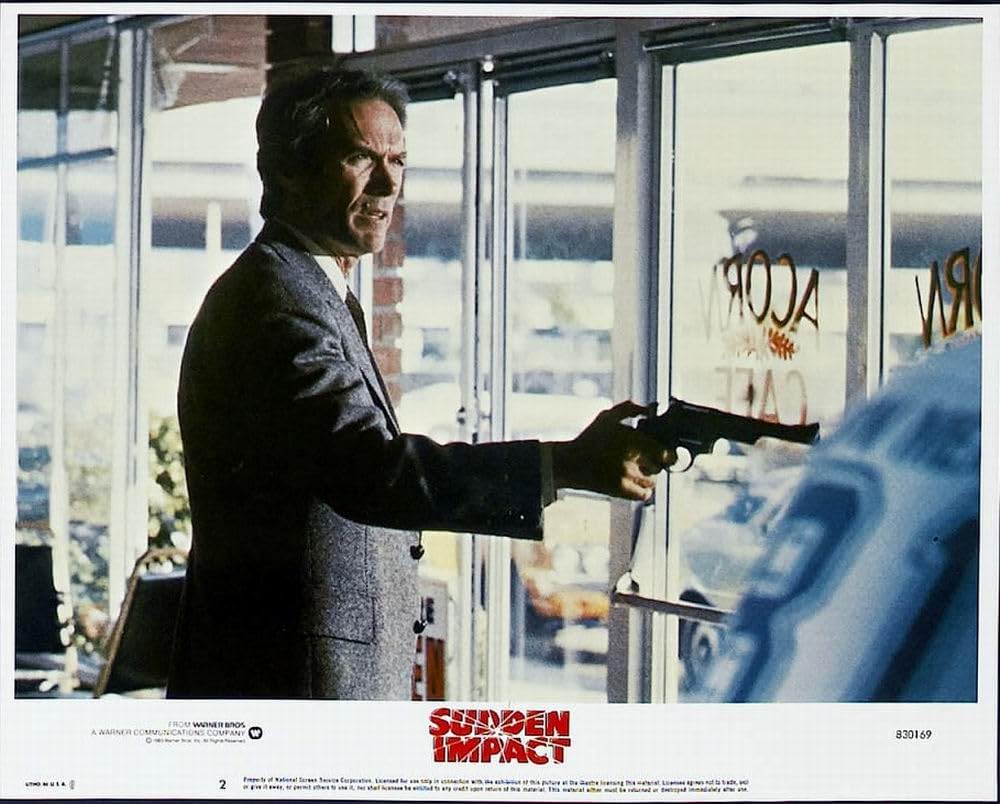
This line became iconic because it sounded cool, dangerous, and confident. It was repeated endlessly in jokes and impressions. People used it to sound tough, even in harmless situations. The phrase captured a moment when gritty one-liners ruled theaters. Its delivery mattered as much as the words.
Saying it now often lands as playful exaggeration. Older listeners recognize it immediately and usually laugh. Younger audiences may hear it as an odd threat without context. The humor lies in how dramatic it sounds today. It quietly points to a certain generation of movie fans.
“Say hello to my little friend,” from Scarface
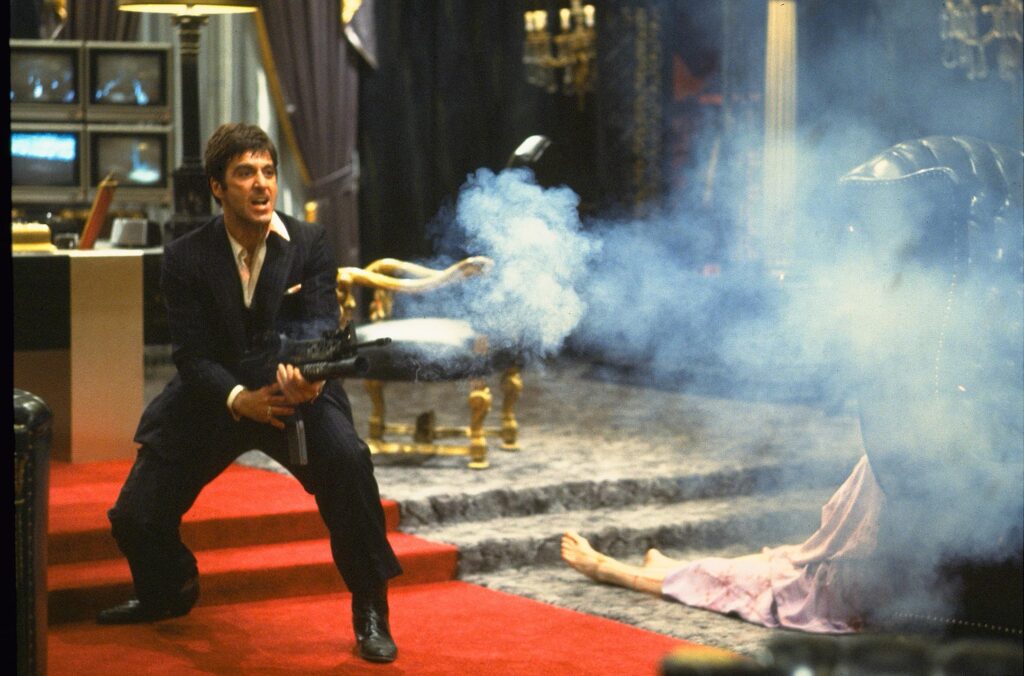
This line spread because it was shocking, loud, and tied to an unforgettable scene. People repeated it in joking ways that stripped away the danger. It became part of pop culture long after the movie left theaters. The phrase showed up in music, comedy, and casual talk. Its fame outgrew its original context.
Dropping it today often gets laughs instead of gasps. Older listeners recognize the reference right away. Younger ones may know it mainly as a meme or parody. The humor comes from how intense it once was. It signals someone who remembers its rise firsthand.
“I am king of the world.” from Titanic
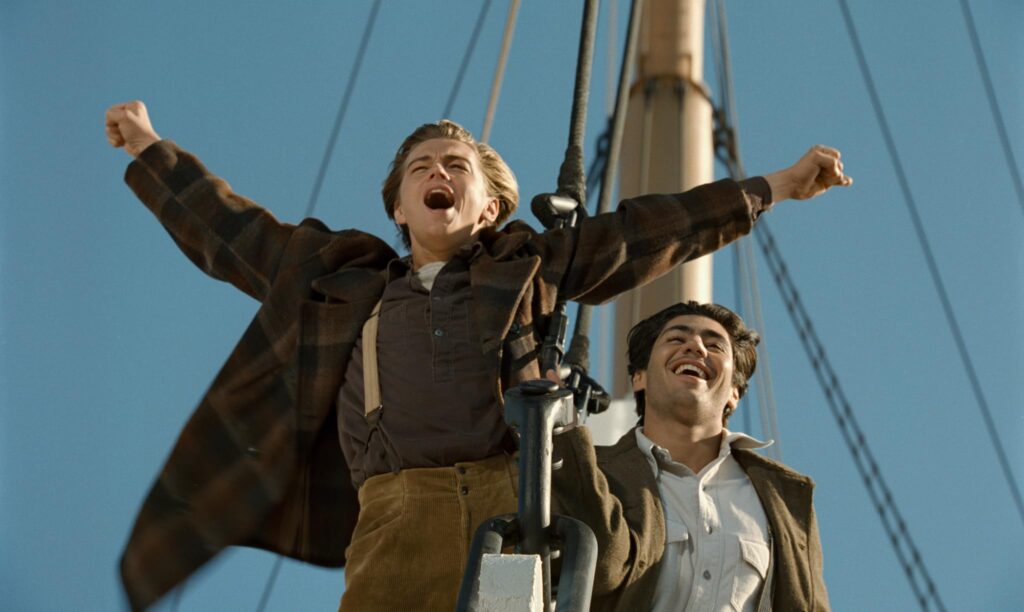
This line became famous almost instantly after the movie dominated theaters. People shouted it at beaches, pools, and school trips. It captured excitement and freedom in a simple phrase. The scene was widely copied and joked about. It became tied to a very specific moment in movie history.
Saying it now usually sounds playful or ironic. Older listeners remember how unavoidable the movie once was. Younger audiences may recognize the line without feeling its original excitement. The humor comes from remembering how often it was repeated. It points clearly to a shared cultural moment.
“They’re here,” from Poltergeist
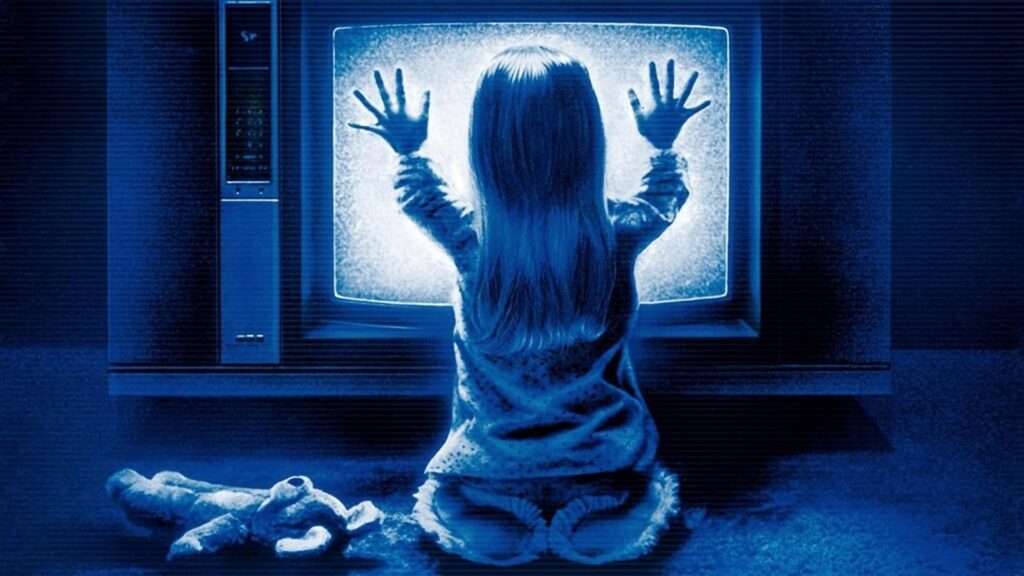
This line became famous because of its quiet delivery and eerie timing. People repeated it to tease friends or set up a joke. It worked because it was subtle rather than loud. The phrase became part of spooky humor. Its simplicity made it memorable.
Using it today often brings knowing smiles. Older listeners immediately recall late-night horror marathons. Younger audiences may miss the reference completely. The humor lies in how unsettling it once felt. It marks someone familiar with early horror classics.
“Roads? Where we’re going, we do not need roads.” from Back to the Future
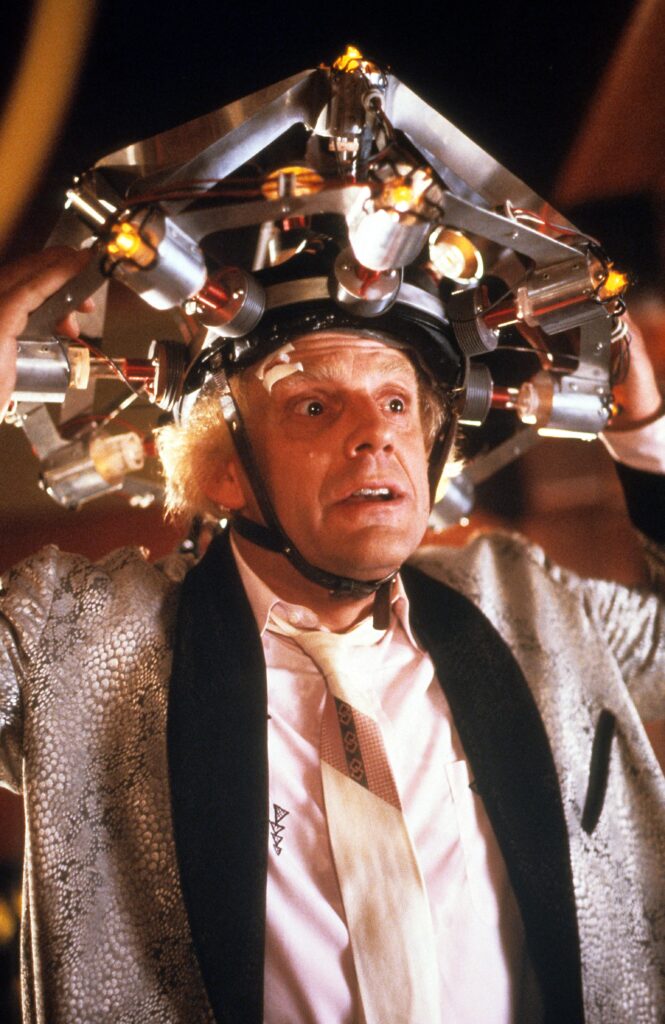
This line became popular because it sounded exciting and confident. People quoted it when talking about plans or jokes about progress. It captured imagination during a time when sci-fi felt hopeful. The phrase stuck because of its delivery. It became part of everyday humor.
Saying it now often sounds playful and slightly dramatic. Older listeners react quickly because they remember the movie clearly. Younger ones may know it only through references. The humor comes from its exaggerated tone. It points to growing up during a specific movie era.
This article originally appeared on Avocadu.