
11 U.S. Towns With Candy Shops and Old School Treat Stops
Across the United States, certain towns are known for candy shops that feel untouched by time. These places still offer handmade sweets, familiar flavors, and welcoming storefronts that reflect long-standing family traditions. Many of the treat stops have been serving their communities for generations, using methods that remain largely unchanged. Visiting these towns often feels like stepping into a simpler moment where candy is more than a purchase.
This post may contain affiliate links, which helps keep this content free. Please read our disclosure for more info.
Portland
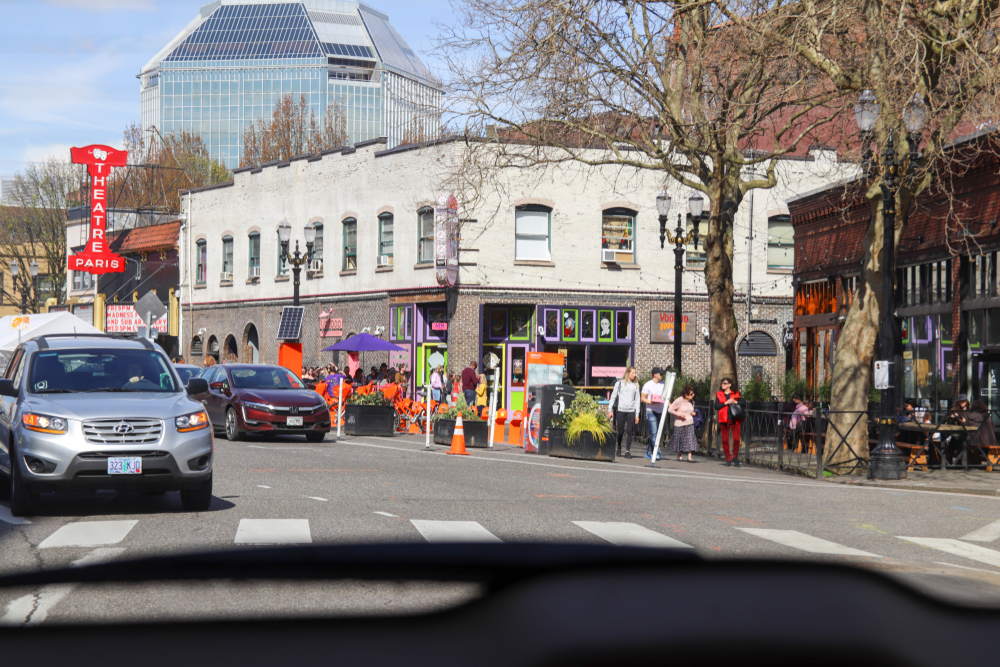
Portland has a long-standing connection to candy making that grew alongside its busy seaport history. Early sweet shops served sailors, shipbuilders, and local families who wanted simple pleasures after long days of work. Many of these stores began in the late nineteenth or early twentieth century and stayed within the same families, preserving familiar flavors rather than changing their approach.
Today, these shops remain woven into everyday life rather than existing only for visitors. Walking near the harbor often leads to the sight of fudge cooling on marble slabs or taffy being pulled behind wide windows. Owners tend to share stories freely, explaining how the same tools and recipes shaped their childhoods as well.
Lititz
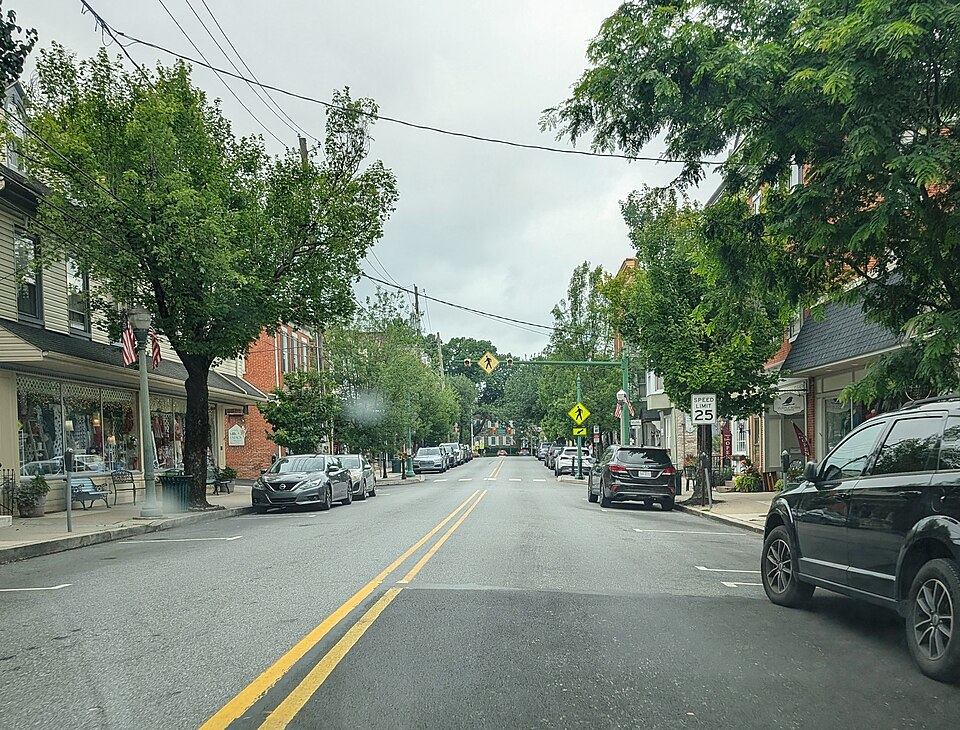
Lititz is widely known for its deep candy roots that stretch back more than a century. The town became home to one of the most recognizable old-style candy stores in the country, founded by a family that believed consistency mattered more than novelty. Their sweets reflect that belief, relying on classic chocolates, licorice, and hard candy styles.
The shop itself feels like a community landmark rather than a business alone. Wooden floors creak softly underfoot, and the shelves display familiar shapes and colors that have greeted generations. Many residents speak of visiting as children and later bringing their own families to continue the tradition.
Mackinac Island
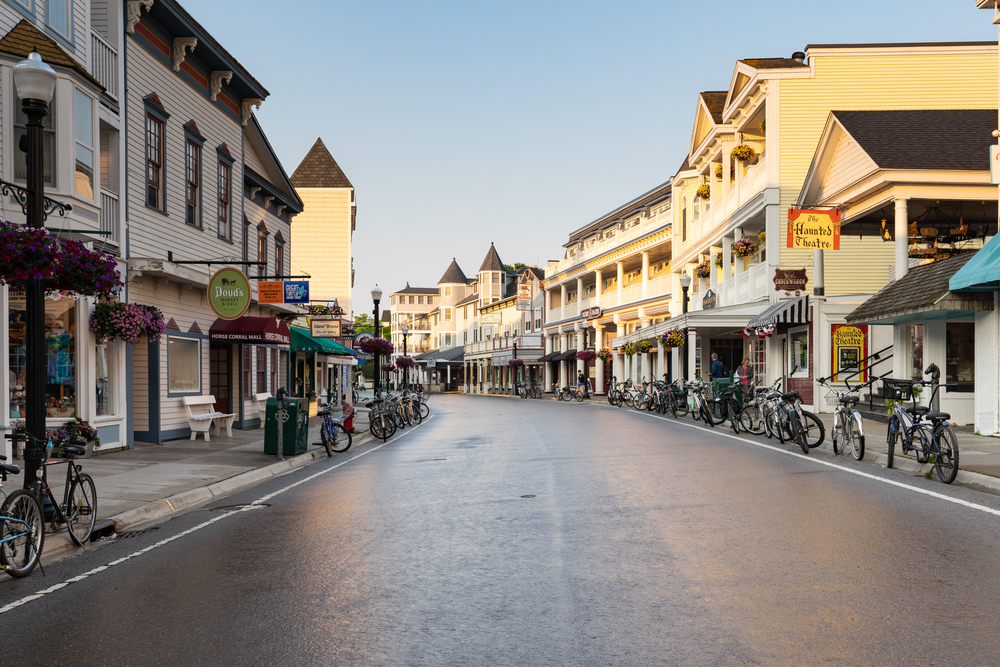
Mackinac Island has become almost synonymous with handmade fudge and traditional candy shops. With no cars allowed, visitors explore the island at a relaxed pace, naturally drawn toward the sweet shops lining the main street. Several of these businesses date back more than one hundred years and continue to operate in nearly the same way.
The candy-making process remains visible and central to the experience. Copper kettles, steady stirring, and careful cooling all happen in plain sight. Buying fudge here feels less like a purchase and more like taking part in a ritual that defines the island.
Galena
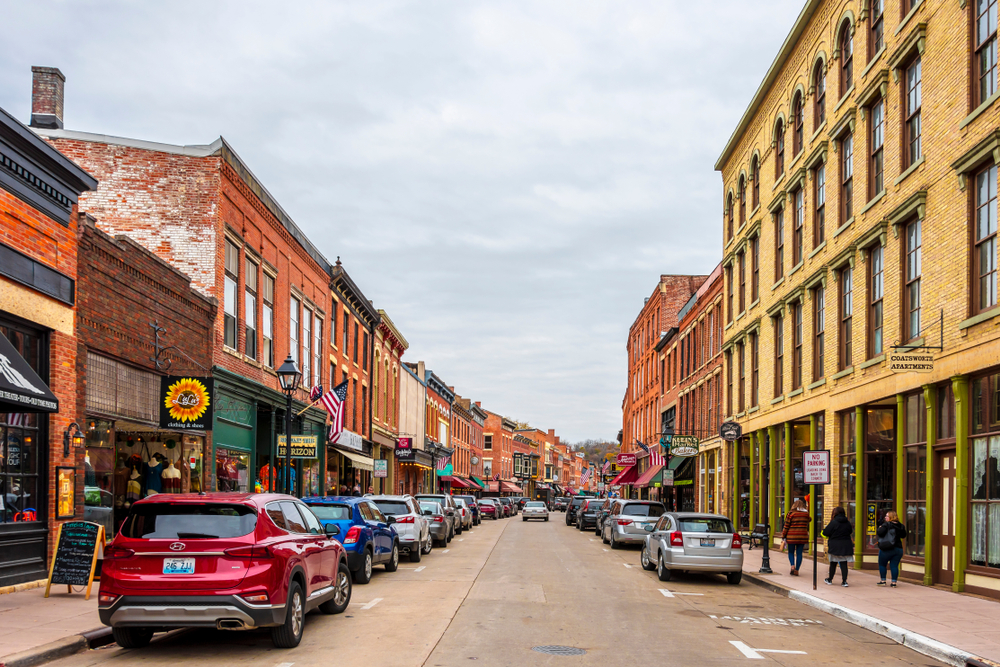
Galena’s preserved downtown creates an ideal setting for candy shops that honor earlier eras. During the town’s mining boom, sweets offered comfort and enjoyment for families living through demanding workdays. Several candy stores opened during that time and found lasting homes along Main Street.
These shops favor familiar treats such as chocolates, nut brittle, and creamy fudge. Interiors often reflect the surrounding architecture, using simple counters and traditional displays. The experience feels closely tied to Galena’s broader commitment to keeping its past visible and active.
Leavenworth
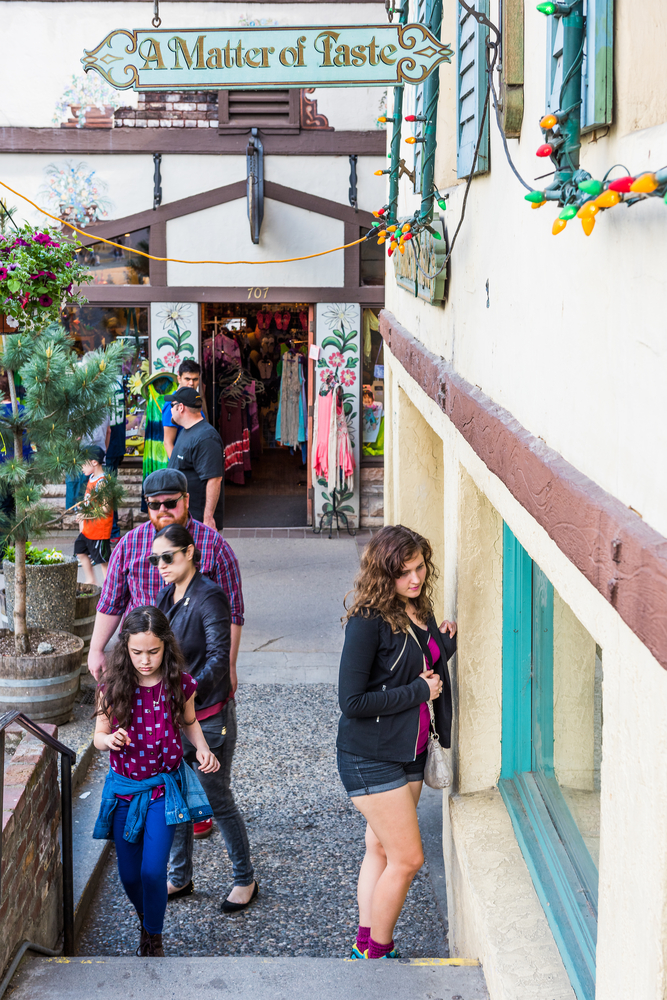
Leavenworth’s candy shops thrive within a setting shaped by mountain views and walkable streets. Many stores focus on handmade sweets prepared on site, drawing attention through large windows and rich aromas. Families strolling through town often make candy stops part of their routine.
The emphasis remains on familiar flavors that appeal across generations. Children watch candy being stirred while adults recall similar shops from their own childhoods. This shared enjoyment keeps the candy tradition alive and meaningful.
Helen
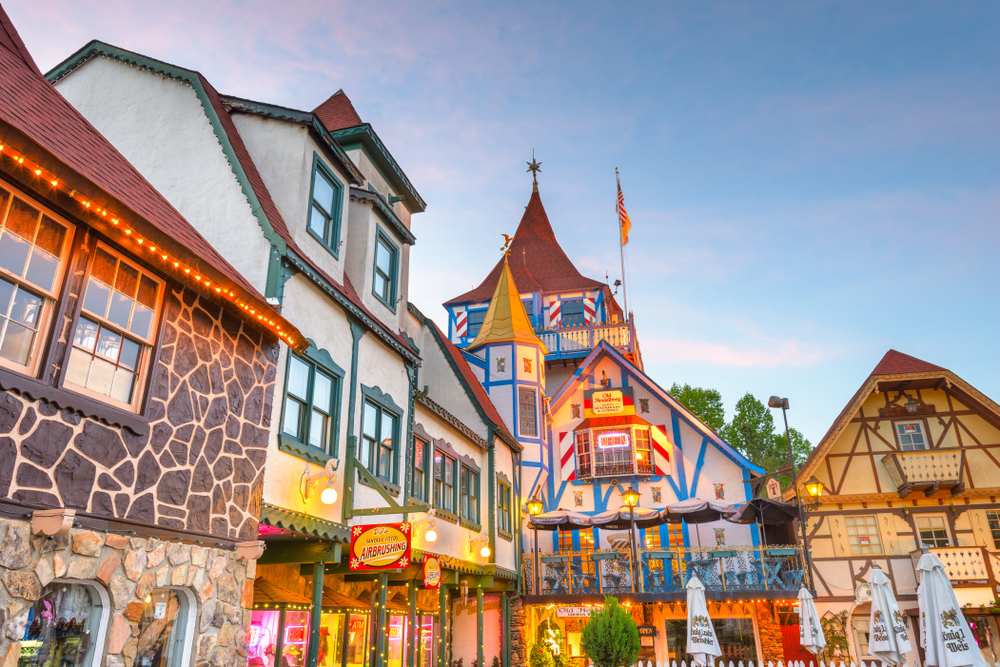
Helen’s candy shops fit seamlessly into their playful village atmosphere. Many were started by families who valued traditional preparation and simple presentation. The sweets include fudge, gummies, and chocolates arranged in ways that feel cheerful but never overwhelming.
Shops often encourage lingering rather than rushing. Visitors browse slowly, sample treats, and chat with staff who know the town’s history well. The result feels relaxed and rooted in familiarity.
Frankenmuth
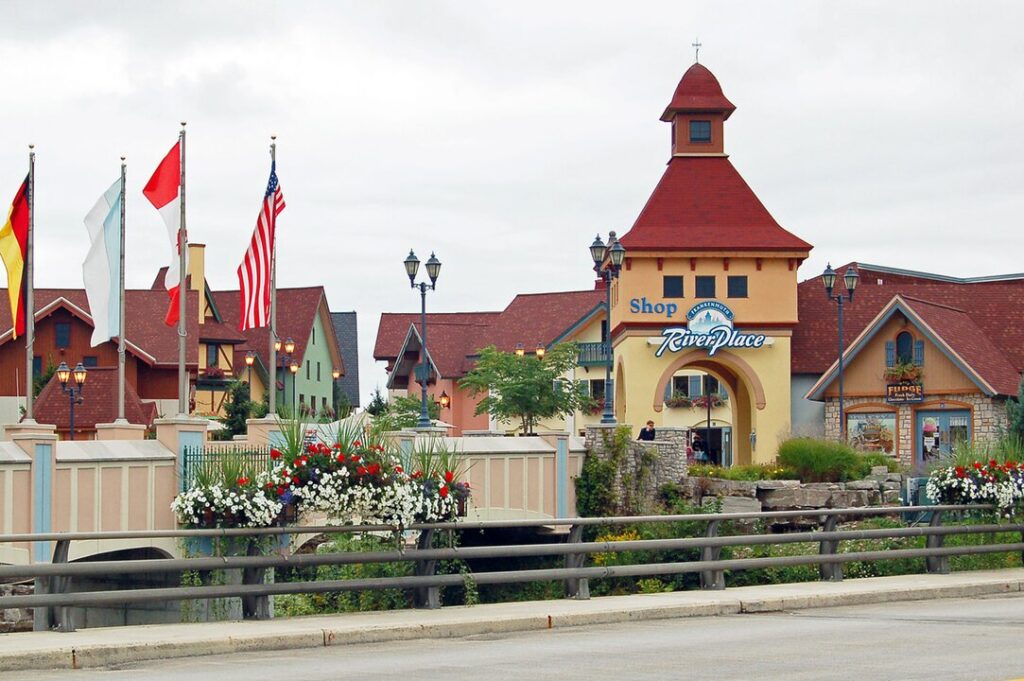
Frankenmuth blends European influence with long-standing American candy traditions. Several candy shops opened decades ago to serve both residents and visitors drawn by the town’s character. These stores remain family-run and rely on trusted recipes.
Candy counters sit near bakeries and cafes, creating a steady rhythm of foot traffic. Watching sweets being prepared feels like part of the town’s daily flow. The atmosphere reflects care, patience, and continuity.
Solvang
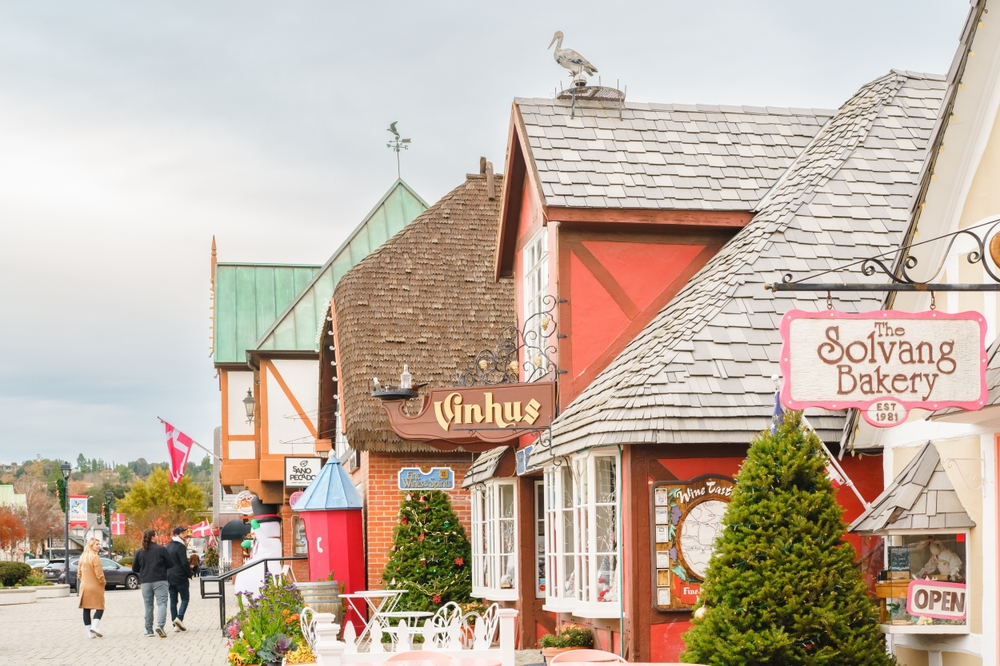
Solvang’s candy shops reflect the town’s heritage and love for handmade foods. Many stores offer chocolates, toffees, and sugar candies shaped by European influence and local family traditions. These sweets often follow older preparation styles rather than modern shortcuts.
Visitors wander between shops while enjoying the town’s distinctive architecture. Candy stores feel welcoming and familiar, with staff eager to share background on their offerings. Each visit adds to Solvang’s sense of continuity.
Stowe
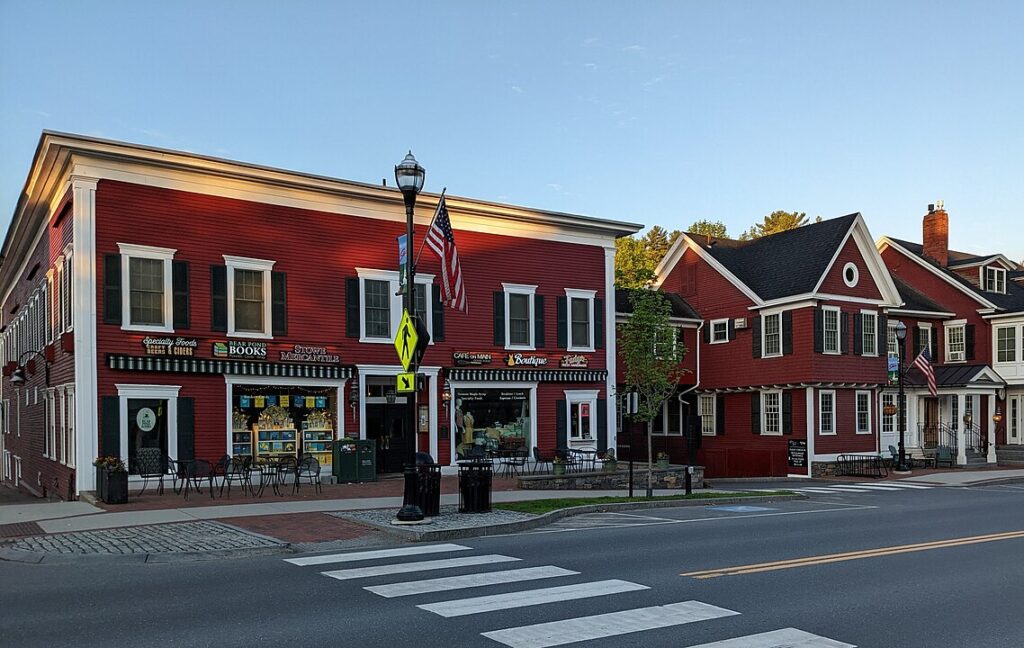
Stowe’s candy shops benefit from the town’s steady flow of seasonal visitors and loyal residents. Many sweet stops focus on handmade chocolates and maple-based treats that reflect regional tastes. Several shops have remained under family ownership for decades.
The setting encourages slower browsing, especially during colder months. Guests warm up indoors while selecting candies made in small quantities. These shops feel tied to local rhythms rather than trends.
Williamsburg
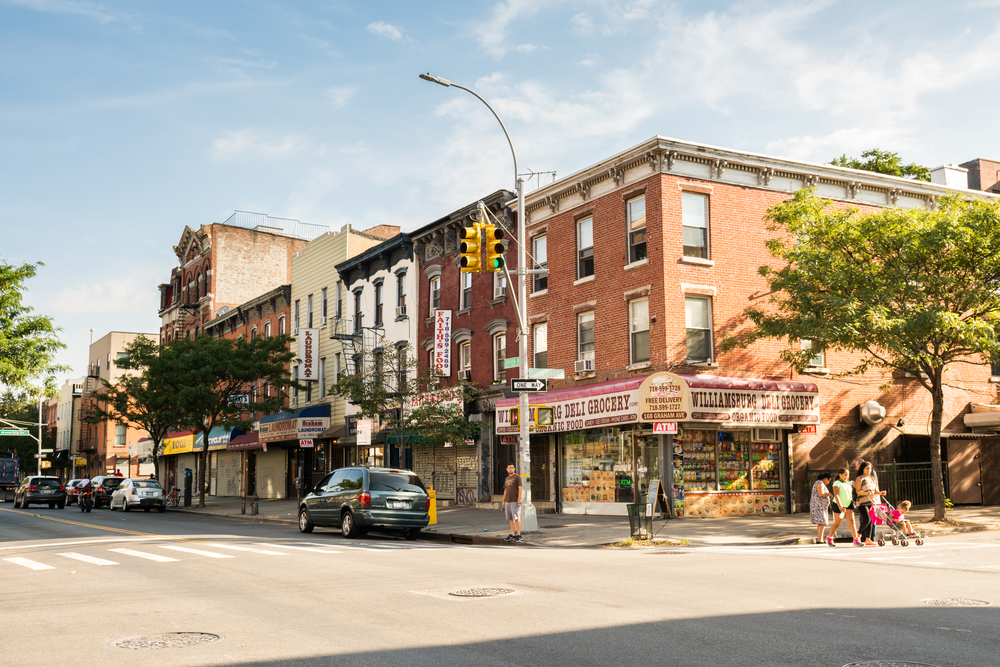
Williamsburg’s candy traditions draw heavily from its colonial roots. Sweet shops here often recreate nineteenth century methods, offering candies shaped and wrapped by hand. These stores aim to reflect how treats were once made and enjoyed.
Visitors often encounter demonstrations that show candy preparation step by step. The focus on history turns simple sweets into teaching moments. Candy becomes part of the town’s storytelling.
Deadwood
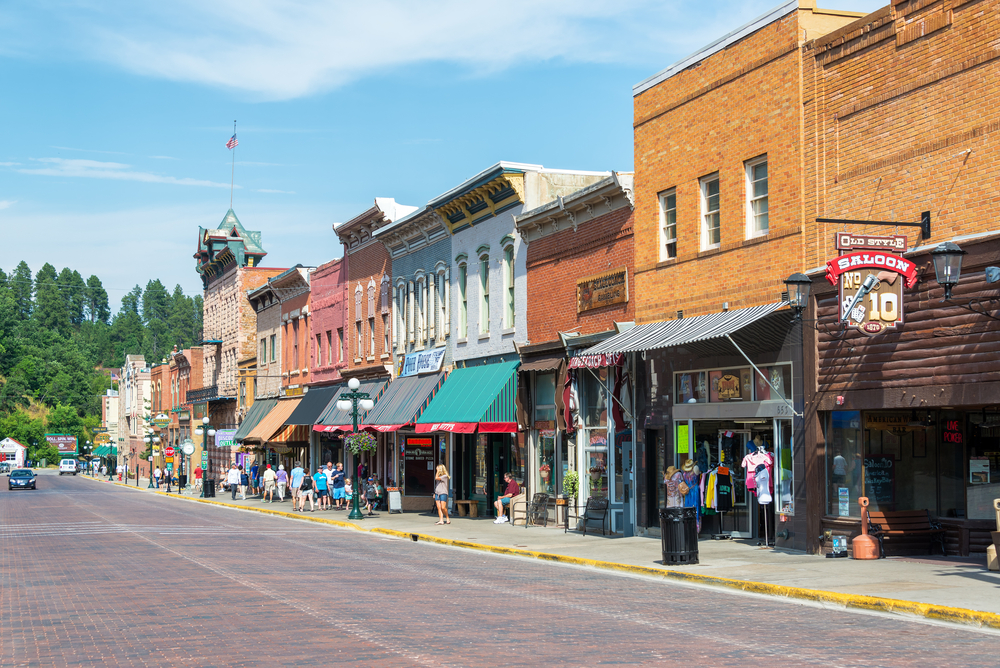
Deadwood’s candy shops reflect the town’s frontier history and long-standing appeal as a place of stories and tradition. During the gold rush years, sweets were a small comfort for miners and families living in rough conditions. Candy stores emerged as gathering spots where people could enjoy simple pleasures made from sugar, cream, and nuts.
Modern candy shops in Deadwood often lean into this heritage through decor and recipes. Shelves feature classic candies that would have been familiar generations ago, including fudge and hard sweets wrapped by hand. Visitors often note that these shops feel closely tied to the town’s past rather than shaped for novelty.
This article originally appeared on Avocadu.