
13 Classic Car Parts People Tossed Out That Are Worth Saving Now
Cleaning out a classic car often meant throwing away parts that looked worn or unnecessary. Today, those same pieces can spark interest because of their age and originality. As more enthusiasts value authenticity, attitudes toward old components continue to change. This article explores why those once ignored parts deserve attention again.
This post may contain affiliate links, which helps keep this content free. Please read our disclosure for more info.
1966 Pontiac GTO Tri Power Carburetor Setup
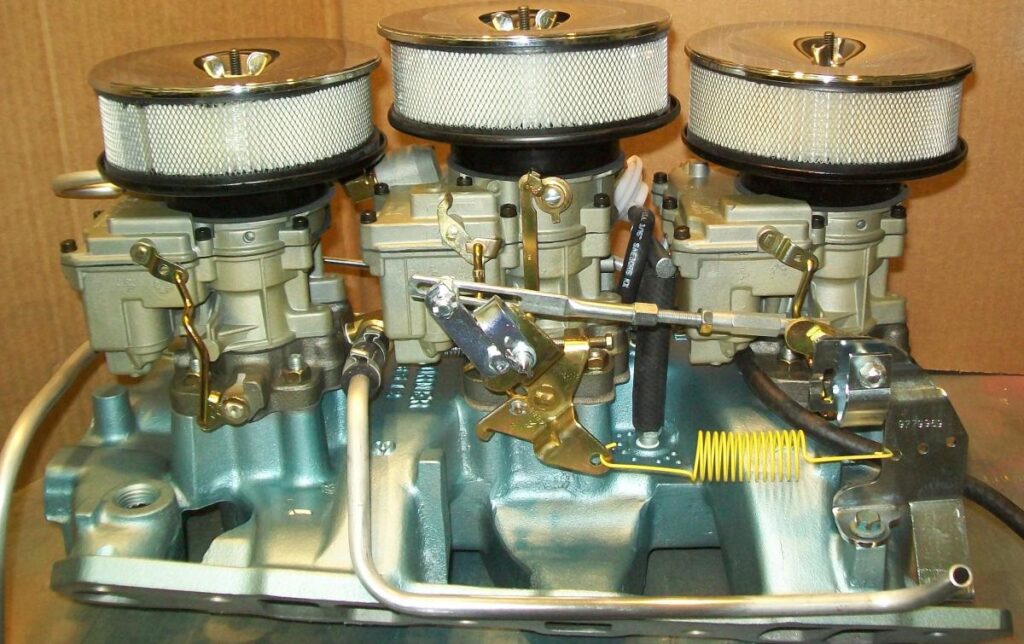
Few parts define mid-1960s muscle cars like the factory Tri Power setup used on the 1966 Pontiac GTO. This three-carburetor system was often removed in favor of simpler single-carb setups during the car’s early years. The parts include the intake manifold, carburetors, linkage, and air cleaner pieces. Today, a complete original setup is estimated to sell for $2,500 to $4,500 depending on condition. Many were discarded because they required more tuning, which makes surviving examples more appealing now.
If one turns up in storage, keeping all pieces together matters more than cleaning them aggressively. Original casting numbers and date codes help confirm authenticity. Even worn examples can still carry value because correct parts are difficult to replace. Small linkage pieces should be bagged and labeled to avoid loss. Collectors often prefer untouched parts over refinished ones.
1964 to 1968 Corvette Transistor Ignition Components
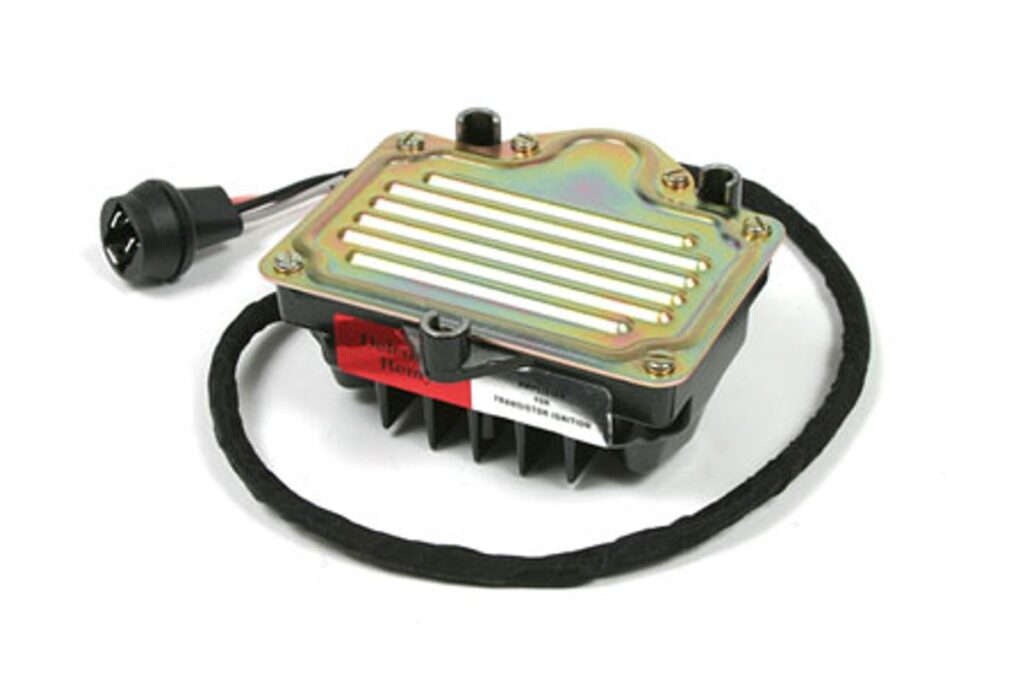
Early transistor ignition systems were an optional feature on mid-1960s Corvettes and were frequently removed when problems arose. These systems included amplifier boxes and wiring that looked outdated by later standards. Owners often replaced them with standard ignition parts and tossed the originals. Today, original components typically sell for $590 to $2,000 depending on condition. Their value comes from originality rather than performance.
Keeping the original finish intact helps preserve interest among buyers. Part numbers and mounting brackets add to desirability. Even nonworking units can still sell as rebuildable cores. Moisture damage is a concern, so dry storage is important. Clear photos of labels and surfaces help confirm authenticity.
1963 Chevrolet Corvette Split Window Trim
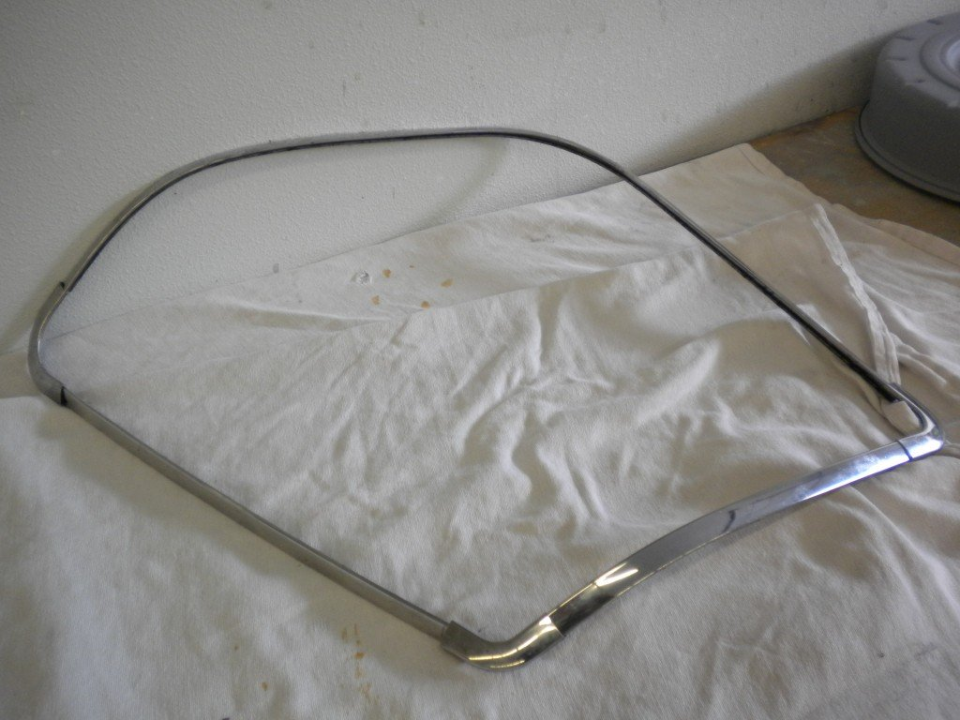
The split rear window design was exclusive to the 1963 Corvette coupe. Trim pieces related to this feature were often damaged or removed during repairs. Because the design lasted only one year, replacements are limited. Original trim pieces now often sell for $700 to $7,000. Correct trim helps maintain the value of a true split window car.
Bent stainless trim is difficult to repair, so straight examples are especially desirable. Even pitted pieces can still be useful as restoration cores. Keeping original screws and clips with the trim adds appeal. Storage should protect the edges from dents. Year-specific details are highly valued in Corvette restorations.
Late 1960s Porsche Fuchs Wheels
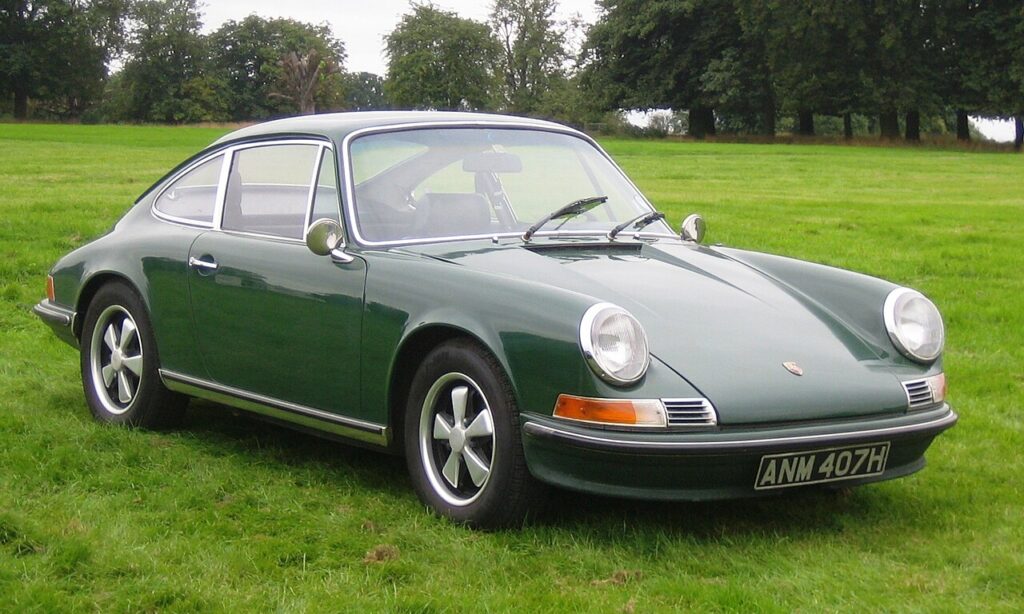
Porsche introduced Fuchs wheels in the 1960s, and many early sets were discarded during style changes. These wheels were commonly replaced with wider or newer designs. Original examples from early 911 models are now in demand. Depending on size and condition, a set can sell from $1,000 to several thousand dollars. Correct markings and finish play a large role in pricing.
Refinishing without research can lower value if incorrect finishes are used. Original center caps and hardware should be kept together. Wheels should be stored flat to prevent damage. Lips and edges are especially vulnerable to scratches. Clean documentation and photos help confirm originality.
1969 Pontiac GTO Ram Air IV Exhaust Manifolds
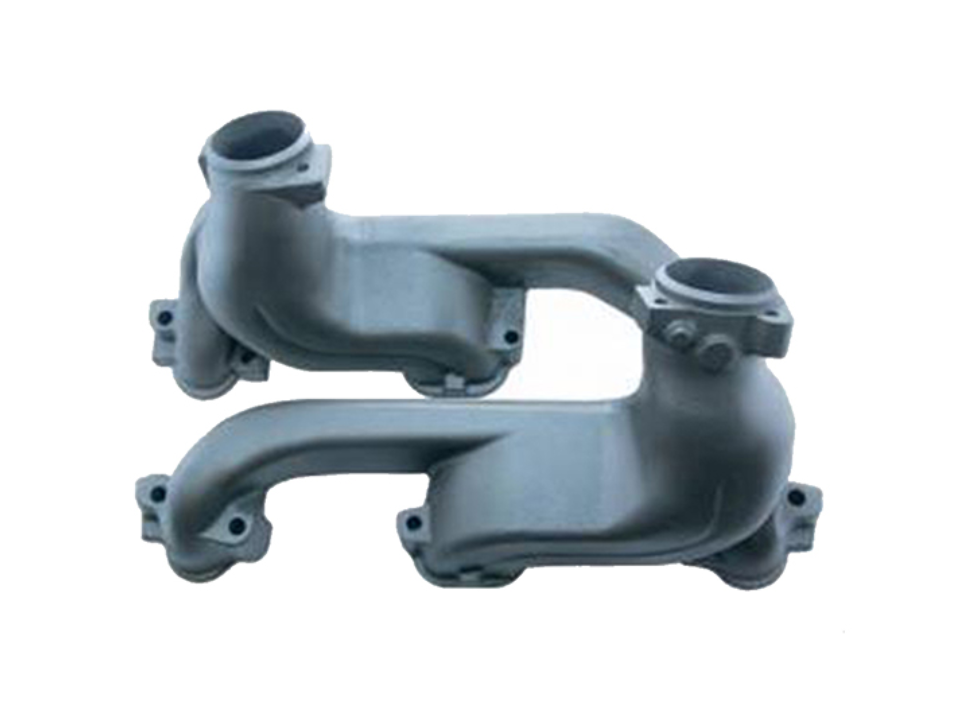
Factory high-performance exhaust manifolds were often removed when owners installed headers. The Ram Air IV manifolds used on the 1969 GTO were unique castings. Many were discarded because headers were cheaper and louder. Original sets now sell for roughly $3,500 or more. Correct casting numbers make a major difference in value.
Cracks near outlets are common and should be checked carefully. Original bolts and heat stove pieces add completeness. Heavy cleaning can remove identifying marks, which hurts value. Proper padding is needed during storage and shipping. Original examples remain sought after even in used condition.
1969 Chevrolet Camaro Z28 Cowl Induction Hardware
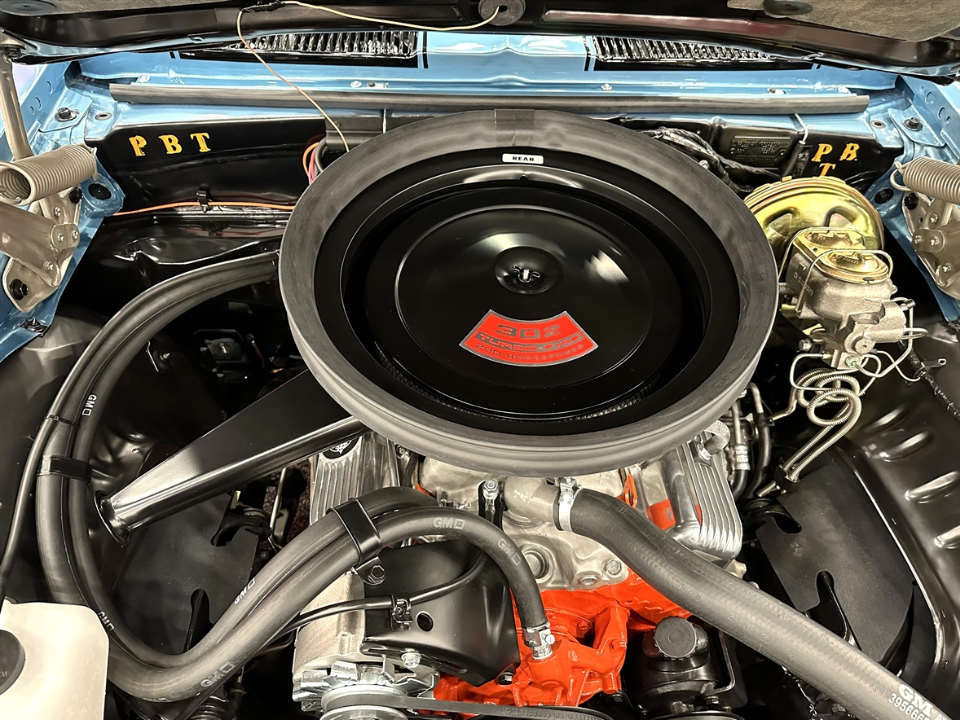
Cowl induction systems on the 1969 Camaro Z28 relied on hidden ducts and seals. These parts were commonly removed when they rattled or failed. Hood replacements also led to many sets being discarded. Original components now typically sell for $400 to $1,500 depending on completeness. Fully original sets can exceed that range.
Cracks and missing tabs are common issues to inspect. Fasteners and seals should be kept even if worn. Heavy sanding can remove identifying features. Flat storage helps prevent warping. Buyers usually want close-up photos of mounting points.
1970 Plymouth Road Runner Air Grabber Components
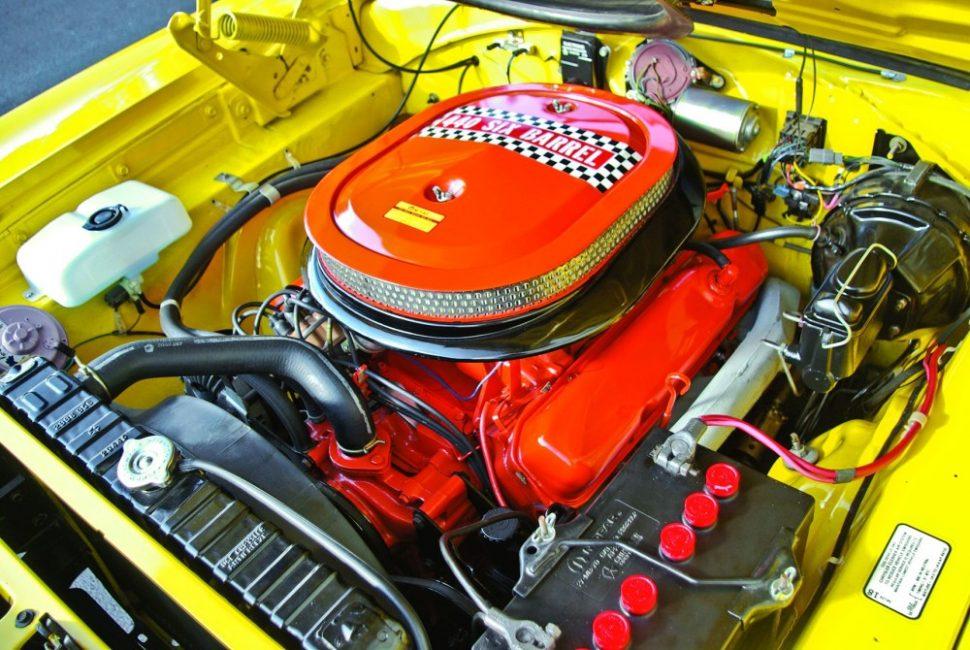
The Air Grabber hood system used vacuum-operated parts that often failed over time. Many owners removed the hardware and locked the hood scoop in place. This made the car easier to live with but reduced originality. Original parts now sell from about $300 to $2,500 depending on what is included. Complete working systems are especially valued.
Vacuum lines and clips should be saved with larger parts. Rubber seals should be kept away from heat. Even nonworking components can still be rebuilt. Missing brackets can be hard to source later. Clear labeling helps prevent confusion during resale.
1967 to 1969 Pontiac Hood Tach Assemblies
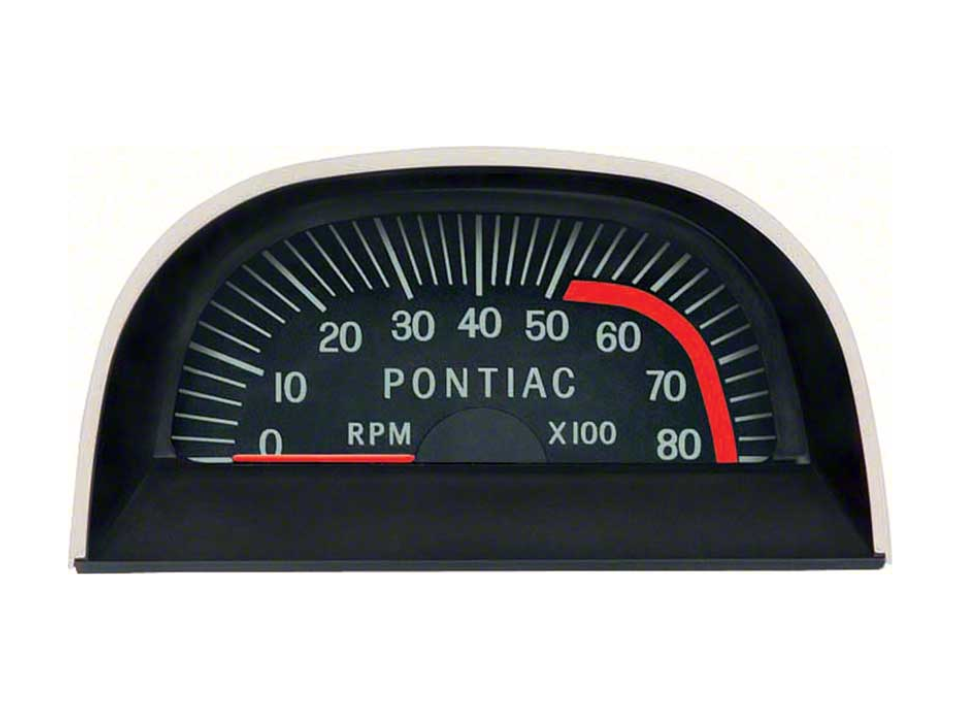
Hood-mounted tachometers were once removed due to fading or water damage. Pontiac used them on Firebirds and GTOs during the late 1960s. Many housings and lenses were discarded as useless. Original hood tachs now sell for $600 to $2,500. Correct lenses and faces help increase value.
Cleaning should be gentle to protect original markings. Wiring pigtails should be kept intact. Cracked lenses may still be acceptable to some buyers. Proper padding prevents dents during storage. Detailed photos help answer common buyer questions.
1957 Chevrolet Bel Air Dash Radios
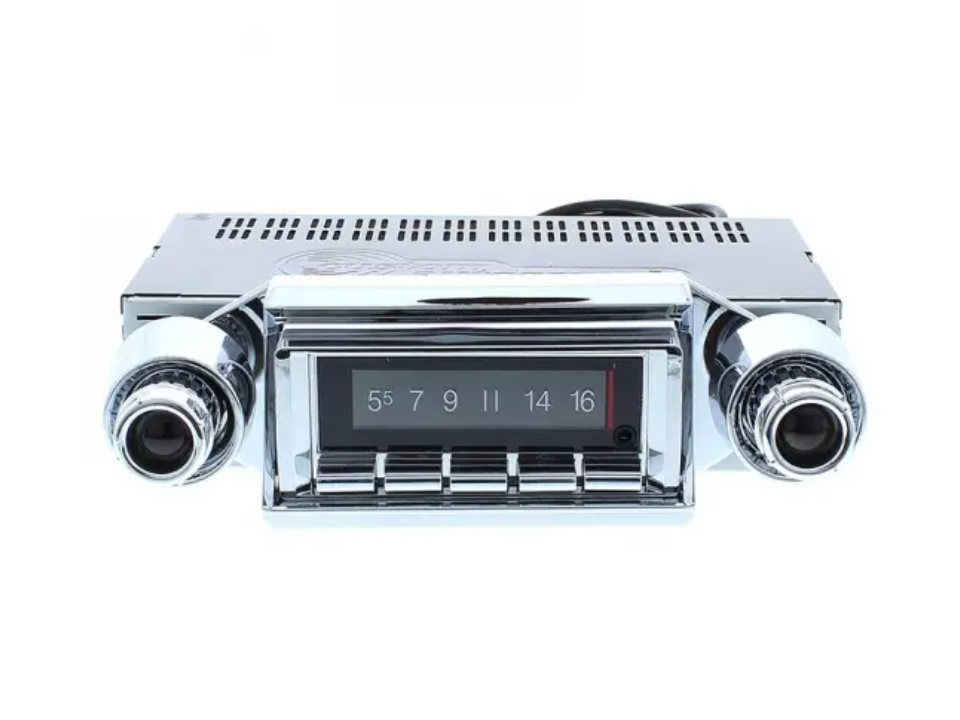
Original radios were often replaced with modern stereos. The 1957 Bel Air used a distinctive factory radio and knob design. Once removed, these parts were often thrown away. Today, original units sell for $250 to $1,200 depending on condition. Even nonworking radios can still be rebuilt.
Knobs and bezels should be stored separately to avoid scratches. Original wiring adds appeal. Moisture exposure should be avoided to prevent rust. Service tags can help verify age. Buyers often ask about originality versus conversion.
1969 to 1971 Datsun 240Z Steering Wheel
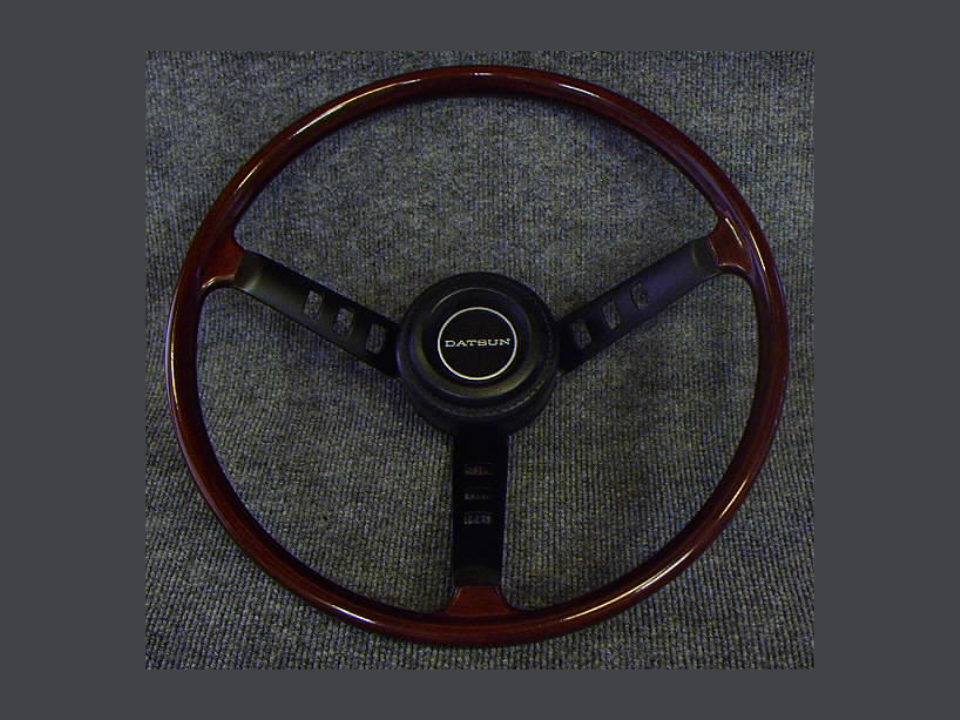
Many early 240Z steering wheels were replaced due to cracking or wear. The original design plays a big role in interior appearance. Horn buttons were often lost during removal. Original wheels now sell for $200 to $900 depending on condition. Complete examples bring a stronger interest.
Horn buttons should always stay with the wheel. Tape or covers should not hide damage. Gentle cleaning is usually enough. Flat storage prevents warping. Buyers often request close-up photos of cracks and grain.
1964 to 1967 Chevrolet Chevelle SS Gauge Clusters
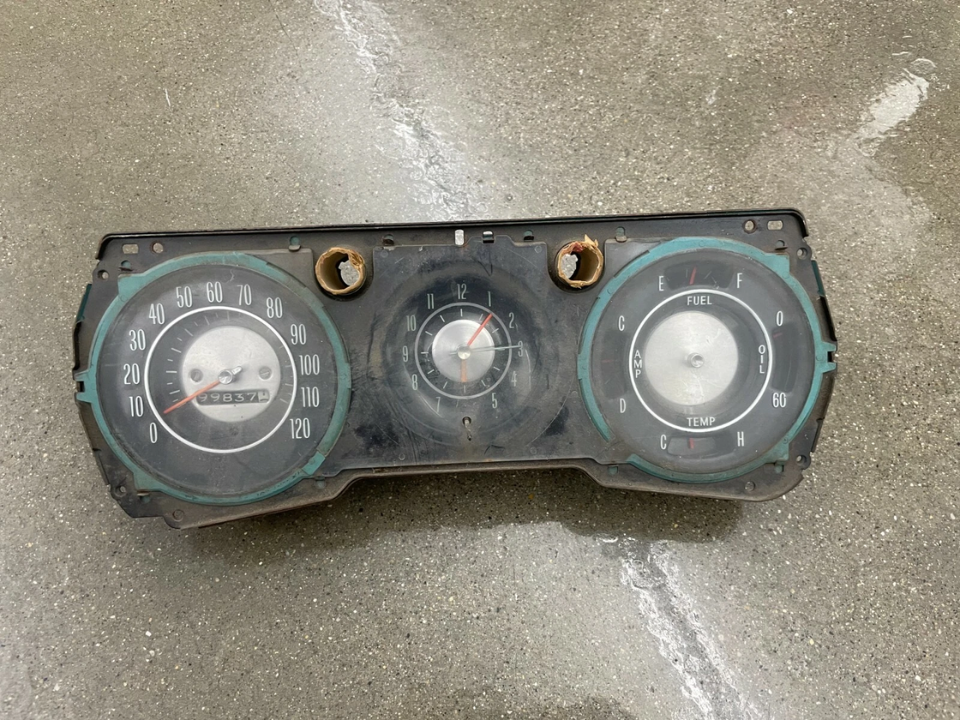
Gauge clusters were often swapped during performance upgrades. Chevelle SS models used specific dash layouts and markings. Original clusters were commonly scattered or broken apart. Market values range from $300 to $1,800 depending on condition. Working units tend to sell more easily.
Gauge faces should not be scrubbed aggressively. Bulb sockets and screws should stay together. Rear markings help confirm year and model. Padded storage prevents lens scratches. Verified origin adds buyer confidence.
1968 to 1970 Dodge Charger Grille Components
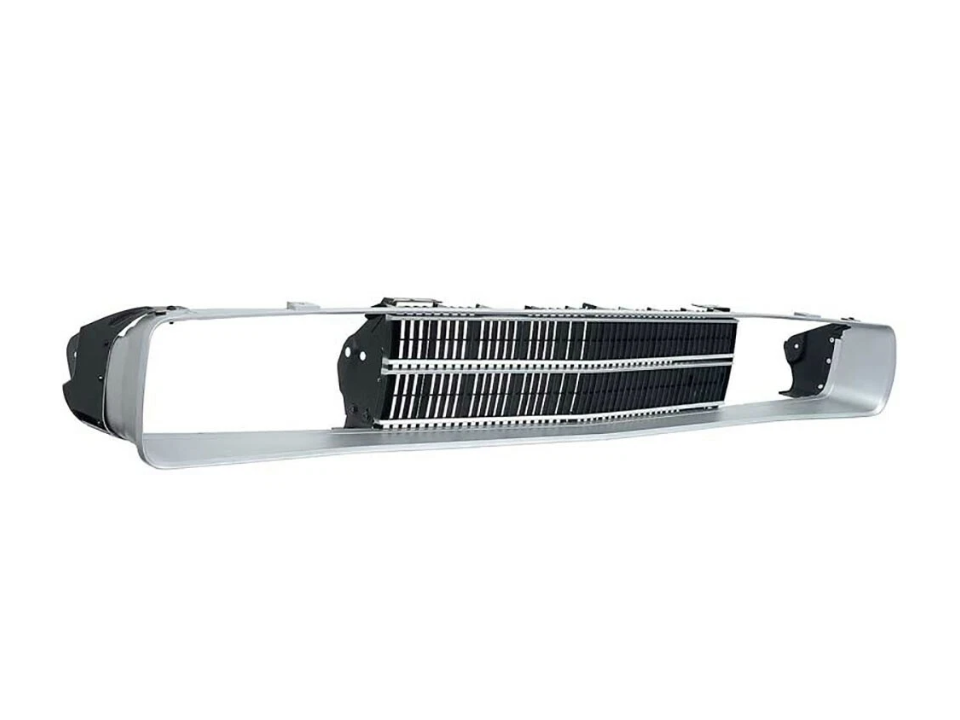
Front grille parts were often damaged and discarded after minor accidents. Chargers from this era used complex grille and headlamp door designs. Replacement parts rarely matched originals perfectly. Original pieces now sell for $400 to $3,000 depending on year and condition. Correct details matter greatly.
Mounting tabs should be inspected before repairs. Springs and hardware should remain grouped together. Shipping requires heavy padding. Heat exposure can warp plastic pieces. Buyers usually focus on mounting point condition.
1964 to 1967 Pontiac Delco Alternators and Brackets
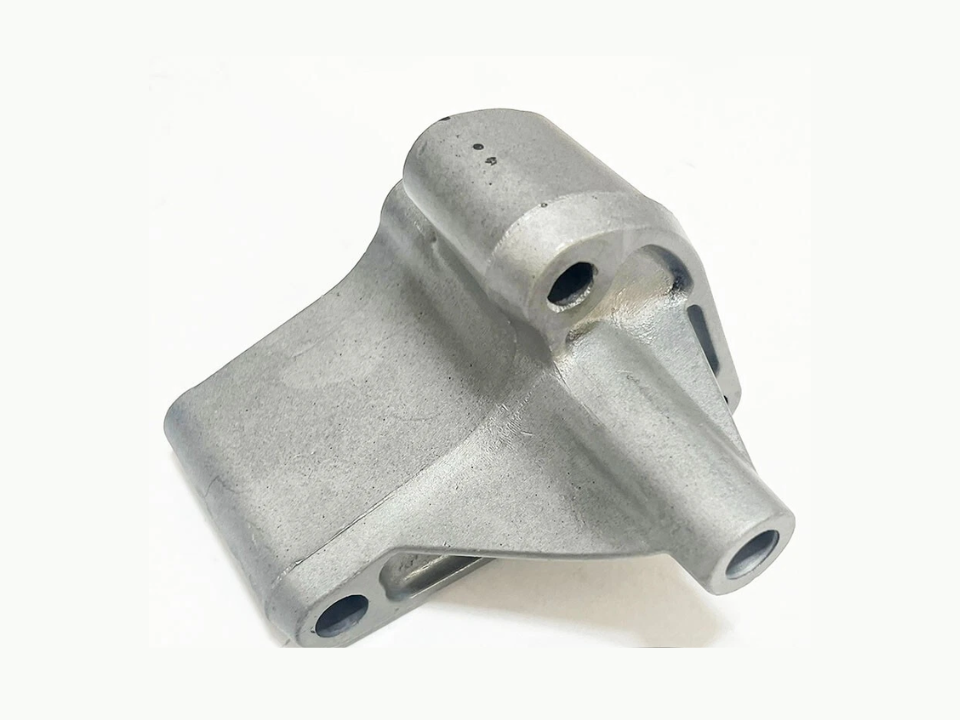
Alternators and brackets were often replaced during routine repairs. Mid-1960s Pontiacs used specific Delco housings and mounting styles. Original brackets were frequently discarded. Today, sets sell for $150 to $900. Correct pulleys and bolts add value.
Casting numbers should be photographed clearly. Brackets and spacers should stay grouped together. Heavy blasting can remove identifying surfaces. Dry storage prevents thread damage. Complete sets are easier to sell than loose pieces.
This article originally appeared on Avocadu.