
13 Limited Series That Still Feel Worth a Second Watch
Some limited series hit so well the first time that a second watch feels just as satisfying. You notice small clues, stronger performances, and quiet moments that land differently when you already know where the story is headed. These picks are the kind you can finish in a weekend and still want to revisit later.
This post may contain affiliate links, which helps keep this content free. Please read our disclosure for more info.
Band of Brothers

Band of Brothers follows Easy Company from training through the end of World War II, and it keeps the focus on the men as much as the battles. The series has a clear sense of place, from muddy fields to quiet villages that look frozen in time. Small details, like how tired faces change after each fight, make the story feel grounded. On a second watch, you start noticing how quickly friendships form, and how much is said in short looks instead of big speeches.
Each episode highlights a different angle of the war, so the pace never feels stuck in one mode. Some hours are loud and chaotic, while others slow down and sit with fear, guilt, or relief. The interviews and reflections at the start and end of episodes add weight without getting in the way of the story. Watching again can be emotional, because you recognize early moments that later carry heavy meaning.
Chernobyl
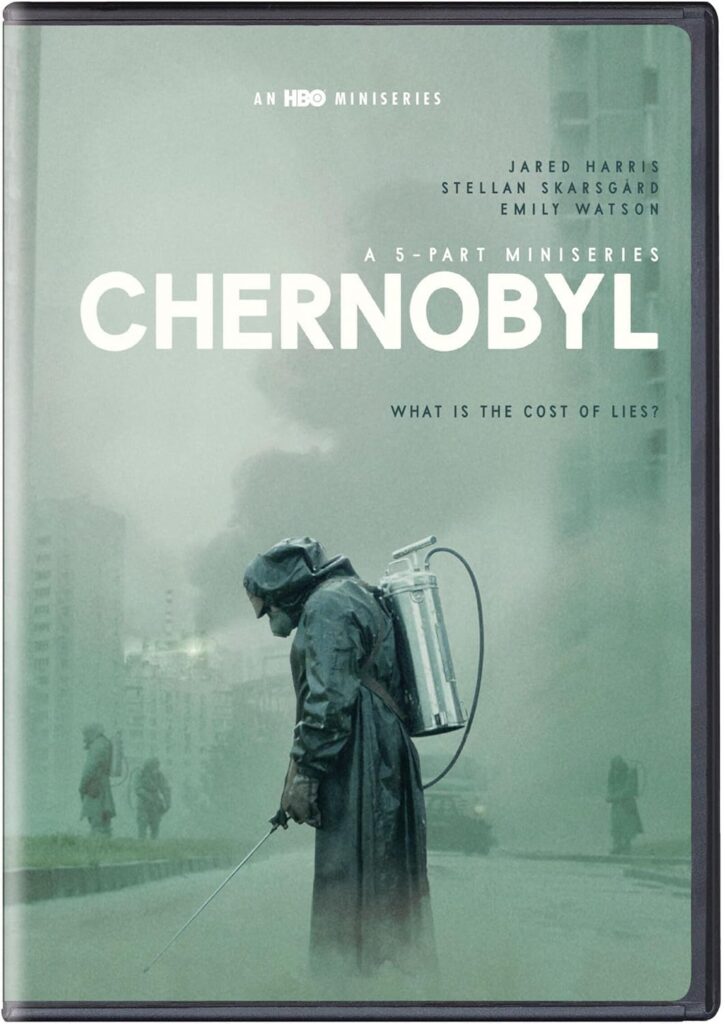
Chernobyl moves like a thriller, but it is built on real events, which makes every decision feel sharper. The series explains complicated science in a way that is easy to follow, and it shows how fear and pride can be as dangerous as radiation. The sound design and quiet tension keep the story pressing forward. On a rewatch, the early conversations about denial and delay stand out more, because you know the cost of each pause.
The human side is what lingers most, from exhausted workers to families who do not yet know what is coming. You can see how the system pushes people to stay silent, even when the truth is obvious. The courtroom episode ties the pieces together, and the explanations hit harder the second time. It is grim, but it stays gripping because it shows how small lies can pile up into disaster.
The Queen’s Gambit

The Queen’s Gambit turns chess into something tense and emotional, even for viewers who do not know the rules. Beth’s drive is clear from the start, and the series uses her point of view to show how lonely talent can feel. The costumes and sets give each time period a distinct look without distracting from the story. On a second watch, you catch how often Beth is reading people, not just boards.
The supporting characters are part of what makes it rewatchable, since their kindness and flaws show up in subtle ways. Some relationships look warm at first, then feel more complicated when you know where Beth is headed. The matches are filmed like duels, and you can track Beth’s growth through how she handles pressure. It is satisfying to revisit because it balances success with real struggle, not easy wins.
Mare of Easttown

Mare of Easttown is a mystery, but it also feels like a portrait of a town that knows all your business. Mare is sharp, stubborn, and tired, and the series lets her be all three without trying to soften her edges. The dialogue sounds natural, and the family scenes feel lived in. When you rewatch, you notice how early grief and resentment shape every choice people make.
The case twists in a way that stays fair, with clues that are easy to miss the first time. Side characters are not filler, because their personal problems connect to the larger mood of the town. The show also takes time to show parenting and loss from multiple angles, not just Mare’s. A second viewing can feel even heavier, since the emotional reveals hit sooner when you know what is coming.
The Night Of
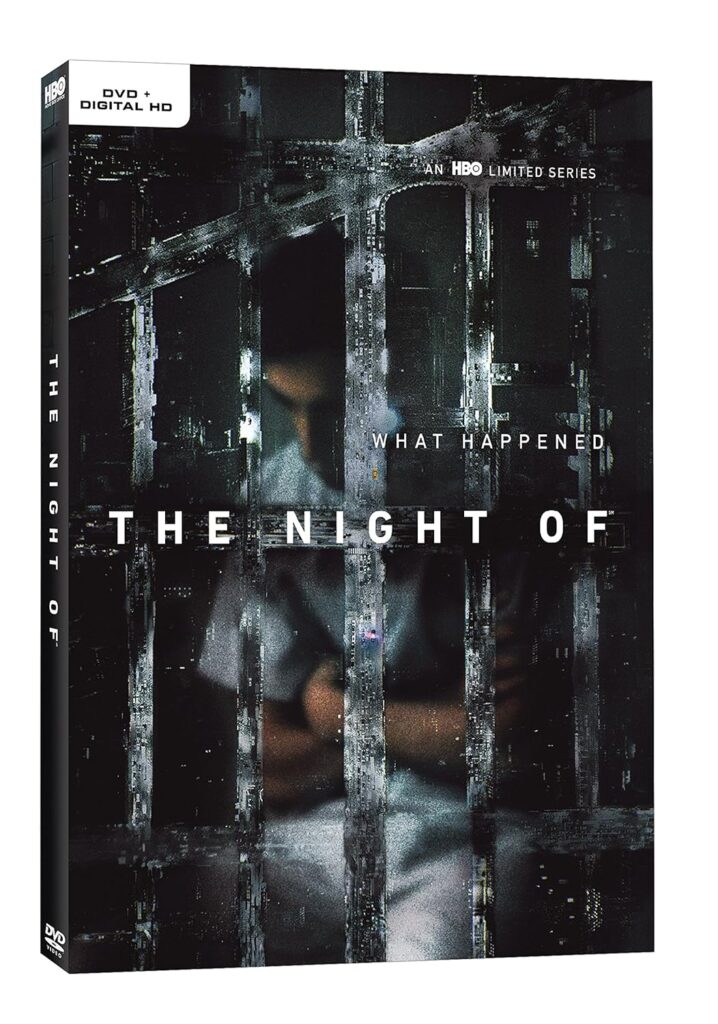
The Night Of starts with a single night and then shows how one bad decision can ripple through a whole life. The series captures the confusion and panic of being accused, especially when you do not have the words or power to protect yourself. Courtroom scenes feel tense because the truth is never simple. On a rewatch, you can track the slow shifts in how people see Naz, and how he starts seeing himself.
John Stone’s messy, worn-down presence adds a strange mix of humor and sadness to the story. The show also pays attention to the jail system, showing how it changes people through routine, fear, and survival. Small moments, like who offers help and who stays silent, become more telling the second time. It is the kind of series that sticks because it is less about a neat answer and more about damage.
Sharp Objects

Sharp Objects is slow in a deliberate way, like it is daring you to look closer. Camille returns home carrying old pain, and the series shows trauma through behavior rather than speeches. The town feels pretty on the surface, yet everything underneath is tense and watchful. When you revisit it, the early scenes feel loaded, because you can see how the story is hiding in plain sight.
The mother and daughter dynamic is chilling, and it grows more unsettling the longer you sit with it. The show uses quick flashes and memory fragments that can seem confusing at first, then become clear on a second watch. Performances are restrained, which makes the big moments feel sharper when they land. It is not a cozy rewatch, but it is a satisfying one if you like psychological mystery.
Station Eleven

Station Eleven jumps across timelines, and the shifts are part of what makes it memorable. It is about a pandemic, but it is also about art, memory, and how people keep going after everything changes. The series is gentle in places where you expect it to be harsh, and that contrast makes it stand out. On a second watch, the connections between characters feel more emotional, because you know how tightly their lives are linked.
The Traveling Symphony storyline brings a sense of wonder, and it asks what people keep when they lose almost everything else. The show has scenes that linger, like a quiet room filled with old objects or a performance that feels like a lifeline. Some episodes play like dreams, so the meaning can deepen when you revisit them. It rewards a rewatch because its details build a larger picture of hope and loss.
When They See Us

When They See Us is painful, but it is told with care and clear purpose. The series follows the Central Park Five and shows how the system can crush kids who have no protection. Each episode focuses on emotional truth, from family strain to the slow erosion of trust. On a rewatch, the moments of pressure and manipulation feel even more upsetting because you already know how little it takes to tip everything.
The performances are intense, and they capture fear, confusion, and anger without feeling forced. The show also highlights the parents, showing what it means to fight for your child when the world has already decided they are guilty. The later episodes, especially the aftermath, show a different kind of damage that is harder to see at first. It is not an easy revisit, but it is important, and it stays with you.
Watchmen
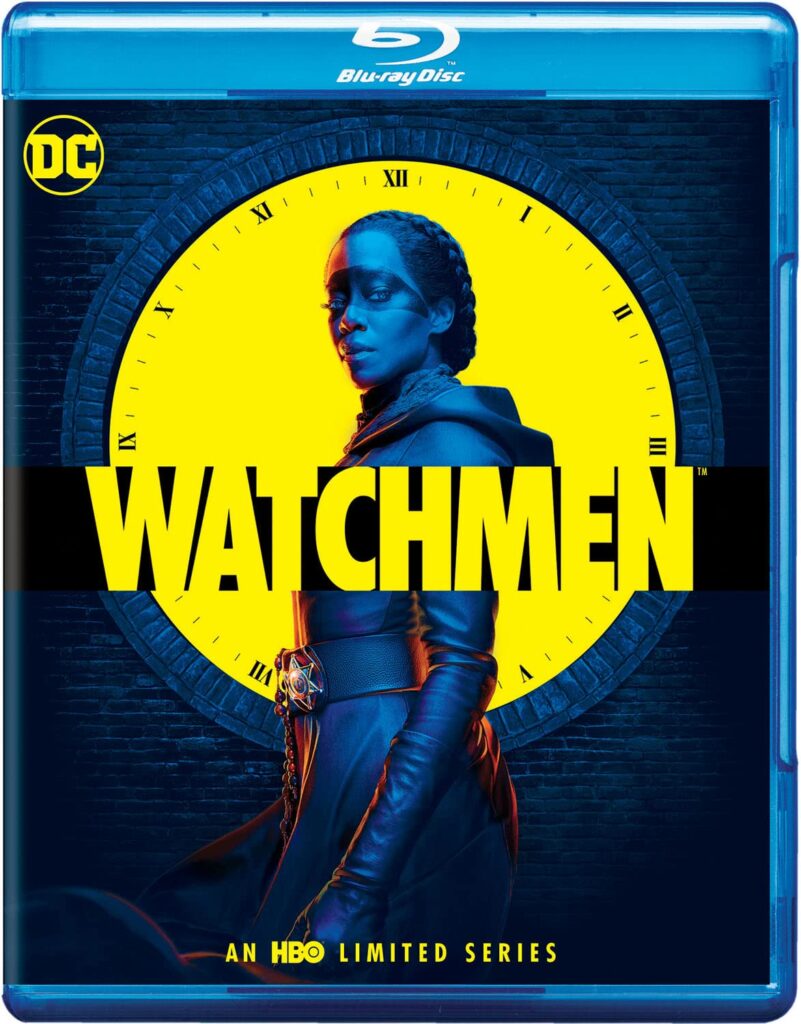
Watchmen is layered, stylish, and packed with ideas, but it never forgets to tell a story with real emotion. The mystery unfolds piece by piece, and each reveal changes what you thought you knew. The show plays with identity, history, and power in ways that can feel dizzy at first. On a rewatch, those choices feel more intentional, because you can trace the setup long before the payoffs land.
Episodes like the one built around memory stand out even more the second time, since you understand what is being echoed and why. The visuals are striking, yet they are not there just to look cool, they often carry meaning. Characters who seemed like side notes early on end up mattering a lot. It rewards repeat viewing because it is dense, and you notice new connections every time.
Big Little Lies

Big Little Lies starts as a story about wealth, parenting, and gossip, then it tightens into a mystery about what really happened. The show is funny and tense in the same scene, which keeps it feeling sharp. Every character is hiding something, and the series lets you see both their public faces and private messes. On a rewatch, the early scenes feel like a slow drumbeat leading to the finale.
The performances are a huge reason it holds up, especially in scenes that swing from polite smiles to raw arguments. The show also treats abuse and control with seriousness, and it shows how hard it can be to admit the truth. Small lines that seem casual the first time can feel like warnings later. It is easy to revisit because it is dramatic, fast-moving, and packed with character moments.
True Detective Season 1
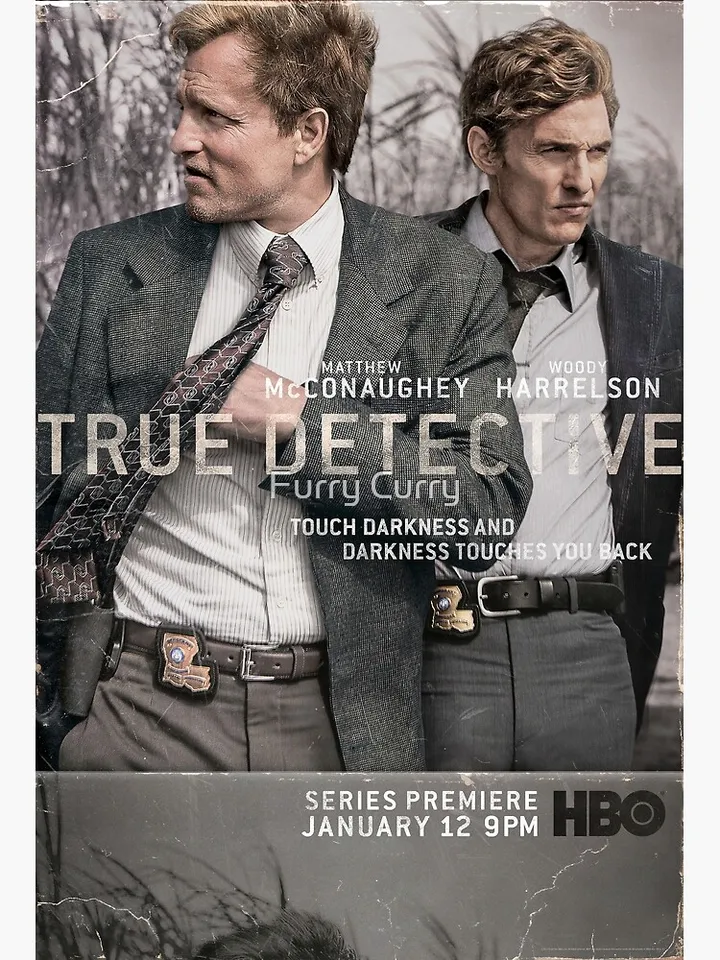
True Detective Season 1 is heavy, moody, and intense, with a mystery that feels bigger than the case file. The chemistry between Rust and Marty carries the story, since their flaws clash in ways that stay interesting. The show’s setting feels humid and haunted, and the visuals match the uneasy tone. On a rewatch, you catch more of the philosophy and foreshadowing tucked into conversations.
The investigation unfolds in layers, and the interviews create a sense that truth is always slippery. Certain scenes, including the long tracking shot, still feel impressive because they add real tension instead of showing off. The series also does a good job showing how time changes people, and how choices linger. Watching again can deepen the experience, since you can focus less on the mystery and more on the character damage.
Normal People
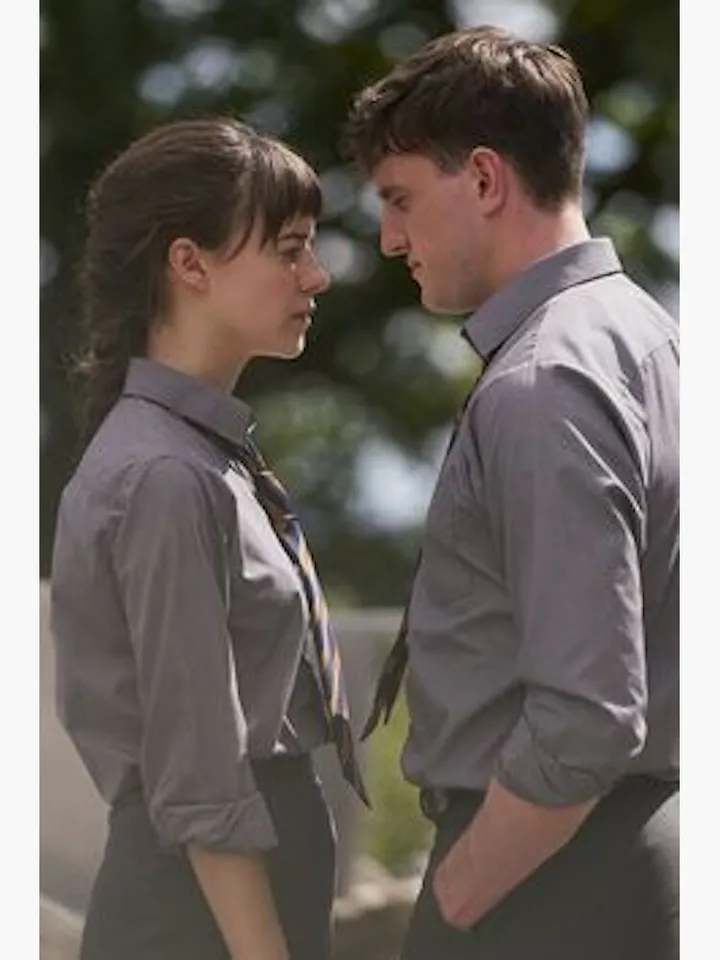
Normal People is quiet, intimate, and very focused on two people who keep missing each other by inches. The series captures how young relationships can feel both intense and confusing, especially when insecurity gets in the way. The writing is simple but sharp, and the acting does a lot with silence. On a rewatch, you notice how often small misunderstandings shift the whole direction of their lives.
The show moves through time without making it feel rushed, so you can feel the weight of each stage. It also pays attention to class and social pressure, showing how those forces shape who feels safe speaking up. The tender scenes feel earned because the story takes its time building them. It is a good second watch when you want something emotional that still feels grounded.
The People v. O. J. Simpson: American Crime Story
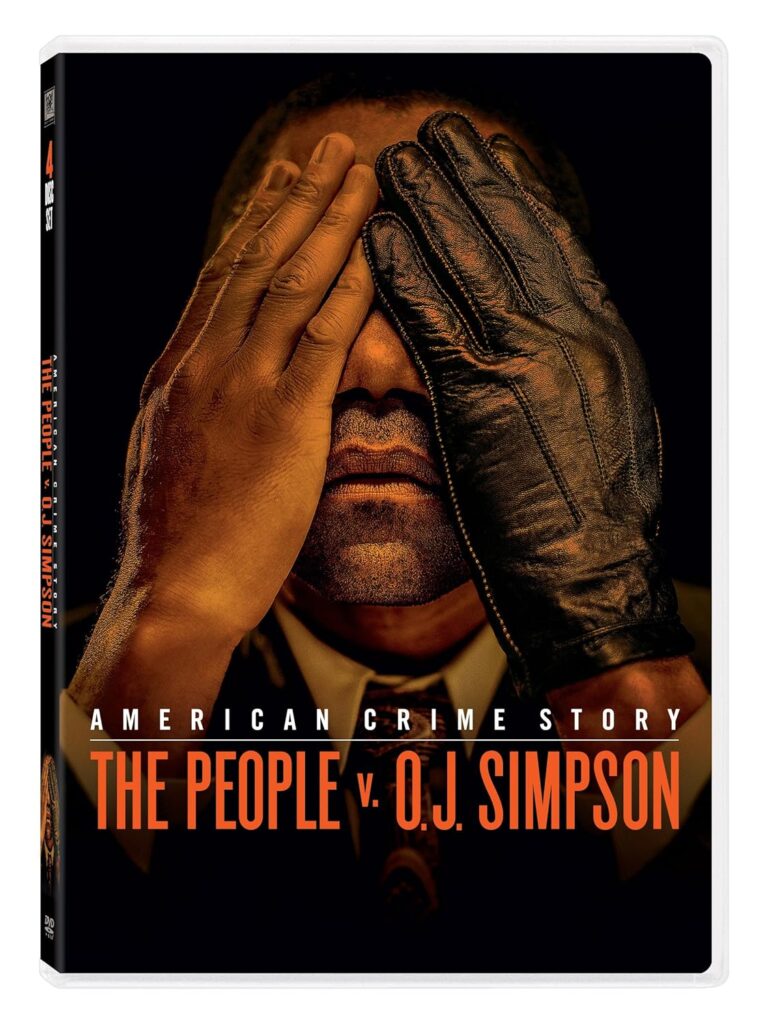
The People v. O. J. Simpson: American Crime Story turns a famous case into a character story about power, media, and strategy. Even if you know the outcome, the series creates tension through legal moves and shifting public opinion. The cast captures the personalities without turning them into cartoons. On a rewatch, you can track how certain moments in court and on TV quietly push the whole case in new directions.
The series also pays attention to race and policing, showing how those issues were part of the story every day. It highlights how the lawyers shape narratives, not just arguments, and that angle stays fascinating on repeat. Small choices, like who gets framed as credible and who gets mocked, stand out more the second time. It holds up because it is detailed, dramatic, and full of scenes that still spark discussion.
This article originally appeared on Avocadu.