
15 Fruit Trees and Berry Bushes to Plant in Late Winter
Late winter is a great time to plant fruit trees and berry bushes because many are still resting and can settle in before spring growth kicks off. With the right picks, you can grow backyard favorites that come back year after year and give you fresh fruit for snacks, baking, and smoothies. Here are fruit trees and berry bushes that are good choices to get in the ground in late winter.
This post may contain affiliate links, which helps keep this content free. Please read our disclosure for more info.
Dwarf Apple Tree
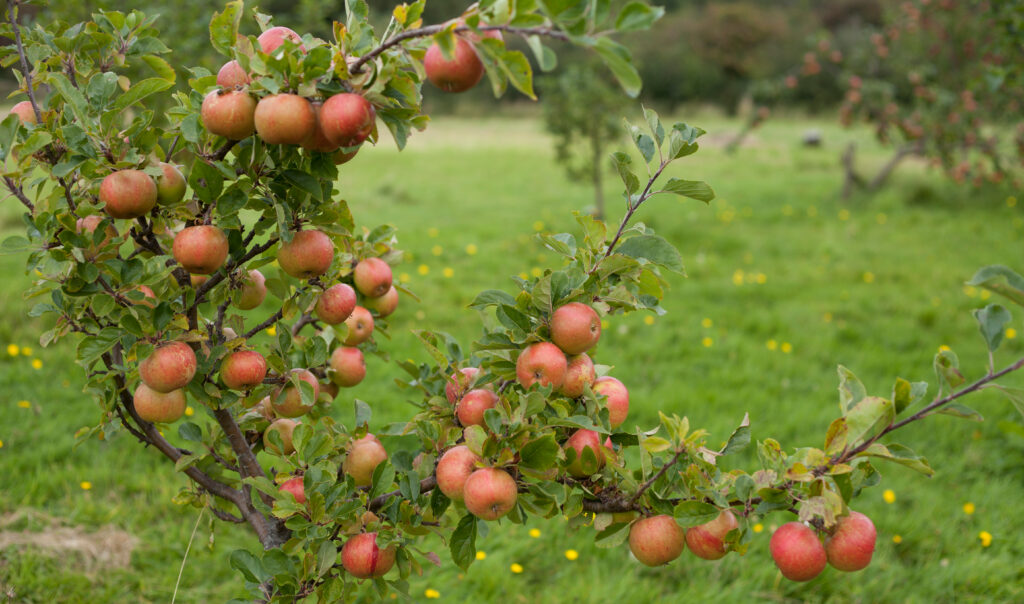
A dwarf apple tree fits well in smaller yards, and it can still produce a full-sized crop with good care. Plant it while it is dormant, and set the graft union a few inches above the soil line. Apples like full sun and well-drained ground, so avoid spots that stay soggy after rain.
Most apple trees fruit better with a second variety nearby, since cross-pollination often leads to heavier harvests. Prune in late winter to keep the shape open so light reaches the center branches. Thin small apples in early summer if the tree sets a huge cluster, which helps size and reduces limb breakage.
Peach Tree

Peach trees wake up early in spring, so late winter planting gives roots time to settle before the first burst of growth. Choose a sunny spot with good airflow because peaches can struggle in damp, still corners of the yard. The soil should drain fast, since wet feet can lead to root trouble.
Keep pruning simple and yearly, since peaches fruit on one-year-old wood. A low, open shape makes picking easier and helps the fruit color up. Watch for late frosts once buds swell, and cover young trees on cold nights if your area swings in temperature.
Plum Tree
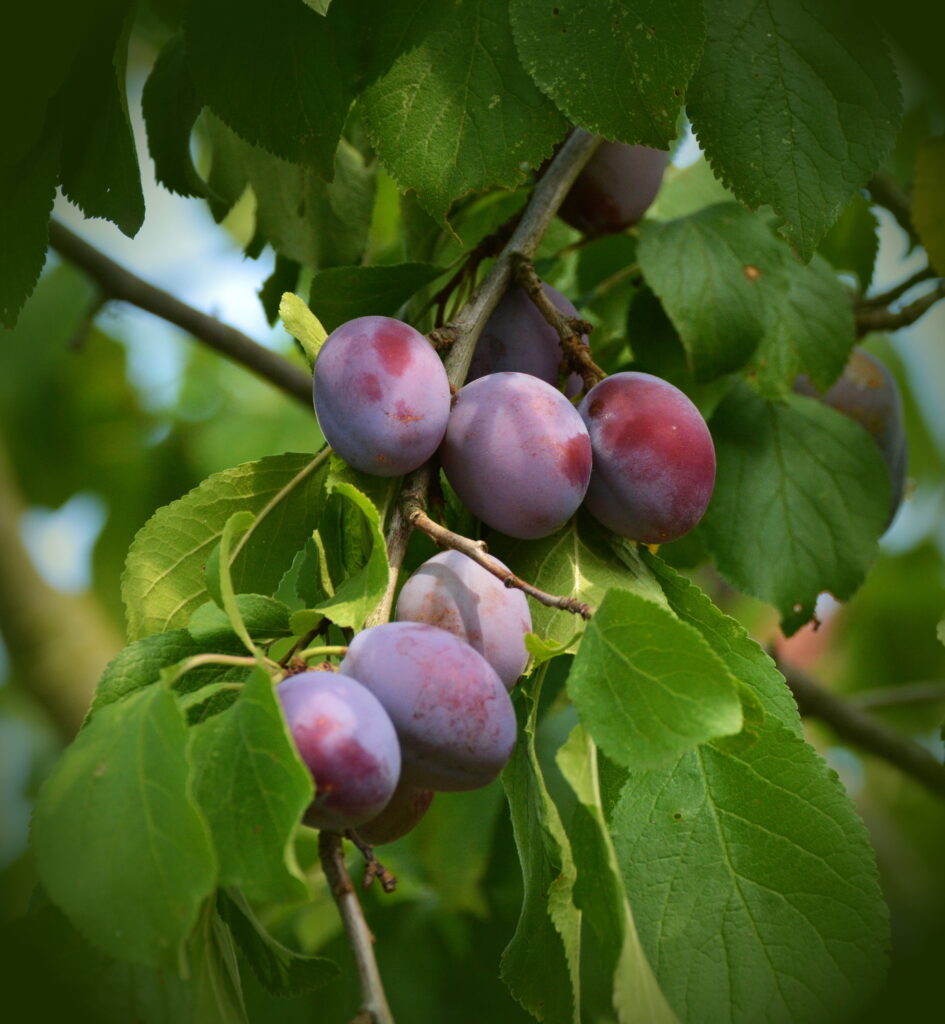
Plum trees are a nice pick if you want spring blossoms followed by sweet fruit in summer. Plant while the tree is resting, and water deeply after planting to settle soil around the roots. Many plums handle a range of soils, but they still do best with sun and drainage.
Some plums need a pollinator partner, so check the tag before you buy. Fruit can get heavy on young branches, so thinning helps both size and branch strength. If birds find your plums first, light netting can save a lot of the crop.
Pear Tree
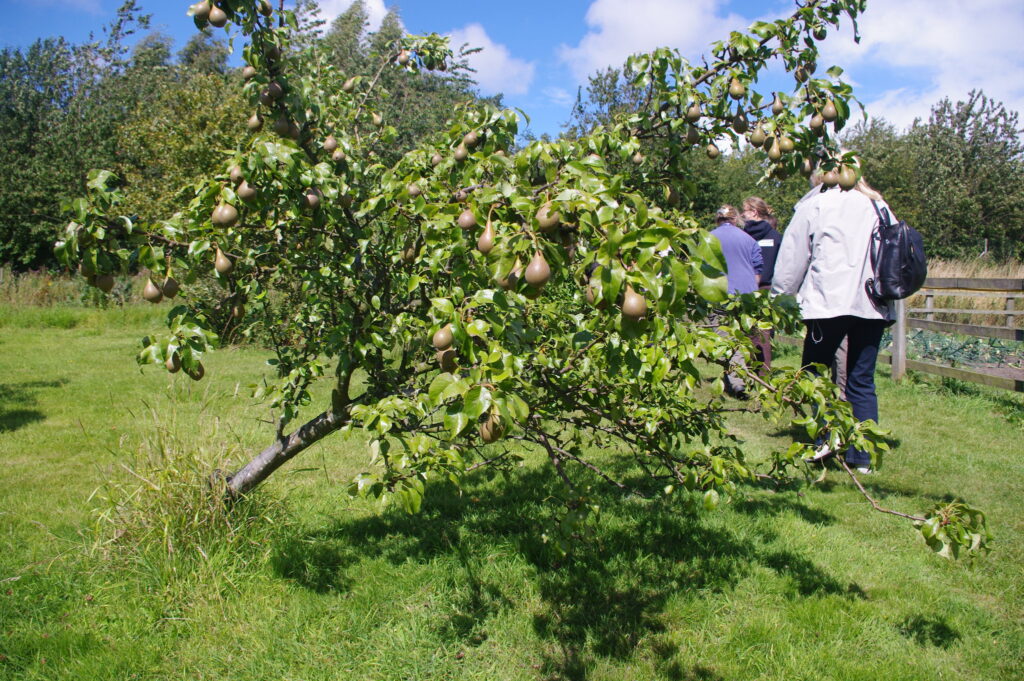
Pear trees are tough, long-lived, and they handle cooler sites better than many other fruit trees. Late winter is a good window for bare-root pears, since the tree is dormant and easier to establish. Pick a spot with sun and room, because pears can grow taller than you expect.
Many varieties produce better when a second pear variety blooms at the same time nearby. Prune lightly at first, then shape the tree over a few seasons so it does not turn into a tall ladder job. Harvest pears when they are mature but still firm, then let them soften indoors for the best texture.
Cherry Tree
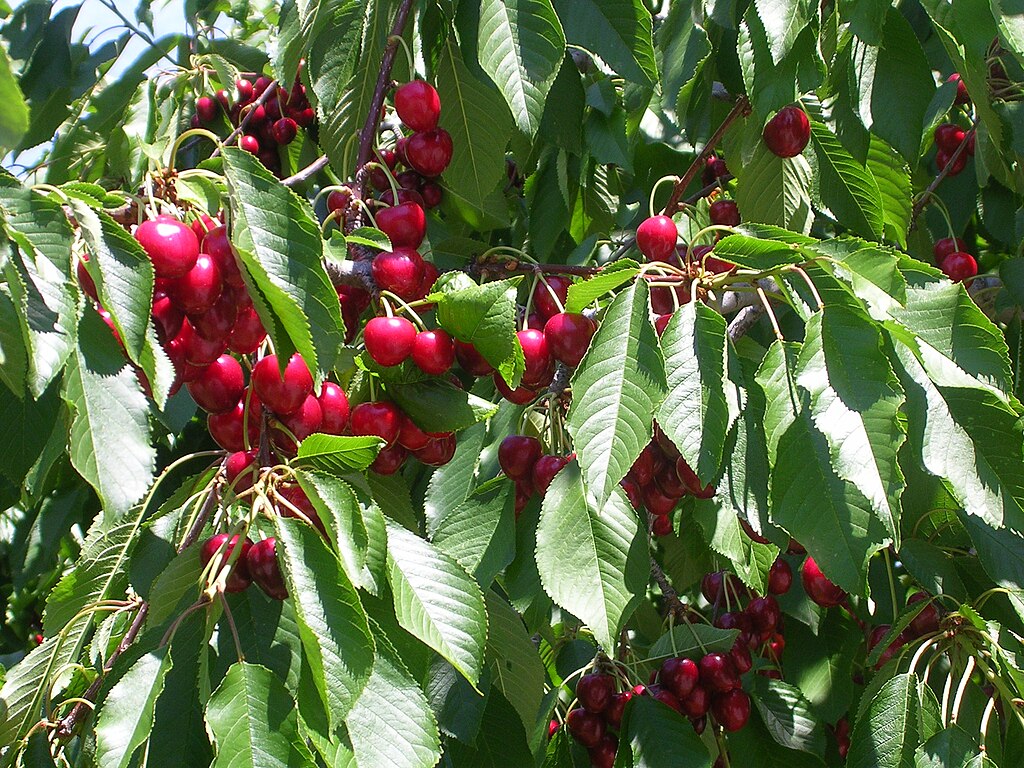
Cherry trees like bright sun and quick-draining soil, and they do not enjoy wet ground in winter. Planting while the tree is dormant helps it settle in before spring growth and bloom. Sweet cherries often need more warmth and shelter than tart cherries, so match the type to your climate.
Pollination matters for many sweet cherry varieties, while many tart cherries can fruit on their own. Netting is often the difference between a full bowl and an empty branch once fruit starts to color. Prune after harvest in many climates, since pruning in wet, cold weather can invite disease.
Fig Tree
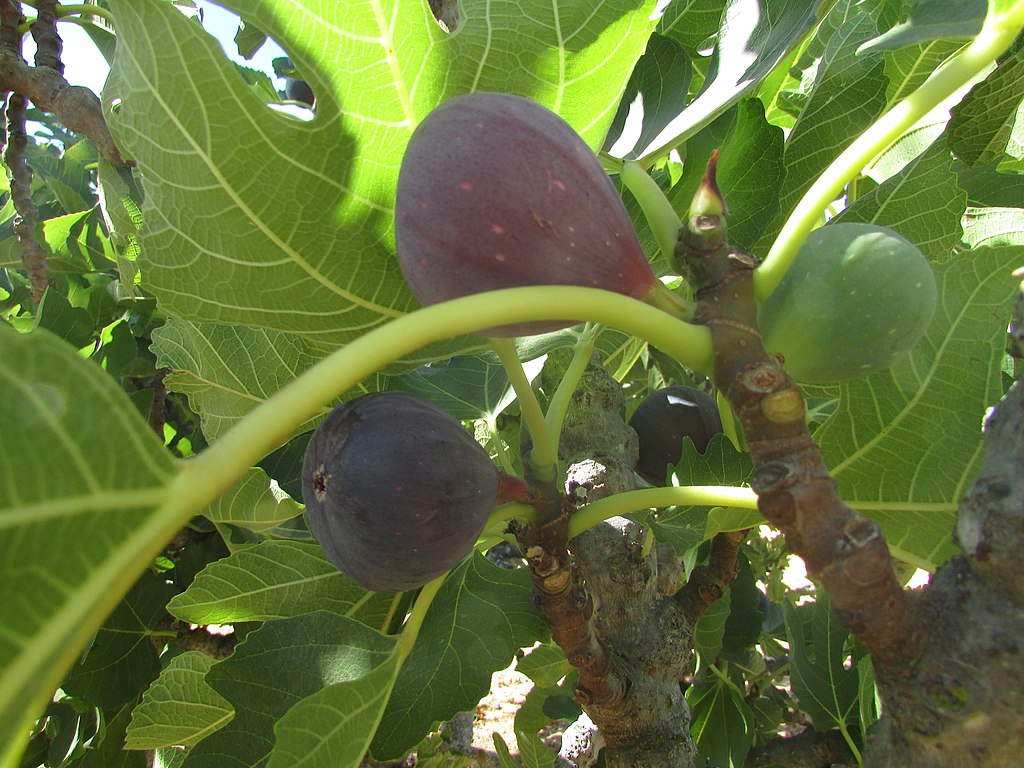
Fig trees love warmth and sun, but they can still be planted in late winter if your ground is workable and you can protect the young plant. In colder areas, a sheltered spot near a wall can make a big difference. Well-drained soil is key because figs do not like waterlogged roots.
In cool climates, many people grow figs in large containers so they can be moved or protected in winter. A thick layer of mulch helps hold moisture in summer and buffers roots from cold snaps. Once established, figs can handle some dry spells, but young plants need steady watering their first season.
Pomegranate Tree
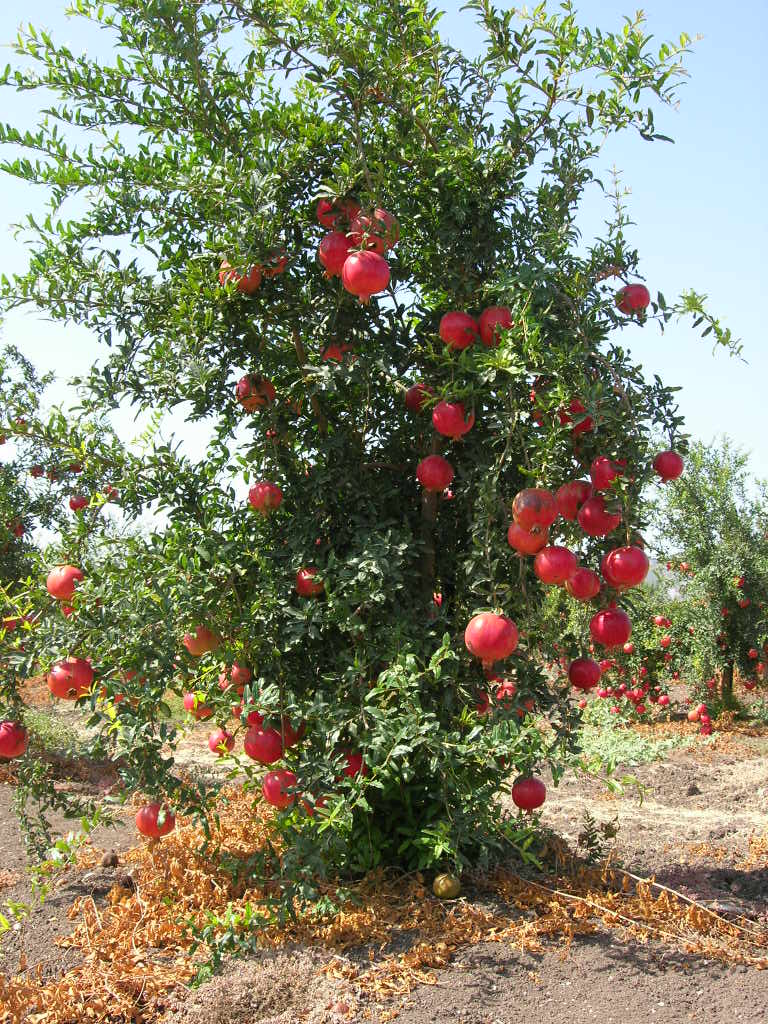
Pomegranates prefer long, warm seasons, yet late winter planting can work well in mild regions where the soil does not freeze. Choose the sunniest place you have, since shade can lead to fewer flowers and fruit. They tolerate poorer soils better than many fruit trees, as long as drainage is decent.
A young pomegranate benefits from regular watering until roots spread, then it becomes more drought-tolerant. Prune to remove suckers and keep a few strong trunks, which makes harvesting easier later. If your winters dip low, plan on frost protection for the first few years.
Persimmon Tree
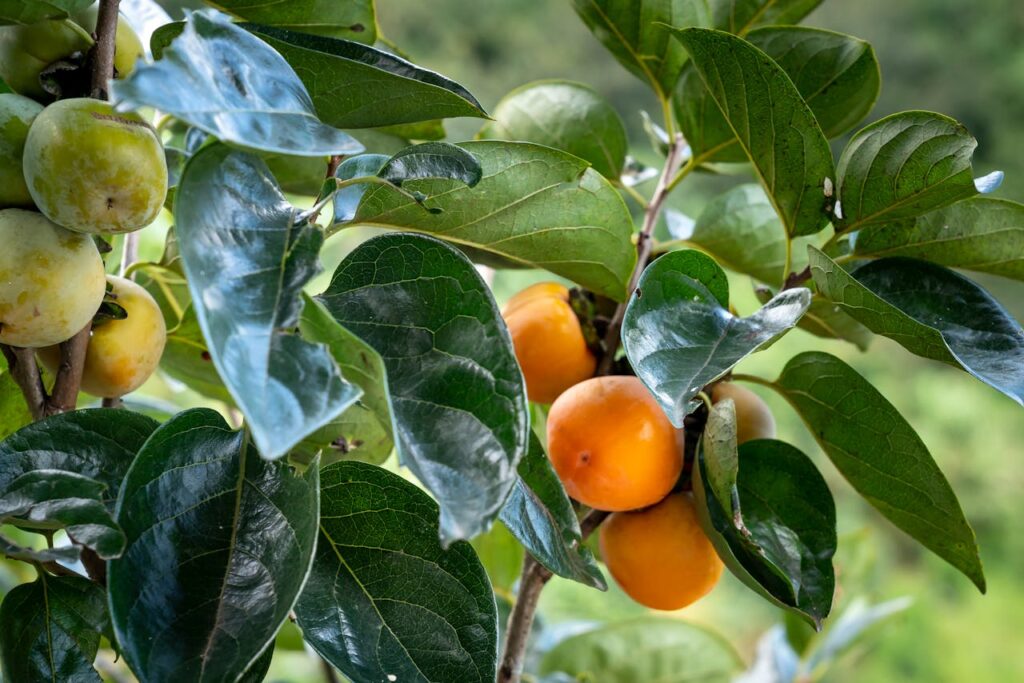
Persimmons bring glossy leaves, orange fruit, and a sweet flavor that feels like a fall treat from your own yard. Plant in late winter while the tree is dormant, and give it space because some types grow large. Full sun helps the fruit ripen well and develop better sweetness.
Some persimmons are astringent until fully soft, while others can be eaten firm, so the variety matters. Young trees can be slow to settle in, so keep weeds and grass back from the base and mulch the root zone. Harvest after the fruit colors deeply, and handle gently since ripe persimmons bruise easily.
Hardy Kiwi Vine
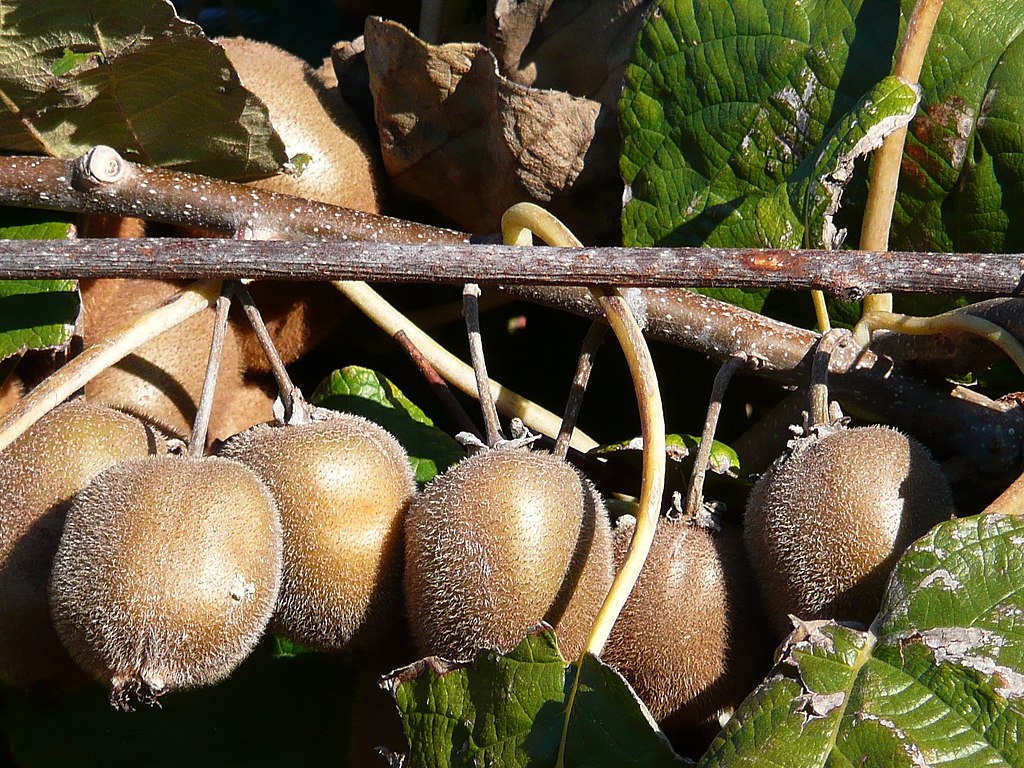
Hardy kiwi is a vigorous vine that needs a strong trellis or pergola from day one. Plant in late winter or early spring while the plant is still dormant, and choose a sunny, sheltered site. The vine grows fast once warm weather arrives, so do not underestimate how much space it will take.
Most hardy kiwis need both a male and a female plant to get fruit, usually one male for several females. Pruning keeps the vine from turning into a tangled mass and helps light reach fruiting wood. The fruit is small, smooth-skinned, and often sweet enough to snack on straight from the vine.
Blueberry Bush
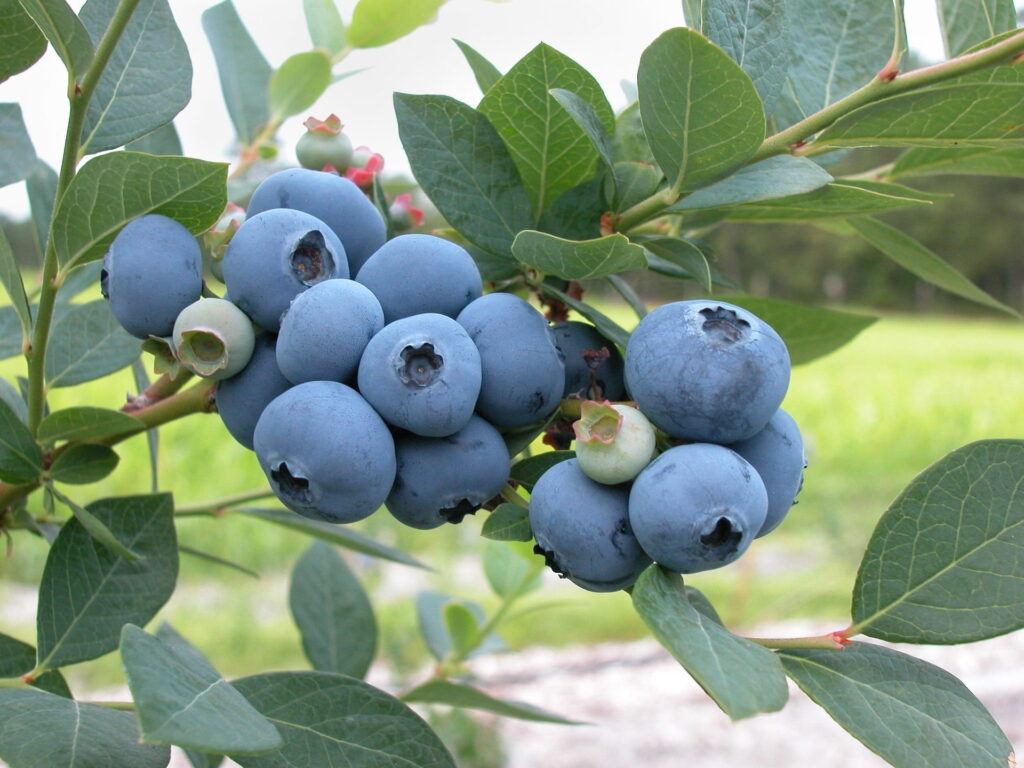
Blueberries are a classic backyard berry, but they have one big need, acidic soil. Planting in late winter gives you time to amend with peat moss or pine bark and set the bush up for steady growth. Full sun leads to better crops, though light afternoon shade can help in very hot areas.
Two different varieties often give a larger harvest, and they also spread the picking season. Mulch with pine needles, shredded bark, or leaves to keep roots cool and moist, since blueberry roots sit fairly shallow. If birds show up at the first hint of blue, netting or a simple row cover keeps fruit on the bush.
Raspberry Bush
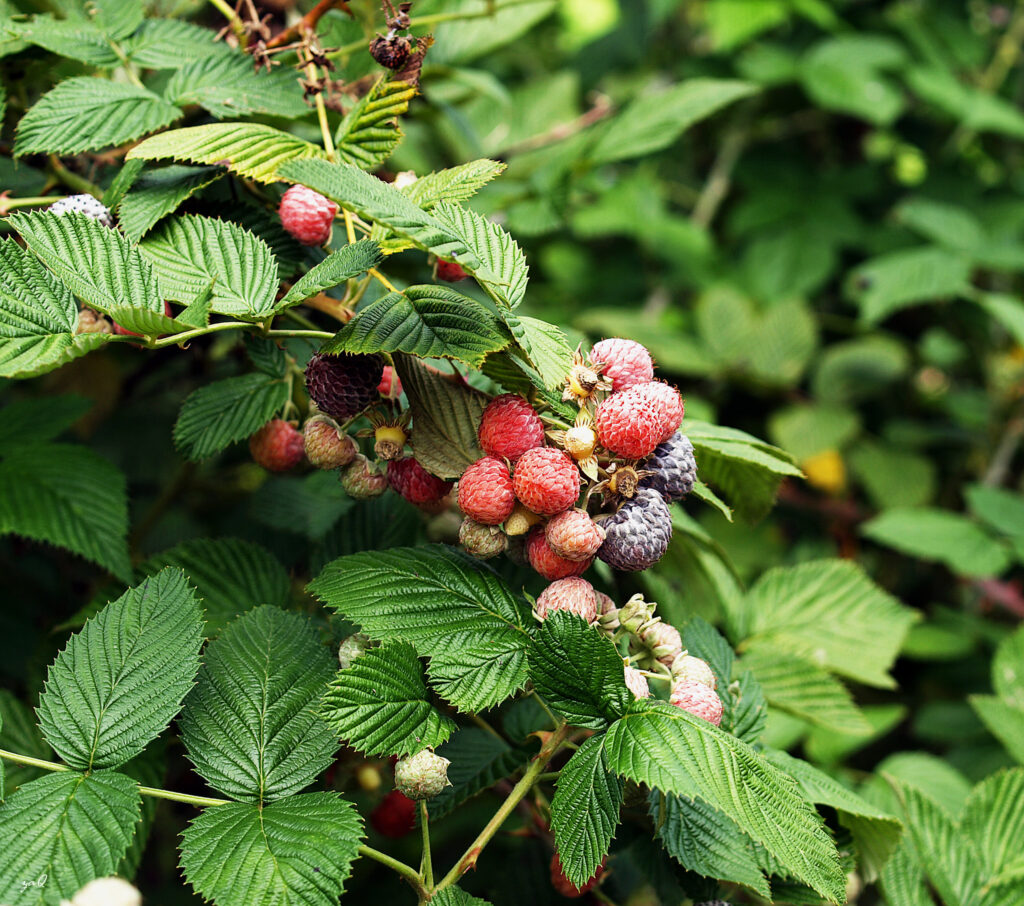
Raspberries spread by roots and can form a productive patch, so choose a spot where you can let them run a little. Late winter planting works well for bare-root canes, and a simple wire support keeps canes upright. Sun and airflow help reduce disease and make picking easier.
Some raspberries fruit on second-year canes, while primocane types can fruit on first-year growth, so pruning depends on what you plant. Keep the patch tidy by thinning weak canes and removing old fruiting canes after harvest. A thick mulch helps with moisture and keeps berries cleaner during rainy stretches.
Blackberry Bush
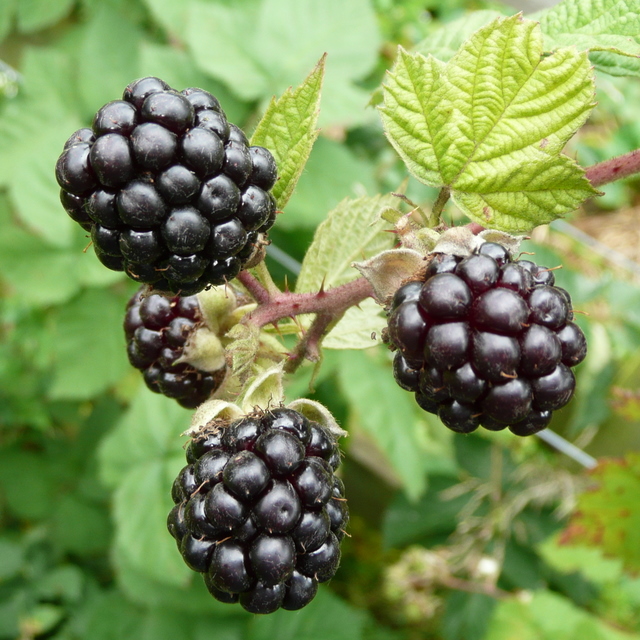
Blackberries can be very rewarding, with big berries that hold up well for pies, jam, and snacking. Plant while dormant, and set up support if you choose a trailing or semi-erect type. Give blackberries sun and space, since crowded canes can turn into a thorny knot fast.
Many types fruit on second-year canes, so you remove those spent canes after harvest and keep the new ones for next year. Tie new canes to wires as they grow to keep the patch easier to manage. Pick often once berries turn fully black, since ripe fruit does not last long on the cane in hot weather.
Strawberry Plant
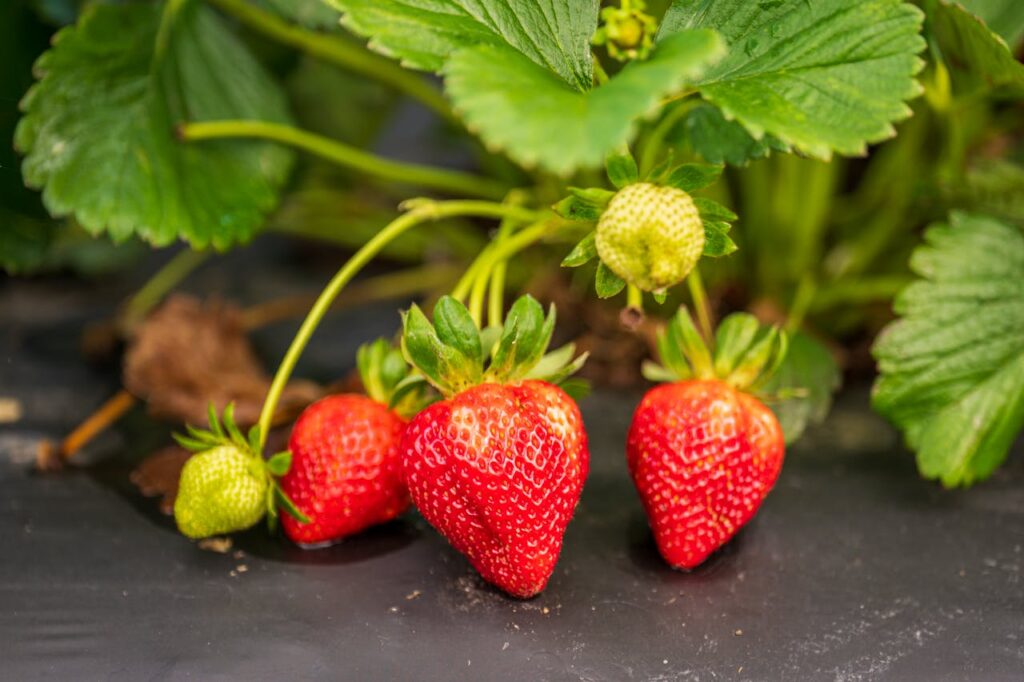
Strawberries are quick to start, and they can fruit the same year depending on the type and timing. Late winter planting can work in mild areas, and early spring planting is common in cooler zones once the ground can be worked. They like sun, loose soil, and regular watering so shallow roots do not dry out.
Keep the crown at soil level when you plant, since burying it can cause rot and setting it too high can dry it out. Pinch off early blossoms on June-bearing plants if you want stronger plants and a bigger crop later. Mulch with clean straw to keep berries off the soil and to cut down on splashing mud.
Gooseberry Bush
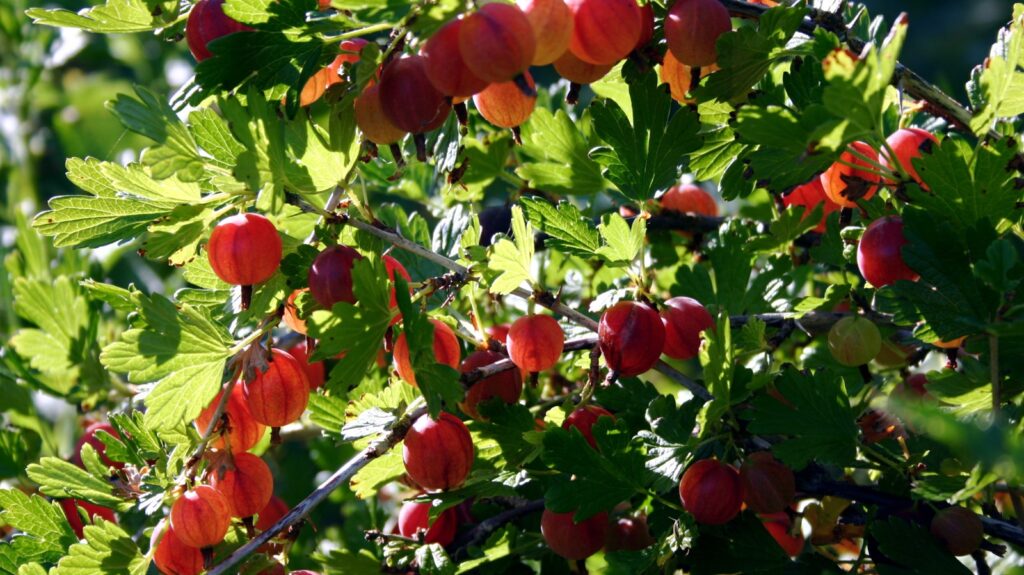
Gooseberries are underused in many yards, yet they can handle cool weather and still produce tangy, useful fruit. Plant them in late winter while dormant, and choose a spot with sun or light shade. Good airflow helps keep leaf problems down, especially in humid regions.
Some varieties have thorns, so plan your spacing so you can reach in to pick without getting scratched. Prune in late winter to remove weak shoots and keep the center open. Gooseberries are excellent for pies and sauces, and the flavor mellows as the fruit fully ripens.
Currant Bush

Currants are hardy, easy to fit into a mixed garden, and they often handle cooler sites better than many berries. Late winter planting works well for bare-root bushes, and they settle in quickly when watered well. Red and white currants lean tart and bright, while black currants have a deeper flavor.
Pruning is simple, since the best fruit often comes from younger wood, so you remove some older stems each year. Mulch helps keep the shallow roots from drying out during warm spells. If your summers get very hot, a bit of afternoon shade can help the leaves stay healthier.
This article originally appeared on Avocadu.